






AkzoNobel Powder Coating for Aluminum: Durable Finishes
The Power of AkzoNobel Powder Coating
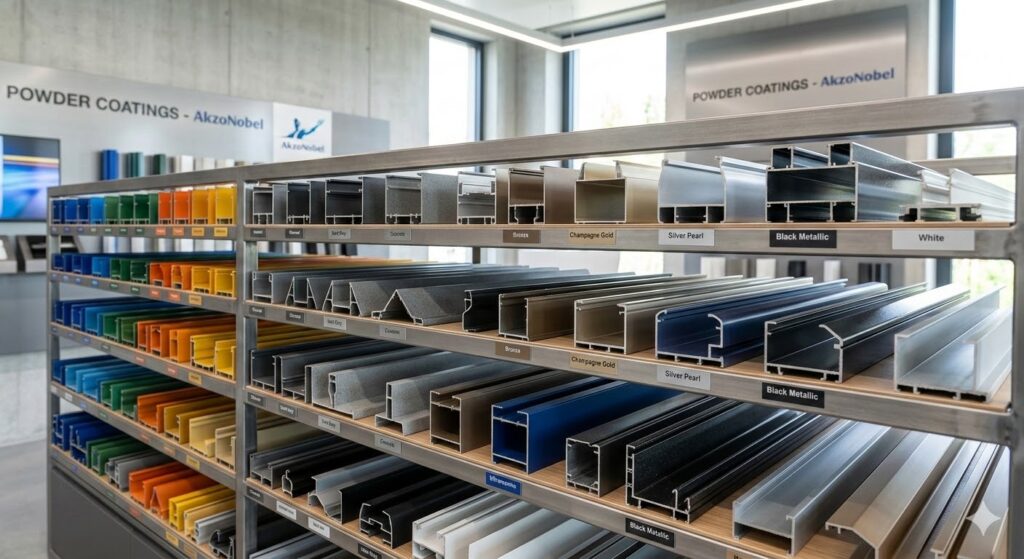
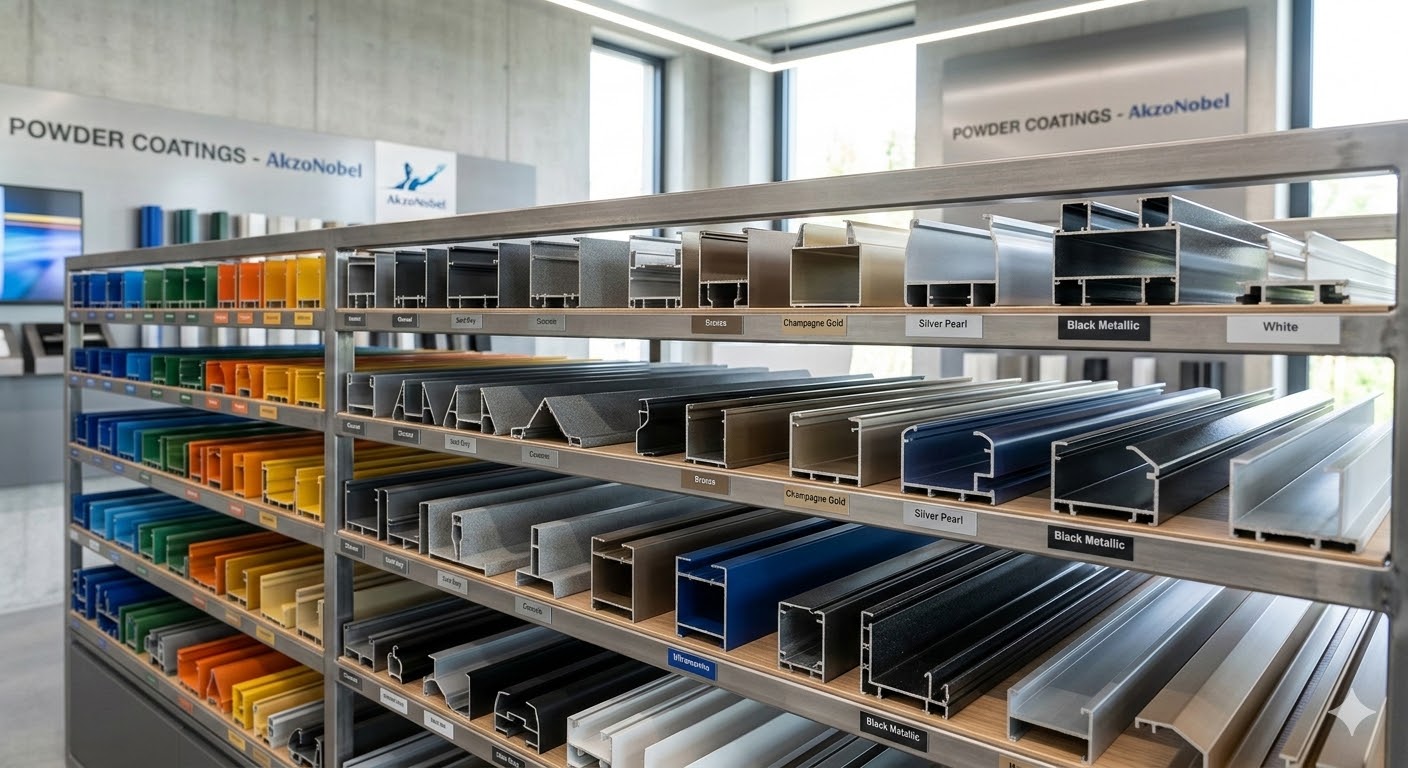
Most premium window systems, such as our XLB series, utilize high-grade AkzoNobel Powder Coating. We primarily use Interpon powders because they offer unmatched weather resistance. Unlike liquid paint, this specialized powder coating creates a thick, durable layer that resists scratching and chipping.
Additionally, this process is environmentally friendly. It contains no Volatile Organic Compounds (VOCs). Furthermore, the variety of colors is nearly limitless. You can choose from matte, glossy, or textured finishes to match your architectural vision. However, the quality of the finish depends heavily on the pre-treatment process. We ensure every profile undergoes a multi-stage cleaning to guarantee maximum adhesion for the AkzoNobel Powder Coating.
Why Choose Premium Anodizing?
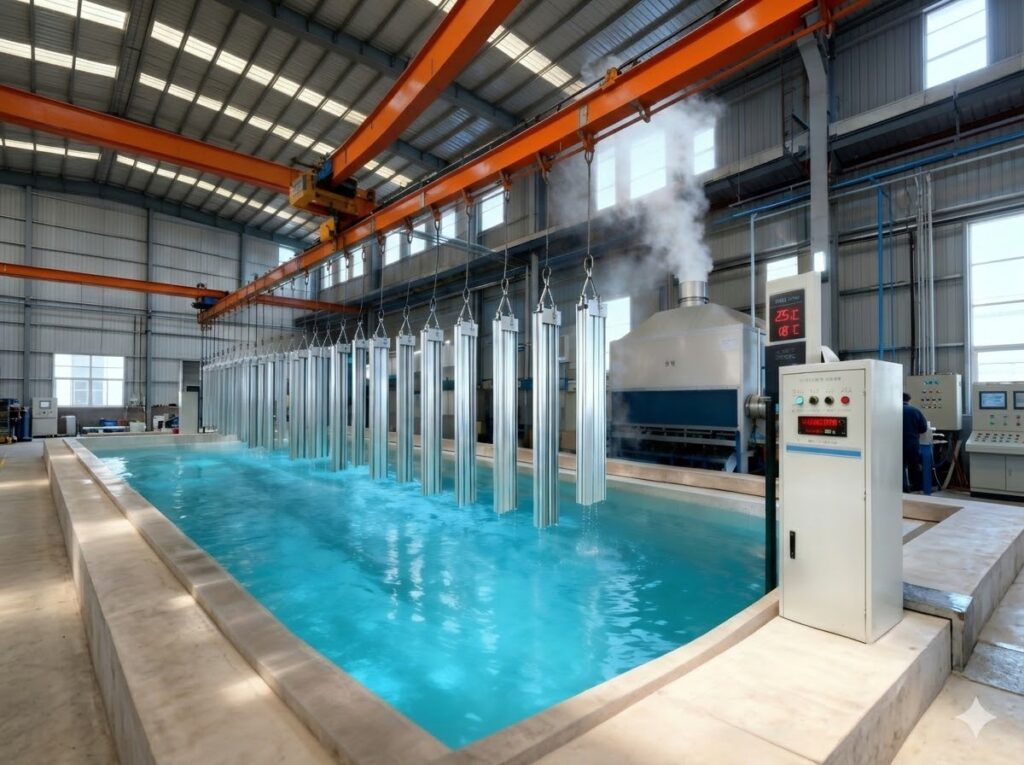
While powder coating adds a layer on top of the aluminum, anodizing integrates with the metal itself. This electrochemical process thickens the natural oxide layer on the surface. Consequently, the finish becomes incredibly hard—almost as hard as a diamond.
In contrast to coating, anodized aluminum retains its metallic luster. It is the ideal choice for coastal projects where salt spray corrosion is a constant threat. Designers often prefer anodizing for high-traffic areas because it cannot peel or flake. At AlloyPro, our anodizing tanks produce consistent T-slotted and architectural profiles with deep, rich tones like champagne, bronze, and classic black.
Fluorocarbon (PVDF) for Extreme Environments
For skyscrapers and iconic landmarks, we recommend PVDF (Fluorocarbon) coating. This treatment uses a resin-based liquid coating system. It provides the highest level of protection against harsh chemical environments and extreme UV exposure. Although it is more expensive than standard AkzoNobel Powder Coating, its 20-year color retention makes it a cost-effective choice for long-term infrastructure.
Quality Control and International Standards
AlloyPro maintains a strict quality moat. We test every batch of treated profiles for coating thickness, gloss levels, and impact resistance. Our processes align with AAMA 2604/2605 and Qualicoat standards. By choosing the right AkzoNobel Powder Coating, you extend the life of your aluminum windows and doors by decades.
Conclusion
Selecting the right finish is just as important as selecting the right alloy. Whether you need the vibrant colors of AkzoNobel Powder Coating or the industrial strength of anodizing, AlloyPro delivers precision-engineered solutions. We help you balance budget, durability, and design.
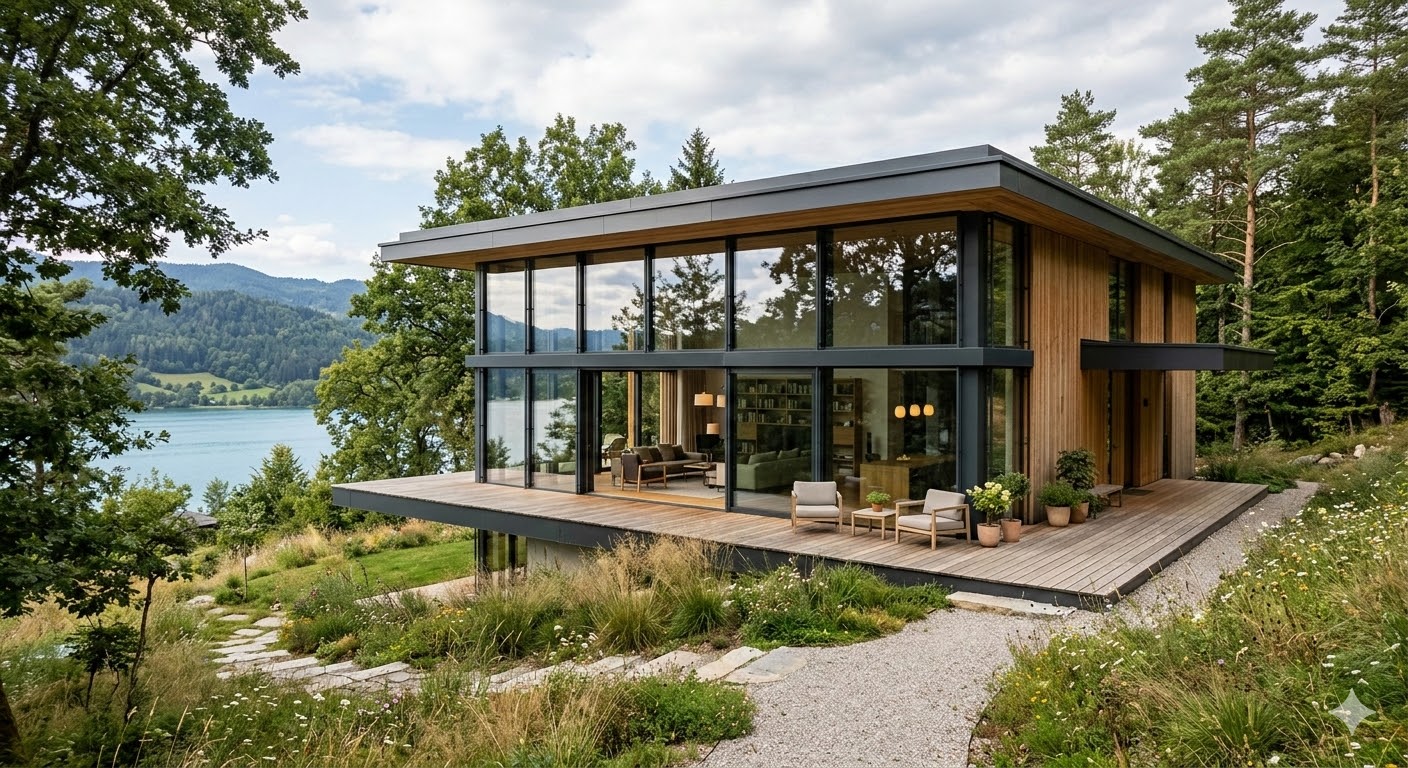
2026 Net-Zero Building Guide: Decoding Low-Carbon Aluminum Top Systems
1. Recycled Content: The Circular Economy Path
The most direct route to lowering carbon footprints involves using post-consumer scrap. Producing recycled aluminum requires only 5% of the energy needed for primary production. Top Systems in the industry now guarantee specific recycled content percentages in their extrusions.
Furthermore, AlloyPro is optimizing supply chains to incorporate high-quality recycled billets without sacrificing structural integrity. By melting down old window frames, manufacturers significantly reduce the “embodied carbon” of new curtain walls. This circular approach ensures that the Low Carbon Aluminum used in your 2026 project contributes to a healthier planet.
2. Low-Carbon Smelting: Powered by Renewable Energy
While recycling is vital, the industry still requires primary aluminum for high-strength applications. The technical breakthrough here lies in the energy source. Leading Net Zero Windows solutions now utilize aluminum smelted using hydropower, wind, or solar energy instead of coal.
In contrast to traditional smelting, “Green Primary Aluminum” lowers the carbon threshold significantly. Additionally, advanced electrolysis technologies are emerging to eliminate direct carbon emissions entirely. For B2B buyers, sourcing from Top Systems that document their energy mix is essential for LEED and BREEAM certifications.
3. Thermal Performance Engineering: The XLB Strategy
Low-carbon material is only half of the equation; the system must also save energy during the building’s operational life. This is where thermal break technology becomes critical for Net Zero Windows. Top Systems, such as the AlloyPro XLB-80 and XLB-140 series, utilize multi-cavity polyamide strips to block heat transfer.
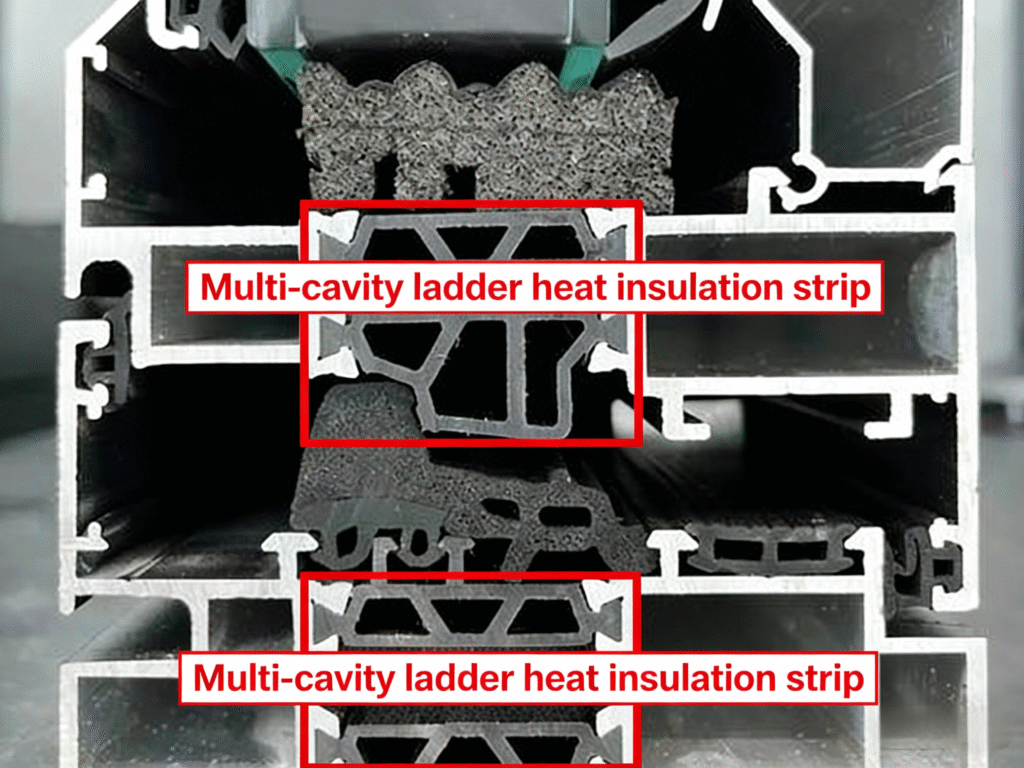
These precision-engineered thermal barriers ensure that indoor temperatures remain stable. Consequently, the building requires less HVAC energy, further reducing its long-term carbon footprint. By combining T5 and T6 heat treatment processes with advanced insulation, Low Carbon Aluminum products provide the ultimate balance between durability and energy efficiency.
Why Choosing the Right Partner Matters
Navigating the complexities of Net-Zero requirements demands a partner who understands both international standards and manufacturing precision. Whether you are looking for hurricane-resistant solutions or high-efficiency Net Zero Windows, the focus must remain on verified performance data from Top Systems.
AlloyPro continues to bridge the gap between high-end global standards and cost-effective manufacturing. By focusing on LEED-compliant Low Carbon Aluminum and optimized CNC processing, we help international developers reach their sustainability goals faster. As the industry evolves, staying informed about these technical paths will ensure your projects remain competitive in a green-focused market.
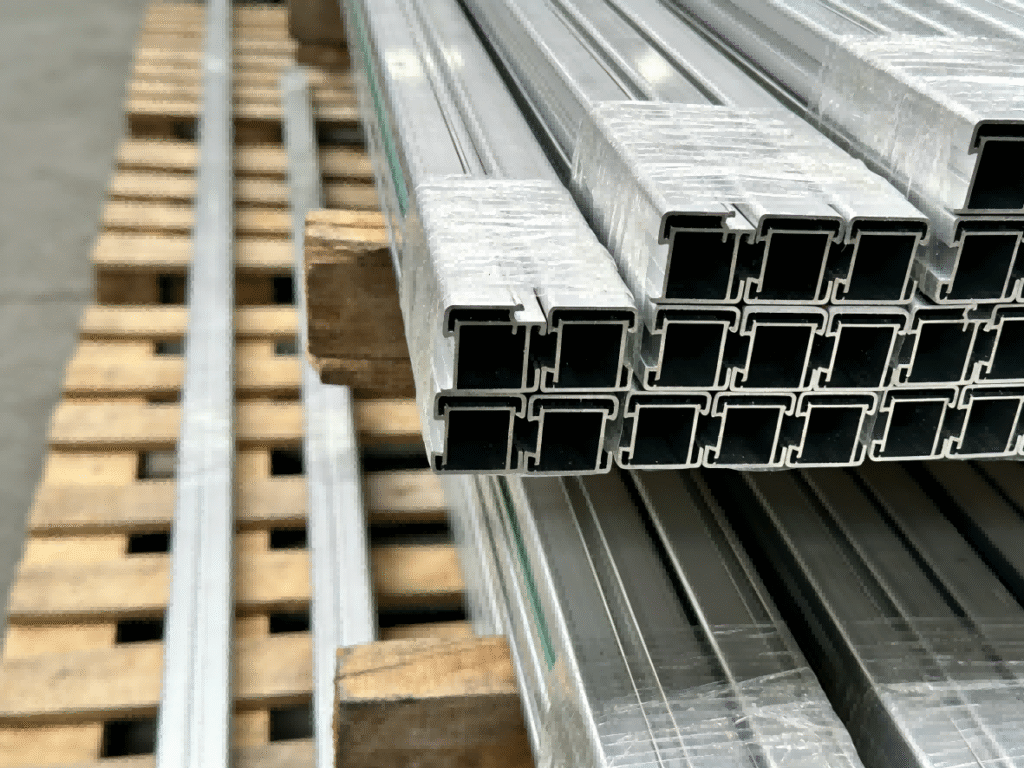
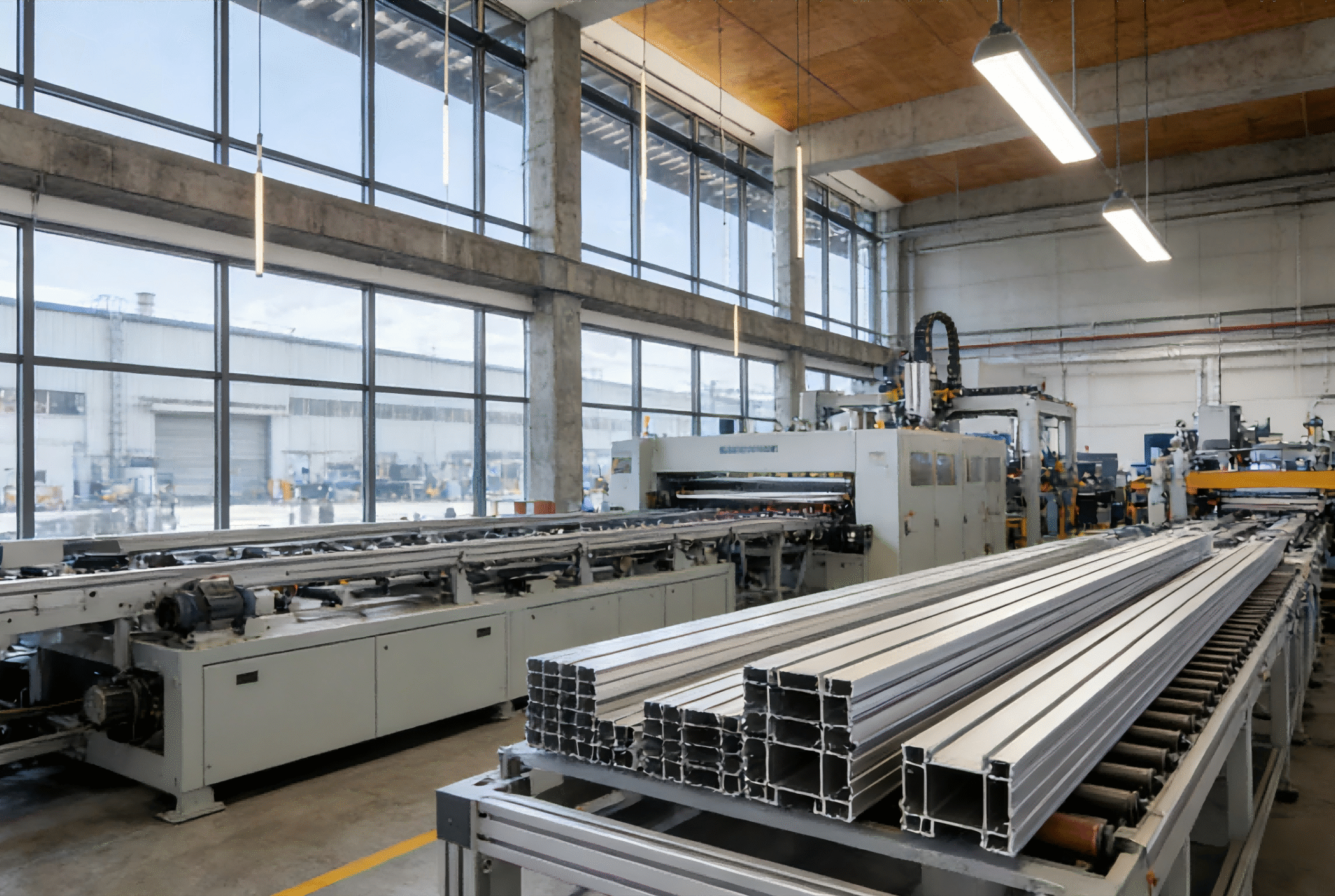
Aluminum Extrusion Process: Custom Aluminum Profiles Factory
Initial Steps in the Aluminum Extrusion Process
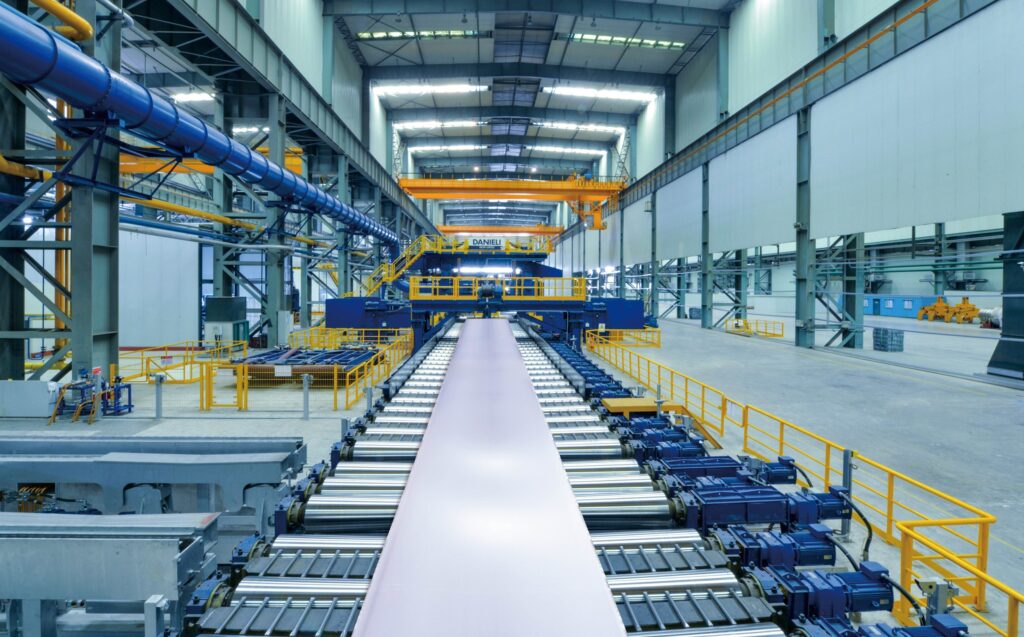
The journey begins at our heavy-duty extrusion presses. First, we heat high-quality aluminum billets to a specific temperature. Once the metal is ready, our machines push it through a custom-designed die. Notably, this core part of the aluminum extrusion process creates the specific shape of your profiles.
Furthermore, we monitor every second of the production. Our engineers check the speed and temperature constantly to ensure structural integrity. As a result, AlloyPro delivers profiles with smooth surfaces and exact dimensions every time.
Strengthening Profiles in our Custom Aluminum Profiles Factory
After leaving the press, the hot aluminum profiles move onto the cooling table. We use powerful air or water cooling systems depending on the alloy. This is important because proper cooling sets the initial hardness of the metal.
In addition to cooling, the profiles go to the stretcher. This machine pulls the aluminum to straighten any twists and relieve internal stress. Therefore, this step is vital for consistency. It ensures that every meter of the profile meets your mechanical specifications perfectly.
Finishing Touches in the Aluminum Extrusion Process
Next, we cut the long profiles into the lengths you require. Our high-speed saws provide clean, burr-free edges. Additionally, most clients require specific surface treatments to enhance durability.
At our custom aluminum profiles factory, we offer professional powder coating and anodizing. These finishes protect the aluminum from corrosion. Moreover, they provide the aesthetic look needed for architectural applications. In contrast to unfinished metal, our treated profiles undergo strict inspection to ensure color uniformity.
Quality Control at our Custom Aluminum Profiles Factory
We do not ship products until they pass our strict testing protocol. For instance, our laboratory technicians test the hardness, tensile strength, and coating thickness. We also use digital calipers to verify every detail against your blueprints.
Additionally, we perform visual checks for surface scratches. By maintaining these high standards, we reduce waste and keep your project on schedule. Ultimately, we believe that professional inspection is the bridge to a successful project.
Final Packaging in the Aluminum Extrusion Process
The final step is just as important as the first. Specifically, we wrap profiles in protective film and place them in reinforced wooden crates. This careful packaging prevents any damage during sea or air freight.
Whether you are in Europe or North America, your order arrives in perfect condition. We handle the logistics details so you can focus on your business. Indeed, our commitment as a leading aluminum profile manufacturer is to provide a seamless experience from start to finish.
Start Your Project with our Custom Aluminum Profiles Factory
Choosing our custom aluminum profiles factory means choosing a partner dedicated to excellence. We invest in the latest technology and prioritize sustainable production. Furthermore, our team works closely with you to optimize your designs.
Are you ready to start? Contact us today at to learn more about our aluminum extrusion process. Let us turn your vision into reality with precision engineering.
Custom Aluminum Extrusions: Precision Industrial Solutions
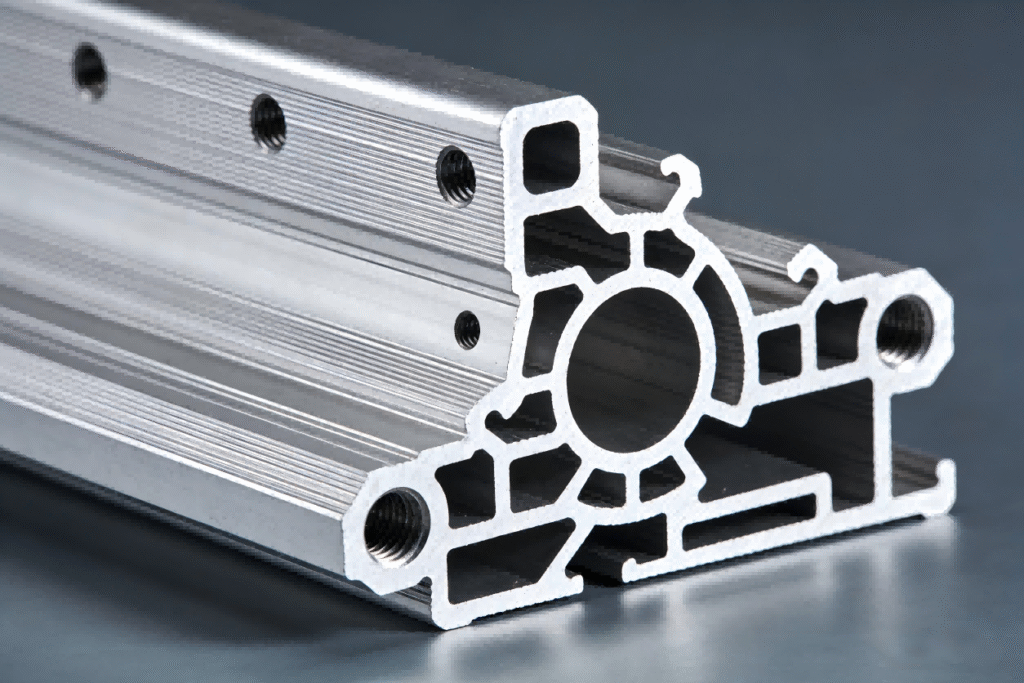
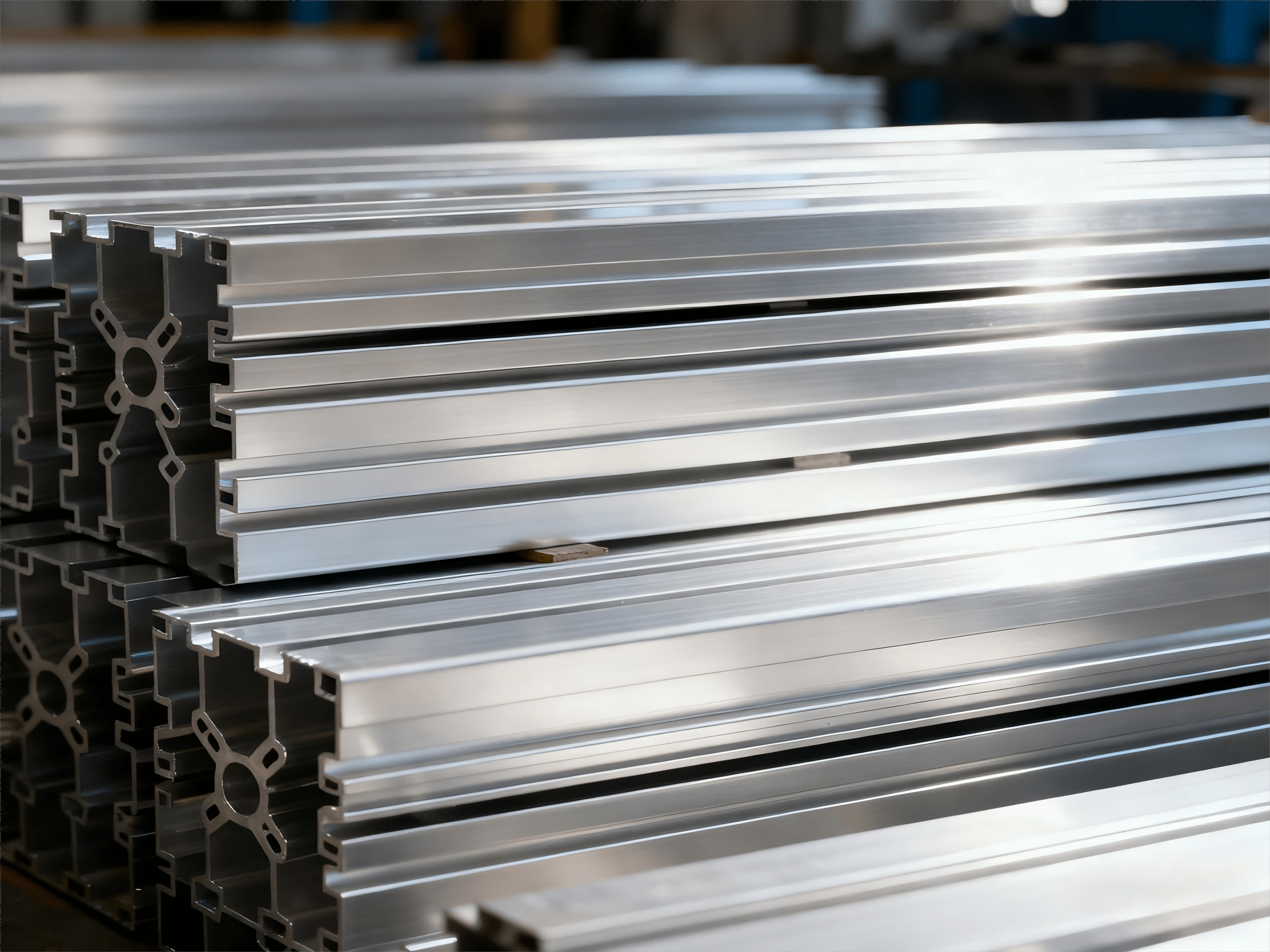
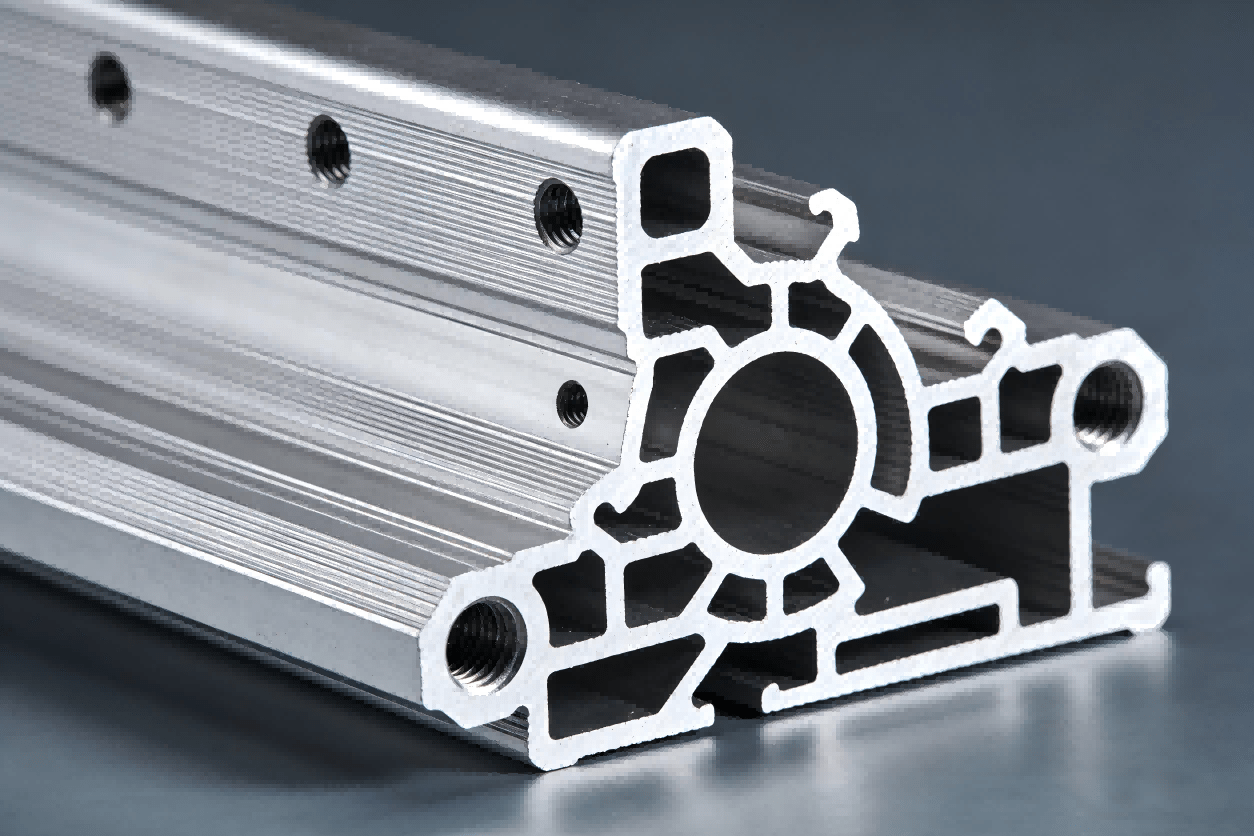
1. Custom Aluminum Extrusions for T-slot Automation
Many industrial sectors now rely on Custom Aluminum Extrusions to build modular T-slot frameworks. Traditional steel structures are heavy and require permanent welding, which limits flexibility. In contrast, our aluminum T-slot systems offer a lightweight, modular alternative that you can assemble or reconfigure without specialized tools.
Additionally, the precision of our extrusion process ensures that every groove and fastener aligns perfectly. This reliability is essential for safety guards, ergonomic workstations, and complex robotic assembly lines. Furthermore, by switching to our customized T-slot profiles, you significantly reduce labor costs and project lead times.
2. Custom Aluminum Extrusions in EV and Automotive Parts
The global automotive industry is rapidly evolving, driving a massive demand for Custom Aluminum Extrusions in Electric Vehicles (EVs). Manufacturers utilize our specialized profiles for critical components such as battery enclosures, crash management systems, and lightweight chassis frames.
Because aluminum offers an exceptional strength-to-weight ratio, it directly contributes to extending the driving range of electric cars. Moreover, our advanced manufacturing techniques allow for complex internal hollow shapes that absorb impact energy more effectively than steel. AlloyPro provides the high-performance materials that modern automotive engineering requires to stay competitive.
3. Custom Aluminum Extrusions for Thermal Management
Effective heat dissipation is vital for high-performance electronics, and Custom Aluminum Extrusions provide the ideal solution. Our profiles serve as superior heat sinks for LED lighting, power inverters, and telecommunications infrastructure. Aluminum’s natural thermal conductivity allows heat to move away from sensitive components rapidly.
However, generic heat sinks often lack the surface area needed for specialized hardware. By choosing a custom design, you can optimize fin density and thickness to achieve peak cooling performance. Additionally, AlloyPro offers precision CNC machining to ensure your heat sink integrates perfectly with your electronic assembly, preventing overheating and extending product lifespan.
Why Choose AlloyPro for Your Custom Projects?
Partnering with AlloyPro means you gain access to a full-service supply chain for Custom Aluminum Extrusions. We manage everything from initial die design to advanced surface treatments like anodizing. Our factory-direct model ensures you receive competitive pricing while maintaining world-class quality standards.
Furthermore, we prioritize fast delivery and technical support. Our engineers work closely with you to refine your designs, reducing material waste and improving the final product’s performance. Whether you need a simple frame or a complex automotive component, we deliver excellence in every profile.
Conclusion
From modular factory frameworks to advanced EV components and thermal solutions, Custom Aluminum Extrusions offer the versatility your business needs. AlloyPro is committed to providing precision, durability, and value. Enhance your next manufacturing project with our expert aluminum solutions today.
Thermal Break Aluminum Windows: High Performance Energy Guide
High-Strength Frame Construction
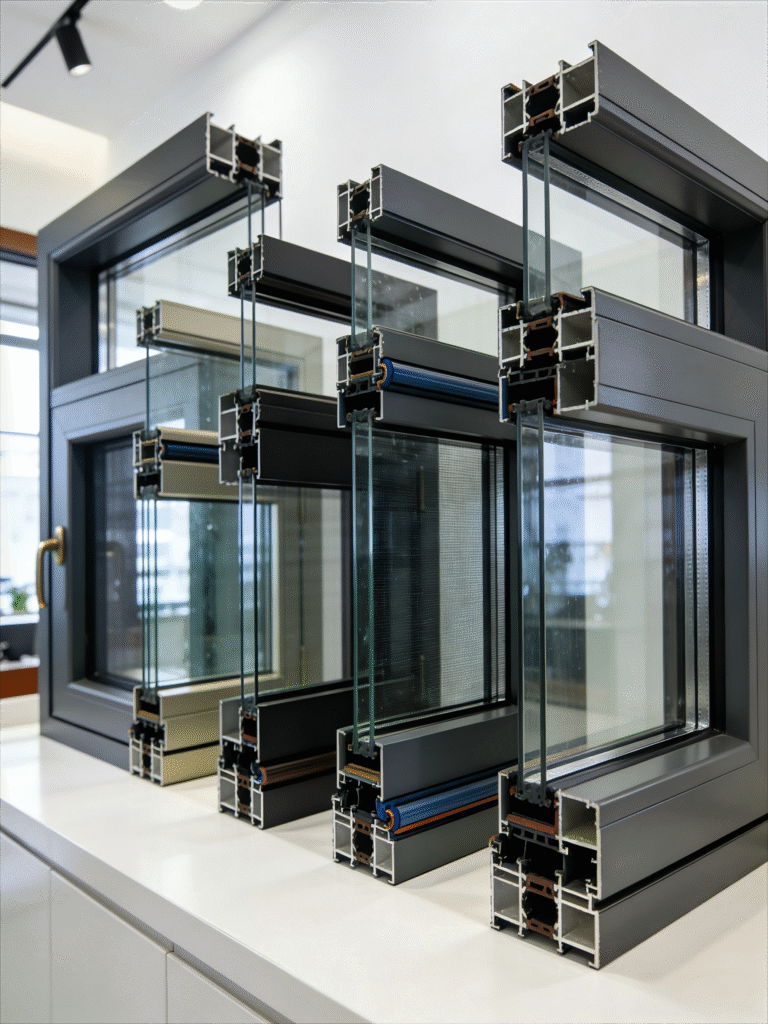
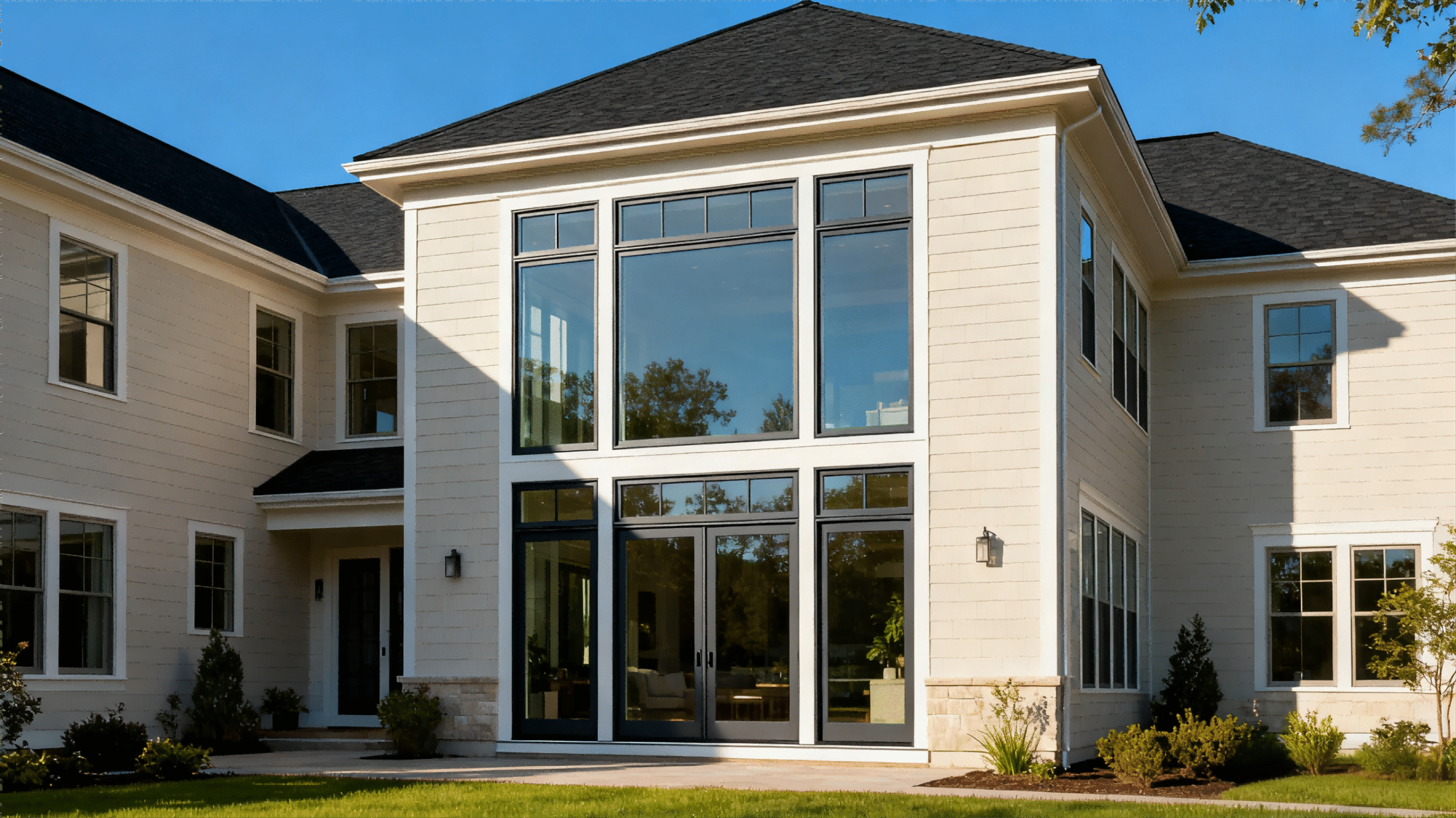
The performance of Thermal Break Aluminum Windows starts with the frame. Quality manufacturers use 6063 alloy or 6060 alloys, known for their excellent structural rigidity and surface finish.
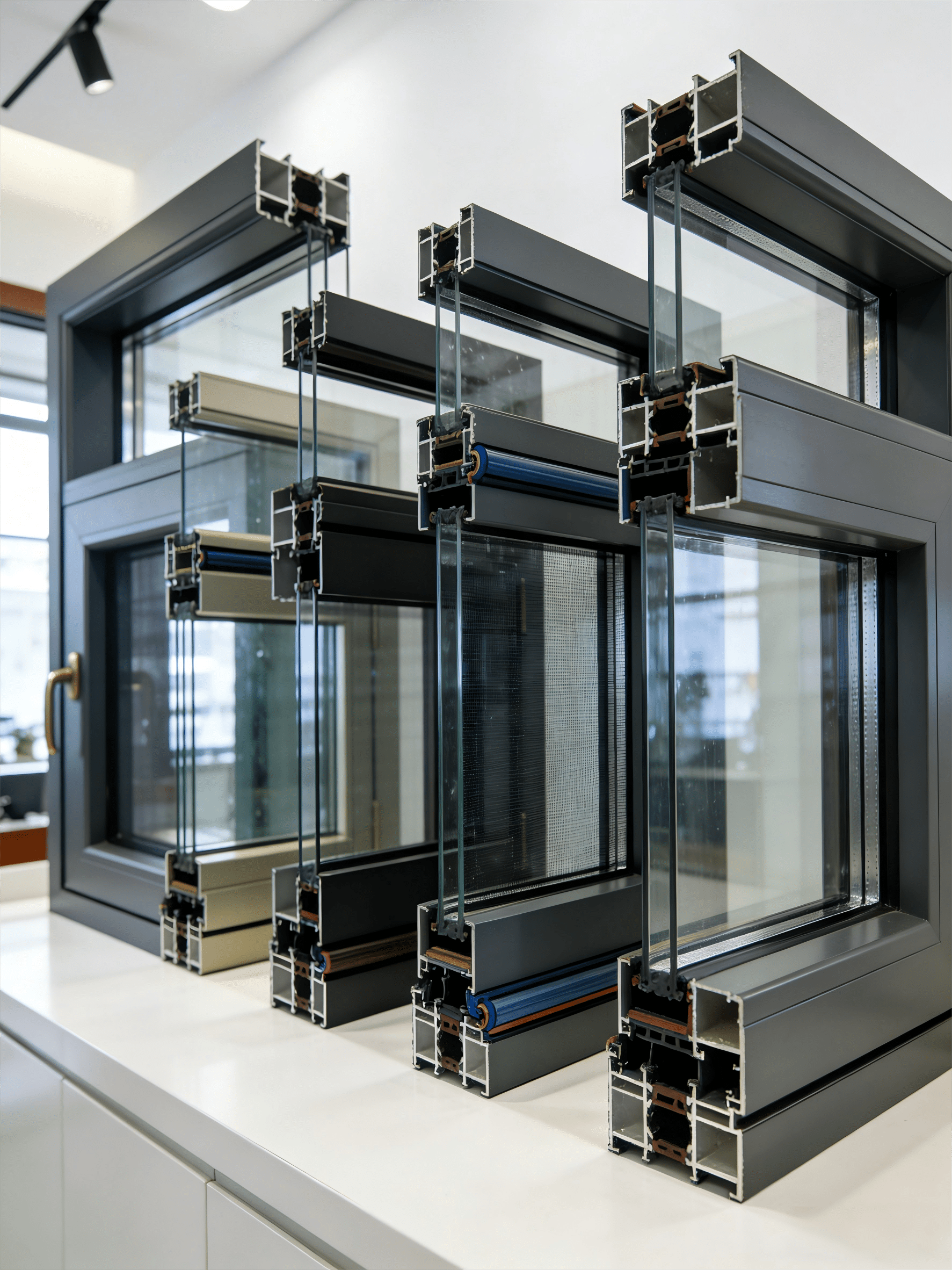
The “Thermal Break” technology involves inserting a polyamide strip between the aluminum sections to significantly reduce heat transfer. This ensures your home stays comfortable and saves energy year-round.
Advanced Glass and Insulation
Since glass occupies most of the window surface, it is central to performance. Modern insulating glass units (IGUs) in these windows often feature:
- Double Glazing: Two panes with an argon gas fill to reduce heat transfer by approximately 30%.
- Low-E Coatings: These microscopic metallic layers reflect heat while blocking solar gain, leading to lower energy bills.
Secure Locks and Sealing Systems
Functionality and safety go hand in hand. High-quality Thermal Break Aluminum Windows are equipped with secure multi-point locks that engage at several points along the frame. This provides superior security and pulls the sash firmly against EPDM rubber gaskets for a perfect weather seal against drafts and noise.
Durable Surface Finishes
Aluminum’s longevity is enhanced by professional finishes. Powder coating offers extensive colors with UV resistance, while anodizing provides an incredibly hard, corrosion-resistant surface. These factory-applied finishes mean your windows remain low-maintenance for decades.
Conclusion
Selecting Thermal Break Aluminum Windows with 6063 alloy frames and Low-E glass ensures your residential project meets the highest standards of performance and style. Trust precision engineering to deliver lasting comfort and security for your modern home.
Choosing the Best Thermal Break Aluminum Windows for Your Project
In summary, investing in high-quality Thermal Break Aluminum Windows is a strategic decision that enhances both the value and comfort of your residence. By prioritizing the structural integrity of 6063 alloy frames and the advanced thermal efficiency of Low-E glass, you ensure a sustainable living environment with reduced energy costs. Whether you are renovating a modern villa or designing a new home, these precision-engineered windows provide the perfect balance of aesthetic appeal and functional security. For those seeking long-term reliability and sleek architectural sightlines, selecting the right configuration of aluminum windows and doors is the key to a successful building project.