







Slim Frame Aluminum Windows: 2026 Minimalist Window Design
The Rise of Slim Frame Aluminum Windows in 2026
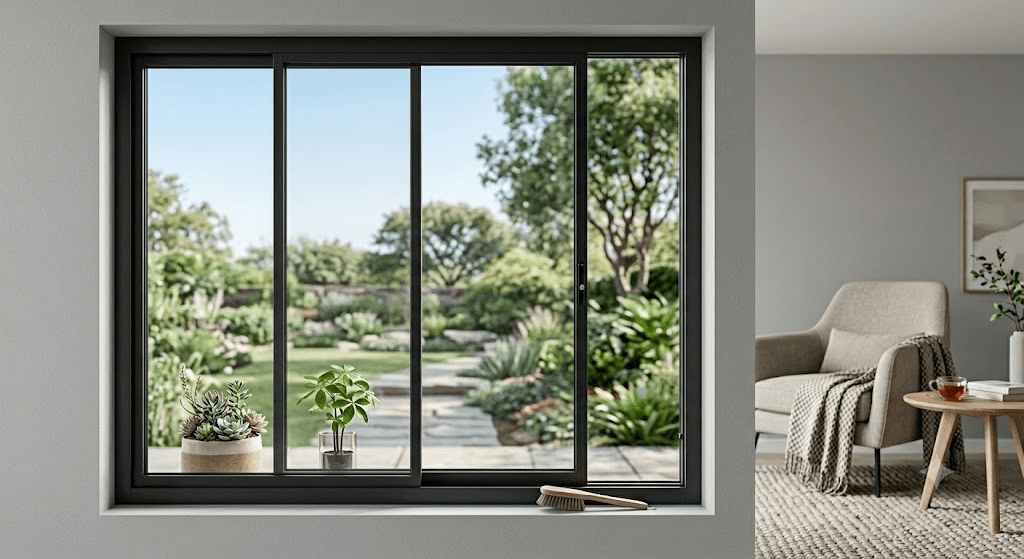
As we look toward 2026, the architectural world is moving toward a more transparent and seamless aesthetic. Consequently, Slim Frame Aluminum Windows have become the primary choice for modern developers. This Minimalist Window Design prioritizes massive glass areas while maintaining the structural integrity of the building. At AlloyPro, we refine our profiles to meet these evolving global demands.
Why Choose Minimalist Window Design?
A high-quality Minimalist Window Design is not just about thin lines; it is about precision engineering. By reducing the frame’s visible surface, we allow more natural light to penetrate the interior. However, strength remains a priority. Our Slim Frame Aluminum Windows utilize high-grade 6063-T5 aluminum, ensuring that even the slimmest profiles can withstand significant wind loads. Furthermore, this design integrates perfectly with any modern facade.
Unmatched 6063-T5 Strength and Energy Efficiency
International buyers prioritize both durability and performance. Our Slim Frame Aluminum Windows feature advanced thermal break technology to ensure energy efficient views. This means you can enjoy panoramic vistas without sacrificing indoor temperature control. Additionally, the 6063-T5 aluminum alloy provides the necessary hardness for long-term reliability. Therefore, you get a product that combines visual elegance with industrial-grade toughness.
Achieving Energy Efficient Views with AlloyPro
Creating a sustainable building requires high-performance materials. Our Minimalist Window Design supports multi-layer glazing options to enhance thermal insulation. In contrast to traditional bulky frames, our Slim Frame Aluminum Windows offer a sleeker profile that minimizes heat loss. Moreover, the corrosion-resistant surface treatment ensures the windows look new for decades. It is the ultimate solution for those seeking luxury and sustainability.
Conclusion: The Future of High-End Construction
The demand for Slim Frame Aluminum Windows continues to grow as architects seek more light and less clutter. By investing in a Minimalist Window Design, you are choosing a future-proof aesthetic that increases property value. Whether for residential villas or commercial towers, AlloyPro delivers the quality you need. Visit our website to explore our latest collections and upgrade your next project.
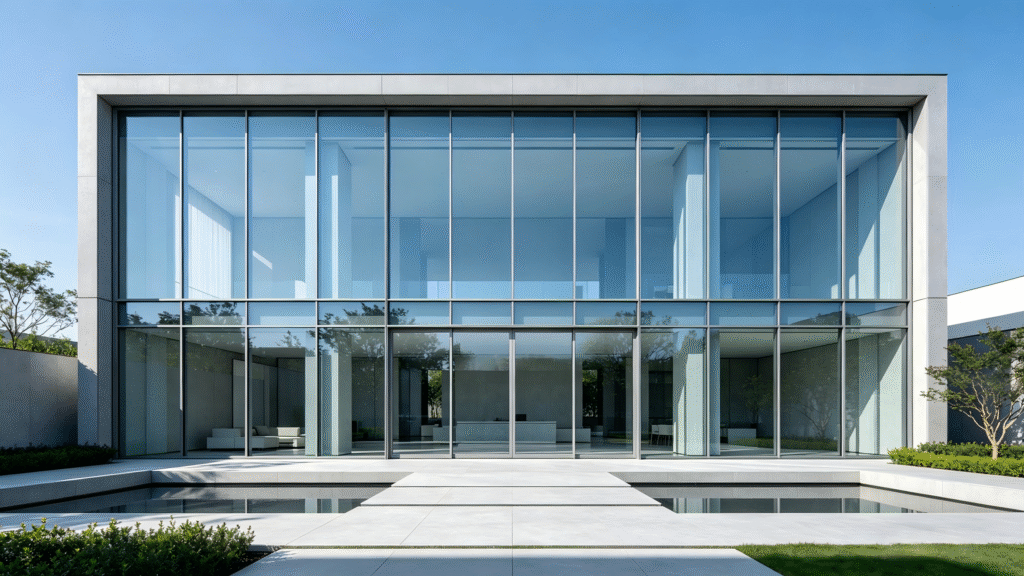
How to Choose the Best Window Glass for Office and Home
In this guide, we provide essential Glass Selection Tips to help you identify Energy Saving Windows that suit your specific needs. By understanding these technical nuances, you can ensure a high-performance result that lasts for decades.
Office Building Glazing: Prioritizing Performance
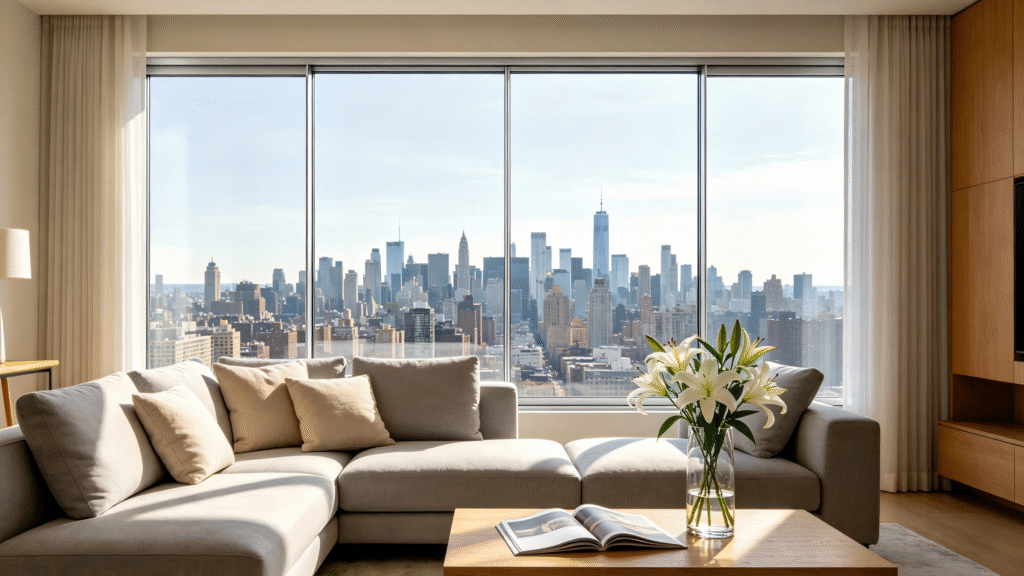
Commercial spaces usually feature expansive glass facades to create a professional atmosphere. Therefore, Office Building Glazing must prioritize solar heat control and natural light transmission. If the glass allows too much heat inside, air conditioning costs will skyrocket. Conversely, if the glass is too dark, it reduces productivity.
To achieve the perfect balance, many architects now choose Double Silver Low-E glass. This technology reflects infrared radiation while allowing visible light to pass through. Additionally, large-scale Office Building Glazing requires high structural integrity to withstand wind pressure at higher altitudes.
Residential Needs: Comfort and Insulation
In contrast, residential projects focus more on creating a quiet, thermally stable sanctuary. Homeowners prioritize thermal insulation to keep living spaces warm in winter and cool in summer. For these projects, finding the Best Window Glass means looking for a low U-value.
Furthermore, acoustic comfort is a top priority for homes in urban areas. Standard single-pane glass fails to block street noise effectively. Instead, installing Energy Saving Windows with double or triple glazing creates a much-needed sound barrier. This ensures that your family enjoys a peaceful environment, regardless of the noise outside.
Professional Glass Selection Tips
Navigating technical specifications can be overwhelming. Follow these Glass Selection Tips to simplify your decision:
- Check the U-Value: A lower U-value indicates better insulation, which is vital for Energy Saving Windows.
- Evaluate the SHGC: This measures how much solar heat enters; lower values are better for hot climates.
- Consider Laminated Options: For residential windows, laminated glass offers superior security against break-ins.
- Match the Frame: Ensure your glass choice complements high-quality aluminum profiles, like those from AlloyPro, to prevent thermal bridging.
Conclusion
Making the right choice requires a deep understanding of architectural glass technology. From initial Office Building Glazing design to final residential installation, every detail matters. At AlloyPro, we integrate premium aluminum systems with the Best Window Glass to deliver unparalleled results. Explore our latest projects and discover how our Glass Selection Tips can transform your next building venture.
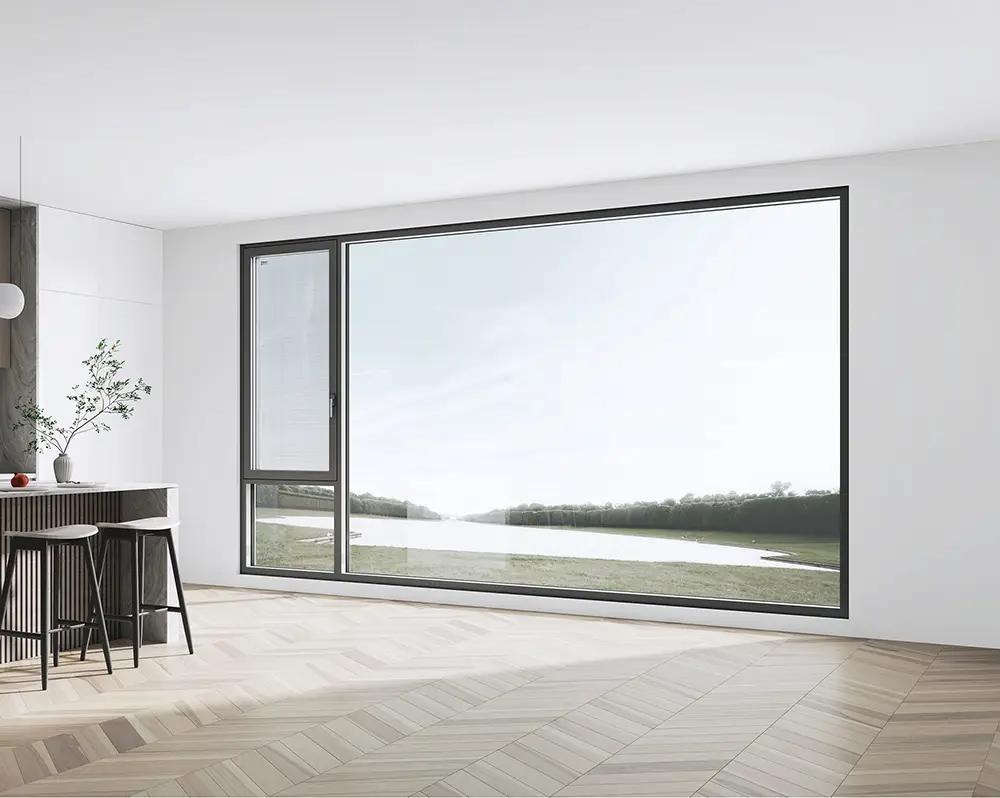
How to: Cleaning Sliding Window Tracks for Smooth Operation
Why Cleaning Sliding Window Tracks Matters
Over time, dust, sand, and environmental pollutants can accumulate on aluminum frames. If you ignore these deposits, they may eventually cause surface corrosion or pitting, especially in coastal areas. Additionally, debris trapped in the track acts like sandpaper, grinding down the rollers every time you open the window. Cleaning sliding window tracks regularly ensures the structural integrity remains intact and keeps your high-security windows operating without friction.
Professional Cleaning Steps for Frames
Avoid using abrasive brushes or harsh acidic chemicals, as these can permanently damage the PVDF coating or powder finish. Instead, follow this simple routine:
- Mix a small amount of mild detergent with warm water to create a gentle cleaning solution.
- Use a soft microfiber cloth to wipe down the aluminum profiles and glass surfaces.
- Rinse thoroughly with clean water to remove any remaining soap residue.
- Dry the frames immediately with a lint-free cloth to prevent unsightly water spots.
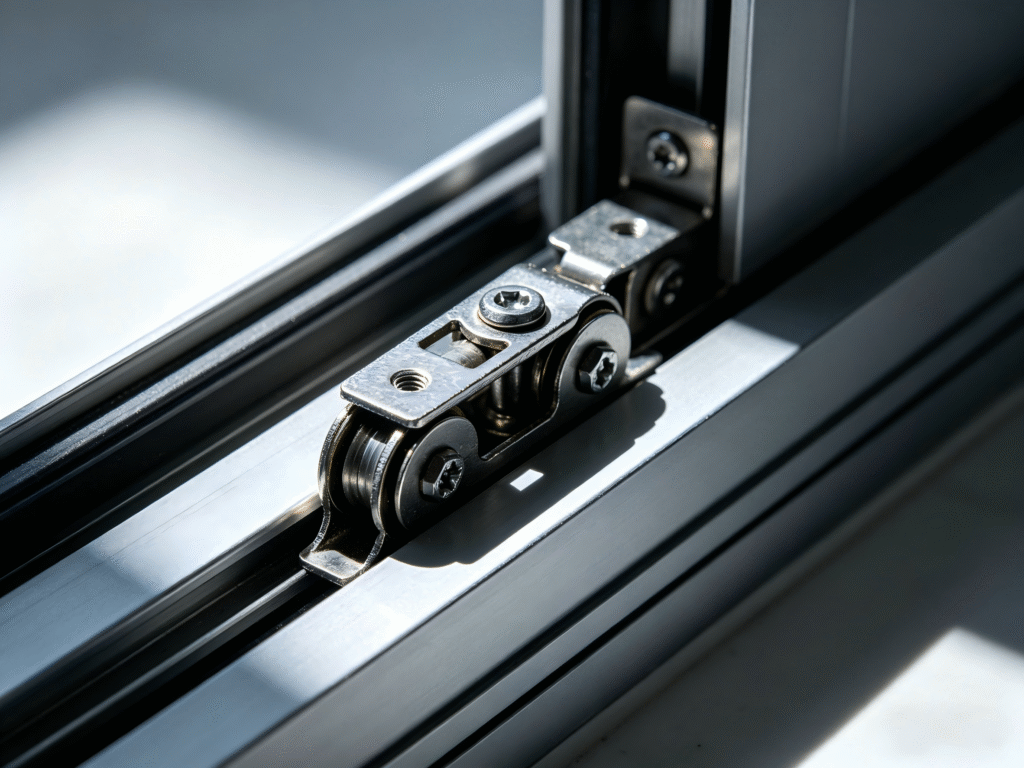
Expert Tips for Cleaning Sliding Window Tracks
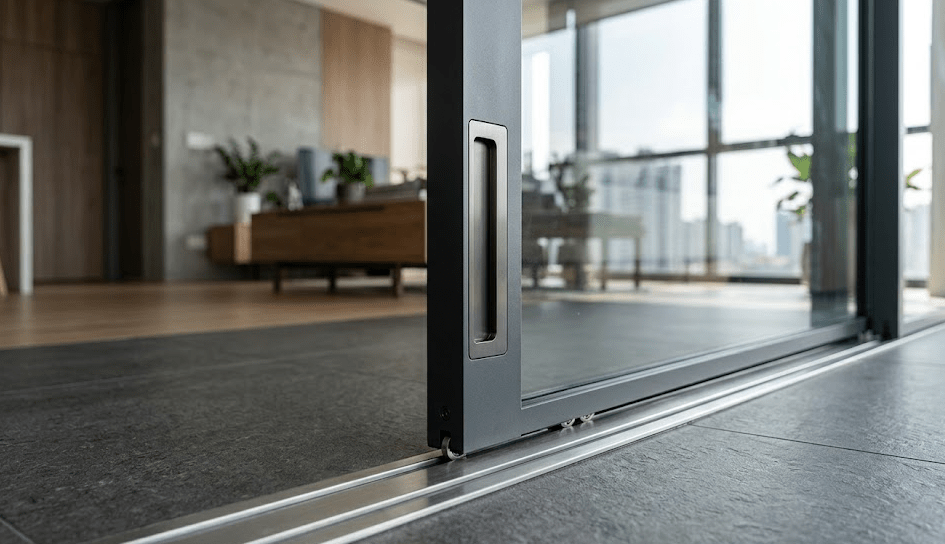
The track is the most critical component of any sliding system. Dirt and small pebbles often get trapped here, causing the rollers to jump or wear out prematurely. First, use a vacuum cleaner with a narrow nozzle to remove all loose debris from the track’s interior. Afterward, wipe the area clean with a damp cloth to remove fine dust.
Furthermore, you should lubricate the rollers and locking mechanisms at least once a year. At AlloyPro, we recommend using a silicone-based spray. In contrast to heavy oils, silicone does not attract dust, ensuring the track stays clean longer. Efficiently cleaning sliding window tracks reduces stress on the entire window frame and improves the user experience for your clients.
Inspecting Seals and Drainage for Longevity
Finally, check the weather stripping and rubber seals for signs of wear or cracking. Damaged seals lead to air leaks and reduced energy efficiency. Additionally, ensure the “weep holes” at the bottom of the frame are clear of blockages. By following this professional maintenance routine, you ensure your windows slide like new with these simple steps.
If you are looking for low-maintenance, high-performance aluminum solutions for your next project, contact AlloyPro today for expert advice and premium products.
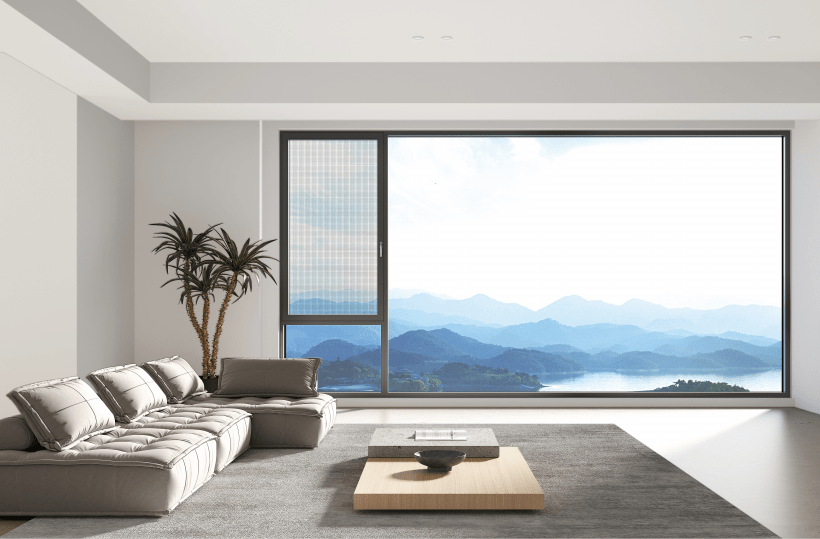
Install Aluminum Windows: A Professional Step-by-Step Fitting Guide
Site Preparation and Accurate Measuring
Before you begin to install aluminum windows, you must prepare the rough opening. First, clean the masonry or timber frame to remove any old debris or dust. Additionally, check the opening dimensions at multiple points. Even a small measurement error can cause gaps that lead to air leakage.
Gather all necessary tools, such as a spirit level, drill, and high-quality silicone sealant. Furthermore, prepare plastic shims to help you level the frame later. Proper preparation reduces the risk of errors during the mechanical fixing stage. Consequently, your windows will operate more smoothly over time.
Positioning and Leveling the Aluminum Frame
Carefully place the aluminum frame into the opening. It is best to have two people handle this task to prevent any damage to the powder-coated surface. Once the frame is in place, insert plastic shims to create a consistent gap between the frame and the wall.
Mechanical Fixing and Professional Sealing
Once you level the frame, you can start the mechanical fixing. Drill holes through the aluminum profile and into the wall structure. Space these fixings about 400mm apart for maximum stability. Use expansion bolts to secure the frame, but do not over-tighten them. Over-tightening can bend the aluminum and ruin the window’s function.
Next, focus on weatherproofing the window. Apply a continuous bead of high-grade silicone sealant around the external perimeter. This step is crucial to prevent water infiltration. Additionally, use expanding foam in the internal cavity to boost thermal performance. Properly sealed frames save energy and keep the building interior comfortable.
Final Sash Installation and Testing
After you secure and seal the frame, you can attach the casement sash and the glass units. Most installers use EPDM gaskets for a tight, dry-glazing seal. Carefully fit the glass into the sash and snap the glazing beads into place. Afterward, install the handles and hinges.
Finally, conduct a thorough functional test. Open and close the window several times to check the friction stays. Ensure the locking system engages smoothly without resistance. If the window operates correctly, your project now benefits from high-quality, durable aluminum systems.
Aluminum vs Vinyl Windows: Why is Aluminum Superior to uPVC?
1. The Power of the Circular Economy
Aluminum is the “green metal.” To begin with, it is 100% recyclable. In addition, recycling aluminum consumes only 5% of the energy compared to primary production. Unlike wood that decays or uPVC that loses quality, aluminum stays strong forever. Therefore, by choosing alloypro.net, you support a sustainable economy. Consequently, this choice lowers the carbon footprint of your entire project.
2. Maximum Energy Savings with Thermal Breaks
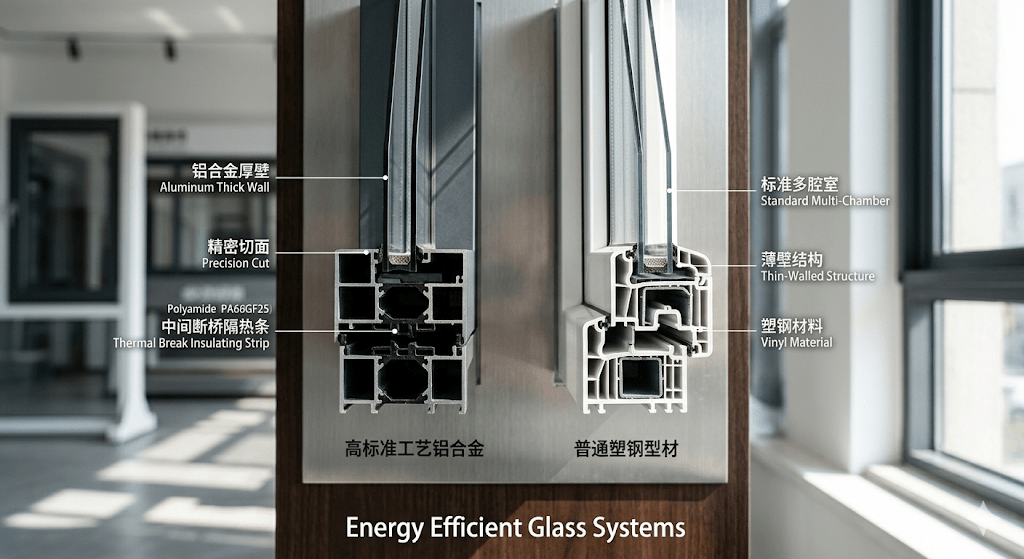
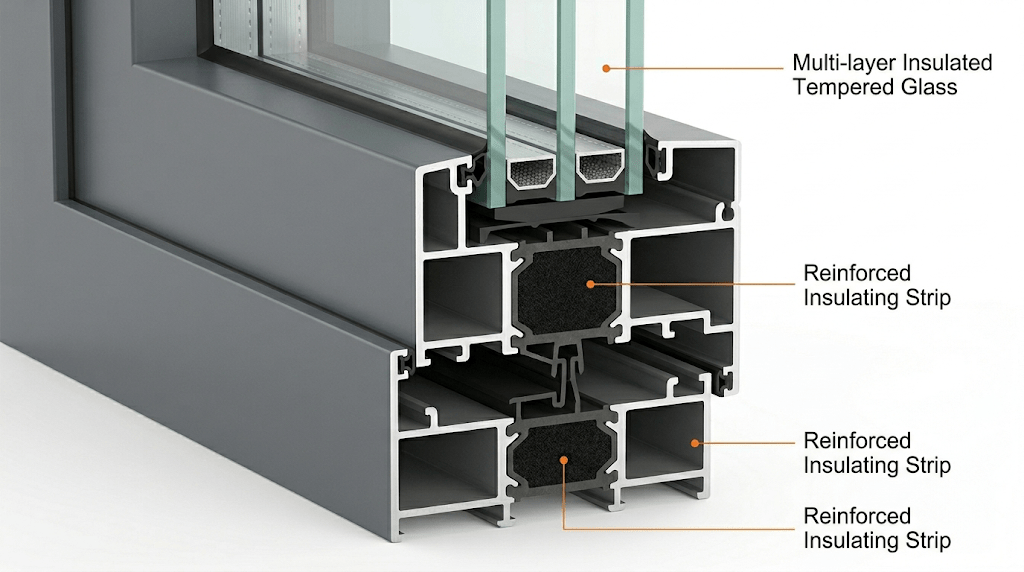
Modern technology has solved the insulation problem. For example, our Thermal Break Aluminum Windows use reinforced strips to stop heat transfer. As a result, this innovation keeps buildings cool in summer and warm in winter.
In contrast, wood frames often warp and leak air. Similarly, when architects evaluate Aluminum vs Vinyl Windows, they find that vinyl can expand and fail. Because our systems are precise, they reduce the load on HVAC units. Accordingly, owners enjoy massive energy savings and better comfort.
3. Unmatched Durability in Extreme Environments
Sustainability requires longevity. Most importantly, a material is not eco-friendly if you must replace it often. For instance, wood is vulnerable to rot and moisture. In the same way, uPVC often becomes brittle under the sun.
However, aluminum with PVDF coating resists corrosion effortlessly. Whether your project is in a coastal region or a desert, AlloyPro systems stay strong. Since they last over 30 years, they ensure zero heavy maintenance costs. Thus, aluminum remains the premier Sustainable Architecture Material.
4. Slim Design and Natural Daylighting
Architects favor aluminum for its strength. Because it is strong, it allows for Slim Line designs with huge glass panes. Consequently, larger windows maximize natural daylight. Therefore, they reduce the need for electric lighting.
While wood requires thick frames, aluminum stays sleek. Moreover, it delivers a minimalist look without sacrificing safety. It creates a seamless connection to the outdoors. This is a hallmark of modern sustainable design.
5. Low Maintenance for Long-Term Benefits
Maintaining a building consumes resources. For example, wood requires regular sanding and toxic treatments. In contrast, aluminum is virtually maintenance-free. Specifically, a simple cleaning with water is usually enough to keep frames looking new.
Furthermore, the stability of aluminum ensures that doors do not jam. This reliability is essential for international buyers. It ensures that the Energy Efficient Glass Systems perform well for decades. As a result, they far outlast standard vinyl options.
Conclusion: A Future-Proof Investment
In conclusion, aluminum outperforms both vinyl and wood in every way. It offers better recycling, strength, and energy efficiency. Therefore, it is a long-term investment for the planet. Visit alloypro.net to explore our solutions and build a greener future today.