








Multi-Chamber Thermal Break Aluminum: The “Skeleton” Secret of System Windows
What is Multi-Chamber Thermal Break Aluminum?
In the past, standard aluminum frames conducted heat and cold easily. This meant your home lost energy. Consequently, your electricity bills increased. To solve this, engineers developed “thermal break” technology. They insert a reinforced polyamide bar between the profiles. This bar acts as a bridge. Specifically, it stops heat from traveling through the metal.
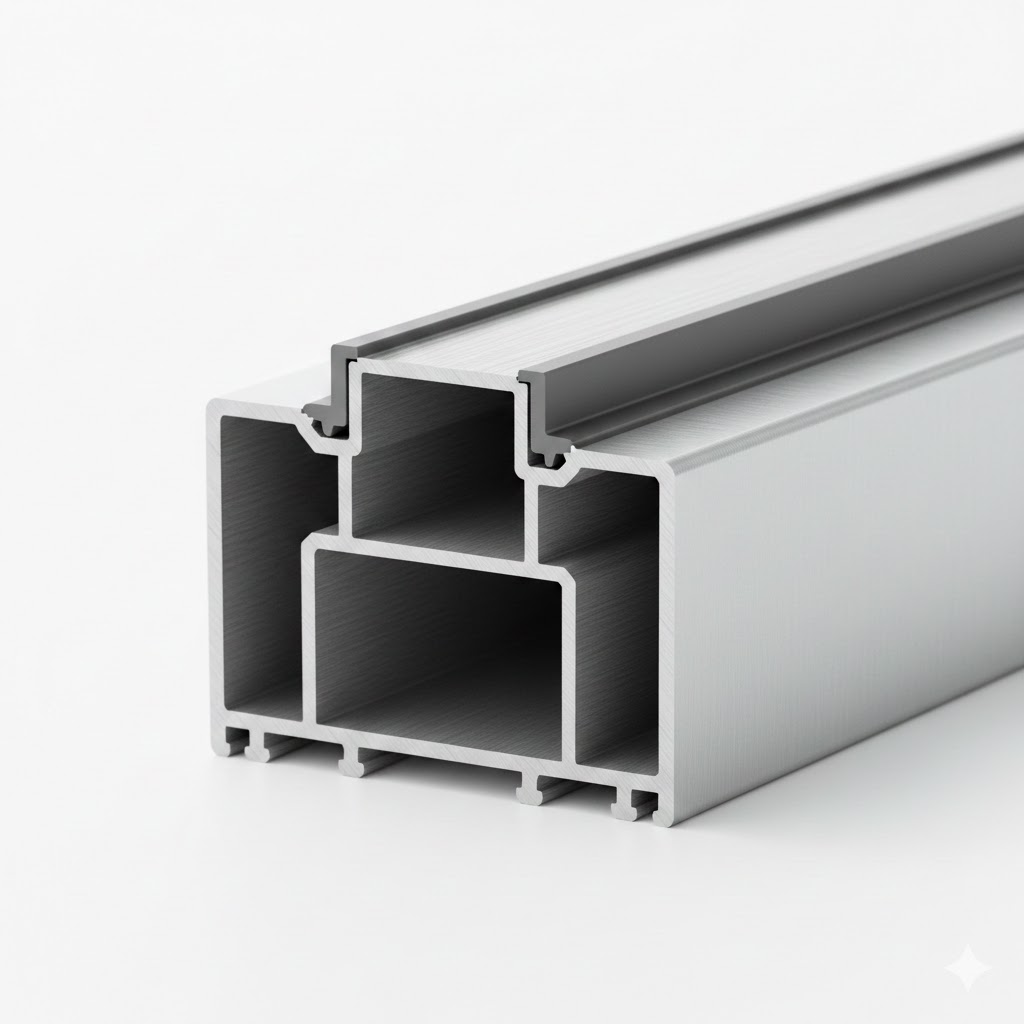
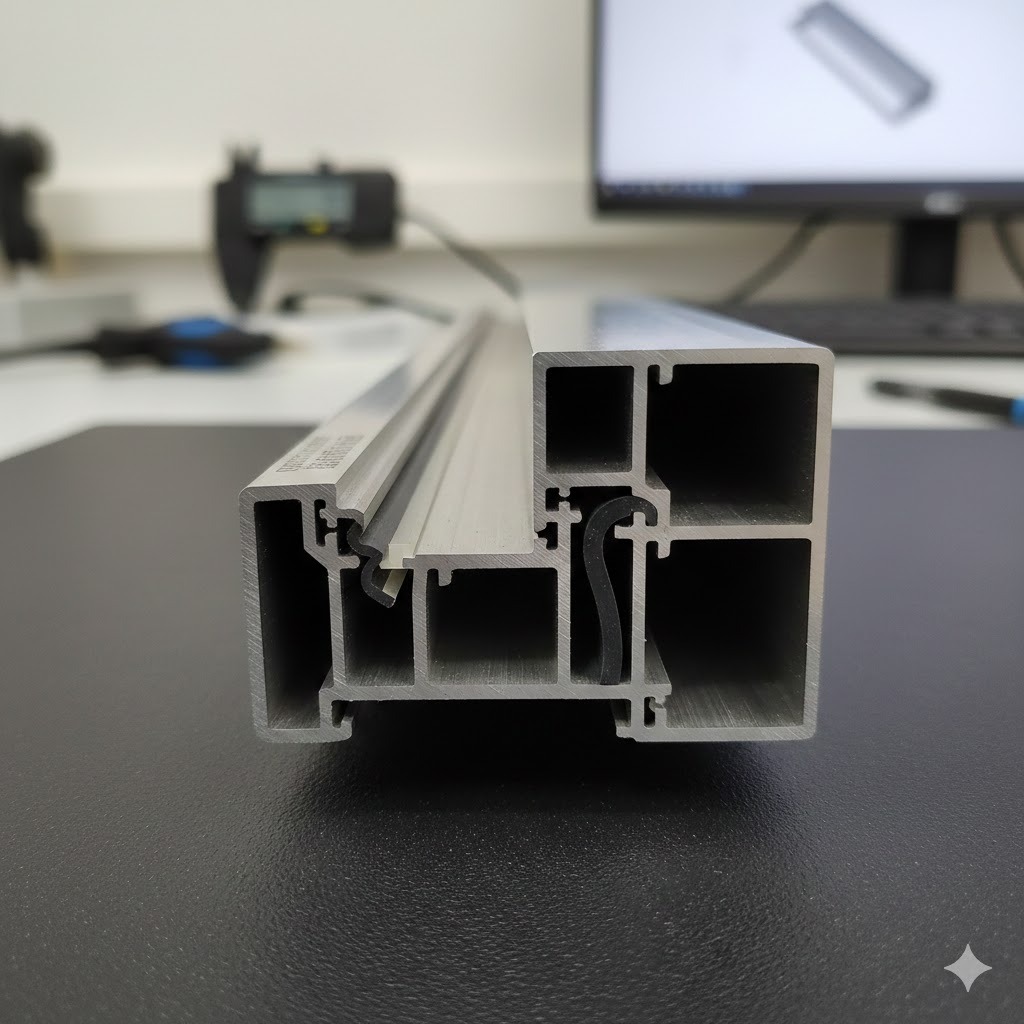
Furthermore, modern system windows like those at AlloyPro take this further. We do not just use a simple hollow frame. Instead, we design complex internal structures. This is known as Multi-Chamber Thermal Break Aluminum.
The Power of Multi-Chamber Thermal Break Aluminum Design
Think of chambers as small, insulated rooms inside the frame. Why does the number of chambers matter? Each chamber creates an additional barrier for air. These pockets of “dead air” are excellent insulators.
Additionally, a Multi-Chamber Thermal Break Aluminum design boosts structural integrity. High-quality profiles from AlloyPro use precise internal walls. Therefore, this prevents the frame from warping under extreme wind pressure. This ensures your windows remain airtight. Ultimately, they remain easy to operate for decades.
Superior Insulation with Multi-Chamber Thermal Break Aluminum
The primary goal of a system window is comfort. Multi-Chamber Thermal Break Aluminum profiles excel at this task. They work together with the thermal strip. As a result, they achieve a very low U-value.
When the outside temperature drops, the internal chambers trap the cold. In contrast, during hot summers, they keep the cool AC air inside. By choosing AlloyPro’s advanced profiles, you reduce the workload on your HVAC system. Thus, this leads to significant energy savings every year.
Noise Reduction for a Peaceful Home
Beyond temperature control, the “skeleton” guards your peace. Sound waves travel through solid materials. However, the multiple layers of Multi-Chamber Thermal Break Aluminum act as mufflers.
Compared to thin frames, our system can reduce external noise by up to 35-45 decibels. Whether you live near a busy street or a noisy airport, these profiles help. Consequently, your home remains a quiet sanctuary.
Durability and Precision Engineering
Quality starts with the raw materials. At AlloyPro, we use high-grade aluminum alloys. They resist corrosion and wear. However, the design is just as important as the metal. Our Multi-Chamber Thermal Break Aluminum profiles are engineered with precision.
This precision allows for perfect hardware integration. When the “skeleton” is straight, the hinges and locks align perfectly. This prevents common issues like sticking windows. A solid foundation ensures that every component works in harmony.
Why Choose AlloyPro for Your Project?
At AlloyPro, we do not compromise on the “skeleton.” We understand that system windows are a long-term investment. Our Multi-Chamber Thermal Break Aluminum profiles combine strength, beauty, and performance.
When you invest in AlloyPro, you are not just buying a window. Rather, you are choosing a high-performance system. It is designed to protect your comfort. Also, it reduces your costs. Upgrade your home today with the best foundation.
How to Choose Soundproof Windows and Doors: Frame & Glass Guide
Soundproof Windows and Doors: 3 Steps to Ultimate Silence
Understanding the noise challenge is key. Urban living brings constant noise. From traffic rumbles to neighborhood chatter, it affects your peace. Therefore, installing high-quality Soundproof Windows and Doors significantly enhances indoor comfort. However, true soundproofing relies on a complete system. This guide breaks down the key elements for making an informed choice.
Core 1: The Aluminum Profile Foundation
First, focus on the skeleton. A high-quality profile is the foundation of effective Soundproof Windows and Doors. Look for profiles featuring a multi-chamber design. These internal compartments effectively disrupt sound waves. Also, they improve thermal insulation.
Furthermore, precision in manufacturing is critical. Strict tolerances ensure a tight fit between the frame and sash. This creates a perfect base for the sealing components. Consequently, it prevents sound from sneaking through gaps.
Core 2: The Sealing System Barrier
Even the best profile can fail if the seals are inadequate. Superior Soundproof Windows and Doors employ multi-point sealing systems. This typically involves at least two continuous gaskets between the frame and sash.
These gaskets must be made of durable materials like EPDM rubber. This maintains flexibility over time. Despite weather changes, EPDM ensures consistent protection against air and sound infiltration.
Core 3: The Glass Configuration
Glass occupies the largest area. Thus, it is the most critical element for Soundproof Windows and Doors. While standard insulated glass units (IGUs) are effective, consider these upgrades:
- Laminated Glass: This features a tough PVB interlayer. It is excellent at dampening low-frequency noises like engines.
- Asymmetric Glass: Combining panes of different thicknesses (e.g., 6mm + 8mm) disrupts sound waves. This provides an additional boost in acoustic insulation.
Final Steps for Optimal Performance
Once you have selected the right components, professional installation is the final step. Improper measurement can create gaps. Therefore, we strongly recommend working with an experienced team.
Additionally, request official laboratory test reports. Look for metrics like the Sound Transmission Class (STC). This data provides objective proof of performance.
Conclusion: Invest in Lasting Quiet
In summary, choosing high-performance Soundproof Windows and Doors is a valuable investment. Focus on the stability of multi-chamber profiles and sealing systems.
Discover how Guangdong Aolaibo Aluminum provides the foundation for your peaceful environment. Explore our advanced aluminum profiles today. Learn more about the technical details that make a difference.
The Ultimate Guide to Industrial Aluminum Profile Selection
Step 1: Define Your Application Requirements
First, you must clearly understand what you need. Before starting your Industrial Aluminum Profile Selection, ask yourself these questions:
- Function: Is it for structural framing, a safety guard, or a conveyor system?
- Load: Will the profile bear heavy static loads or dynamic forces? Specifically, this influences the profile size and wall thickness.
- Environment: Consider exposure to chemicals, moisture, or heat. This affects the choice of alloy and surface treatment.
Clearly defining these points upfront saves time. Also, it prevents costly mistakes later in the process.
Step 2: Understand Key Profile Specifications
Now, let’s break down the technical details. To master Industrial Aluminum Profile Selection, focus on these three core parameters:
- Alloy Type (6061 vs 6063): This determines mechanical properties. 6061-T6 is best for high-stress industrial use. It offers excellent strength. In contrast, 6063-T5 is slightly softer. It has a superior surface finish. Thus, it is perfect for aesthetic applications where anodizing quality is key.
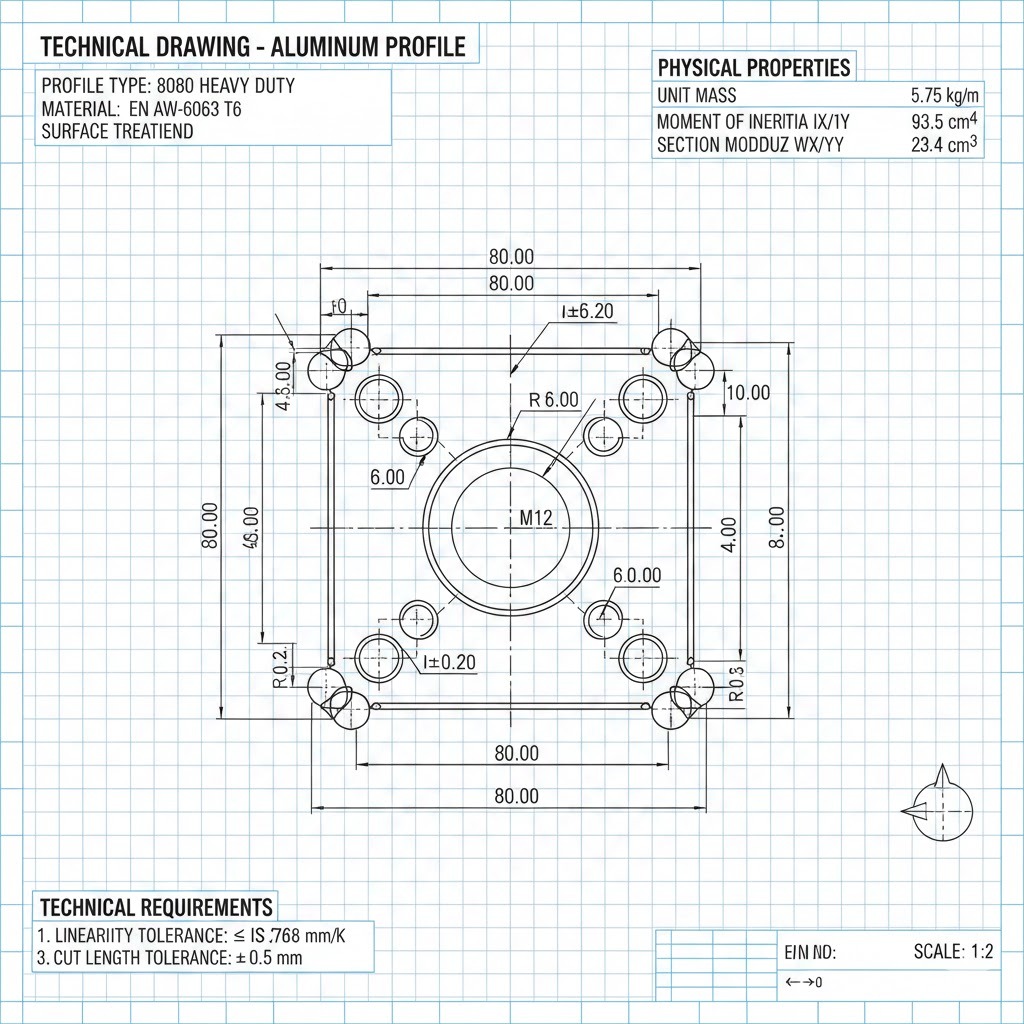
- Profile Series: The series number (e.g., 20, 40, 80) refers to dimensions. Larger series provide higher load-bearing capacity. For example, an 8080 profile is necessary for heavy machinery. Meanwhile, a 2020 profile suits light frames.
- Surface Finish: This protects the aluminum. Anodizing creates a hard, corrosion-resistant layer. Powder coating offers a durable color finish against scratches.
Step 3: Evaluate Supplier Capability
Finding a supplier is as important as the product itself. Furthermore, you should assess them on several levels:
Technical Support: Can they provide CAD drawings and load calculations? A reliable supplier like Guangdong Aolaibo Aluminum offers professional engineering support.
Quality Assurance: Do they conduct tensile strength tests? ISO 9001 certifications are a good indicator of quality.
Logistics: Consistent supply and on-time delivery keep your projects on schedule.
Step 4: Optimize for Cost and Assembly
Finally, consider the total project cost. Good Industrial Aluminum Profile Selection looks beyond the price per meter.
- Connection System: The choice of brackets and connectors impacts assembly time. A good supplier offers a complete system.
- Design for Manufacturability: Using standard profiles reduces costs. However, for complex needs, custom extrusion capability is invaluable.
Your Next Step
Selecting the right material involves a balance of specs and economics. By following this structured approach, you can navigate the process confidently.
Are you working on a specific project? Guangdong Aolaibo Aluminum specializes in high-strength Industrial Aluminum Profile Selection. We provide complete custom fabrication solutions. We combine quality materials with engineering support. Consequently, we bring your designs to life efficiently.
Contact us today for a free consultation or to request a quote. Let our expertise be the foundation of your next successful build.
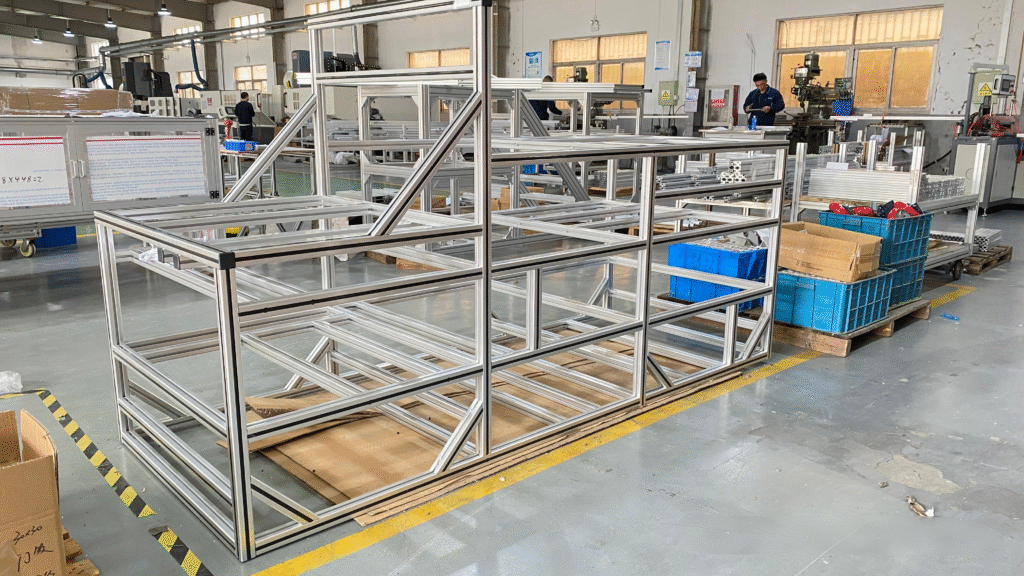
Production Line Aluminum Frames: 5 Heavy Duty Design Secrets
Secret 1: Load Capacity for Production Line Aluminum Frames
First, you must evaluate the load requirements. Automated lines often carry heavy machinery, so strength is crucial. Therefore, we recommend using 6061 or 6063 aluminum alloys. These offer an excellent strength-to-weight ratio.
Additionally, you must calculate both static and dynamic loads. This prevents frame deformation or failure. Our website provides detailed alloy specifications. This helps you choose the right material for your heavy-duty Production Line Aluminum Frames.
Secret 2: Implement Modular Design for Flexibility
Modular design is a growing trend. Using standard aluminum profiles allows for quick assembly. Consequently, you can adjust or expand your frame easily. This approach saves time and reduces long-term costs.
For example, you can integrate new components into an existing structure. Guangdong Aolaibo Aluminum showcases various modular solutions. These are suitable for everything from small workstations to large Production Line Aluminum Frames.
Secret 3: Ensure Precision and Accuracy
Precision directly impacts smooth operation. When assembling Production Line Aluminum Frames, you must maintain tight tolerances. Even small errors can cause vibration.
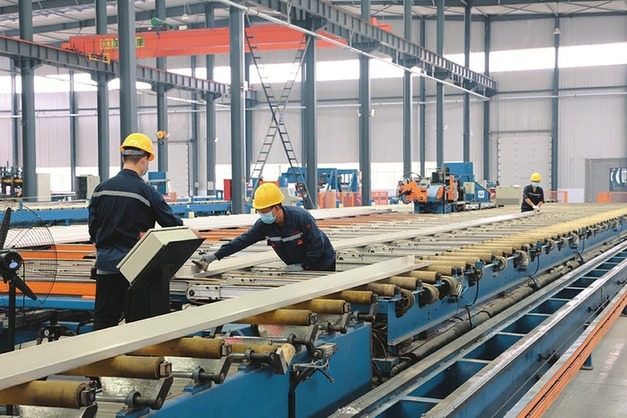
Specifically, we use advanced processing techniques. This ensures every profile meets high standards. As shown in our case studies, precise frames enhance overall equipment efficiency.
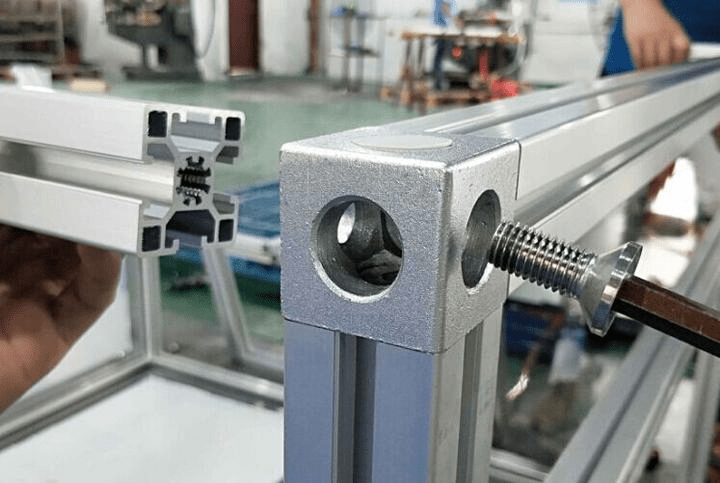
Secret 4: Minimize Vibration for Stability
Automated equipment generates vibration. However, this can affect frame longevity. To improve stability, incorporate damping elements into your Production Line Aluminum Frames.
Furthermore, ensure all connection points are tightly secured. A well-planned layout helps distribute stress. Our website resources offer more tips on vibration reduction for smoother operation.
Secret 5: Prioritize Safety Standards
Safety is the top priority in industrial design. Frames must meet international standards like ISO or OSHA. This protects both workers and equipment.
Moreover, include safety features like rounded edges in your design. All products from Guangdong Aolaibo Aluminum undergo rigorous testing. We ensure your Production Line Aluminum Frames are globally compliant.
Conclusion
In summary, focusing on load, modularity, and precision will help you build efficient Production Line Aluminum Frames. These considerations extend your production line’s lifespan.
For customized heavy-duty solutions, visit Guangdong Aolaibo Aluminum. Browse our product catalog or contact our team. We offer professional support to help you achieve your automation goals.
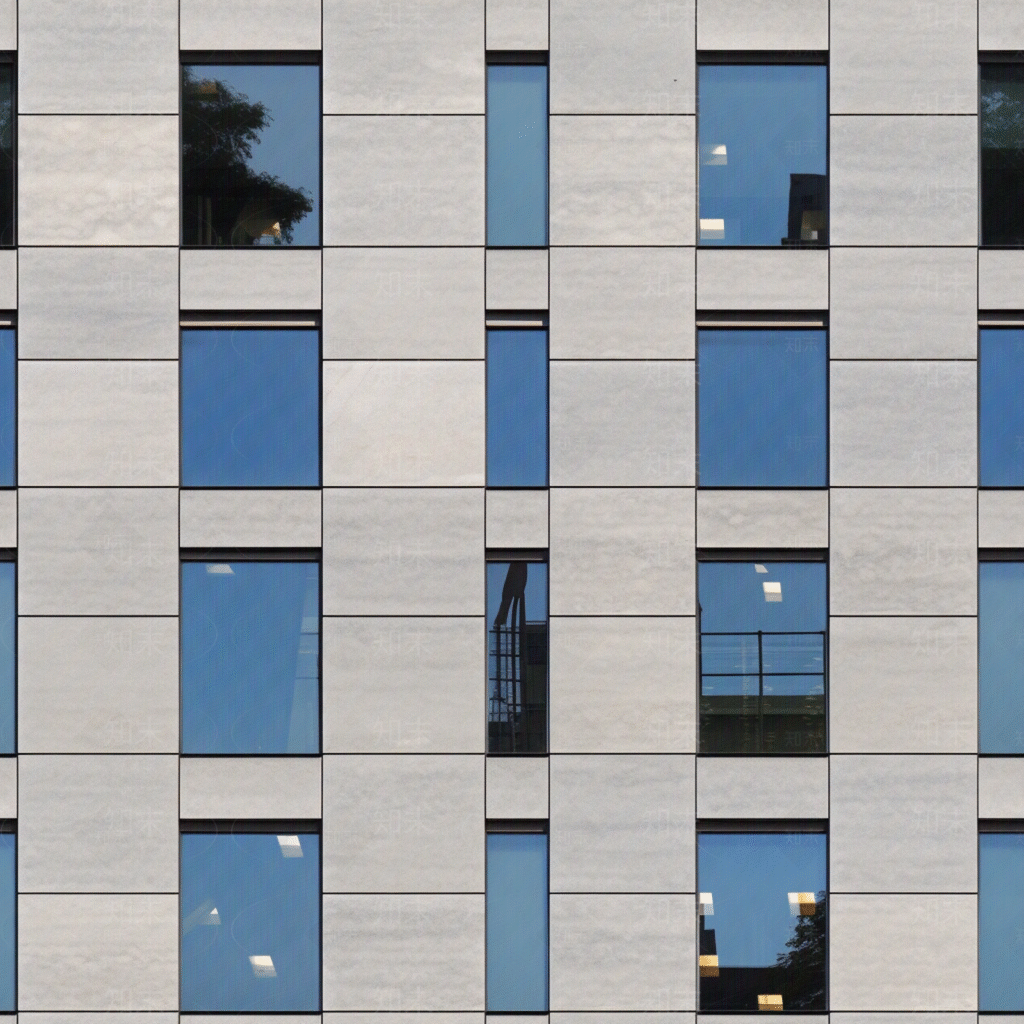
ACP vs Aluminum Cladding: How to Choose the Right Facade Material?
Understanding Aluminum Composite Panels (ACPs)
Aluminum Composite Panels consist of two thin aluminum sheets bonded to a core. This sandwich structure defines their key characteristics.
Furthermore, ACPs are remarkably lightweight. This makes them easier to install, often reducing labor costs. Additionally, they offer excellent flatness. They come in a vast array of colors and prints. This versatility allows for great creative freedom.
However, their performance depends on the core. Standard PE cores are cost-effective but combustible. For high-risk projects, fire-retardant mineral cores are essential.
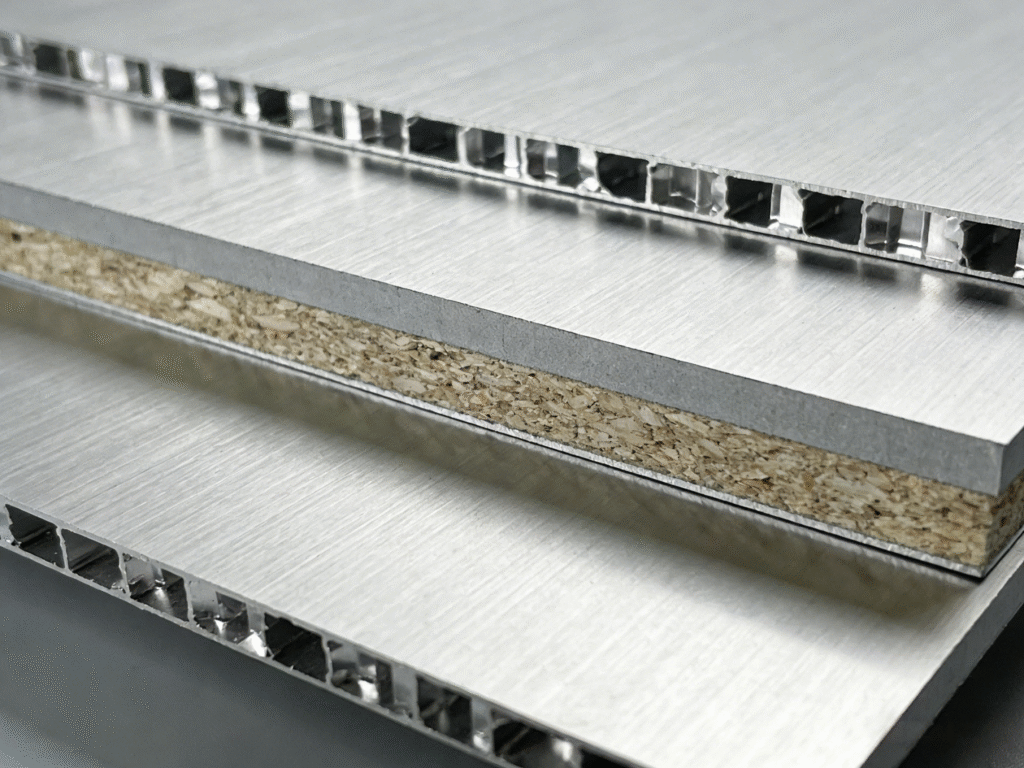
Exploring Aluminum Cladding Panels
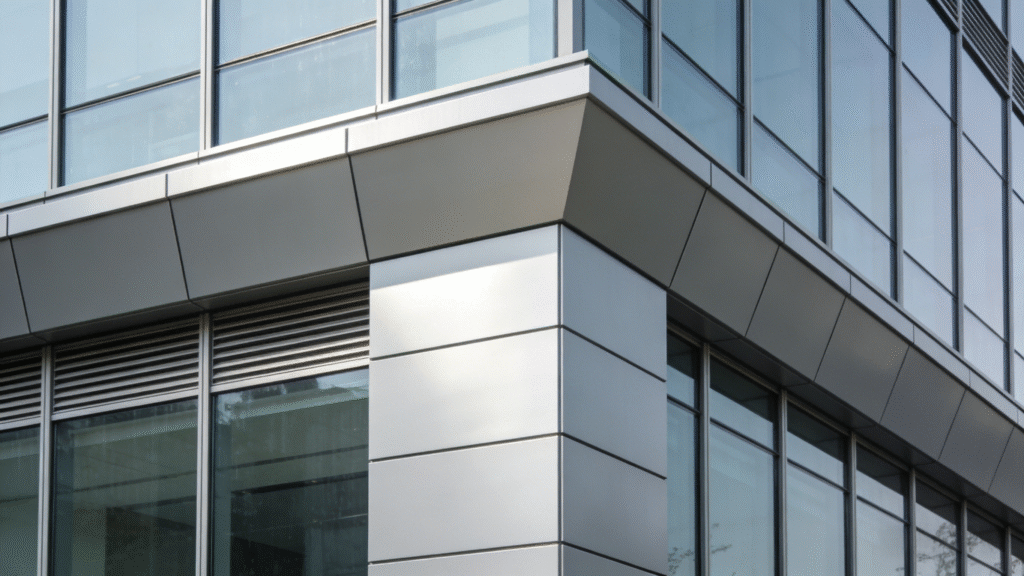
In contrast, regarding ACP vs Aluminum Cladding, the solid aluminum panel is made from a single sheet of alloy. They are fabricated by cutting and bending the metal.
The primary advantage of aluminum panels is superior strength. Being solid metal, they are highly impact-resistant. Moreover, they are non-combustible (A2/S1-d0). This meets the highest fire safety standards.
Additionally, aluminum panels excel in weather resistance. High-quality PVDF coatings provide exceptional protection against UV rays. Consequently, they have a very long service life.
Key Comparison: Cost, Safety, and Durability
Let’s break down the comparison into clear factors to help you decide:
- Weight: ACPs are lighter, leading to simpler support structures.
- Finish: Both offer excellent flatness. ACPs provide more decorative prints. Aluminum panels excel in solid metallic tones.
- Durability: Aluminum panels are generally stronger. They are the preferred choice for demanding environments.
- Fire Safety: Solid aluminum panels are non-combustible. ACPs require specific mineral cores to ensure safety.
- Cost: Typically, ACPs have a lower initial material cost. Aluminum panels offer longevity that provides better long-term value.
Making the Right Choice for Your Project
So, which material is best? Consider this simple guide on ACP vs Aluminum Cladding:
Choose Aluminum Composite Panels (ACPs) if: Your project prioritizes budget-friendly costs or requires complex decorative prints. Aolaibo offers high-quality ACPs with various core options.
Choose Aluminum Panels if: Your project demands maximum durability and superior fire safety (e.g., high-rises, airports). As a specialist manufacturer, Aolaibo provides precision-fabricated panels.
Conclusion
Ultimately, the best choice balances design, budget, and regulations. By understanding the differences in ACP vs Aluminum Cladding, you can select the material that performs flawlessly.
Ready to choose the ideal AlloyPro facade solution for your build? Visit Guangdong AlloyPro Aluminum to explore our full range. Contact us today to unlock more expert insights for your project.