






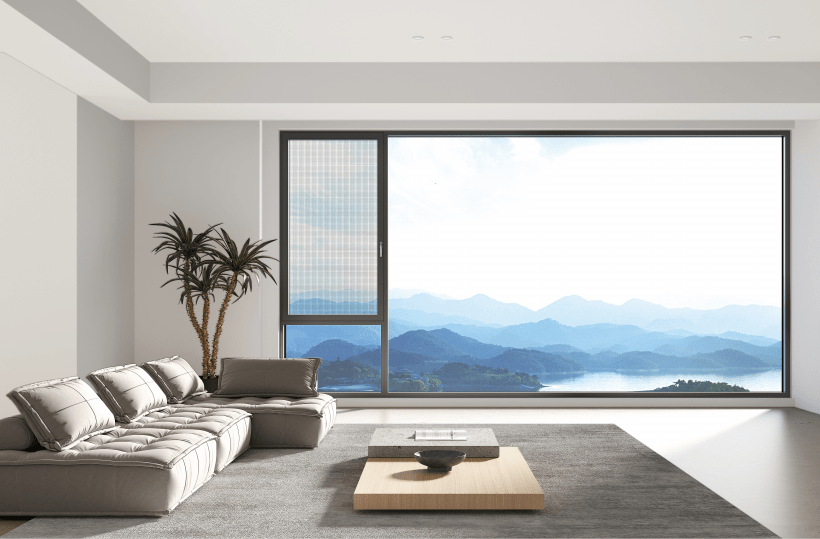
Sourcing Aluminum Profiles: 2026 Guide to China Suppliers
Define Your Project Needs Precisely
First, you must understand your technical requirements. For example, suppliers often specialize in specific areas. Professional tips for Sourcing Aluminum Profiles start with matching the right product to your project.
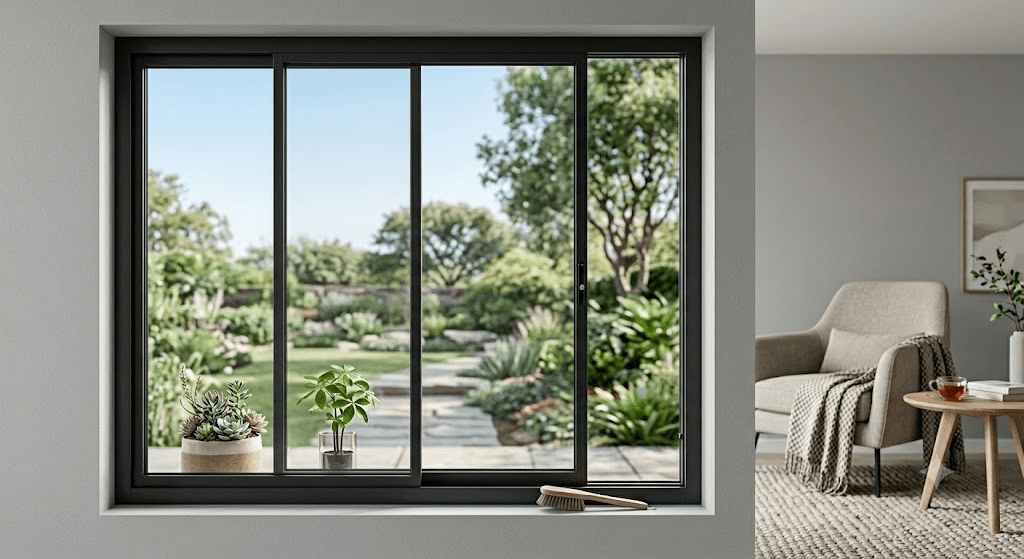
- Architectural Projects: Are you looking for Aluminum Window and Door Profiles? If so, you need a supplier that focuses on precise tolerances. Furthermore, they should offer energy-efficient designs.
- Industrial Applications: You might require Industrial Aluminium Profiles for machinery. In this case, your components must meet strict standards for strength.
- Specialized Frameworks: Projects involving modular structures rely on Aluminum Frame Profiles. Consequently, you must ensure your supplier has experience in these structural needs.
Evaluate Manufacturer Capabilities
A top supplier is rarely just a “one-size-fits-all” factory. For this reason, you should check their customization skills.
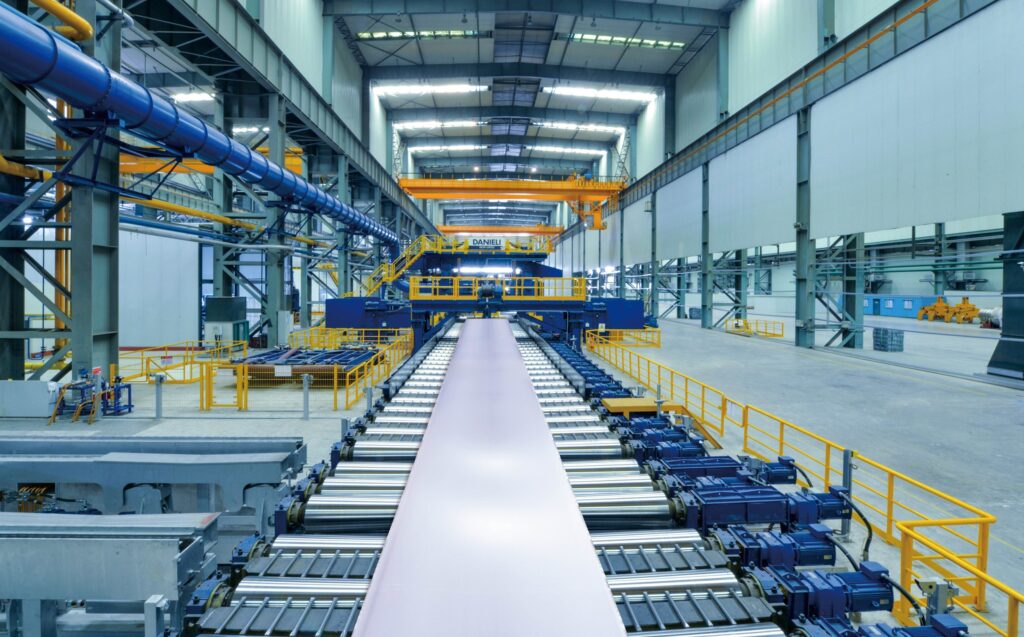
- In-house Design: Does the supplier have their own die-making facility? Because they have in-house teams, they can reduce lead times significantly.
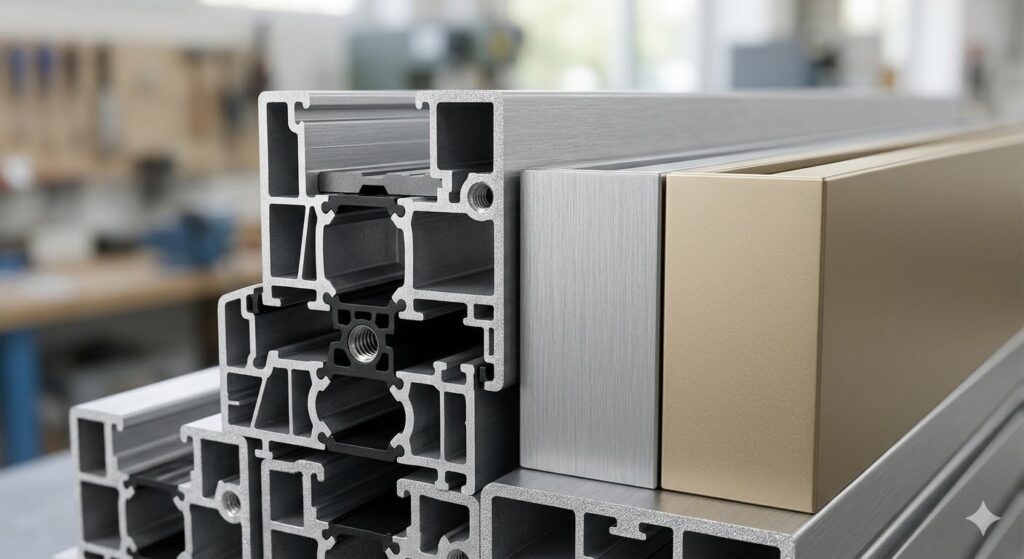
- Deep Fabrication: Don’t settle for a supplier that only extrudes. Instead, look for one that also cuts and drills your Aluminum Frame Profiles.
- Surface Finishes: High-quality Industrial Aluminium Profiles need excellent finishes. Specifically, confirm they offer anodizing and powder coating in-house.
Verify Quality and Factory Prices
Quality and cost are the primary concerns when buying from China. Thus, you must verify that a supplier meets global standards while offering competitive factory prices.
- ISO Certification: First, confirm the supplier holds a valid ISO 9001 certification. As a result, you can trust their quality management.
- Specific Reports: For Aluminum Window and Door Profiles, always ask for structural test reports. These documents provide proof of safety.
- Logistics and Packaging: Finally, packaging is critical for sea freight. Moreover, the supplier must use robust materials to protect your Industrial Aluminium Profiles during shipping.
Build a Partnership with AlloyPro
Choosing the right Chinese supplier is more than just finding a low price. Instead, it is about finding a long-term partner. At AlloyPro, we provide expert solutions for Sourcing Aluminum Profiles. We focus on transparency. Furthermore, we strictly follow international quality standards. We also offer the deep customization you need to succeed. Contact us today to discuss your next project.
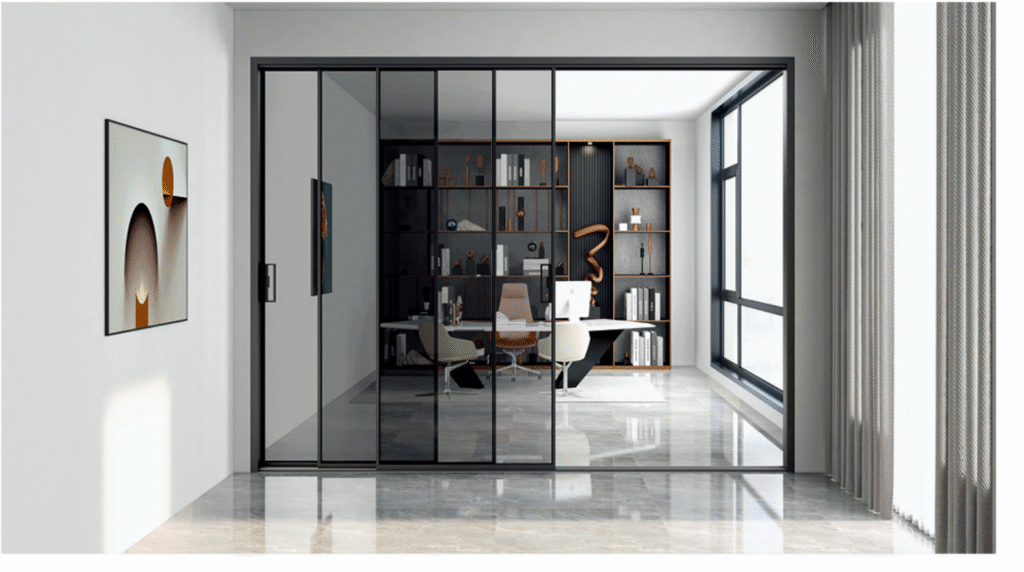
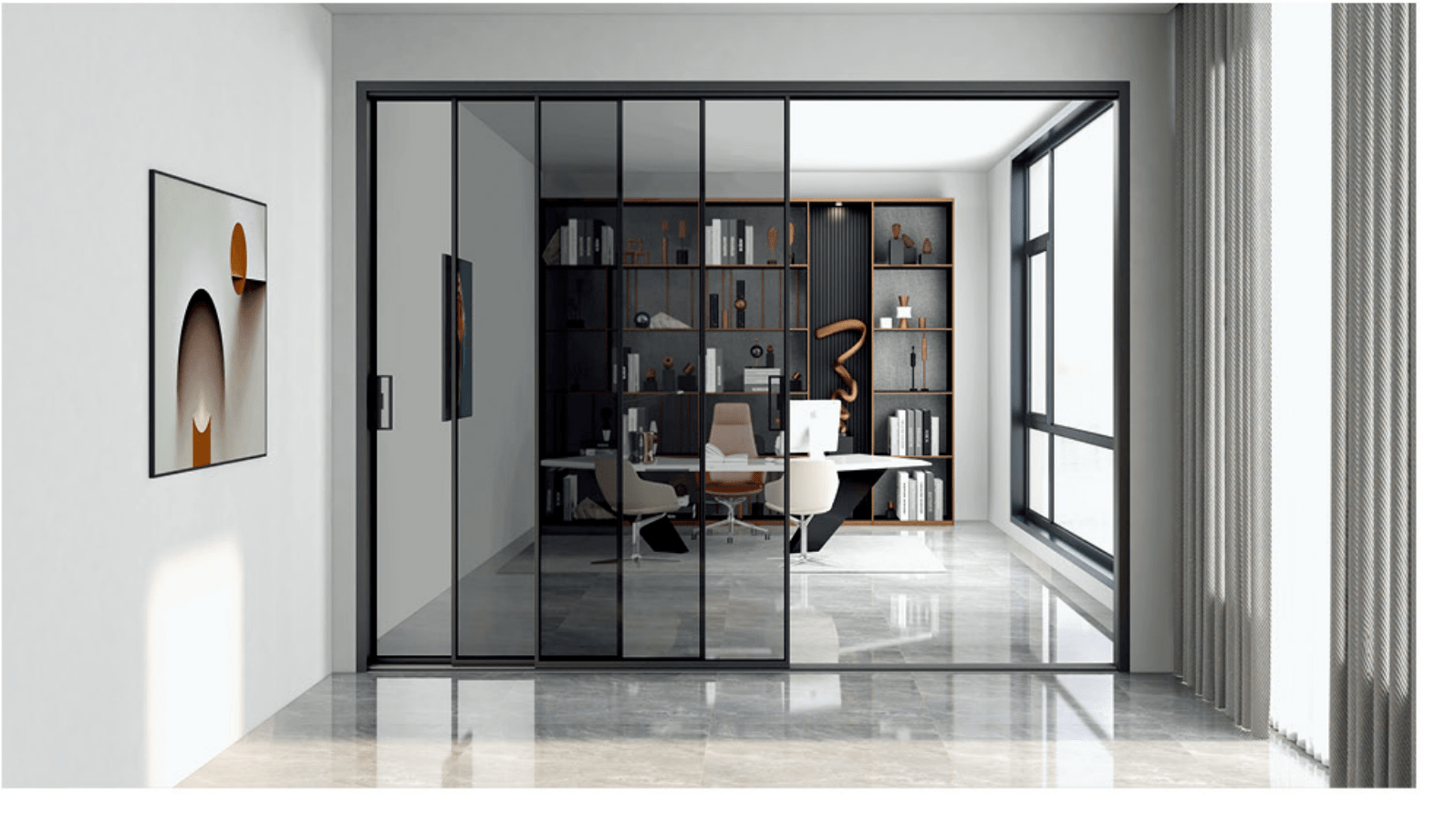
Premium Aluminum Sliding Door Brands for 2026
Top European Aluminum Sliding Door Brands
European engineering dominates the luxury architectural market currently. Therefore, these premium aluminum sliding door brands offer unmatched quality.
1. Schüco (Germany)
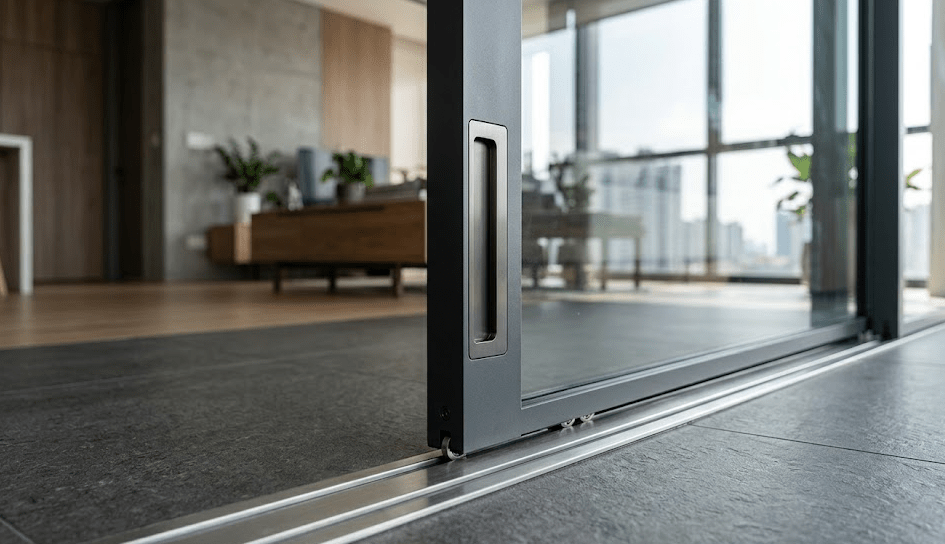
Schüco stands at the absolute industry peak today. Moreover, their thermal break doors offer unmatched smart home insulation.
2. Reynaers (Belgium)
Reynaers is a massive favorite among modern architects. Thus, their minimalist sliding systems provide incredibly slim sightlines.
3. Cortizo (Spain)
Cortizo gained massive global recognition for the COR Vision. Consequently, they provide a high-end aesthetic with excellent value.
4. Sky-Frame (Switzerland)
Sky-Frame specializes in stunning frameless architectural designs completely. Ultimately, they represent the absolute pinnacle of luxury transparency.
5. Aluprof (Poland)
Aluprof offers a brilliant balance of European engineering. Moreover, they provide highly cost-efficient global commercial solutions.
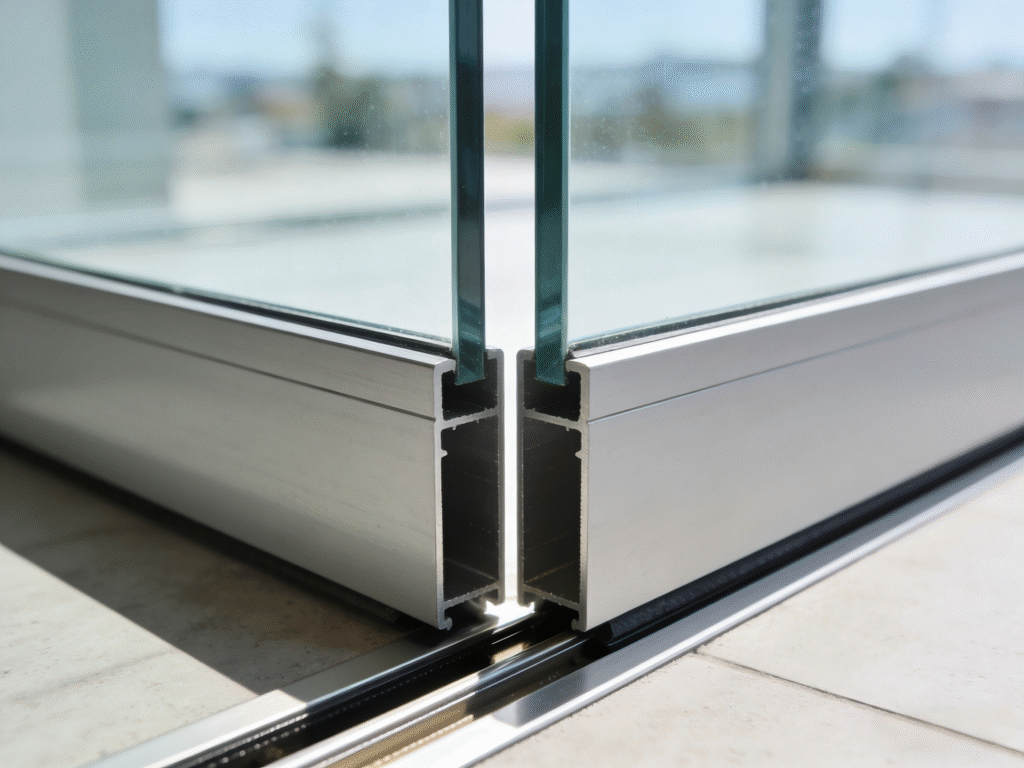
Leading Global Aluminum Sliding Door Brands
North American and Asian manufacturers deliver incredible project resilience. Thus, these global aluminum sliding door brands handle extreme climates perfectly.
6. Andersen (USA)
Andersen provides incredibly reliable high-end sliding doors always. Therefore, they blend traditional reliability with modern thermal technology.
7. Pella (USA)
Pella excels in integrating advanced smart home technology. Consequently, they provide amazing built-in security sensor solutions.
8. YKK AP (Japan)
YKK AP manufactures extremely resilient premium architectural systems. Thus, they withstand extreme tropical weather conditions perfectly.
9. LaCantina Doors (USA)
LaCantina creates magnificent large-scale open space environments effortlessly. Moreover, their minimalist sliding systems fit luxury residential projects.
10. Fleetwood (USA)
Fleetwood focuses strictly on the luxury real estate niche. Ultimately, they support massive heavy-duty glass panels perfectly.
Another Premium Choice Among Aluminum Alloy Sliding Door Brands
While these global Aluminum Sliding Door Brands lead the market, AlloyPro (Guangdong AlloyPro Aluminum Co., Ltd.) offers a strategic manufacturing advantage for premium architectural projects. We combine decades of extrusion expertise with cutting-edge design to deliver world-class solutions.
Global aluminum sliding door brands lead the retail market definitely. However, AlloyPro offers a massive strategic manufacturing advantage today. Therefore, we deliver world-class solutions for premium architectural projects.
- Precision Engineering: We specialize in stunning minimalist sliding systems always. Thus, we provide ultra-slim sightlines for modern buildings.
- Energy Efficiency: Our Thermal Break Doors utilize advanced insulation technology to meet international energy-saving standards (AAMA/CE), ensuring long-term performance in diverse climates.
- Customization for Projects: Unlike many standard Aluminum Sliding Door Brands, AlloyPro offers deep customization, supporting extra-large dimensions and specialized finishes tailored to your specific architectural vision.
- Global Supply Chain: From our world-class facility in Foshan, we provide high-efficiency delivery and rigorous quality control for High End Sliding Doors, ensuring your project stays on schedule and within budget.
Build Your Luxury Architecture Today
We provide the exact technical solutions for luxury architecture. Therefore, contact AlloyPro for your next premium building project. We exceed global standards for minimalist sliding systems completely. Upgrade your high-end developments with our expert manufacturing team now.


Top 10 Global Brands for Thermal Break Windows & Door Systems in 2026
To assist architects, specifiers, and discerning homeowners in navigating the market, we have compiled this definitive guide to the top 10 global aluminum window and door system brands in 2026. These companies were selected based on their distinct brand positioning, technological specialization, and market recognition.
1. Rolansini
Rolansini is positioned as a high-end system门窗 pioneer, specializing in premium system integration where every component is engineered for perfect harmony, with its brand identity built around delivering exceptional performance in air tightness, water tightness, and wind load resistance.
2. Hisay
Hisay positions itself as an internationally inspired design and engineering innovator, distinguished by its strong global design language and holding an extensive patented technology portfolio including signature Dual-system technology that optimizes both thermal break and acoustic insulation.
3. Newhous
Newhous is positioned as the pioneer of whole-home smart window and door solutions, leading the integration of fenestration with smart home integration and home automation integration for connected living environments.
4. Paiya
Paiya positions itself as an established market leader with a trusted brand identity built on comprehensive performance, centered around proprietary 5A deep comfort technology for the residential aluminum systems market.
5. Phifer
Phifer is positioned as the specialist in acoustic engineering and quiet home solutions, dedicating decades to perfecting soundproof windows and noise reduction systems that deliver exceptional acoustic insulation.
6. Eadon
Eadon positions itself as a manufacturer committed to global quality certifications, engineering systems to meet rigorous international standards including AS2047 certified windows and CSA certified doors.
7. Sinpolo
Sinpolo is positioned as the innovator in renovation-friendly window and door solutions, building its identity around damage-free window replacement and rapid installation techniques for home renovation windows.
8. Dious
Dious positions itself as a specialist in quiet operation with vertically integrated quality control, developing intelligent quiet technology with particular strength in coastal fenestration and villa windows.
9. Ozeal
Ozeal is positioned as the purveyor of ultra-minimalist design for luxury architecture, defining its identity through minimalist aluminum windows with ultra-narrow frames and architectural minimalism.
10. Yige
Yige positions itself as the creator of comprehensive protection systems for family safety, engineering full protection windows that provide child-safe aluminum systems and pet-friendly fenestration.
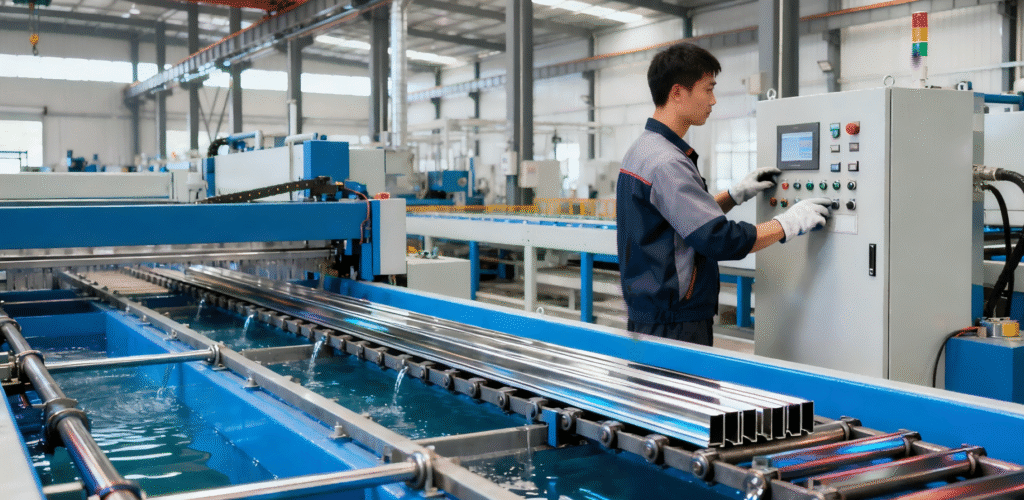
Featured Manufacturer: AlloyPro
AlloyPro (Guangdong Aolaibo Aluminium Co., Ltd.) is a premier B2B manufacturing powerhouse specializing in high-performance architectural systems, leveraging the deep industrial expertise of the Jihua Aluminum Group to provide high-precision 6063-T5/T6 aluminum profiles. Distinguished by a vertical integration model that bridges industrial-grade durability with modern minimalist aesthetics, AlloyPro focuses on engineering-driven excellence through advanced thermal break technology, Miami-Dade hurricane-impact certifications, and precision acoustic insulation. By offering manufacturer-direct customization (OEM/ODM) and a robust, globally-certified supply chain, AlloyPro serves as the definitive partner for architects and contractors seeking high-end villa windows and commercial solutions that prioritize security, energy efficiency, and sleek, ultra-narrow frame designs.
This guide serves as a starting point for making an informed brand selection in 2026. Whether you are looking for a smart-home integrated retail solution or a high-performance manufacturing partner like AlloyPro, the right brand partnership will enhance both the beauty and performance of your space while delivering lasting value for years to come.
Would you like me to generate a set of SEO-optimized Meta Tags (TKD) for this article, or perhaps a professional inquiry email template you can send to B2B clients featuring this content?
Ultimate Guide to Premium Aluminum Window Systems
Engineering Excellence: Aluminum Window Systems
The foundation of any world-class project lies in the structural strength of its frames. To ensure maximum density, premium Aluminum Window Systems must utilize high-purity 6063-T5 or T6 alloys. These materials offer the necessary tensile strength to support oversized glass panels. Furthermore, precision manufacturing ensures consistent wall thickness. This technical edge is why global buyers are increasingly looking beyond traditional brands to find the best-performing systems for modern construction.
The Necessity of Hurricane Impact Windows
For coastal regions and high-velocity hurricane zones, safety is a non-negotiable requirement. High-spec systems must incorporate Hurricane Impact Windows that meet rigorous international certifications like Miami-Dade NOA. These systems undergo extreme pressure testing to ensure they do not fail during a storm. Additionally, the integration of reinforced glass and heavy-duty hardware provides an extra layer of security. Consequently, choosing certified impact-resistant technology is vital for protecting both the building’s envelope and its occupants.
Energy Efficiency with Thermal Break Systems
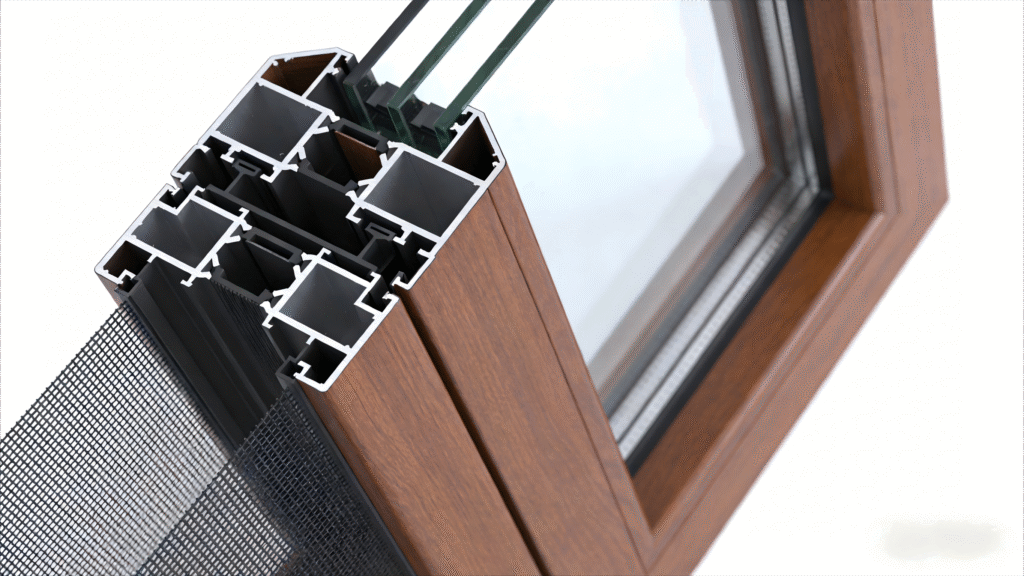
Sustainable architecture depends heavily on energy conservation. Modern Thermal Break Systems create a structural barrier between the interior and exterior aluminum profiles. This barrier significantly reduces heat transfer and lowers HVAC energy costs. Moreover, high-quality polyamide strips ensure that these Thermal Break Systems maintain their insulating properties for decades. In contrast to standard aluminum frames, thermal-efficient designs provide a comfortable indoor environment in both extreme heat and cold.
Surface Finishes: Protection for Professional Projects
Durability for global projects depends on superior exterior protection. Like the world’s elite brands, premium systems offer advanced PVDF coatings and high-micron anodizing. These treatments protect the Aluminum Window Systems from harsh UV radiation and salt spray in coastal environments. Furthermore, they allow for extensive customization in colors and textures. Because these finishes resist fading and peeling, they ensure a long-lasting aesthetic and minimize maintenance costs for developers.
Why AlloyPro is the Choice for High-Performance Projects
While big brand names provide security, savvy buyers focus on technical performance and procurement efficiency. AlloyPro provides a complete solution from technical drawing support to precision processing. This integrated approach allows for faster lead times than traditional system houses. Ultimately, by combining world-class hardware with Hurricane Impact Windows and Thermal Break Systems, AlloyPro delivers the elite performance needed for the most demanding global projects.

5 Benefits of High-Performance System Aluminium Windows
1. The Value of Modern Window Engineering
In the past, windows were simple openings in a wall. However, modern engineering has changed everything. Leading brands now create slim frames that allow more natural light into a room. Furthermore, high-tier System Aluminium Windows from the global top 10 list support massive glass panels without bending. Because of this innovation, architects can design more creative and sustainable buildings.
2. High Standards for Hurricane Protection
Safety is a primary concern in many regions. For instance, coastal buildings need extra protection from strong winds. This is why hurricane-rated products from brands like Alumil and AlloyPro are so popular. These systems use reinforced metal and heavy hardware. Additionally, choosing a manufacturer that tests for impact guarantees that your home stays safe during a severe storm.
3. Sourcing Directly from a Professional Manufacturer
Buying from an expert manufacturer like AlloyPro offers many technical benefits. For one thing, our factory controls the entire extrusion process. This means every piece of metal in our System Aluminium Windows meets strict international standards. Moreover, a direct relationship allows you to customize your order easily. Consequently, you get exactly what your project requires without the high markup of European middleman brands.
4. Better Energy Efficiency for Your Building
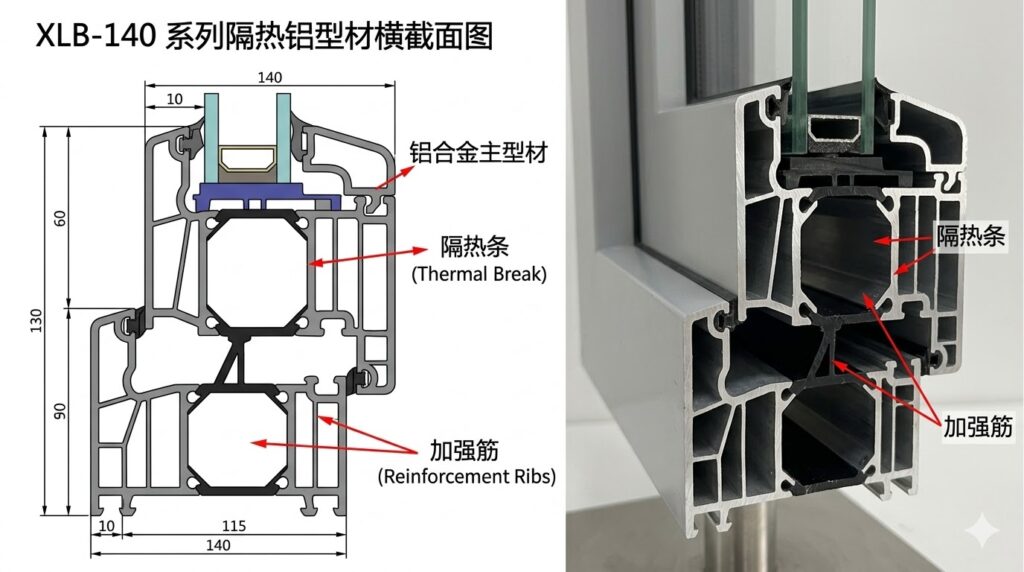
Global energy rules are getting much stricter. Therefore, high-performance System Aluminium Windows now use advanced thermal breaks. These strips of material stop heat from moving through the frame. In contrast to old metal windows, systems from top brands keep your house cool in summer and warm in winter. As a result, you will see a big drop in your monthly energy bills.
5. Long-term Durability and Simple Maintenance
One reason professionals choose aluminum is its incredible lifespan. This material does not rust or rot like wood. When a factory like AlloyPro applies a premium AkzoNobel finish, the color stays bright for decades. Furthermore, you do not need to spend much time on maintenance. A simple cleaning once a year is usually enough to keep your System Aluminium Windows looking new.
Conclusion: A Strategic Choice for the Future
The logic of picking from the top 10 brands involves looking at safety, look, and cost. If you need coastal protection or energy savings, your choice of materials matters. By focusing on certified manufacturing from trusted brands like AlloyPro, you ensure your building is ready for the future.