








Top 10 Aluminum Doors 2026 Ranking & Global Supplier Guide
1. Schüco: Quality in Top 10 Aluminum Doors (Germany)
Schüco is a famous leader in European engineering. They dominate the market with premium thermal break technology. Moreover, their 2026 products focus on high security. Because of their strict standards, these doors offer the best energy efficiency.
2. Reynaers Aluminium: Style in Top 10 Aluminum Doors (Belgium)
Reynaers is well-known for beautiful architectural designs. They provide a wide range of sliding glass doors. In addition, their systems have excellent sound insulation. Consequently, they are perfect for luxury homes and quiet office spaces.
3. YKK AP: Strength for Top 10 Aluminum Doors (Japan/USA)
YKK AP makes very reliable aluminum profiles. Their products can handle extreme weather easily. Furthermore, their precision manufacturing sets a high bar for the industry. This ensures that their commercial doors last for many years.
4. Andersen Windows & Doors: North American Top 10 Aluminum Doors (USA)
Andersen is a top brand in North America. They offer high-end solutions for the residential market. Specifically, they focus on energy-saving designs. Thus, their global network provides homeowners with very durable entry systems.
5. Kawneer: Trusted Top 10 Aluminum Doors (USA)
Kawneer specializes in heavy-duty doors for public buildings. Their 2026 designs include advanced thermal features. Also, these systems are very safe for schools and hospitals. They provide strong performance in high-traffic areas.
6. AluK: Global Top 10 Aluminum Doors (Luxembourg)
AluK has a massive global presence. They design versatile frames for many different building codes. Since their systems are modular, they are very easy to install. As a result, they are a cost-effective choice for large developments.
7. Alumil S.A.: Slim Top 10 Aluminum Doors (Greece)
Alumil is a expert in minimalist design. They create sliding systems with very thin frames. Additionally, their latest models allow for more natural light. This helps green buildings save more energy while looking modern.
8. LIXIL Corporation: Tech in Top 10 Aluminum Doors (Japan)
LIXIL leads the Asian market with the TOSTEM brand. They make pre-engineered kits that are simple to use. Furthermore, they now use smart technology. For instance, they add biometric locks directly into the aluminum frame.
9. Xingfa Aluminium: Leading Top 10 Aluminum Doors (China)
Xingfa is a giant in the aluminum extrusion world. They supply architectural profiles for huge infrastructure projects. Consequently, they have a very stable supply chain. They offer everything from simple doors to complex bifold systems.
10. JELD-WEN: Reliable Top 10 Aluminum Doors (USA)
JELD-WEN is a trusted global name. They provide a huge variety of custom patio doors. Moreover, their 2026 catalog focuses on all-weather protection. Their products stay strong even in salty coastal air or hot sun.
AlloyPro: A Specialist Beyond the Top 10 Aluminum Doors
AlloyPro is a high-performance specialist based in Guangdong, China. We serve the global B2B market with professional aluminum solutions.
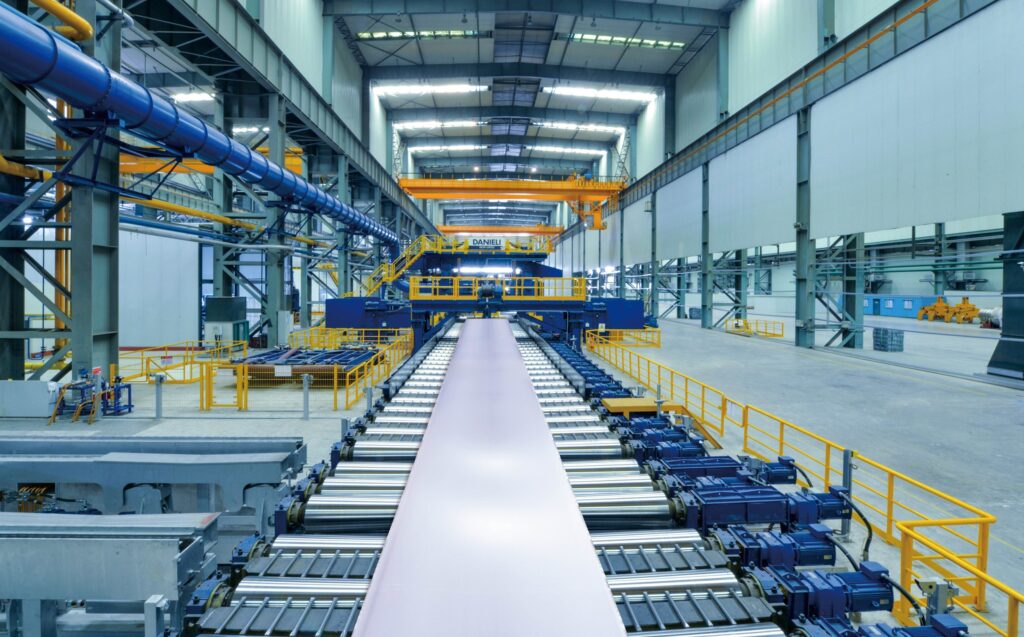
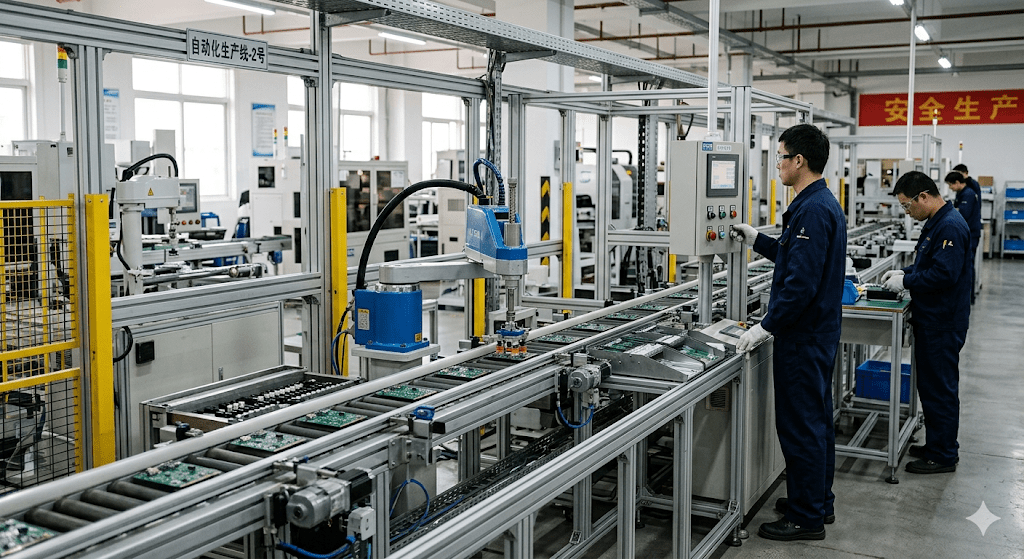
- Company Strength: AlloyPro has years of experience in aluminum extrusion. We run modern production lines. In addition, we support big projects with professional technical research.
- Product Range: We offer high-quality thermal break systems and sliding glass doors. Our architectural aluminum profiles are built for strength. We also make fire-rated doors and the A30 railing series.
- Our Advantages: We provide deep customization and factory-direct pricing. Also, our strict quality control ensures high standards. Therefore, our products are the perfect choice for your next project.
Visit alloypro.net to see our work. Contact us today for a professional quote for your 2026 project.
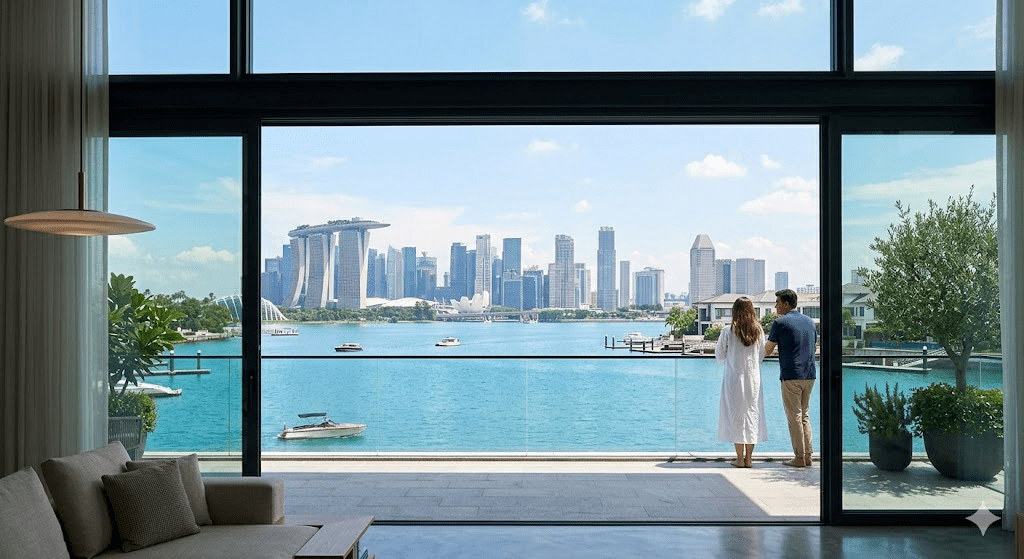
2026 Top 10 Global Aluminum Window Manufacturers Analysis
1. Schüco (Germany)
Schüco is a premier developer among Aluminum Window Manufacturers. For instance, they specialize in advanced thermal break systems. Their engineering precision offers high-end energy efficiency for iconic commercial landmarks.
2. Reynaers Aluminium (Belgium)
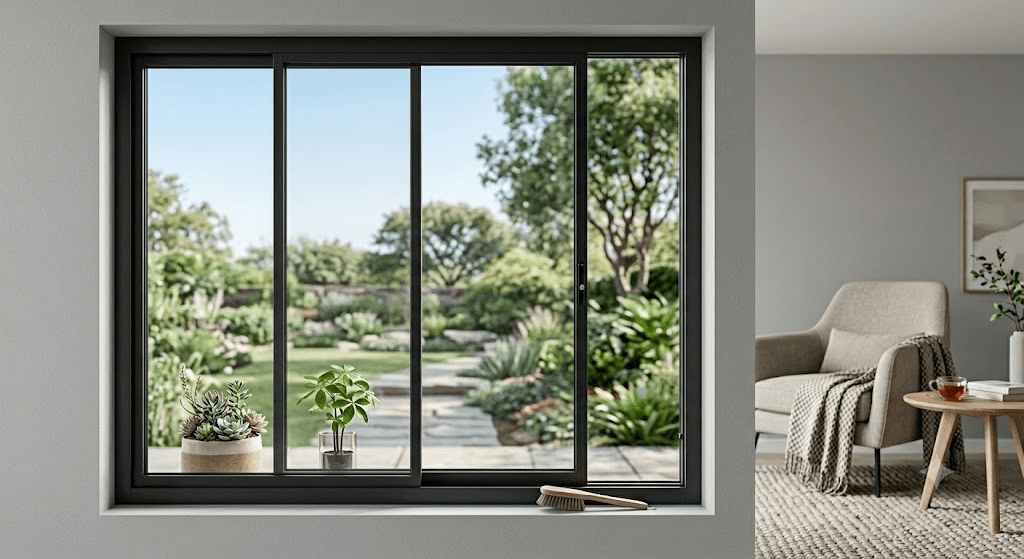
Reynaers focuses on technical robustness and architectural style. As one of the leading Aluminum Window Manufacturers in Europe, they serve more than 70 countries. Furthermore, their sliding window solutions meet the highest green building standards.
3. YKK AP (Japan/USA)
YKK AP is known for massive production scale. They are among the top Aluminum Window Manufacturers providing systems for high-rise buildings. Additionally, their products are designed to survive extreme weather and heavy urban use.
4. Kawneer (USA)
Kawneer specializes in commercial-grade frames. They are established Aluminum Window Manufacturers for public and institutional projects. Consequently, their systems ensure full compliance with international safety codes.
5. Andersen Windows & Doors (USA)
Andersen leads the aluminum-clad window market. Unlike some other Aluminum Window Manufacturers, they blend low-maintenance aluminum with premium wood finishes. This makes them a top choice for luxury residential projects.
6. Aluk (Luxembourg)
Aluk designs glazing systems that balance cost and performance. They are versatile Aluminum Window Manufacturers active in Europe and Asia. Moreover, their designs emphasize acoustic insulation and slim-frame aesthetics.
7. Alumil (Greece)
Alumil produces energy-efficient systems for many architectural styles. As innovative Aluminum Window Manufacturers, they focus heavily on thermal insulation. In addition, their products often meet “Passive House” standards.
8. Sky-Frame (Switzerland)
Sky-Frame is a specialist in minimalist window designs. They are unique Aluminum Window Manufacturers offering frameless sliding systems. As a result, they provide maximum transparency for high-end luxury homes.
9. Technal (France)
Technal is a member of the Hydro Group and is known for creative design. They are sustainable Aluminum Window Manufacturers with a low carbon footprint. Furthermore, they allow architects to create complex geometric forms easily.
10. OTIIMA (Portugal)
OTIIMA focuses on slim-frame and large glass solutions. They are high-end Aluminum Window Manufacturers pushing the limits of structural glazing. Consequently, they help create iconic, light-filled spaces for modern hotels.
About AlloyPro: Professional Aluminum Manufacturing Solutions
AlloyPro (Guangdong AlloyPro Aluminum Co., Ltd.) is a rising force in the international market. We provide professional B2B solutions for global clients, delivering precision-engineered products to builders and contractors worldwide.
- Corporate Strength: AlloyPro operates advanced extrusion facilities. We specialize in high-precision aluminum profile manufacturing. Moreover, our products meet rigorous international safety benchmarks.
- Core Product Range: Our portfolio includes thermal break sliding windows and high-security systems. These are designed for durability. Therefore, they offer superior wind-load resistance for any climate.
- Brand Advantages: We provide the manufacturing scale and technical support needed for modern projects. Most importantly, AlloyPro ensures a reliable supply chain for every professional partner.
Learn more about our manufacturing capabilities at alloypro.net.
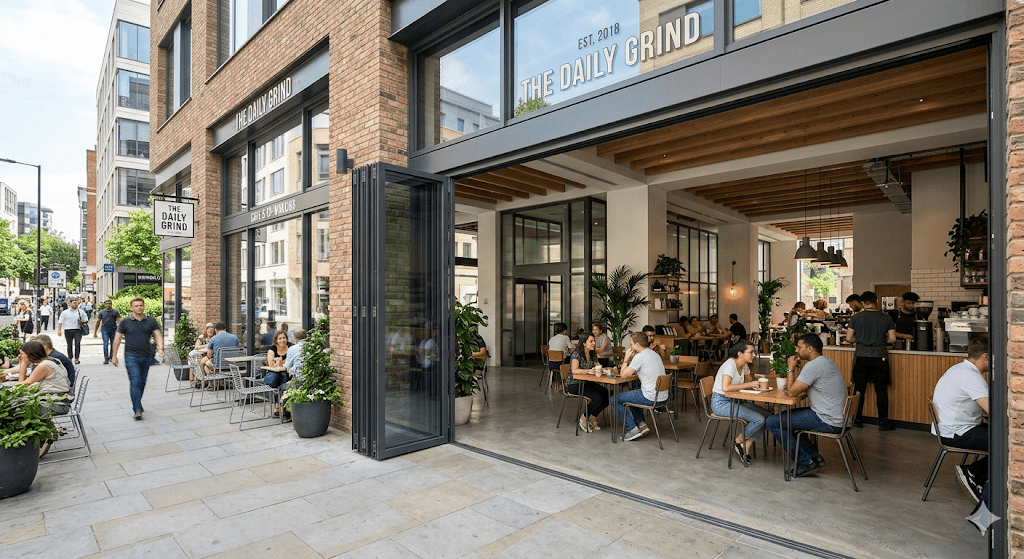
How to Choose the Right Aluminum Folding Doors for Commercial Projects
Focus on Profile Strength and Durability
Commercial buildings experience higher foot traffic than residential properties. Consequently, the strength of the aluminum profile remains the most critical factor. High-grade aluminum alloys, such as 6063-T5, provide the necessary structural integrity for large-scale openings.
Additionally, look for systems with a proper wall thickness. Thicker profiles prevent warping over time, even with frequent daily use. High-quality frames ensure that Aluminum Folding Door Systems provide superior durability for decades, making them a reliable long-term investment.
Prioritize Thermal Performance and Energy Efficiency
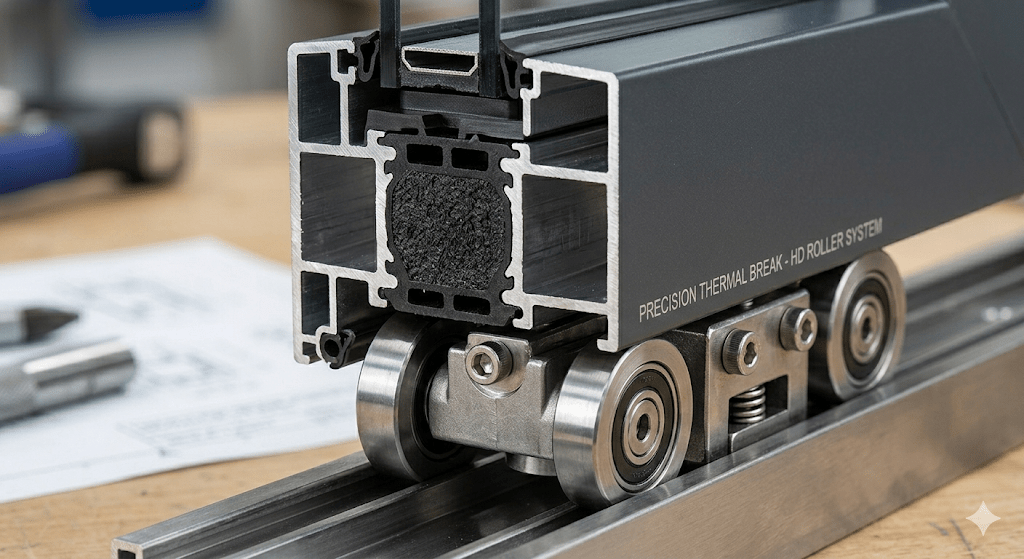
Energy costs are a major concern for business owners today. Modern aluminum folding doors utilize thermal break technology to improve insulation. This design features a reinforced polyamide bar between the inner and outer aluminum sections.
This barrier effectively blocks heat transfer. In contrast to standard aluminum frames, thermal break systems keep interiors cool in summer and warm in winter. Furthermore, installing Energy Efficient Folding Doors with thermal break tech helps to lower costs and boost security now.
Evaluate Hardware and Security Features
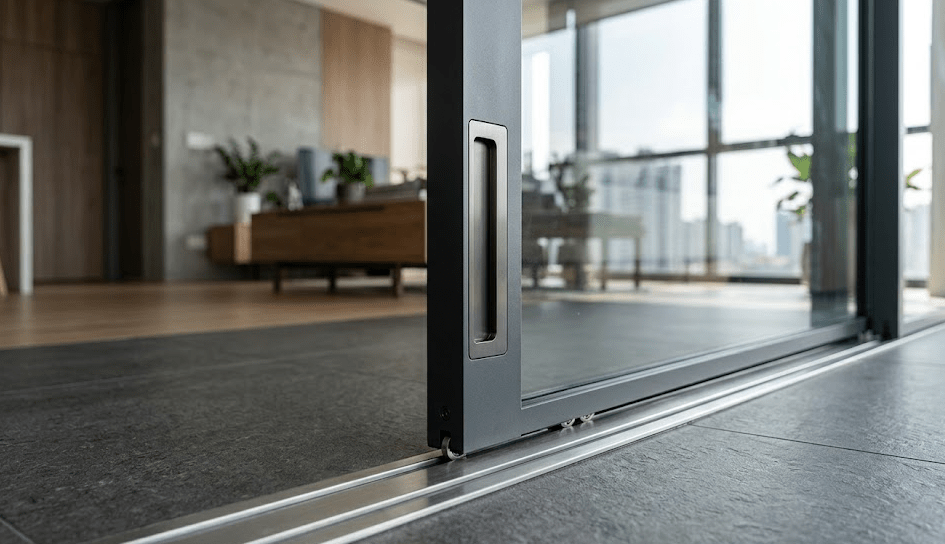
Smooth operation depends entirely on the quality of the internal hardware. For Aluminum Folding Door Systems, stainless steel rollers and heavy-duty hinges are essential. These components must support the weight of large glass panels without sticking or making noise.
Security is another vital aspect for any commercial property. Ensure the system includes a multi-point locking mechanism to protect against forced entry. Additionally, tempered or laminated safety glass provides an extra layer of protection while meeting international building codes.
Select the Right Finish for Longevity
The visual appeal of your building matters to your brand image. Aluminum offers various finishing options, such as powder coating and anodizing. Powder coating provides a vast range of colors and a durable finish that resists daily wear.
However, if the building is near the coast, anodized finishes offer superior resistance to salt corrosion. Selecting Energy Efficient Folding Doors with the right finish ensures that the doors maintain their professional appearance despite harsh weather conditions.
Conclusion
Selecting the ideal Aluminum Folding Door Systems involves more than just picking a modern style. By focusing on profile strength, thermal efficiency, and robust hardware, you create a functional and inviting commercial space.
If you are looking for high-performance architectural solutions, exploring professional aluminum systems is the best way to start. Quality materials and precise engineering will always provide the best return on investment for your project.
How High-Quality Aluminum Windows Are Made: A Look Inside the Factory
Aluminum Window Manufacturing: Precision Cutting
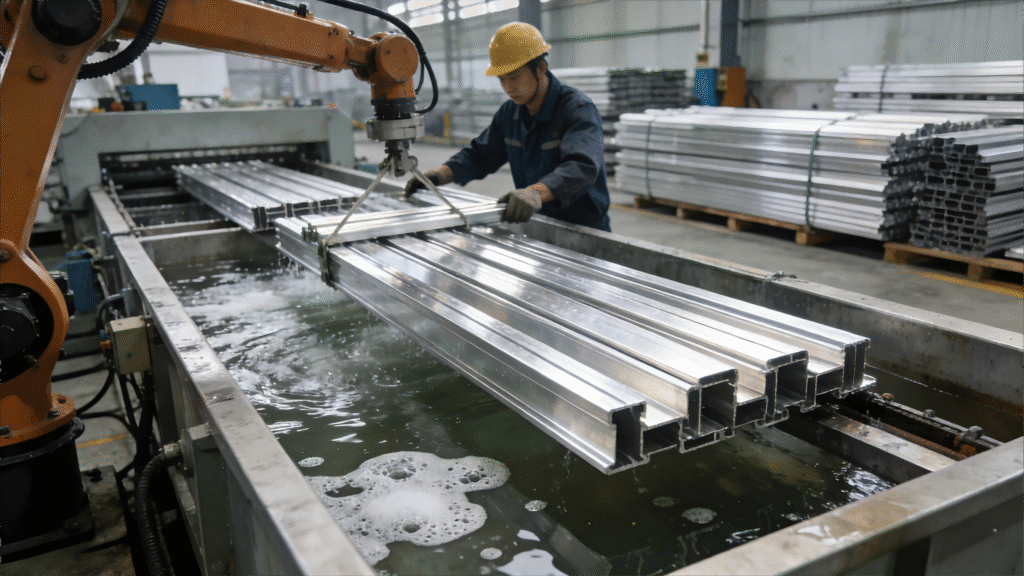
Everything begins with high-grade aluminum. We use 6063-T5 alloy because it offers great strength. First, our technicians input exact dimensions into digital saws. Precision is critical at this stage. Even a tiny error can lead to air leaks. Therefore, we use double-headed saws for perfect 90-degree angles. Furthermore, we mill all holes for handles at this time. This ensures that every piece of hardware fits perfectly.
Strengthening in the Custom Window Factory
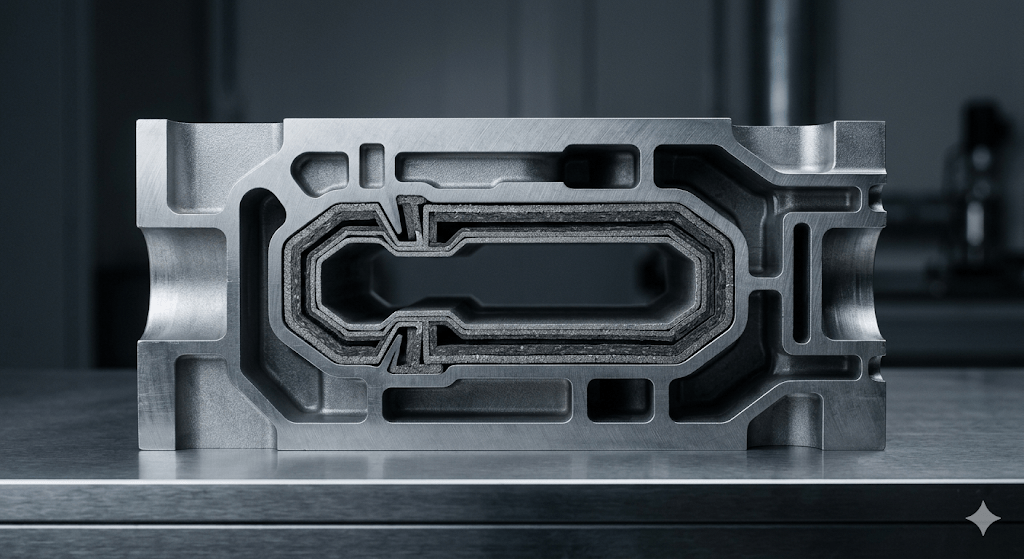
Standard aluminum can transfer heat easily. To solve this, our aluminum window manufacturing process uses thermal breaks. These polyamide strips separate the interior and exterior sections. As a result, heat stays outside during the summer. Additionally, your warmth stays inside during the winter. This step makes our high quality windows very energy-efficient. In contrast to cheap frames, these profiles prevent condensation.
Assembly Secrets of High Quality Windows
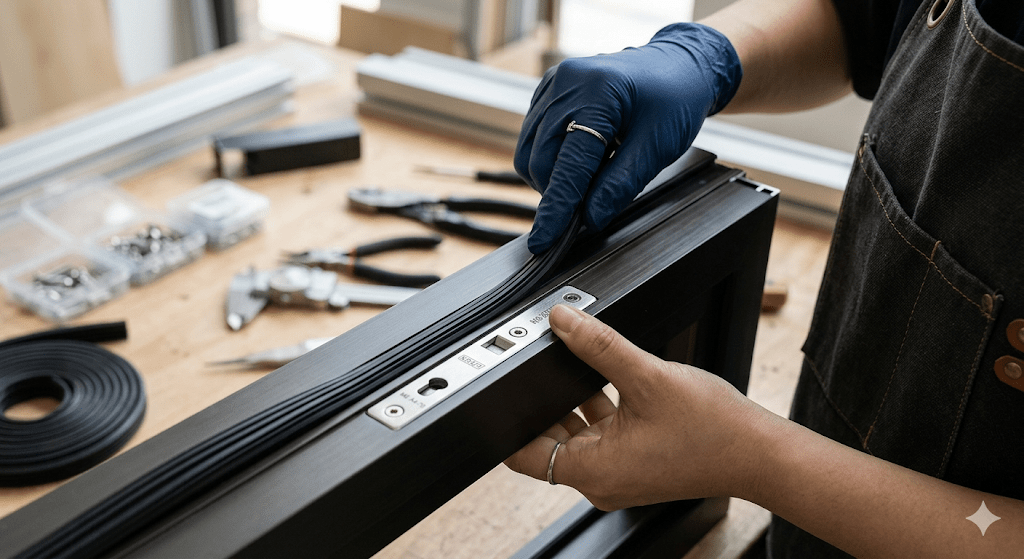
Once the pieces are cut, they move to assembly. Unlike shops that only use screws, our custom window factory uses heavy-duty corner cleats. We also use specialized glue for extra strength. A hydraulic machine then presses the corners together. Consequently, this creates a solid joint that will not sag. After that, we install EPDM rubber seals. These gaskets provide the ultimate defense against rain. Because we use EPDM, the seals do not crack in the sun.
Testing in Our Aluminum Window Manufacturing Line
Next, we install the glass units. Most clients choose double-paned tempered glass. Technicians carefully set the glass into the frame. This ensures the weight stays balanced. Furthermore, workers attach the hardware now. Whether it is a sliding track or a lock, every part must move smoothly. Our quality team tests every single window. For example, they open and close the sash many times to check for friction.
Final Inspection at the Custom Window Factory
The final step is the most important for global customers. Every window undergoes a rigorous check. Quality managers verify the dimensions again. Additionally, they ensure the seals are tight and the surface is clean. After the window passes, the team wraps it in protective film. For international shipping, we build custom wooden crates. Therefore, your order arrives at the job site in perfect condition.
Top 10 Bulletproof Window Manufacturers & Fire Rated Systems
Global Leaders in Security Systems
To help you select the right partner, we have identified the top brands excelling in safety certifications and material innovation:
- Schüco (Germany): A global benchmark for high-end fire rated aluminum systems.
- Jansen (Switzerland): Specialists in steel-based ballistic resistance.
- Forster (Switzerland): Experts in heat-insulated safety profiles.
- Vetrotech (France): Pioneers in fire-resistant glass technology.
- Kawneer (USA): Heavy-duty solutions for blast and impact resistance.
- AluK (Luxembourg): International systems meeting diverse safety codes.
- Reynaers (Belgium): Combining European design with superior security.
- Technal (France): Focused on sustainable, low-carbon safety aluminum.
- Pilkington (UK): The standard for integrated fire-protection glazing.
- Alumil (Greece): Robust systems tested for extreme environmental threats.
Technical Benchmarks: AS2047 & Beyond
When evaluating bulletproof window manufacturers, technical certification is non-negotiable. Leading systems utilize AS2047 certified windows to ensure performance under extreme wind pressure and water penetration. Furthermore, high-grade 6063-T5 aluminum alloys provide the structural rigidity needed for ballistic resistance. These high performance security windows also feature specialized intumescent seals that act as a critical barrier during fire emergencies.
AlloyPro: Your Trusted Partner for High-Performance Safety
At AlloyPro, we stand out among bulletproof window manufacturers by offering factory-direct precision and high-end design. We understand that in safety applications, every millimeter matters.
- Advanced Manufacturing: Our facility specializes in the precision extrusion of 6063-T5/T6 aluminum. This ensures our fire rated aluminum systems maintain structural integrity under extreme heat and physical impact.
- Certified Security: We provide AS2047 certified windows that meet the rigorous demands of international builders and contractors. Our products are engineered for the most challenging high-security environments.
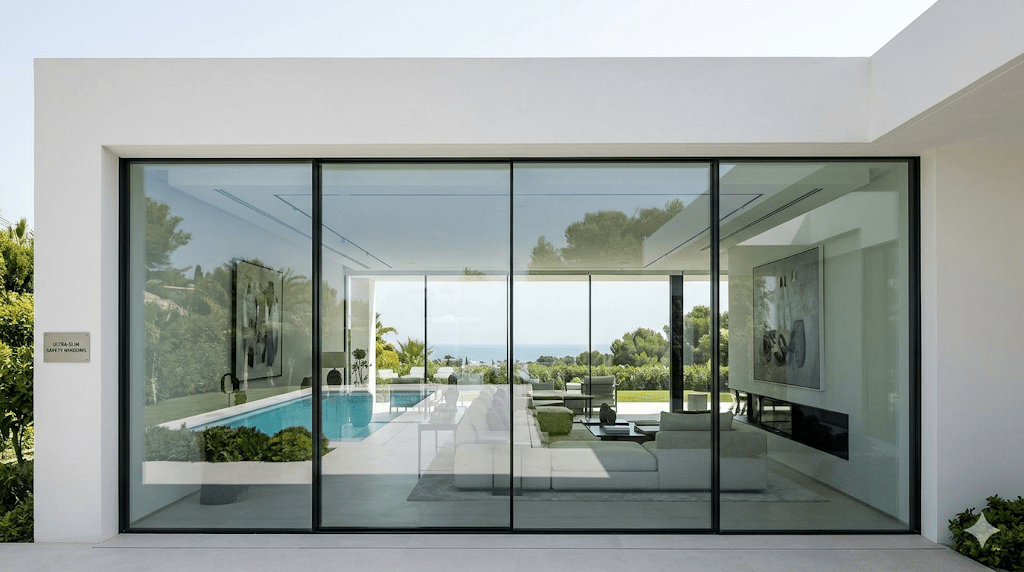
- Minimalist Aesthetic: Unlike traditional bulky security products, AlloyPro focuses on a “Simple & High-End” visual style. We deliver high performance security windows that offer maximum protection with ultra-slim profiles.
For professional-grade safety solutions, visit our official site at alloypro.net.