







Beyond Aesthetics: High-Performance Aluminum Profiles Engineering
1.Engineering Thermal Efficiency for High-Performance Aluminum Profiles
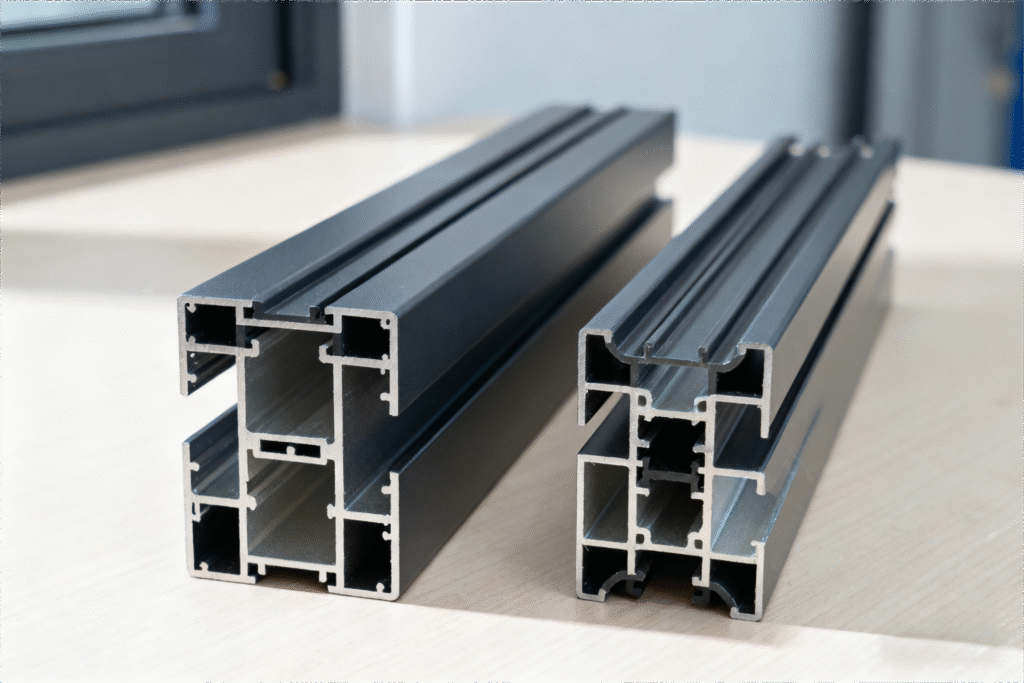
The primary function of modern fenestration is to act as a thermal barrier. Our High-Performance Aluminum Profiles center on advanced thermal break technology. We utilize high-precision polyamide (PA66) strips.
- How it Works: Naturally, aluminum conducts heat. However, our thermal break creates a continuous barrier within the frame. This drastically reduces the thermal transmittance (U-value).
- The Result: Consequently, this design minimizes energy loss. It effectively prevents condensation and maintains stable indoor temperatures. Ultimately, this directly reduces HVAC costs for building owners.
2.Achieving Acoustic Comfort: Multi-Seal Design
Urban noise demands effective solutions. Moreover, quiet interiors are essential for comfort. Our profiles tackle this through a multi-chamber structure.
These internal chambers disrupt sound waves. In addition, we incorporate multiple durable EPDM rubber seals at critical meeting points. As a result, this combination creates an effective barrier against external noise. Whether for an office or a home, our systems ensure peace and quiet.
3. Built for Security: Robust Hardware Integration
We view safety as integral, not an add-on. Therefore, we design our systems for maximum security through material strength and integration.
- Structural Integrity: We select high-grade alloys for inherent strength.
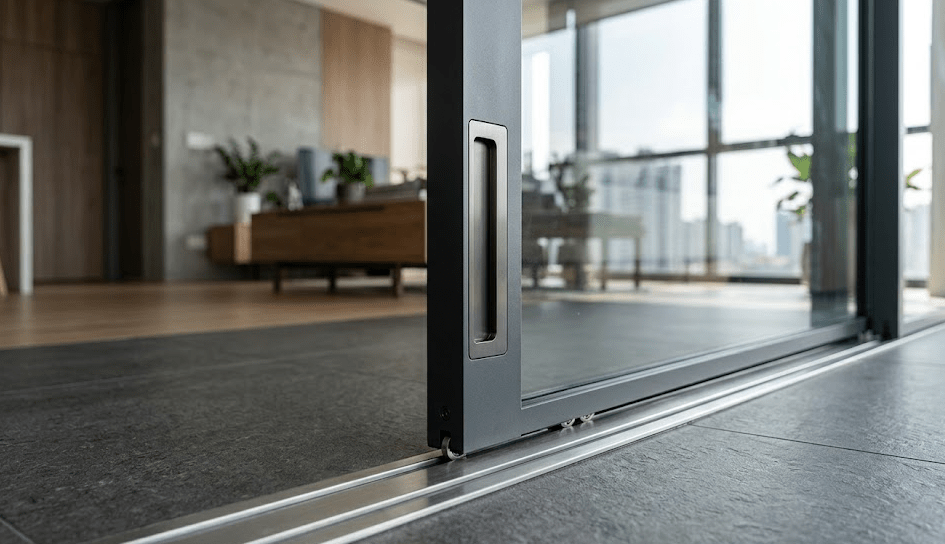
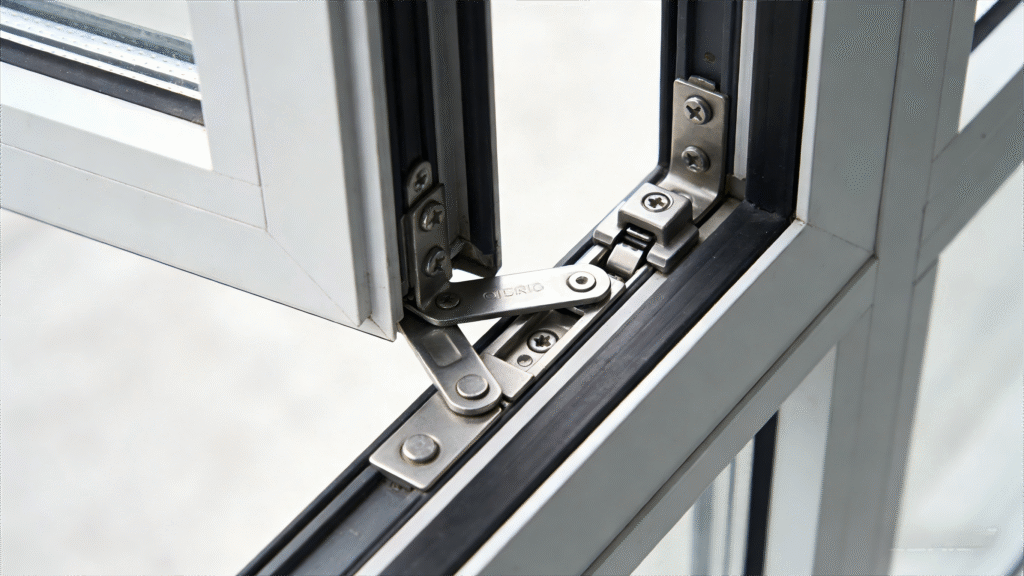
- Hardware Integration: Furthermore, we engineer profiles to integrate seamlessly with multi-point locking systems.
- Reinforced Design: We reinforce key areas. This securely houses heavy-duty hardware for long-term reliability.
4. Sustainability and Green Building
Beyond performance, sustainability is crucial. High-Performance Aluminum Profiles play a key role in green architecture. Aluminum is fully recyclable. Additionally, the energy efficiency of our thermal break systems contributes to lower carbon footprints.
For instance, projects aiming for certifications like LEED or BREEAM often specify our profiles. By choosing AlloyPro, you support environmentally responsible construction practices.
Conclusion: Performance as Standard
At AlloyPro, we measure true quality by performance. Our solutions deliver lasting value. They lower energy costs, enhance comfort, and provide reliable security.
Ready to specify High-Performance Aluminum Profiles for your next build? Contact our technical team today to discuss your project needs.

How Aluminum Die Optimization Maximizes Material Yield
1. Leveraging Simulation for Aluminum Die Optimization
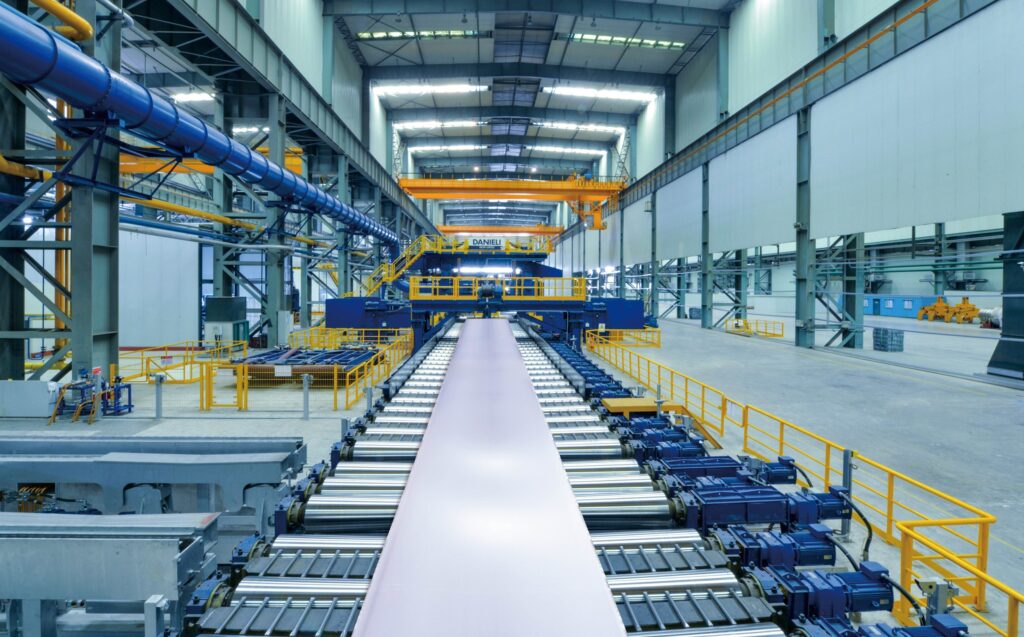
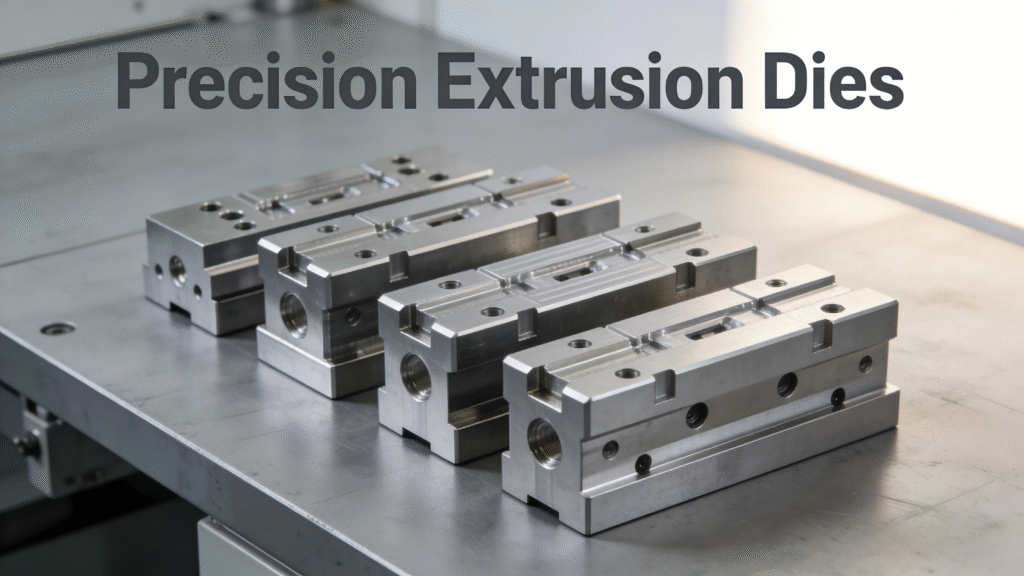
Modern die design begins with computer simulation. We use specialized software to simulate metal flow before manufacturing. This virtual testing is a key part of Aluminum Die Optimization. It allows us to identify issues like uneven flow speed.
Modern die design begins with computer simulation. We use specialized software to simulate metal flow before manufacturing. This virtual testing is a key part of Aluminum Die Optimization. It allows us to identify issues like uneven flow speed.
2. Bearing and Port Design in Aluminum Die Optimization
The design of the bearing and port holes is critical for efficiency. In our Aluminum Die Optimization process, we strategically adjust the bearing length. This controls metal flow speed uniformly.
Additionally, we optimize the port holes to reduce resistance. This optimization lowers the required extrusion pressure. A smoother flow not only saves energy but also reduces wear. More importantly, it prevents defects like tears, directly leading to higher quality output.
3. Implementing High-Strength Coatings for Longevity
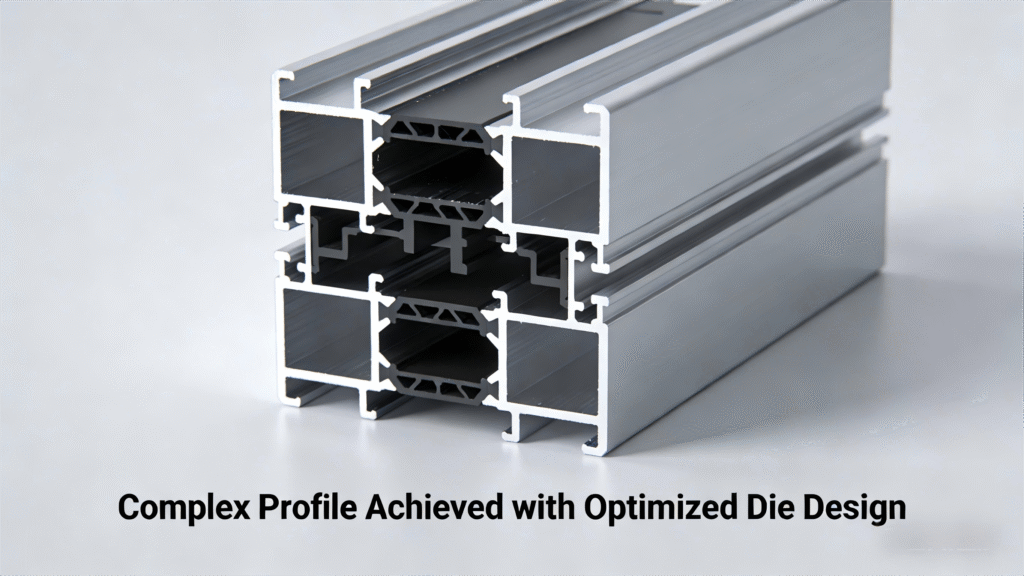
Die longevity directly impacts material consistency. We apply advanced surface coatings, such as nitriding or PVD, to the dies. This is a vital step in Aluminum Die Optimization. These coatings dramatically increase surface hardness.
A harder die maintains its precise shape longer. This means the first extrusion and the ten-thousandth one have identical accuracy. Furthermore, a well-protected die resists adhesion. This reduces downtime for cleaning and minimizes scrap during start-ups.
Conclusion
In summary, Aluminum Die Optimization is a systematic approach. It combines simulation, precision design, and surface engineering. It transforms the die into a vital component for efficiency.
By investing in these optimizations, AlloyPro achieves a substantial increase in material yield. This translates to cost savings and reliable, high-quality aluminum profiles for our clients.
What Are Genuine System Windows? 5 Core Technical Secrets
1. Air Tightness in Genuine System Windows
Firstly, air tightness measures how much air leaks through closed joints. We express this with air permeability ratings. Genuine System Windows achieve high ratings through precision-engineered locking hardware.
Additionally, they use continuous seals between the sash and frame. This design dramatically reduces unwanted drafts. Consequently, it enhances indoor comfort and lowers energy bills by minimizing heat loss.
2. Water Tightness: A Mark of Genuine System Windows
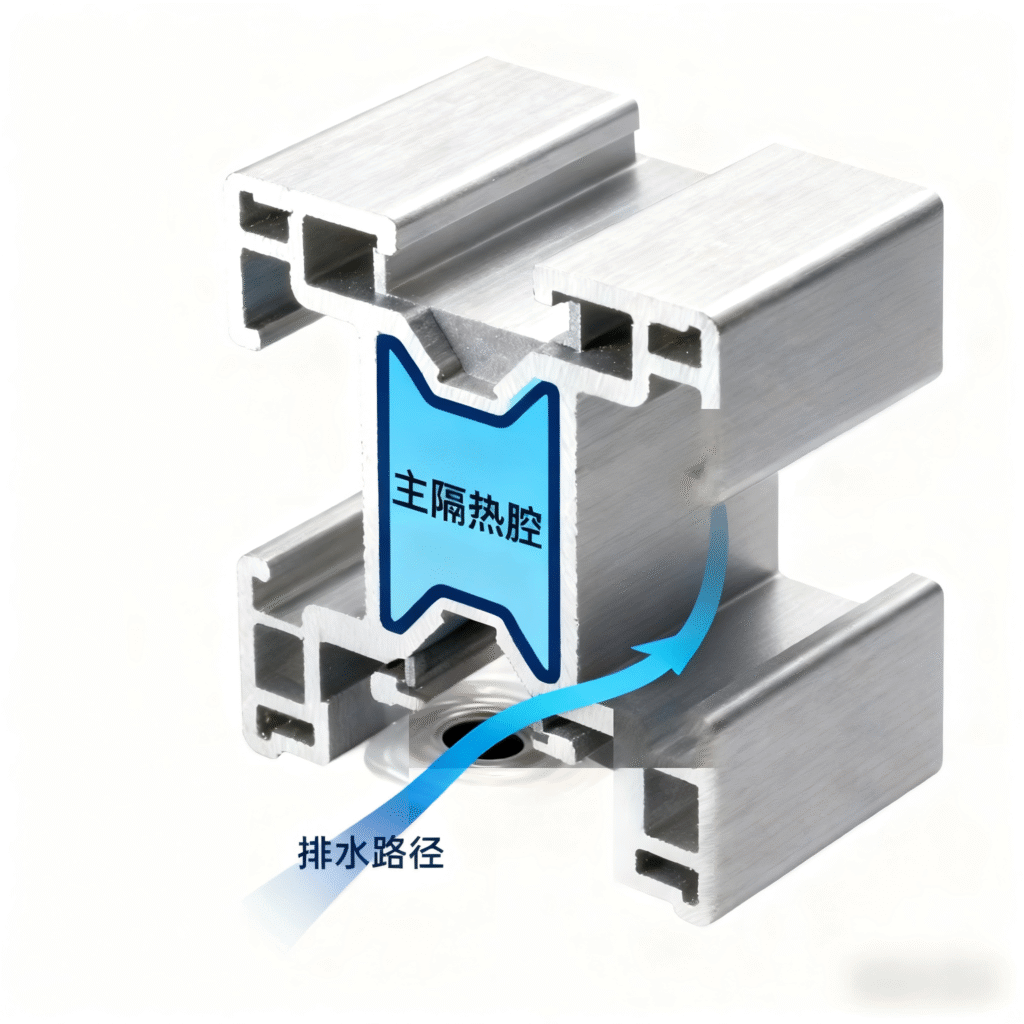
Water tightness indicates resistance to water penetration under rain. Manufacturers test this rigorously. Genuine System Windows excel here due to a sophisticated drainage pathway within the frame.
Additionally, they feature precisely placed barriers that channel water outward. This is absolutely critical for the long-term durability of your building’s structure.
3. Wind Load Resistance for Strength
This indicator shows ability to withstand strong wind pressure without deforming. It is vital for safety in high-rise locations. High-performance Genuine System Windows derive their strength from reinforced profile designs.
Furthermore, they use robust corner connections. These features ensure the window remains stable and fully operational even during severe storms.
4. Thermal Insulation in Genuine System Windows
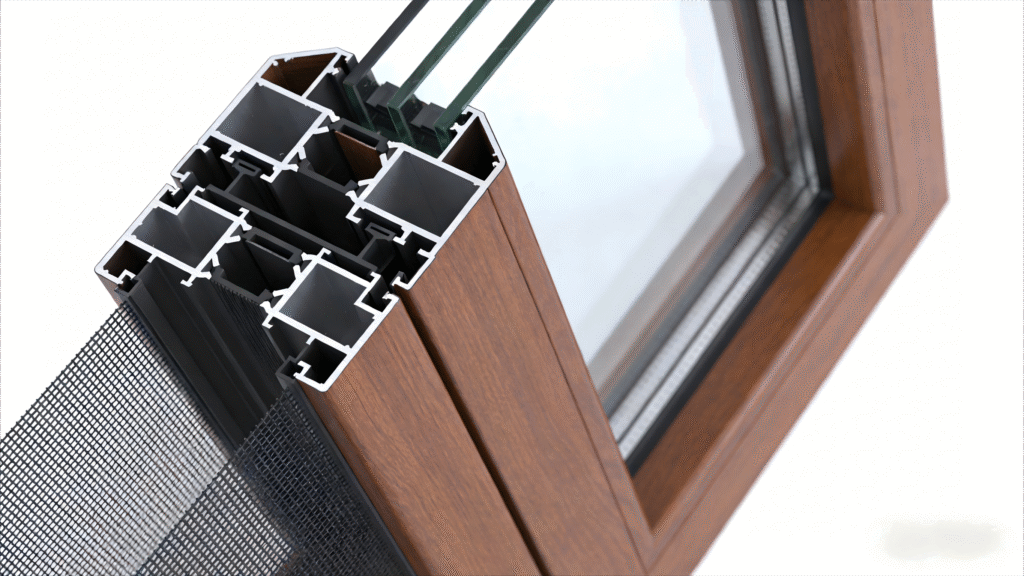
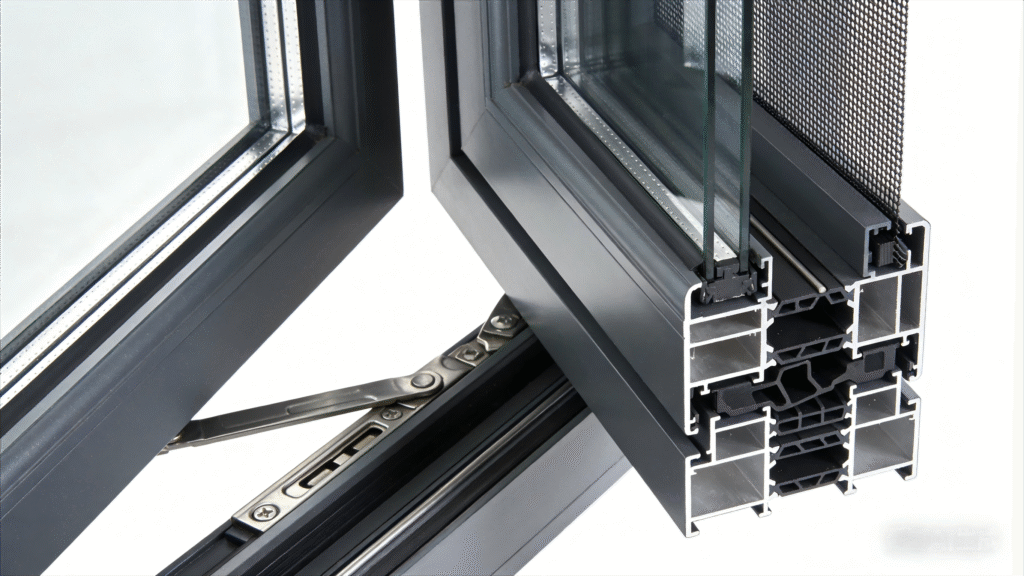
The thermal insulation performance (Uw value) tells you how well the window prevents heat transfer. A lower Uw value means better insulation. Genuine System Windows achieve excellent Uw values through combined features.
These include thermal barrier technology and multiple sealing layers. This holistic approach creates a powerful barrier against outdoor temperatures.
5. Acoustic Insulation: Quiet Genuine System Windows
Finally, acoustic insulation measures sound blocking (Rw value). Premium Genuine System Windows are engineered for superior acoustic performance.
They achieve this through specially designed profile chambers and thick glass panes. This makes them an ideal solution for buildings near busy streets or urban centers.
Conclusion: Look Beyond the Label
In summary, Genuine System Windows are defined by certified performance. When evaluating options, always ask for official test reports.
True high-performance windows from specialized manufacturers like AlloyPro transparently provide this data. They represent a long-term investment in your property’s comfort and value.

Choosing the Right Climate-Resistant Windows & Doors
1.Tropical Solutions for Climate-Resistant Windows & Doors
Tropical regions face intense sun and heavy rain. Therefore, durability is key for Climate-Resistant Windows & Doors.
First, prioritize corrosion resistance. AlloyPro’s profiles feature advanced PVDF finishes. This robust shield effectively fights against salt spray.
Additionally, focus on heat management. We recommend profiles designed for solar-reflective glass. Furthermore, ensure systems have multi-channel drainage. This prevents water ingress during monsoon rains.
2.Subtropical Options for Climate-Resistant Windows & Doors
Subtropical areas experience hot summers and cool winters. Versatility becomes key here.
The essential feature is a thermal break. AlloyPro’s Industrial Aluminium Profiles incorporate this technology. A polyamide bar reduces heat transfer. Consequently, this keeps interiors cooler in summer.
Moreover, look for all-weather performance. High-quality EPDM seals ensure airtightness. You can combine fixed glazing with well-sealed opening sections for seasonal airflow.
3.Temperate & Cold Climate-Resistant Windows & Doors
In colder climates, the primary goal is heat retention. Heat loss is the main challenge for Climate-Resistant Windows & Doors.
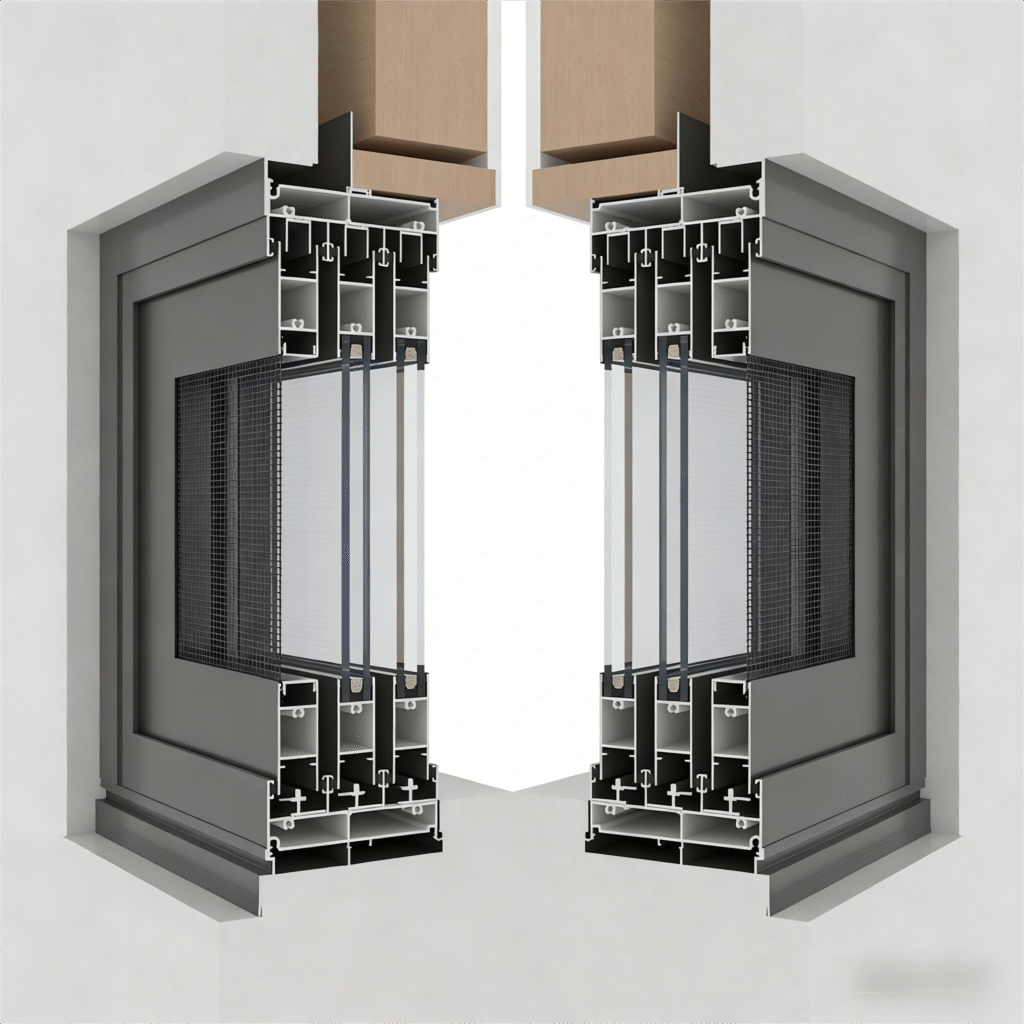
Here, you need enhanced insulation. Specify AlloyPro’s deep thermal-break profiles. These are engineered to support triple glazing. This creates a powerful barrier against the cold.
Furthermore, strength is non-negotiable. Our robust profiles provide load-bearing capacity for large glazing areas. Additionally, warm-edge spacer systems help minimize condensation risk.
The Foundation: Quality from AlloyPro
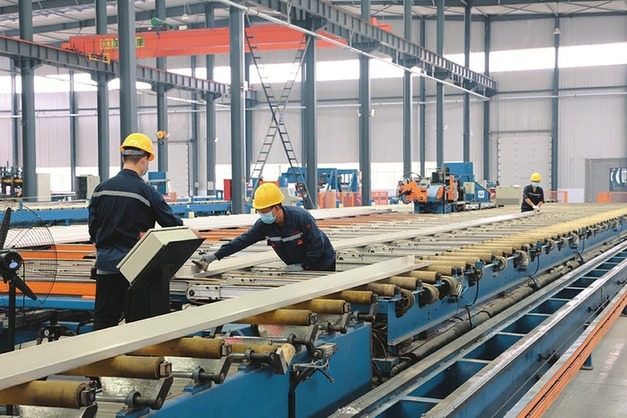
Regardless of climate, success starts with precision. AlloyPro manufactures high-grade profiles to strict tolerances. This commitment ensures that every Climate-Resistant Windows & Doors system operates smoothly. From residential projects to curtain walls, we deliver reliability.
Find Your Climate-Smart Solution
Selecting the right system is a strategic decision. It directly impacts energy efficiency. AlloyPro provides the expertise to meet specific challenges.
Ready to choose the perfect Climate-Resistant Windows & Doors? Contact AlloyPro Aluminium today. Our team will help you specify the ideal profiles for your unique climate.
Is Aluminum Windows Better Than Wood? The Ultimate Comparison
1.Benefits of Aluminum in the Aluminum vs Wood Windows Debate
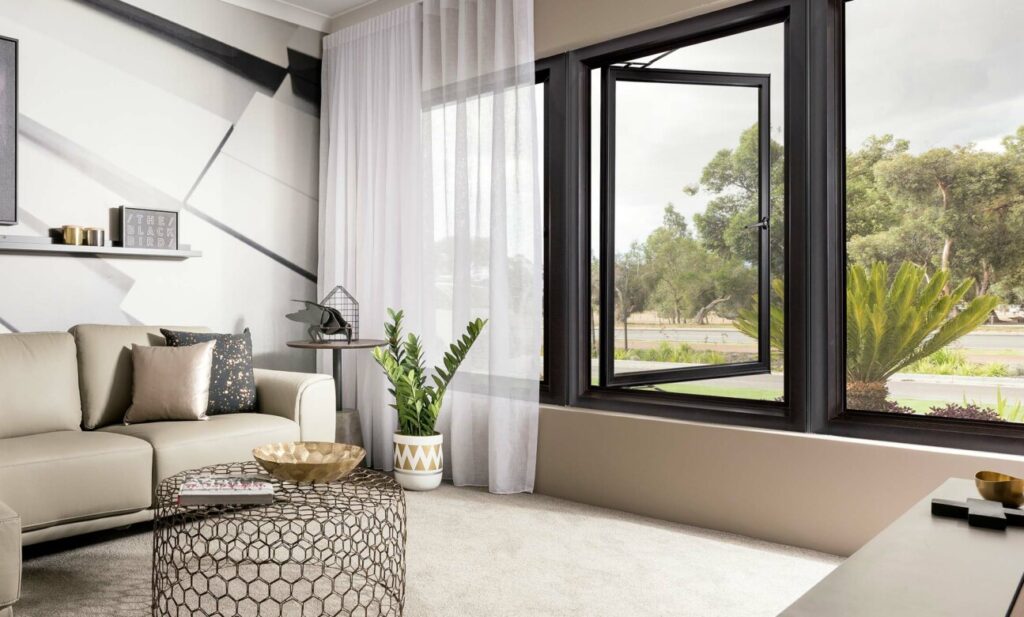
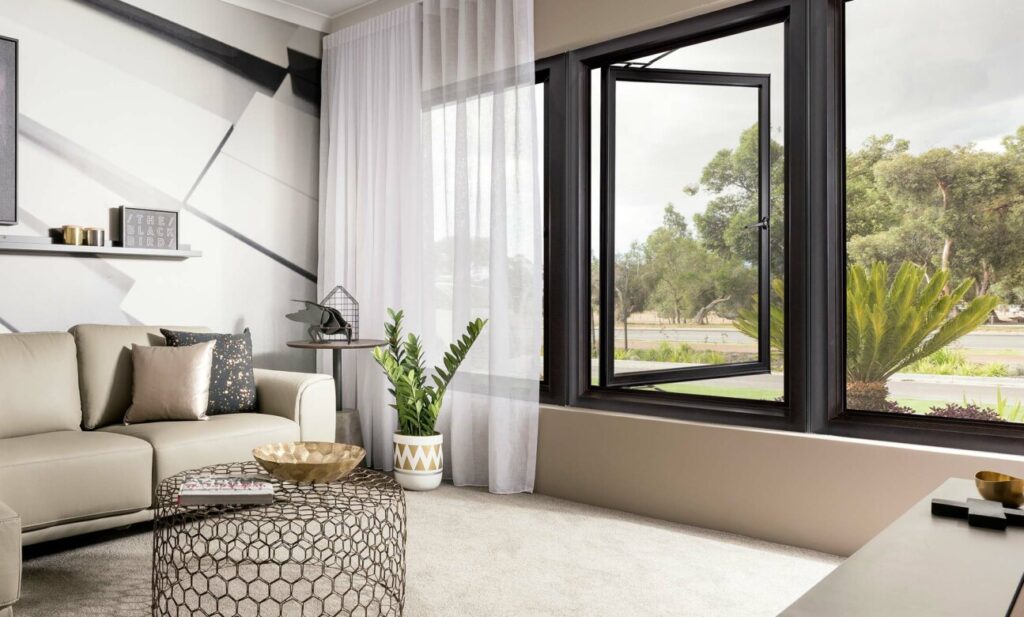
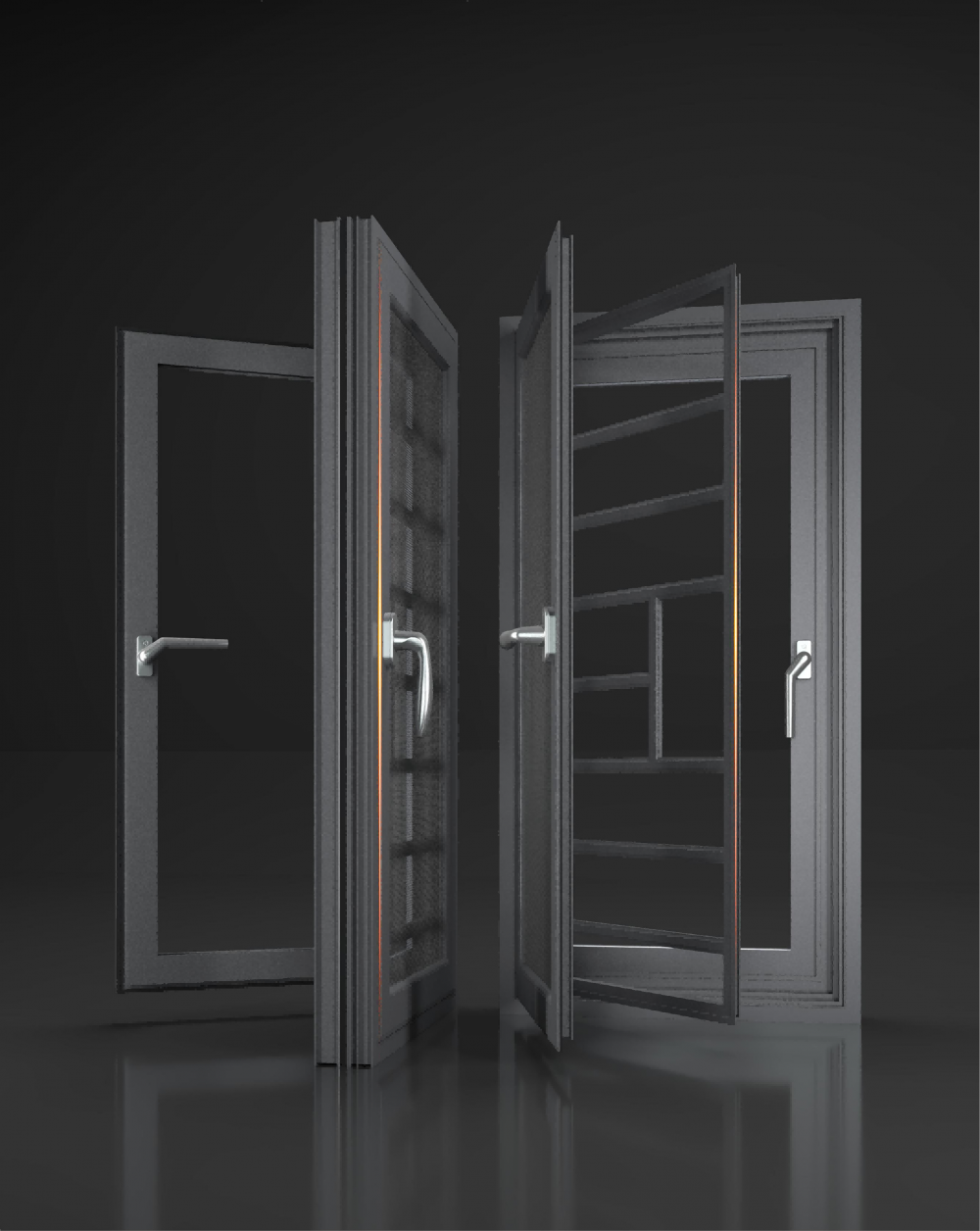
Aluminum windows offer several advantages that make them a popular choice. Firstly, their durability is unmatched in the Aluminum vs Wood Windows comparison. They are resistant to rot, warping, and cracking.
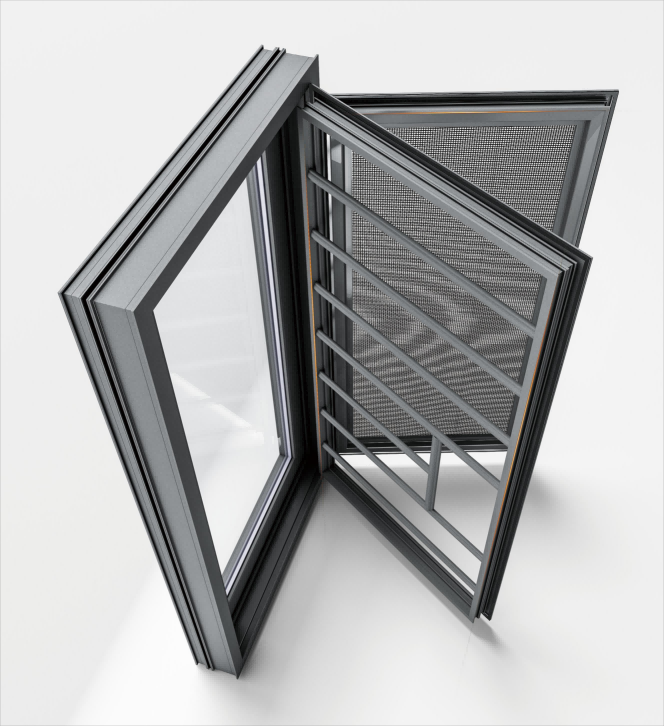
Additionally, aluminum windows require minimal maintenance. This saves you time and effort. Moreover, they are highly energy-efficient thanks to insulation properties. Furthermore, the design flexibility of AlloyPro profiles allows for sleek styles. Lastly, they offer enhanced security features for your home.
2.Advantages of Wood in the Aluminum vs Wood Windows Comparison
While aluminum has merits, wood windows have unique advantages. In the Aluminum vs Wood Windows context, the natural beauty of wood is unparalleled. It adds warmth to any home.
Wood windows also provide excellent insulation, reducing energy consumption. Furthermore, wood is a renewable resource. This makes it a sustainable choice for those concerned about the planet.
3.Cost and Value: Aluminum vs Wood Windows
When comparing Aluminum vs Wood Windows, it is important to consider both initial investment and long-term value. Aluminum windows tend to have a higher upfront cost due to manufacturing.
However, they offer long-term value through durability. This leads to cost savings over time. On the other hand, wood windows may have a lower initial cost. However, they require more maintenance. Consequently, this results in higher long-term expenses.
4. Making the Choice: Aluminum vs Wood Windows
Several factors should be considered when deciding on Aluminum vs Wood Windows.
- Climate: Aluminum windows are highly resistant to harsh weather.
- Design: Both materials offer distinct aesthetics.
- Maintenance: Aluminum requires less upkeep and tends to last longer.
- Environment: Wood is sustainable but requires responsible sourcing.
Conclusion
Choosing between Aluminum vs Wood Windows ultimately comes down to personal preference. While aluminum offers durability and low maintenance, wood provides natural beauty.
By considering factors such as climate and budget, you can make an informed decision. Whether you opt for sleek aluminum or timeless wood, AlloyPro can help enhance your home.