






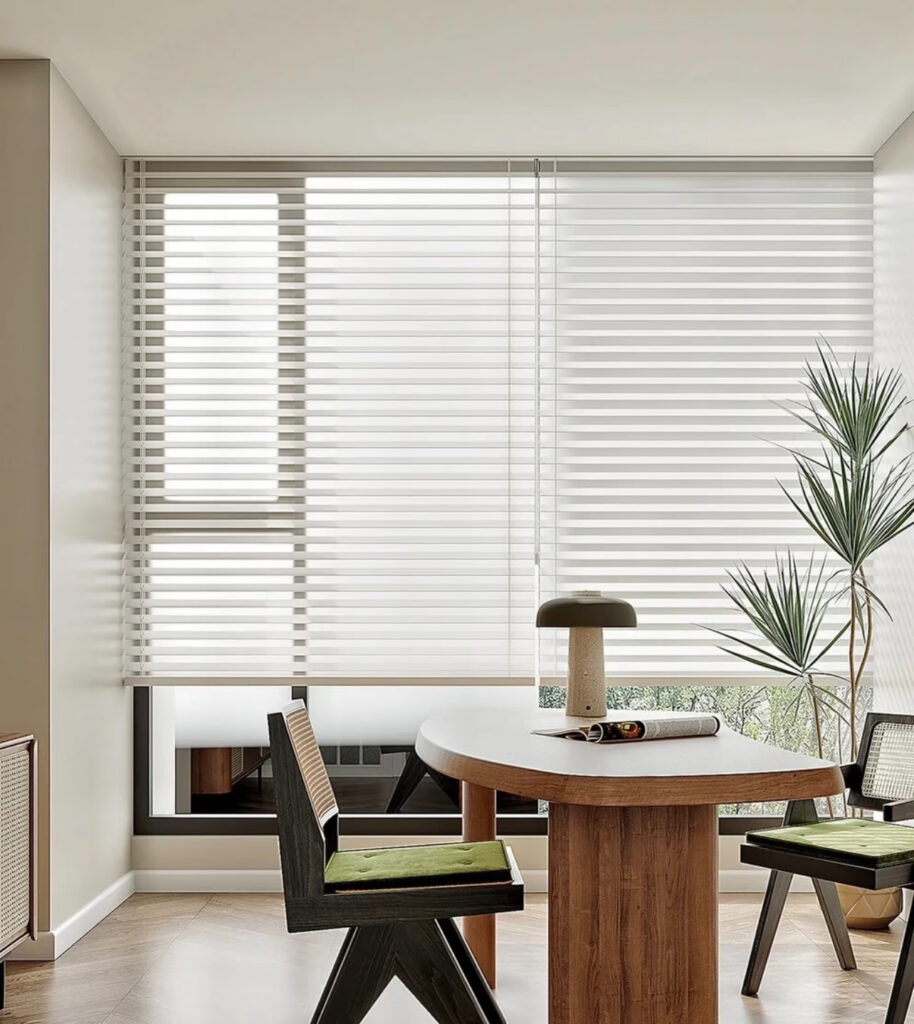
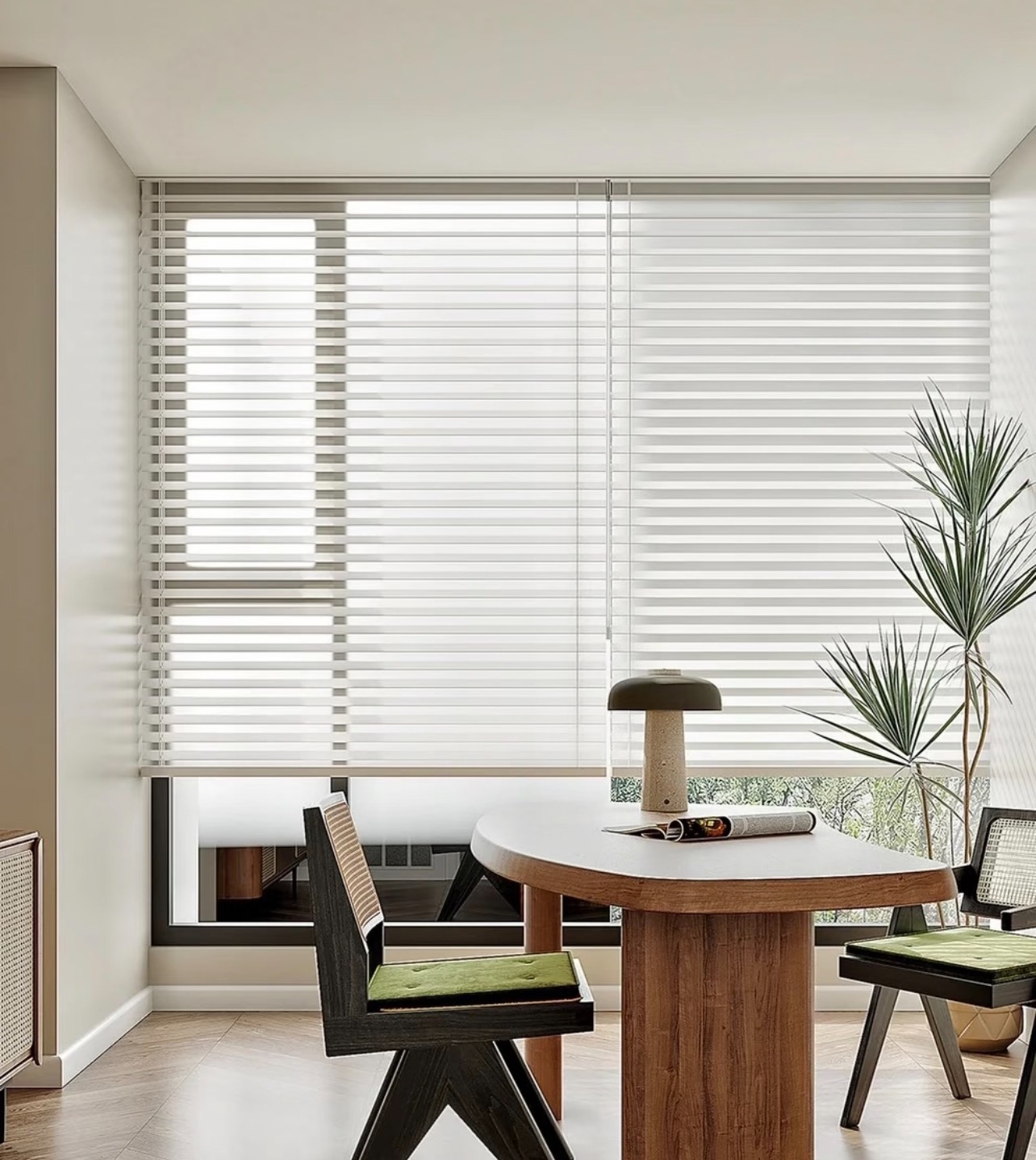
Aluminum Shutter Features: Modern Window Louvers Design
Why Aluminum Shutter Features Matter
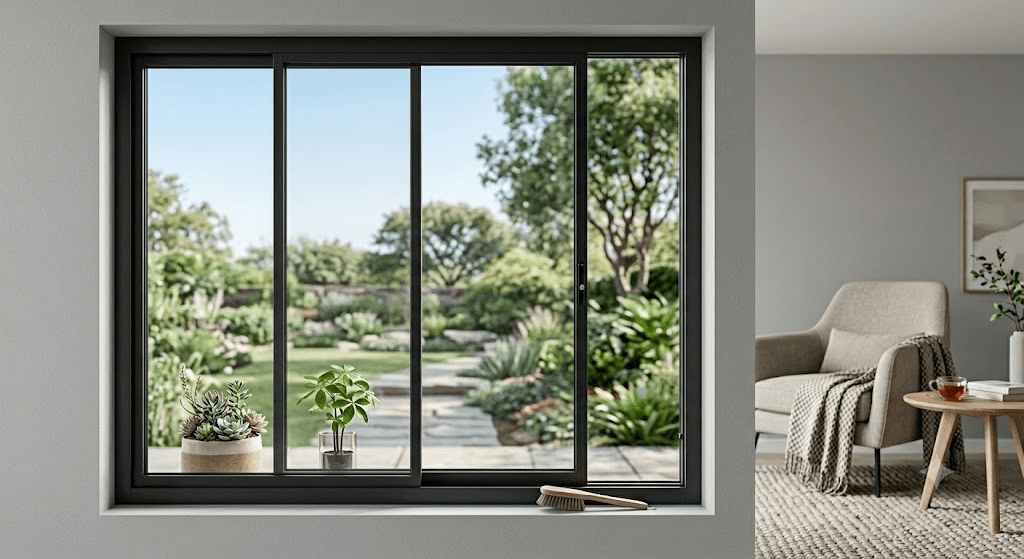
When selecting window treatments, understanding key aluminum shutter features is essential for any modern project. These shutters provide more than just shade; they offer a sophisticated look that enhances architectural beauty. Designers and homeowners prefer them because they combine style with long-term performance. Additionally, the versatility of these shutters makes them suitable for various building types, from private villas to commercial offices.
Durability of Modern Window Louvers
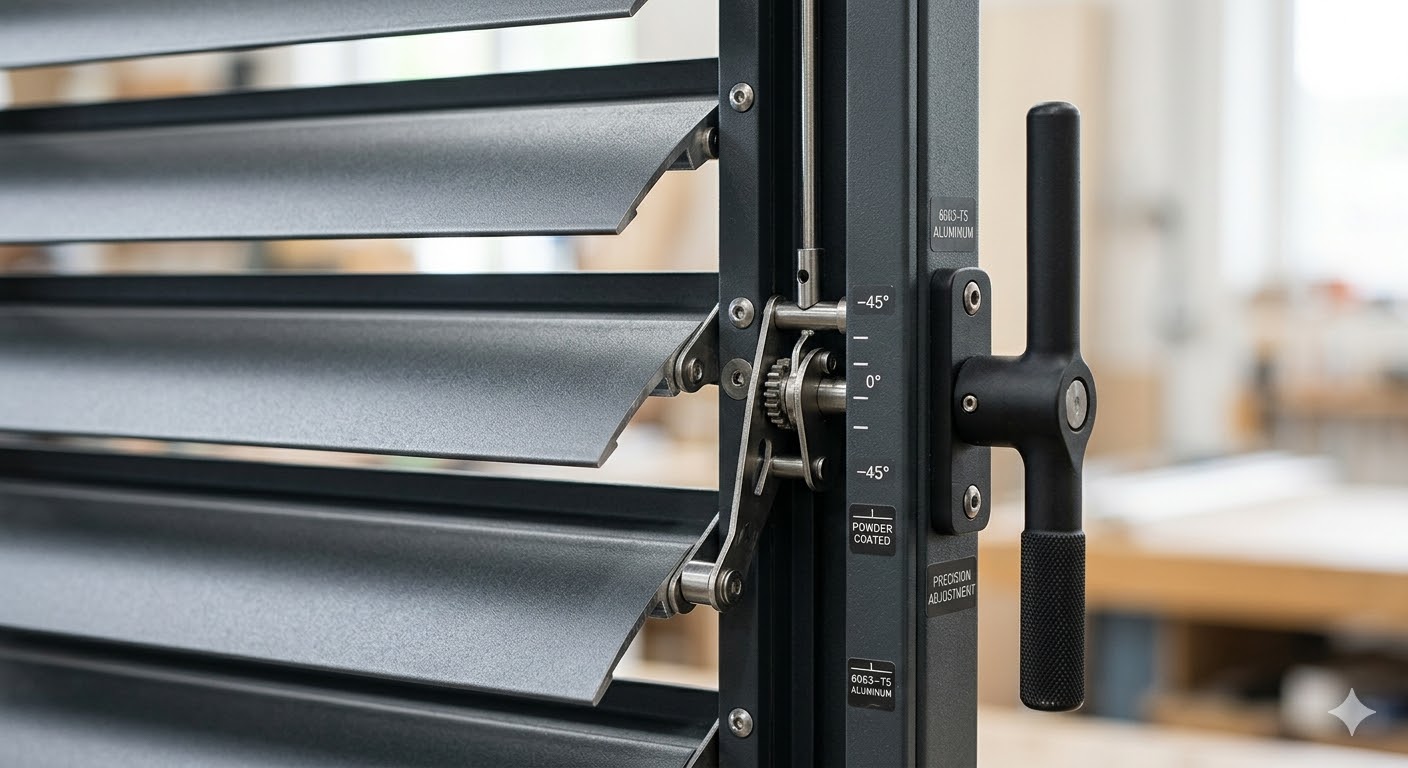
Our modern window louvers are engineered for strength. We use high-quality 6063-T5 aluminum to ensure the frame and blades remain stable under pressure. Unlike wood, aluminum will not rot or warp over time. Furthermore, the robust construction provides an extra layer of security for your windows. In contrast to cheaper alternatives, these shutters withstand daily use while maintaining their premium finish and structural integrity.
Precision Airflow and Light Control
Controlling your indoor environment is easy with advanced aluminum shutter features. You can adjust the louver angles to achieve the perfect balance of sunlight and privacy. Furthermore, this design allows for excellent natural ventilation even when the shutters are closed for shade. By optimizing airflow, you create a more comfortable living space. Consequently, this functionality helps reduce energy costs by lessening the need for artificial cooling.
Weather Resistance and Low Maintenance
Weather-resistant properties are a standout among aluminum shutter features. Our modern window louvers feature a high-grade powder coating that resists UV rays and corrosion. This makes them perfect for coastal areas or regions with heavy rain. Additionally, maintenance is incredibly simple. A quick cleaning keeps them looking new for years. Therefore, choosing aluminum ensures a beautiful, hassle-free exterior for any building project.
Enhancing Privacy and Energy Efficiency
Installing shutters with modern window louvers significantly improves your home’s privacy. You can see out clearly while preventing outsiders from looking in. Moreover, the thermal properties of 6063-T5 aluminum help insulate your windows. During the summer, they reflect heat away, and in winter, they help retain indoor warmth. This energy-efficient characteristic is why many sustainable projects now prioritize aluminum shutters as a standard window solution.
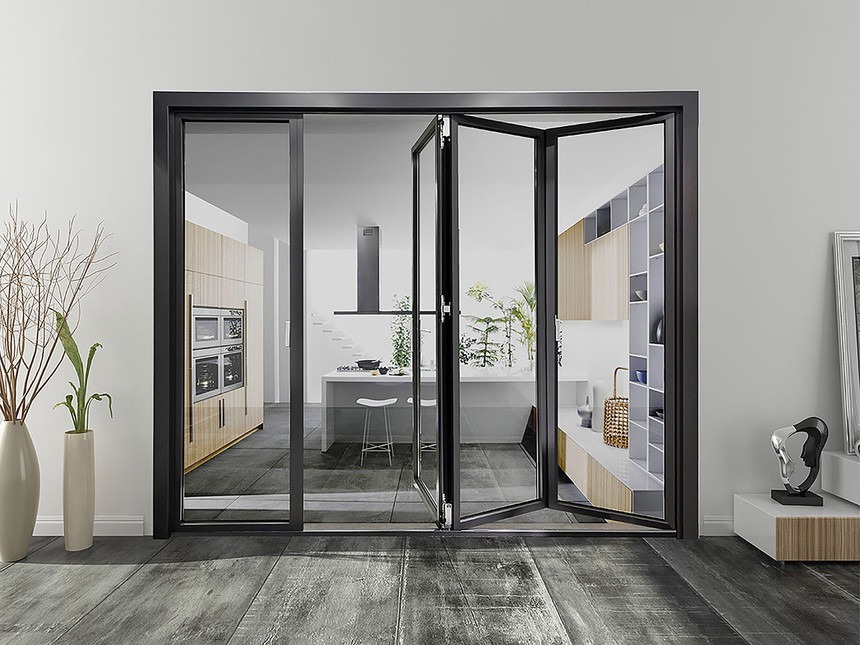
Bifold door installation: Why your bifold doors are sticking
To ensure a smooth indoor-outdoor flow and a long product lifespan, you must address several critical factors. Below is a comprehensive guide to fixing common sticking issues and optimizing performance.
1. Precision Track Leveling and Alignment
The absolute foundation of a successful bifold door installation is the bottom track. Consequently, this track must be perfectly level from end to end. Even a 1mm deviation causes the bifold door rollers to bind or drag against the frame.
Furthermore, you should always use a professional-grade laser level during the fitting process. Standard spirit levels may not be accurate enough for wide openings. This step helps to prevent sticking. As a result, the doors will operate much more easily for the end-user.
2. Managing Seal Friction and Tension
Installers often over-compress the weather seals to maximize airtightness and energy efficiency. However, this action creates excessive tension between the panel and the frame. Premium thermal break bifold doors are designed to seal firmly without sacrificing the ease of movement.
A correctly installed door should glide with the touch of a single finger. Therefore, you must adjust the seal pressure carefully during the final setup. Moreover, checking the clearance at every folding point is essential. Consequently, the hardware will not experience unnecessary stress.
3. Hardware Protection and Maintenance
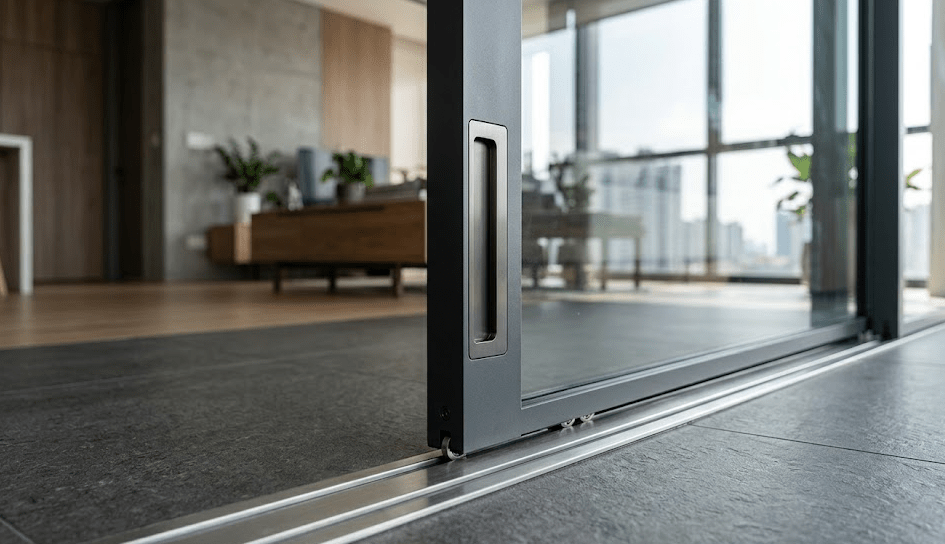
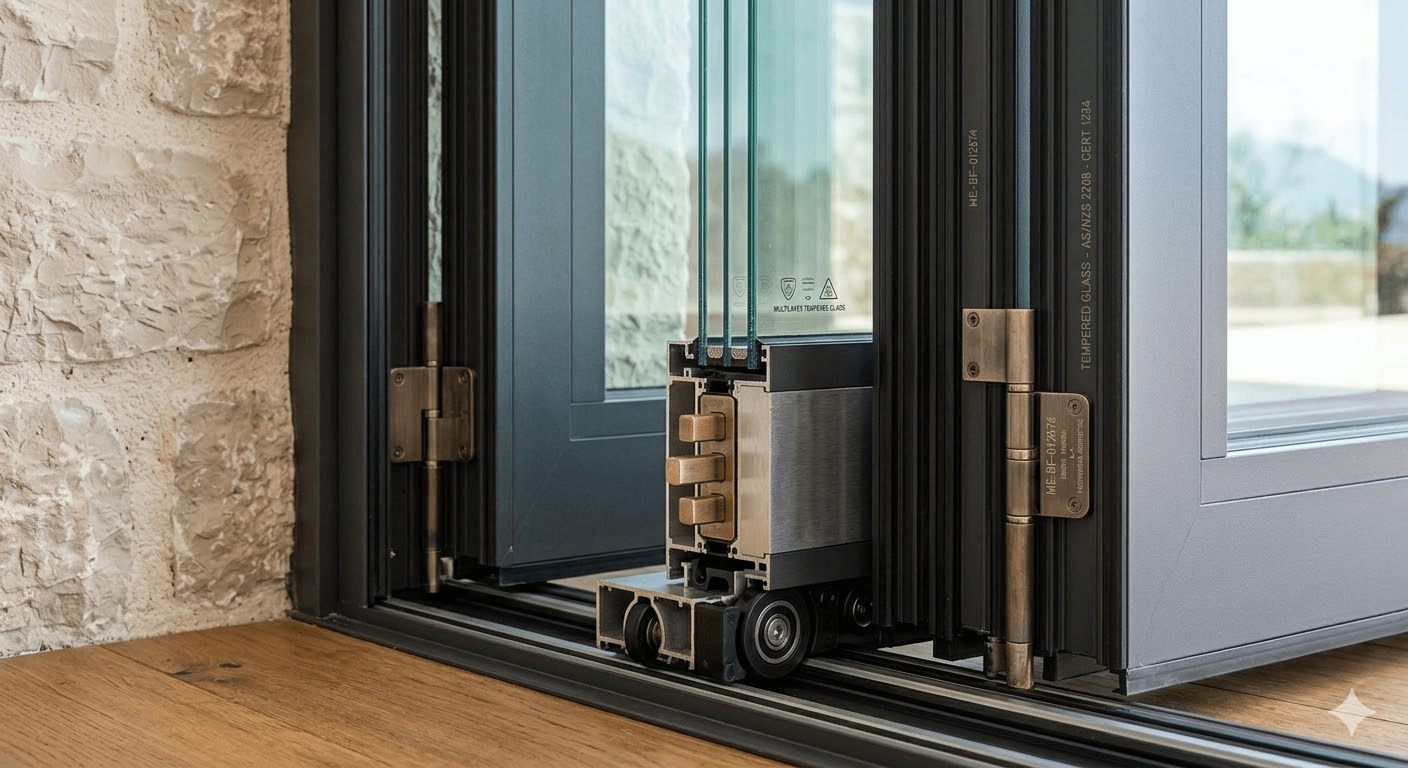
Bifold door rollers are high-precision components. However, they are also highly sensitive to construction dust, plaster, and debris. If you do not clean the tracks immediately after the bifold door installation, the grit will damage the internal bearings.
First, you must vacuum the entire track length. Next, apply a high-quality silicone lubricant to the track surface. Then, test the sliding motion several times. Finally, ensure the hardware moves silently. This maintenance routine ensures that the thermal break bifold doors last for decades.
4. Professional Installation Step-by-Step
To avoid future callbacks and improve project quality, follow these professional steps:
- First, verify the structural opening is square and stable.
- Secondly, install the frame and check the parallel alignment of the head and sill.
- Thirdly, hang the door panels and adjust the bifold door rollers for height.
- Finally, test the locking mechanism to ensure perfect engagement.
Summary of Best Practices
A great bifold door installation creates a seamless connection between interior and exterior spaces. If your rollers are not sliding correctly, you should check these technical points first. Furthermore, proper maintenance keeps your thermal break bifold doors looking and performing like new.
In conclusion, focusing on these details reduces wear and tear. If you need more technical support or installation manuals, please contact the AlloyPro technical team today.
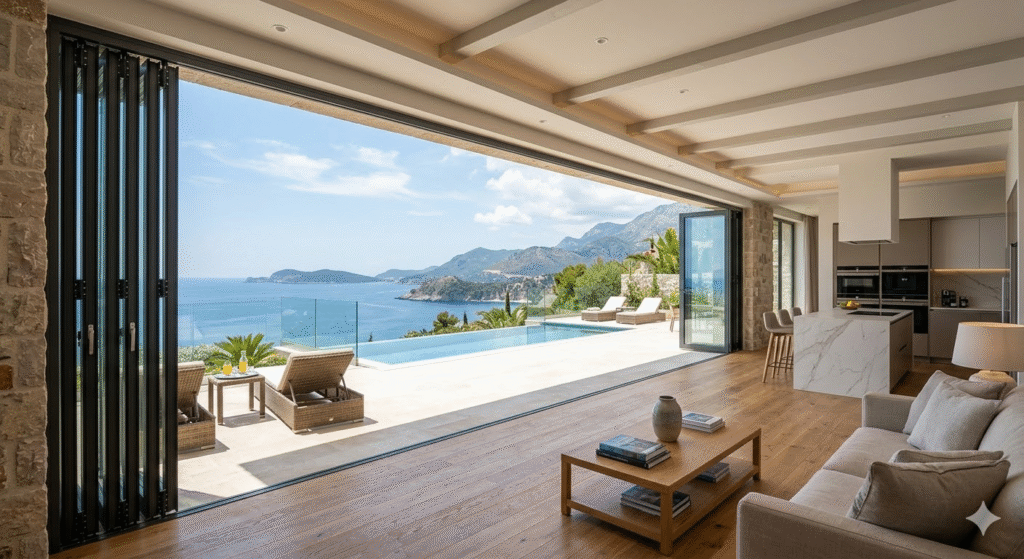
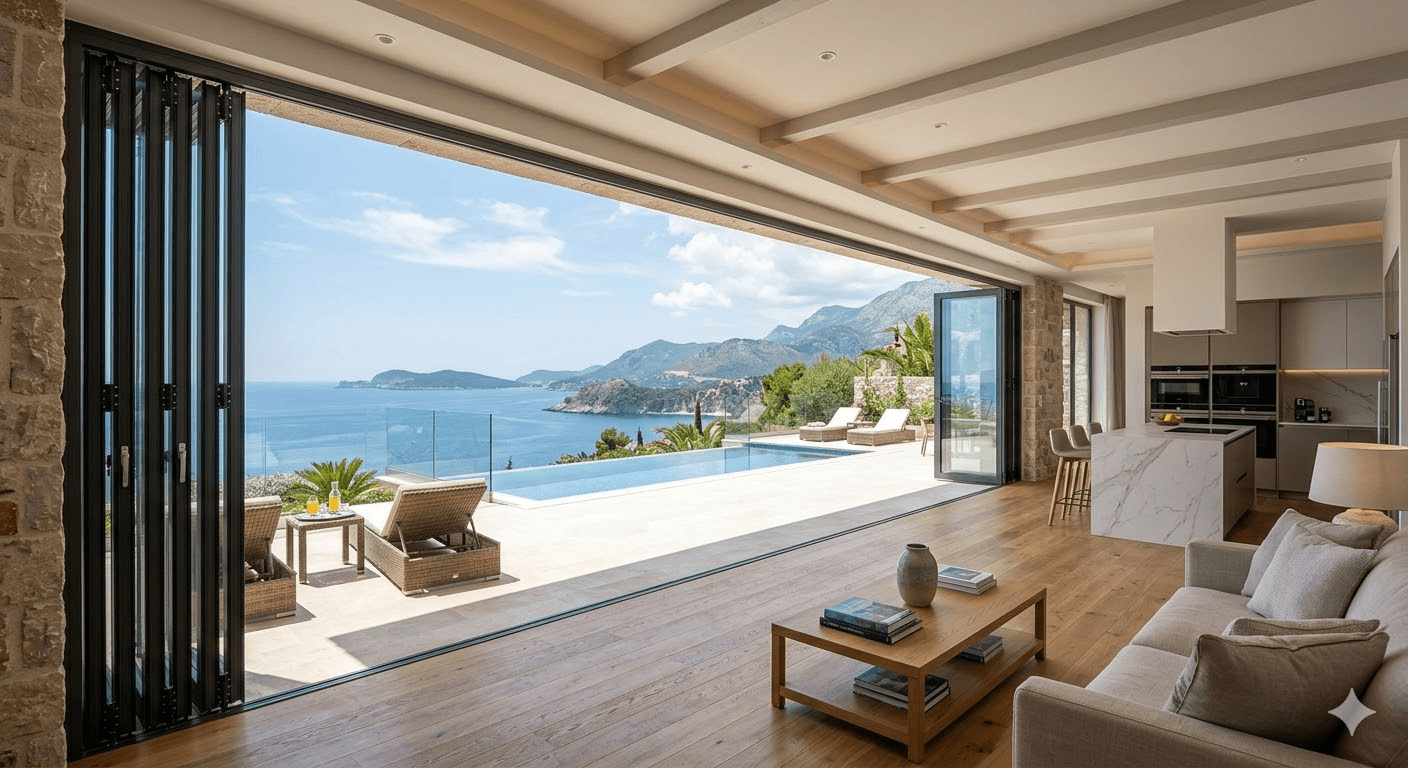
Top 10 Global Aluminum Folding Doors Manufacturers Ranking 2026
Premium European Aluminum Door Specialists
1. Origin (UK): As a premier specialist in the British market, Origin focuses on high-end residential aluminum bifold doors. Their brand positioning centers on ultra-slim profiles and bespoke hardware. Moreover, they offer a 20-year durability guarantee. Consequently, they are a top choice for luxury home renovations.
2. Solarlux (Germany): This German powerhouse leads the global market in premium folding glass walls. Their brand is defined by high-performance engineering and superior thermal insulation. Specifically, they cater to large-scale architectural projects. In addition, their systems provide exceptional acoustic protection for urban environments.
3. Reynaers Aluminium (Belgium): Reynaers is renowned for architectural aluminum solutions that balance minimalist aesthetics with heavy-duty stability. Their positioning targets high-end commercial and residential building envelopes. However, they also prioritize extreme weather resistance. As a result, their frames are ideal for diverse global climates.
4. Schüco (Germany): A global titan in building technology, Schüco delivers smart bifold door systems with integrated security. Their brand focuses on sustainability and digital automation. Furthermore, they provide energy-saving features that meet the highest international environmental standards.
5. AluK (Luxembourg): AluK is a versatile global brand offering sustainable aluminum frames for diverse markets. Their positioning emphasizes customizable profiles that suit regional architectural styles. Consequently, they successfully operate in over 50 countries with a focus on local contractor needs.
Leading Suppliers in Oceania and America
6. Centor (Australia): Centor is a pioneer in the integrated door industry. Their brand positioning highlights the fusion of high-end hardware and built-in insect screens. Consequently, their Aluminum Folding Doors are very practical for indoor-outdoor living. Furthermore, the operation is exceptionally smooth for large spans.
7. AWS (Australia): Under the Vantage and Elevate brands, AWS provides robust aluminum systems for harsh environments. Their brand focuses on high-corrosion resistance and storm protection. Therefore, they are the preferred choice for coastal architectural projects in the Asia-Pacific region.
8. Nanawall (USA): Nanawall specializes in thermally broken folding glass walls with extreme air and water tightness. Their brand positioning targets architects who require high performance in challenging climates. Additionally, they offer a wide range of opening configurations for maximum flexibility.
Top Manufacturers in the Asian Market
9. Tostem (Japan): Part of the LIXIL group, Tostem follows a “less is more” minimalist philosophy. Their Aluminum Folding Doors are designed for high-density urban living. Because of this, they emphasize ergonomic operation and slim-line aesthetics. Additionally, they use sustainable materials to ensure long-term value.
10. Cortizo (Spain): Cortizo is a fast-growing European brand known for rapid innovation and high quality-to-price ratios. Their positioning focuses on contemporary villa designs with excellent acoustic insulation. Consequently, they offer versatile aluminum bifolding solutions for modern global construction.
AlloyPro: Your Leading Partner for Architectural Aluminum
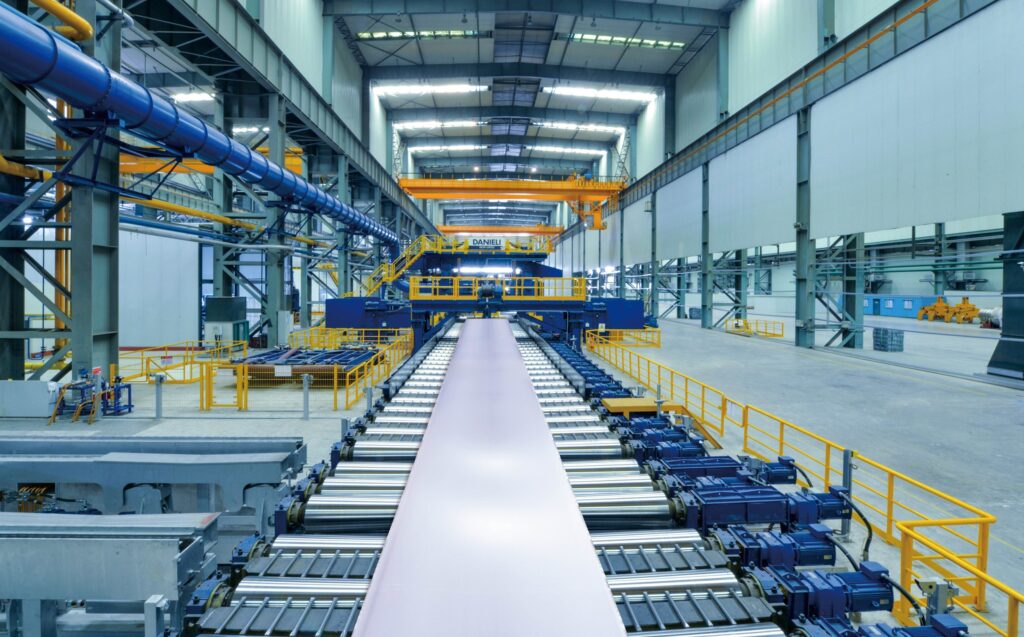
AlloyPro Aluminum (Guangdong AlloyPro Aluminum Co., Ltd.) is a high-efficiency manufacturer and global exporter. we possess a massive corporate background and decades of industrial expertise. Our facility integrates raw material extrusion with advanced precision processing to ensure top-tier quality.
Our core product lineup focuses on high-performance Aluminum Folding Doors and the signature 80 Series window systems. We are also specialists in safety-critical guardrails, including our A10, A30, and A60 glass railing series. Specifically, our systems are designed to meet the Australian AS2047 standard. We use 1.6mm wall thickness and premium hollow tempered glass for maximum durability.
The AlloyPro advantage lies in our combination of factory-direct efficiency, technical precision, and sleek minimalist design. We provide reliable solutions for residential balconies and large-scale commercial facades. Choosing our brand means choosing professional technical support and superior product longevity for global building projects.
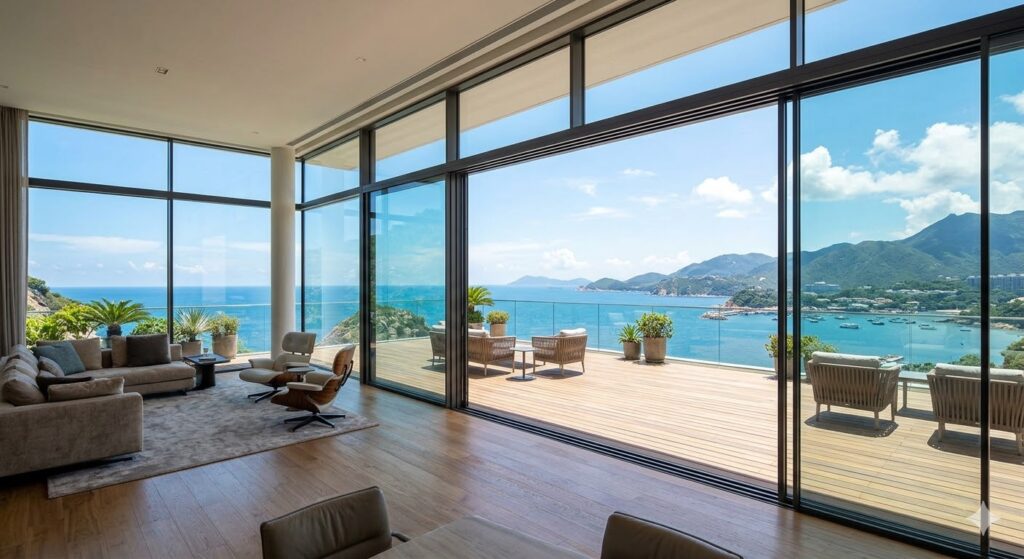
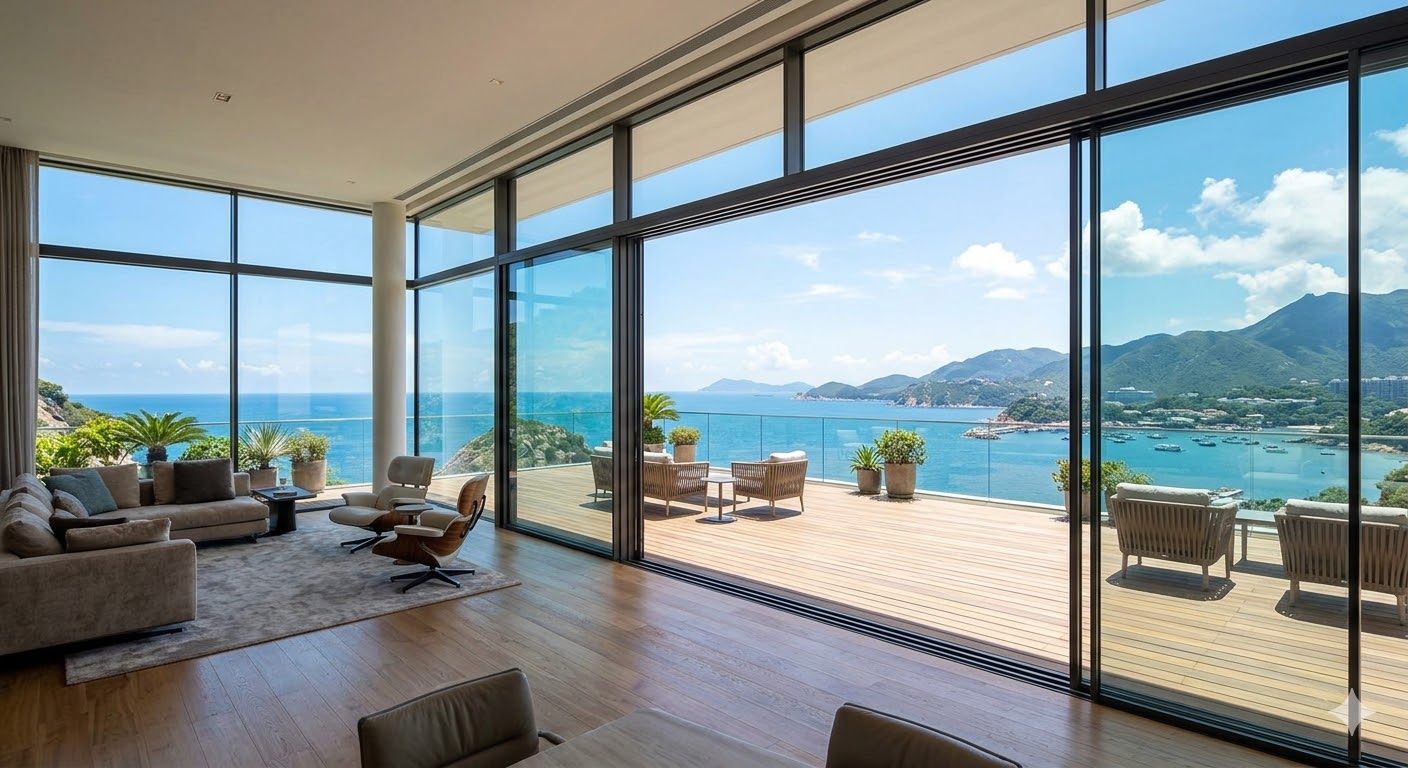
What are the Advantages and Disadvantages of Aluminum Windows?
The Advantages: Strength and Durability
The primary benefit of aluminum lies in its incredible strength-to-weight ratio. We use 6063-T5 aluminum alloy because it allows for very slim frames that can still support massive glass panes. Unlike wood, aluminum does not rot, and unlike vinyl, it does not crack under intense UV radiation.
Furthermore, aluminum naturally resists corrosion, especially when treated with high-quality powder coatings. This durability ensures that your Aluminum Window Performance remains consistent for 30 to 40 years. Additionally, our products meet the AS2047 standard, meaning they can withstand extreme wind pressure and heavy rain in high-rise or coastal environments.
The Advantages: Design Flexibility and Sustainability
Aluminum offers nearly limitless design possibilities for modern architecture. You can customize the frames with hundreds of colors and finishes to match any style. Because aluminum is a highly sustainable metal, you can recycle it indefinitely without losing its properties.
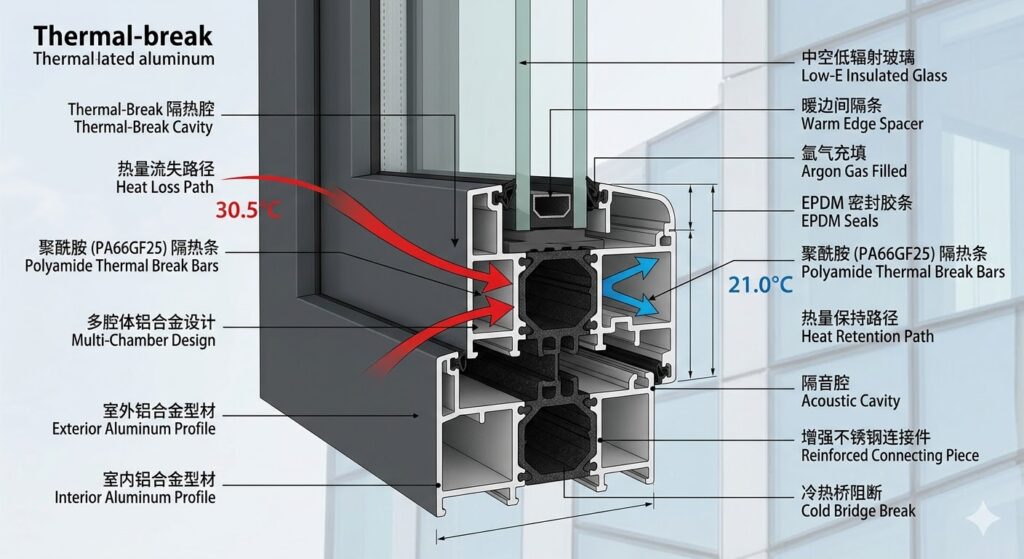
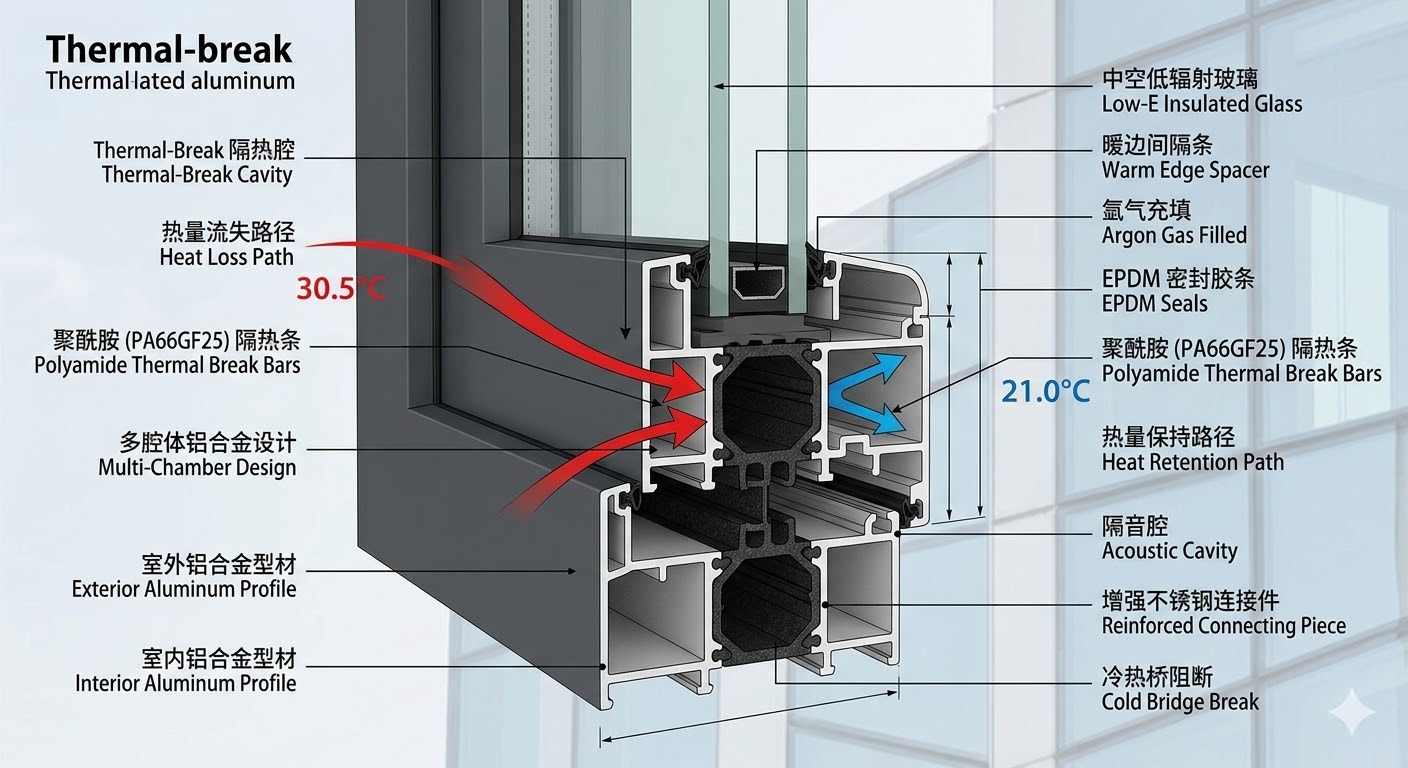
Furthermore, modern engineering has eliminated the old “cold metal” problem. We integrate advanced thermal break technology into our frames to block heat transfer. Consequently, these systems keep your home energy-efficient while maintaining the thin, elegant lines of a minimalist design. This balance of aesthetics and efficiency is why the AS2047 standard is so important for global certification.
The Disadvantages: Initial Cost and Thermal Conductivity
While aluminum offers many benefits, you must consider the initial investment. Generally, a high-quality system with 6063-T5 profiles and thermal breaks costs more than basic uPVC or standard aluminum. However, most developers view this as a long-term asset because it reduces maintenance and energy bills over time.
Additionally, non-thermal break aluminum can conduct heat or cold easily. If you choose a low-end product without a thermal barrier, you might experience condensation or higher cooling costs. Therefore, we always recommend thermal break systems to guarantee the best Aluminum Window Performance in extreme climates.
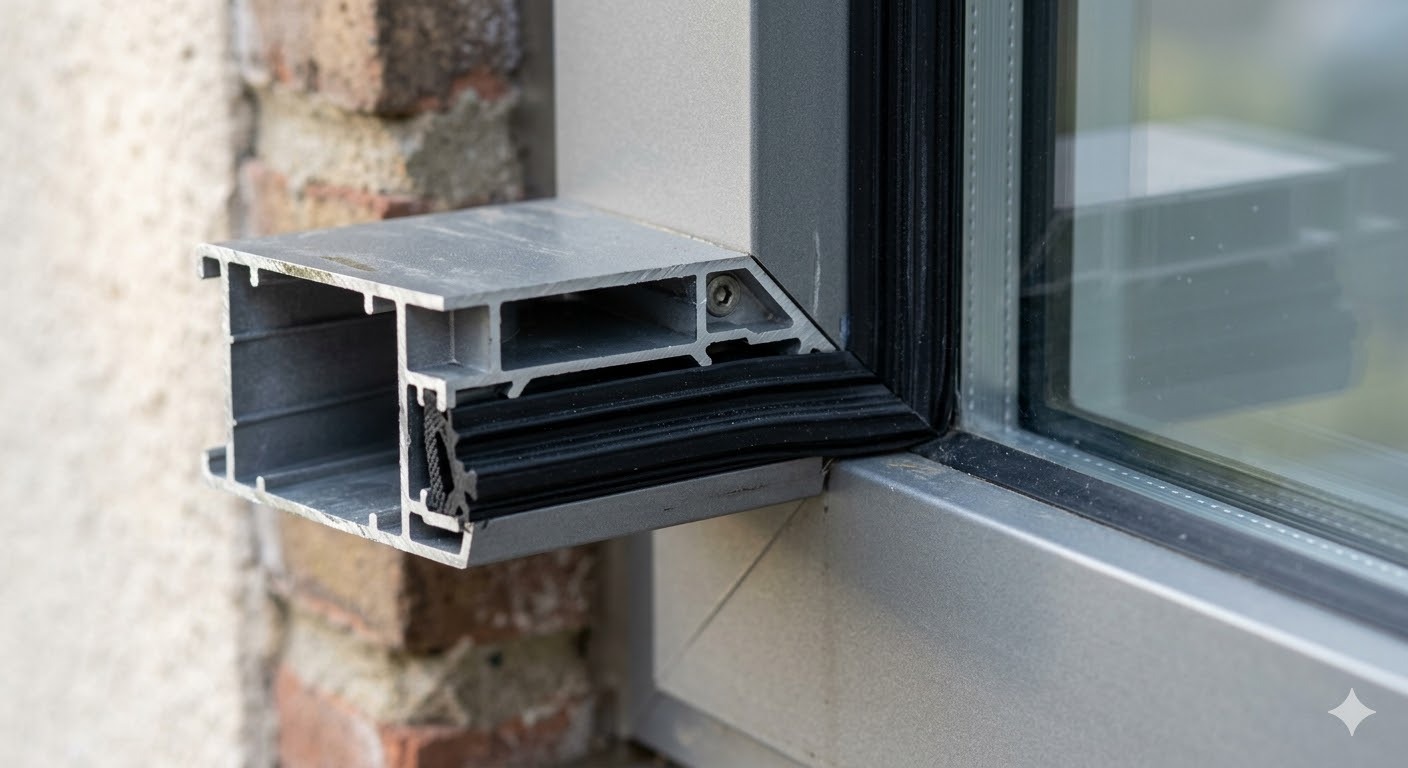
Comparison: Why Quality Standards Matter
Some buyers worry about the “disadvantages” of aluminum because they have used low-quality products in the past. To avoid these issues, you must look for the AS2047 standard during your procurement process. This certification ensures the window has passed professional leak and stress tests.
Furthermore, using 6063-T5 grade aluminum prevents the structural sagging often seen in cheaper, thinner profiles. By investing in a certified system, you turn the potential “disadvantages” of metal frames into lifelong benefits for your building.
Conclusion
Understanding the advantages and disadvantages of aluminum windows helps you make a smarter investment. While the upfront cost is higher, the superior Aluminum Window Performance, durability, and low maintenance make it the best choice for luxury projects. At AlloyPro, we continue to push the boundaries of the AS2047 standard to deliver the finest window solutions worldwide.
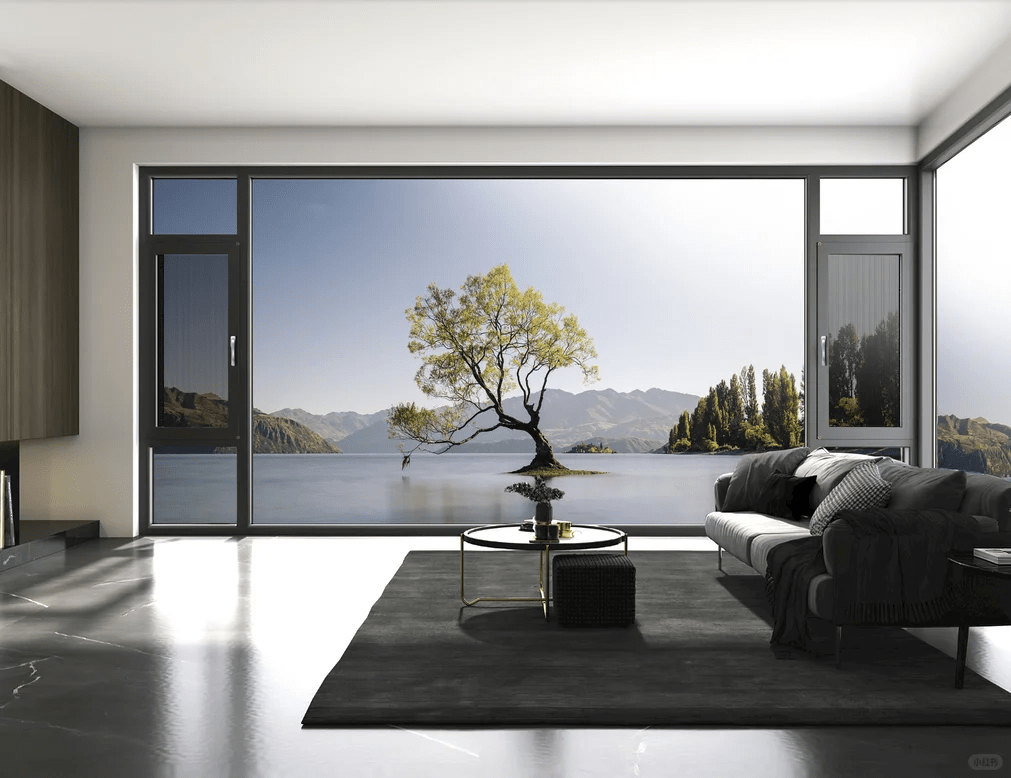
Top 10 Aluminum Casement Windows Manufacturers Ranking 2026
Global Leaders in Aluminum Casement Windows
1. Schüco (Germany)
Schüco sets the standard for high-performance systems through German engineering. Their products provide elite thermal insulation. Furthermore, they offer advanced security features for high-end residential facades.
2. Reynaers Aluminium (Belgium) – Aluminum Casement Windows Specialist
Reynaers is a pioneer in sustainable fenestration. Specifically, their profiles feature ultra-slim sightlines. Consequently, they are the preferred choice for eco-friendly architectural designs.
3. Wicona (Germany)
Wicona focuses on complex glazing solutions for the circular economy. By using recycled materials, they produce durable products. These frames are ideal for green-certified commercial buildings.
4. Kawneer (USA) – Durable Aluminum Casement Windows
Kawneer is famous for commercial-grade strength. Their window series are built to survive harsh weather. Additionally, they offer impact-resistant glass for extreme safety requirements.
5. Hydro Building Systems (Norway)
Hydro utilizes vast extrusion expertise to create low-carbon solutions. Their systems come in many premium finishes. For instance, architects can choose bespoke powder coatings for a unique look.
6. Xingfa Aluminium (China) – Aluminum Casement Windows Scale
Xingfa leads in large-scale production efficiency. They offer reliable solutions for massive residential developments. Moreover, their factory capacity ensures fast delivery and consistent quality.
7. Alumil (Greece)
Alumil masters minimalist aesthetics with the Supreme series. Their hidden-vent designs maximize natural light. As a result, they create a seamless transition between interior and exterior spaces.
8. LIXIL / Tostem (Japan) – Smart Aluminum Casement Windows
Tostem integrates Japanese precision with smart home technology. Their automated systems feature air-purification sensors. This innovation caters to the growing demand for high-tech living.
9. Metra Building (Italy)
Metra combines Italian craftsmanship with structural strength. They provide customizable frames for luxury villas. Thus, they perfectly bridge the gap between interior decor and architectural function.
10. Western Window Systems (USA)
Western focuses on expansive indoor-outdoor flow. Their large-format solutions are perfect for custom homes. Specifically, their massive glass spans offer breathtaking, unobstructed views.
Why Choose AlloyPro Aluminum Casement Windows?
Superior Enterprise Background AlloyPro is a premier manufacturer with 15 years of R&D experience. We operate a 20,000sqm factory in Foshan. Therefore, we provide global customers with German precision and factory-direct pricing.
Certified Performance and Quality Our aluminum casement windows meet strict AS2047 and NFRC standards. We offer thermal-break profiles and Florida-approved impact solutions. Because we value quality, every product comes with a 10-year warranty.