








Expert Weatherproof Door System | High Performance Profiles
Superior Insulation with High Performance Profiles
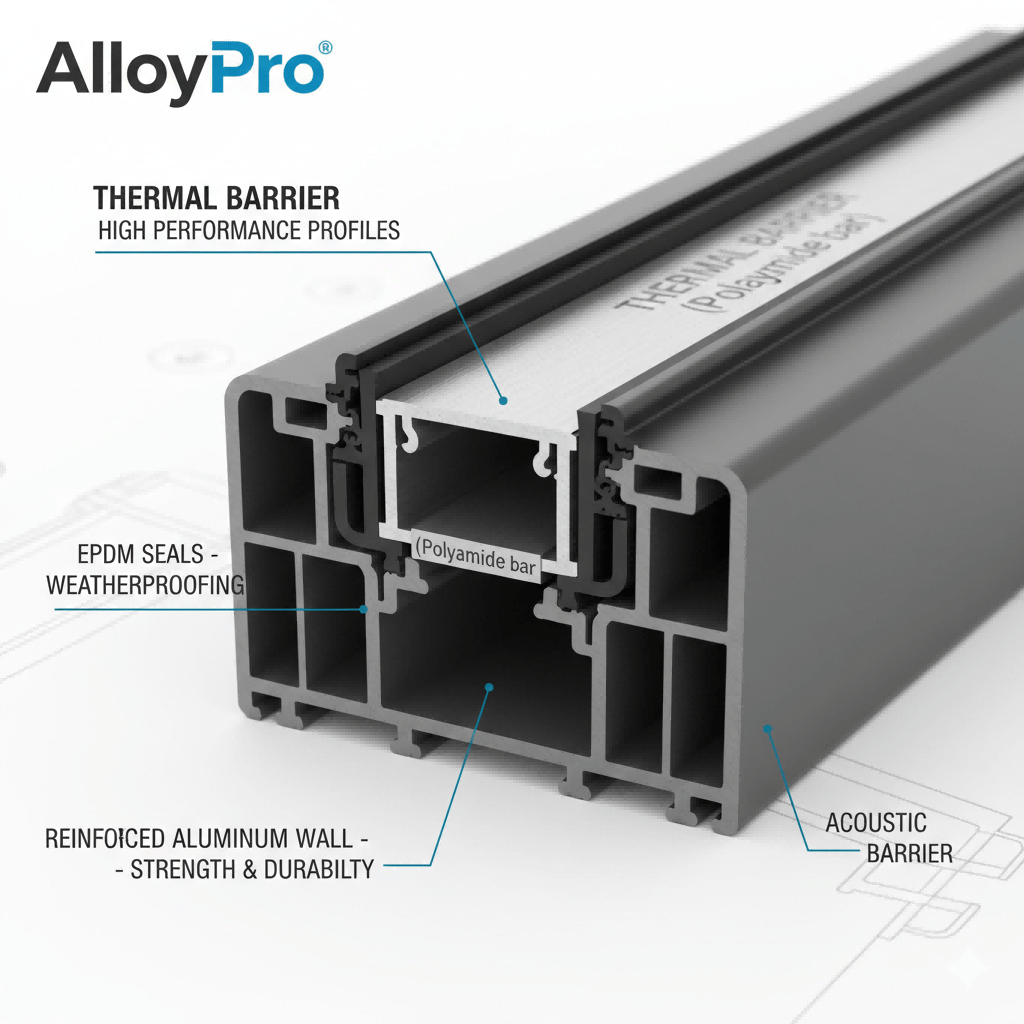
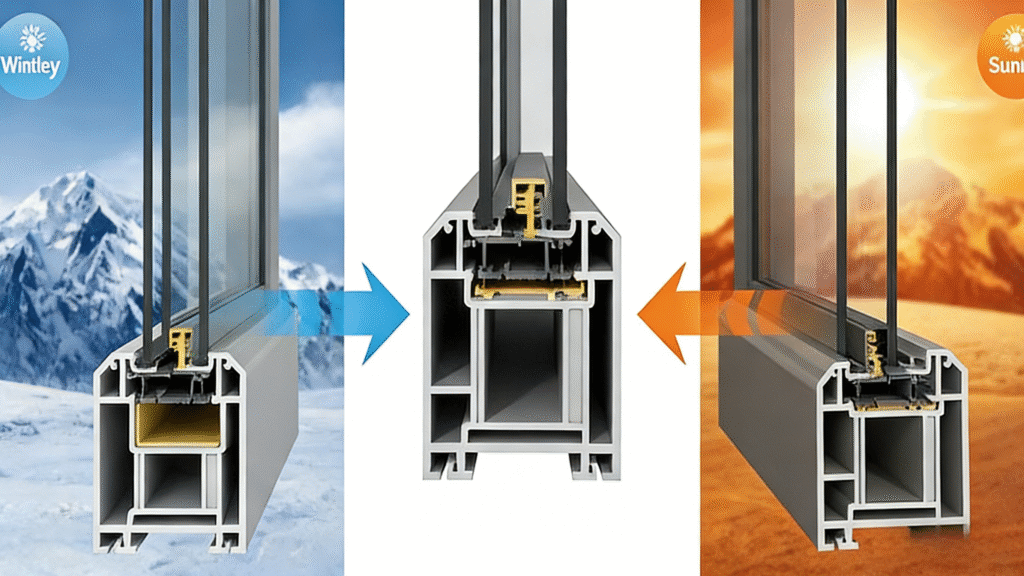
Energy efficiency starts with the frame. Standard aluminum conducts heat, but our High Performance Profiles utilize advanced thermal break technology. This design creates a thermal barrier that keeps heat outside during summer and retains warmth during winter.
Additionally, this technology prevents condensation and lowers utility bills. Furthermore, AlloyPro ensures that every Weatherproof Door System meets strict international energy standards. Consequently, you get a sustainable product that performs consistently in any geographic location.
Coastal Salt-Spray Resistance
Coastal homes require specialized protection against corrosion. In contrast to ordinary metals, our High Performance Profiles feature premium surface treatments like PVDF coating. This protection ensures that your Weatherproof Door System maintains its aesthetic appeal for decades.
Moreover, the sealing system plays a vital role. We use multi-point locking mechanisms and EPDM gaskets to prevent moisture infiltration. Additionally, these features improve acoustic insulation, creating a quiet and dry interior environment.
Wind Resistance and Structural Safety
Storm-prone areas demand rigorous engineering. A weak door system can lead to structural failure under high pressure. Therefore, AlloyPro designs each Weatherproof Door System with reinforced internal chambers.
Furthermore, we combine these High Performance Profiles with impact-resistant glass for maximum safety. This robust construction effectively shields the building from flying debris and heavy gales. Choosing AlloyPro means investing in long-term security and peace of mind.
Why Choose AlloyPro Solutions?
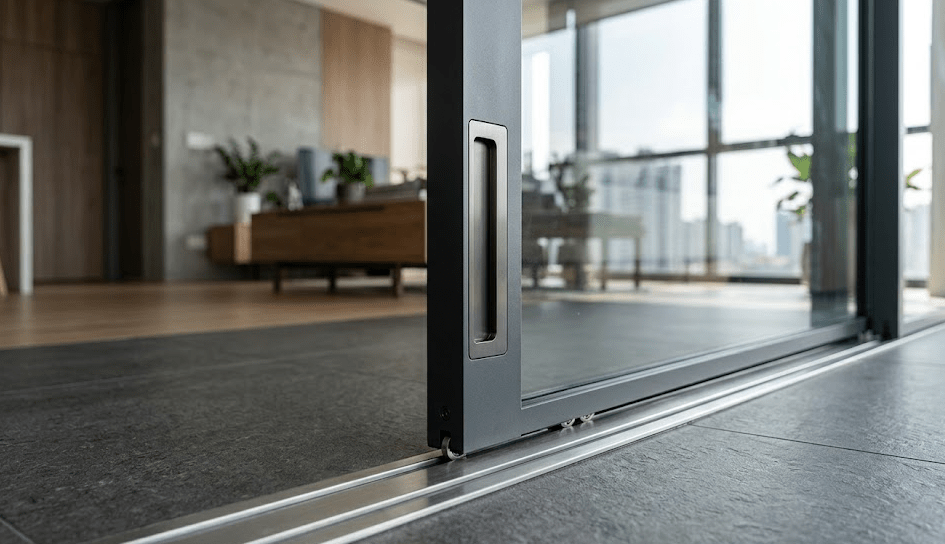
We understand the complex requirements of modern architecture. Our High Performance Profiles offer the perfect blend of minimalist design and structural strength. Whether you need a sliding door or a casement window, we provide a Weatherproof Door System tailored to your specific climate needs.
Export Standard Packing for Premium Aluminum Windows Pro
Why Export Standard Packing Matters for Your Supply Chain
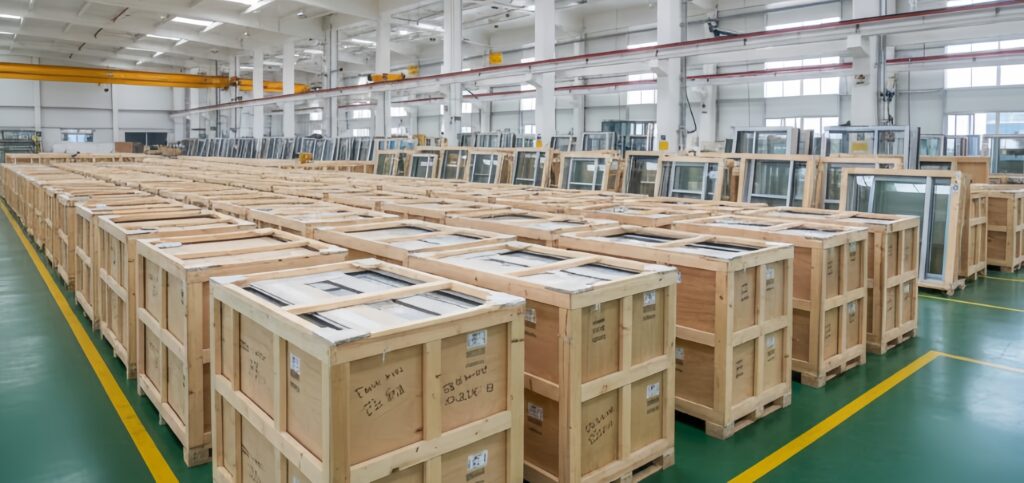
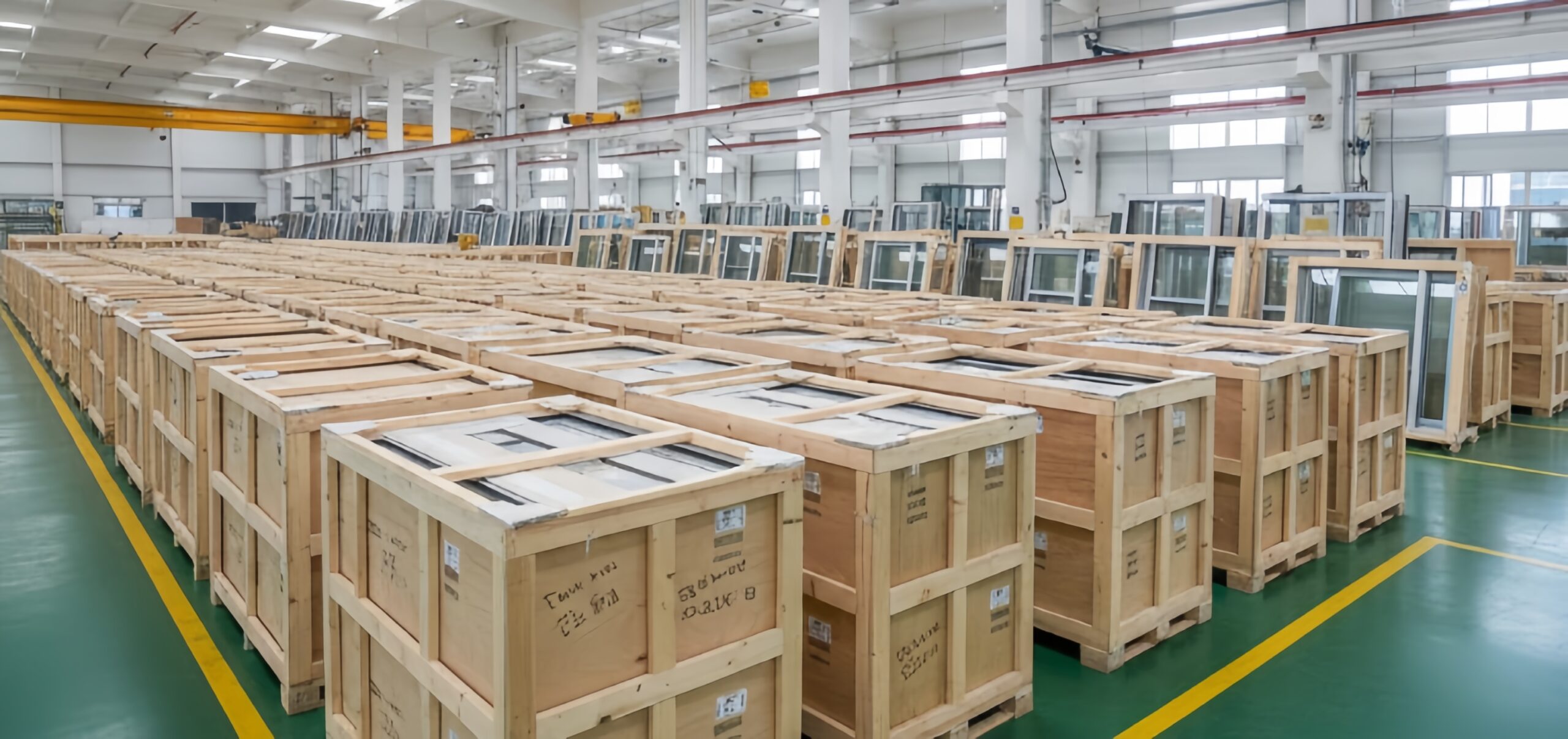
Damaged goods lead to project delays and unexpected costs. However, many suppliers overlook the importance of robust crating. At AlloyPro, we prioritize security to protect your investment. By utilizing Export Standard Packing and strategic loading techniques, we eliminate the common headaches associated with international logistics. This commitment ensures your supply chain remains efficient and reliable.
Phase 1: Surface Protection and Corner Guarding
Our Export Standard Packing process begins long before the product enters a container. First, workers apply a protective PE film to the surface of every aluminum profile. This film prevents scratches during the assembly and packing stages.
Additionally, we pay extra attention to the corners. Because the corners are the most vulnerable parts of a window frame, we install reinforced plastic or cardboard corner protectors. These guards absorb impacts if a crate is bumped during loading. Consequently, the structural integrity of your windows remains intact throughout the journey.
Phase 2: Multi-Layer Wrapping for Moisture Control
Sea freight exposes products to high humidity and salt spray. Therefore, we use a comprehensive wrapping strategy as part of our Export Standard Packing. We wrap each unit in EPE foam (Expanded Polyethylene) to provide a soft cushion against vibrations.
In contrast to standard packaging, we also utilize stretch film to create a water-resistant barrier. This layer keeps dust and moisture out. Furthermore, it holds all protective components tightly in place, ensuring nothing shifts during weeks of ocean transit.
Phase 3: Heavy-Duty Crate Construction
For bulk orders and LCL (Less than Container Load) shipping, we utilize customized plywood crates. Unlike solid wood, our plywood crates do not require fumigation, which speeds up the customs process for you.
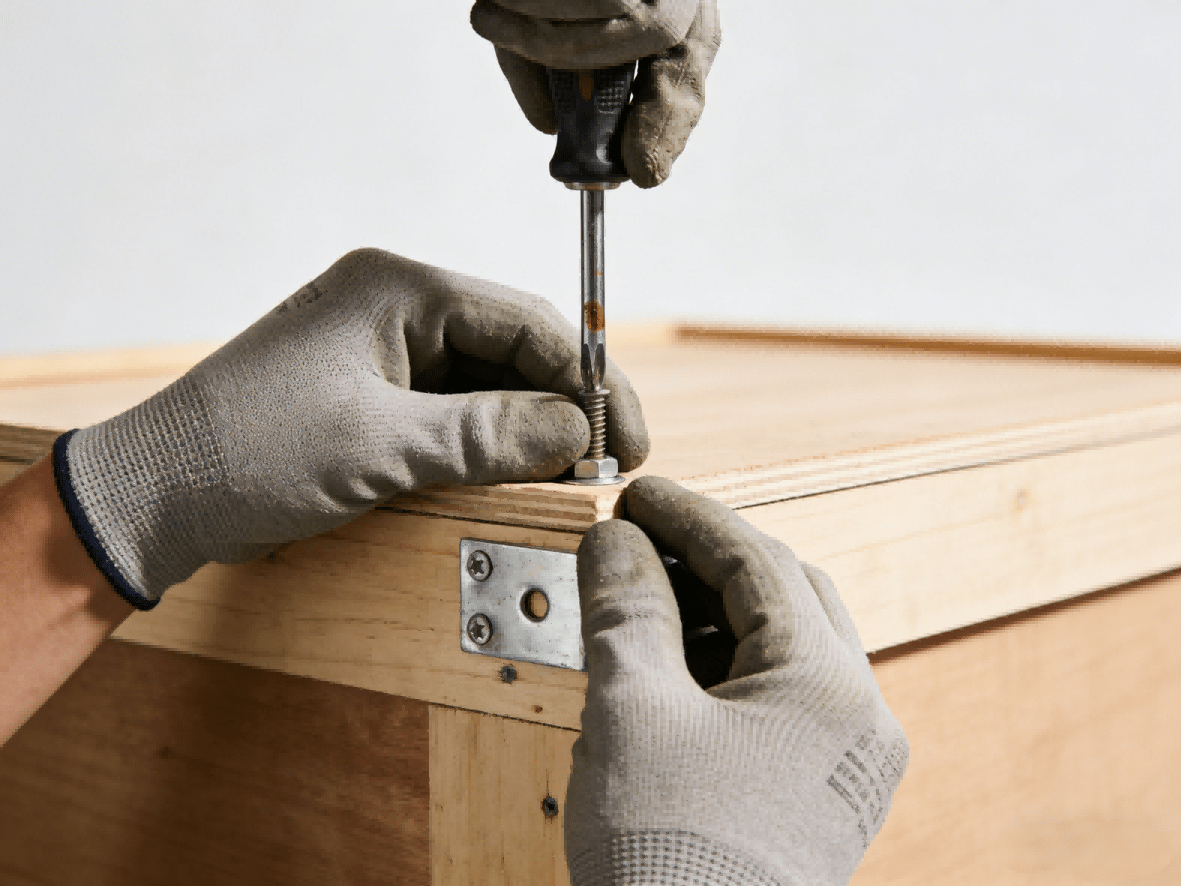
We build these crates to fit the exact dimensions of your order. We place honeycomb cardboard or foam boards between each window unit inside the crate. This prevents glass-to-glass contact and frame rubbing. Finally, we secure the entire crate with high-tensile steel or plastic strapping to meet the highest Export Standard Packing requirements.
Phase 4: Strategic Container Loading
The final step of our Export Standard Packing happens at our loading dock. Our team calculates the optimal loading pattern to maximize space while ensuring stability. We use air bags or wooden bracing to fill gaps between crates. This prevents the cargo from sliding when the ship encounters rough seas. Additionally, we provide a detailed loading report with photos for every shipment.
Engineering Excellence: Heavy Duty Structural Aluminum
Unmatched Strength of Heavy Duty Structural Aluminum
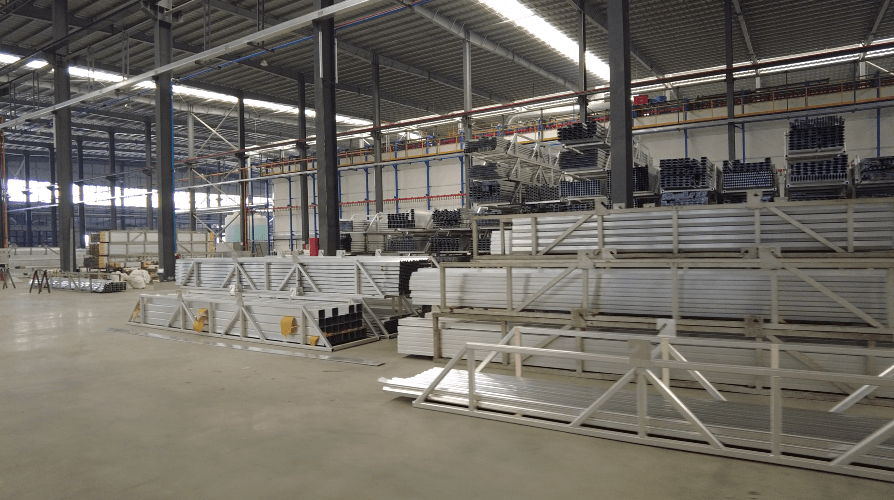
Global industries rely on Heavy Duty Structural Aluminum for long-term stability in harsh environments. Unlike standard commercial grades, our heavy-duty profiles offer a fantastic strength-to-weight ratio that rivals traditional steel.
- Load Bearing Capacity: Designed specifically for high stress applications, these profiles support massive static and dynamic loads.
- Corrosion Resistance: The material resists rust and oxidation naturally. Therefore, your project maintains its structural integrity for decades, even in humid or chemical-heavy environments. Consequently, you benefit from minimal maintenance costs over the product’s lifecycle.
Customizing Your Structural Aluminum Profiles
Furthermore, we offer fully tailored Structural Aluminum Profiles to match your unique industrial designs. Our technical team works closely with you to optimize the profile shape. Consequently, you save money by reducing unnecessary material weight. Therefore, this customization makes your assembly process much more efficient.
Moreover, our factory handles large-scale orders with very short lead times. We understand that your project schedule is critical for success. As a result, we optimize our production line to deliver high-quality goods faster. Additionally, we provide professional packaging to prevent damage during international shipping.
Precision Alloy and Manufacturing Process
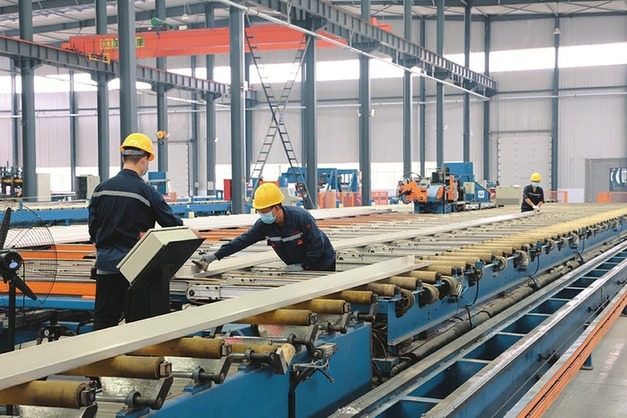
We use high-grade 6061 and 6063 aluminum alloys to manufacture these parts. As a result, the metal remains stable under extreme temperature changes.
- Advanced Extrusion: Our specialized cooling process enhances the hardness of every piece. Furthermore, we test every batch to guarantee that these aluminum extrusion profiles meet your exact mechanical specifications.
- Surface Treatment: We offer industrial-grade finishes, including clear anodizing and powder coating. Thus, the surface becomes harder and more resistant to scratches and wear.
Customizing Your Industrial Framing Systems
Furthermore, we offer fully tailored Heavy Duty Structural Aluminum solutions to match your unique designs. Our technical team works closely with you to optimize the profile shape, including complex T-slot aluminum configurations for modular assembly.
- Cost Efficiency: By optimizing the cross-section design, we reduce unnecessary material weight without compromising strength. Consequently, you save money on raw materials and shipping.
- Efficient Assembly: We provide pre-machining services. Therefore, this customization makes your on-site assembly process much more efficient, reducing labor hours.
Rapid Production for Large-Scale Projects
Moreover, our factory handles large-scale orders with very short lead times. We understand that your project schedule is critical for success. As a result, we optimize our production line to deliver high-quality goods faster than competitors. Additionally, we provide professional, reinforced packaging to prevent damage during international shipping.
Applications of Heavy Duty Structural Aluminum
This material delivers the rugged performance needed for diverse sectors.
- Industrial Automation: Ideal for building robot bases, conveyor guards, and machine frames.
- Construction: Used in curtain walls, scaffolding, and structural supports.
- Transportation: Perfect for lightweight yet strong vehicle chassis components.
In contrast to other metals that prove too heavy or brittle, our Heavy Duty Structural Aluminum ensures a safer and more cost-effective result.
CNC Machining and Precision Integration
Additionally, our CNC workshop machines these parts with incredible accuracy. You can request specific drilling, tapping, or milling for your assembly. Therefore, the components fit together perfectly on your factory floor. Consequently, you reduce labor time and avoid costly errors during the installation phase.
Why Buy Our Structural Profiles?
Finally, our factory guarantees the quality of all Heavy Duty Structural Aluminum products before they leave our facility. We use advanced digital tools to verify every dimension.
Key Advantages:
- High Yield Strength: Engineered for heavy loads.
- Custom Extrusion: Tailored shapes for your needs.
- Versatile Alloys: Available in 6000 series alloys.
- Full Service: From design to CNC machining.
Experience the power of industrial-grade materials. Contact us today to secure the best Heavy Duty Structural Aluminum for your next project.
Aluminum Profile Import: Chinese Aluminum Profiles Guide
Why Certification Matters for Aluminum Profile Import
Therefore, you must prioritize compliance before placing an order. Furthermore, proper certification ensures your products meet legal safety requirements. Consequently, you avoid customs delays and protect your brand reputation. Chinese Aluminum Profiles from certified factories offer the reliability your projects demand.
European Market Standards for Chinese Aluminum Profiles
Furthermore, you must obtain the CE marking for the European Economic Area. This mark proves your products follow EU health and safety laws. Therefore, we provide the Declaration of Performance (DoP) for all construction-related profiles. Consequently, your Aluminum Profile Import process remains smooth and legally compliant across Europe.
Chemical Compliance in Aluminum Profile Import
Furthermore, chemical safety is a priority for modern manufacturing. We ensure our materials meet RoHS and REACH regulations. Consequently, we restrict hazardous substances in all Chinese Aluminum Profiles. Therefore, we offer SGS test reports to verify material composition. These reports give you and your end-users complete peace of mind.
Quality Systems of Chinese Aluminum Profiles Manufacturers
In addition, reliable manufacturers use international management systems. Therefore, AlloyPro maintains ISO 9001:2015 for quality consistency. Furthermore, we follow ISO 14001:2015 for environmental responsibility. Consequently, our systematic approach reduces errors and production delays. You receive a stable supply chain for every Aluminum Profile Import project.
Conclusion: Mastering Your Aluminum Profile Import
In conclusion, successful Aluminum Profile Import depends on selecting a knowledgeable partner. Therefore, you must verify all certifications and standards before importing Chinese Aluminum Profiles. Furthermore, professional documentation like CE and ISO reports guarantees long-term project success. Consequently, choosing a certified manufacturer like AlloyPro ensures a seamless and risk-free procurement experience.
Why System Windows Actually Cost More Than Standard Ones
Integrated Engineering Excellence
A standard window is often a collection of mismatched parts from various suppliers. In contrast, AlloyPro systems are a result of integrated engineering. We design every component—the profiles, gaskets, and hardware—to work together as a single unit.
Furthermore, we subject these systems to rigorous testing for air infiltration and water resistance. This holistic approach ensures that the window performs consistently for decades. When you pay for a system, you are paying for guaranteed performance rather than just raw materials.
Thermal Break Technology and Savings
The most significant factor in the System Windows vs standard comparison is the thermal break technology. Standard aluminum windows allow heat to escape in winter and enter in summer, leading to high energy bills.
We utilize advanced reinforced polyamide bars inserted between the aluminum profiles. This break effectively stops heat transfer. Additionally, our multi-chamber design creates extra layers of insulation. While the initial price is higher, this energy efficient design reduces your monthly electricity bills, allowing the windows to eventually pay for themselves.
Premium Window Hardware for Silent Operation
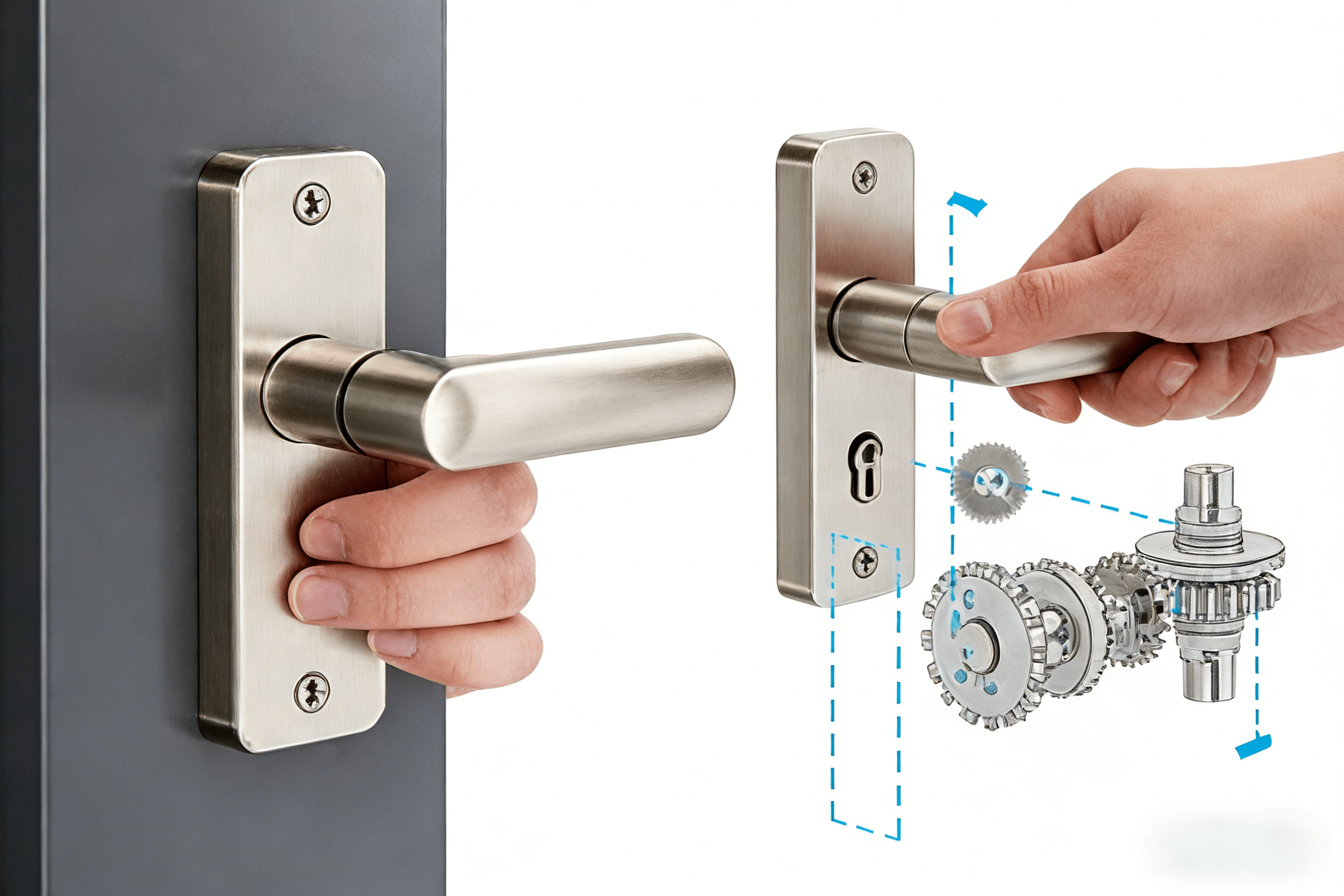
Have you ever struggled with a window that sticks or feels flimsy? This is where cheap alternatives fail first. We use premium window hardware systems designed for thousands of cycles.
Our hinges and locking points move with incredible smoothness. Furthermore, the multi-point locking system pulls the sash tight against the frame. This creates an airtight seal that blocks out dust and street noise. In contrast, standard options often use basic hardware that wears out within a few years, leading to costly repairs.
Justifying the Investment in Durability
For clients in coastal or high-wind areas, durability is essential. Our system windows feature superior structural thickness and specialized drainage systems. We ensure that even during heavy rain, water flows away from your interior spaces effectively.
Our surface treatments, such as powder coating, resist fading and corrosion. Consequently, your windows will look new for twenty years. Choosing AlloyPro is not just an expense; it is a way to protect your home and increase its resale value through superior engineering.

Conclusion: Why Quality Matters
If you want a home that is quieter, safer, and more energy-efficient, the choice is clear. While standard aluminum windows seem cheaper upfront, our systems offer the quality and peace of mind that define a truly modern home. Explore our full range of solutions on our website today.