








Factory Direct Windows Guide: How to Source for Your Project
Eliminate Middleman Costs for Better Margins
When you prioritize sourcing factory direct windows, you eliminate unnecessary markups. Middlemen often add distributor margins, local warehouse fees, and regional marketing expenses to the final price. By sourcing directly from a manufacturer like AlloyPro, you cut out these costs.
This approach ensures your budget is fully invested in high-performance materials. You get better hardware and superior glass specifications for the same investment. Additionally, this cost-efficiency provides more flexibility when managing the budget of large-scale residential or commercial developments.
Complete Control Over Quality Standards
Distributors often supply products from various sources, making quality consistency difficult to guarantee. In contrast, working with a manufacturer ensures a unified quality standard across your entire project.
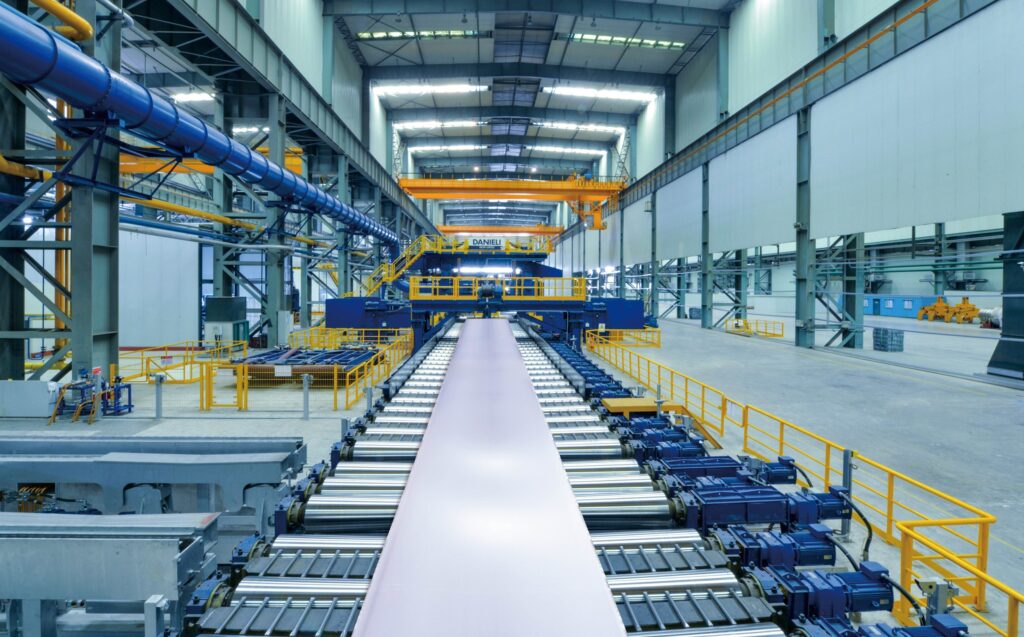
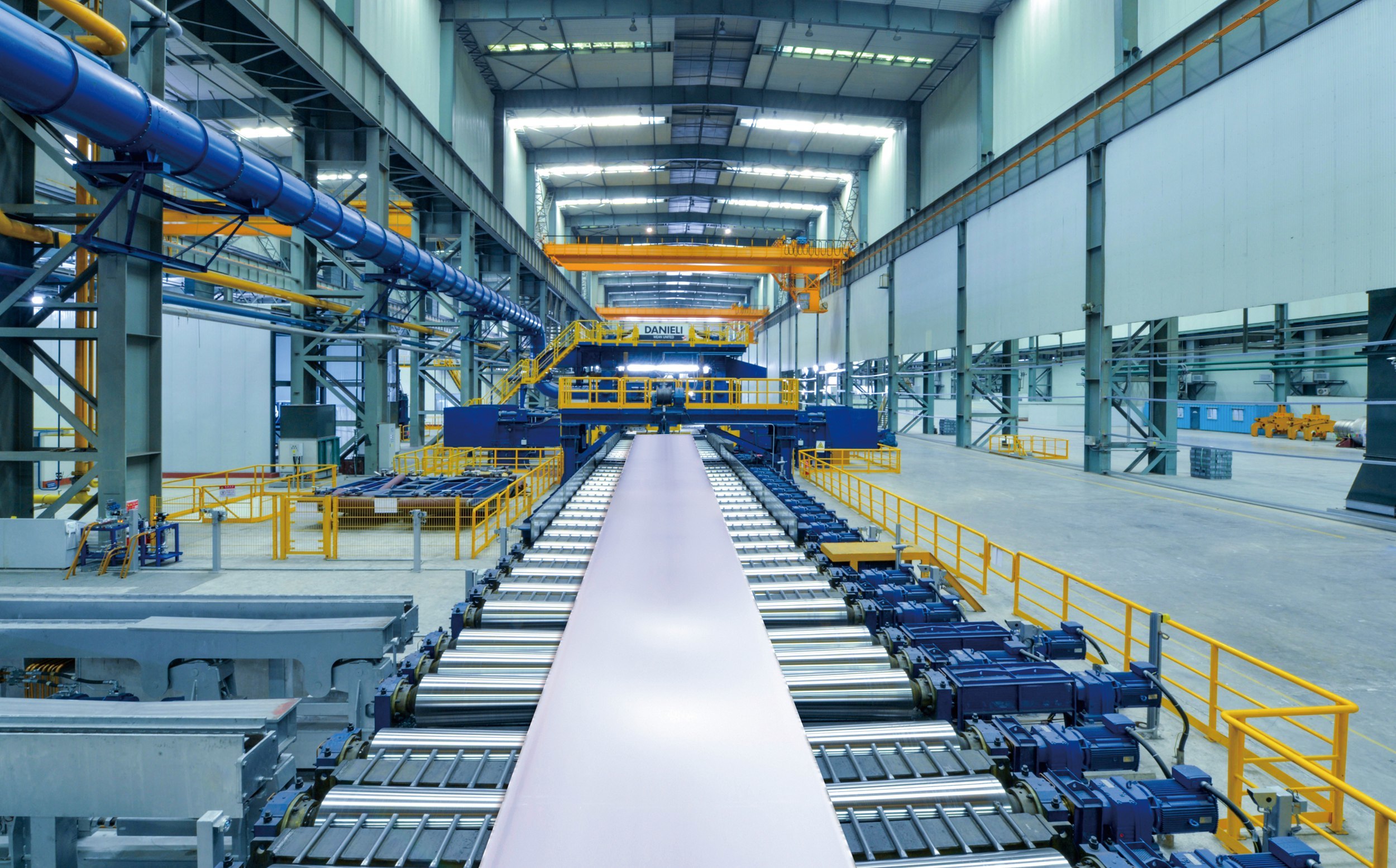
At AlloyPro, we manage every step of the production process—from aluminum extrusion to surface treatment and final assembly. Because we control the manufacturing, we can guarantee that every window and door meets your specific technical requirements. Furthermore, we provide detailed testing reports and material certifications, giving you peace of mind that your project will pass all necessary building inspections.
Direct Technical Communication and Support
Language barriers and slow communication are common fears when dealing with overseas suppliers. However, effective communication is the backbone of a successful direct partnership.
When you work directly with our export team, you speak with professionals who understand technical specifications. We review your architectural drawings and offer design improvements before production begins. This proactive approach prevents costly installation errors on-site. Furthermore, we provide professional packaging solutions tailored to international sea freight to ensure your products arrive in perfect condition.
Reliable Timelines and Project Management
Supply chain delays are the biggest enemy of construction schedules. Distributors often rely on inventory that might not meet your specific design needs, leading to long wait times or forced compromises.
Partnering with a factory means you have a dedicated production partner. We plan our manufacturing schedule according to your project deadlines. Additionally, we provide real-time updates on your order status. Because we handle our own logistics coordination, we minimize the risks of transit delays and ensure your components arrive precisely when your construction team is ready to install them.
A Partner, Not Just a Vendor
Choosing a professional partner for factory direct windows is an investment in your project’s future. At AlloyPro, we bring 16 years of manufacturing expertise to every project. We understand the specific demands of developers and architects.
If you are planning an upcoming development, we invite you to discuss your requirements with our export team. We are ready to provide the high-end, reliable, and cost-effective solutions your project deserves.
Contact our team today to get a quote and start your journey with AlloyPro.
Top 10 Aluminum Sliding Windows Manufacturers: 2026 Global
Top Global Aluminum Sliding Windows Brands
1. Schuco Aluminum Sliding Windows
Schuco leads the global market today. They are top experts in heat insulation. They make premium Aluminum Sliding Windows. These windows easily beat strict energy saving rules. Additionally, their strong hardware moves heavy glass smoothly.
2. Reynaers Aluminum Sliding Windows
Reynaers focuses on fresh design ideas. They build very slim Aluminum Sliding Windows. These frames give a clear, open view. Furthermore, their metal parts block bad weather perfectly. They fit modern luxury villas well.
3. YKK AP Aluminum Sliding Windows
YKK AP is a smart tech leader. They create strong Aluminum Sliding Windows for big buildings. They treat the metal to stop weather damage. In contrast to normal brands, they stop all water leaks reliably.
Best Commercial Aluminum Sliding Windows
4. Kawneer
Kawneer is a giant in huge projects. They build tough Aluminum Sliding Windows. These fit tall office buildings perfectly. Additionally, their fast setup systems save workers a lot of time on site.
5. Alumil
Alumil cares deeply about our green earth. They use recycled metal for their Aluminum Sliding Windows. This action cuts down carbon waste globally. Moreover, their elegant designs fit beautiful modern homes.
6. Cortizo
Cortizo makes very clean and simple living spaces. They design hidden Aluminum Sliding Windows. The frames hide inside the house walls completely. Therefore, builders pick them for a pure glass view.
Custom and Strong Aluminum Sliding Windows
7. Bradnam’s
Bradnam’s knows harsh weather very well. They make strong Aluminum Sliding Windows for the coast. These windows fight salt and rust easily. Additionally, they pass strict wind safety tests every time.
8. Vantage
Vantage gives buyers many custom choices. They offer special thermal break Aluminum Sliding Windows. You can change them to match your home style. Furthermore, their rollers make opening the glass very easy.
9. PGT Innovations
PGT only works on storm safety. They mix strong frames with tough safety glass. They use this to build safe Aluminum Sliding Windows. Consequently, these windows guard coastal houses from bad storms.
10. Stegbar
Stegbar mixes old styles with new sound tricks. They improve old homes with Aluminum Sliding Windows. These windows have great acoustic seals. Additionally, they block loud city street noise completely.
[配图位置 2:请在此处插入一张 AlloyPro 工厂内部的现代化智能生产线照片,或者一张通过 AS2047 认证的高端门窗局部特写图。]
Why Choose AlloyPro Aluminum Sliding Windows?
Finding a good factory is very important for success. Guangdong AlloyPro Co., Ltd. is a top B2B partner. We focus on high-end and simple building parts. We have 15 years of expert factory skills. Furthermore, our four smart factories cover 300,000 square meters.
We make custom thermal break doors and Aluminum Sliding Windows. We only use top 6063-T5 metal. Additionally, our goods hold proud AS2047 certificates. This means they block heat, water, and noise perfectly.
We check every step in our factory closely. We handle the raw metal and the final boxes. Visit alloypro.net today. See our strong factory power. Let us help your next big project win.
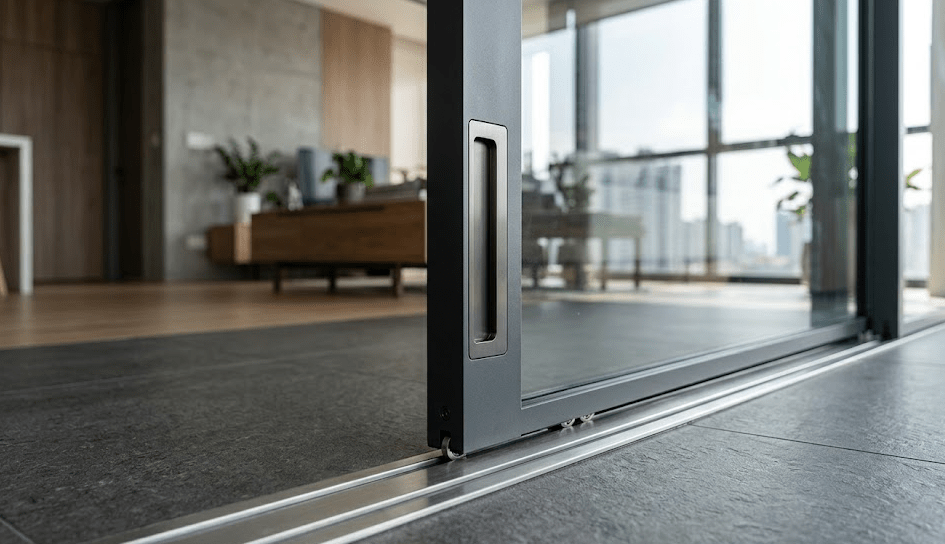

2026 Top 10 High Performance Aluminum Windows Sourcing Guide
1. Schüco (Germany)
Schüco is a premier global pioneer in high-end architectural systems. This Germany-based engineering giant sets the benchmark for luxury aluminum window designs. However, their primary focus is on carbon-neutral construction. They also excel in intelligent building automation and unparalleled thermal efficiency.
2. Reynaers Aluminium (Belgium)
Reynaers specializes in state-of-the-art European architectural glazing. This leading manufacturer positions itself at the intersection of minimalism and structural innovation. For example, they offer highly customizable sliding doors. Moreover, their curtain wall profiles are engineered to endure extreme weather conditions.
3. Aluk (Luxembourg)
Aluk maintains a robust global footprint spanning multiple continents. This international group specializes in versatile commercial storefront systems and residential fenestration. Consequently, they strike a strategic balance. They offer accessible B2B market pricing while fully meeting global wind and water penetration standards.
4. YKK AP (Japan)
YKK AP is renowned for Japanese precision engineering. In addition, they possess a vertically integrated manufacturing infrastructure. This industry leader focuses on high-durability, mass-produced commercial aluminum window systems. As a result, their products feature superior acoustic insulation and advanced weatherproofing for dense cities.
5. JMA Aluminum (China)
JMA is one of China’s largest heavy-duty industrial aluminum extrusion factories. Therefore, this enterprise leverages massive manufacturing scales for global clients. They specialize in heavy-duty structural profiles and large-scale commercial project supply. Thus, they offer highly competitive pricing for bulk international distribution.
6. LIXIL / Tostem (Japan)
LIXIL dominates the Asian residential housing sector. Specifically, they maintain a strong emphasis on pre-engineered, modular aluminum window kits. This brand targets large-scale residential housing developments. Consequently, they offer easy-to-install, lightweight, and highly weather-resistant fenestration products.
7. Xingfa Aluminium (China)
Xingfa is positioned as a major global exporter of architectural aluminum shapes. For instance, this enterprise excels in high-volume OEM and ODM profile production. They serve curtain wall installations and commercial high-rises. Furthermore, they back their services with expansive fabrication facilities and robust raw material supply chains.
8. Kawneer (USA)
Kawneer remains a dominant force in the North American commercial construction sector. This specialized brand focuses heavily on heavy-duty storefronts. In addition, they manufacture blast-resistant glazed assemblies. Therefore, their hurricane-impact structural window systems are designed strictly to meet stringent Western building regulations.
9. Wicona (Germany)
Wicona is a dedicated pioneer in circular economy engineering. This premium German brand positions its architectural glazing systems around urban sustainability. For example, they utilize a high percentage of recycled aluminum profiles. As a result, they help international commercial projects achieve prestigious LEED and BREEAM certifications.
10. Cor vision / Cortizo (Spain)
Cortizo successfully captures the high-end contemporary European design market. This Spanish manufacturer focuses exclusively on ultra-slim, minimalist panoramic sliding doors. These systems use concealed outer frames to maximize natural daylight. Meanwhile, they still maintain advanced structural thermal break capabilities.
The Ultimate Direct-Factory Alternative: AlloyPro
Traditional global brands offer prestigious market positioning. However, modern commercial projects require a smarter balance. Buyers need premium engineering, flexible fabrication, and factory cost-efficiency combined. Therefore, AlloyPro excels as a premier strategic partner for international B2B buyers seeking high performance aluminum windows directly from the source.
AlloyPro is a world-class architectural fenestration and extrusion manufacturer operating from a fully integrated source factory in Guangdong, China. We control the complete supply chain seamlessly. This includes everything from premium 6063-T5 virgin aluminum alloy extrusion to finished system assembly.
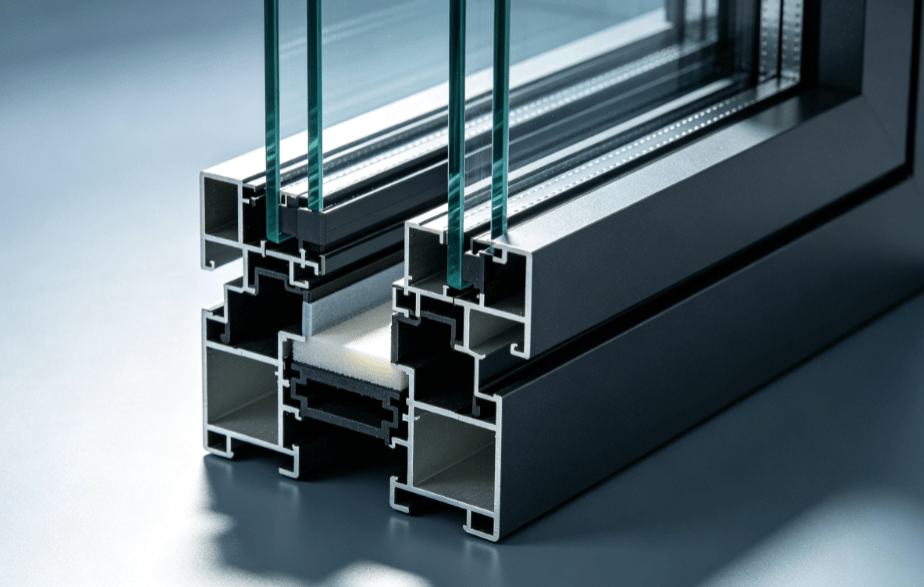
Our factory specializes in manufacturing top-tier high performance aluminum windows and doors. For instance, our core product portfolio features advanced thermal break systems. These are engineered with premium PA66GF25 insulation strips for maximum energy efficiency. Furthermore, we offer ultra-slim minimalist panoramic sliding doors and specialized OEM custom profiles.
For clients targeting Oceania and high-standard Western markets, our systems are fully verified. Our products meet the rigorous AS/NZS standard, including AS2047 and AS1288 regulations. We test strictly for wind pressure, air infiltration, and water penetration. Consequently, AlloyPro delivers Western-standard structural reliability with competitive factory pricing. This allows global developers, architects, and wholesale distributors to optimize project margins easily.
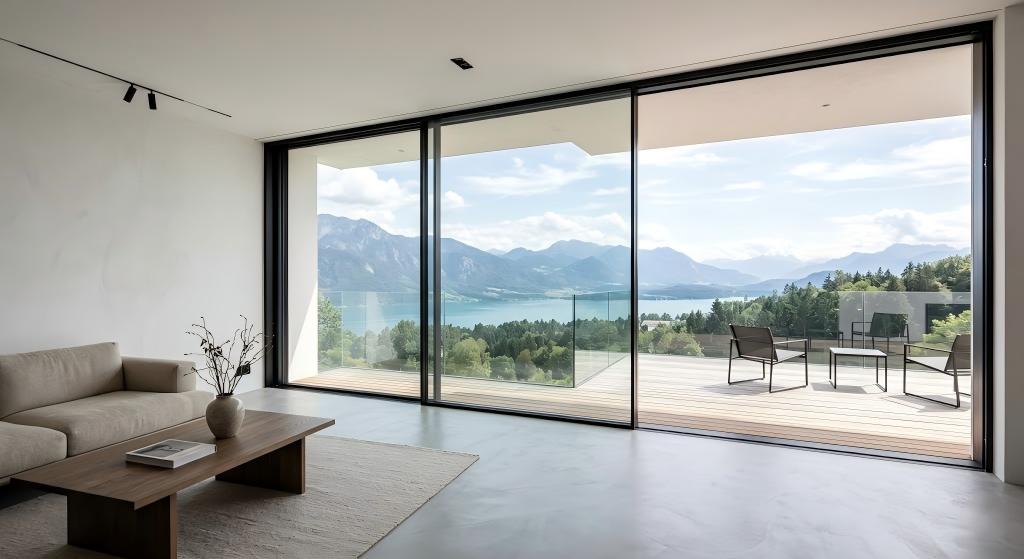
Why 6063-T5 Aluminum is the Top Choice for Premium Windows and Doors
Easy to Shape and Very Strong
Factories love this metal. They can shape it with great ease. The advanced extrusion process creates very exact forms. Additionally, the special T5 cooling process adds huge strength to the metal. This high strength lets factories build thin, sleek frames. Therefore, you get a nice, clean look. Yet, the frame stays very safe and firm. In contrast to weaker metals, it securely holds heavy glass without bending.
Beautiful and Lasting Surface Finishes
Top buildings need to look great for decades. Luckily, this metal takes surface finishes very well. You can easily add powder coating or fine paint. These layers shield the metal from bad weather. Cheap metals rust and fade fast. However, this top metal stops rust completely. Your frames will look brand new for many years. Additionally, buyers can choose from many different colors to match their designs.
Smart Energy Savings for Buildings
Saving power is a big deal today. Builders pair this metal with new heat blocks. They put strong plastic strips inside the frames. These strips stop heat from moving through the metal. Hot air stays out in the summer. Warm air stays in during the winter. As a result, the building uses much less power for heating and cooling. Consequently, owners save a lot of money on their monthly energy bills.
Built for Tough Weather and Storms
Strong winds and bad storms destroy weak materials easily. This metal handles harsh weather conditions without any problems. It passes very strict global tests, like the AS/NZS rules. Despite this great strength, the metal is quite light. This makes it very easy to transport and install on job sites. When you pick this metal, your project will last a very long time. Furthermore, it requires almost zero maintenance over the years.
Perfect for Modern Minimalist Design
Modern homes and offices prefer big glass and thin frames. 6063 t5 aluminum makes this beautiful design possible. The frames stay hidden, and the glass looks huge. This design brings a lot of natural light inside the room. As a result, spaces look much bigger and brighter. Moreover, this clean style matches any new building perfectly.
Eco-Friendly and Completely Recyclable
Our world needs green and clean materials. This metal is completely safe for the earth. You can recycle it many times. It never loses its core strength during the recycling process. Therefore, builders reduce waste when they use it. Choosing this metal helps protect our environment for the future.
Work With Real Manufacturing Experts
The right metal makes your project a total success. 6063 t5 aluminum gives you great strength and lasting beauty. It also saves energy and stops bad weather. At AlloyPro, we make top solutions for your exact needs. We check every step to ensure top quality and safety. Contact our expert team today. We are ready to start your next big project.
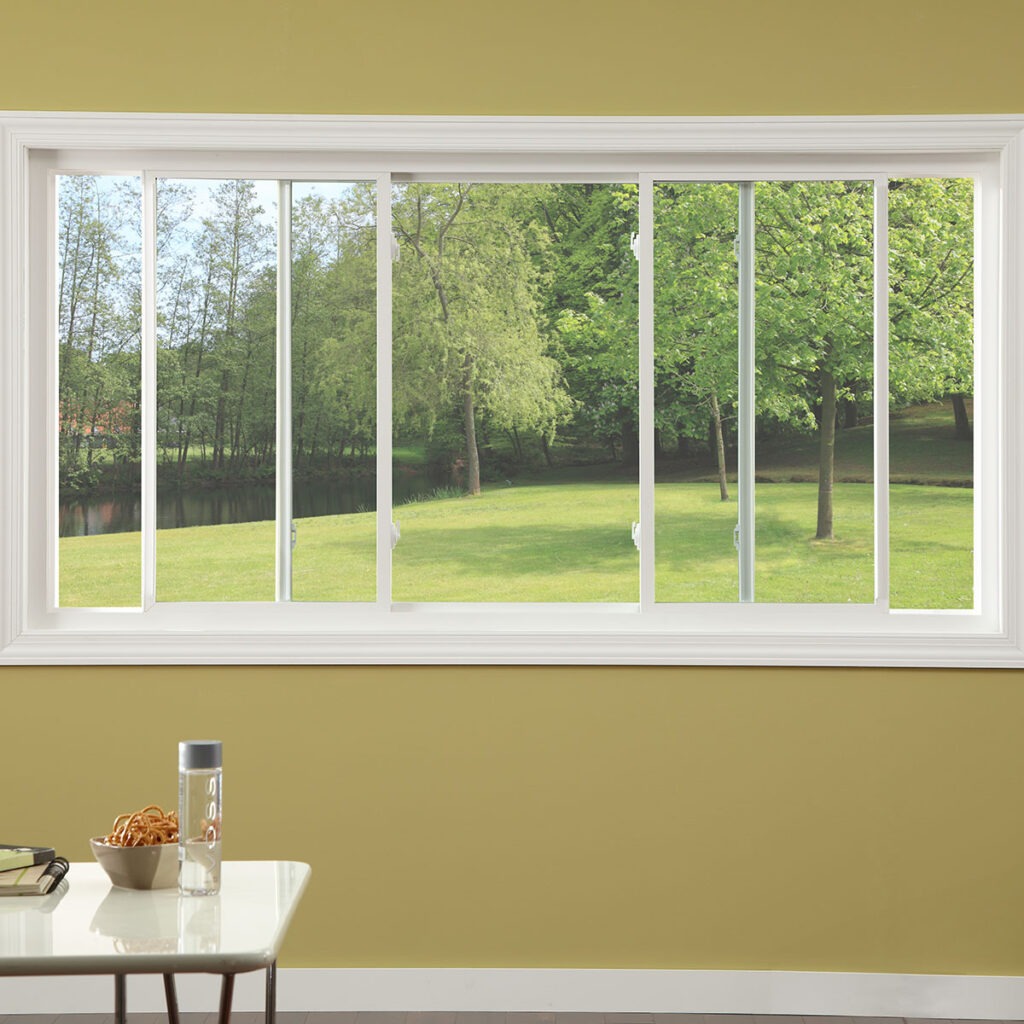
Aluminium Window Maintenance 5 Simple Steps For Long Life
Step 1 – Clean Frames for Better Aluminium Window Maintenance
Dirt builds up on frames over time. It can scratch the protective coating and expose the metal to moisture. That is why aluminium window maintenance always starts with cleaning.
Clean your frames every three months. Near the ocean or a busy road, clean them once a month. You need a soft cloth, warm water, mild dish soap, and a dry cloth. Avoid abrasive pads and strong chemicals like bleach.
Mix a few drops of soap with warm water. Wipe the frames gently from top to bottom. Rinse with clean water and wipe again. Dry completely with a soft cloth. Do not clean in direct sunlight – it leaves streaks. This simple cleaning routine is the foundation of good aluminium window maintenance.
Pro tip: Add a little isopropyl alcohol to the water for heavy dirt. Test on a hidden area first.
Step 2 – Lubricate Hinges as Part of Aluminium Window Maintenance
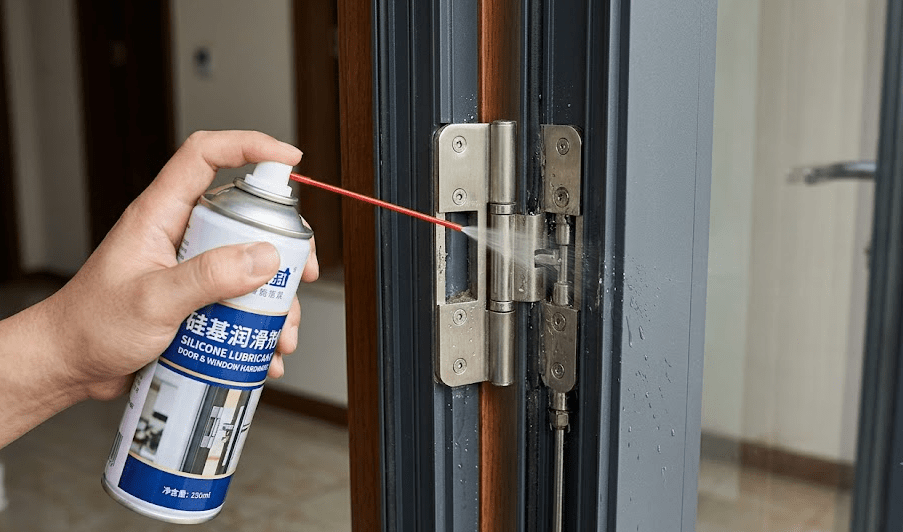
Hinges and rollers can become stiff over time. You may hear a squeak or feel resistance. Regular aluminium window maintenance includes proper lubrication.
Use silicone spray, not oil‑based products. Oil attracts dust; silicone repels it. Once a year, open the window fully. Spray a small amount on hinge pins, rollers, and locks. Close and open the window several times to spread the lubricant. Wipe away any excess with a dry cloth. A little goes a long way. For sliding doors, also lubricate the bottom rollers.
Adding this step to your yearly aluminium window maintenance routine keeps moving parts smooth and quiet.
Step 3 – Clear Tracks and Drainage Holes for Complete Aluminium Window Maintenance
Sliding windows and doors collect dust and debris in the bottom tracks. Clogged tracks make sliding difficult. Good aluminium window maintenance also requires clean tracks and drainage holes.
Check the small drainage holes (weep holes) in the bottom frame. They let rainwater escape. Blocked holes cause water to pool, leading to corrosion. Clean tracks twice a year. Use a vacuum with a brush attachment to remove loose dirt. Wipe tracks with a damp cloth. Clear each drainage hole with a thin brush or compressed air. Pour a little water into the track to ensure it flows out freely.
Clean tracks reduce friction and wear. Clear drainage holes prevent standing water – the biggest enemy of aluminium in coastal areas. This part of aluminium window maintenance takes only a few minutes but adds years to your windows.
Step 4 – Inspect Seals to Complete Your Aluminium Window Maintenance
Rubber seals around your windows keep out wind, rain, dust, and noise. They also save energy by stopping drafts. Inspecting these seals is a critical part of aluminium window maintenance.
Inspect seals once a year. Close the window and run your finger along the seal. Look for cracks, gaps, or hard rubber. If a seal is cracked or torn, replace it. You can buy universal weather stripping online. Pull out the old seal and press in the new one. If the seal is just dry, apply a silicone‑based rubber conditioner to restore flexibility.
Do not ignore damaged seals. A small gap lets in as much moisture as leaving the window slightly open. Replacing seals is cheap and easy. Include this inspection in your annual aluminium window maintenance schedule.
Step 5 – Consider Your Climate for Smart Aluminium Window Maintenance
Your local environment changes how often you need to perform aluminium window maintenance. A home in dry Arizona needs a different schedule than a beachfront villa in Florida.
- Coastal areas – Rinse windows with fresh water every two weeks. Clean frames monthly. Check drainage holes often. Salt accelerates corrosion, so frequent aluminium window maintenance is essential.
- Urban areas – Pollution leaves a sticky film. Clean windows every month. Pay extra attention to tracks.
- Desert or dry climates – Dust and sand scratch moving parts. Clean tracks every two months. Lubricate hinges twice a year.
- Cold climates – Ice can form in tracks. Never force a frozen window open. Apply silicone spray before winter. Check seals for cracks.
- During construction – Cover windows with protective tape. Cement dust and paint are very hard to remove once dry.
Adjust your schedule based on your environment. This smart approach to aluminium window maintenance will double the life of your windows.
Conclusion – Follow These Steps for Reliable Aluminium Window Maintenance
Here are the five steps again:
- Clean frames with mild soap (every 3 months, or monthly near the ocean).
- Lubricate hinges with silicone spray (once a year).
- Clear tracks and drainage holes (twice a year).
- Inspect seals and replace damaged weather stripping (once a year).
- Consider your climate and adjust frequency.
Aluminium window maintenance does not require special skills. A soft cloth, mild soap, silicone spray, and a small brush are enough. Spend 15 minutes on each window or door once or twice a year.
Your AlloyPro windows and doors are built to last. With this simple routine, they will stay smooth, quiet, and weather‑tight for 20 years or more. If you have questions, contact the AlloyPro team. We are here to help.