






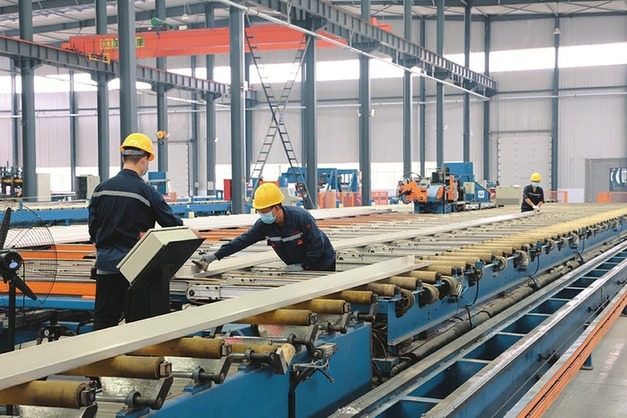
The Core of High-Performance Window & Door Profiles: Alloy, Design, and Finish
1. Alloy Composition for High-Performance Window & Door Profiles
Every profile begins with its metallic blueprint. At AlloyPro, we utilize 6000 series alloys, primarily 6063 and 6061. Their secret lies in the precise ratio of magnesium and silicon.
This specific combination enables excellent formability. Furthermore, it provides the essential base for achieving structural strength. In contrast, inferior alloys lead to defects. Our commitment ensures every batch of High-Performance Window & Door Profiles meets exacting standards.
2. Design Features of High-Performance Window & Door Profiles
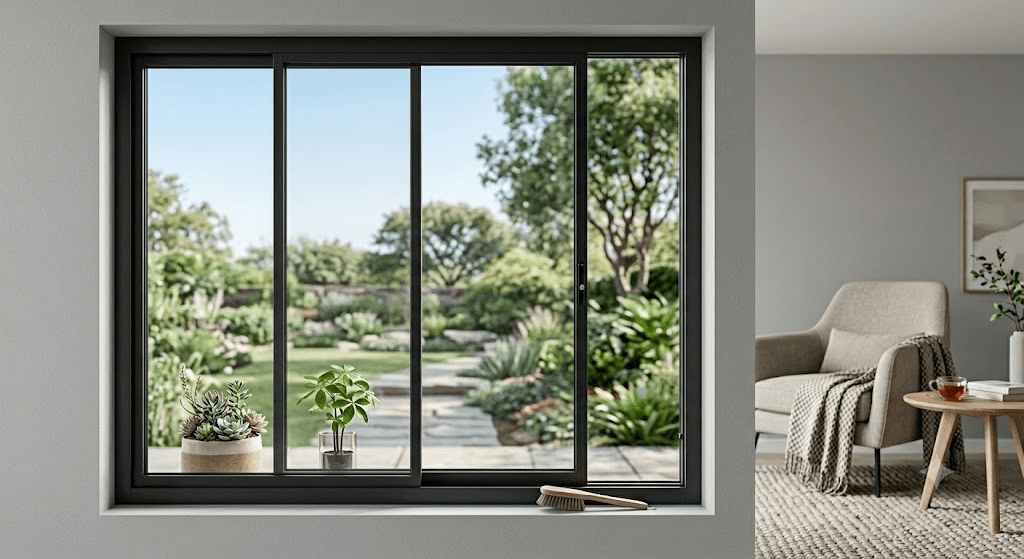
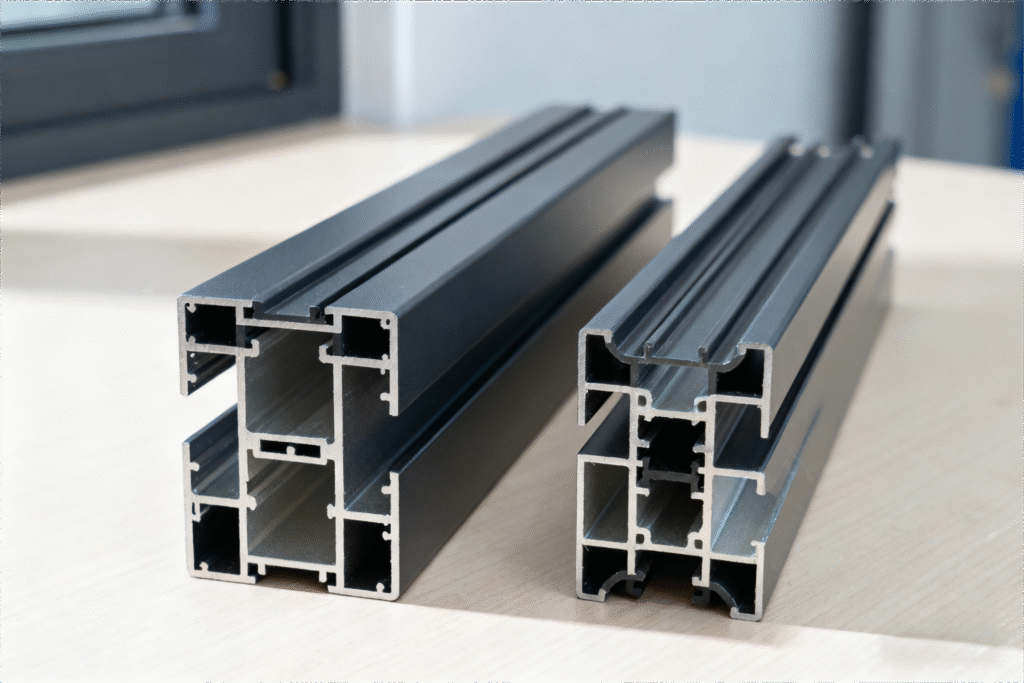
The cross-sectional design is the engine. For thermal performance, the thermal break cavity is paramount. We engineer High-Performance Window & Door Profiles with multi-chambered barriers. These create a labyrinth, dramatically reducing thermal conductivity.
Additionally, structural integrity is non-negotiable. Our profiles feature reinforcing ribs. These boost resistance to wind pressure. A well-designed system also integrates drainage channels, ensuring long-term operational smoothness.
3. Surface Finishes for High-Performance Window & Door Profiles
The surface finish is the armor. We go beyond standard anodizing to employ advanced powder coating.
Powder coating involves applying a charged polymer powder. This finish offers exceptional resistance to UV fading. For harsh environments, our electrophoretic coating is superior. The result is a finish with exceptional adhesion. This makes our High-Performance Window & Door Profiles ideal for coastal areas.

Conclusion: The Synergy of Excellence
In summary, a profile is not defined by a single feature. It is the synergistic result of metallurgical precision and robust protection.
Di AlloyPro Aluminum, our expertise translates to our fenestration products. We apply rigor to create High-Performance Window & Door Profiles that form the reliable backbone of exceptional projects globally.
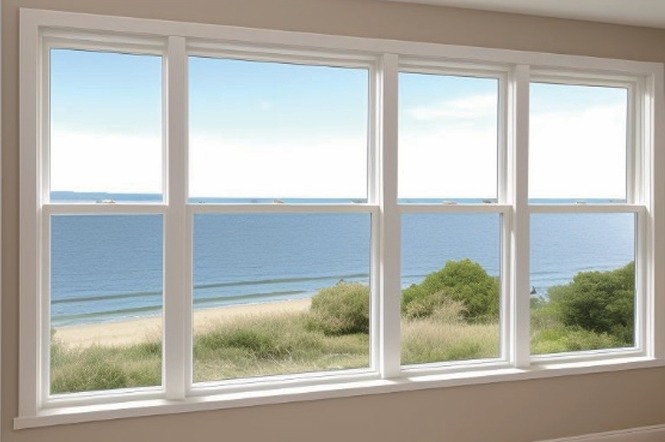
Coastal Curtain Wall Solutions: Combating Corrosion and Wind
1. Selecting Materials for Coastal Curtain Wall Solutions
Success in a coastal project relies heavily on the initial choice of materials. Standard aluminum can degrade quickly if not properly treated. Therefore, we strictly recommend marine-grade aluminum alloys, such as the 6063-T6 series, known for their innate resilience.
However, the alloy alone is not enough. Applying a high-performance PVDF (Polyvinylidene Fluoride) coating is crucial. We adhere to the rigorous AAMA 2605 standard, which ensures the finish resists UV fading and salt erosion for over 20 years. This robust “armor” is the first line of defense in our comprehensive coastal facade systems.
2. Structural Engineering Against Wind Pressure
Beyond corrosion, coastal structures must withstand typhoon-level winds. The framework must be engineered to handle both positive and negative wind loads effectively.
This often requires using reinforced profiles with thicker walls and robust stainless steel anchors. Additionally, we implement a “pressure-equalized” drainage design. This advanced technique manages water infiltration by channeling water out through concealed weep holes, preventing leaks during driving rainstorms. This structural integrity is vital for protecting the building’s interior and ensuring occupant safety.
3. Proactive Maintenance Strategies
Even the best hardware requires care to maximize its lifespan. Regular maintenance is the often-overlooked key to durability. We advise scheduling professional inspections at least twice a year, and immediately after any severe storm events.
Simple cleaning with pH-neutral solutions is highly effective. It removes accumulated corrosive salt deposits that can eat away at seals and finishes over time. By following this regimen, property owners can extend the lifecycle of their investment significantly.
Conclusion: A Systemic Approach with AlloyPro
Ultimately, safeguarding coastal buildings requires moving beyond individual products to adopt a complete, integrated system. True resilience is achieved by seamlessly combining specialized marine-grade materials, engineered structural design, and proactive care.
By investing in AlloyPro solutions, you secure a facade that will stand resiliently against the coastal elements for decades, protecting your architectural vision and value.
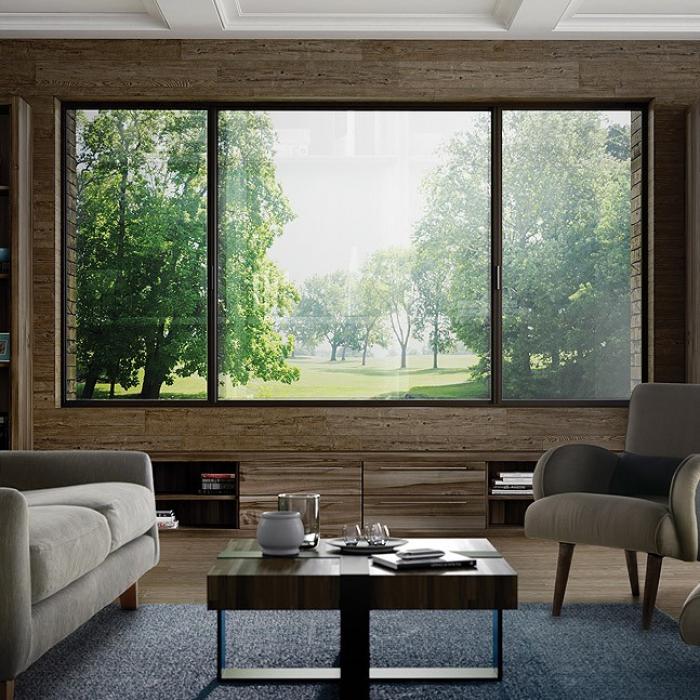
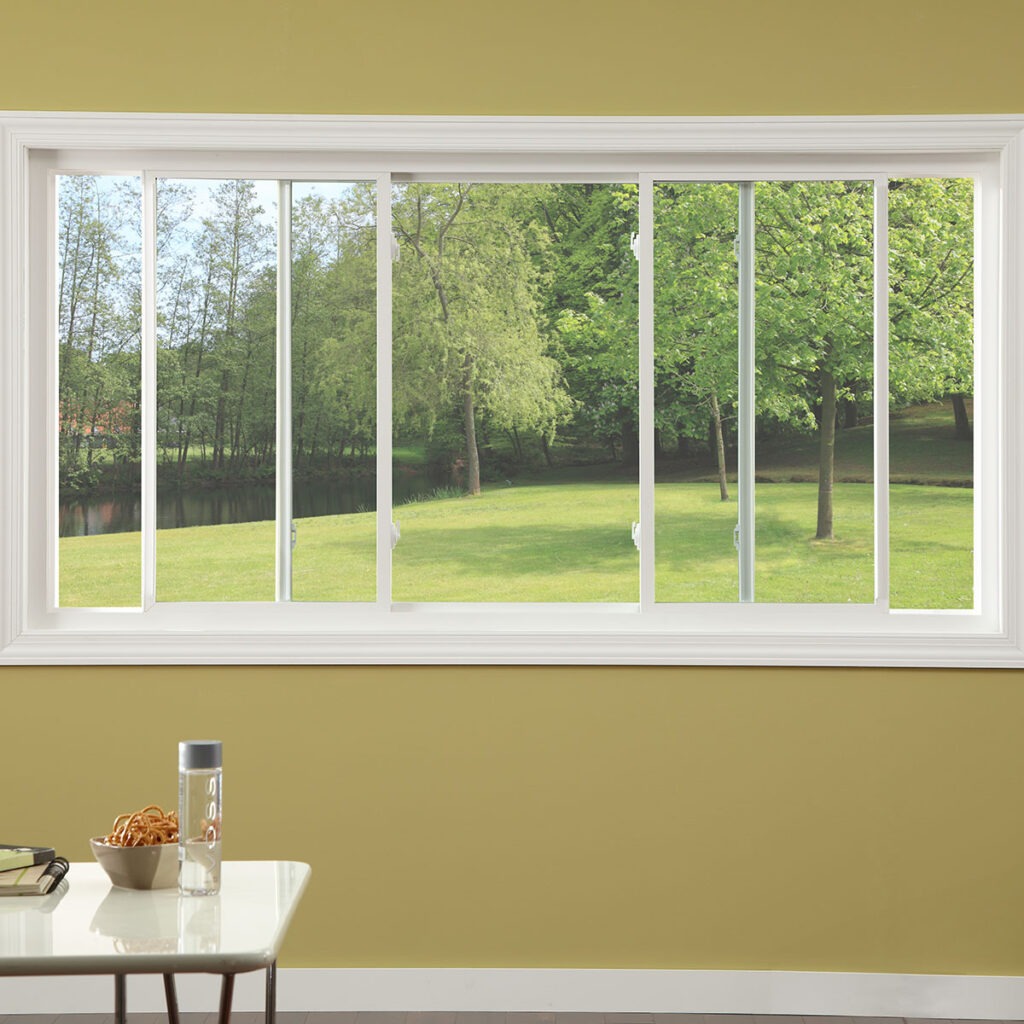
How to Choose Cost-Effective Aluminum Profiles for Windows & Doors
1. Structural Strength of Cost-Effective Aluminum Profiles
The foundation of a durable window is its structural integrity. When evaluating Cost-Effective Aluminum Profiles, the first technical indicator to check is the wall thickness. For standard exterior windows, the national standard usually requires a minimum of 1.4mm. However, for high-rise buildings or sliding doors, we recommend increasing this to 2.0mm to ensure stability against typhoon-level winds.
Next, consider the alloy grade. The 6063-T5 series is the industry standard, offering an excellent balance of strength and extrudability. However, for larger spans or demanding environments, specifying the stronger 6061-T6 alloy provides superior rigidity and longevity, preventing deformation over decades of use.

2. Assessing Surface Finish and Thermal Insulation
The surface treatment and insulation capabilities directly impact the product’s value proposition. For affordable high-performance options, high-quality powder coating is the top choice. It meets AAMA standards for weather resistance, offering robust protection against UV fading and scratches for 10 to 20 years.
For thermal performance, the core component is the thermal break strip. To ensure your purchase is truly “cost-effective,” insist on a barrier made from genuine polyamide (PA66 GF25), not cheap PVC. PA66 has a similar expansion coefficient to aluminum, ensuring the strip won’t separate or crack under temperature changes, thus maintaining the window’s U-value and reducing HVAC costs significantly.
3. Prioritizing High-Quality Components
Finally, the overall durability is determined by the precise engineering of the system accessories. Even the best budget-friendly profiles must be compatible with high-grade hardware systems from reputable brands. A stuck hinge or a broken handle can ruin the user experience instantly.
Furthermore, examine the cross-section design for integrated drainage channels. A well-designed “isobaric” drainage system prevents rainwater accumulation and leaks. Additionally, verify the quality of the sealing strips. We recommend EPDM gaskets over standard rubber, as they retain elasticity and air-tightness for much longer, preventing drafts and water ingress.
Kesimpulan
By thoroughly evaluating these three core aspects—structural specs, insulation materials, and component compatibility—you can select Cost-Effective Aluminum Profiles that deliver genuine value.
This strategic approach means investing in AlloyPro products that guarantee lasting performance, reduced energy maintenance costs, and minimal repairs for years to come.
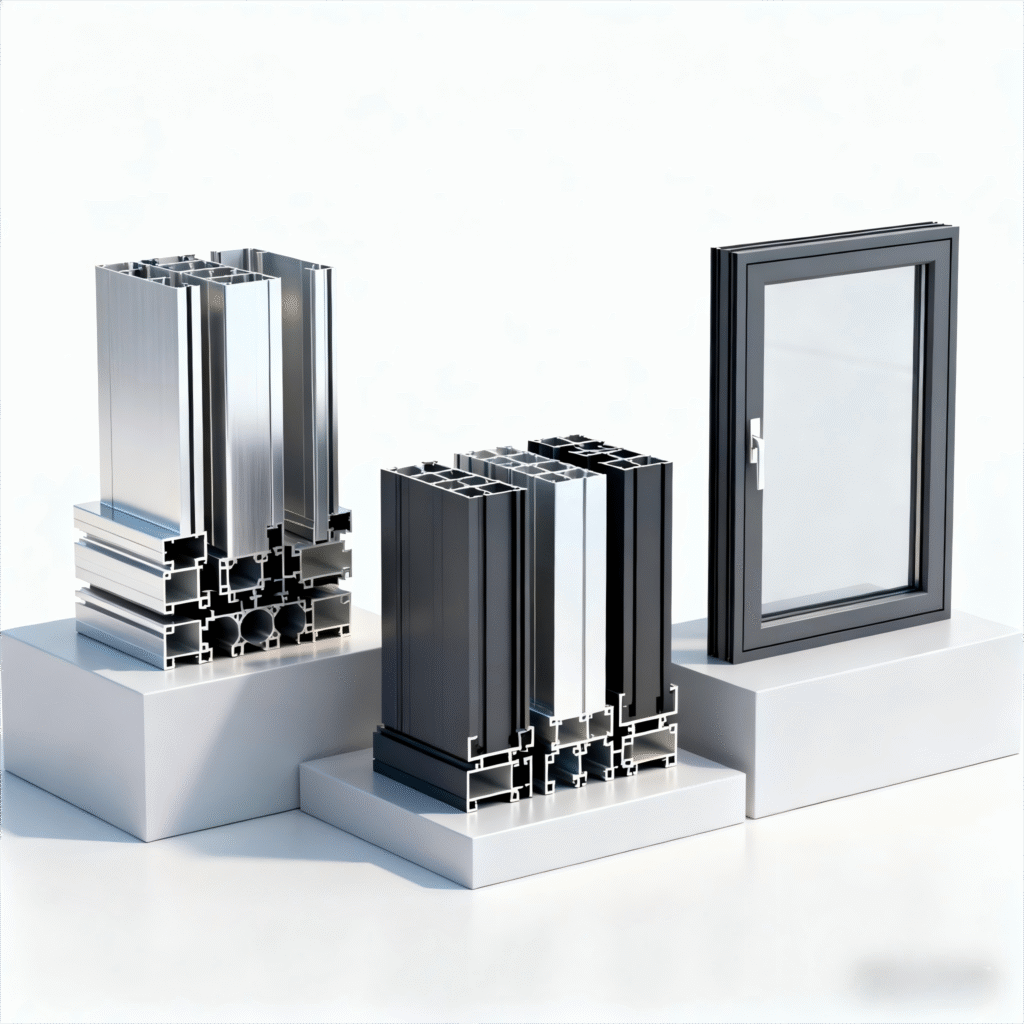
Solar panel aluminum frames: 4 Advantages for Solar Growth
1. Exceptional Strength-to-Weight Ratio
Solar panel aluminum frames offer the best strength for their weight compared to other materials. Selain itu, they are much lighter than steel, making panels easier and cheaper to ship and install. Akibatnya, these frames provide a strong structure to protect delicate glass and cells from wind and snow stress.
2. Unmatched Outdoor Durability
Solar panels must withstand sun, rain, and salty air for decades. Selain itu, Solar panel aluminum frames naturally resist rust through a protective oxide layer. With professional surface treatments, they become even more durable against harsh environments. Oleh karena itu, this ensures the frame won’t fail before the panel’s 25-year warranty is up.
3. Precision Design for Easy Installation
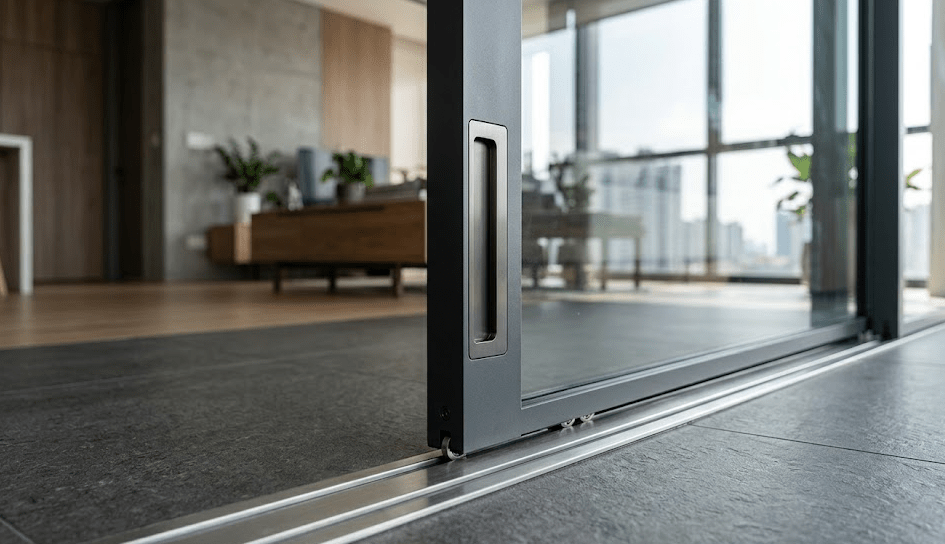
Aluminum can be shaped into precise profiles with standard grooves and holes. Oleh karena itu, Solar panel aluminum frames allow installers to quickly and securely attach panels to almost any mounting system. Selain itu, this versatility saves significant time and labor costs during large-scale solar project deployments.
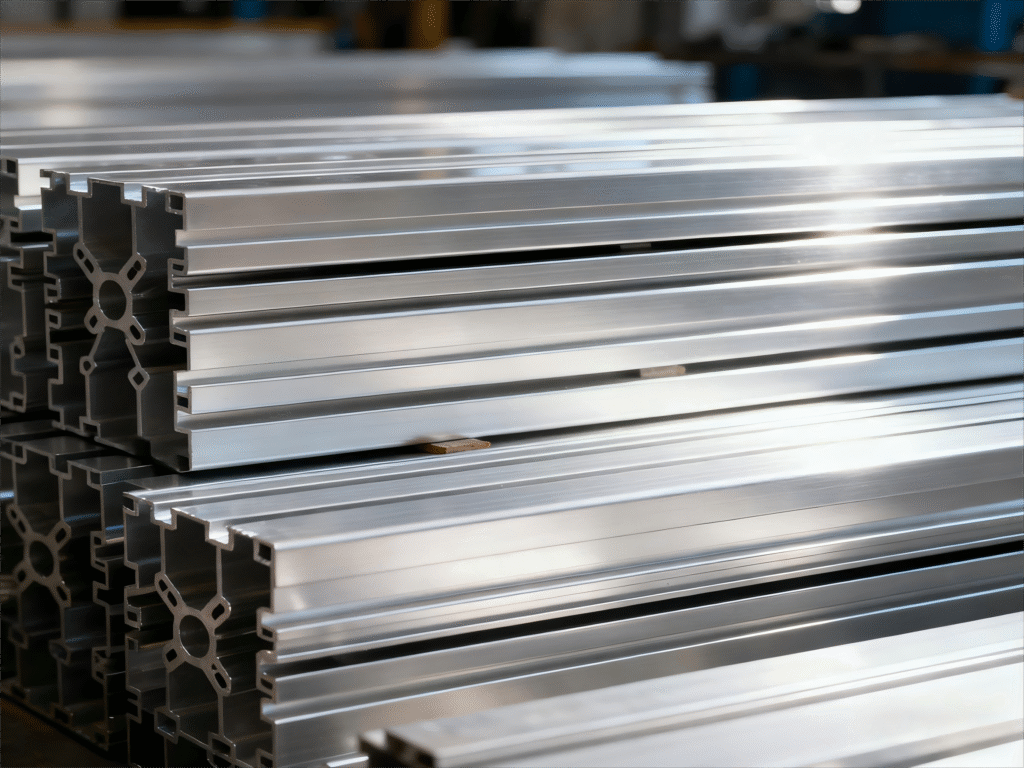
4. Sustainable and Fully Recyclable
Aluminum is 100% recyclable, supporting the green mission of solar energy. Selain itu, at the end of a panel’s life, Solar panel aluminum frames can be melted down and reused for new products. This process uses only a fraction of the energy needed for primary aluminum production. Oleh karena itu, it creates a truly circular economy for the renewable energy industry.

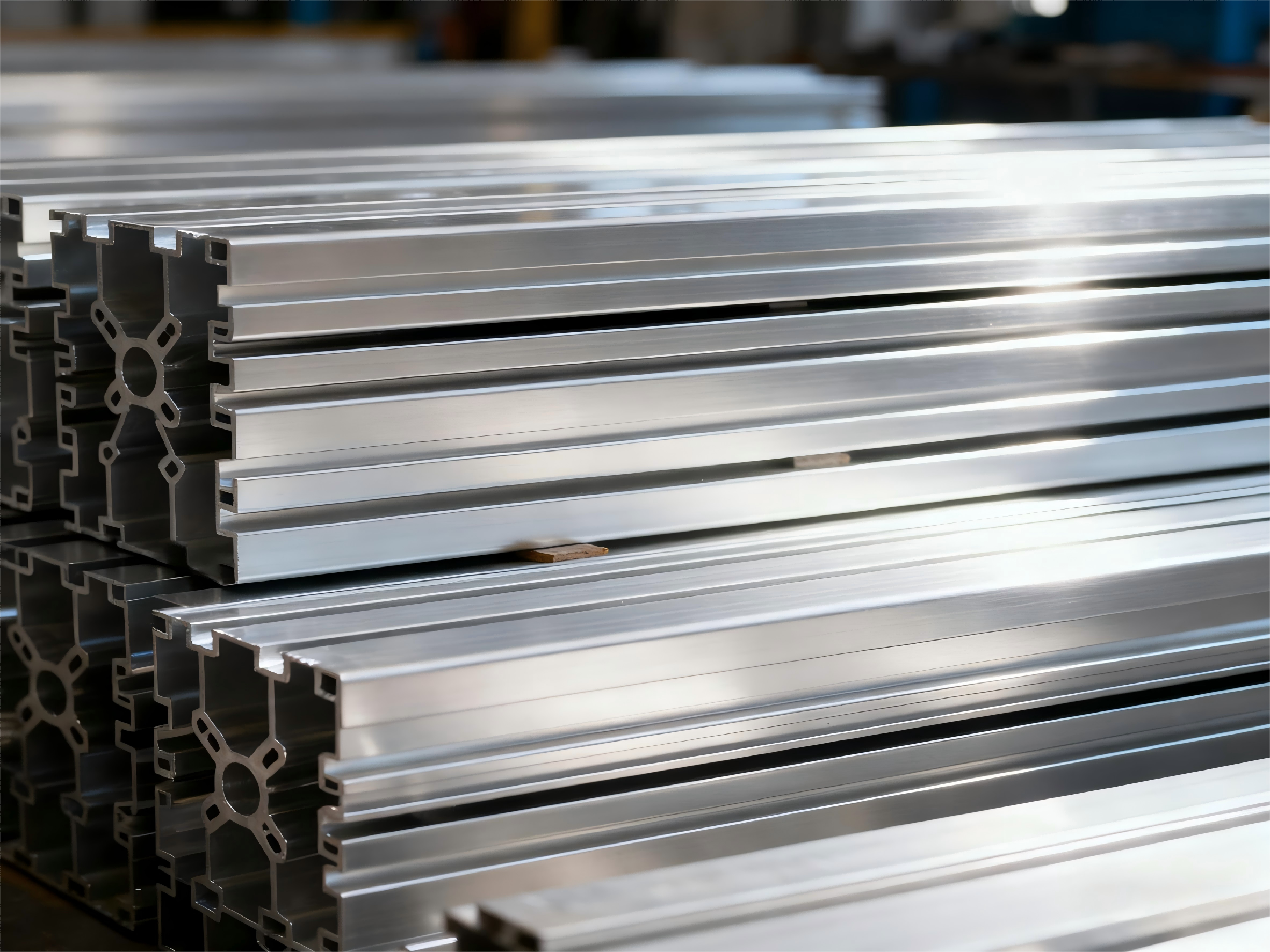
Penghematan Energi dalam Pengolahan Aluminium: Panduan Lengkap Pabrik Ramah Lingkungan
1. Bagaimana Efisiensi Produksi Memengaruhi Penghematan energi dalam pengolahan aluminium
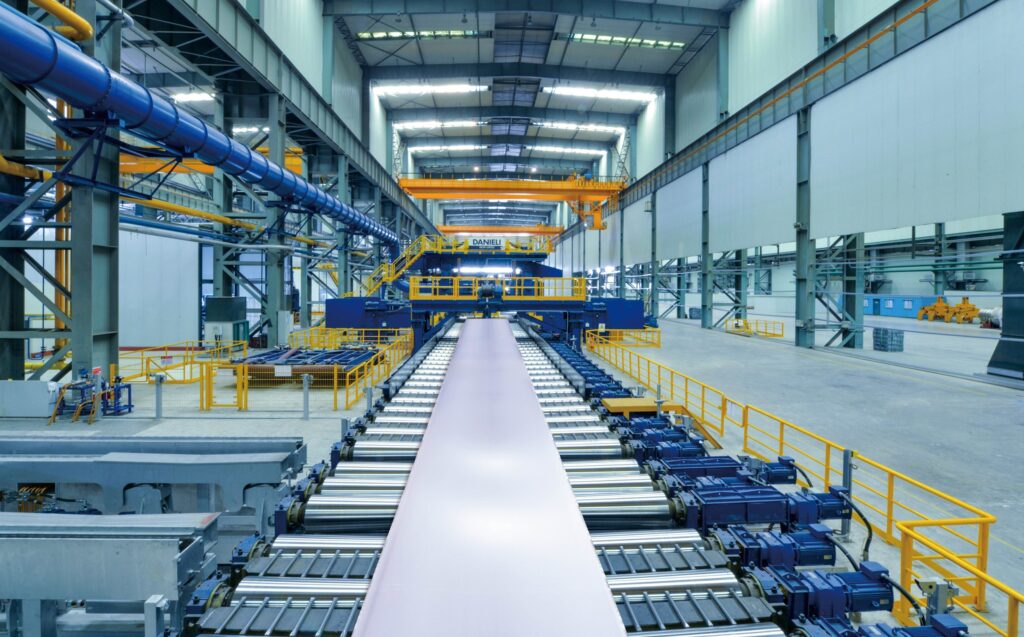
Inti dari setiap fasilitas yang berkelanjutan terletak pada upaya mengurangi jejak energi totalnya. Selain itu, produksi Profil Aluminium Industri tetap membutuhkan banyak energi, terutama selama tahap ekstrusi yang rumit.
- Mesin Modern: Kami berinvestasi dalam mesin ekstrusi berteknologi mutakhir yang dilengkapi motor penggerak servo untuk mengurangi konsumsi energi hingga 40%. Akibatnya, sistem canggih ini menyediakan tenaga tepat sesuai kebutuhan, sehingga secara efektif menghilangkan pemborosan akibat mesin yang menyala tanpa beban.
- Sistem Pemulihan Panas: Kami menangkap dan memanfaatkan kembali energi panas yang sangat besar yang dihasilkan dari tungku ekstrusi dan tungku penuaan. Dengan melakukan hal itu, kami memanaskan air untuk tangki pra-pengolahan, yang secara signifikan mengurangi ketergantungan kami pada sumber energi eksternal.
- Solusi LED Internal: Kami memprioritaskan peralihan seluruh fasilitas ke pencahayaan LED. Hal ini secara langsung mendukung Penghematan energi dalam pengolahan aluminium menjelaskan tujuan kami dan memperkenalkan profil aluminium LED khusus kami.

2. Menerapkan Strategi Komprehensif untuk Penghematan energi dalam pengolahan aluminium
Pengendalian emisi industri sangat penting untuk melindungi lingkungan dan memenuhi standar global. Selain itu, kami menerapkan pengendalian debu dan partikel yang ketat selama proses pemesinan profil rangka aluminium.
- Pengendalian Emisi: Filter baghouse modern kami mampu menangkap lebih dari 99,1% partikel untuk memastikan udara yang dikeluarkan tetap bersih. Selain itu, kami menggunakan sistem air tertutup pada tahap pengolahan permukaan untuk meminimalkan pembuangan air dan mendaur ulang air.
- Logistik Berkelanjutan: Kami mengoptimalkan rute pengiriman untuk semua bahan baku dan barang jadi. Oleh karena itu, dengan memasukkan kendaraan hibrida ke dalam armada kami, kami berhasil mengurangi jejak karbon seluruh rantai pasokan kami melalui Penghematan energi dalam pengolahan aluminium praktik.
3. Mendorong Penerapan Ekonomi Sirkular melalui Penghematan energi dalam pengolahan aluminium
Aluminium berperan sebagai pelopor ekonomi sirkular, yang tetap menjadi landasan utama filosofi Green Factory. Akibatnya, kami menganggap daur ulang yang tak terbatas sebagai keunggulan utama kami.
- Daur Ulang Limbah di Dalam Perusahaan: Kami secara sistematis mengumpulkan dan memisahkan semua limbah internal, mulai dari sisa ujung billet hingga potongan sisa pemesinan. Selain itu, daur ulang aluminium hanya membutuhkan 51% energi dibandingkan dengan produksi primer.
- Sistem Berputar Tertutup: Kami melebur ulang dan mencetak kembali limbah logam yang terkumpul menjadi billet baru untuk menciptakan siklus internal yang berkelanjutan. Oleh karena itu, kami secara drastis mengurangi kebutuhan bahan baku dan limbah melalui penerapan yang konsisten Penghematan energi dalam pengolahan aluminium inovasi.