





Aluminum Extrusion Process: From Ingot to Product Secrets
Stage 1: Precision Starts with Raw Material
Our process begins with rigorous selection. We source high-grade aluminum ingots to ensure optimal alloy composition. Whether for strength or machinability, quality is key. Upon arrival, each batch undergoes spectral analysis. This digital verification guarantees the makeup meets strict standards before the Aluminum Extrusion Process begins.
Image ALT Text: Worker monitoring a modern furnace and casting system in an aluminum plant.
Stage 2: Smart Melting and Casting
The verified ingots then move to our computer-controlled furnaces. Here, temperature is managed to achieve a homogeneous melt. Subsequently, the molten aluminum is transferred to casting stations. Crucially, our digital systems regulate the cooling rate. This results in uniform billets, which are the foundation for a flawless Aluminum Extrusion Process.
Stage 3: The Core of the Aluminum Extrusion Process
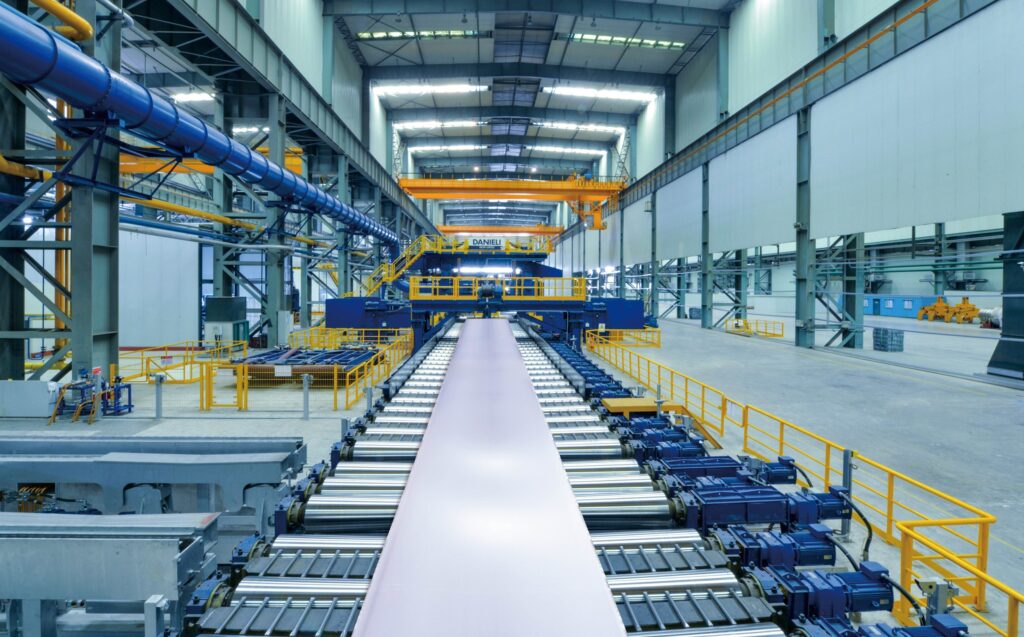
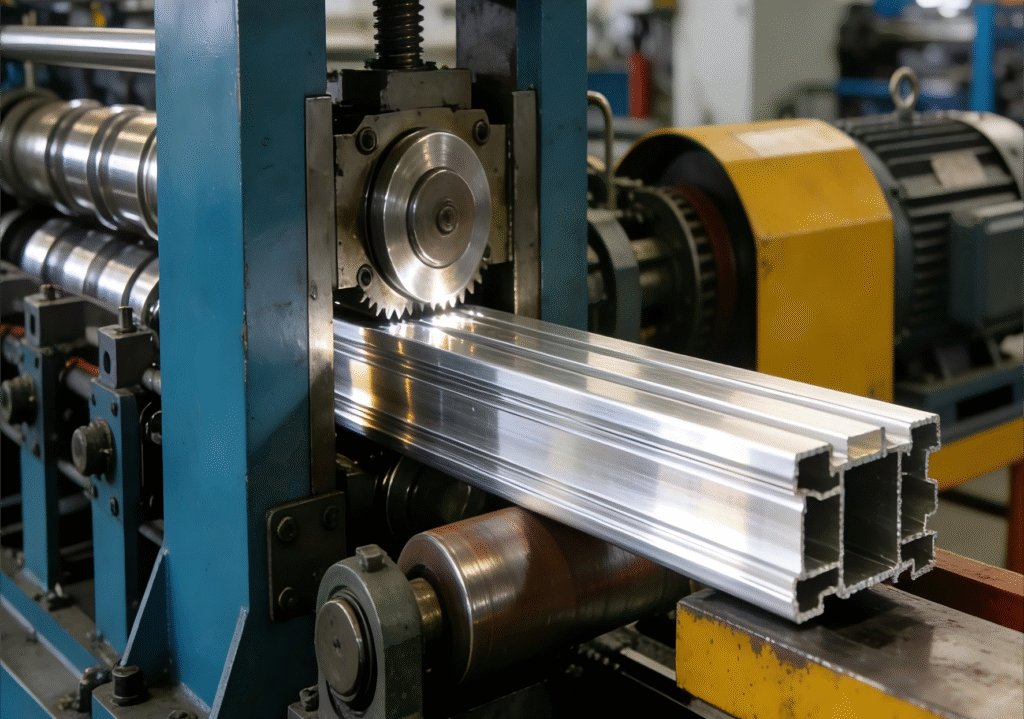
This stage is the heart of our operation. The solid billets are heated and forced through a custom die. However, force alone is not enough. Our integrated digital controls monitor pressure and temperature in real-time. This constant adjustment ensures every meter of profile maintains dimensional accuracy.
Stage 4: Automated Enhancement and Finishing
After the Aluminum Extrusion Process, profiles enter our automated handling system. They are rapidly cooled and straightened for perfect alignment. Following this, they move through enhancement processes. For instance, profiles may undergo artificial aging in digitally-timed ovens. Additionally, they can proceed to surface treatment lines for anodizing, where parameters are strictly maintained.
Stage 5: Final Inspection and Shipment
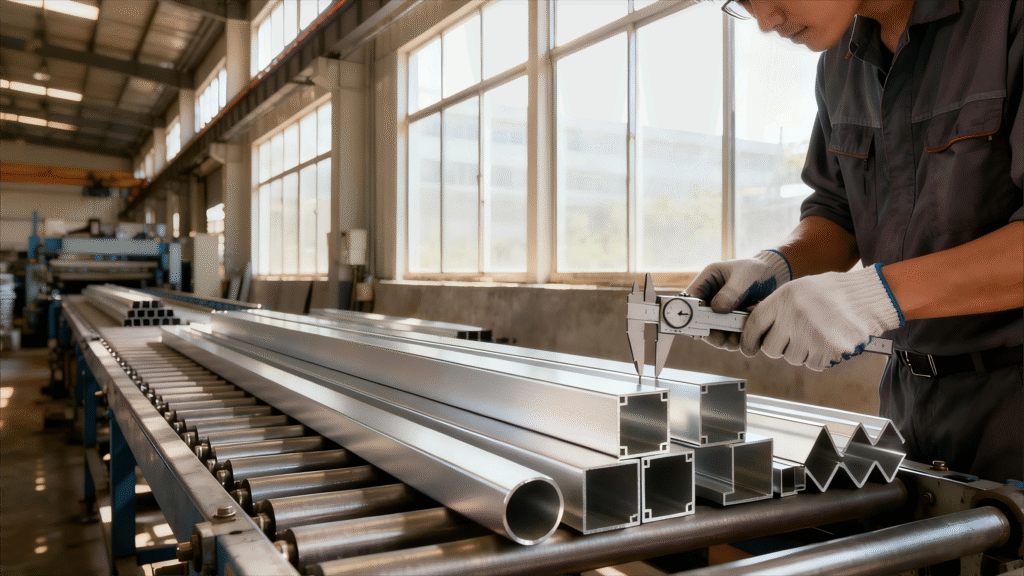
Finally, every batch undergoes a multi-point inspection. We utilize digital measuring tools against your specifications. Furthermore, our system generates a quality log for traceability. Once approved, products are packaged for delivery.
Why Our Digital Line Matters
Our digital integration delivers clear benefits. It ensures consistency and reduces human error. Moreover, it provides data-driven capability to manage custom orders. Ultimately, our advanced Aluminum Extrusion Process gives you reliable solutions that integrate seamlessly into your designs.
Ready to Specify Your Components?
Explore our catalog or contact our engineering team today. Let Aolaibo’s digital precision bring your ideas to life.
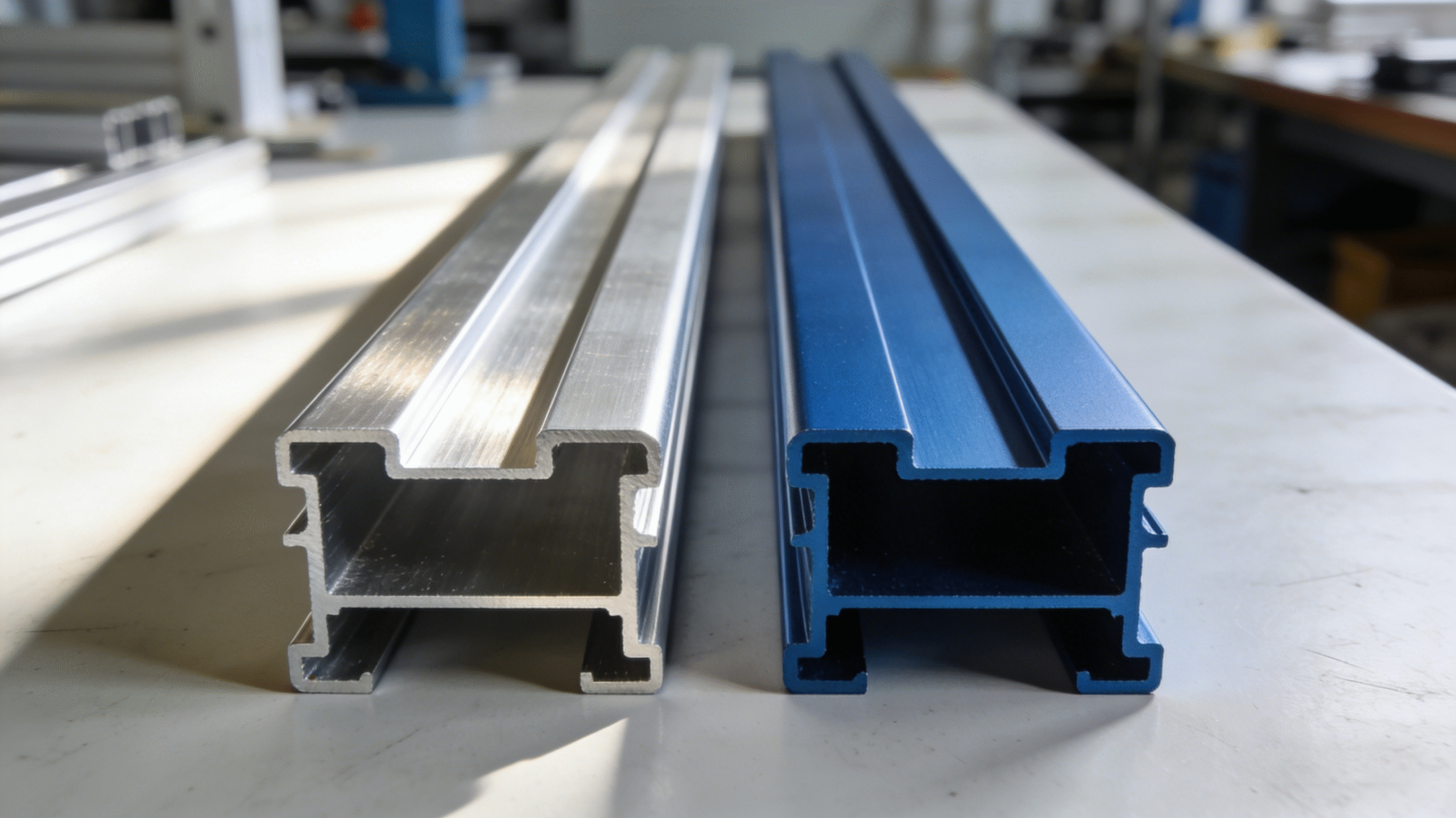
The Anodizing vs Powder Coating Debate for Aluminum
Anodizing vs Powder Coating: The Anodizing Edge
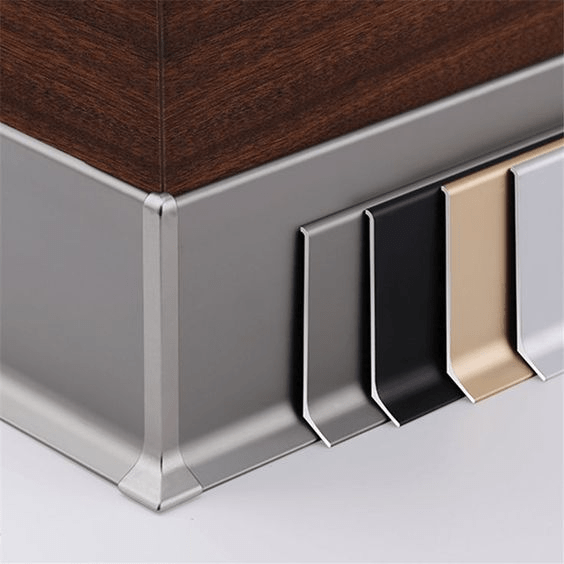
Anodizing is a highly effective electrochemical process perfectly. Therefore, we immerse the aluminum profile in an electrolyte bath. This process creates a thick aluminum oxide layer instantly. Moreover, this layer transforms the base metal completely.
- Exceptional Durability: The oxide layer offers superior abrasion resistance always.
- Heat Dissipation: It retains thermal conductivity incredibly well for electronics.
- Natural Look: It provides a professional metallic grain effortlessly.
- Best Uses: Ultimately, anodizing is ideal for precision machine frames.
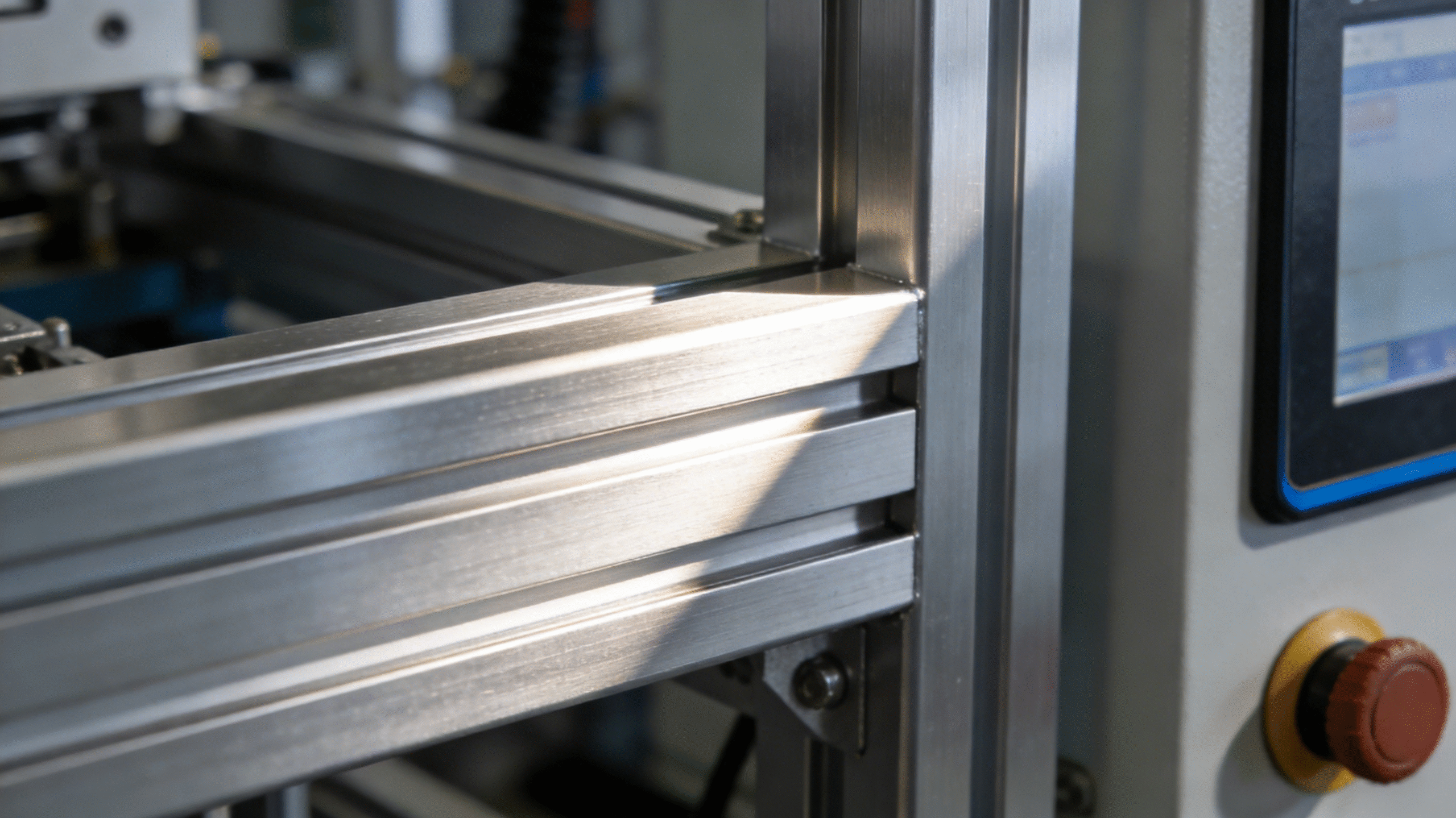
Anodizing vs Powder Coating: The Powder Coating Process
Powder coating uses a brilliant physical application process instead. Therefore, we apply electrostatically charged powder to the raw aluminum. The profile then cures in a hot oven quickly. Thus, it forms a perfectly smooth and tough protective film.
- Vast Colors: You can access virtually any custom RAL color easily.
- Corrosion Resistance: The thick film blocks harmful UV rays effectively.
- Uniform Coverage: This process ensures incredibly even coverage always.
- Best Uses: Consequently, powder coating is perfect for architectural facades.
How to Choose: Anodizing vs Powder Coating
Your final choice depends on your specific project requirements. Therefore, we provide a direct professional comparison here.
- Appearance Match: Choose anodizing for a sleek metallic look easily. Conversely, powder coating provides incredibly vibrant solid colors.
- Performance Needs: Anodizing excels for extreme daily abrasion resistance. Moreover, powder coating offers superior weather barrier protection.
- Cost Efficiency: Standard anodizing is often highly cost-effective generally. Thus, powder coating becomes economical for specific custom colors.
Conclusion for Your Aluminum Projects
Di Guangdong AlloyPro Aluminium, we operate advanced lines perfectly. Our expert team offers comprehensive free consultations daily. Contact us to discuss anodizing vs powder coating directly. Ensure your industrial aluminum profiles are built to last permanently.
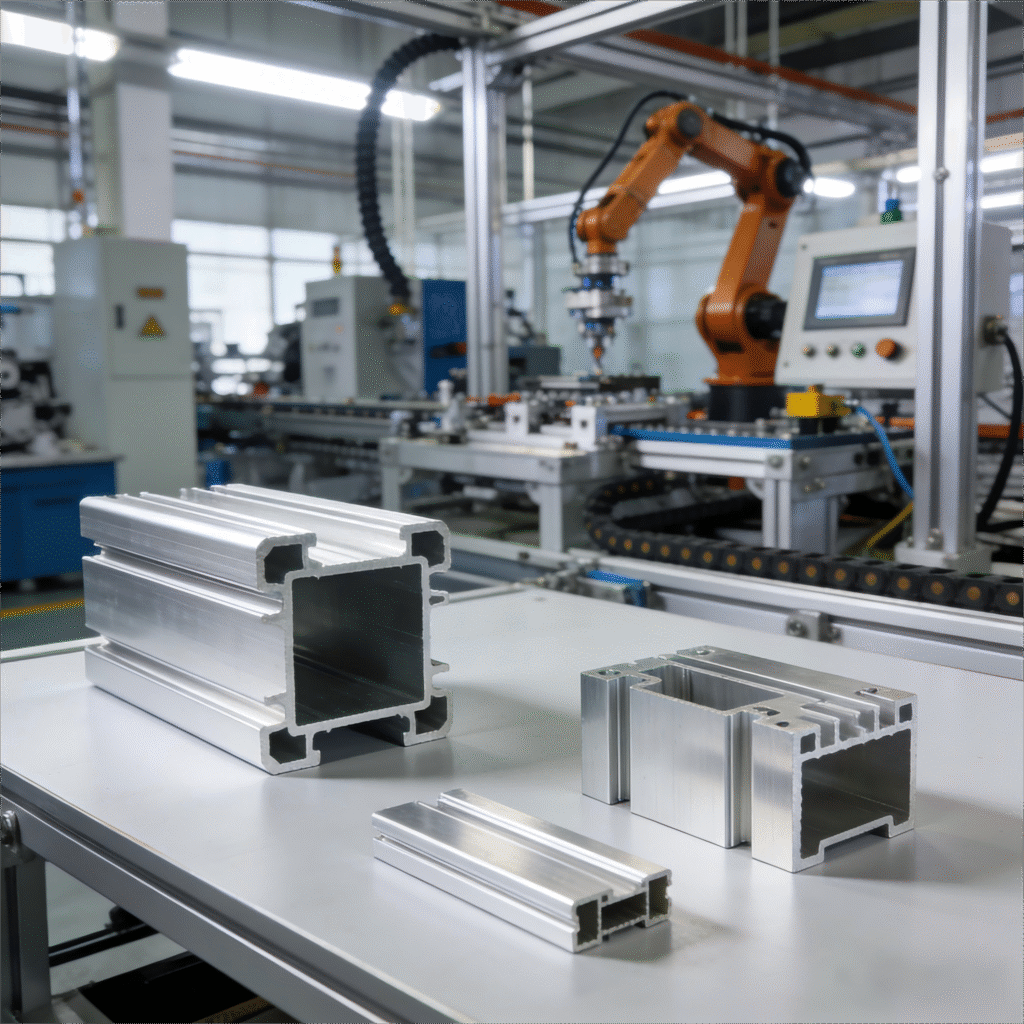
Modular Aluminum Profile Systems: The Backbone of Agile Smart Factories
1.Enable Rapid Deployment with Modular Aluminum Profile Systems
Speed is crucial in modern manufacturing. Modular Aluminum Profile Systems allow for incredibly fast assembly. You can build structures using standard parts and simple tools. Specifically, no welding is needed. This drastically cuts the time from design to a working production line.
Additionally, these systems make prototyping easy. You can quickly build a full-scale model to test your layout. This agility lets you respond to new market demands without major delays.
2. Offer Unmatched Flexibility and Scalability
The true value of a smart factory lies in adaptation. Modular Aluminum Profile Systems excel here. You can easily reconfigure, extend, or repurpose the system as needs change. Modify a workstation in hours or redesign a full layout over a weekend.
This approach also protects your investment. You can reuse components in new configurations instead of scrapping them. Consequently, this supports lean manufacturing by allowing your floor plan to evolve seamlessly.
3. Simplify Automation and Tech Integration
Smart factories rely on data. Modular Aluminum Profile Systems provide a perfect platform for this. They offer a rigid structure to mount robots and sensors. The integrated T-slots allow for secure mounting of any component.
Furthermore, the open design makes cable management simple. You can neatly organize power and data lines for your IoT devices. This ensures reliable operation and easy maintenance.
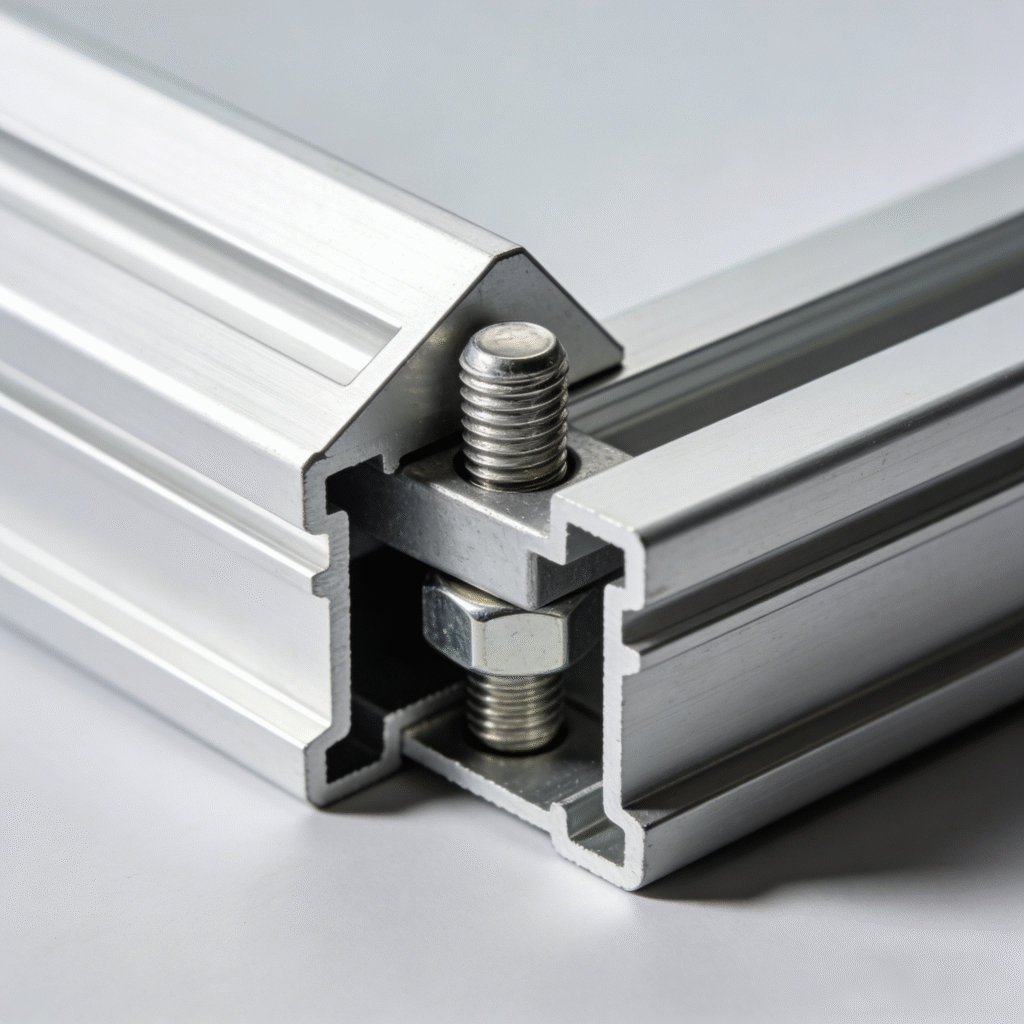
4. Support a Sustainable and Efficient Workspace
Beyond flexibility, Modular Aluminum Profile Systems create a better environment. Aluminum is strong yet lightweight. This makes structures safer and easier to handle.
Moreover, the material is corrosion-resistant and fully recyclable. This supports your sustainability goals. The modular nature helps organize the workspace efficiently. A clean floor is essential for high-quality production.
Build Your Agile Future Today
To succeed in Industry 4.0, your factory must be agile. Modular Aluminum Profile Systems are a strategic tool for innovation. They empower you to implement changes fast and cut downtime.
Ready to build the foundation of your smart factory? Explore our precision-engineered Modular Aluminum Profile Systems. Contact our engineering team for a consultation on your next project.
Aluminium 6061 vs 6063: Mana yang Tepat untuk Proyek Anda?
Komposisi Inti dan Perbedaan Sifat
Meskipun keduanya merupakan paduan logam, komposisi aluminium 6061 dan 6063 menentukan karakteristik masing-masing.
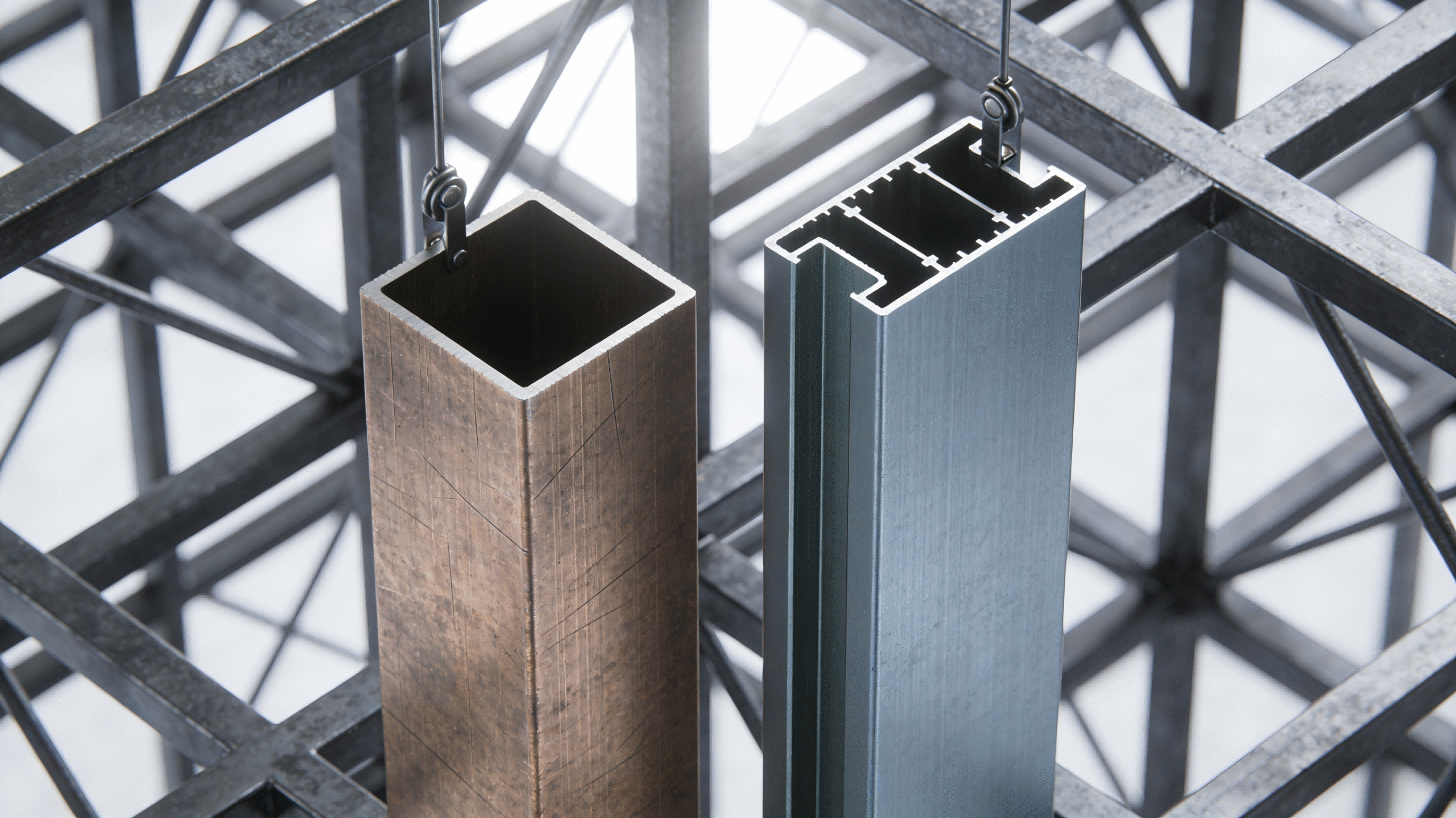
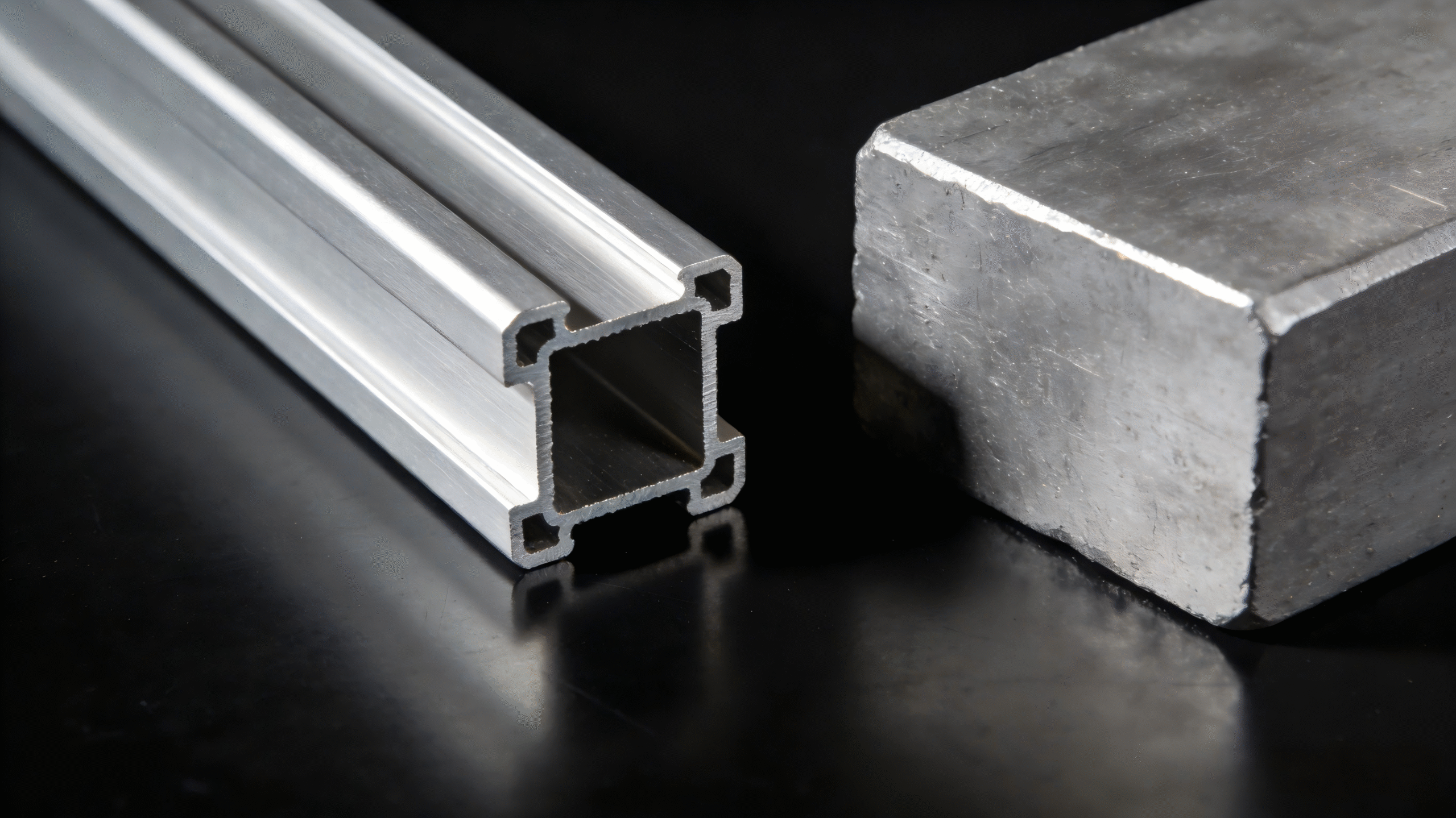
Aluminium 6061 mengandung proporsi magnesium dan silikon yang lebih tinggi, ditambah dengan penambahan tembaga. Komposisi ini menjadikannya paduan tempa yang dapat diolah secara termal dengan kekuatan yang jauh lebih tinggi, mendekati tingkat kekuatan baja karbon rendah. Selain itu, paduan ini juga memiliki kemampuan pemesinan yang sangat baik.
Sebaliknya, aluminium 6063 memiliki kandungan magnesium dan silikon yang lebih rendah serta tidak mengandung tembaga. Komposisi ini memberikan kemampuan ekstrusi yang lebih baik. Akibatnya, hal ini memungkinkan pembuatan bentuk yang lebih rumit dan hasil akhir permukaan yang lebih halus. Selain itu, proses anodisasi juga menghasilkan hasil yang lebih baik.
Perbandingan Langsung Sifat Mekanik
Sifat mekanis sering kali menjadi faktor penentu dalam perbandingan antara aluminium 6061 dan 6063 pemilihan.
- Kekuatan dan Kekerasan: Aluminium 6061 memiliki kekuatan tarik yang lebih tinggi daripada 6063. Misalnya, 6061-T6 dapat mencapai kekuatan tarik lebih dari 310 MPa, sedangkan 6063-T6 biasanya sekitar 240 MPa. Oleh karena itu, 6061 menjadi pilihan yang lebih disukai untuk struktur penahan beban.
- Kelenturan: Aluminium 6063 lebih lentur dan lebih mudah dibentuk menjadi bentuk-bentuk yang rumit. Jika Anda membutuhkan hiasan arsitektur yang detail, aluminium 6063 seringkali menjadi pilihan yang lebih ekonomis.
Panduan Pemilihan: Sesuaikan Paduan Logam dengan Kebutuhan Anda
Persyaratan proyek Anda yang spesifik merupakan kriteria utama.
Pilih Aluminium 6061 jika proyek Anda melibatkan:
- Komponen Struktur yang Mengalami Tekanan Tinggi: Seperti rangka truk dan rangka industri.
- Pemesinan Skala Besar: Bagian-bagian yang akan menjalani proses pemesinan CNC secara intensif.
- Dirgantara: Aplikasi yang sangat membutuhkan rasio kekuatan terhadap berat yang tinggi.
Pilih Aluminium 6063 jika proyek Anda mengutamakan:
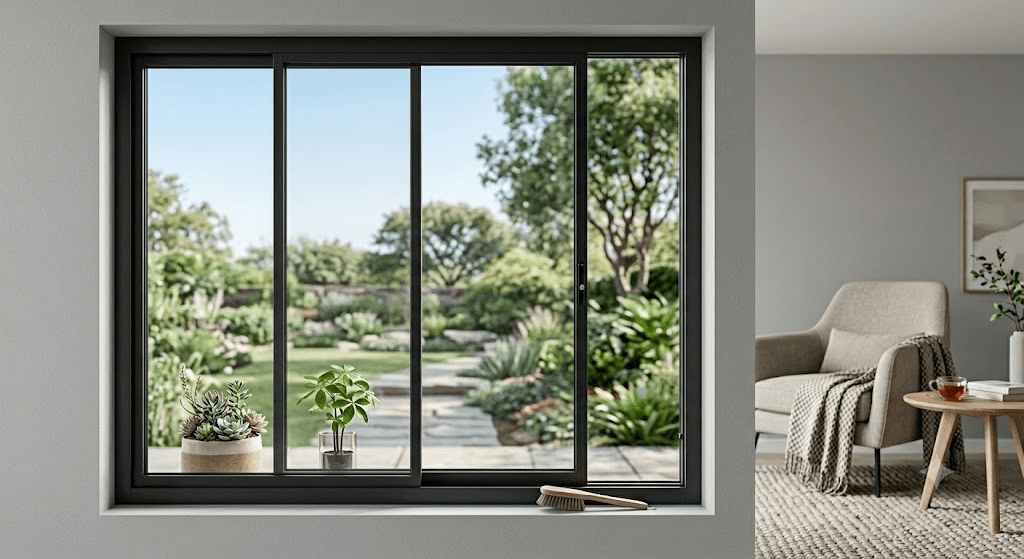
- Aplikasi Arsitektur: Seperti kusen jendela dan pagar. Permukaan yang halus merupakan keunggulan utamanya.
- Profil Kompleks: Bentuk-bentuk yang membutuhkan permukaan halus dan detail yang halus.
- Kualitas Anodisasi: Sangat cocok untuk produk yang membutuhkan lapisan berwarna.
Bagaimana ALLOYPRO Dapat Membantu Anda dalam Mengambil Keputusan
Di ALLOYPRO Aluminum, kami menyediakan profil aluminium berkualitas tinggi. Tim teknis kami siap memberikan saran ahli mengenai pemilihan aluminium 6061 versus 6063 berdasarkan gambar desain Anda. Kami menjamin keseimbangan optimal antara kinerja dan biaya.
Singkatnya, tidak ada bahan yang secara mutlak “lebih baik”. 6061 unggul dalam hal kekuatan, sedangkan 6063 unggul dalam hal hasil akhir.
Jika Anda memiliki pertanyaan mengenai aplikasi Anda, silakan hubungi kami untuk saran yang disesuaikan.
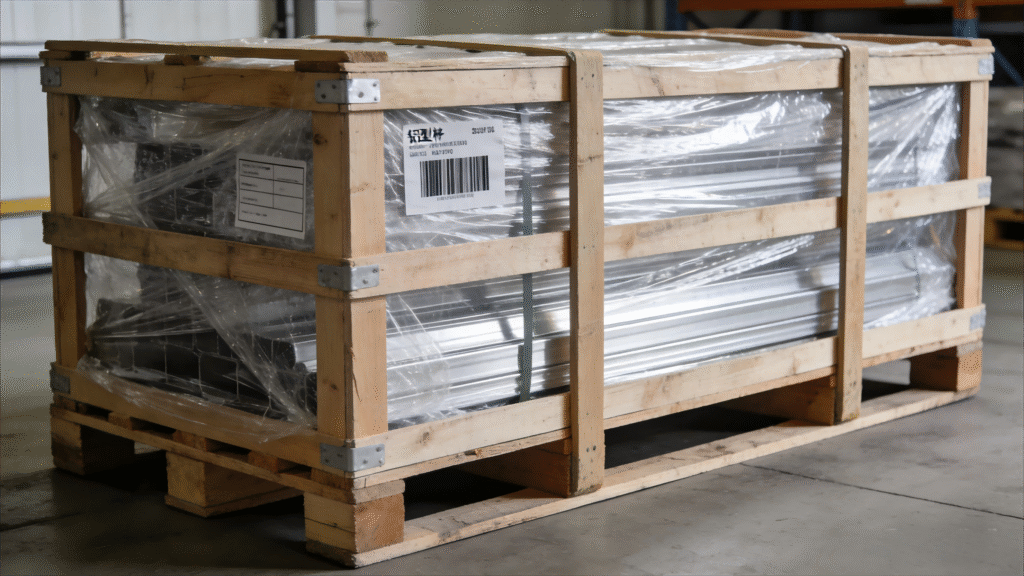
How to Protect Aluminum Profile Shipment: A Professional Guide
The Foundation: Cleaning to Protect Aluminum Profile Shipment
We start by ensuring every profile is clean. Residual oils or moisture can trap corrosive agents. Consequently, our process includes thorough degreasing followed by complete drying. This step creates the ideal surface. It allows all subsequent measures to Protect Aluminum Profile Shipment effectively.
Advanced Protection: VCI Technology
For long sea voyages, standard wrapping is insufficient. VCI (Vapor Corrosion Inhibitor) technology provides superior defense. We place special VCI papers within the bundles. These papers release a protective vapor. This forms an invisible shield over the metal. This method actively helps Protect Aluminum Profile Shipment against salt air and humidity.
Building the Shield: Robust Packaging
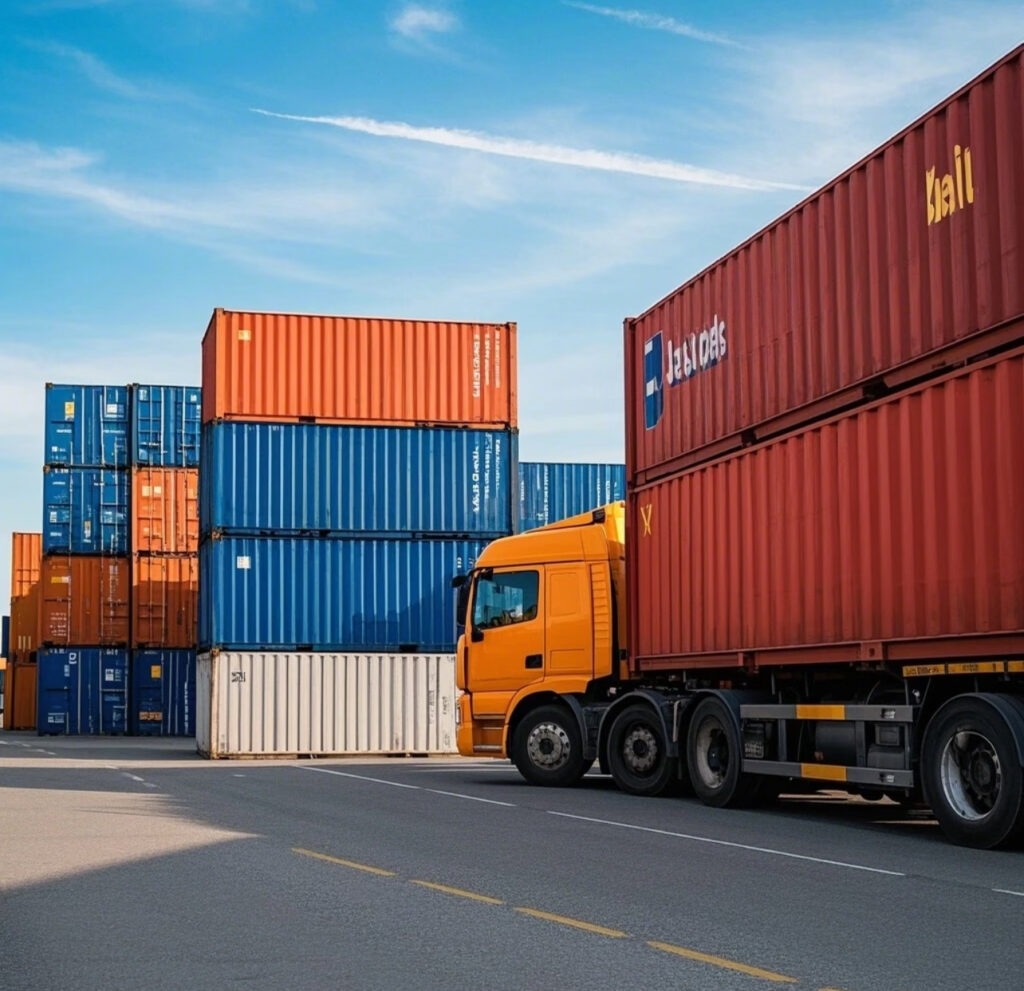
The external crate is the main defense. We use dry, sturdy timber to build frames that withstand stacking. Inside, profiles are secured to prevent movement. Additionally, we incorporate waterproof barriers to guard against rain. Clear labels like “Fragile” help Protect Aluminum Profile Shipment throughout the logistics chain.
Ensuring Lasting Quality: Storage Upon Arrival
Your actions upon receipt are crucial. Move packages to a dry, indoor area immediately. Keep the original packaging intact until use. For extended storage, ensure good ventilation. If you notice condensation, dry the surfaces promptly. This is vital to Protect Aluminum Profile Shipment from late-stage corrosion.
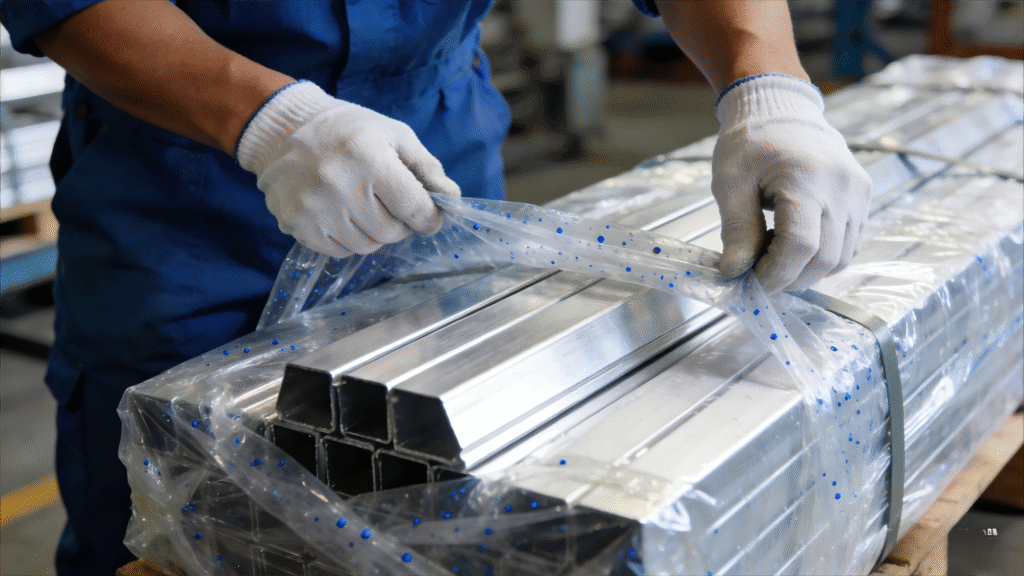
Kesimpulan
Investing in expert packaging is an investment in security. It prevents the hidden expenses of damage. At Aolaibo Aluminum, our integrated process ensures we Protect Aluminum Profile Shipment effectively. From meticulous cleaning to VCI protection, we ensure your profiles arrive ready for installation.