When you prioritize sourcing factory direct windows, you eliminate unnecessary markups. Middlemen often add distributor margins, local warehouse fees, and regional marketing expenses to the final price. By sourcing directly from a manufacturer like AlloyPro, you cut out these costs.
This approach ensures your budget is fully invested in high-performance materials. You get better hardware and superior glass specifications for the same investment. Additionally, this cost-efficiency provides more flexibility when managing the budget of large-scale residential or commercial developments.
Complete Control Over Quality Standards
Distributors often supply products from various sources, making quality consistency difficult to guarantee. In contrast, working with a manufacturer ensures a unified quality standard across your entire project.
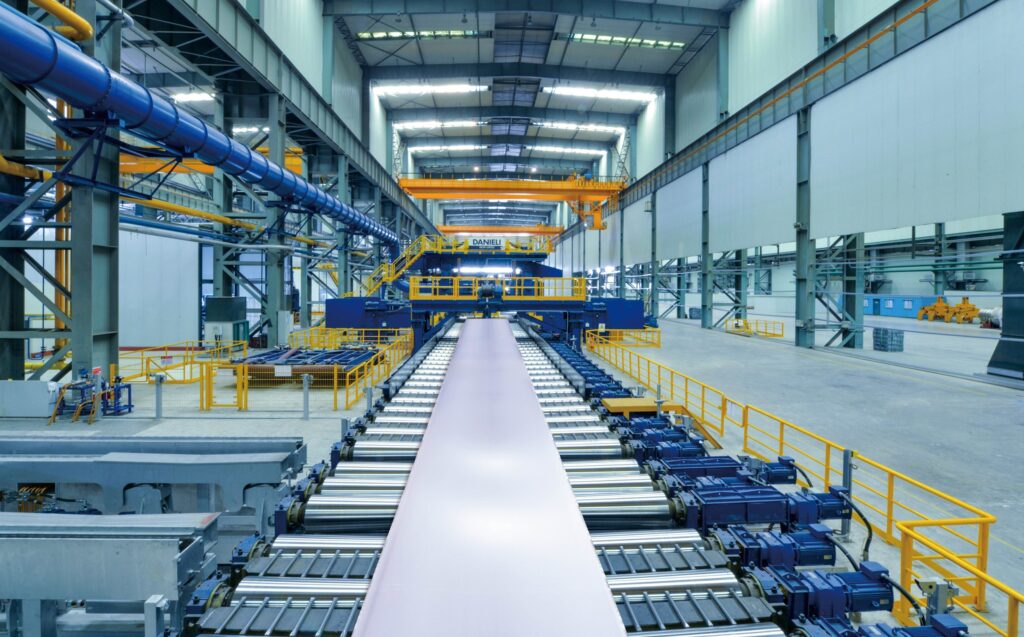
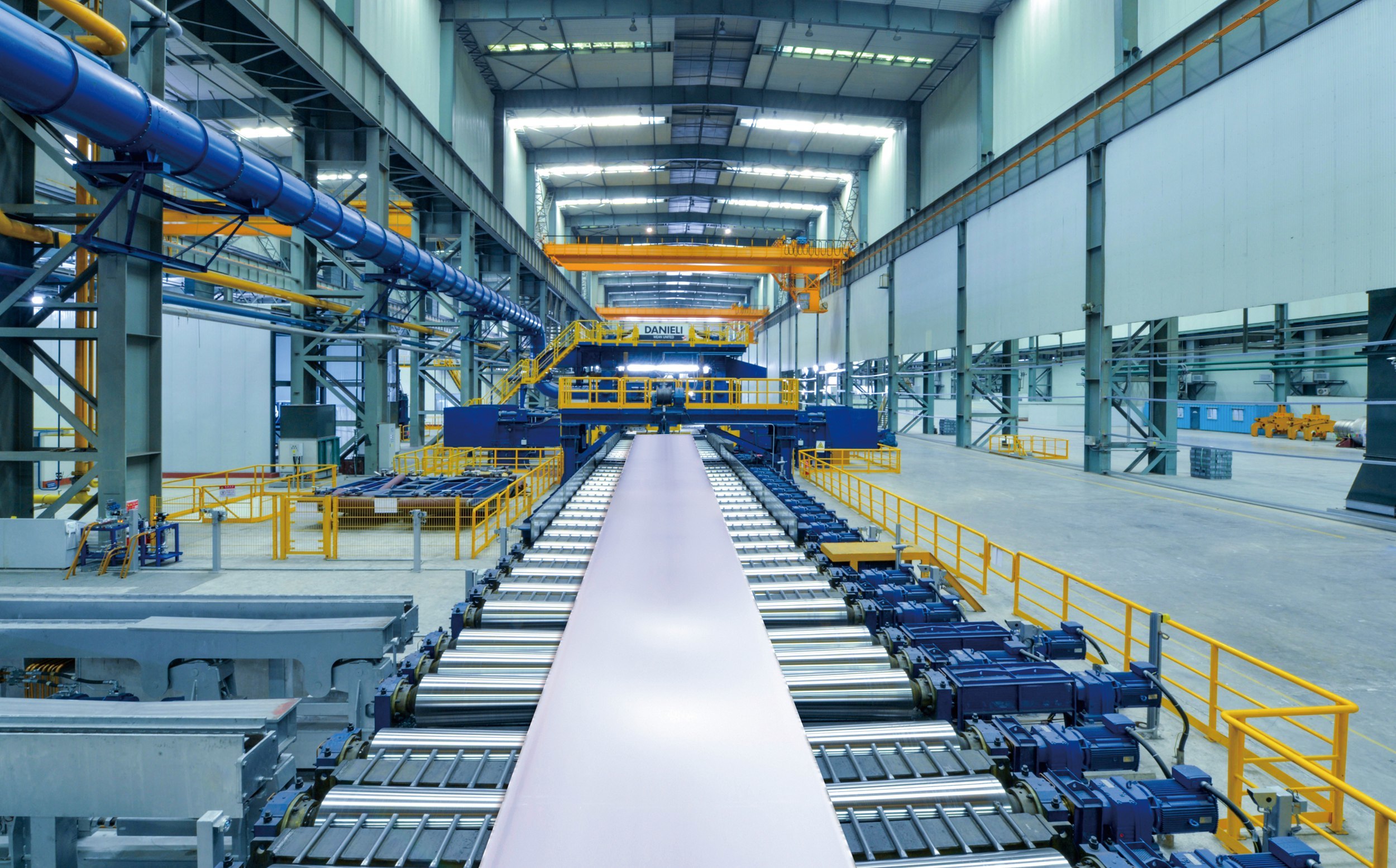
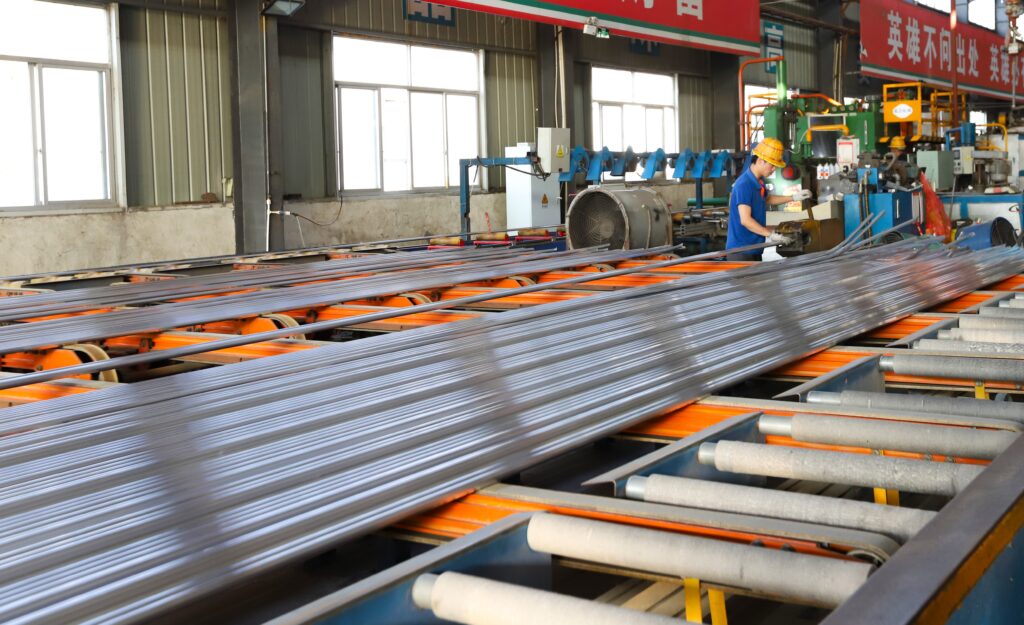
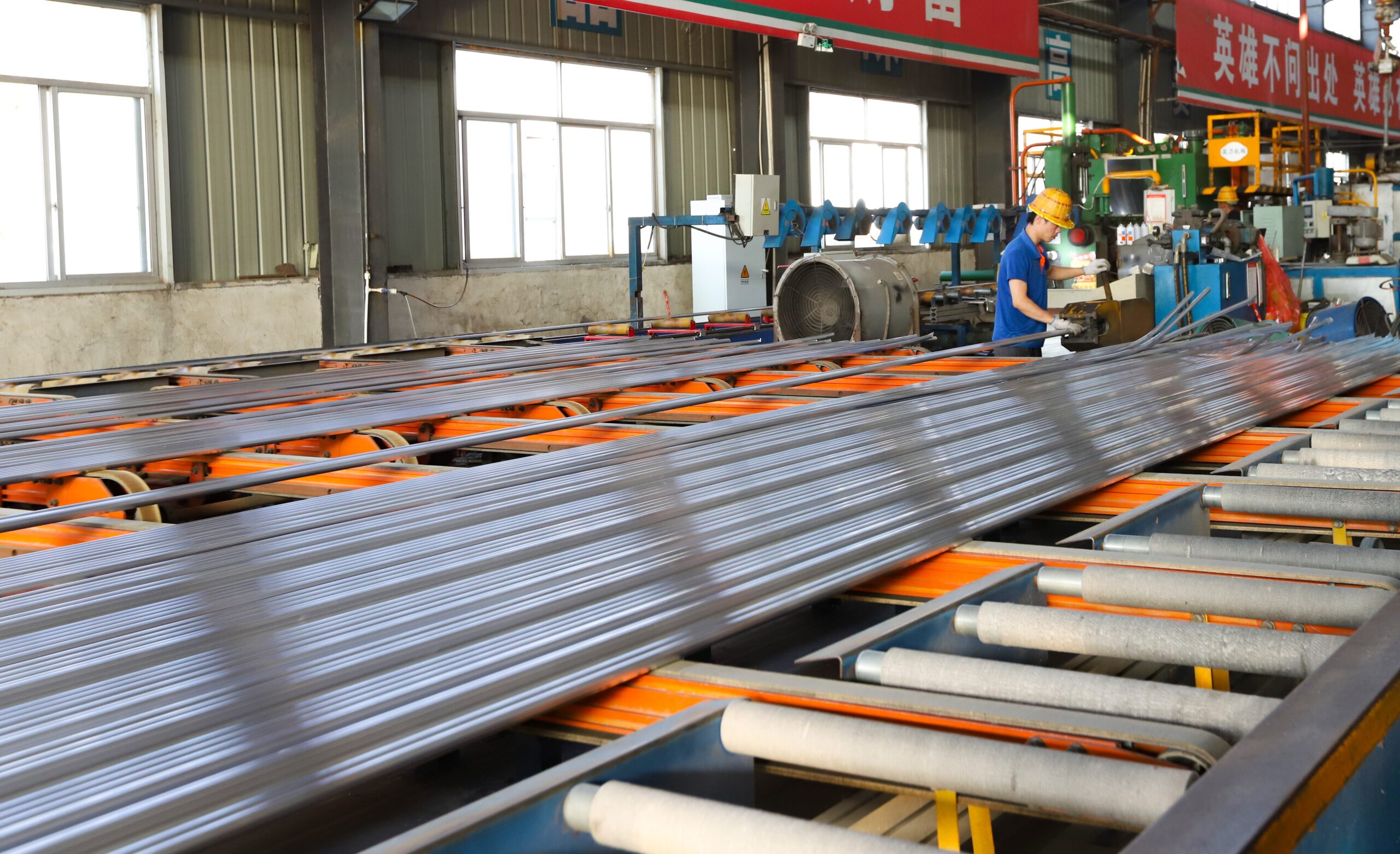
At AlloyPro, we manage every step of the production process—from aluminum extrusion to surface treatment and final assembly. Because we control the manufacturing, we can guarantee that every window and door meets your specific technical requirements. Furthermore, we provide detailed testing reports and material certifications, giving you peace of mind that your project will pass all necessary building inspections.
Direct Technical Communication and Support
Language barriers and slow communication are common fears when dealing with overseas suppliers. However, effective communication is the backbone of a successful direct partnership.
When you work directly with our export team, you speak with professionals who understand technical specifications. We review your architectural drawings and offer design improvements before production begins. This proactive approach prevents costly installation errors on-site. Furthermore, we provide professional packaging solutions tailored to international sea freight to ensure your products arrive in perfect condition.
Reliable Timelines and Project Management
Supply chain delays are the biggest enemy of construction schedules. Distributors often rely on inventory that might not meet your specific design needs, leading to long wait times or forced compromises.
Partnering with a factory means you have a dedicated production partner. We plan our manufacturing schedule according to your project deadlines. Additionally, we provide real-time updates on your order status. Because we handle our own logistics coordination, we minimize the risks of transit delays and ensure your components arrive precisely when your construction team is ready to install them.
A Partner, Not Just a Vendor
Choosing a professional partner for factory direct windows is an investment in your project’s future. At AlloyPro, we bring 16 years of manufacturing expertise to every project. We understand the specific demands of developers and architects.
If you are planning an upcoming development, we invite you to discuss your requirements with our export team. We are ready to provide the high-end, reliable, and cost-effective solutions your project deserves.
Contact our team today to get a quote and start your journey with AlloyPro.
Schuco leads the global market today. They are top experts in heat insulation. They make premium Aluminum Sliding Windows. These windows easily beat strict energy saving rules. Additionally, their strong hardware moves heavy glass smoothly.
2. Reynaers Aluminum Sliding Windows
Reynaers focuses on fresh design ideas. They build very slim Aluminum Sliding Windows. These frames give a clear, open view. Furthermore, their metal parts block bad weather perfectly. They fit modern luxury villas well.
3. YKK AP Aluminum Sliding Windows
YKK AP is a smart tech leader. They create strong Aluminum Sliding Windows for big buildings. They treat the metal to stop weather damage. In contrast to normal brands, they stop all water leaks reliably.
Best Commercial Aluminum Sliding Windows
4. Kawneer
Kawneer is a giant in huge projects. They build tough Aluminum Sliding Windows. These fit tall office buildings perfectly. Additionally, their fast setup systems save workers a lot of time on site.
5. Alumil
Alumil cares deeply about our green earth. They use recycled metal for their Aluminum Sliding Windows. This action cuts down carbon waste globally. Moreover, their elegant designs fit beautiful modern homes.
6. Cortizo
Cortizo makes very clean and simple living spaces. They design hidden Aluminum Sliding Windows. The frames hide inside the house walls completely. Therefore, builders pick them for a pure glass view.
Custom and Strong Aluminum Sliding Windows
7. Bradnam’s
Bradnam’s knows harsh weather very well. They make strong Aluminum Sliding Windows for the coast. These windows fight salt and rust easily. Additionally, they pass strict wind safety tests every time.
8. Vantage
Vantage gives buyers many custom choices. They offer special thermal break Aluminum Sliding Windows. You can change them to match your home style. Furthermore, their rollers make opening the glass very easy.
9. PGT Innovations
PGT only works on storm safety. They mix strong frames with tough safety glass. They use this to build safe Aluminum Sliding Windows. Consequently, these windows guard coastal houses from bad storms.
10. Stegbar
Stegbar mixes old styles with new sound tricks. They improve old homes with Aluminum Sliding Windows. These windows have great acoustic seals. Additionally, they block loud city street noise completely.
Finding a good factory is very important for success. Guangdong AlloyPro Co., Ltd. is a top B2B partner. We focus on high-end and simple building parts. We have 15 years of expert factory skills. Furthermore, our four smart factories cover 300,000 square meters.
We make custom thermal break doors and Aluminum Sliding Windows. We only use top 6063-T5 metal. Additionally, our goods hold proud AS2047 certificates. This means they block heat, water, and noise perfectly.
We check every step in our factory closely. We handle the raw metal and the final boxes. Visit alloypro.net today. See our strong factory power. Let us help your next big project win.
Factories love this metal. They can shape it with great ease. The advanced extrusion process creates very exact forms. Additionally, the special T5 cooling process adds huge strength to the metal. This high strength lets factories build thin, sleek frames. Therefore, you get a nice, clean look. Yet, the frame stays very safe and firm. In contrast to weaker metals, it securely holds heavy glass without bending.
Beautiful and Lasting Surface Finishes
Top buildings need to look great for decades. Luckily, this metal takes surface finishes very well. You can easily add powder coating or fine paint. These layers shield the metal from bad weather. Cheap metals rust and fade fast. However, this top metal stops rust completely. Your frames will look brand new for many years. Additionally, buyers can choose from many different colors to match their designs.
Smart Energy Savings for Buildings
Saving power is a big deal today. Builders pair this metal with new heat blocks. They put strong plastic strips inside the frames. These strips stop heat from moving through the metal. Hot air stays out in the summer. Warm air stays in during the winter. As a result, the building uses much less power for heating and cooling. Consequently, owners save a lot of money on their monthly energy bills.
Built for Tough Weather and Storms
Strong winds and bad storms destroy weak materials easily. This metal handles harsh weather conditions without any problems. It passes very strict global tests, like the AS/NZS rules. Despite this great strength, the metal is quite light. This makes it very easy to transport and install on job sites. When you pick this metal, your project will last a very long time. Furthermore, it requires almost zero maintenance over the years.
Perfect for Modern Minimalist Design
Modern homes and offices prefer big glass and thin frames. 6063 t5 aluminum makes this beautiful design possible. The frames stay hidden, and the glass looks huge. This design brings a lot of natural light inside the room. As a result, spaces look much bigger and brighter. Moreover, this clean style matches any new building perfectly.
Eco-Friendly and Completely Recyclable
Our world needs green and clean materials. This metal is completely safe for the earth. You can recycle it many times. It never loses its core strength during the recycling process. Therefore, builders reduce waste when they use it. Choosing this metal helps protect our environment for the future.
Work With Real Manufacturing Experts
The right metal makes your project a total success. 6063 t5 aluminum gives you great strength and lasting beauty. It also saves energy and stops bad weather. At AlloyPro, we make top solutions for your exact needs. We check every step to ensure top quality and safety. Contact our expert team today. We are ready to start your next big project.
Step 1 – Clean Frames for Better Aluminium Window Maintenance
Dirt builds up on frames over time. It can scratch the protective coating and expose the metal to moisture. That is why aluminium window maintenance always starts with cleaning.
Clean your frames every three months. Near the ocean or a busy road, clean them once a month. You need a soft cloth, warm water, mild dish soap, and a dry cloth. Avoid abrasive pads and strong chemicals like bleach.
Mix a few drops of soap with warm water. Wipe the frames gently from top to bottom. Rinse with clean water and wipe again. Dry completely with a soft cloth. Do not clean in direct sunlight – it leaves streaks. This simple cleaning routine is the foundation of good aluminium window maintenance.
Pro tip: Add a little isopropyl alcohol to the water for heavy dirt. Test on a hidden area first.
Step 2 – Lubricate Hinges as Part of Aluminium Window Maintenance
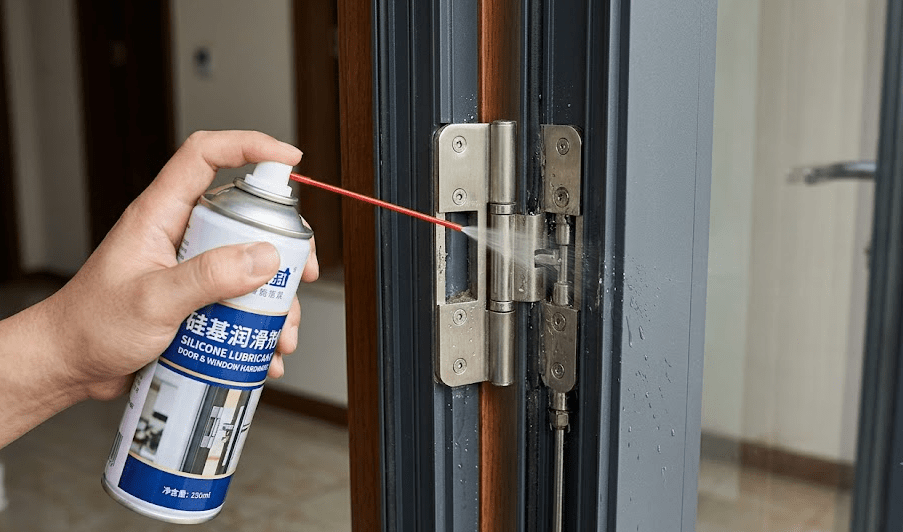
Hinges and rollers can become stiff over time. You may hear a squeak or feel resistance. Regular aluminium window maintenance includes proper lubrication.
Use silicone spray, not oil‑based products. Oil attracts dust; silicone repels it. Once a year, open the window fully. Spray a small amount on hinge pins, rollers, and locks. Close and open the window several times to spread the lubricant. Wipe away any excess with a dry cloth. A little goes a long way. For sliding doors, also lubricate the bottom rollers.
Adding this step to your yearly aluminium window maintenance routine keeps moving parts smooth and quiet.
Step 3 – Clear Tracks and Drainage Holes for Complete Aluminium Window Maintenance
Sliding windows and doors collect dust and debris in the bottom tracks. Clogged tracks make sliding difficult. Good aluminium window maintenance also requires clean tracks and drainage holes.
Check the small drainage holes (weep holes) in the bottom frame. They let rainwater escape. Blocked holes cause water to pool, leading to corrosion. Clean tracks twice a year. Use a vacuum with a brush attachment to remove loose dirt. Wipe tracks with a damp cloth. Clear each drainage hole with a thin brush or compressed air. Pour a little water into the track to ensure it flows out freely.
Clean tracks reduce friction and wear. Clear drainage holes prevent standing water – the biggest enemy of aluminium in coastal areas. This part of aluminium window maintenance takes only a few minutes but adds years to your windows.
Step 4 – Inspect Seals to Complete Your Aluminium Window Maintenance
Rubber seals around your windows keep out wind, rain, dust, and noise. They also save energy by stopping drafts. Inspecting these seals is a critical part of aluminium window maintenance.
Inspect seals once a year. Close the window and run your finger along the seal. Look for cracks, gaps, or hard rubber. If a seal is cracked or torn, replace it. You can buy universal weather stripping online. Pull out the old seal and press in the new one. If the seal is just dry, apply a silicone‑based rubber conditioner to restore flexibility.
Do not ignore damaged seals. A small gap lets in as much moisture as leaving the window slightly open. Replacing seals is cheap and easy. Include this inspection in your annual aluminium window maintenance schedule.
Step 5 – Consider Your Climate for Smart Aluminium Window Maintenance
Your local environment changes how often you need to perform aluminium window maintenance. A home in dry Arizona needs a different schedule than a beachfront villa in Florida.
Coastal areas – Rinse windows with fresh water every two weeks. Clean frames monthly. Check drainage holes often. Salt accelerates corrosion, so frequent aluminium window maintenance is essential.
Urban areas – Pollution leaves a sticky film. Clean windows every month. Pay extra attention to tracks.
Desert or dry climates – Dust and sand scratch moving parts. Clean tracks every two months. Lubricate hinges twice a year.
Cold climates – Ice can form in tracks. Never force a frozen window open. Apply silicone spray before winter. Check seals for cracks.
During construction – Cover windows with protective tape. Cement dust and paint are very hard to remove once dry.
Adjust your schedule based on your environment. This smart approach to aluminium window maintenance will double the life of your windows.
Conclusion – Follow These Steps for Reliable Aluminium Window Maintenance
Here are the five steps again:
Clean frames with mild soap (every 3 months, or monthly near the ocean).
Lubricate hinges with silicone spray (once a year).
Clear tracks and drainage holes (twice a year).
Inspect seals and replace damaged weather stripping (once a year).
Consider your climate and adjust frequency.
Aluminium window maintenance does not require special skills. A soft cloth, mild soap, silicone spray, and a small brush are enough. Spend 15 minutes on each window or door once or twice a year.
Your AlloyPro windows and doors are built to last. With this simple routine, they will stay smooth, quiet, and weather‑tight for 20 years or more. If you have questions, contact the AlloyPro team. We are here to help.
Ukur terlebih dahulu ukuran lubang kasar. Anda memerlukan celah selebar 10 hingga 15 milimeter di setiap sisi antara kusen dan dinding. Ruang ini diperlukan untuk penyesuaian, isolasi, dan ekspansi termal. Selain itu, bersihkan permukaan dinding. Debu, mortar yang lepas, dan tepi yang tidak rata dapat menghalangi penyegelan yang baik. Siapkan semua bahan sebelum memulai—bingkai, pengencang, shim, busa, dan sealant. Kehilangan satu barang di tengah pekerjaan akan menyebabkan pemotongan jalan pintas dan kesalahan.
Langkah Pertama: Ratakan dan Pasang Penyangga
Letakkan kusen ke dalam bukaan. Gunakan selembar plastik di bawah ambang jendela dan di sepanjang sisi-sisinya untuk meratakannya. Periksa keselarasan horizontal pada ambang jendela. Periksa keselarasan vertikal pada kedua tiang jendela. Ukur diagonal—keduanya harus sama persis. Jika berbeda, daun jendela tidak akan pernah beroperasi dengan lancar. Kerangka yang melenceng hanya beberapa milimeter saat ini akan menimbulkan celah yang terlihat nanti. Ini adalah salah satu kesalahan paling umum yang harus dihindari selama pemasangan jendela aluminium.
Langkah Kedua: Pasang rangka
Kencangkan rangka menggunakan sekrup yang sesuai dengan jenis dinding Anda. Gunakan baut ekspansi untuk beton, sekrup kayu untuk kayu, dan sekrup bor otomatis untuk baja. Pasang sekrup pengikat dengan jarak tidak lebih dari 600 milimeter, dengan satu sekrup berada dalam jarak 150 milimeter dari setiap sudut. Kencangkan secara bertahap dan periksa kembali kemiringannya setelah memasang beberapa pengencang. Pengencangan yang tidak merata dapat membuat profil aluminium melengkung dan merusak hasil penyelarasan yang telah Anda lakukan sebelumnya.
Langkah Ketiga: Tutup Celah-celahnya
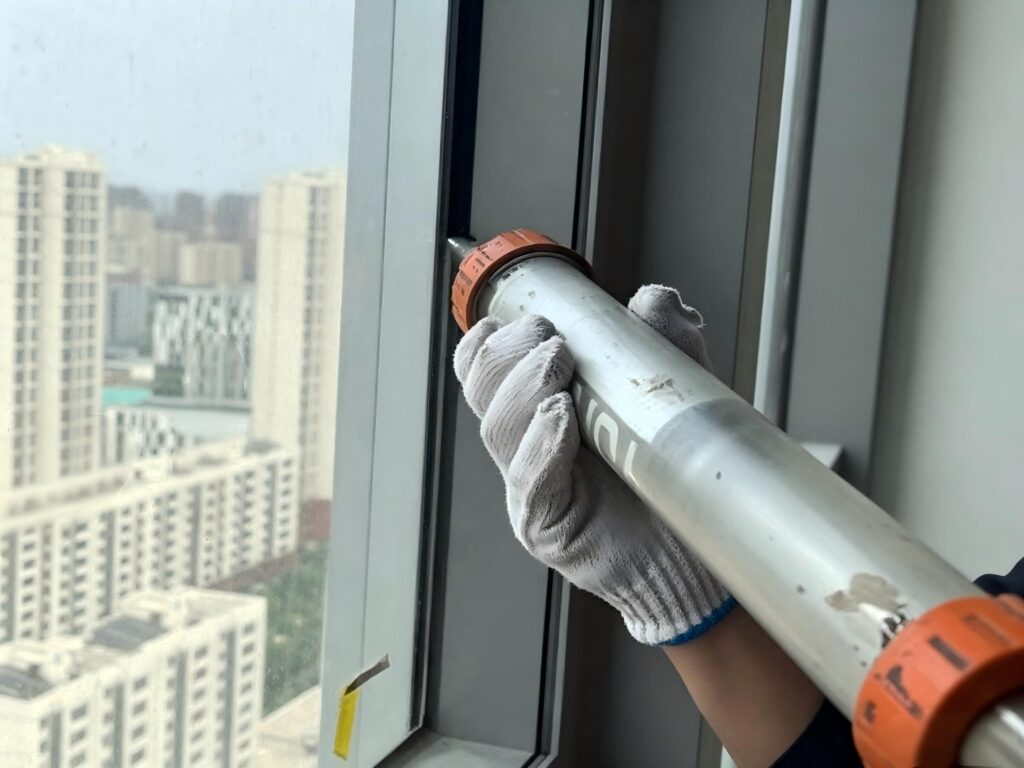
Isi celah antara bingkai dan dinding dengan busa poliuretan berdaya ekspansi rendah. Aplikasikan secara berlapis dan isi hanya hingga dua pertiga kapasitasnya—busa ini akan mengembang saat mengeras. Setelah mengeras, potong bagian yang berlebih. Kemudian, aplikasikan lapisan sealant khusus eksterior secara merata di sekeliling tepi luar. Setiap celah atau lubang kecil pada lapisan ini akan memungkinkan air masuk dan menyebabkan kebocoran udara. Di sisi dalam, tutup atau rapikan bagian atas busa untuk hasil akhir yang rapi. Penyegelan yang tepat adalah hal yang membedakan pemasangan jendela aluminium yang tahan lama dengan yang gagal dalam hitungan bulan.
Langkah Keempat: Pasang Kaca dan Bingkai Jendela
Pasang panel kaca pada rel kaca dengan menggunakan blok penyangga di bagian bawah. Jangan biarkan kaca bersentuhan langsung dengan aluminium. Hal ini dapat menimbulkan titik-titik tekanan yang berpotensi menyebabkan panel retak akibat tegangan termal. Kencangkan rel kaca secara merata tanpa mengencangkannya terlalu kuat. Kemudian pasang daun jendela dan uji masing-masing. Buka, tutup, dan kunci setiap panel. Gerakannya harus terasa lancar, tanpa tersangkut atau bergesekan. Jika ada yang tersangkut, periksa kembali apakah bingkai Anda sudah tegak lurus dan rata.
Langkah Kelima: Pemeriksaan Akhir
Periksa setiap bagian yang bergerak—pegangan, kunci, engsel, dan rol. Usap seluruh segel dengan tangan Anda untuk mendeteksi adanya angin yang masuk. Bersihkan saluran drainase pada ambang jendela bagian luar agar air dapat mengalir keluar. Saluran drainase yang tersumbat menahan kelembapan di dalam profil dan menyebabkan kerusakan jangka panjang. Terakhir, bersihkan kaca dan bingkai untuk mendeteksi goresan atau cacat sebelum Anda menyatakan pekerjaan selesai.
Masalah Umum yang Perlu Diwaspadai
Jika daun jendela macet atau sulit digeser, kemungkinan besar bingkai jendela tidak sejajar. Periksa kembali pengukuran diagonal Anda dan sesuaikan bantalan penyangga. Jika Anda merasakan angin masuk di sekitar tepi, kemungkinan ada celah pada lapisan sealant. Lepaskan sealant tersebut dan aplikasikan lapisan sealant baru yang merata. Jika air menggenang di ambang jendela bagian dalam, periksa apakah busa atau kotoran telah menyumbat lubang drainase pada bingkai luar. Setiap masalah umum ini berakar pada langkah yang terlewatkan pada tahap awal proses pemasangan jendela aluminium.
Mengapa Kualitas Pemasangan Itu Penting
Jendela aluminium berkinerja tinggi hanya akan memberikan hasil optimal jika dipasang dengan benar. Kebocoran udara dan kerusakan akibat air dapat terjadi bahkan pada rangka dengan sistem pemisah termal terbaik sekalipun jika penyegelannya tidak memadai. Luangkan waktu Anda untuk memastikan pemasangan yang rata dan penyegelan yang baik. Di AlloyPro, sistem kami memenuhi standar termal dan struktural yang ketat, namun kualitas pemasanganlah yang pada akhirnya menentukan seberapa baik kinerjanya di bangunan Anda.
Memahami standar manufaktur asing dapat menjadi tantangan bagi setiap manajer proyek. Untuk melindungi investasi Anda dan lolos inspeksi bangunan setempat, Anda harus tahu persis hal-hal apa saja yang perlu diverifikasi. Selain itu, memilih pemasok yang memahami kepatuhan internasional dapat menghemat waktu dan biaya. Panduan lengkap ini menguraikan lima standar penting yang harus Anda periksa sebelum menandatangani kontrak pengadaan untuk jendela tahan badai.
1. Memverifikasi Beban Angin Wajib dan Sertifikasi Dampak
Pasar internasional tidak berkompromi dalam hal keamanan struktural. Sebagai contoh, pasar Australia menerapkan standar AS2047 untuk jendela dan pintu dengan ketat. Standar ini mengatur ketahanan terhadap beban angin yang kuat serta ketahanan terhadap rembesan air. Sebaliknya, wilayah Amerika Utara mewajibkan sertifikasi khusus seperti Florida Product Approval atau peringkat NFRC.
Anda sebaiknya selalu meminta laporan uji resmi dari pihak ketiga kepada produsen Anda. Pemasok yang terpercaya menguji struktur profil mereka di bawah tekanan ekstrem untuk mensimulasikan kondisi badai yang sesungguhnya. Oleh karena itu, memeriksa sertifikasi-sertifikasi ini terlebih dahulu memastikan bahwa barang impor Anda dapat masuk ke negara tujuan secara sah. Hal ini juga menjamin bahwa jendela tahan badai Anda akan melindungi bangunan selama badai kategori 5.
2. Periksa Ketebalan dan Kualitas Profil Paduan Aluminium
Kekuatan struktural jendela tahan badai kelas berat sangat bergantung pada bahan aluminium mentahnya. Sistem kelas atas umumnya menggunakan profil aluminium arsitektural berkualitas tinggi. Anda sebaiknya memilih profil dengan kelas struktural seperti 6063-T5 atau 6061-T6. Selain itu, rangka jendela kelas berat memerlukan dinding profil yang lebih tebal dibandingkan dengan bukaan jendela perumahan standar.
Produk standar umumnya menggunakan profil dengan ketebalan 1,4 mm. Namun, jendela tahan badai kelas komersial yang sesungguhnya meningkatkan ketebalan ini menjadi 2,0 mm atau bahkan 3,0 mm. Ketebalan tambahan ini mencegah rangka melengkung akibat tekanan angin yang kencang. Profil ekstrusi aluminium yang tebal juga memberikan fondasi yang kokoh untuk unit kaca laminasi yang berat.
3. Periksa Standar Kaca dan Kualitas Lapisan Antara
Jendela tahan badai kelas premium tidak hanya mengandalkan kaca tempered standar. Sebaliknya, jendela ini dilengkapi dengan struktur kaca laminasi khusus yang memenuhi standar kaca internasional yang ketat. Konfigurasi ini menempatkan lapisan polimer yang kokoh di antara dua lembar kaca. Jika benda terbang menghantam jendela, kaca akan retak namun tetap menempel erat pada lapisan tersebut.
Anda harus memeriksa ketebalan kaca dan lapisan pemisah. Konfigurasi standar mencakup kaca laminasi tebal yang dipadukan dengan lapisan tengah PVB atau SGP yang andal. Lapisan tengah SGP menawarkan ketahanan sobek hingga lima kali lipat dibandingkan PVB standar. Oleh karena itu, proyek-proyek di daerah pesisir yang menghadapi topan ekstrem akan sangat diuntungkan dengan memilih spesifikasi SGP yang lebih kuat untuk jendela tahan badai mereka.
4. Mengevaluasi Ketahanan Terhadap Korosi dan Perawatan Permukaan
Lingkungan pesisir membuat kusen jendela terus-menerus terpapar semprotan garam dan kelembapan tinggi. Lingkungan seperti ini dapat menyebabkan korosi yang cepat jika aluminium tidak dilindungi dengan baik. Oleh karena itu, Anda harus menentukan perawatan permukaan berkinerja tinggi sejak tahap pemesanan agar mendapatkan nilai jangka panjang yang optimal.
Produsen terkemuka menawarkan lapisan khusus seperti PVDF (fluorokarbon) atau lapisan bubuk arsitektural berkualitas tinggi. Lapisan PVDF sangat tahan terhadap radiasi UV dan degradasi akibat garam. Sebaliknya, lapisan bubuk standar mungkin akan memudar atau mengelupas dalam beberapa tahun jika berada di dekat laut. Pastikan pemasok Anda mematuhi standar internasional untuk menjamin ketahanan lapisan selama puluhan tahun.
5. Menilai Kinerja Termal dan Ketahanan Perangkat Keras
Sistem jendela tahan badai yang benar-benar modern tidak hanya mampu menahan angin. Sistem ini juga meningkatkan efisiensi energi bangunan. Sistem berkinerja tinggi memanfaatkan teknologi pemisah termal multi-ruang. Desain ini menempatkan strip poliamida isolasi di dalam profil aluminium, yang secara drastis mengurangi perpindahan panas ke dalam bangunan.
Selain itu, kaca tahan benturan memberikan beban tambahan pada perlengkapan jendela. Engsel dan kunci standar cepat rusak akibat beban ini. Anda sebaiknya memilih sistem perlengkapan berbahan baja tahan karat yang kokoh. Titik penguncian yang andal di sekeliling bingkai memastikan daun jendela tetap tertutup rapat pada segel cuaca selama badai berkepanjangan.
Kesimpulan: Dapatkan Penawaran Harga Pabrik Khusus dari Mitra Terpercaya
Mengimpor bahan bangunan dari Tiongkok dapat mengoptimalkan anggaran proyek Anda secara efektif. Namun, keberhasilan hal ini bergantung pada pemeriksaan kepatuhan yang cermat. Dengan memverifikasi sertifikasi, ketebalan profil, standar kaca, lapisan pelindung, dan perlengkapan, Anda dapat menghindari risiko yang dapat menimbulkan biaya besar.
Bekerja sama dengan produsen yang berpengalaman dan mematuhi peraturan seperti AlloyPro memastikan bangunan Anda tetap aman, hemat energi, dan sepenuhnya sesuai dengan standar bangunan internasional. Tim kami mengkhususkan diri dalam merancang produk arsitektur berkualitas tinggi yang memenuhi standar internasional tersebut. Hubungi kami hari ini untuk mendiskusikan kebutuhan proyek Anda dan dapatkan penawaran harga khusus dari pabrik untuk jendela tahan badai berkualitas premium.
The market shows a massive shift toward green building materials. Buyers actively demand high-quality thermal break systems to save energy. Strict global building codes require much better insulation. Markets like Australia demand strict AS2047 standard testing for all architectural windows. Standard commercial products show slow market growth in comparison.
Factories making premium custom profiles lead the aluminum extrusion market today. Fast production and stable quality matter greatly to professional builders. Long shipping times force developers to plan their orders early. You must partner with modern manufacturers to stay competitive.
Optimize Sourcing Costs in the Aluminum Extrusion Market
How do you get the best materials for your projects? You must look beyond the basic price tag. Evaluate the total value of the architectural profiles instead. A slightly higher starting cost saves big money later. High-quality surface coatings actively reduce future repair costs.
You should choose a factory with a complete production line. Direct factories control product quality much better than trading companies. They also meet tight construction deadlines consistently. Pre-assembled systems drastically cut down your local labor costs. This approach speeds up your onsite building work and improves efficiency.
Surface Treatments and Durability
Commercial profiles face harsh weather conditions every single day. You need the right surface treatments for your architectural doors. Coastal projects need strong powder coating or anodized finishes. These special finishes stop rust and keep the metal looking brand new.
Your buildings maintain their high-end look for many years. Your long-term property maintenance costs drop significantly as a result. Choosing the right finish protects your entire project investment.
Import Premium Profiles from China
You need a highly reliable long-term partner for your business. A top supplier provides clear communication and strong technical support. They fully understand global rules like the AS2047 standard. When you import premium profiles from China, always check the factory equipment. You should review their past project cases carefully. Always ask for clear test reports on wind load and water penetration.
AlloyPro solves these exact B2B sourcing problems. We optimize our factory lines to deliver profiles on time. Our skilled team works closely with your project engineers. We build custom profiles to fit your exact building designs.
Why Builders Need Hurricane Impact Rated Doors and Windows
Engineers prefer aluminum for high-wind regions for several reasons. First, aluminum possesses an exceptional strength-to-weight ratio. This metal resists warping and twisting under immense structural load. Additionally, manufacturers can extrude aluminum into complex architectural profiles with internal reinforcement web designs.
In contrast, materials like wood or vinyl often flex too much under extreme pressure. Certified hurricane impact rated doors and windows maintain their structural integrity over decades of service. Furthermore, advanced surface treatments protect these profiles from harsh marine environments. Modern coatings prevent salt spray corrosion, which keeps your structural components safe and beautiful for years.
Selecting the Right Alloy for Hurricane Impact Rated Doors
Not all aluminum profiles provide the same performance. For hurricane zones, you must look closely at the material specifications. Manufacturers widely use 6063 aluminum alloy for commercial architectural systems. However, the temper specification makes a massive difference in actual yield strength when engineering hurricane impact rated doors.
We highly recommend specifying 6063-T6 aluminum instead of standard 6063-T5. The T6 temper undergoes a rigorous artificial aging process. This treatment increases the tensile strength and hardness of the metal significantly. Consequently, 6063-T6 profiles endure much higher wind load pressures without permanent deformation, ensuring maximum safety during a storm.
The Material Standards of Hurricane Impact Rated Doors
A strong frame requires equally tough glass to ensure full protection. Standard glass shatters immediately when airborne debris strikes it during a storm. For this reason, high-wind regions require specialized impact-resistant laminated glass systems to complement hurricane impact rated doors.
Laminated glass consists of two layers of glass bonded together by a tough plastic interlayer, usually Polyvinyl Butyral (PVB) or SentryGlas Plus (SGP). When flying debris hits the window, the outer glass may crack, but the interlayer holds the fragments together. Therefore, the building envelope remains sealed, preventing destructive winds from entering the interior space.
Balancing Storm Protection with Thermal Efficiency
Extreme weather involves more than just powerful winds. Coastal regions often experience intense solar heat and high humidity. Property owners want storm safety, but they also demand lower energy bills. Fortunately, modern aluminum engineering solves both problems simultaneously.
You should choose aluminum systems that incorporate advanced thermal break technology. Thermal break systems insert a reinforced polyamide bar between the interior and exterior aluminum profiles. This structure breaks the path of heat conduction. As a result, the windows block outdoor heat during summer and retain cool indoor air, reducing air conditioning costs significantly.
Testing Certifications for Hurricane Impact Rated Doors
How do you verify that a window or door can actually withstand a hurricane? You must check the official testing certifications of the product. Reliable manufacturers test their window and door systems in certified laboratories using dynamic pressure simulations.
Look for products that meet international design pressure (DP) ratings or specific wind zone standards, such as the Miami-Dade County compliance or Australian wind load standards. Premium hurricane impact rated doors undergo rigorous air infiltration, water resistance, and structural load testing. Always ask your supplier for verified test reports before finalizing any large commercial or residential purchase.
Conclusion and Sourcing Recommendations
Protecting a coastal building requires careful planning and premium materials. High-strength 6063-T6 aluminum frames, impact-resistant laminated glass, and reliable thermal break designs provide the ultimate defense against severe storms. Investing in certified structural windows secures your property and ensures long-term peace of mind.
AlloyPro Aluminum specializes in engineering high-performance architectural systems. If you want to protect your coastal building, you can find heavy duty aluminum profiles for hurricane impact rated doors from a top certified factory at the best wholesale prices now. Visit alloypro.net today to browse our certified architectural systems, download technical catalogs, or consult our engineering team for your next coastal project.
However, the global market offers different materials for these crucial thermal barriers. The two most common choices are PA66 nylon and PVC plastics. Choosing the wrong material can lead to structural failure and poor insulation over time. At Guangdong AlloyPro Aluminum Co., Ltd., we prioritize quality and long-term safety. Therefore, we always implement premium material choices for our thermal break aluminum extrusion profiles. This guide explains the core buying secrets and reveals why PA66 nylon outperforms PVC in every category.
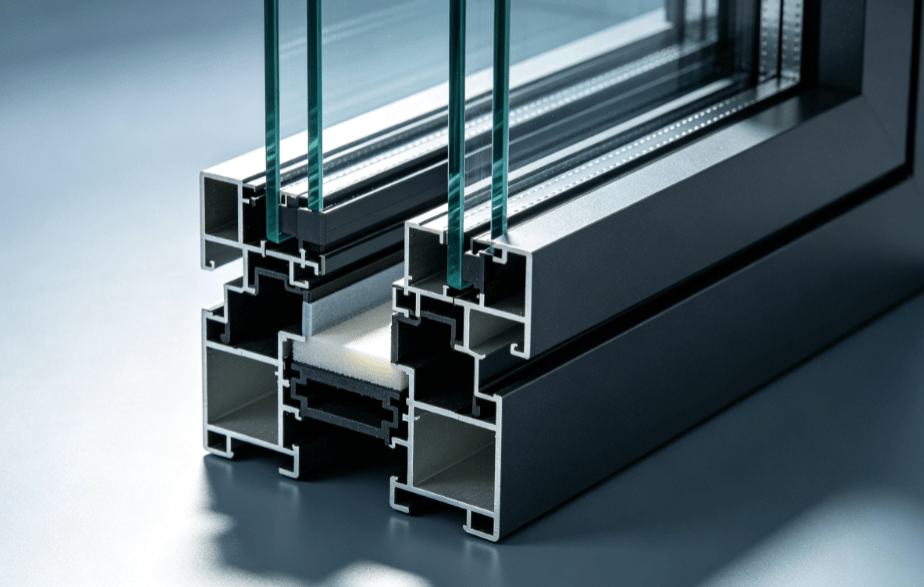
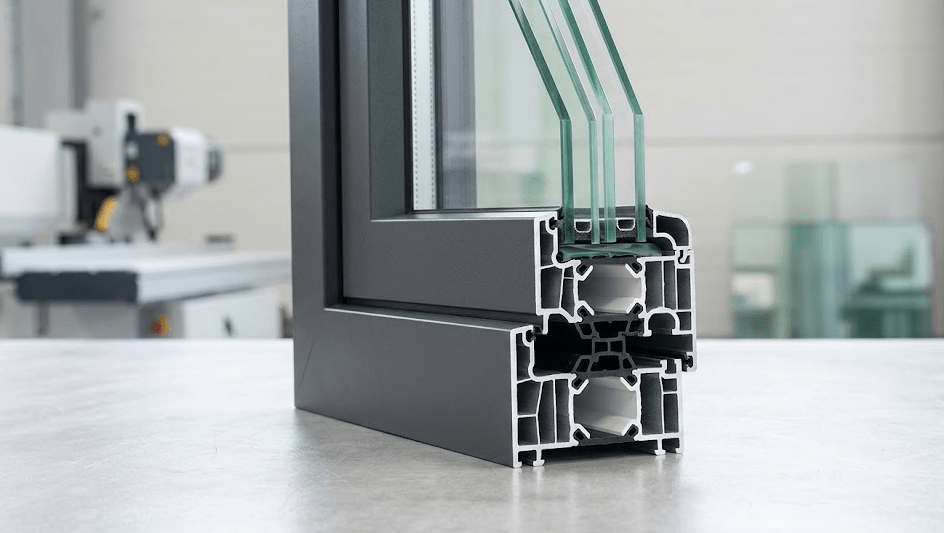
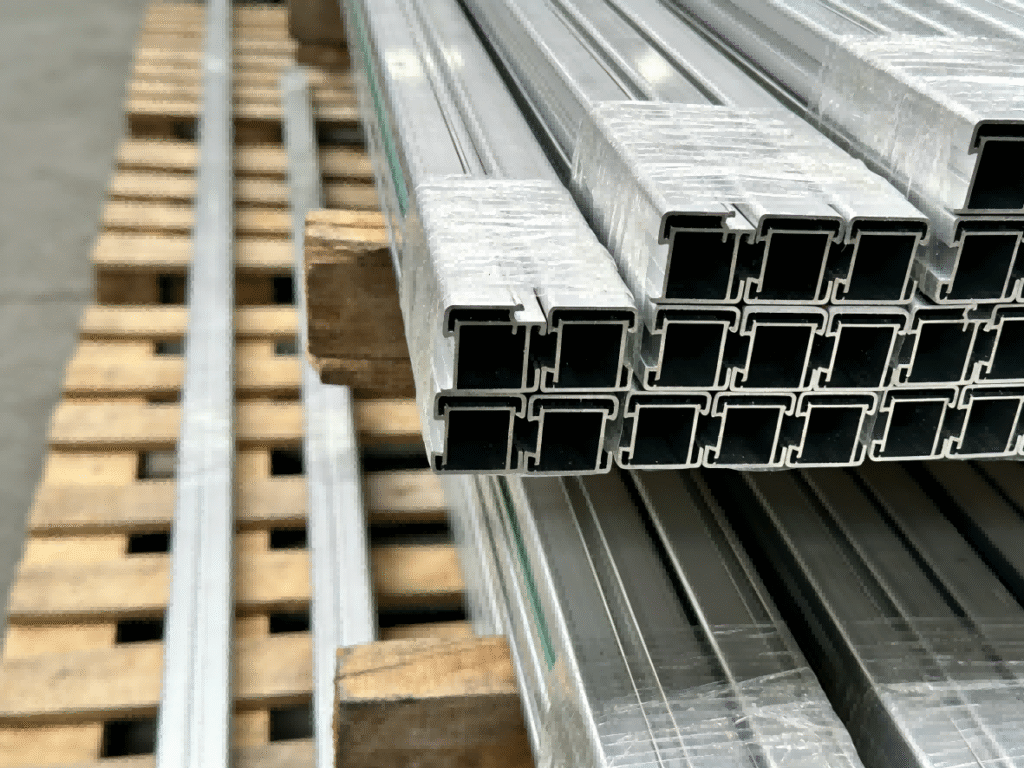
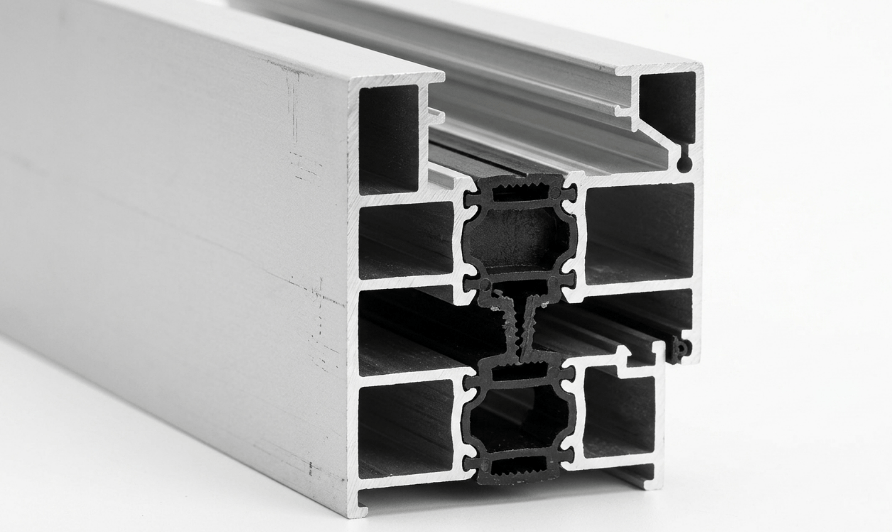
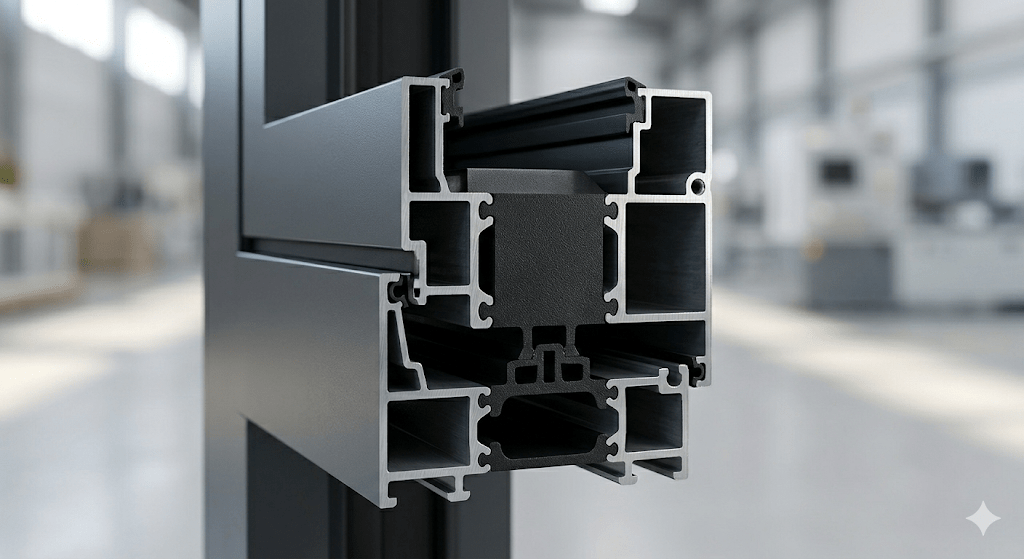
To secure your architectural investment, you must understand how premium manufacturers produce these systems. Thermal break aluminum extrusion requires a precise mechanical crimping process. Manufacturers insert a non-conductive insulation strip into extruded aluminum slots and roll the metal tightly around it. This process creates a rigid, unified profile that handles wind pressure, thermal movement, and structural weight efficiently.
Additionally, the composition of the insulation strip matches the physical traits of aluminum exceptionally well. At AlloyPro, we mix our PA66 polyamide nylon with 25% glass fiber. This specific formulation reinforces the material, making it stronger and stiffer. As a result, our structural thermal break aluminum extrusion profiles can withstand immense mechanical loads while maintaining extremely low thermal conductivity for large-scale buildings.
The Performance Gap: PA66 Nylon Versus PVC
Many budget-driven projects still consider Polyvinyl Chloride (PVC) strips to lower initial costs. However, PVC is a basic plastic that lacks the strength and heat resistance required for heavy-duty construction. The performance gap between these two materials affects the structural lifespan of your building envelopes.
1. Thermal Expansion and Structural Stability
Buildings experience extreme temperature changes between day and night, as well as summer and winter. Aluminum expands and contracts with these changes. Therefore, the thermal barrier must expand at the exact same rate. High-grade thermal break aluminum extrusion systems use PA66 nylon because it shares a nearly identical linear expansion coefficient with aluminum alloy. When the temperature spikes, the metal and the nylon strip move together harmoniously.
In contrast, PVC has a much higher rate of thermal expansion than aluminum alloy. When exposed to hot sunlight, PVC expands much faster than the surrounding metal. This mismatched movement creates huge internal stresses. Over time, the PVC strip will loosen, warp, or crack. Once the barrier separates, your structural thermal break aluminum extrusion frame loses its integrity and safety.
2. High-Temperature Resistance and Surface Treatment
During fabrication, finished aluminum profiles often undergo powder coating or anodizing processes. These surface treatments require baking oven temperatures above 200°C. PA66 nylon easily withstands these temperatures without losing its shape or strength. This high heat tolerance allows factories to extrude, assemble, and treat your thermal break aluminum extrusion orders smoothly.
On the other hand, PVC softens at much lower temperatures. It begins to degrade and deform around 80°C. This means you cannot put assembled PVC profiles through high-temperature powder coating lines. Furthermore, intense summer heat on dark-colored aluminum frames can reach temperatures close to the softening point of PVC, causing the frame to sag or bend under load.
3. Mechanical Strength and Long-Term Lifespan
Windows and doors must resist heavy wind loads and support the weight of heavy double or triple-pane glass. The thermal barrier acts as a structural link that transfers these forces. Thanks to the 25% glass fiber reinforcement, the PA66 nylon used in thermal break aluminum extrusion boasts high tensile strength. It resists pulling, bending, and shearing forces for decades without stretching or snapping.
Furthermore, PVC suffers from rapid aging when exposed to ultraviolet (UV) rays and outdoor air. It becomes brittle within a few years. When PVC turns brittle, it can snap under sudden wind gusts. In contrast, high-quality polyamide strips resist UV degradation and chemical corrosion perfectly. They match the lifespan of the aluminum frame itself, ensuring your project stays safe for over 30 years.
Comparing the Core Technical Metrics
To make a smart decision, you must understand the exact technical numbers of both materials. First, let us look at tensile strength. Premium thermal break aluminum extrusion features a high tensile strength above 120 MPa, which easily withstands heavy structural loads. In contrast, standard PVC drops below 50 MPa, making it prone to snapping under wind pressure.
Second, we must evaluate heat tolerance and aging. High-quality PA66 nylon withstands temperatures up to 220°C and matches the 30-year lifespan of aluminum frames. Conversely, PVC softens at just 80°C and degrades within three to five years. Finally, PA66 nylon offers excellent expansion matching with metal, while PVC fails to expand at the same rate, leading to early separation. These metrics prove why engineering experts reject PVC entirely.
Conclusion: Protect Your Investment with AlloyPro
In conclusion, saving money on cheap PVC insulation strips creates massive risks for your project. The minor upfront savings lead to high maintenance costs, air leaks, and potential structural failures later. Choosing a certified thermal break aluminum extrusion supplier ensures optimal thermal insulation, lower energy bills, and absolute structural safety. Your windows and doors will keep their shape and protect your building regardless of the weather outside.
Guangdong AlloyPro Aluminum Co., Ltd. specializes in manufacturing high-performance, precision-engineered aluminum profiles. We strictly select premium PA66 nylon insulation strips for our thermal break aluminum extrusion processes to meet international engineering standards. We help global clients build smarter, safer, and more sustainable structures. Visit our official website at alloypro.net to explore our advanced solutions and request a custom quote for your next project.