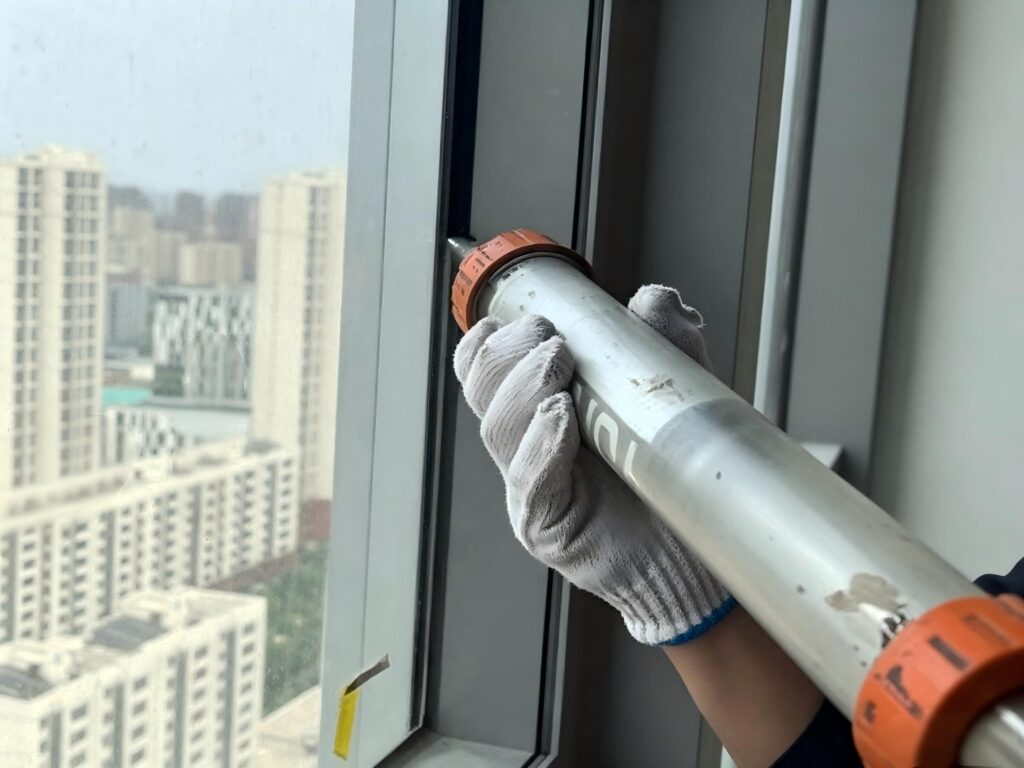
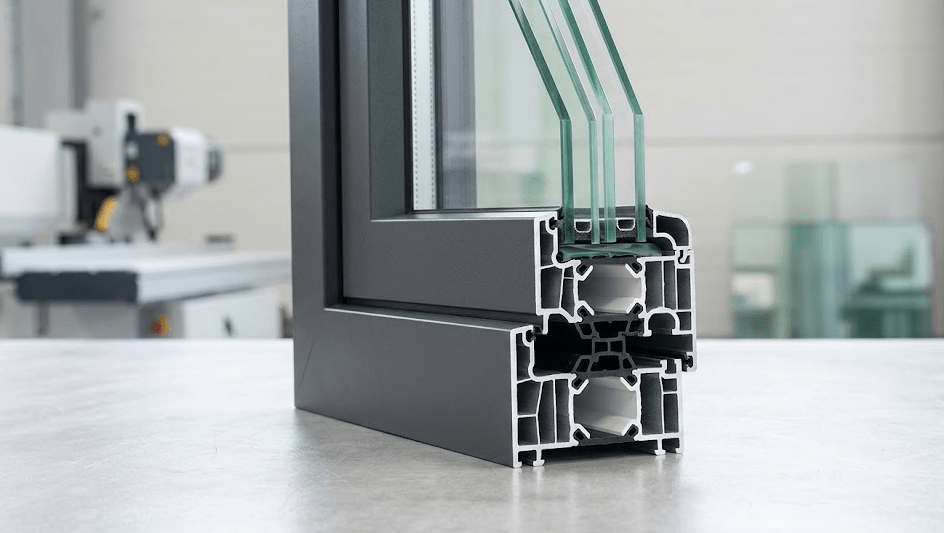
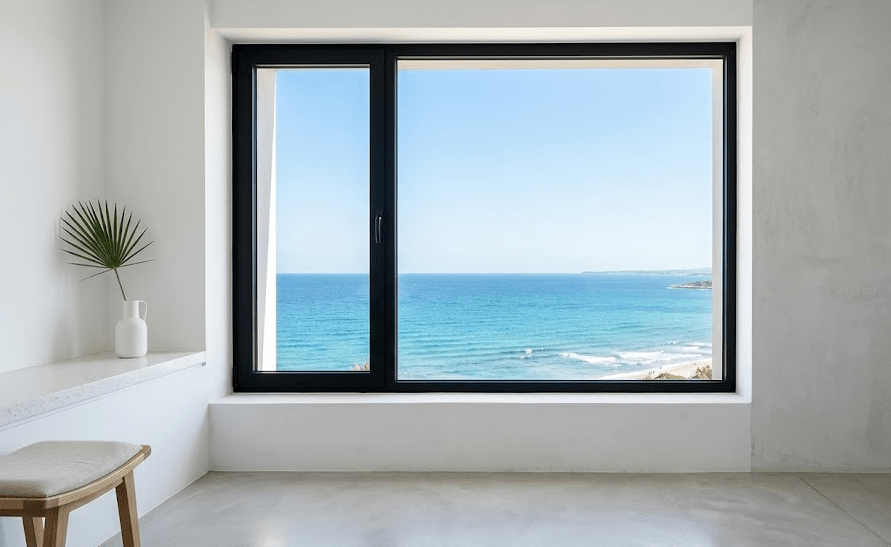
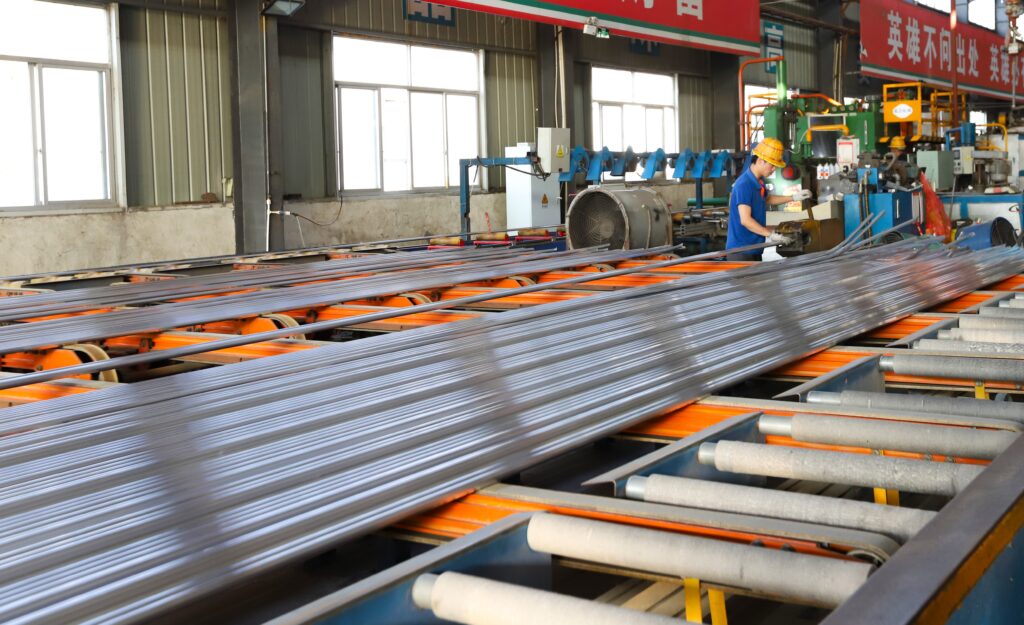
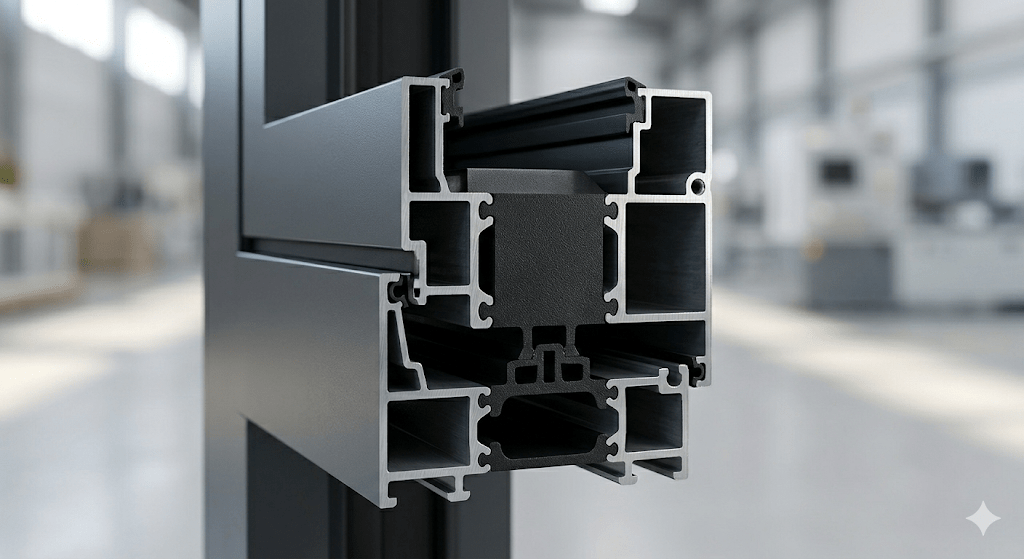
When you prioritize sourcing factory direct windows, you eliminate unnecessary markups. Middlemen often add distributor margins, local warehouse fees, and regional marketing expenses to the final price. By sourcing directly from a manufacturer like AlloyPro, you cut out these costs.
This approach ensures your budget is fully invested in high-performance materials. You get better hardware and superior glass specifications for the same investment. Additionally, this cost-efficiency provides more flexibility when managing the budget of large-scale residential or commercial developments.
Complete Control Over Quality Standards
Distributors often supply products from various sources, making quality consistency difficult to guarantee. In contrast, working with a manufacturer ensures a unified quality standard across your entire project.
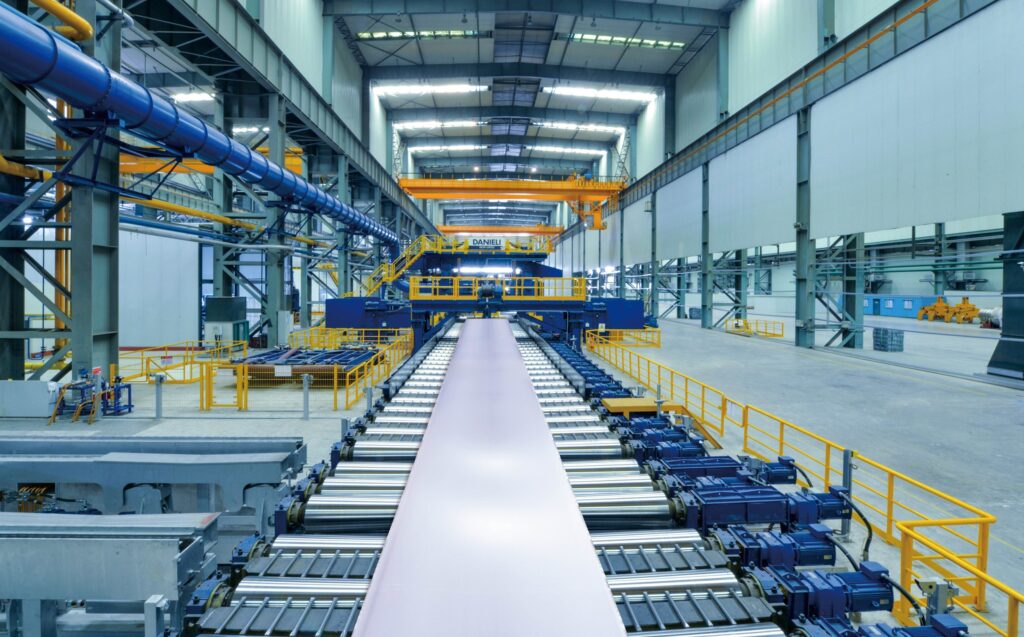
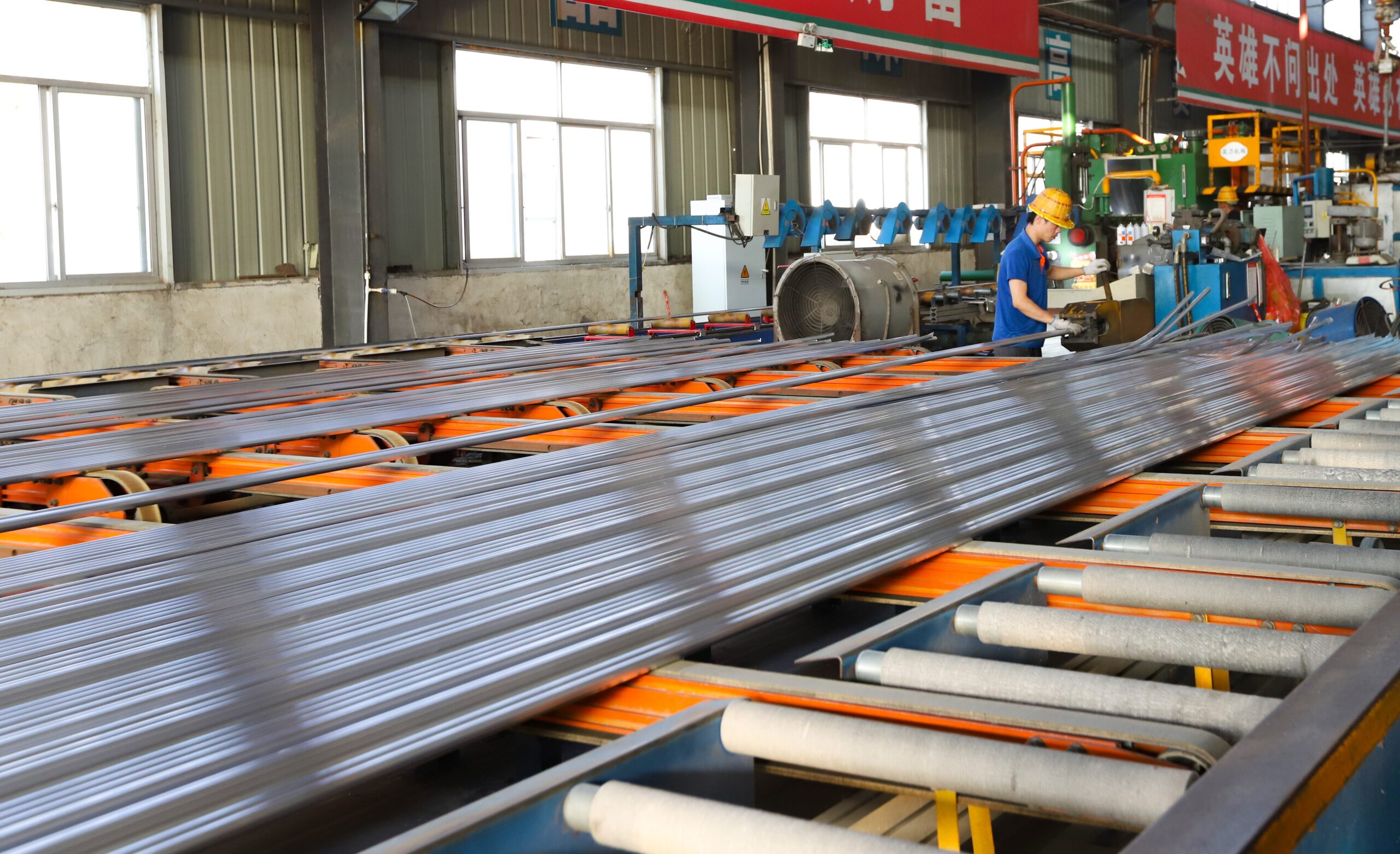
At AlloyPro, we manage every step of the production process—from aluminum extrusion to surface treatment and final assembly. Because we control the manufacturing, we can guarantee that every window and door meets your specific technical requirements. Furthermore, we provide detailed testing reports and material certifications, giving you peace of mind that your project will pass all necessary building inspections.
Direct Technical Communication and Support
Language barriers and slow communication are common fears when dealing with overseas suppliers. However, effective communication is the backbone of a successful direct partnership.
When you work directly with our export team, you speak with professionals who understand technical specifications. We review your architectural drawings and offer design improvements before production begins. This proactive approach prevents costly installation errors on-site. Furthermore, we provide professional packaging solutions tailored to international sea freight to ensure your products arrive in perfect condition.
Reliable Timelines and Project Management
Supply chain delays are the biggest enemy of construction schedules. Distributors often rely on inventory that might not meet your specific design needs, leading to long wait times or forced compromises.
Partnering with a factory means you have a dedicated production partner. We plan our manufacturing schedule according to your project deadlines. Additionally, we provide real-time updates on your order status. Because we handle our own logistics coordination, we minimize the risks of transit delays and ensure your components arrive precisely when your construction team is ready to install them.
A Partner, Not Just a Vendor
Choosing a professional partner for factory direct windows is an investment in your project’s future. At AlloyPro, we bring 16 years of manufacturing expertise to every project. We understand the specific demands of developers and architects.
If you are planning an upcoming development, we invite you to discuss your requirements with our export team. We are ready to provide the high-end, reliable, and cost-effective solutions your project deserves.
Contact our team today to get a quote and start your journey with AlloyPro.
Schuco leads the global market today. They are top experts in heat insulation. They make premium Aluminum Sliding Windows. These windows easily beat strict energy saving rules. Additionally, their strong hardware moves heavy glass smoothly.
2. Reynaers Aluminum Sliding Windows
Reynaers focuses on fresh design ideas. They build very slim Aluminum Sliding Windows. These frames give a clear, open view. Furthermore, their metal parts block bad weather perfectly. They fit modern luxury villas well.
3. YKK AP Aluminum Sliding Windows
YKK AP is a smart tech leader. They create strong Aluminum Sliding Windows for big buildings. They treat the metal to stop weather damage. In contrast to normal brands, they stop all water leaks reliably.
Best Commercial Aluminum Sliding Windows
4. Kawneer
Kawneer is a giant in huge projects. They build tough Aluminum Sliding Windows. These fit tall office buildings perfectly. Additionally, their fast setup systems save workers a lot of time on site.
5. Alumil
Alumil cares deeply about our green earth. They use recycled metal for their Aluminum Sliding Windows. This action cuts down carbon waste globally. Moreover, their elegant designs fit beautiful modern homes.
6. Cortizo
Cortizo makes very clean and simple living spaces. They design hidden Aluminum Sliding Windows. The frames hide inside the house walls completely. Therefore, builders pick them for a pure glass view.
Custom and Strong Aluminum Sliding Windows
7. Bradnam’s
Bradnam’s knows harsh weather very well. They make strong Aluminum Sliding Windows for the coast. These windows fight salt and rust easily. Additionally, they pass strict wind safety tests every time.
8. Vantage
Vantage gives buyers many custom choices. They offer special thermal break Aluminum Sliding Windows. You can change them to match your home style. Furthermore, their rollers make opening the glass very easy.
9. PGT Innovations
PGT only works on storm safety. They mix strong frames with tough safety glass. They use this to build safe Aluminum Sliding Windows. Consequently, these windows guard coastal houses from bad storms.
10. Stegbar
Stegbar mixes old styles with new sound tricks. They improve old homes with Aluminum Sliding Windows. These windows have great acoustic seals. Additionally, they block loud city street noise completely.
Finding a good factory is very important for success. Guangdong AlloyPro Co., Ltd. is a top B2B partner. We focus on high-end and simple building parts. We have 15 years of expert factory skills. Furthermore, our four smart factories cover 300,000 square meters.
We make custom thermal break doors and Aluminum Sliding Windows. We only use top 6063-T5 metal. Additionally, our goods hold proud AS2047 certificates. This means they block heat, water, and noise perfectly.
We check every step in our factory closely. We handle the raw metal and the final boxes. Visit alloypro.net today. See our strong factory power. Let us help your next big project win.
Factories love this metal. They can shape it with great ease. The advanced extrusion process creates very exact forms. Additionally, the special T5 cooling process adds huge strength to the metal. This high strength lets factories build thin, sleek frames. Therefore, you get a nice, clean look. Yet, the frame stays very safe and firm. In contrast to weaker metals, it securely holds heavy glass without bending.
Beautiful and Lasting Surface Finishes
Top buildings need to look great for decades. Luckily, this metal takes surface finishes very well. You can easily add powder coating or fine paint. These layers shield the metal from bad weather. Cheap metals rust and fade fast. However, this top metal stops rust completely. Your frames will look brand new for many years. Additionally, buyers can choose from many different colors to match their designs.
Smart Energy Savings for Buildings
Saving power is a big deal today. Builders pair this metal with new heat blocks. They put strong plastic strips inside the frames. These strips stop heat from moving through the metal. Hot air stays out in the summer. Warm air stays in during the winter. As a result, the building uses much less power for heating and cooling. Consequently, owners save a lot of money on their monthly energy bills.
Built for Tough Weather and Storms
Strong winds and bad storms destroy weak materials easily. This metal handles harsh weather conditions without any problems. It passes very strict global tests, like the AS/NZS rules. Despite this great strength, the metal is quite light. This makes it very easy to transport and install on job sites. When you pick this metal, your project will last a very long time. Furthermore, it requires almost zero maintenance over the years.
Perfect for Modern Minimalist Design
Modern homes and offices prefer big glass and thin frames. 6063 t5 aluminum makes this beautiful design possible. The frames stay hidden, and the glass looks huge. This design brings a lot of natural light inside the room. As a result, spaces look much bigger and brighter. Moreover, this clean style matches any new building perfectly.
Eco-Friendly and Completely Recyclable
Our world needs green and clean materials. This metal is completely safe for the earth. You can recycle it many times. It never loses its core strength during the recycling process. Therefore, builders reduce waste when they use it. Choosing this metal helps protect our environment for the future.
Work With Real Manufacturing Experts
The right metal makes your project a total success. 6063 t5 aluminum gives you great strength and lasting beauty. It also saves energy and stops bad weather. At AlloyPro, we make top solutions for your exact needs. We check every step to ensure top quality and safety. Contact our expert team today. We are ready to start your next big project.
Шаг 1 — Очистка рам для более эффективного ухода за алюминиевыми окнами
Со временем на рамах скапливается грязь. Она может поцарапать защитное покрытие и подвергнуть металл воздействию влаги. Именно поэтому алюминиевое окно Техническое обслуживание всегда начинается с очистки.
Чистите оправы каждые три месяца. Если вы живете рядом с морем или оживленной дорогой, чистите их раз в месяц. Вам понадобятся мягкая ткань, тёплая вода, мягкое средство для мытья посуды и сухая ткань. Не используйте абразивные губки и агрессивные химические вещества, такие как отбеливатель.
Смешайте несколько капель мыла с тёплой водой. Аккуратно протрите рамы сверху вниз. Промойте чистой водой и протрите ещё раз. Полностью высушите мягкой тканью. Не мойте под прямыми солнечными лучами — это оставляет разводы. Эта простая процедура очистки — залог правильного ухода за алюминиевыми окнами.
Совет от профессионала: При сильном загрязнении добавьте в воду немного изопропилового спирта. Сначала проверьте средство на незаметном участке.
Шаг 2 — Смазывание петель в рамках ухода за алюминиевыми окнами
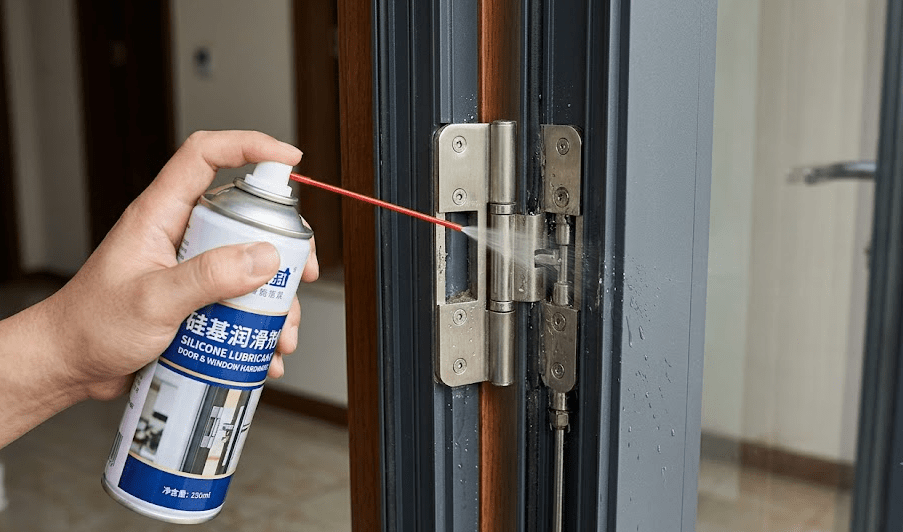
Со временем петли и ролики могут заклинивать. Вы можете услышать скрип или почувствовать сопротивление. Регулярный уход за алюминиевыми окнами включает в себя их надлежащую смазку.
Используйте силиконовый спрей, а не средства на масляной основе. Масло притягивает пыль, а силикон — отталкивает. Раз в год полностью открывайте окно. Нанесите небольшое количество средства на штифты петель, ролики и замки. Несколько раз закройте и откройте окно, чтобы смазка распределилась. Удалите излишки сухой тряпкой. Средства хватит надолго. В случае раздвижных дверей смазывайте также нижние ролики.
Включение этого этапа в ежегодную программу ухода за алюминиевыми окнами поможет обеспечить плавную и бесшумную работу подвижных частей.
Шаг 3 — Очистка направляющих и дренажных отверстий для полноценного ухода за алюминиевыми окнами
В нижних направляющих раздвижных окон и дверей скапливается пыль и мусор. Засоренные направляющие затрудняют их открывание. Хорошо Уход за алюминиевыми окнами также требуются чистые рельсы и дренажные отверстия.
Проверьте небольшие дренажные отверстия (отводные отверстия) в нижней раме. Они обеспечивают отвод дождевой воды. Забитые отверстия приводят к скоплению воды, что вызывает коррозию. Очищайте направляющие два раза в год. Используйте пылесос с насадкой-щеткой, чтобы удалить рыхлую грязь. Протрите направляющие влажной тряпкой. Прочистите каждое дренажное отверстие тонкой щеткой или сжатым воздухом. Налейте немного воды в направляющую, чтобы убедиться, что она свободно стекает.
Чистые направляющие снижают трение и износ. Прочищенные дренажные отверстия предотвращают скопление воды — главного врага алюминия в прибрежных районах. Эта часть ухода за алюминиевыми окнами занимает всего несколько минут, но продлевает срок их службы на долгие годы.
Шаг 4 — Проверьте уплотнители, чтобы завершить обслуживание алюминиевых окон
Резиновые уплотнители вокруг окон защищают от ветра, дождя, пыли и шума. Кроме того, они помогают экономить энергию, предотвращая сквозняки. Проверка этих уплотнителей является важной частью ухода за алюминиевыми окнами.
Проверяйте уплотнители раз в год. Закройте окно и проведите пальцем по уплотнителю. Обратите внимание на наличие трещин, зазоров или затвердевшей резины. Если уплотнитель треснул или порвался, замените его. Универсальные уплотнители можно купить в Интернете. Извлеките старый уплотнитель и вставьте новый. Если уплотнитель просто высох, нанесите на него кондиционер для резины на силиконовой основе, чтобы восстановить его эластичность.
Не игнорируйте поврежденные уплотнители. Даже небольшой зазор пропускает столько же влаги, сколько и слегка приоткрытое окно. Заменить уплотнители можно легко и недорого. Включите эту проверку в свой ежегодный Уход за алюминиевыми окнами расписание.
Шаг 5 — Учитывайте особенности климата при уходе за алюминиевыми окнами
Условия местного климата влияют на то, как часто необходимо проводить техническое обслуживание алюминиевых окон. Для дома в засушливой Аризоне потребуется иной график, чем для виллы на побережье Флориды.
Прибрежные районы – Раз в две недели промывайте окна чистой водой. Раз в месяц очищайте рамы. Регулярно проверяйте дренажные отверстия. Соль ускоряет коррозию, поэтому необходимо регулярно ухаживать за алюминиевыми окнами.
Городские районы – Загрязнения оставляют липкую пленку. Мойте окна раз в месяц. Особое внимание уделяйте направляющим.
Пустынный или засушливый климат – Пыль и песок приводят к износу движущихся частей. Очищайте гусеницы каждые два месяца. Смазывайте шарниры два раза в год.
Холодный климат – В пазах могут образовываться наледи. Ни в коем случае не пытайтесь силой открыть замерзшее окно. Перед наступлением зимы обработайте окна силиконовым спреем. Проверьте уплотнители на наличие трещин.
В ходе строительства – Заклейте окна защитной лентой. Цементная пыль и краска очень трудно удаляются после высыхания.
Подстраивайте свой график под окружающие условия. Этот разумный подход к Уход за алюминиевыми окнами удвоит срок службы ваших окон.
Заключение — следуйте этим рекомендациям для надежного ухода за алюминиевыми окнами
Вот еще раз пять шагов:
Очищайте рамы мягким мылом (раз в 3 месяца или ежемесячно, если вы живете на побережье).
Смазывайте петли силиконовым спреем (раз в год).
Очищайте желоба и дренажные отверстия (два раза в год).
Проверьте уплотнители и замените поврежденные уплотнительные ленты (один раз в год).
Учитывайте особенности климата и корректируйте частоту.
Уход за алюминиевыми окнами не требует особых навыков. Достаточно мягкой ткани, мягкого мыла, силиконового спрея и небольшой щетки. Уделяйте этому 15 минут на каждое окно или дверь один-два раза в год.
Окна и двери AlloyPro созданы, чтобы служить долго. Благодаря этой простой процедуре они будут работать плавно, бесшумно и надежно защищать от непогоды в течение 20 лет и более. Если у вас возникнут вопросы, обращайтесь к команде AlloyPro. Мы всегда готовы помочь.
Measure the rough opening first. You need a 10 to 15 millimeter gap on each side between the frame and the wall. This space allows for adjustment, insulation, and thermal expansion. Also, clean the wall surface. Dust, loose mortar, and uneven edges prevent proper sealing. Have all materials ready before you start—frame, fasteners, shims, foam, and sealant. Missing one item halfway through leads to shortcuts and mistakes.
Step One: Level and Shim
Place the frame into the opening. Use plastic shims under the sill and along the sides to level it. Check horizontal alignment on the sill. Check vertical alignment on both jambs. Measure the diagonals—both must match exactly. If they differ, the sash will never operate smoothly. A frame off by just a few millimeters now will show a visible gap later. This is one of the most common mistakes to avoid during aluminum window installation.
Step Two: Anchor the Frame
Secure the frame with fasteners suited to your wall type. Use expansion bolts for concrete, wood screws for timber, and self-drilling screws for steel. Space anchors no more than 600 millimeters apart, with one within 150 millimeters of each corner. Tighten gradually and recheck the level after every few fasteners. Uneven tightening can flex the aluminum profile and throw off your earlier alignment work.
Step Three: Seal the Gaps
Fill the gap between frame and wall with low-expansion polyurethane foam. Apply it in layers and fill only two-thirds full—the foam expands as it cures. Once cured, trim the excess. Then apply a continuous bead of exterior-grade sealant around the outer perimeter. Any gap or pinhole in this bead lets water through and causes air leaks. On the interior side, seal or trim over the foam for a clean finish. Proper sealing is what separates a lasting aluminum window installation from one that fails within months.
Step Four: Install Glass and Sash
Set glass panels onto glazing beads with setting blocks at the bottom. Never let glass sit directly on aluminum. This creates pressure points that can crack the panel under thermal stress. Secure beads evenly without overtightening. Then hang the sashes and test each one. Open, close, and lock every panel. Movement should feel smooth, with no sticking or scraping. If something binds, go back and check your frame square and level.
Step Five: Final Checks
Test every moving part—handles, locks, hinges, and rollers. Run your hand along all seals to feel for drafts. Clear drainage slots on the outer sill so water can escape. Blocked drainage traps moisture inside the profile and leads to long-term damage. Finally, clean the glass and frames to spot any scratches or defects before you call the job done.
Common Problems to Watch For
If a sash sticks or drags, the frame is likely out of square. Re-check your diagonal measurements and adjust the shims. If you feel a draft around the edges, the sealant bead probably has a gap. Remove it and apply a fresh continuous bead. If water pools on the inner sill, check whether foam or debris has blocked the drainage slots on the outer frame. Each of these common problems traces back to a skipped step earlier in the aluminum window installation process.
Why Installation Quality Matters
A high-performance aluminum window only delivers results when installed correctly. Air leaks and water damage bypass even the best thermal break frame if the sealing fails. Take your time on leveling and sealing. At AlloyPro, our systems meet strict thermal and structural standards, but installation quality ultimately decides how they perform in your building.
Navigating foreign manufacturing standards can challenge any project manager. To secure your investment and pass local building inspections, you must know exactly what to verify. Furthermore, choosing a supplier who understands international compliance saves both time and money. This comprehensive guide breaks down the five crucial standards you must check before signing a procurement contract for your hurricane impact windows.
1. Verify Mandatory Wind Loads and Impact Certifications
International markets do not compromise on structural safety. For instance, the Australian market strictly enforces the AS2047 standard for windows and doors. This benchmark regulates severe wind loads and water penetration resistance. In contrast, North American regions require specialized certifications like Florida Product Approval or NFRC ratings.
You should always ask your manufacturer for official, third-party test reports. Reliable suppliers test their profile structures under extreme pressure to simulate real storm conditions. Therefore, checking these certifications beforehand ensures your imported cargo legally enters the target country. It also guarantees your hurricane impact windows will protect the building during a Category 5 storm.
2. Check the Aluminum Alloy Profile Thickness and Grade
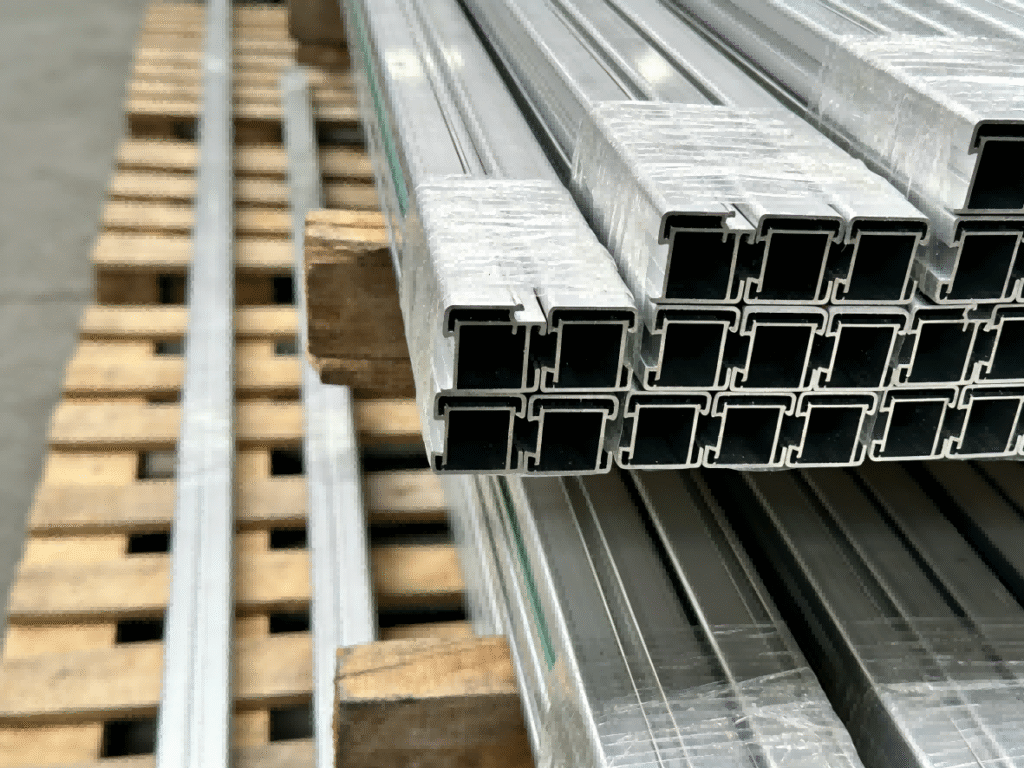
The structural strength of heavy-duty hurricane impact windows relies heavily on its raw aluminum materials. High-end systems generally utilize premium architectural aluminum profiles. You should look for structural grades like 6063-T5 or 6061-T6. Additionally, heavy-duty window frames require a thicker profile wall compared to standard residential openings.
Standard products often use a 1.4mm profile thickness. However, true commercial-grade hurricane impact windows increase this thickness to 2.0mm or even 3.0mm. This extra thickness prevents the frame from bending under violent wind pressures. Thick aluminum extrusion profiles also provide a stable foundation for the heavy laminated glass units.
3. Examine Glass Standards and Interlayer Quality
Premium hurricane impact windows do not rely on standard tempered glass alone. Instead, they feature a specialized laminated glass structure that meets strict international glass standards. This configuration sandwiches a tough polymer interlayer between two sheets of glass. If a flying object strikes the window, the glass will crack but stay firmly bonded to the interlayer.
You must check the thickness of both the glass and the interlayer. A standard configuration includes thick laminated glass paired with a reliable PVB or SGP interlayer. SGP interlayers offer up to five times the tear resistance of standard PVB. Consequently, coastal projects facing extreme typhoons benefit greatly from choosing the stronger SGP specification for their hurricane impact windows.
4. Evaluate Corrosion Resistance and Surface Treatments
Coastal environments expose window frames to constant salt spray and high humidity. This environment causes rapid corrosion if the aluminum lacks proper protection. Therefore, you must specify high-performance surface treatments during the ordering stage to get the best long-term value.
Advanced manufacturers offer specialized coatings like PVDF (Fluorocarbon) or high-grade architectural powder coatings. PVDF coatings resist UV radiation and salt degradation exceptionally well. In contrast, standard powder coatings might fade or chalk within a few years near the ocean. Ensure your supplier follows international standards to guarantee decades of finish durability.
5. Assess the Thermal Performance and Hardware Durability
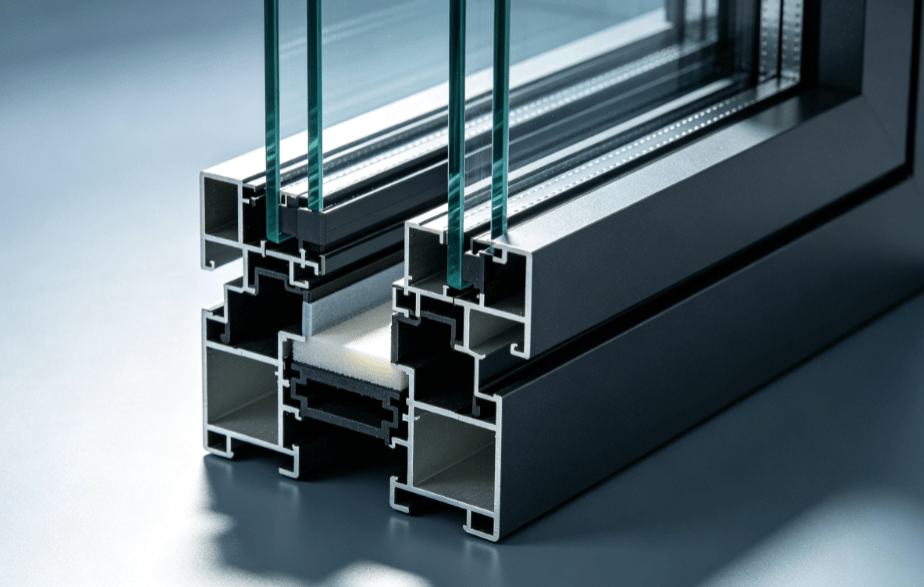
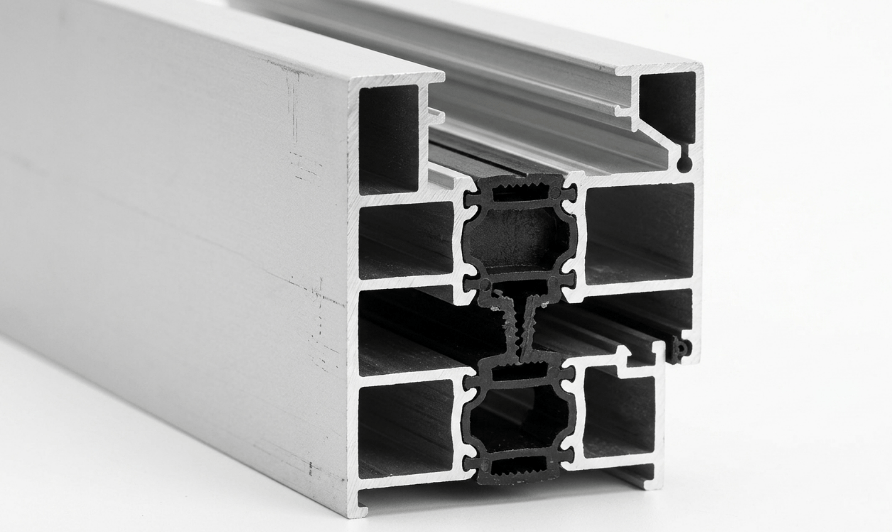
A truly modern hurricane impact windows system does more than just resist wind. It also enhances the building’s energy efficiency. High-performance systems utilize multi-chamber thermal break technology. This design places an insulating polyamide strip inside the aluminum profile, which drastically reduces heat transfer into the building.
Furthermore, heavy impact glass puts extra stress on the window hardware. Standard hinges and locks fail quickly under this weight. You should demand heavy-duty, stainless steel hardware systems. Reliable locking points around the frame ensure the sash stays sealed tight against the weather seals during prolonged storms.
Conclusion: Get Custom Factory Pricing from a Trusted Partner
Importing building materials from China optimizes your project budget effectively. However, success depends on meticulous compliance checking. By verifying certifications, profile thickness, glass standards, coatings, and hardware, you eliminate expensive risks.
Partnering with an experienced, compliant manufacturer like AlloyPro ensures your building stays safe, energy-efficient, and fully aligned with global building codes. Our team specializes in engineering high-end architectural products that match these exact international benchmarks. Contact us today to discuss your project requirements and get your custom factory pricing for premium hurricane impact windows.
The market shows a massive shift toward green building materials. Buyers actively demand high-quality thermal break systems to save energy. Strict global building codes require much better insulation. Markets like Australia demand strict AS2047 standard testing for all architectural windows. Standard commercial products show slow market growth in comparison.
Factories making premium custom profiles lead the aluminum extrusion market today. Fast production and stable quality matter greatly to professional builders. Long shipping times force developers to plan their orders early. You must partner with modern manufacturers to stay competitive.
Optimize Sourcing Costs in the Aluminum Extrusion Market
How do you get the best materials for your projects? You must look beyond the basic price tag. Evaluate the total value of the architectural profiles instead. A slightly higher starting cost saves big money later. High-quality surface coatings actively reduce future repair costs.
You should choose a factory with a complete production line. Direct factories control product quality much better than trading companies. They also meet tight construction deadlines consistently. Pre-assembled systems drastically cut down your local labor costs. This approach speeds up your onsite building work and improves efficiency.
Surface Treatments and Durability
Commercial profiles face harsh weather conditions every single day. You need the right surface treatments for your architectural doors. Coastal projects need strong powder coating or anodized finishes. These special finishes stop rust and keep the metal looking brand new.
Your buildings maintain their high-end look for many years. Your long-term property maintenance costs drop significantly as a result. Choosing the right finish protects your entire project investment.
Import Premium Profiles from China
You need a highly reliable long-term partner for your business. A top supplier provides clear communication and strong technical support. They fully understand global rules like the AS2047 standard. When you import premium profiles from China, always check the factory equipment. You should review their past project cases carefully. Always ask for clear test reports on wind load and water penetration.
AlloyPro solves these exact B2B sourcing problems. We optimize our factory lines to deliver profiles on time. Our skilled team works closely with your project engineers. We build custom profiles to fit your exact building designs.
Why Builders Need Hurricane Impact Rated Doors and Windows
Engineers prefer aluminum for high-wind regions for several reasons. First, aluminum possesses an exceptional strength-to-weight ratio. This metal resists warping and twisting under immense structural load. Additionally, manufacturers can extrude aluminum into complex architectural profiles with internal reinforcement web designs.
In contrast, materials like wood or vinyl often flex too much under extreme pressure. Certified hurricane impact rated doors and windows maintain their structural integrity over decades of service. Furthermore, advanced surface treatments protect these profiles from harsh marine environments. Modern coatings prevent salt spray corrosion, which keeps your structural components safe and beautiful for years.
Selecting the Right Alloy for Hurricane Impact Rated Doors
Not all aluminum profiles provide the same performance. For hurricane zones, you must look closely at the material specifications. Manufacturers widely use 6063 aluminum alloy for commercial architectural systems. However, the temper specification makes a massive difference in actual yield strength when engineering hurricane impact rated doors.
We highly recommend specifying 6063-T6 aluminum instead of standard 6063-T5. The T6 temper undergoes a rigorous artificial aging process. This treatment increases the tensile strength and hardness of the metal significantly. Consequently, 6063-T6 profiles endure much higher wind load pressures without permanent deformation, ensuring maximum safety during a storm.
The Material Standards of Hurricane Impact Rated Doors
A strong frame requires equally tough glass to ensure full protection. Standard glass shatters immediately when airborne debris strikes it during a storm. For this reason, high-wind regions require specialized impact-resistant laminated glass systems to complement hurricane impact rated doors.
Laminated glass consists of two layers of glass bonded together by a tough plastic interlayer, usually Polyvinyl Butyral (PVB) or SentryGlas Plus (SGP). When flying debris hits the window, the outer glass may crack, but the interlayer holds the fragments together. Therefore, the building envelope remains sealed, preventing destructive winds from entering the interior space.
Balancing Storm Protection with Thermal Efficiency
Extreme weather involves more than just powerful winds. Coastal regions often experience intense solar heat and high humidity. Property owners want storm safety, but they also demand lower energy bills. Fortunately, modern aluminum engineering solves both problems simultaneously.
You should choose aluminum systems that incorporate advanced thermal break technology. Thermal break systems insert a reinforced polyamide bar between the interior and exterior aluminum profiles. This structure breaks the path of heat conduction. As a result, the windows block outdoor heat during summer and retain cool indoor air, reducing air conditioning costs significantly.
Testing Certifications for Hurricane Impact Rated Doors
How do you verify that a window or door can actually withstand a hurricane? You must check the official testing certifications of the product. Reliable manufacturers test their window and door systems in certified laboratories using dynamic pressure simulations.
Look for products that meet international design pressure (DP) ratings or specific wind zone standards, such as the Miami-Dade County compliance or Australian wind load standards. Premium hurricane impact rated doors undergo rigorous air infiltration, water resistance, and structural load testing. Always ask your supplier for verified test reports before finalizing any large commercial or residential purchase.
Conclusion and Sourcing Recommendations
Protecting a coastal building requires careful planning and premium materials. High-strength 6063-T6 aluminum frames, impact-resistant laminated glass, and reliable thermal break designs provide the ultimate defense against severe storms. Investing in certified structural windows secures your property and ensures long-term peace of mind.
AlloyPro Aluminum specializes in engineering high-performance architectural systems. If you want to protect your coastal building, you can find heavy duty aluminum profiles for hurricane impact rated doors from a top certified factory at the best wholesale prices now. Visit alloypro.net today to browse our certified architectural systems, download technical catalogs, or consult our engineering team for your next coastal project.
Однако на мировом рынке представлены различные материалы для изготовления этих важнейших теплоизоляционных барьеров. Двумя наиболее распространенными вариантами являются нейлон PA66 и ПВХ. Неправильный выбор материала со временем может привести к разрушению конструкции и снижению эффективности теплоизоляции. В компании Guangdong AlloyPro Aluminum Co., Ltd. мы ставим во главу угла качество и долгосрочную безопасность. Поэтому мы всегда используем материалы премиум-класса для производства наших алюминиевых экструзионных профилей с терморазрывом. В этом руководстве раскрываются основные секреты выбора и объясняется, почему нейлон PA66 превосходит ПВХ по всем параметрам.
Понимание стандартов на алюминиевые профили с терморазрывом
Чтобы обезопасить свои инвестиции в архитектурные решения, необходимо понимать, как ведущие производители изготавливают эти системы. Производство алюминиевых профилей с терморазрывом требует точного механического процесса обжима. Производители вставляют непроводящую изоляционную прокладку в пазы экструдированного алюминия и плотно обжимают металл вокруг нее. Этот процесс создает жесткий, цельный профиль, который эффективно выдерживает давление ветра, тепловое расширение и вес конструкции.
Кроме того, состав изоляционной ленты исключительно хорошо сочетается с физическими свойствами алюминия. В компании AlloyPro мы смешиваем наш полиамидный нейлон PA66 со стекловолокном 25%. Эта специальная формула упрочняет материал, делая его более прочным и жестким. В результате наши алюминиевые экструдированные профили с структурным терморазрывом способны выдерживать огромные механические нагрузки, сохраняя при этом чрезвычайно низкую теплопроводность для крупномасштабных зданий.
Различия в эксплуатационных характеристиках: нейлон PA66 и ПВХ
Во многих проектах, ориентированных на экономию средств, по-прежнему используются полосы из поливинилхлорида (ПВХ) с целью снижения первоначальных затрат. Однако ПВХ — это простой пластик, которому не хватает прочности и термостойкости, необходимых для строительства объектов с высокой нагрузкой. Разница в эксплуатационных характеристиках этих двух материалов сказывается на сроке службы конструктивных элементов ограждающих конструкций вашего здания.
1. Тепловое расширение и конструктивная устойчивость
В зданиях наблюдаются резкие перепады температур между днем и ночью, а также летом и зимой. Алюминий расширяется и сжимается под воздействием этих изменений. Поэтому терморазделитель должен расширяться с точно такой же скоростью. В высококачественных системах алюминиевых профилей с терморазрывом используется нейлон PA66, поскольку он имеет практически идентичный коэффициент линейного расширения с алюминиевым сплавом. При резком повышении температуры металл и нейлоновая полоска гармонично деформируются вместе.
В отличие от этого, ПВХ обладает гораздо более высоким коэффициентом теплового расширения, чем алюминиевый сплав. Под воздействием горячих солнечных лучей ПВХ расширяется гораздо быстрее, чем окружающий его металл. Такое несоответствие в движении приводит к возникновению огромных внутренних напряжений. Со временем ПВХ-профиль может расшататься, деформироваться или треснуть. Как только этот барьер разрушится, конструкция алюминиевого профиля с терморазрывом утратит свою целостность и безопасность.
2. Термостойкость и обработка поверхности
В процессе изготовления готовые алюминиевые профили часто подвергаются порошковой окраске или анодированию. Эти виды обработки поверхности требуют температуры в печи выше 200 °C. Нейлон PA66 легко выдерживает такие температуры, не теряя при этом своей формы и прочности. Благодаря высокой термостойкости наши заводы могут бесперебойно осуществлять экструзию, сборку и обработку заказанных вами алюминиевых профилей с терморазрывом.
С другой стороны, ПВХ размягчается при гораздо более низких температурах. При температуре около 80 °C он начинает разрушаться и деформироваться. Это означает, что готовые профили из ПВХ нельзя пропускать через линии высокотемпературного порошкового окрашивания. Кроме того, под воздействием сильной летней жары температура темных алюминиевых рам может достигать значений, близких к температуре размягчения ПВХ, что приводит к прогибанию или деформации рамы под нагрузкой.
3. Механическая прочность и длительный срок службы
Окна и двери должны выдерживать сильные ветровые нагрузки и поддерживать вес тяжелых стеклопакетов с двумя или тремя стеклами. Терморазделитель выступает в качестве конструктивного звена, передающего эти силы. Благодаря армированию стекловолокном 25% нейлон PA66, используемый в алюминиевых профилях с терморазрывом, обладает высокой прочностью на разрыв. Он выдерживает растягивающие, изгибающие и сдвигающие силы на протяжении десятилетий, не растягиваясь и не ломаясь.
Кроме того, ПВХ подвержен быстрому старению под воздействием ультрафиолетовых (УФ) лучей и атмосферных воздействий. Уже через несколько лет он становится хрупким. Когда ПВХ становится хрупким, он может сломаться под воздействием внезапных порывов ветра. В отличие от этого, высококачественные полиамидные планки отлично противостоят УФ-износу и химической коррозии. Их срок службы соответствует сроку службы самой алюминиевой рамы, что гарантирует безопасность вашего проекта на протяжении более 30 лет.
Сравнение основных технических показателей
Чтобы принять взвешенное решение, необходимо точно знать технические характеристики обоих материалов. Для начала рассмотрим прочность на разрыв. Высококачественный алюминиевый профиль с терморазрывом обладает высокой прочностью на разрыв — более 120 МПа, что позволяет ему легко выдерживать значительные конструктивные нагрузки. В отличие от него, прочность стандартного ПВХ не превышает 50 МПа, что делает его подверженным разрушению под давлением ветра.
Во-вторых, необходимо оценить термостойкость и стойкость к старению. Высококачественный нейлон PA66 выдерживает температуру до 220 °C и имеет срок службы 30 лет, что соответствует сроку службы алюминиевых рам. Напротив, ПВХ размягчается уже при 80 °C и разрушается в течение трех–пяти лет. Наконец, нейлон PA66 отлично согласуется с металлом по коэффициенту расширения, в то время как ПВХ расширяется с другой скоростью, что приводит к преждевременному отрыву. Эти показатели доказывают, почему инженеры полностью отказываются от ПВХ.
Вывод: защитите свои инвестиции с помощью AlloyPro
В заключение следует отметить, что экономия на дешевых ПВХ-изоляционных лентах создает огромные риски для вашего проекта. Незначительная первоначальная экономия впоследствии приводит к высоким затратам на техническое обслуживание, утечкам воздуха и потенциальным конструктивным повреждениям. Выбор сертифицированного поставщика алюминиевых профилей с терморазрывом гарантирует оптимальную теплоизоляцию, снижение расходов на энергоснабжение и абсолютную конструктивную безопасность. Ваши окна и двери сохранят свою форму и будут защищать ваше здание независимо от погодных условий снаружи.
Компания Guangdong AlloyPro Aluminum Co., Ltd. специализируется на производстве высококачественных алюминиевых профилей, изготовленных с высокой точностью. Мы тщательно отбираем изоляционные ленты из нейлона PA66 высшего качества для использования в процессе экструзии алюминия с терморазрывом, чтобы обеспечить соответствие международным техническим стандартам. Мы помогаем клиентам по всему миру создавать более интеллектуальные, безопасные и экологичные конструкции. Посетите наш официальный сайт по адресу alloypro.net ознакомьтесь с нашими передовыми решениями и запросите индивидуальное предложение для вашего следующего проекта.