





Адрес

Гуандун, Китай

Электронная почта

postmaster@alloypro.net

Полное руководство по выбору промышленных алюминиевых профилей

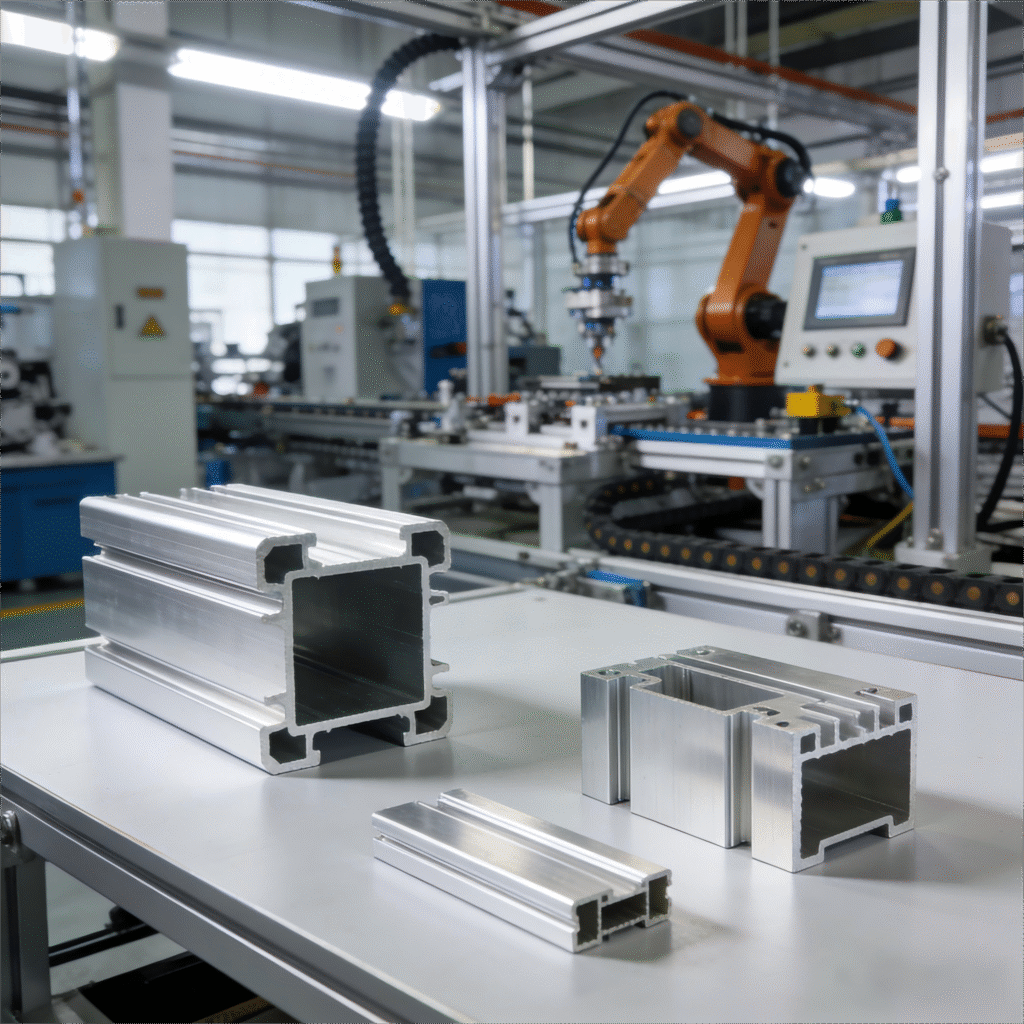
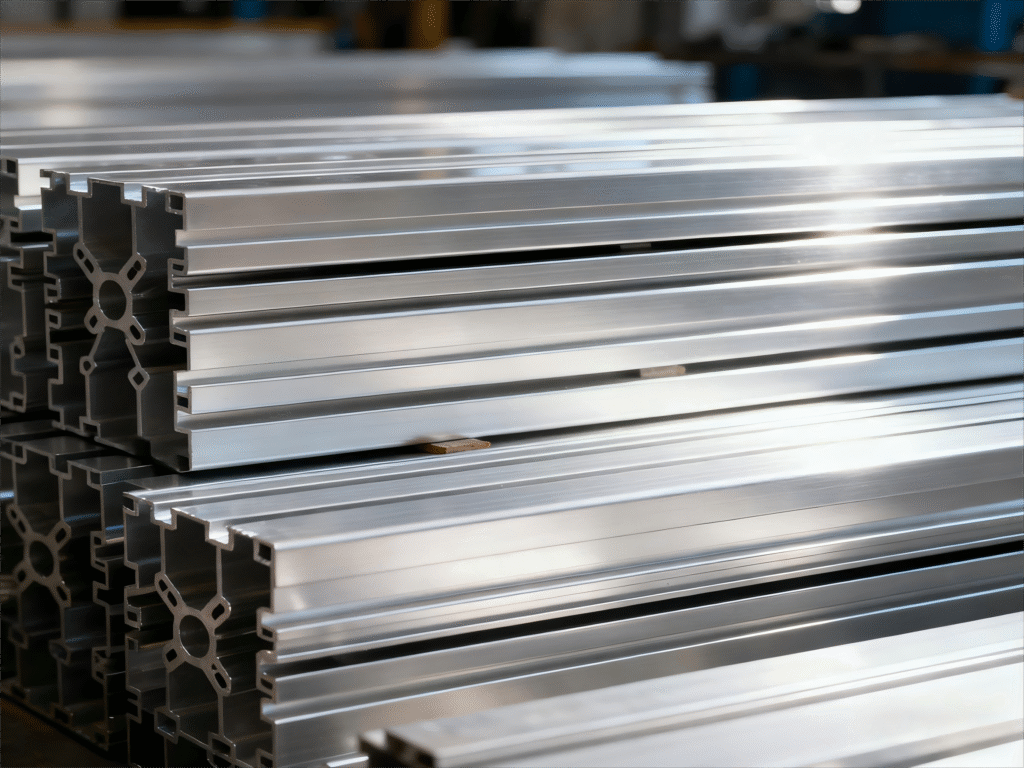
Правильно Выбор промышленных алюминиевых профилей имеет решающее значение для успеха вашего проекта. Однако этот процесс может показаться сложным. Существует множество технических характеристик и вариантов. Поэтому в данном руководстве мы подробно рассмотрим все ключевые этапы. Мы поможем вам принять обоснованное решение при выборе решений для таких областей, как системы автоматизации производства, ограждения оборудования и нестандартные конструкции повышенной прочности.

Шаг 1: Определите требования к приложению

Прежде всего, вам необходимо четко понять, что вам нужно. Прежде чем приступить к Выбор промышленных алюминиевых профилей, задайте себе следующие вопросы:

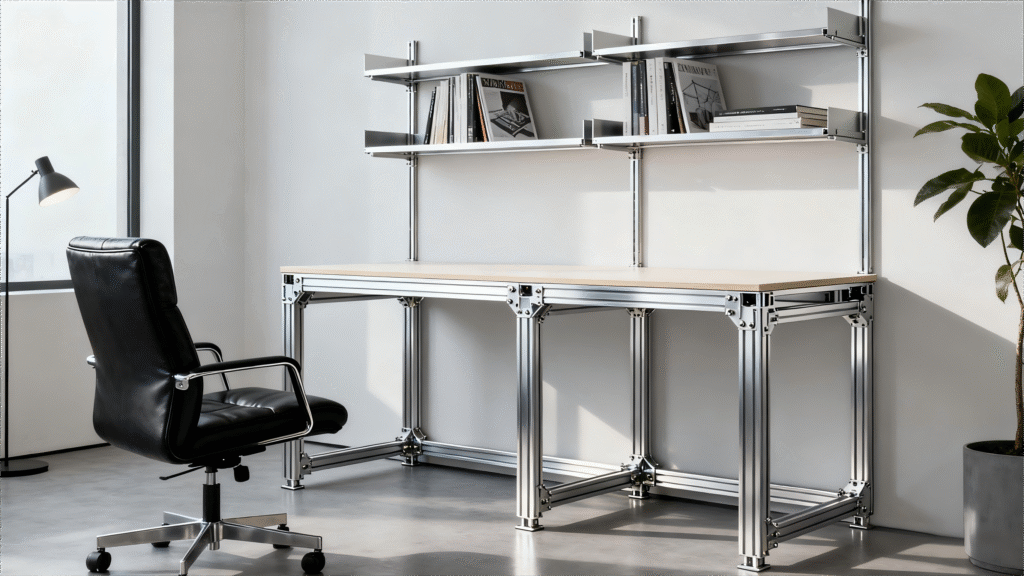
  • Функция: Это для каркаса здания, ограждения или конвейерной системы?
  • Загрузить: Будет ли профиль подвергаться значительным статическим нагрузкам или динамическим усилиям? В частности, это влияет на размеры профиля и толщину его стенок.
  • Окружающая среда: Учтите воздействие химических веществ, влаги или высоких температур. Это влияет на выбор сплава и способа обработки поверхности.

Четкое определение этих моментов на начальном этапе позволяет сэкономить время. Кроме того, это позволяет избежать дорогостоящих ошибок на более поздних этапах процесса.

Шаг 2: Ознакомьтесь с основными характеристиками профиля

А теперь давайте разберемся в технических деталях. Чтобы освоить Выбор промышленных алюминиевых профилей, обратите внимание на эти три основных параметра:

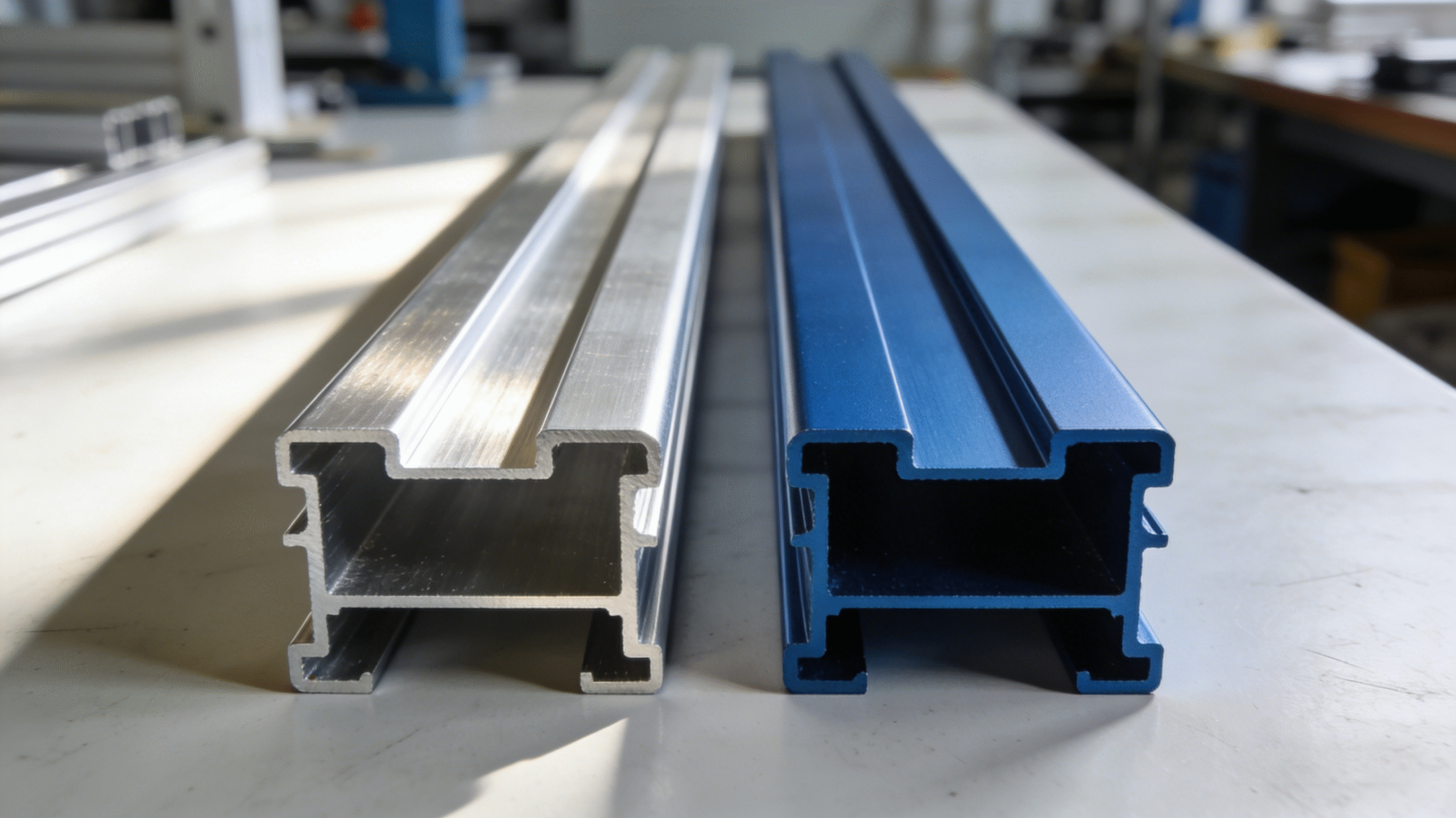
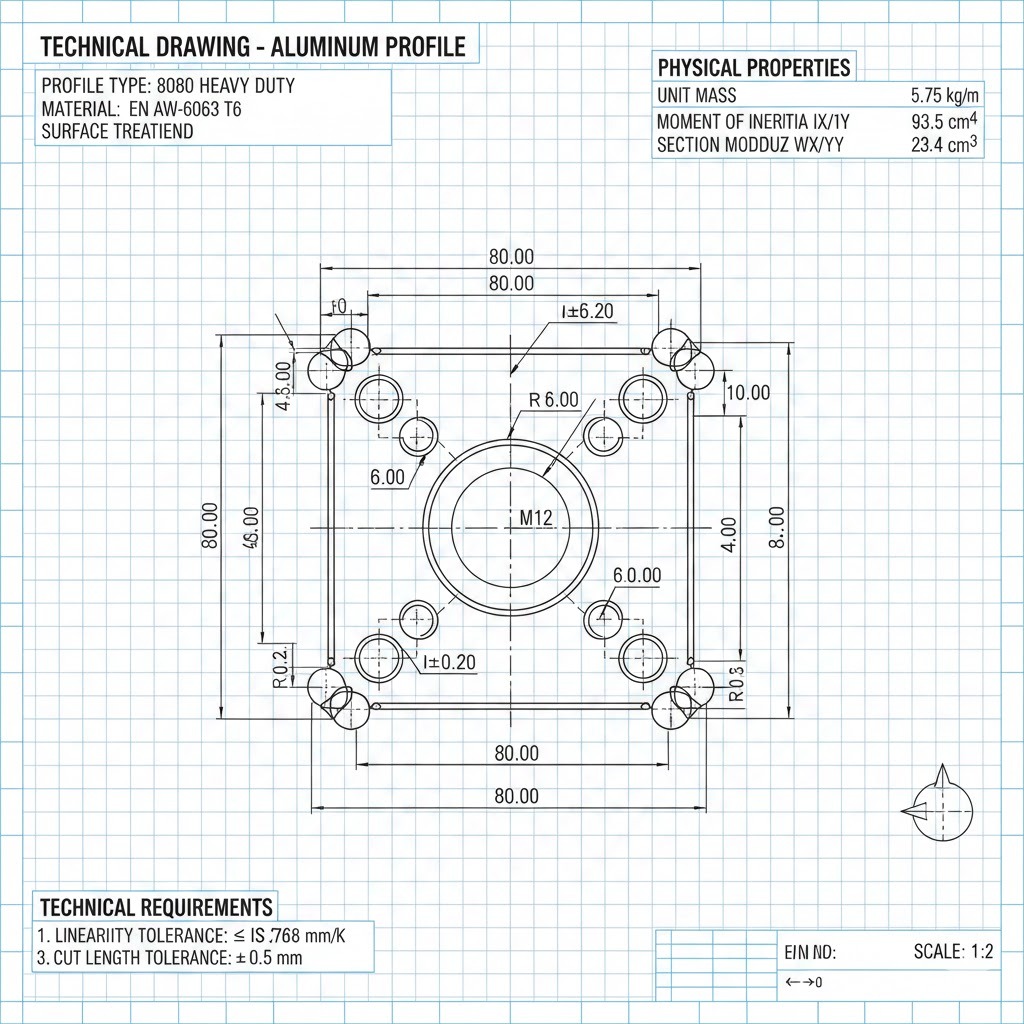
  1. Тип сплава (6061 или 6063): Это определяет механические свойства. 6061-T6 наилучшим образом подходит для эксплуатации в условиях высоких нагрузок в промышленности. Он отличается превосходной прочностью. В отличие от этого, 6063-T5 немного мягче. Он отличается более качественной обработкой поверхности. Таким образом, он идеально подходит для эстетических целей, когда качество анодирования имеет решающее значение.
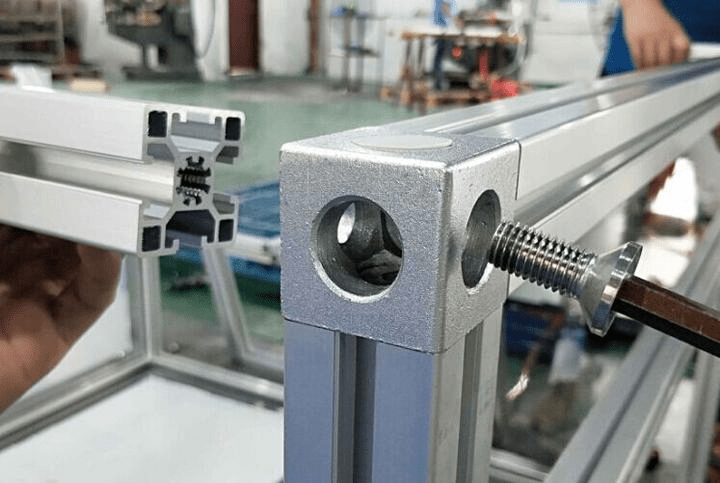
  2. Серия «Профиль»: Номер серии (например, 20, 40, 80) обозначает размеры. Профили более крупных серий обладают большей несущей способностью. Например, для тяжелой техники требуется профиль серии 8080. В то же время профиль серии 2020 подходит для легких каркасов.
  3. Поверхностная обработка: Это обеспечивает защиту алюминия. Анодирование образует твердый, устойчивый к коррозии слой. Порошковое покрытие обеспечивает прочное цветное покрытие, устойчивое к царапинам.

Шаг 3: Оценка возможностей поставщика

Поиск поставщика не менее важен, чем сам продукт. Кроме того, вам следует оценивать их по нескольким критериям:

Техническая поддержка: Могут ли они предоставить чертежи в формате CAD и расчеты нагрузок? Надежный поставщик, такой как «Гуандун Аолайбо Алюминий» предлагает профессиональную инженерную поддержку.
Контроль качества: Проводят ли они испытания на прочность при растяжении? Сертификаты ISO 9001 являются хорошим показателем качества.

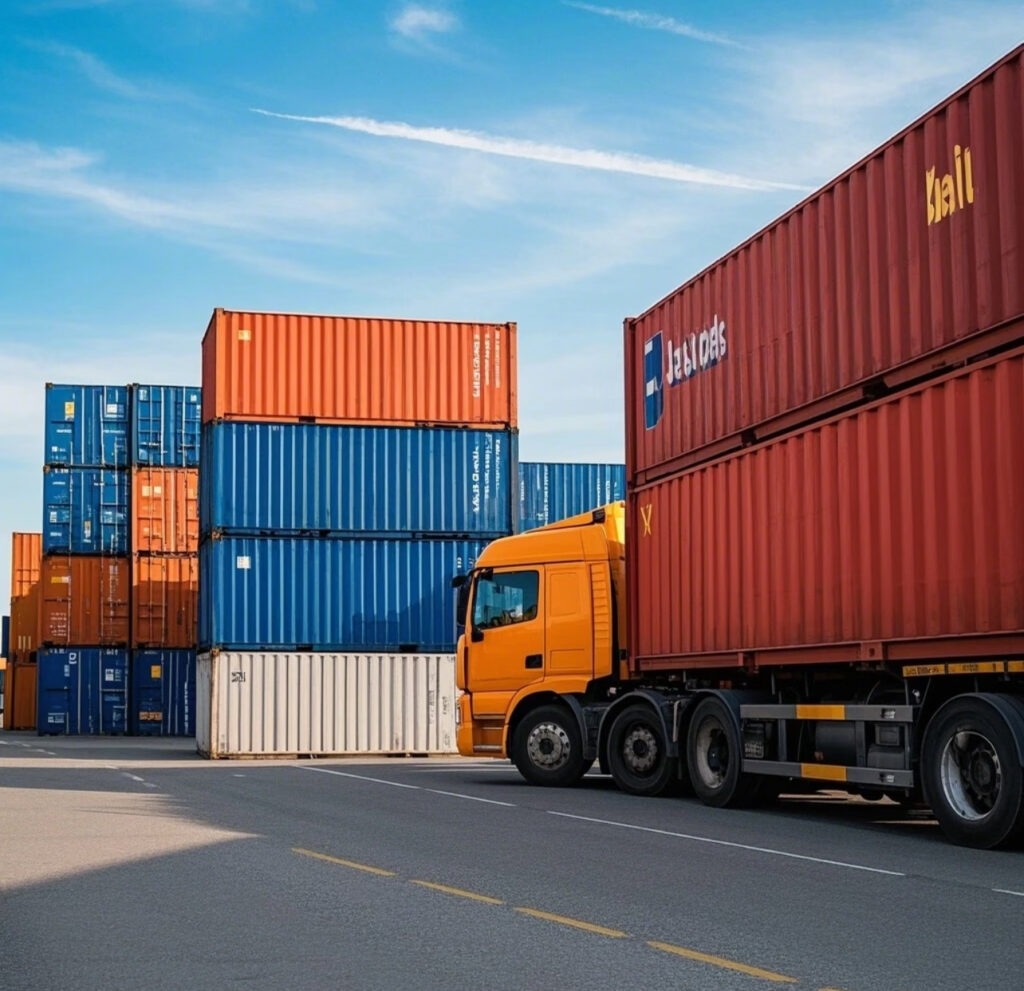
Логистика: Стабильные поставки и своевременная доставка позволяют выполнять ваши проекты в установленные сроки.

Шаг 4: Оптимизация с точки зрения затрат и сборки

Наконец, рассмотрите общую стоимость проекта. Хорошо Выбор промышленных алюминиевых профилей не ограничивается только ценой за метр.

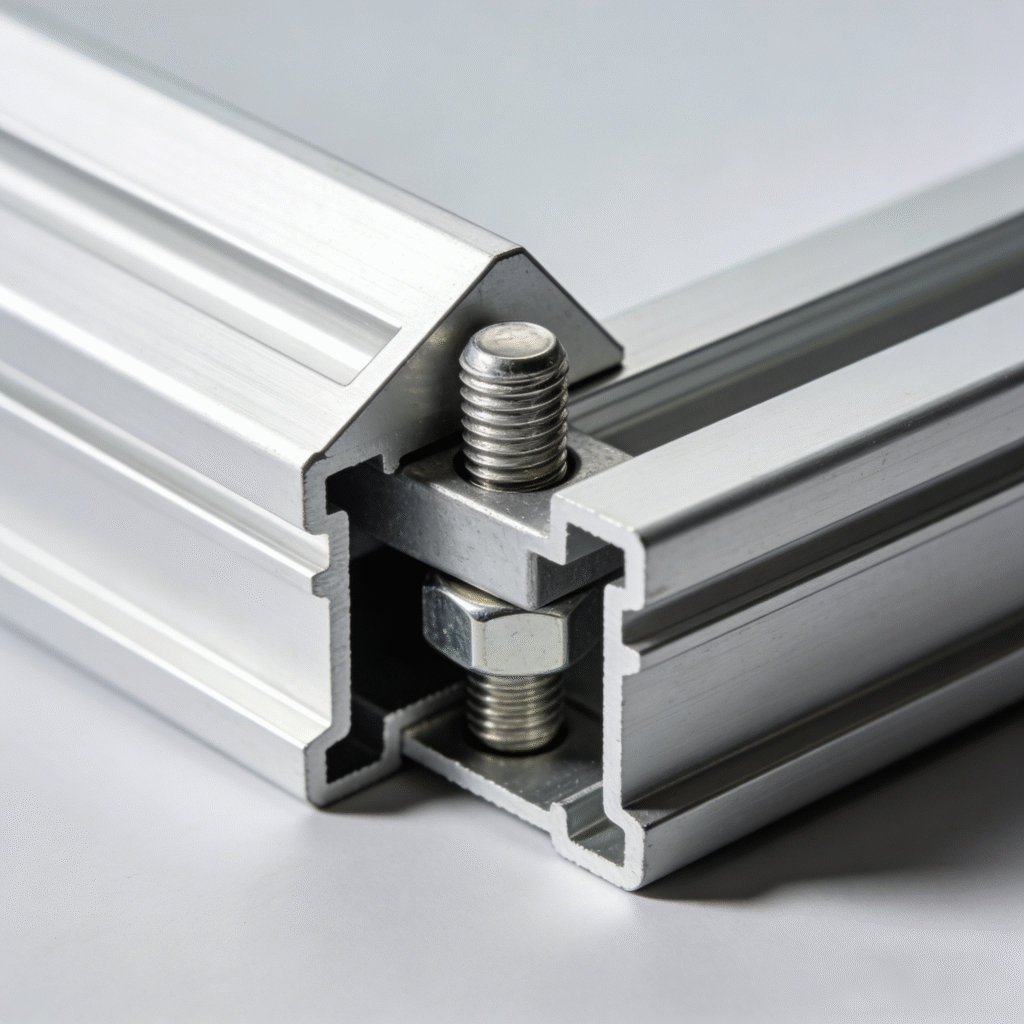
  • Система соединения: Выбор кронштейнов и соединительных элементов влияет на время сборки. Надежный поставщик предлагает комплексную систему.
  • Проектирование с учетом технологичности: Использование стандартных профилей позволяет сократить расходы. Однако при наличии сложных требований возможность изготовления профилей на заказ становится неоценимым преимуществом.

Ваш следующий шаг

Выбор подходящего материала предполагает поиск оптимального соотношения технических характеристик и экономической эффективности. Следуя этому четкому подходу, вы сможете уверенно пройти весь процесс.

Вы работаете над каким-то конкретным проектом? «Гуандун Аолайбо Алюминий» специализируется на высокопрочных Выбор промышленных алюминиевых профилей. Мы предлагаем комплексные решения по изготовлению продукции на заказ. Мы сочетаем высококачественные материалы с инженерной поддержкой. Благодаря этому мы эффективно воплощаем ваши проекты в жизнь.

Свяжитесь с нами сегодня, чтобы получить бесплатную консультацию или запросить расценки. Пусть наш опыт станет основой вашего следующего успешного проекта.
Производственная линия алюминиевых рам: 5 секретов конструкции для тяжелых условий эксплуатации

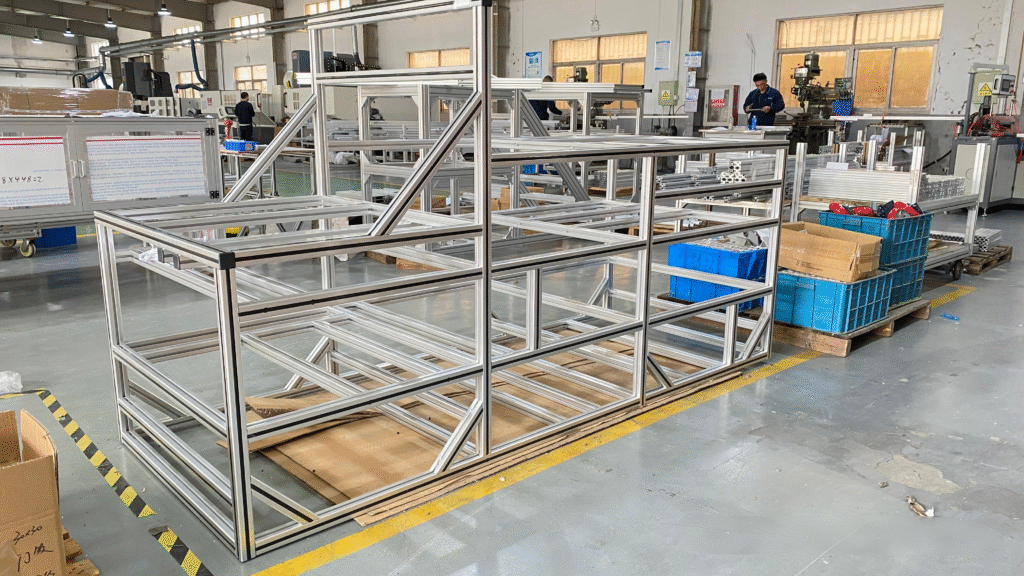
Надежный Производственная линия алюминиевых рам являются основой современной автоматизации. Благодаря своей легкости и прочности они идеально подходят для поддержки тяжелого оборудования. Однако разработка эффективной рамы требует тщательного планирования. Опираясь на отраслевой опыт компании Guangdong Aolaibo Aluminum, мы представляем 5 секретов создания конструкций для тяжелых условий эксплуатации. Они помогут вам оптимизировать вашу Производственная линия алюминиевых рам для повышения производительности.

Секрет № 1: Грузоподъемность алюминиевых рам для производственных линий

Прежде всего, необходимо оценить требования к нагрузке. На автоматизированных линиях часто транспортируется тяжелое оборудование, поэтому прочность имеет решающее значение. Поэтому мы рекомендуем использовать алюминиевые сплавы 6061 или 6063. Они отличаются превосходным соотношением прочности и веса.

Кроме того, необходимо рассчитать как статические, так и динамические нагрузки. Это позволит предотвратить деформацию или разрушение каркаса. На нашем сайте представлены подробные технические характеристики сплавов. Это поможет вам выбрать подходящий материал для ваших конструкций, рассчитанных на высокие нагрузки Производственная линия алюминиевых рам.

Секрет № 2: Применяйте модульную архитектуру для обеспечения гибкости

Модульная конструкция — это все более популярная тенденция. Использование стандартных алюминиевых профилей позволяет быстро собрать конструкцию. Благодаря этому вы можете легко изменять или расширять каркас. Такой подход позволяет сэкономить время и сократить расходы в долгосрочной перспективе.

Например, вы можете интегрировать новые компоненты в уже существующую конструкцию. Компания Guangdong Aolaibo Aluminium представляет различные модульные решения. Они подходят для любых задач — от небольших рабочих мест до крупных Производственная линия алюминиевых рам.

Секрет № 3: Обеспечьте точность и аккуратность

Точность напрямую влияет на плавность работы. При сборке Производственная линия алюминиевых рам, необходимо соблюдать жесткие допуски. Даже незначительные погрешности могут вызвать вибрацию.

В частности, мы применяем передовые технологии обработки. Это гарантирует, что каждый профиль соответствует высоким стандартам. Как показывают наши примеры из практики, точно изготовленные рамы способствуют повышению общей эффективности оборудования.

Секрет № 4: Сведите вибрацию к минимуму для обеспечения устойчивости

Автоматизированное оборудование создает вибрацию. Однако это может повлиять на срок службы каркаса. Для повышения устойчивости добавьте в конструкцию демпфирующие элементы Производственная линия алюминиевых рам.

Кроме того, убедитесь, что все соединения надежно закреплены. Грамотно спроектированная компоновка способствует равномерному распределению нагрузки. На нашем сайте вы найдете дополнительные рекомендации по снижению вибрации, которые помогут обеспечить более плавную работу оборудования.

Секрет № 5: Ставьте стандарты безопасности на первое место

Безопасность является главным приоритетом в промышленном проектировании. Конструкции должны соответствовать международным стандартам, таким как ISO или OSHA. Это обеспечивает безопасность как работников, так и оборудования.

Кроме того, предусмотрите в своем проекте такие элементы безопасности, как закругленные края. Вся продукция компании Guangdong Aolaibo Aluminum проходит тщательные испытания. Мы гарантируем, что ваша Производственная линия алюминиевых рам соответствуют международным стандартам.

Заключение

В целом, уделение особого внимания нагрузке, модульности и точности поможет вам создать эффективную Производственная линия алюминиевых рам. Эти меры позволяют продлить срок службы вашей производственной линии.

Чтобы ознакомиться с индивидуальными решениями для тяжелых условий эксплуатации, посетите «Гуандун Аолайбо Алюминий». Ознакомьтесь с нашим каталогом продукции или свяжитесь с нашей командой. Мы предлагаем профессиональную поддержку, которая поможет вам достичь поставленных целей в области автоматизации.

ACP или алюминиевая облицовка: как выбрать подходящий материал для фасада?

Struggling with the choice between ACP vs Aluminum Cladding for your building’s facade? You are not alone. Selecting the right material is a critical decision that impacts aesthetics, budget, and longevity. Two of the most popular choices are Aluminum Composite Panels (ACPs) and Aluminum Panels. This guide provides a clear comparison to help you unlock expert insights and find the best solution for your project.

Understanding Aluminum Composite Panels (ACPs)

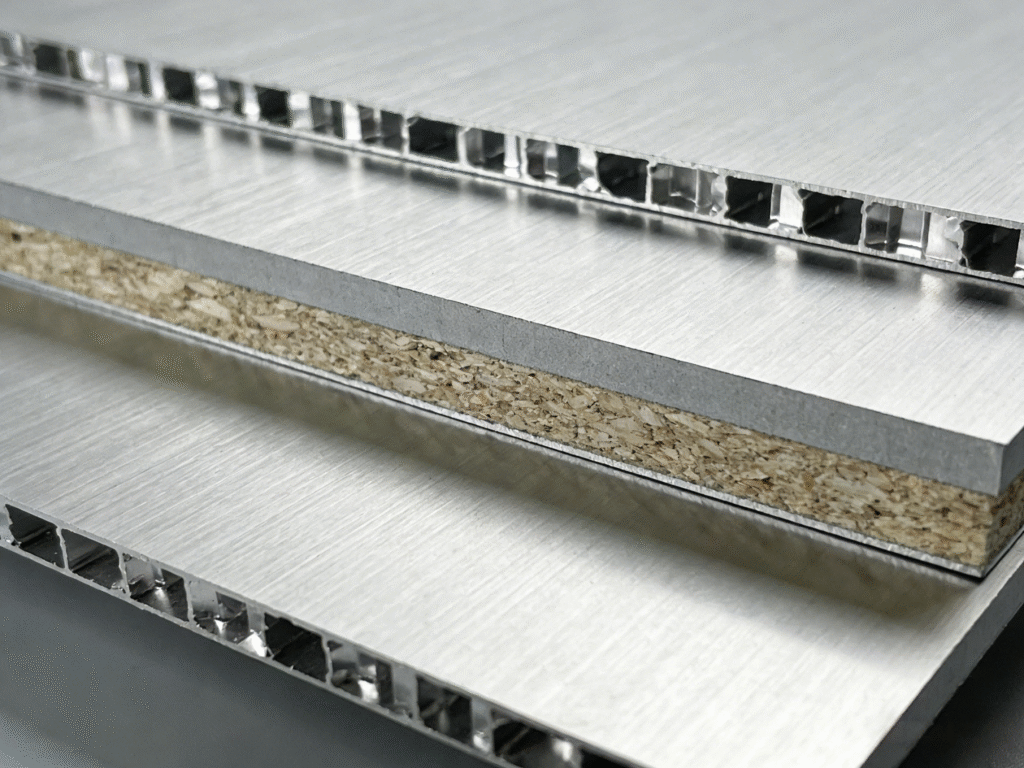
Aluminum Composite Panels consist of two thin aluminum sheets bonded to a core. This sandwich structure defines their key characteristics.

Furthermore, ACPs are remarkably lightweight. This makes them easier to install, often reducing labor costs. Additionally, they offer excellent flatness. They come in a vast array of colors and prints. This versatility allows for great creative freedom.

However, their performance depends on the core. Standard PE cores are cost-effective but combustible. For high-risk projects, fire-retardant mineral cores are essential.

Exploring Aluminum Cladding Panels

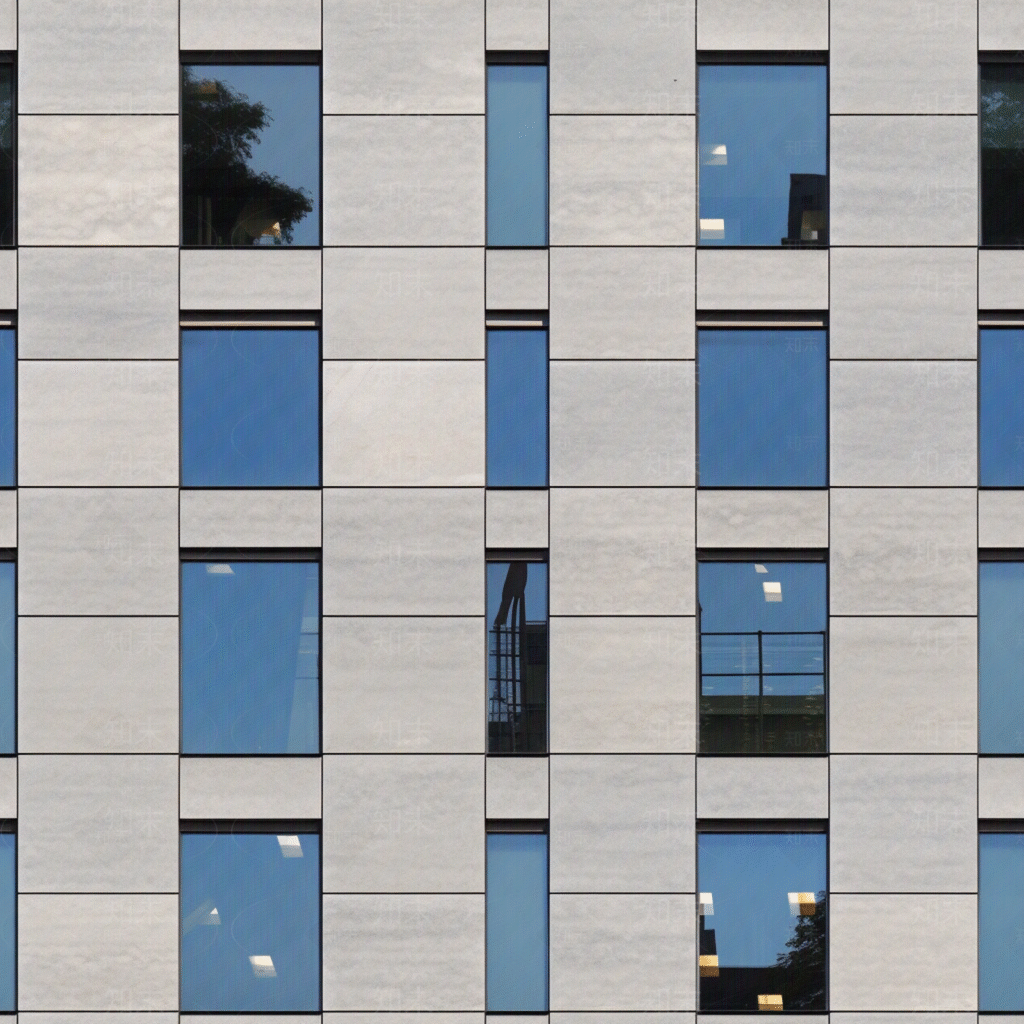
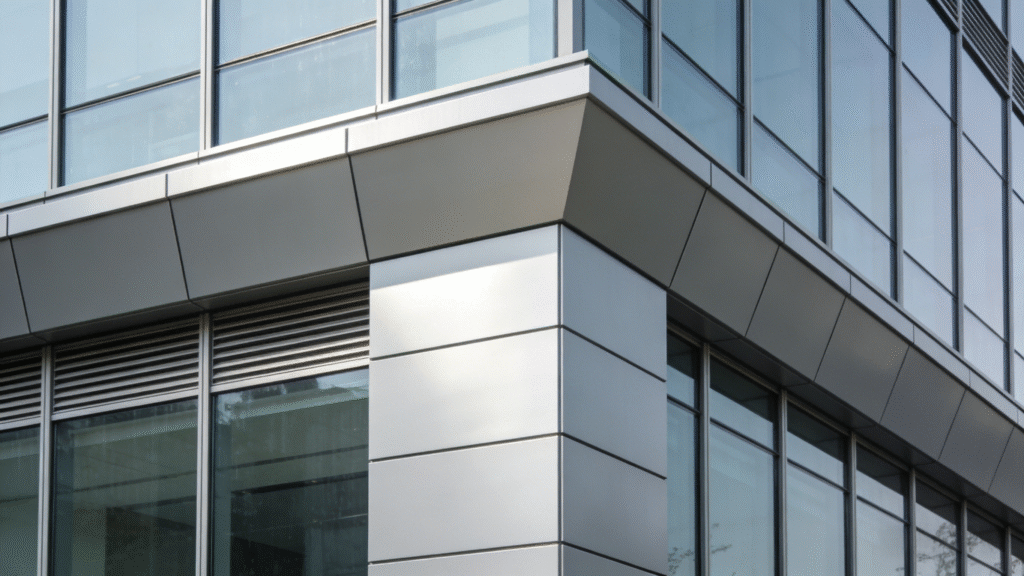
In contrast, regarding ACP vs Aluminum Cladding, the solid aluminum panel is made from a single sheet of alloy. They are fabricated by cutting and bending the metal.

The primary advantage of aluminum panels is superior strength. Being solid metal, they are highly impact-resistant. Moreover, they are non-combustible (A2/S1-d0). This meets the highest fire safety standards.

Additionally, aluminum panels excel in weather resistance. High-quality PVDF coatings provide exceptional protection against UV rays. Consequently, they have a very long service life.

Key Comparison: Cost, Safety, and Durability

Let’s break down the comparison into clear factors to help you decide:

  • Weight: ACPs are lighter, leading to simpler support structures.
  • Finish: Both offer excellent flatness. ACPs provide more decorative prints. Aluminum panels excel in solid metallic tones.
  • Durability: Aluminum panels are generally stronger. They are the preferred choice for demanding environments.
  • Fire Safety: Solid aluminum panels are non-combustible. ACPs require specific mineral cores to ensure safety.
  • Cost: Typically, ACPs have a lower initial material cost. Aluminum panels offer longevity that provides better long-term value.

Making the Right Choice for Your Project

So, which material is best? Consider this simple guide on ACP vs Aluminum Cladding:

Choose Aluminum Composite Panels (ACPs) if: Your project prioritizes budget-friendly costs or requires complex decorative prints. Aolaibo offers high-quality ACPs with various core options.

Choose Aluminum Panels if: Your project demands maximum durability and superior fire safety (e.g., high-rises, airports). As a specialist manufacturer, Aolaibo provides precision-fabricated panels.

Заключение

Ultimately, the best choice balances design, budget, and regulations. By understanding the differences in ACP vs Aluminum Cladding, you can select the material that performs flawlessly.

Ready to choose the ideal AlloyPro facade solution for your build? Visit Guangdong AlloyPro Aluminum to explore our full range. Contact us today to unlock more expert insights for your project.

Спор об анодировании и порошковой окраске алюминия

The anodizing vs powder coating debate remains critical for industrial aluminum profiles today. Therefore, surface finishing is not just about aesthetics anymore. It is a critical process that enhances corrosion resistance directly. Consequently, choosing between these dominant technologies can be challenging. Thus, this professional guide clearly explains both finishing methods completely. Ultimately, we help you make the absolute best decision for your project.

Anodizing vs Powder Coating: The Anodizing Edge

Anodizing is a highly effective electrochemical process perfectly. Therefore, we immerse the aluminum profile in an electrolyte bath. This process creates a thick aluminum oxide layer instantly. Moreover, this layer transforms the base metal completely.

  • Exceptional Durability: The oxide layer offers superior abrasion resistance always.
  • Heat Dissipation: It retains thermal conductivity incredibly well for electronics.
  • Natural Look: It provides a professional metallic grain effortlessly.
  • Best Uses: Ultimately, anodizing is ideal for precision machine frames.

Anodizing vs Powder Coating: The Powder Coating Process

Powder coating uses a brilliant physical application process instead. Therefore, we apply electrostatically charged powder to the raw aluminum. The profile then cures in a hot oven quickly. Thus, it forms a perfectly smooth and tough protective film.

  • Vast Colors: You can access virtually any custom RAL color easily.
  • Коррозионная стойкость: The thick film blocks harmful UV rays effectively.
  • Uniform Coverage: This process ensures incredibly even coverage always.
  • Best Uses: Consequently, powder coating is perfect for architectural facades.

How to Choose: Anodizing vs Powder Coating

Your final choice depends on your specific project requirements. Therefore, we provide a direct professional comparison here.

  • Appearance Match: Choose anodizing for a sleek metallic look easily. Conversely, powder coating provides incredibly vibrant solid colors.
  • Performance Needs: Anodizing excels for extreme daily abrasion resistance. Moreover, powder coating offers superior weather barrier protection.
  • Экономическая эффективность: Standard anodizing is often highly cost-effective generally. Thus, powder coating becomes economical for specific custom colors.

Conclusion for Your Aluminum Projects

At Guangdong AlloyPro Aluminum, we operate advanced lines perfectly. Our expert team offers comprehensive free consultations daily. Contact us to discuss anodizing vs powder coating directly. Ensure your industrial aluminum profiles are built to last permanently.

Modular Aluminum Profile Systems: The Backbone of Agile Smart Factories

Industry 4.0 is revolutionizing manufacturing. It focuses on creating connected and highly adaptable factories. However, traditional fixed steel structures often slow down this transformation. In contrast, Modular Aluminum Profile Systems are becoming the essential framework for the future. Think of them as industrial building blocks. They provide the flexibility needed for rapid change and continuous improvement.

1.Enable Rapid Deployment with Modular Aluminum Profile Systems

Speed is crucial in modern manufacturing. Modular Aluminum Profile Systems allow for incredibly fast assembly. You can build structures using standard parts and simple tools. Specifically, no welding is needed. This drastically cuts the time from design to a working production line.

Additionally, these systems make prototyping easy. You can quickly build a full-scale model to test your layout. This agility lets you respond to new market demands without major delays.

2. Offer Unmatched Flexibility and Scalability

The true value of a smart factory lies in adaptation. Modular Aluminum Profile Systems excel here. You can easily reconfigure, extend, or repurpose the system as needs change. Modify a workstation in hours or redesign a full layout over a weekend.

This approach also protects your investment. You can reuse components in new configurations instead of scrapping them. Consequently, this supports lean manufacturing by allowing your floor plan to evolve seamlessly.

3. Simplify Automation and Tech Integration

Smart factories rely on data. Modular Aluminum Profile Systems provide a perfect platform for this. They offer a rigid structure to mount robots and sensors. The integrated T-slots allow for secure mounting of any component.

Furthermore, the open design makes cable management simple. You can neatly organize power and data lines for your IoT devices. This ensures reliable operation and easy maintenance.

4. Support a Sustainable and Efficient Workspace

Beyond flexibility, Modular Aluminum Profile Systems create a better environment. Aluminum is strong yet lightweight. This makes structures safer and easier to handle.

Moreover, the material is corrosion-resistant and fully recyclable. This supports your sustainability goals. The modular nature helps organize the workspace efficiently. A clean floor is essential for high-quality production.

Build Your Agile Future Today

To succeed in Industry 4.0, your factory must be agile. Modular Aluminum Profile Systems are a strategic tool for innovation. They empower you to implement changes fast and cut downtime.

Ready to build the foundation of your smart factory? Explore our precision-engineered Modular Aluminum Profile Systems. Contact our engineering team for a consultation on your next project.

How to Protect Aluminum Profile Shipment: A Professional Guide

Securing your order doesn’t end with production. Knowing how to Protect Aluminum Profile Shipment is the final, critical step. Professional packaging and anti-corrosion treatment determine if your products arrive in perfect condition. Proper methods prevent costly damage. Therefore, this guide ensures your investment is fully protected from our factory to your site.

The Foundation: Cleaning to Protect Aluminum Profile Shipment

We start by ensuring every profile is clean. Residual oils or moisture can trap corrosive agents. Consequently, our process includes thorough degreasing followed by complete drying. This step creates the ideal surface. It allows all subsequent measures to Protect Aluminum Profile Shipment effectively.

Advanced Protection: VCI Technology

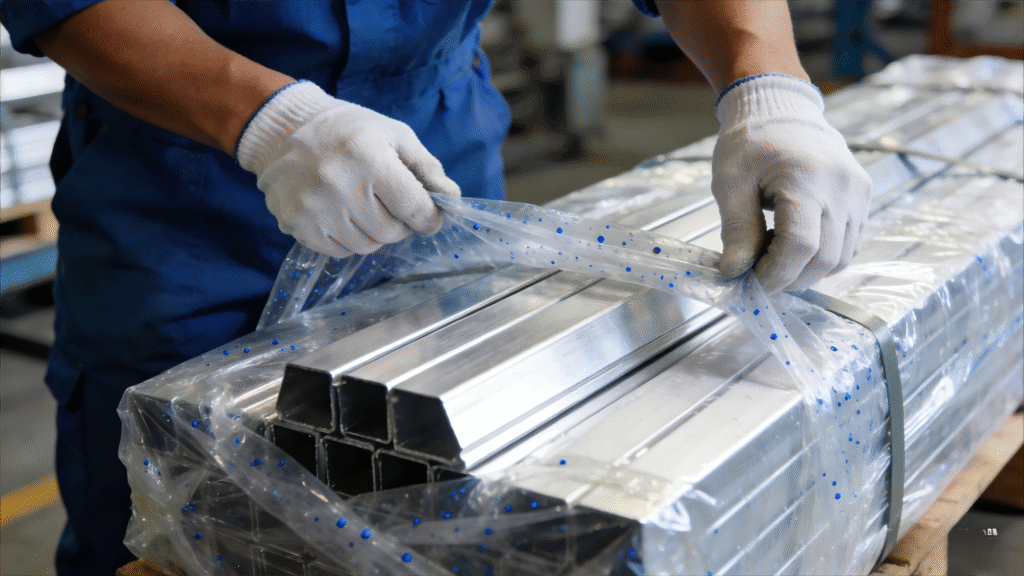
For long sea voyages, standard wrapping is insufficient. VCI (Vapor Corrosion Inhibitor) technology provides superior defense. We place special VCI papers within the bundles. These papers release a protective vapor. This forms an invisible shield over the metal. This method actively helps Protect Aluminum Profile Shipment against salt air and humidity.

Building the Shield: Robust Packaging

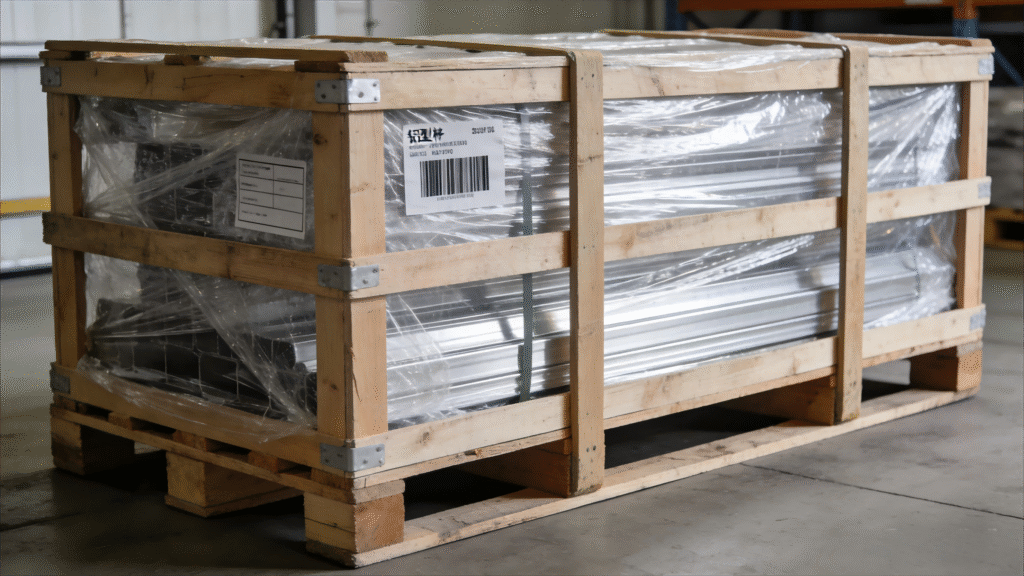
The external crate is the main defense. We use dry, sturdy timber to build frames that withstand stacking. Inside, profiles are secured to prevent movement. Additionally, we incorporate waterproof barriers to guard against rain. Clear labels like “Fragile” help Protect Aluminum Profile Shipment throughout the logistics chain.

Ensuring Lasting Quality: Storage Upon Arrival

Your actions upon receipt are crucial. Move packages to a dry, indoor area immediately. Keep the original packaging intact until use. For extended storage, ensure good ventilation. If you notice condensation, dry the surfaces promptly. This is vital to Protect Aluminum Profile Shipment from late-stage corrosion.

Заключение

Investing in expert packaging is an investment in security. It prevents the hidden expenses of damage. At Aolaibo Aluminum, our integrated process ensures we Protect Aluminum Profile Shipment effectively. From meticulous cleaning to VCI protection, we ensure your profiles arrive ready for installation.

How Aluminum Die Optimization Maximizes Material Yield

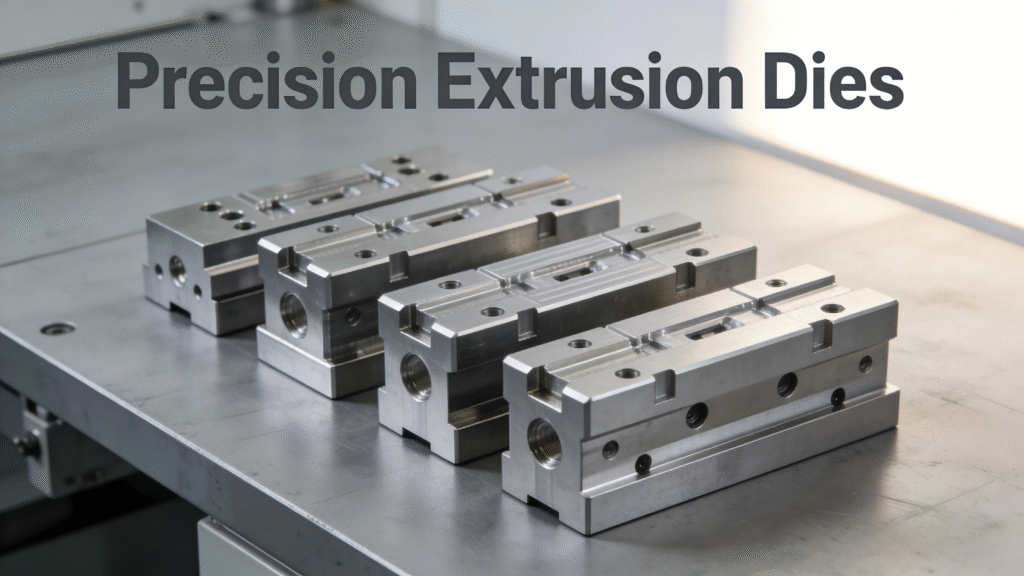
In aluminum extrusion, material cost represents a significant portion of the total expense. Therefore, improving utilization is crucial for reducing costs. Aluminum Die Optimization plays a central role in this effort. Through targeted improvements, manufacturers can effectively minimize scrap. This directly enhances output and sustainability for AlloyPro clients.

1. Leveraging Simulation for Aluminum Die Optimization

Modern die design begins with computer simulation. We use specialized software to simulate metal flow before manufacturing. This virtual testing is a key part of Aluminum Die Optimization. It allows us to identify issues like uneven flow speed.

Modern die design begins with computer simulation. We use specialized software to simulate metal flow before manufacturing. This virtual testing is a key part of Aluminum Die Optimization. It allows us to identify issues like uneven flow speed.

2. Bearing and Port Design in Aluminum Die Optimization

The design of the bearing and port holes is critical for efficiency. In our Aluminum Die Optimization process, we strategically adjust the bearing length. This controls metal flow speed uniformly.

Additionally, we optimize the port holes to reduce resistance. This optimization lowers the required extrusion pressure. A smoother flow not only saves energy but also reduces wear. More importantly, it prevents defects like tears, directly leading to higher quality output.

3. Implementing High-Strength Coatings for Longevity

Die longevity directly impacts material consistency. We apply advanced surface coatings, such as nitriding or PVD, to the dies. This is a vital step in Aluminum Die Optimization. These coatings dramatically increase surface hardness.

A harder die maintains its precise shape longer. This means the first extrusion and the ten-thousandth one have identical accuracy. Furthermore, a well-protected die resists adhesion. This reduces downtime for cleaning and minimizes scrap during start-ups.

Заключение

In summary, Aluminum Die Optimization is a systematic approach. It combines simulation, precision design, and surface engineering. It transforms the die into a vital component for efficiency.

By investing in these optimizations, AlloyPro achieves a substantial increase in material yield. This translates to cost savings and reliable, high-quality aluminum profiles for our clients.

Is Aluminum Windows Better Than Wood? The Ultimate Comparison

Windows play a crucial role in any building, providing natural light and ventilation. In recent years, there has been a growing trend towards the use of aluminum. In this article, we explore the debate of Aluminum vs Wood Windows. We will help you make an informed decision when choosing the ideal material for your needs with AlloyPro.

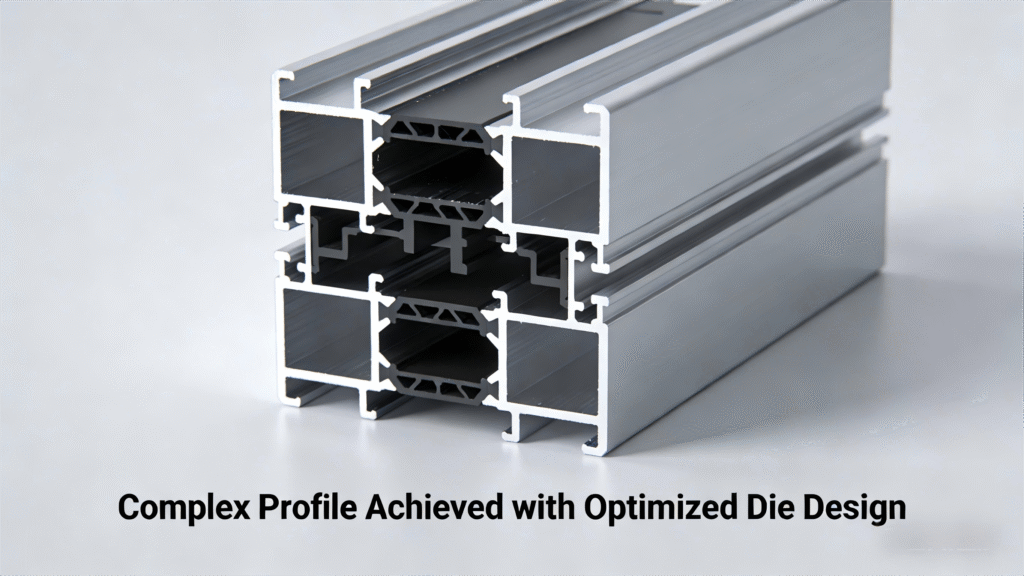
Xmfd108 6063 T5 Extruded Aluminium Profiles For Sliding Window Casement Window

1.Benefits of Aluminum in the Aluminum vs Wood Windows Debate

Aluminum windows offer several advantages that make them a popular choice. Firstly, their durability is unmatched in the Aluminum vs Wood Windows comparison. They are resistant to rot, warping, and cracking.

Additionally, aluminum windows require minimal maintenance. This saves you time and effort. Moreover, they are highly energy-efficient thanks to insulation properties. Furthermore, the design flexibility of AlloyPro profiles allows for sleek styles. Lastly, they offer enhanced security features for your home.

2.Advantages of Wood in the Aluminum vs Wood Windows Comparison

While aluminum has merits, wood windows have unique advantages. In the Aluminum vs Wood Windows context, the natural beauty of wood is unparalleled. It adds warmth to any home.

Wood windows also provide excellent insulation, reducing energy consumption. Furthermore, wood is a renewable resource. This makes it a sustainable choice for those concerned about the planet.

3.Cost and Value: Aluminum vs Wood Windows

When comparing Aluminum vs Wood Windows, it is important to consider both initial investment and long-term value. Aluminum windows tend to have a higher upfront cost due to manufacturing.

However, they offer long-term value through durability. This leads to cost savings over time. On the other hand, wood windows may have a lower initial cost. However, they require more maintenance. Consequently, this results in higher long-term expenses.

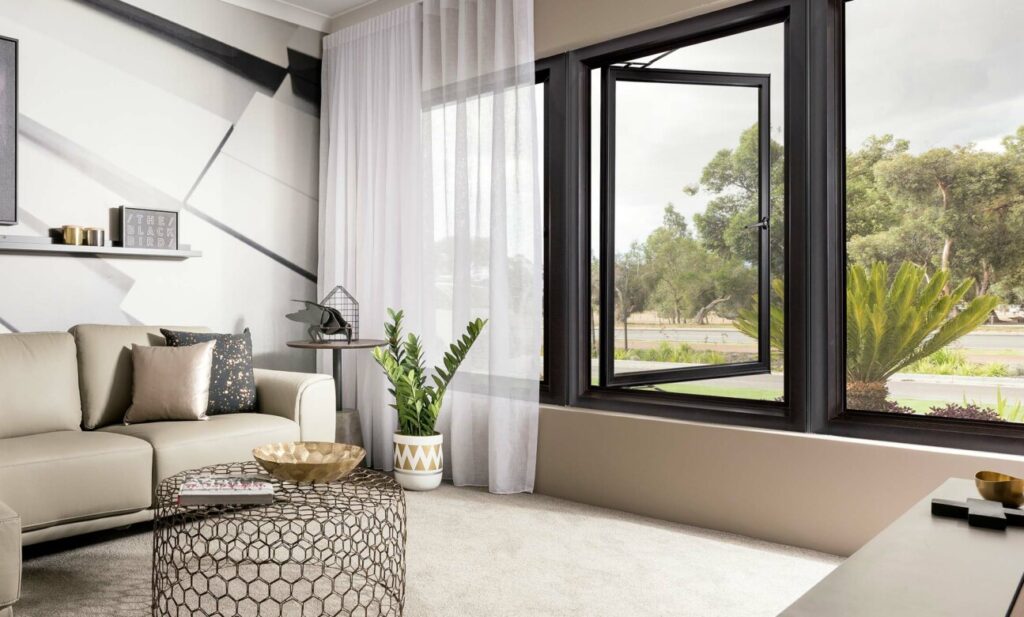
Xmgr108 Aluminum Thermal Barrier Casement Window

4. Making the Choice: Aluminum vs Wood Windows

Several factors should be considered when deciding on Aluminum vs Wood Windows.

  • Climate: Aluminum windows are highly resistant to harsh weather.
  • Design: Both materials offer distinct aesthetics.
  • Обслуживание: Aluminum requires less upkeep and tends to last longer.
  • Окружающая среда: Wood is sustainable but requires responsible sourcing.

Заключение

Choosing between Aluminum vs Wood Windows ultimately comes down to personal preference. While aluminum offers durability and low maintenance, wood provides natural beauty.

By considering factors such as climate and budget, you can make an informed decision. Whether you opt for sleek aluminum or timeless wood, AlloyPro can help enhance your home.

How to Reduce Aluminum Costs: 5 Smart Tips for Engineers

For engineers and buyers, controlling expenses is key. True savings start with smarter choices. Choosing the cheapest option can risk quality. Instead, focus on optimizing the entire process. Here are five practical strategies to effectively Reduce Aluminum Costs с AlloyPro.

Here are five practical strategies to reduce your total aluminum expenditure effectively.

1. Collaborate Early to Reduce Aluminum Costs

Involving your supplier at the design stage is the most effective way to save. Their engineers can spot opportunities you might miss.

  • How it helps: They can suggest design tweaks for easier manufacturing. This leverages expert knowledge.
  • Key benefit: Early input prevents costly changes later. This is a primary way to Reduce Aluminum Costs effectively.

2. Optimize Design to Reduce Aluminum Costs

Design determines up to 80% of the cost. Overly complex designs waste material.

  • Smart approach: Simplify the cross-section. Use hollow sections to save weight. Standardize angles to ease production.
  • Core principle: Design for manufacturability. The goal is to use the least material while meeting requirements. This strategic design helps Reduce Aluminum Costs significantly.

3. Choose the Right Alloy Wisely

Not every project needs premium-grade aluminum. Selecting an alloy that’s “too good” is a source of waste.

  • Match alloy to function: For structural parts, 6061-T6 is strong. For trims, 6063-T5 performs well at a lower price.
  • Ask your supplier: Describe the environment. A reliable supplier like AlloyPro can recommend the most economical alloy.

4. Leverage Standard Profiles

Fully custom profiles require new molds. This adds significant upfront expense.

  • First check standards: Always review your supplier’s catalog. A minor adjustment to fit a standard option saves mold investment.
  • Consider modification: If a standard profile isn’t perfect, ask for a small modification. This is cheaper than a new design.

5. Total Cost Strategy to Reduce Aluminum Costs

The initial price is only part of the story. Consider the total cost of ownership.

  • Factor in processing: An alloy with better machinability might cost more but reduces machining time.
  • Value partnership: A supplier who ensures on-time delivery saves you from hidden delays. This holistic view is vital to Reduce Aluminum Costs in the long run.

Заключение

Effective cost reduction comes from strategic planning. By partnering with AlloyPro Aluminum, you achieve the balance between performance and budget.

For specific advice on how to Reduce Aluminum Costs for your project, contact our engineering team today.

Прокрутить к верху