







Adress

Guangdong, China

Email

postmaster@alloypro.net

Install Aluminum Windows: A Professional Step-by-Step Fitting Guide

Property developers and contractors often choose to install aluminum windows because of their modern look and long-lasting strength. However, the performance of these windows depends heavily on the quality of the fitting process. If you follow a professional installation flow, you ensure better thermal insulation and structural safety. This guide provides a detailed look at the technical steps required to install aluminum windows professionally for your building projects.

Site Preparation and Accurate Measuring

Before you begin to install aluminum windows, you must prepare the rough opening. First, clean the masonry or timber frame to remove any old debris or dust. Additionally, check the opening dimensions at multiple points. Even a small measurement error can cause gaps that lead to air leakage.

Gather all necessary tools, such as a spirit level, drill, and high-quality silicone sealant. Furthermore, prepare plastic shims to help you level the frame later. Proper preparation reduces the risk of errors during the mechanical fixing stage. Consequently, your windows will operate more smoothly over time.

Positioning and Leveling the Aluminum Frame

Carefully place the aluminum frame into the opening. It is best to have two people handle this task to prevent any damage to the powder-coated surface. Once the frame is in place, insert plastic shims to create a consistent gap between the frame and the wall.

Mechanical Fixing and Professional Sealing

Once you level the frame, you can start the mechanical fixing. Drill holes through the aluminum profile and into the wall structure. Space these fixings about 400mm apart for maximum stability. Use expansion bolts to secure the frame, but do not over-tighten them. Over-tightening can bend the aluminum and ruin the window’s function.

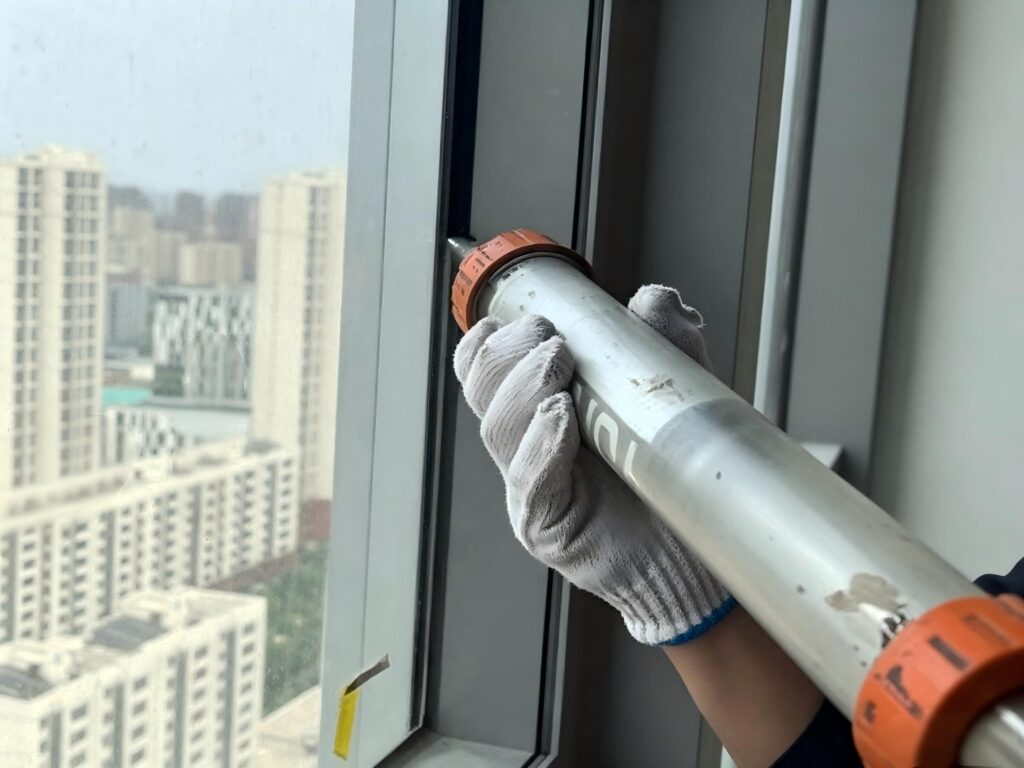
Next, focus on weatherproofing the window. Apply a continuous bead of high-grade silicone sealant around the external perimeter. This step is crucial to prevent water infiltration. Additionally, use expanding foam in the internal cavity to boost thermal performance. Properly sealed frames save energy and keep the building interior comfortable.

Final Sash Installation and Testing

After you secure and seal the frame, you can attach the casement sash and the glass units. Most installers use EPDM gaskets for a tight, dry-glazing seal. Carefully fit the glass into the sash and snap the glazing beads into place. Afterward, install the handles and hinges.

Finally, conduct a thorough functional test. Open and close the window several times to check the friction stays. Ensure the locking system engages smoothly without resistance. If the window operates correctly, your project now benefits from high-quality, durable aluminum systems.

Aluminum vs Vinyl Windows: Why is Aluminum Superior to uPVC?

Why is Aluminum Superior to other building materials? As global construction shifts toward eco-friendly solutions, Thermal Break Aluminum Windows lead the industry in performance. Our Energy Efficient Glass Systems consistently outperform Aluminum vs Vinyl Windows in durability and structural strength for every high-end project.

1. The Power of the Circular Economy

Aluminum is the “green metal.” To begin with, it is 100% recyclable. In addition, recycling aluminum consumes only 5% of the energy compared to primary production. Unlike wood that decays or uPVC that loses quality, aluminum stays strong forever. Therefore, by choosing alloypro.net, you support a sustainable economy. Consequently, this choice lowers the carbon footprint of your entire project.

2. Maximum Energy Savings with Thermal Breaks

Modern technology has solved the insulation problem. For example, our Thermal Break Aluminum Windows use reinforced strips to stop heat transfer. As a result, this innovation keeps buildings cool in summer and warm in winter.

In contrast, wood frames often warp and leak air. Similarly, when architects evaluate Aluminum vs Vinyl Windows, they find that vinyl can expand and fail. Because our systems are precise, they reduce the load on HVAC units. Accordingly, owners enjoy massive energy savings and better comfort.

3. Unmatched Durability in Extreme Environments

Sustainability requires longevity. Most importantly, a material is not eco-friendly if you must replace it often. For instance, wood is vulnerable to rot and moisture. In the same way, uPVC often becomes brittle under the sun.

However, aluminum with PVDF coating resists corrosion effortlessly. Whether your project is in a coastal region or a desert, AlloyPro systems stay strong. Since they last over 30 years, they ensure zero heavy maintenance costs. Thus, aluminum remains the premier Sustainable Architecture Material.

4. Slim Design and Natural Daylighting

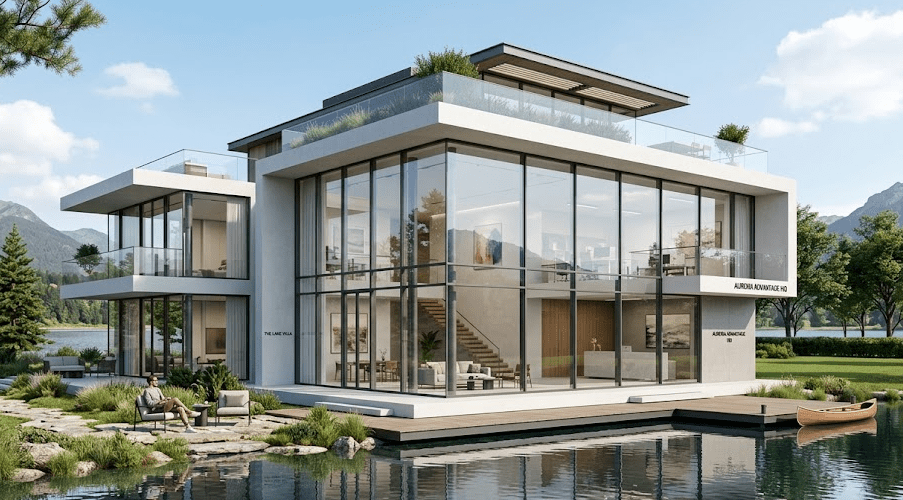
Architects favor aluminum for its strength. Because it is strong, it allows for Slim Line designs with huge glass panes. Consequently, larger windows maximize natural daylight. Therefore, they reduce the need for electric lighting.

While wood requires thick frames, aluminum stays sleek. Moreover, it delivers a minimalist look without sacrificing safety. It creates a seamless connection to the outdoors. This is a hallmark of modern sustainable design.

5. Low Maintenance for Long-Term Benefits

Maintaining a building consumes resources. For example, wood requires regular sanding and toxic treatments. In contrast, aluminum is virtually maintenance-free. Specifically, a simple cleaning with water is usually enough to keep frames looking new.

Furthermore, the stability of aluminum ensures that doors do not jam. This reliability is essential for international buyers. It ensures that the Energy Efficient Glass Systems perform well for decades. As a result, they far outlast standard vinyl options.

Conclusion: A Future-Proof Investment

In conclusion, aluminum outperforms both vinyl and wood in every way. It offers better recycling, strength, and energy efficiency. Therefore, it is a long-term investment for the planet. Visit alloypro.net to explore our solutions and build a greener future today.

Secure Casement Windows: Top 3 Security Details for Projects

When planning high-end residential or commercial developments, secure casement windows are among the most reliable options to ensure building safety. Many architects and homeowners ask: “Are casement windows truly safe?” The short answer is yes. In fact, their unique engineering makes them nearly impossible to pry open from the outside.

However, not all systems provide the same protection. At AlloyPro, we focus on engineering systems that balance sleek aesthetics with maximum safety. Here are the three critical security details that define a high-quality installation and help you build with confidence.

1. Advanced Multi-Point Locking Systems

Standard windows often rely on a single latch. In contrast, high-performance secure casement windows use multi-point locking mechanisms. This system secures the window at several spots along the frame with just one handle turn.

Additionally, these locks pull the window sash tight against the frame seal. This creates a barrier that is both airtight and tamper-proof. For international buyers, ensuring your hardware meets global standards is essential. AlloyPro integrates premium locks that resist forced entry effectively, providing much-needed peace of mind for any project.

2. Structural Integrity of Aluminum Frames

The frame material dictates the overall strength of the window. While vinyl or wood might warp over time, high-grade aluminum remains rigid and stable. AlloyPro uses premium aluminum alloys that withstand extreme wind pressure and physical impact.

Furthermore, our thermal break technology does more than just save energy. It adds internal structural layers that make the frame harder to bend or break. When you choose a robust aluminum frame, you invest in a long-term security barrier. This durability is why modern contractors prefer our systems for luxury developments.

3. Impact-Resistant Glass Engineering

The glass is often the most vulnerable part of any building. To combat this, we utilize “Energy Efficient Glass Systems” that serve a dual purpose. These systems include tempered or laminated glass options designed for high-traffic environments.

Laminated glass, in particular, stays intact even if it cracks. This prevents intruders from gaining quick access to the interior. Moreover, the integration of these glass units into our precision-engineered frames ensures there are no weak gaps for prying tools. By combining strong glass with a secure frame, you create a complete safety solution.

Conclusion

Security in modern architecture requires attention to every detail. From multi-point locks to reinforced aluminum frames and impact-resistant glass, every element plays a vital role. Secure casement windows offer superior protection because their design inherently resists forced entry.

If you seek reliable, high-end window solutions, AlloyPro provides the expertise you need. Our systems prioritize your safety without compromising on minimalist design. Explore our collection today and see how we redefine security in modern glass systems.

Multi-Chamber vs. Single-Chamber: Does Structure Enhance Insulation?

When evaluating high-performance Aluminum Window Sections for modern construction, the internal structure is the most critical technical decision. This structural difference directly dictates a building’s energy efficiency and acoustic comfort. Understanding how these cavities function is essential for selecting the right framing system for modern architectural requirements.

Structural Comparison of Aluminum Window Sections

The fundamental difference lies in how air and energy move within the frame. A single-chamber design features one large open cavity. While it provides basic structural support and is cost-effective for simple applications, it allows heat and sound waves to pass through the metal profile with minimal resistance.

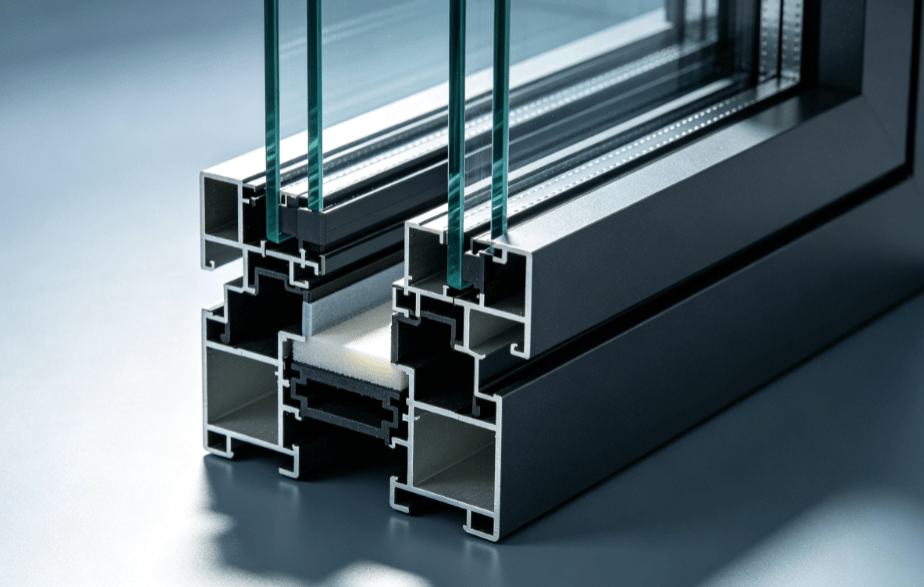
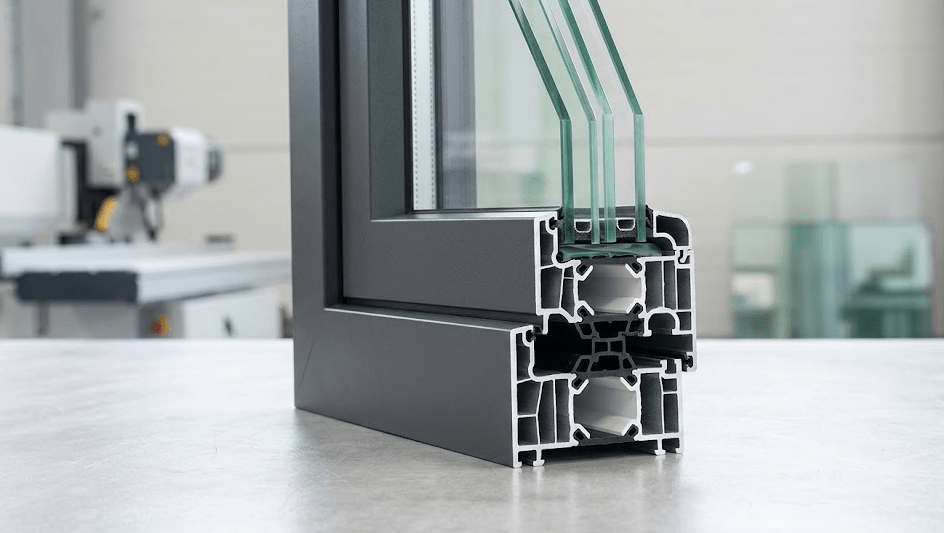
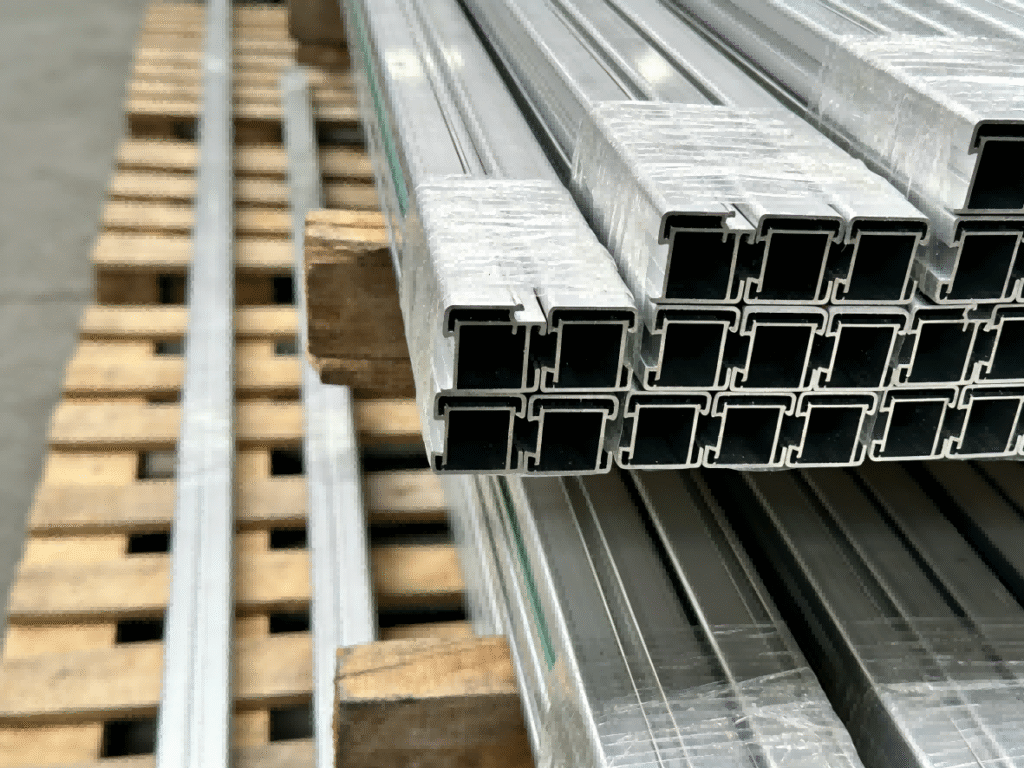
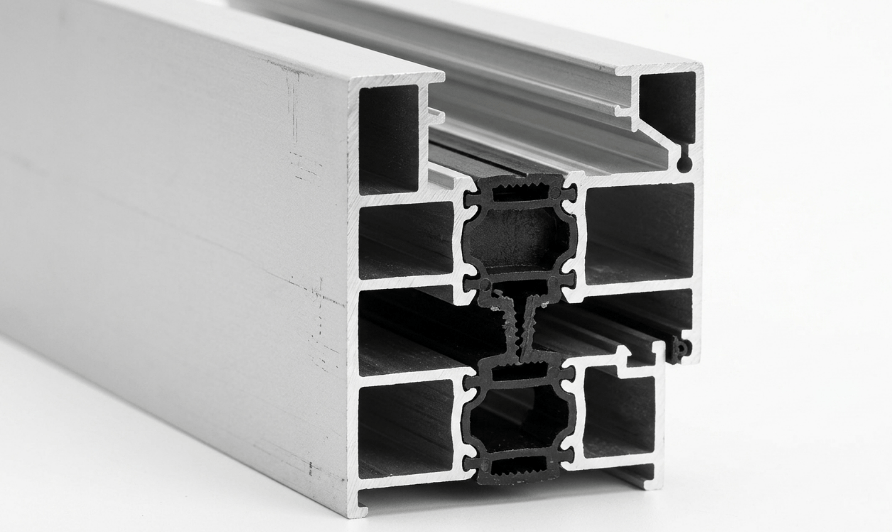
In contrast, multi-chamber Aluminum Window Sections utilize internal dividers to create a series of isolated air pockets. These chambers act as a natural buffer, slowing down thermal conduction. These internal ribs also provide additional “stiffness” to the profile, ensuring the frame remains stable under high wind pressure and physical stress.

Thermal Performance of Aluminum Window Sections

Aluminum is a natural conductor of heat. In a single-chamber approach, the large void does little to stop thermal transfer. High-performance Aluminum Window Sections solve this by combining a “thermal break” (a non-conductive barrier) with a multi-chamber geometry.

This combination effectively “traps” still air within the multiple small chambers. Since still air is an excellent insulator, this design significantly reduces the U-value of the window frame. For large-scale projects, this structural choice is the primary driver behind reduced electricity consumption and improved indoor climate control.

Acoustic Comfort: The “Sound Trap” Effect

Beyond temperature, the internal structure impacts urban noise reduction. A hollow, single-chamber frame can act like a drum, vibrating and potentially amplifying external noise.

Multi-chamber Aluminum Window Sections disrupt these sound vibrations through their reinforced internal walls. As noise attempts to travel through the frame, the sound waves hit multiple dividers, each reflecting and absorbing different frequencies. This “sound trap” effect provides a superior shield against traffic and construction noise, making it the standard for high-end residential and commercial interiors.

Conclusion: Engineering Success with AlloyPro

The choice between multi-chamber and single-chamber structures ultimately determines the longevity and comfort of a building. While single-chamber sections may suffice for basic needs, the next generation of architectural standards demands the precision of multi-chamber engineering.

As a specialist in high-performance building solutions, AlloyPro provides advanced Aluminum Window Sections from our manufacturing base in Guangdong. We combine rigorous structural testing with precision extrusion technology to ensure every profile delivers maximum insulation and durability. AlloyPro’s multi-chamber systems offer the reliable structural integrity your architectural projects deserve.

Commercial Aluminum Window: Casement vs Sliding Comparison

Choosing a Commercial Aluminum Window requires you to evaluate the specific needs of your building design. Both casement and sliding systems offer unique benefits for modern architecture. Architects frequently compare Casement vs Sliding Windows to see which design fits their climate best. This guide provides a clear analysis to help you find the right Commercial Aluminum Window for your next build.

How Does Each Commercial Aluminum Window Type Operate?

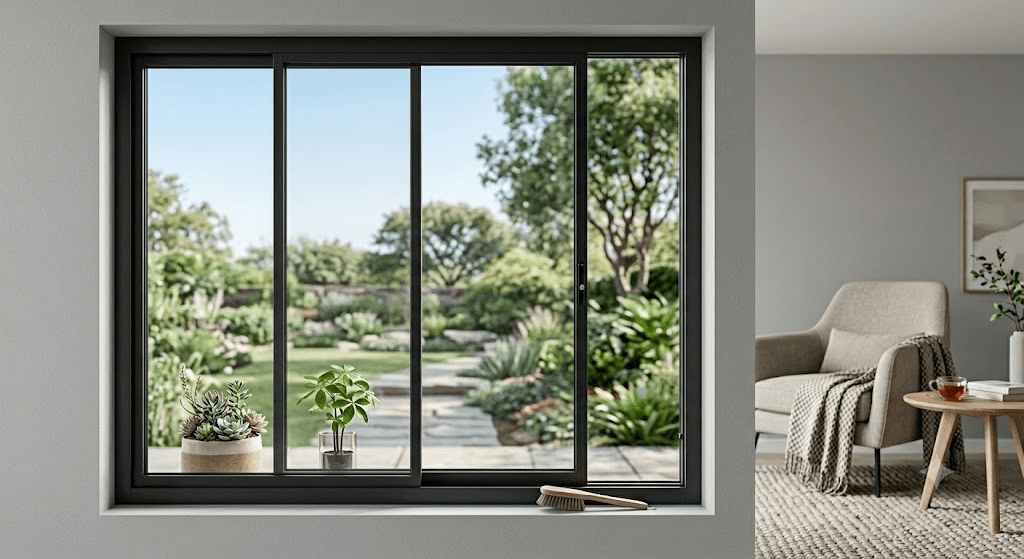
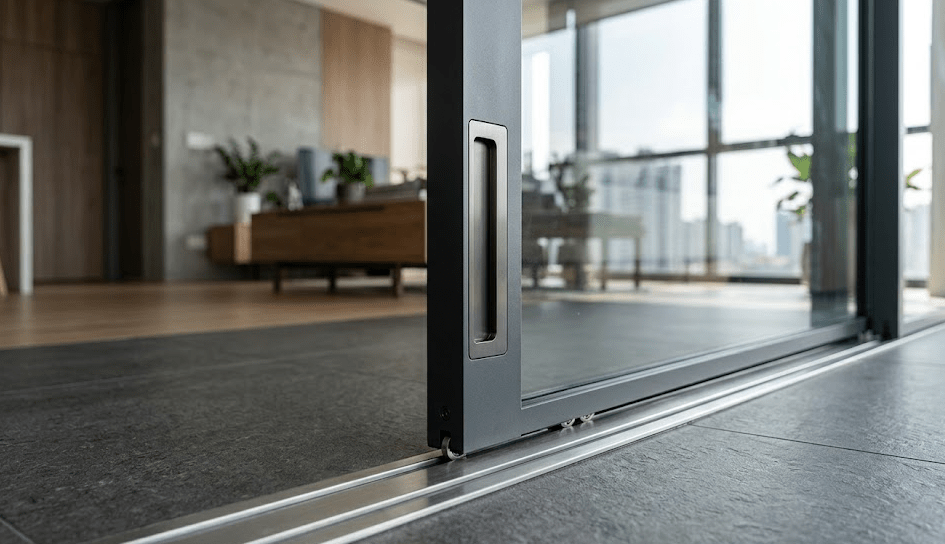
Each Commercial Aluminum Window type uses a different mechanical principle. Casement windows use side hinges to swing outward like a door. This design allows the entire window to open, which helps move more air. In contrast, sliding windows move sideways along a track. This mechanism saves space because the sash does not stick out inside or outside.

Furthermore, your project layout often decides the best choice. Sliding windows work well for walkways or patios where space is tight. Meanwhile, casement windows fit perfectly on angled walls where you want to catch side breezes for natural cooling.

Energy Standards for Your Commercial Aluminum Window

When you evaluate Energy Efficient Windows, both designs meet different goals. Casement windows use a compression seal. When you lock them, the sash presses tight against the frame. This creates a strong barrier against wind and rain. This makes them a great choice for high-rise projects.

Additionally, AlloyPro offers high-capacity sliding systems with thermal break technology. A sliding Commercial Aluminum Window provides large, clear views. They can hold much bigger glass panels than a hinged window. For projects that need a “wall of glass” look, sliding Aluminum Windows for Projects offer a smart and practical solution.

Security Features of a Commercial Aluminum Window

Security is a top priority for every Commercial Aluminum Window. Casement designs use multi-point locks built into the frame for strong protection. On the other hand, modern sliding Aluminum Windows for Projects use reinforced latches. These provide reliable security for commercial buildings.

Furthermore, the life of your Commercial Aluminum Window depends on the metal quality. AlloyPro uses premium 6063-T5 aluminum to ensure both window types resist rust. Whether you pick a casement or a sliding system, choosing the right materials is essential for Energy Efficient Windows.

Finding the Best Commercial Aluminum Window Solution

Ultimately, the best window is the one that fits your project goals. If you need maximum air tightness and a classic style, casement Energy Efficient Windows are a smart investment. They work very well for projects that need to block outside noise.

However, if your project needs a modern look and easy operation for large openings, a sliding Commercial Aluminum Window is the best fit. At AlloyPro, we offer many Aluminum Windows for Projects that meet international standards like AS2047. Contact our team today to explore our solutions and ensure high quality for your build.

PVDF vs Powder Coating: Best Aluminum Finish for Coastal Use

When you manage construction projects near the ocean, salt spray is your biggest enemy. Salt air accelerates corrosion, which can destroy aluminum surfaces in a matter of months. Therefore, finding the best aluminum finish for coastal use is not just about aesthetics; it is about protecting your investment. At AlloyPro, we often help clients resolve the PVDF vs Powder Coating debate to ensure long-term durability.

What is Powder Coating?

Powder coating is a dry finishing process. We apply a free-flowing, thermoplastic or thermoset powder to the aluminum surface and then cure it under heat. This process creates a hard finish that is tougher than conventional paint.

Furthermore, powder coating offers a vast range of colors and textures. Many architects love this method because it provides a consistent, vibrant look. However, standard powder coatings may struggle with prolonged exposure to high UV levels and heavy salt concentrations. While it is excellent for inland residential projects, coastal areas require a more robust aluminum surface treatment.

Understanding PVDF Coating

PVDF (Polyvinylidene Fluoride), often called Fluorocarbon coating, is a resin-based liquid coating system. It contains high-performance fluorine atoms that create an incredibly stable chemical bond. In contrast to powder coating, PVDF is specifically engineered to resist chemical weathering and intense salt-air environments.

Additionally, PVDF finishes are famous for their “self-cleaning” properties. They resist chalking and fading even under the most intense tropical sun. For any building located near the sea, PVDF provides a superior barrier against the corrosive effects of chloride ions.

Key Comparison: Durability and Maintenance

In coastal environments, the difference in longevity is significant. When we compare PVDF vs Powder Coating, PVDF finishes typically maintain their color and integrity for over 20 years. Powder coatings, unless they are high-performance “Super Durable” grades, may show signs of fading or peeling much sooner in salty air.

Furthermore, maintenance requirements vary between the two. PVDF surfaces stay cleaner for longer because their slick surface repels dust and salt. In contrast, textured powder coatings might trap salt particles, requiring more frequent rinsing to prevent pitting.

Why PVDF is the Best Aluminum Finish for Coastal Use

The decision ultimately depends on your project’s location and budget. If your building is inland and you want a specific texture or unique color, powder coating is a cost-effective and beautiful choice.

However, if your site is near the coast, PVDF is the best aluminum finish for coastal use. The initial cost might be slightly higher, but the long-term savings on repairs and replacements are substantial. At AlloyPro, we provide both options with professional-grade quality control to ensure your aluminum profiles stand the test of time.

Conclusion: Your 2026 Expert Guide

As a leading aluminum manufacturer, AlloyPro understands the global market’s technical demands. We hope this PVDF vs Powder Coating comparison helps you make an informed choice for your next project. Whether you are building a seaside resort or an urban high-rise, our team provides the expert guidance and high-quality materials you need for success.

AlloyPro 6063 Aluminum T5 vs T6 profiles factory stock

Aluminum T5 vs. T6: 6063 Aluminum Temper Guide for Projects

Aluminum T5 vs T6 temper selection is a critical technical decision for any high-end construction or industrial manufacturing project. As a leading manufacturer, AlloyPro provides this comprehensive 6063 Aluminum Temper Guide to help engineers and architects understand how specific heat treatment processes affect the final performance of their Custom Aluminum Profiles.

Why the Choice of Aluminum T5 vs T6 Matters

The “temper” of an alloy defines its soul. While the chemical composition of 6063 remains the same, the thermal processing creates two entirely different materials. Choosing between Aluminum T5 vs T6 impacts not only the structural integrity of your building but also the long-term cost and aesthetic durability of the installation. Furthermore, failing to specify the correct temper can lead to unexpected material deformation during fabrication.

Decoding the 6063 Aluminum Temper Guide: Cooling Processes

To understand the performance gap, we must look at the production line. In this 6063 Aluminum Temper Guide, we distinguish the two states by their cooling intensity:

  1. T5 Tempering: We cool the aluminum profiles quickly using air or water fans immediately after they exit the extrusion die. Following this, the metal undergoes “artificial aging” in a specialized oven. This process stabilizes the metal while maintaining its natural surface smoothness.
  2. T6 Tempering: This is a more aggressive two-stage process. We perform “solution heat treatment” followed by rapid quenching in a water bath. This process creates a much denser molecular structure. Consequently, T6 profiles achieve significantly higher mechanical ratings.

Comparing Mechanical Aluminum Strength and Hardness

When analyzing Aluminum Strength and Hardness, structural requirements are the primary driver. In many heavy-duty industrial applications, the difference is non-negotiable.

  • Yield Strength and Tension: T6 temper typically offers a 30% to 50% increase in yield strength compared to T5. If your project involves high-rise curtain walls or heavy machinery frames, T6 provides the necessary safety margin.
  • Surface Hardness: According to standard measurements, T6 reaches higher hardness levels on the Webster scale. However, this increased Aluminum Strength and Hardness makes the metal more brittle. In contrast, T5 maintains enough ductility for complex secondary operations like bending or punching without cracking.

Enhancing Custom Aluminum Profiles with Superior Aesthetics

Your choice of Aluminum T5 vs T6 also dictates the visual success of your project. Because the T5 cooling process is less traumatic for the metal, it avoids the micro-warping that can occur during T6 quenching.

As a result, T5 is the premier choice for Custom Aluminum Profiles that require high-quality surface treatments. Whether you choose powder coating, PVDF, or fine anodizing, T5 provides a more consistent “mirror-like” finish. Furthermore, the smoother grain structure of T5 allows for better color uniformity across large batches, which is essential for modern minimalist architectural designs.

Conclusion: Trust AlloyPro for Your Custom Aluminum Profiles

In summary, your project’s unique demands should dictate the temper. If you prioritize structural Aluminum Strength and Hardness, T6 is your best investment. However, for most architectural designs, the T5 temper offers the perfect harmony of beauty, workability, and value.

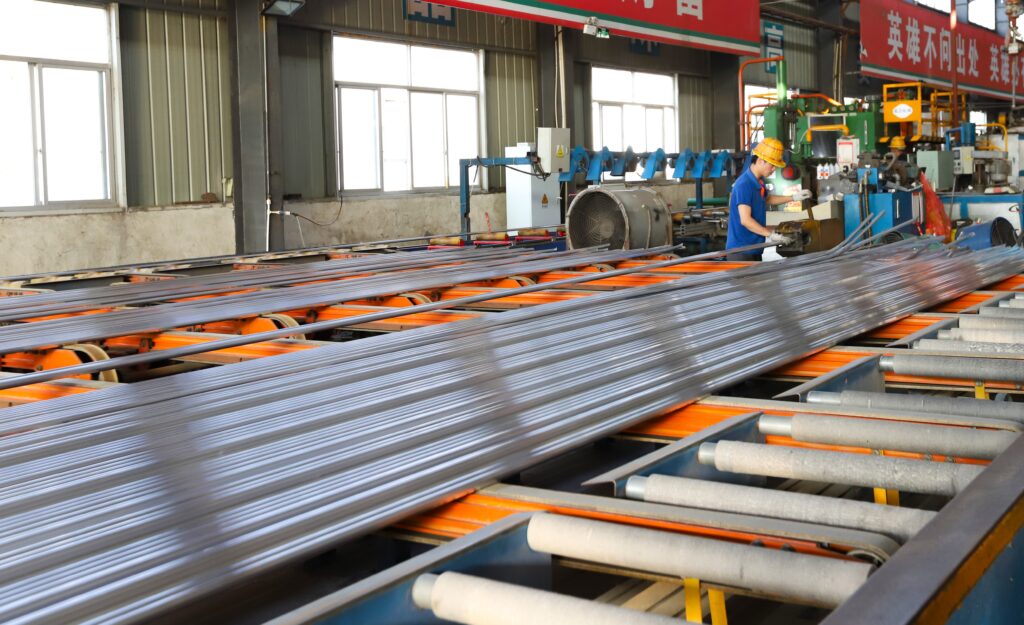
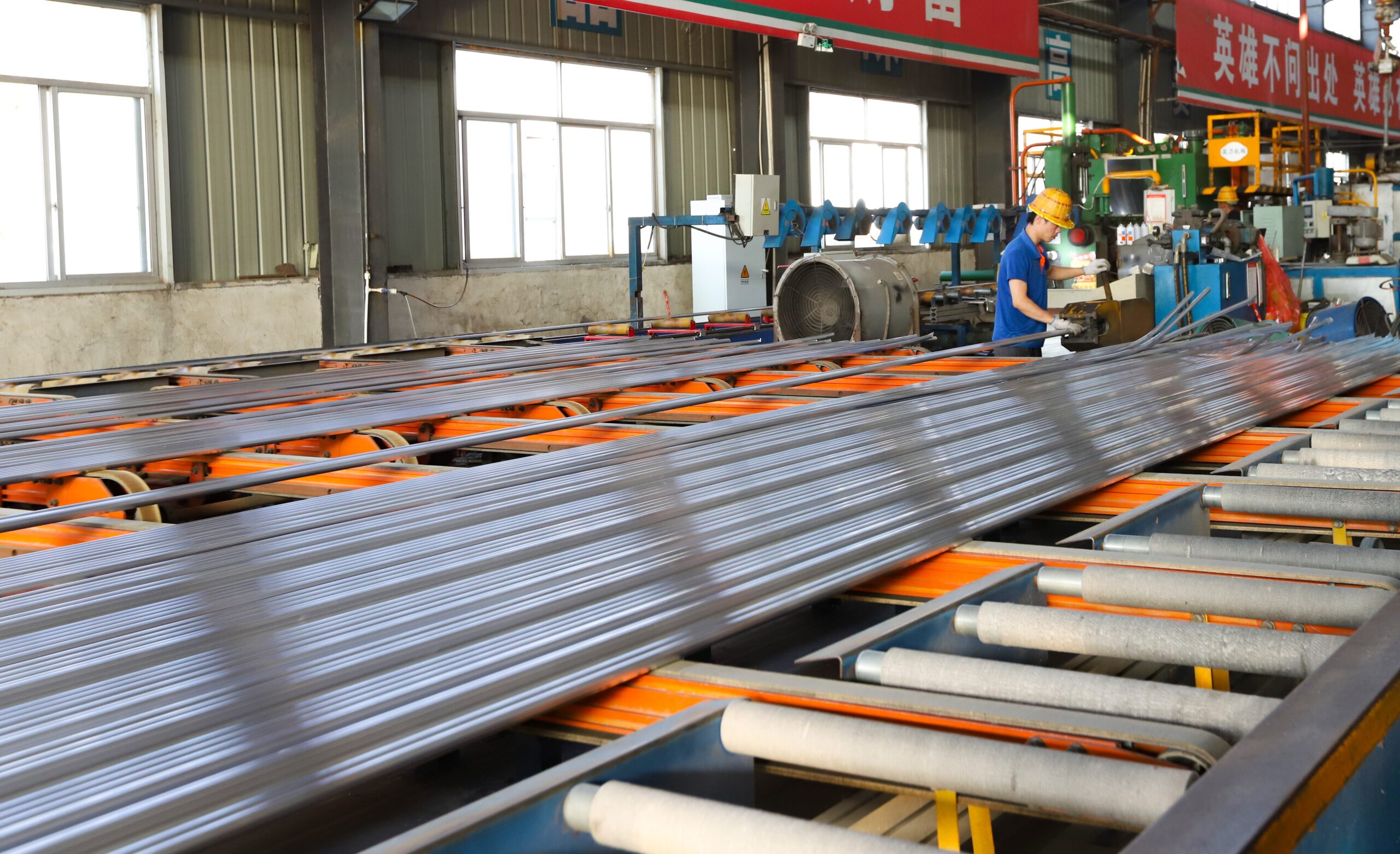
As a professional manufacturer based in Guangdong, AlloyPro specializes in high-precision Custom Aluminum Profiles. We operate state-of-the-art extrusion lines and advanced aging ovens to ensure every batch follows our strict 6063 Aluminum Temper Guide. Our team provides full technical support, from mold design and alloy selection to specialized surface treatments that meet international standards.

Whether you are developing high-performance window systems or complex industrial frameworks, AlloyPro ensures consistency, durability, and competitive lead times. Contact our engineering team today to discuss your project requirements and let us help you select the perfect Aluminum T5 vs T6 solution for your success.

Top 10 Aluminum Doors 2026 Ranking & Global Supplier Guide

This guide ranks the Top 10 Aluminum Doors for 2026. Today, building trends are changing fast. Therefore, high-performance aluminum systems are now the top choice for modern projects. These products offer great durability and energy savings for global buyers.

1. Schüco: Quality in Top 10 Aluminum Doors (Germany)

Schüco is a famous leader in European engineering. They dominate the market with premium thermal break technology. Moreover, their 2026 products focus on high security. Because of their strict standards, these doors offer the best energy efficiency.

2. Reynaers Aluminium: Style in Top 10 Aluminum Doors (Belgium)

Reynaers is well-known for beautiful architectural designs. They provide a wide range of sliding glass doors. In addition, their systems have excellent sound insulation. Consequently, they are perfect for luxury homes and quiet office spaces.

3. YKK AP: Strength for Top 10 Aluminum Doors (Japan/USA)

YKK AP makes very reliable aluminum profiles. Their products can handle extreme weather easily. Furthermore, their precision manufacturing sets a high bar for the industry. This ensures that their commercial doors last for many years.

4. Andersen Windows & Doors: North American Top 10 Aluminum Doors (USA)

Andersen is a top brand in North America. They offer high-end solutions for the residential market. Specifically, they focus on energy-saving designs. Thus, their global network provides homeowners with very durable entry systems.

5. Kawneer: Trusted Top 10 Aluminum Doors (USA)

Kawneer specializes in heavy-duty doors for public buildings. Their 2026 designs include advanced thermal features. Also, these systems are very safe for schools and hospitals. They provide strong performance in high-traffic areas.

6. AluK: Global Top 10 Aluminum Doors (Luxembourg)

AluK has a massive global presence. They design versatile frames for many different building codes. Since their systems are modular, they are very easy to install. As a result, they are a cost-effective choice for large developments.

7. Alumil S.A.: Slim Top 10 Aluminum Doors (Greece)

Alumil is a expert in minimalist design. They create sliding systems with very thin frames. Additionally, their latest models allow for more natural light. This helps green buildings save more energy while looking modern.

8. LIXIL Corporation: Tech in Top 10 Aluminum Doors (Japan)

LIXIL leads the Asian market with the TOSTEM brand. They make pre-engineered kits that are simple to use. Furthermore, they now use smart technology. For instance, they add biometric locks directly into the aluminum frame.

9. Xingfa Aluminium: Leading Top 10 Aluminum Doors (China)

Xingfa is a giant in the aluminum extrusion world. They supply architectural profiles for huge infrastructure projects. Consequently, they have a very stable supply chain. They offer everything from simple doors to complex bifold systems.

10. JELD-WEN: Reliable Top 10 Aluminum Doors (USA)

JELD-WEN is a trusted global name. They provide a huge variety of custom patio doors. Moreover, their 2026 catalog focuses on all-weather protection. Their products stay strong even in salty coastal air or hot sun.

AlloyPro: A Specialist Beyond the Top 10 Aluminum Doors

AlloyPro is a high-performance specialist based in Guangdong, China. We serve the global B2B market with professional aluminum solutions.

  • Company Strength: AlloyPro has years of experience in aluminum extrusion. We run modern production lines. In addition, we support big projects with professional technical research.
  • Product Range: We offer high-quality thermal break systems and sliding glass doors. Our architectural aluminum profiles are built for strength. We also make fire-rated doors and the A30 railing series.
  • Our Advantages: We provide deep customization and factory-direct pricing. Also, our strict quality control ensures high standards. Therefore, our products are the perfect choice for your next project.

Visit alloypro.net to see our work. Contact us today for a professional quote for your 2026 project.

2026 Top 10 Global Aluminum Window Manufacturers Analysis

Selecting the right partners from the list of global Aluminum Window Manufacturers is a critical decision for builders. This choice directly impacts project durability and energy performance. Therefore, this 2026 report provides a clear overview of the top 10 brands leading the industry today.

1. Schüco (Germany)

Schüco is a premier developer among Aluminum Window Manufacturers. For instance, they specialize in advanced thermal break systems. Their engineering precision offers high-end energy efficiency for iconic commercial landmarks.

2. Reynaers Aluminium (Belgium)

Reynaers focuses on technical robustness and architectural style. As one of the leading Aluminum Window Manufacturers in Europe, they serve more than 70 countries. Furthermore, their sliding window solutions meet the highest green building standards.

3. YKK AP (Japan/USA)

YKK AP is known for massive production scale. They are among the top Aluminum Window Manufacturers providing systems for high-rise buildings. Additionally, their products are designed to survive extreme weather and heavy urban use.

4. Kawneer (USA)

Kawneer specializes in commercial-grade frames. They are established Aluminum Window Manufacturers for public and institutional projects. Consequently, their systems ensure full compliance with international safety codes.

5. Andersen Windows & Doors (USA)

Andersen leads the aluminum-clad window market. Unlike some other Aluminum Window Manufacturers, they blend low-maintenance aluminum with premium wood finishes. This makes them a top choice for luxury residential projects.

6. Aluk (Luxembourg)

Aluk designs glazing systems that balance cost and performance. They are versatile Aluminum Window Manufacturers active in Europe and Asia. Moreover, their designs emphasize acoustic insulation and slim-frame aesthetics.

7. Alumil (Greece)

Alumil produces energy-efficient systems for many architectural styles. As innovative Aluminum Window Manufacturers, they focus heavily on thermal insulation. In addition, their products often meet “Passive House” standards.

8. Sky-Frame (Switzerland)

Sky-Frame is a specialist in minimalist window designs. They are unique Aluminum Window Manufacturers offering frameless sliding systems. As a result, they provide maximum transparency for high-end luxury homes.

9. Technal (France)

Technal is a member of the Hydro Group and is known for creative design. They are sustainable Aluminum Window Manufacturers with a low carbon footprint. Furthermore, they allow architects to create complex geometric forms easily.

10. OTIIMA (Portugal)

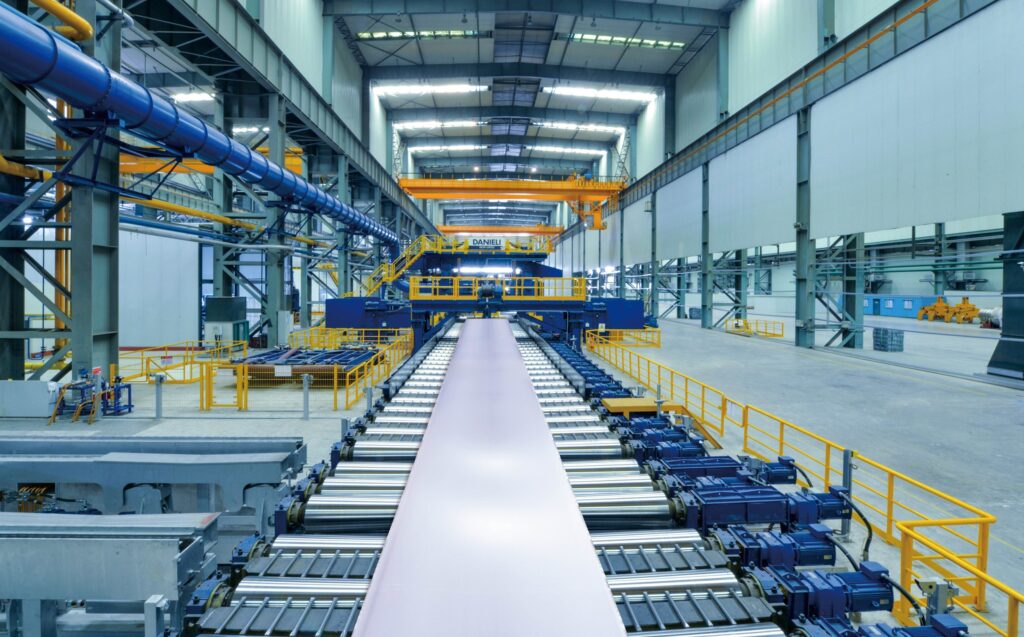
OTIIMA focuses on slim-frame and large glass solutions. They are high-end Aluminum Window Manufacturers pushing the limits of structural glazing. Consequently, they help create iconic, light-filled spaces for modern hotels.

About AlloyPro: Professional Aluminum Manufacturing Solutions

AlloyPro (Guangdong AlloyPro Aluminum Co., Ltd.) is a rising force in the international market. We provide professional B2B solutions for global clients, delivering precision-engineered products to builders and contractors worldwide.

  • Corporate Strength: AlloyPro operates advanced extrusion facilities. We specialize in high-precision aluminum profile manufacturing. Moreover, our products meet rigorous international safety benchmarks.
  • Core Product Range: Our portfolio includes thermal break sliding windows and high-security systems. These are designed for durability. Therefore, they offer superior wind-load resistance for any climate.
  • Brand Advantages: We provide the manufacturing scale and technical support needed for modern projects. Most importantly, AlloyPro ensures a reliable supply chain for every professional partner.

Learn more about our manufacturing capabilities at alloypro.net.

Scroll to Top