






Alamat

Guangdong, China

E-mel

postmaster@alloypro.net

2026 Panduan Pembekalan 10 Tingkap Aluminium Berprestasi Tinggi Teratas

Permintaan global untuk tingkap aluminium berprestasi tinggi meningkat dengan pantas. Pertumbuhan pesat ini dipacu oleh seni bina lestari moden di seluruh dunia. Oleh itu, pemaju komersial global dan kontraktor hartanah memerlukan pembekal yang boleh dipercayai. Menemukan rakan kongsi dengan penebat terma unggul adalah sangat penting. Selain itu, pematuhan ketat terhadap piawaian bangunan dan rantaian bekalan yang menjimatkan kos amat penting. Panduan pemerolehan muktamad 2026 ini menilai pengeluar global terkemuka. Di samping itu, kami menganalisis kedudukan jenama dan kepakaran teknikal mereka. Ini akan membantu pembeli antarabangsa menemui jenama tingkap aluminium berprestasi tinggi terbaik yang tersedia hari ini.

1. Schüco (Jerman)

Schüco adalah perintis global terkemuka dalam sistem seni bina bertaraf tinggi. Gergasi kejuruteraan berpangkalan di Jerman ini menetapkan penanda aras bagi reka bentuk tingkap aluminium mewah. Walau bagaimanapun, tumpuan utama mereka adalah pada pembinaan neutral karbon. Mereka juga cemerlang dalam automasi bangunan pintar dan kecekapan terma yang tiada tandingan.

2. Reynaers Aluminium (Belgia)

Reynaers mengkhususkan diri dalam kaca seni bina Eropah terkini. Pengeluar terkemuka ini meletakkan dirinya di persimpangan minimalisme dan inovasi struktur. Sebagai contoh, mereka menawarkan pintu gelangsar yang sangat boleh disesuaikan. Selain itu, profil dinding tirai mereka direka untuk menahan keadaan cuaca ekstrem.

3. Aluk (Luxembourg)

Aluk mengekalkan jejak global yang kukuh merentasi beberapa benua. Kumpulan antarabangsa ini mengkhusus dalam sistem fasad kedai komersial serbaguna dan fenestration kediaman. Oleh itu, mereka mencapai keseimbangan strategik. Mereka menawarkan harga pasaran B2B yang berpatutan sambil memenuhi sepenuhnya piawaian global ketahanan angin dan kalis air.

4. YKK AP (Jepun)

YKK AP terkenal dengan kejuruteraan ketepatan Jepun. Selain itu, mereka mempunyai infrastruktur pembuatan bersepadu menegak. Pemimpin industri ini menumpukan pada sistem tingkap aluminium komersial yang dihasilkan secara besar-besaran dan sangat tahan lama. Oleh itu, produk mereka menampilkan penebat akustik unggul dan kalis cuaca canggih untuk bandar padat.

5. JMA Aluminium (China)

JMA adalah salah satu kilang ekstrusi aluminium industri berat terbesar di China. Oleh itu, perusahaan ini memanfaatkan skala pembuatan yang besar untuk pelanggan global. Mereka mengkhususkan diri dalam profil struktur tugas berat dan pembekalan projek komersial berskala besar. Oleh itu, mereka menawarkan harga yang sangat kompetitif untuk pengedaran pukal antarabangsa.

6. LIXIL / Tostem (Jepun)

LIXIL menguasai sektor perumahan kediaman di Asia. Secara khusus, mereka menekankan kit tingkap aluminium modular yang telah direka awal. Jenama ini mensasarkan pembangunan perumahan kediaman berskala besar. Oleh itu, mereka menawarkan produk tingkap yang mudah dipasang, ringan, dan sangat tahan cuaca.

7. Xingfa Aluminium (China)

Xingfa diposisikan sebagai pengeksport global utama bentuk aluminium seni bina. Sebagai contoh, perusahaan ini cemerlang dalam pengeluaran profil OEM dan ODM berkuantiti tinggi. Mereka menyediakan pemasangan dinding tirai dan bangunan komersial bertingkat tinggi. Selain itu, mereka menyokong perkhidmatan mereka dengan kemudahan fabrikasi yang luas dan rantaian bekalan bahan mentah yang kukuh.

8. Kawneer (Amerika Syarikat)

Kawneer kekal sebagai kuasa dominan dalam sektor pembinaan komersial Amerika Utara. Jenama khusus ini memberi tumpuan yang tinggi kepada fasad kedai tugas berat. Selain itu, mereka menghasilkan rakitan kaca kalis letupan. Oleh itu, sistem tingkap struktur impak taufan mereka direka khusus untuk memenuhi peraturan bangunan Barat yang ketat.

9. Wicona (Jerman)

Wicona adalah perintis berdedikasi dalam kejuruteraan ekonomi kitaran. Jenama Jerman premium ini meletakkan sistem kaca seni bina mereka berasaskan kelestarian bandar. Sebagai contoh, mereka menggunakan peratusan tinggi profil aluminium kitar semula. Hasilnya, mereka membantu projek komersial antarabangsa memperoleh pensijilan LEED dan BREEAM yang berprestij.

10. Cor vision / Cortizo (Sepanyol)

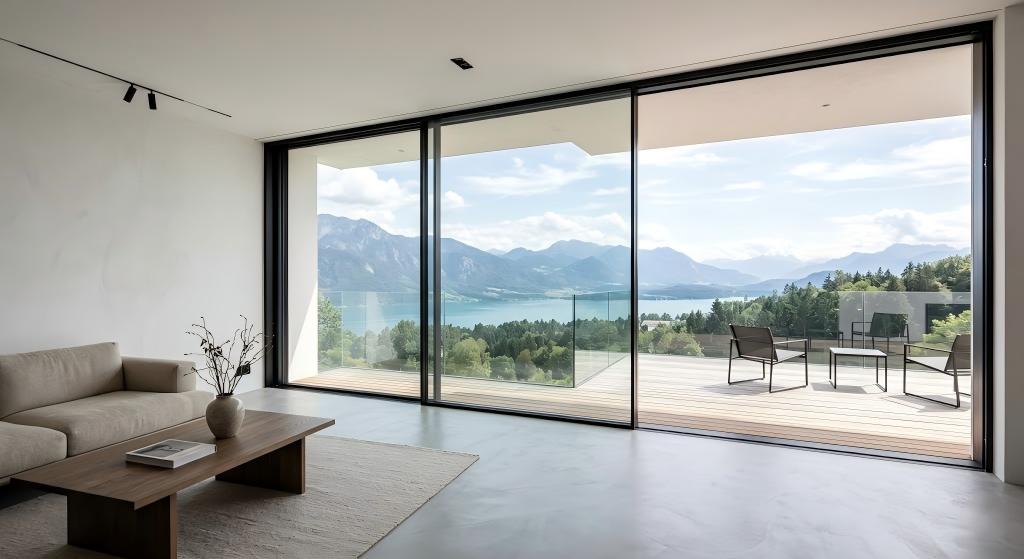
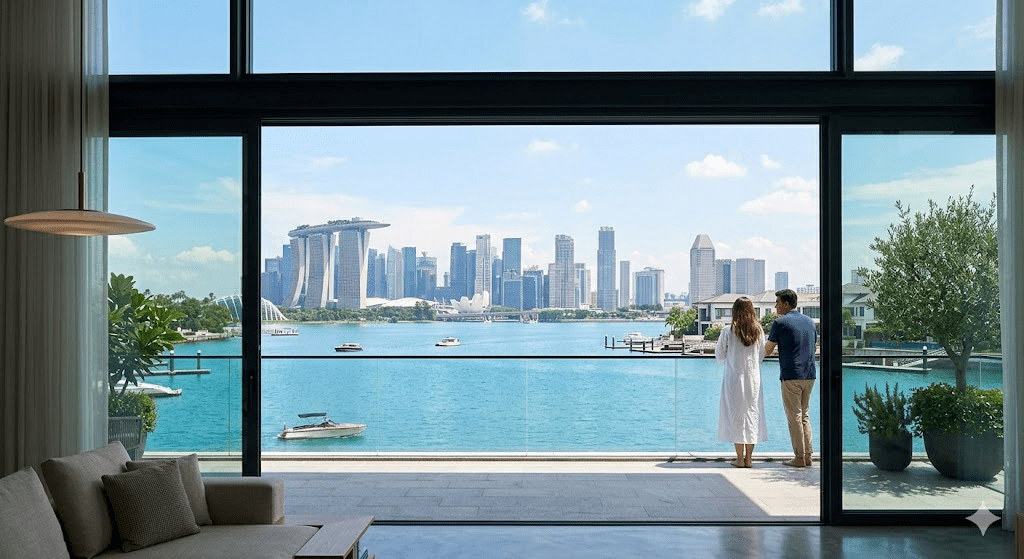
Cortizo berjaya menembusi pasaran reka bentuk kontemporari Eropah kelas atasan. Pengeluar Sepanyol ini memberi tumpuan sepenuhnya kepada pintu gelangsar panoramik minimalis yang sangat nipis. Sistem ini menggunakan bingkai luar tersembunyi untuk memaksimumkan cahaya semula jadi. Sementara itu, ia masih mengekalkan keupayaan canggih rehat terma struktur.

Alternatif Terunggul Langsung dari Kilang: AlloyPro

Jenama global tradisional menawarkan kedudukan pasaran yang berprestij. Namun, projek komersial moden memerlukan keseimbangan yang lebih bijak. Pembeli memerlukan kejuruteraan premium, fabrikasi fleksibel, dan kecekapan kos kilang yang digabungkan. Oleh itu, AlloyPro cemerlang sebagai rakan strategik utama bagi pembeli B2B antarabangsa yang mencari tingkap aluminium berprestasi tinggi terus dari sumber.

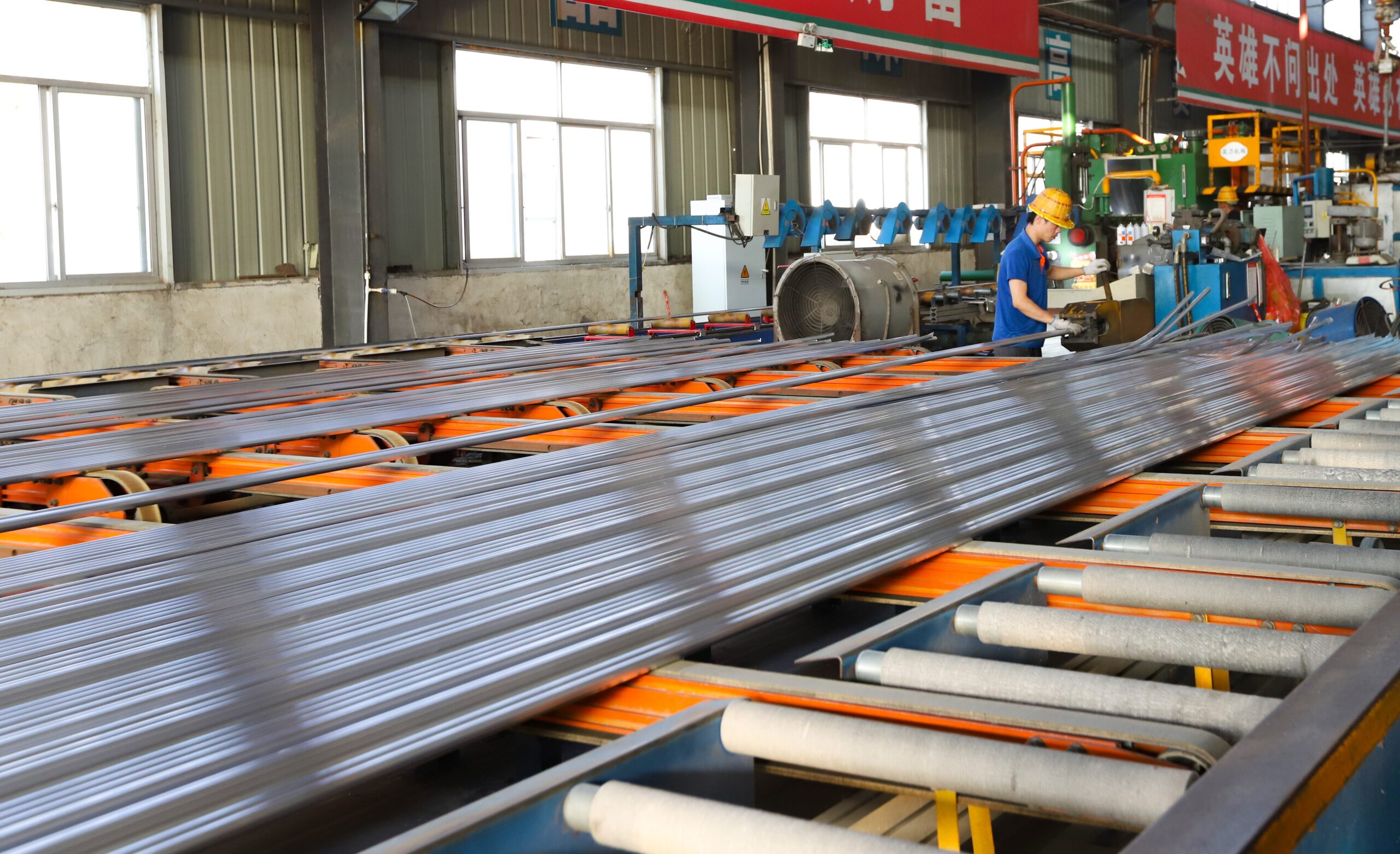
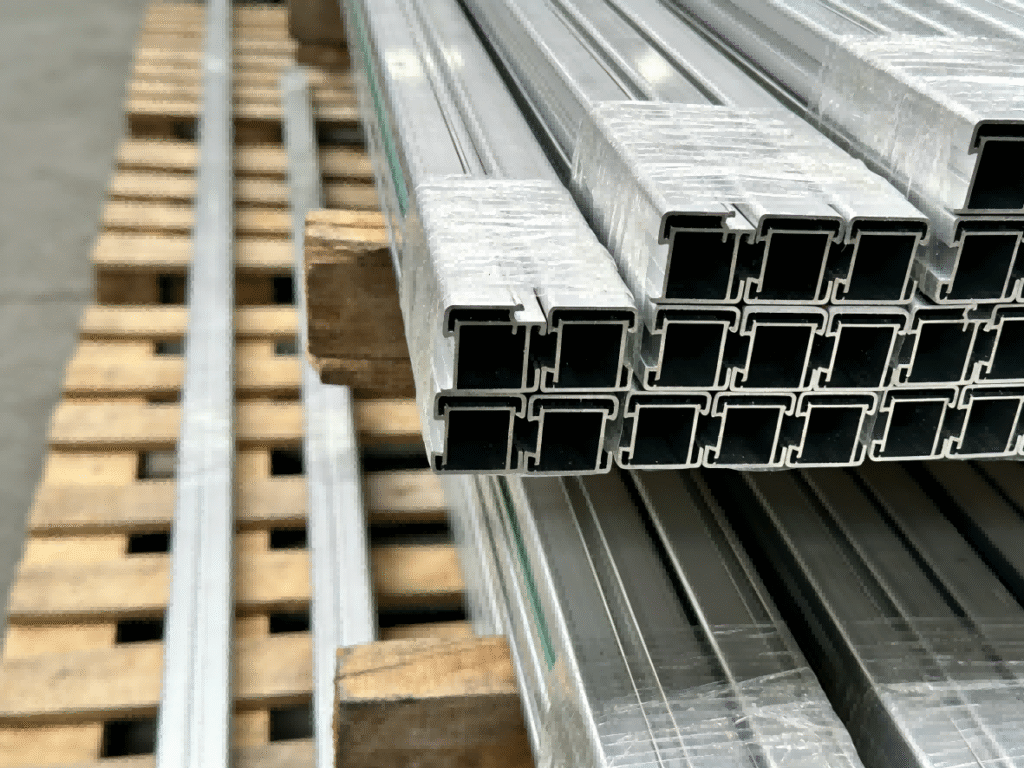
AlloyPro adalah pengeluar fenestration dan ekstrusi seni bina bertaraf dunia yang beroperasi dari kilang sumber bersepadu sepenuhnya di Guangdong, China. Kami mengawal rantaian bekalan sepenuhnya dengan lancar. Ini merangkumi segala-galanya daripada ekstrusi aloi aluminium dara 6063-T5 premium hingga pemasangan sistem siap.

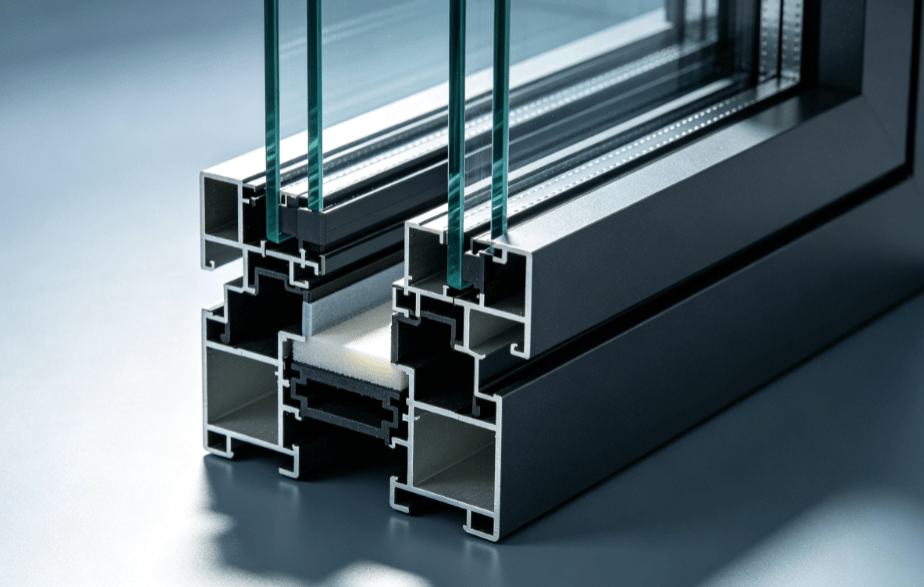
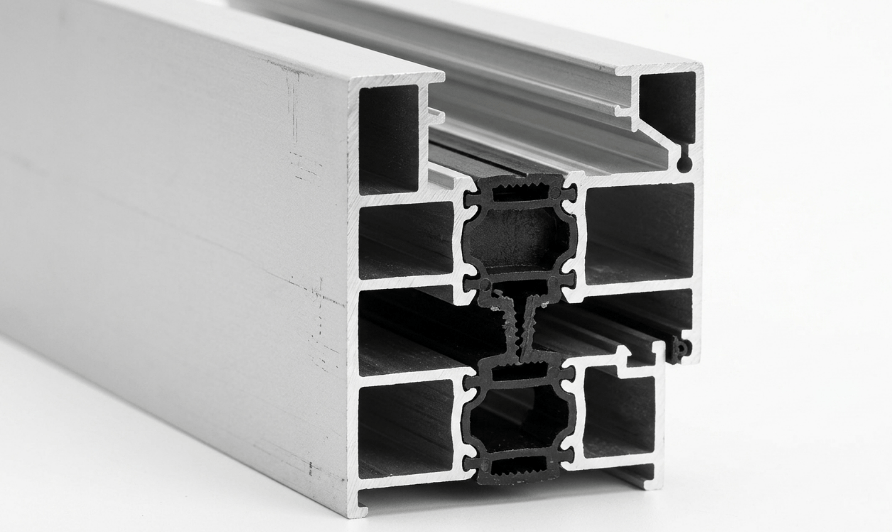
Fabrik kami mengkhusus dalam pembuatan tingkap dan pintu aluminium berprestasi tinggi bertaraf teratas. Sebagai contoh, portfolio produk teras kami menampilkan sistem pemutus haba termaju. Sistem ini direka dengan jalur penebat PA66GF25 premium untuk kecekapan tenaga maksimum. Selain itu, kami menawarkan pintu gelangsar panoramik minimalis ultra-nipis dan profil tersuai OEM khusus.

Untuk pelanggan yang menyasarkan Oseania dan pasaran Barat bertaraf tinggi, sistem kami telah disahkan sepenuhnya. Produk kami memenuhi piawaian AS/NZS yang ketat, termasuk peraturan AS2047 dan AS1288. Kami menguji dengan ketat tekanan angin, penembusan udara, dan penembusan air. Oleh itu, AlloyPro menyediakan kebolehpercayaan struktur piawaian Barat dengan harga kilang yang kompetitif. Ini membolehkan pemaju global, arkitek, dan pengedar borong mengoptimumkan margin projek dengan mudah.

Mengapa Aluminium 6063-T5 adalah Pilihan Utama untuk Tingkap dan Pintu Premium

Builders and architects need strong materials for new projects. Today, many experts choose 6063 t5 aluminum for modern buildings. This specific metal builds the best aluminum window profiles in the global market. Why do professionals trust this material so much? Let us look at the real facts. Furthermore, we will explain how it saves money and time for your projects.

Easy to Shape and Very Strong

Factories love this metal. They can shape it with great ease. The advanced extrusion process creates very exact forms. Additionally, the special T5 cooling process adds huge strength to the metal. This high strength lets factories build thin, sleek frames. Therefore, you get a nice, clean look. Yet, the frame stays very safe and firm. In contrast to weaker metals, it securely holds heavy glass without bending.

Beautiful and Lasting Surface Finishes

Top buildings need to look great for decades. Luckily, this metal takes surface finishes very well. You can easily add powder coating or fine paint. These layers shield the metal from bad weather. Cheap metals rust and fade fast. However, this top metal stops rust completely. Your frames will look brand new for many years. Additionally, buyers can choose from many different colors to match their designs.

Smart Energy Savings for Buildings

Saving power is a big deal today. Builders pair this metal with new heat blocks. They put strong plastic strips inside the frames. These strips stop heat from moving through the metal. Hot air stays out in the summer. Warm air stays in during the winter. As a result, the building uses much less power for heating and cooling. Consequently, owners save a lot of money on their monthly energy bills.

Built for Tough Weather and Storms

Strong winds and bad storms destroy weak materials easily. This metal handles harsh weather conditions without any problems. It passes very strict global tests, like the AS/NZS rules. Despite this great strength, the metal is quite light. This makes it very easy to transport and install on job sites. When you pick this metal, your project will last a very long time. Furthermore, it requires almost zero maintenance over the years.

Perfect for Modern Minimalist Design

Modern homes and offices prefer big glass and thin frames. 6063 t5 aluminum makes this beautiful design possible. The frames stay hidden, and the glass looks huge. This design brings a lot of natural light inside the room. As a result, spaces look much bigger and brighter. Moreover, this clean style matches any new building perfectly.

Eco-Friendly and Completely Recyclable

Our world needs green and clean materials. This metal is completely safe for the earth. You can recycle it many times. It never loses its core strength during the recycling process. Therefore, builders reduce waste when they use it. Choosing this metal helps protect our environment for the future.

Work With Real Manufacturing Experts

The right metal makes your project a total success. 6063 t5 aluminum gives you great strength and lasting beauty. It also saves energy and stops bad weather. At AlloyPro, we make top solutions for your exact needs. We check every step to ensure top quality and safety. Contact our expert team today. We are ready to start your next big project.

Penyelenggaraan Tingkap Aluminium: 5 Langkah Mudah untuk Kestabilan Jangka Panjang

Aluminium window maintenance is easier than you think. With a few simple steps, you can keep your windows and doors looking new and working smoothly for decades. Regular care prevents scratches, corrosion, and stiff hinges. This guide covers five practical tasks that take less than one hour per year. Follow these steps from AlloyPro and enjoy long‑lasting performance.

Step 1 – Clean Frames for Better Aluminium Window Maintenance

Dirt builds up on frames over time. It can scratch the protective coating and expose the metal to moisture. That is why aluminium window maintenance always starts with cleaning.

Clean your frames every three months. Near the ocean or a busy road, clean them once a month. You need a soft cloth, warm water, mild dish soap, and a dry cloth. Avoid abrasive pads and strong chemicals like bleach.

Mix a few drops of soap with warm water. Wipe the frames gently from top to bottom. Rinse with clean water and wipe again. Dry completely with a soft cloth. Do not clean in direct sunlight – it leaves streaks. This simple cleaning routine is the foundation of good aluminium window maintenance.

Pro tip: Add a little isopropyl alcohol to the water for heavy dirt. Test on a hidden area first.

Step 2 – Lubricate Hinges as Part of Aluminium Window Maintenance

Hinges and rollers can become stiff over time. You may hear a squeak or feel resistance. Regular aluminium window maintenance includes proper lubrication.

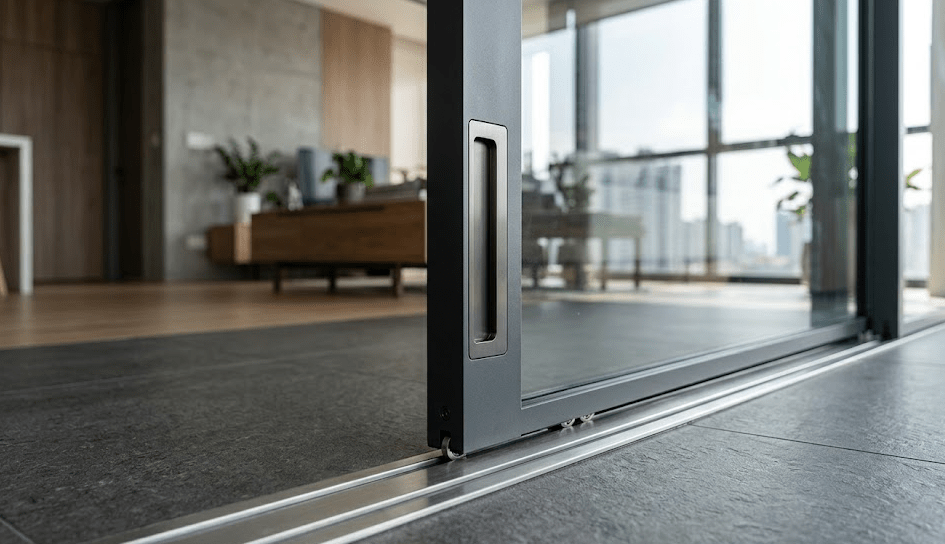
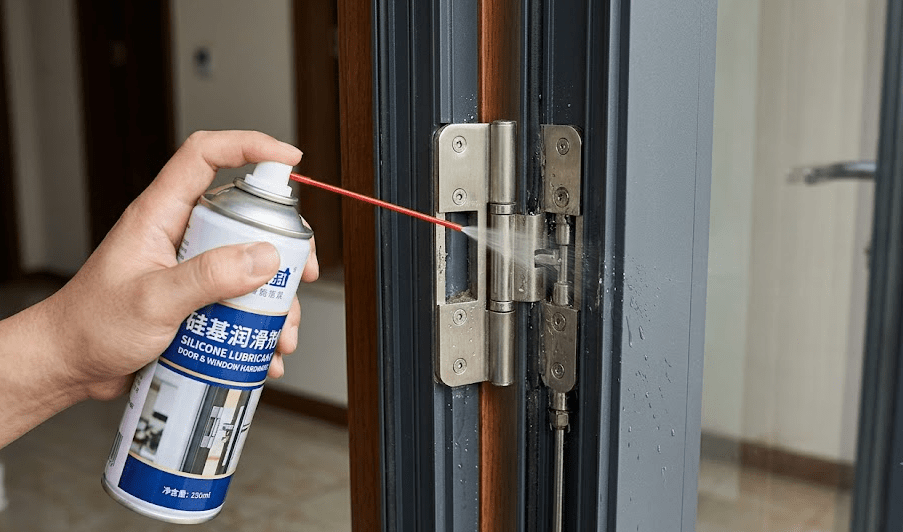
Use silicone spray, not oil‑based products. Oil attracts dust; silicone repels it. Once a year, open the window fully. Spray a small amount on hinge pins, rollers, and locks. Close and open the window several times to spread the lubricant. Wipe away any excess with a dry cloth. A little goes a long way. For sliding doors, also lubricate the bottom rollers.

Adding this step to your yearly aluminium window maintenance routine keeps moving parts smooth and quiet.

Step 3 – Clear Tracks and Drainage Holes for Complete Aluminium Window Maintenance

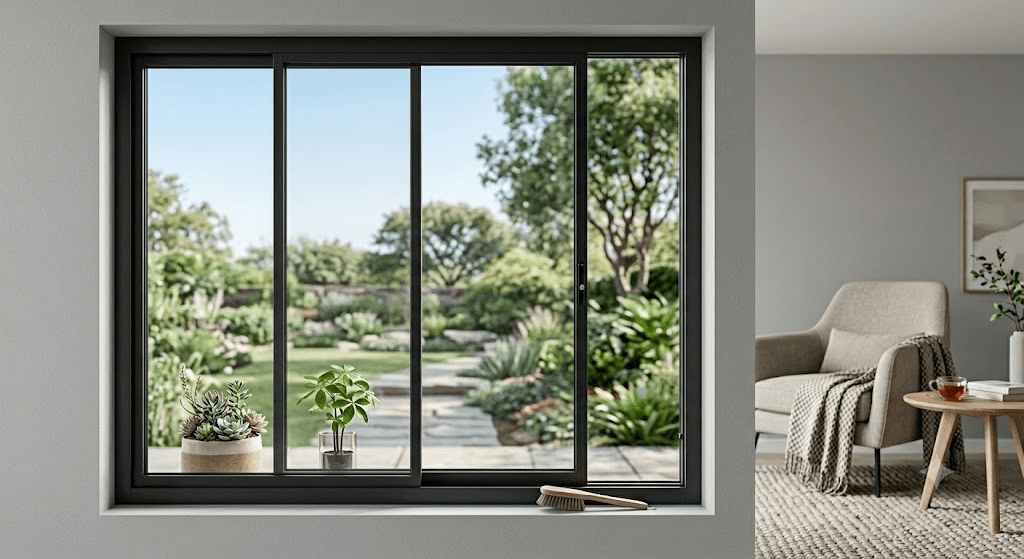
Sliding windows and doors collect dust and debris in the bottom tracks. Clogged tracks make sliding difficult. Good aluminium window maintenance also requires clean tracks and drainage holes.

Check the small drainage holes (weep holes) in the bottom frame. They let rainwater escape. Blocked holes cause water to pool, leading to corrosion. Clean tracks twice a year. Use a vacuum with a brush attachment to remove loose dirt. Wipe tracks with a damp cloth. Clear each drainage hole with a thin brush or compressed air. Pour a little water into the track to ensure it flows out freely.

Clean tracks reduce friction and wear. Clear drainage holes prevent standing water – the biggest enemy of aluminium in coastal areas. This part of aluminium window maintenance takes only a few minutes but adds years to your windows.

Step 4 – Inspect Seals to Complete Your Aluminium Window Maintenance

Rubber seals around your windows keep out wind, rain, dust, and noise. They also save energy by stopping drafts. Inspecting these seals is a critical part of aluminium window maintenance.

Inspect seals once a year. Close the window and run your finger along the seal. Look for cracks, gaps, or hard rubber. If a seal is cracked or torn, replace it. You can buy universal weather stripping online. Pull out the old seal and press in the new one. If the seal is just dry, apply a silicone‑based rubber conditioner to restore flexibility.

Do not ignore damaged seals. A small gap lets in as much moisture as leaving the window slightly open. Replacing seals is cheap and easy. Include this inspection in your annual aluminium window maintenance schedule.

Step 5 – Consider Your Climate for Smart Aluminium Window Maintenance

Your local environment changes how often you need to perform aluminium window maintenance. A home in dry Arizona needs a different schedule than a beachfront villa in Florida.

  • Coastal areas – Rinse windows with fresh water every two weeks. Clean frames monthly. Check drainage holes often. Salt accelerates corrosion, so frequent aluminium window maintenance is essential.
  • Urban areas – Pollution leaves a sticky film. Clean windows every month. Pay extra attention to tracks.
  • Desert or dry climates – Dust and sand scratch moving parts. Clean tracks every two months. Lubricate hinges twice a year.
  • Cold climates – Ice can form in tracks. Never force a frozen window open. Apply silicone spray before winter. Check seals for cracks.
  • During construction – Cover windows with protective tape. Cement dust and paint are very hard to remove once dry.

Adjust your schedule based on your environment. This smart approach to aluminium window maintenance will double the life of your windows.

Conclusion – Follow These Steps for Reliable Aluminium Window Maintenance

Here are the five steps again:

  1. Clean frames with mild soap (every 3 months, or monthly near the ocean).
  2. Lubricate hinges with silicone spray (once a year).
  3. Clear tracks and drainage holes (twice a year).
  4. Inspect seals and replace damaged weather stripping (once a year).
  5. Consider your climate and adjust frequency.

Aluminium window maintenance does not require special skills. A soft cloth, mild soap, silicone spray, and a small brush are enough. Spend 15 minutes on each window or door once or twice a year.

Your AlloyPro windows and doors are built to last. With this simple routine, they will stay smooth, quiet, and weather‑tight for 20 years or more. If you have questions, contact the AlloyPro team. We are here to help.

Aluminum Window Installation: Key Steps and Common Problems

A proper aluminum window installation determines whether your frames perform as promised. Even the best thermal break windows will leak air and water if installed poorly. Here are the key steps and what to watch for on site.

Before Installation: Check the Opening

Measure the rough opening first. You need a 10 to 15 millimeter gap on each side between the frame and the wall. This space allows for adjustment, insulation, and thermal expansion. Also, clean the wall surface. Dust, loose mortar, and uneven edges prevent proper sealing. Have all materials ready before you start—frame, fasteners, shims, foam, and sealant. Missing one item halfway through leads to shortcuts and mistakes.

Step One: Level and Shim

Place the frame into the opening. Use plastic shims under the sill and along the sides to level it. Check horizontal alignment on the sill. Check vertical alignment on both jambs. Measure the diagonals—both must match exactly. If they differ, the sash will never operate smoothly. A frame off by just a few millimeters now will show a visible gap later. This is one of the most common mistakes to avoid during aluminum window installation.

Step Two: Anchor the Frame

Secure the frame with fasteners suited to your wall type. Use expansion bolts for concrete, wood screws for timber, and self-drilling screws for steel. Space anchors no more than 600 millimeters apart, with one within 150 millimeters of each corner. Tighten gradually and recheck the level after every few fasteners. Uneven tightening can flex the aluminum profile and throw off your earlier alignment work.

Step Three: Seal the Gaps

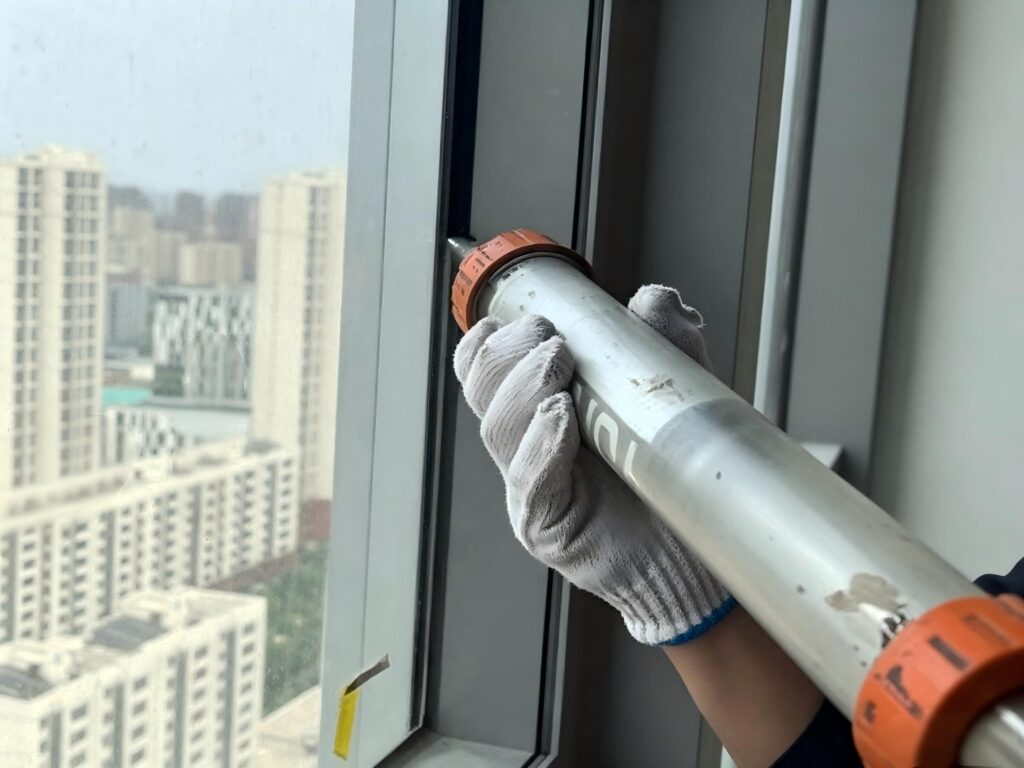
Fill the gap between frame and wall with low-expansion polyurethane foam. Apply it in layers and fill only two-thirds full—the foam expands as it cures. Once cured, trim the excess. Then apply a continuous bead of exterior-grade sealant around the outer perimeter. Any gap or pinhole in this bead lets water through and causes air leaks. On the interior side, seal or trim over the foam for a clean finish. Proper sealing is what separates a lasting aluminum window installation from one that fails within months.

Step Four: Install Glass and Sash

Set glass panels onto glazing beads with setting blocks at the bottom. Never let glass sit directly on aluminum. This creates pressure points that can crack the panel under thermal stress. Secure beads evenly without overtightening. Then hang the sashes and test each one. Open, close, and lock every panel. Movement should feel smooth, with no sticking or scraping. If something binds, go back and check your frame square and level.

Step Five: Final Checks

Test every moving part—handles, locks, hinges, and rollers. Run your hand along all seals to feel for drafts. Clear drainage slots on the outer sill so water can escape. Blocked drainage traps moisture inside the profile and leads to long-term damage. Finally, clean the glass and frames to spot any scratches or defects before you call the job done.

Common Problems to Watch For

If a sash sticks or drags, the frame is likely out of square. Re-check your diagonal measurements and adjust the shims. If you feel a draft around the edges, the sealant bead probably has a gap. Remove it and apply a fresh continuous bead. If water pools on the inner sill, check whether foam or debris has blocked the drainage slots on the outer frame. Each of these common problems traces back to a skipped step earlier in the aluminum window installation process.

Why Installation Quality Matters

A high-performance aluminum window only delivers results when installed correctly. Air leaks and water damage bypass even the best thermal break frame if the sealing fails. Take your time on leveling and sealing. At AlloyPro, our systems meet strict thermal and structural standards, but installation quality ultimately decides how they perform in your building.

Top 5 B2B Standards for Sourcing Hurricane Impact Windows

When overseas builders and contractors source building materials, safety always comes first. This rule strictly applies to coastal projects facing severe weather. High-quality hurricane impact windows offer the ultimate protection for these vulnerable structures. China has become the leading hub for manufacturing these specialized architectural systems, with top suppliers leading the industry in global compliance. However, importing them successfully requires strict adherence to international quality baselines.

Navigating foreign manufacturing standards can challenge any project manager. To secure your investment and pass local building inspections, you must know exactly what to verify. Furthermore, choosing a supplier who understands international compliance saves both time and money. This comprehensive guide breaks down the five crucial standards you must check before signing a procurement contract for your hurricane impact windows.

1. Verify Mandatory Wind Loads and Impact Certifications

International markets do not compromise on structural safety. For instance, the Australian market strictly enforces the AS2047 standard for windows and doors. This benchmark regulates severe wind loads and water penetration resistance. In contrast, North American regions require specialized certifications like Florida Product Approval or NFRC ratings.

You should always ask your manufacturer for official, third-party test reports. Reliable suppliers test their profile structures under extreme pressure to simulate real storm conditions. Therefore, checking these certifications beforehand ensures your imported cargo legally enters the target country. It also guarantees your hurricane impact windows will protect the building during a Category 5 storm.

2. Check the Aluminum Alloy Profile Thickness and Grade

The structural strength of heavy-duty hurricane impact windows relies heavily on its raw aluminum materials. High-end systems generally utilize premium architectural aluminum profiles. You should look for structural grades like 6063-T5 or 6061-T6. Additionally, heavy-duty window frames require a thicker profile wall compared to standard residential openings.

Standard products often use a 1.4mm profile thickness. However, true commercial-grade hurricane impact windows increase this thickness to 2.0mm or even 3.0mm. This extra thickness prevents the frame from bending under violent wind pressures. Thick aluminum extrusion profiles also provide a stable foundation for the heavy laminated glass units.

3. Examine Glass Standards and Interlayer Quality

Premium hurricane impact windows do not rely on standard tempered glass alone. Instead, they feature a specialized laminated glass structure that meets strict international glass standards. This configuration sandwiches a tough polymer interlayer between two sheets of glass. If a flying object strikes the window, the glass will crack but stay firmly bonded to the interlayer.

You must check the thickness of both the glass and the interlayer. A standard configuration includes thick laminated glass paired with a reliable PVB or SGP interlayer. SGP interlayers offer up to five times the tear resistance of standard PVB. Consequently, coastal projects facing extreme typhoons benefit greatly from choosing the stronger SGP specification for their hurricane impact windows.

4. Evaluate Corrosion Resistance and Surface Treatments

Coastal environments expose window frames to constant salt spray and high humidity. This environment causes rapid corrosion if the aluminum lacks proper protection. Therefore, you must specify high-performance surface treatments during the ordering stage to get the best long-term value.

Advanced manufacturers offer specialized coatings like PVDF (Fluorocarbon) or high-grade architectural powder coatings. PVDF coatings resist UV radiation and salt degradation exceptionally well. In contrast, standard powder coatings might fade or chalk within a few years near the ocean. Ensure your supplier follows international standards to guarantee decades of finish durability.

5. Assess the Thermal Performance and Hardware Durability

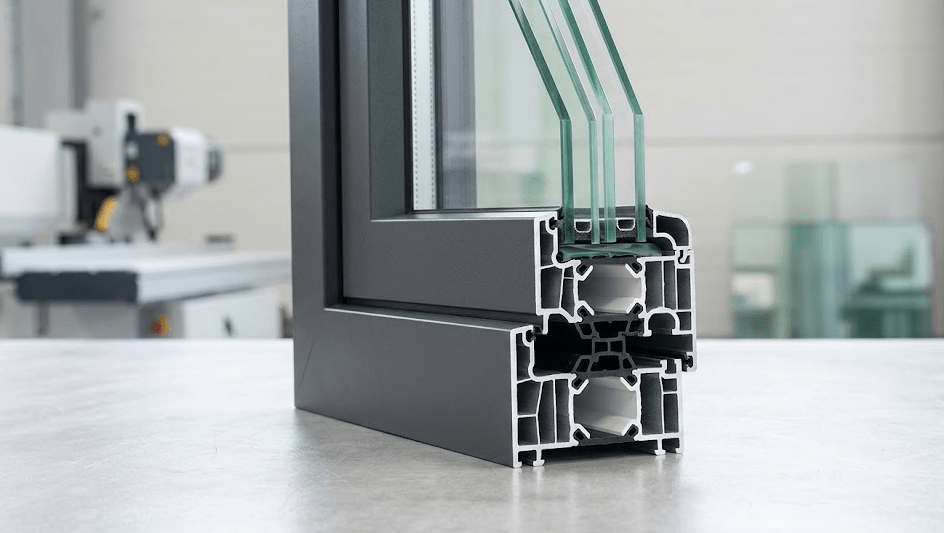
A truly modern hurricane impact windows system does more than just resist wind. It also enhances the building’s energy efficiency. High-performance systems utilize multi-chamber thermal break technology. This design places an insulating polyamide strip inside the aluminum profile, which drastically reduces heat transfer into the building.

Furthermore, heavy impact glass puts extra stress on the window hardware. Standard hinges and locks fail quickly under this weight. You should demand heavy-duty, stainless steel hardware systems. Reliable locking points around the frame ensure the sash stays sealed tight against the weather seals during prolonged storms.

Conclusion: Get Custom Factory Pricing from a Trusted Partner

Importing building materials from China optimizes your project budget effectively. However, success depends on meticulous compliance checking. By verifying certifications, profile thickness, glass standards, coatings, and hardware, you eliminate expensive risks.

Partnering with an experienced, compliant manufacturer like AlloyPro ensures your building stays safe, energy-efficient, and fully aligned with global building codes. Our team specializes in engineering high-end architectural products that match these exact international benchmarks. Contact us today to discuss your project requirements and get your custom factory pricing for premium hurricane impact windows.

Aluminum Extrusion Market: 2026 Top B2B Sourcing Strategies

The global aluminum extrusion market is growing rapidly in 2026. Commercial builders and developers face new supply chain challenges. High-end projects require stronger and more durable materials today. Changing material prices make procurement difficult for everyone. You need smart B2B sourcing strategies right now. This guide helps you cut costs and find reliable factory partners for your commercial builds.

Key Trends in the Aluminum Extrusion Market

The market shows a massive shift toward green building materials. Buyers actively demand high-quality thermal break systems to save energy. Strict global building codes require much better insulation. Markets like Australia demand strict AS2047 standard testing for all architectural windows. Standard commercial products show slow market growth in comparison.

Factories making premium custom profiles lead the aluminum extrusion market today. Fast production and stable quality matter greatly to professional builders. Long shipping times force developers to plan their orders early. You must partner with modern manufacturers to stay competitive.

Optimize Sourcing Costs in the Aluminum Extrusion Market

How do you get the best materials for your projects? You must look beyond the basic price tag. Evaluate the total value of the architectural profiles instead. A slightly higher starting cost saves big money later. High-quality surface coatings actively reduce future repair costs.

You should choose a factory with a complete production line. Direct factories control product quality much better than trading companies. They also meet tight construction deadlines consistently. Pre-assembled systems drastically cut down your local labor costs. This approach speeds up your onsite building work and improves efficiency.

Surface Treatments and Durability

Commercial profiles face harsh weather conditions every single day. You need the right surface treatments for your architectural doors. Coastal projects need strong powder coating or anodized finishes. These special finishes stop rust and keep the metal looking brand new.

Your buildings maintain their high-end look for many years. Your long-term property maintenance costs drop significantly as a result. Choosing the right finish protects your entire project investment.

Import Premium Profiles from China

You need a highly reliable long-term partner for your business. A top supplier provides clear communication and strong technical support. They fully understand global rules like the AS2047 standard. When you import premium profiles from China, always check the factory equipment. You should review their past project cases carefully. Always ask for clear test reports on wind load and water penetration.

AlloyPro solves these exact B2B sourcing problems. We optimize our factory lines to deliver profiles on time. Our skilled team works closely with your project engineers. We build custom profiles to fit your exact building designs.

How to Choose Hurricane-Resistant Aluminum Windows and Doors for High-Wind Regions

Coastal areas offer beautiful views. However, these regions also face severe weather threats. How to choose hurricane impact rated doors and windows? When a fierce storm hits, heavy duty architectural systems act as the first line of defense for your property.If a window fails, high pressure enters the building. This internal pressure, combined with external uplift, can blow off roofs and collapse walls. Therefore, selecting the right heavy-duty framing materials becomes a critical decision for builders, architects, and property owners in coastal zones.

Why Builders Need Hurricane Impact Rated Doors and Windows

Engineers prefer aluminum for high-wind regions for several reasons. First, aluminum possesses an exceptional strength-to-weight ratio. This metal resists warping and twisting under immense structural load. Additionally, manufacturers can extrude aluminum into complex architectural profiles with internal reinforcement web designs.

In contrast, materials like wood or vinyl often flex too much under extreme pressure. Certified hurricane impact rated doors and windows maintain their structural integrity over decades of service. Furthermore, advanced surface treatments protect these profiles from harsh marine environments. Modern coatings prevent salt spray corrosion, which keeps your structural components safe and beautiful for years.

Selecting the Right Alloy for Hurricane Impact Rated Doors

Not all aluminum profiles provide the same performance. For hurricane zones, you must look closely at the material specifications. Manufacturers widely use 6063 aluminum alloy for commercial architectural systems. However, the temper specification makes a massive difference in actual yield strength when engineering hurricane impact rated doors.

We highly recommend specifying 6063-T6 aluminum instead of standard 6063-T5. The T6 temper undergoes a rigorous artificial aging process. This treatment increases the tensile strength and hardness of the metal significantly. Consequently, 6063-T6 profiles endure much higher wind load pressures without permanent deformation, ensuring maximum safety during a storm.

The Material Standards of Hurricane Impact Rated Doors

A strong frame requires equally tough glass to ensure full protection. Standard glass shatters immediately when airborne debris strikes it during a storm. For this reason, high-wind regions require specialized impact-resistant laminated glass systems to complement hurricane impact rated doors.

Laminated glass consists of two layers of glass bonded together by a tough plastic interlayer, usually Polyvinyl Butyral (PVB) or SentryGlas Plus (SGP). When flying debris hits the window, the outer glass may crack, but the interlayer holds the fragments together. Therefore, the building envelope remains sealed, preventing destructive winds from entering the interior space.

    Balancing Storm Protection with Thermal Efficiency

    Extreme weather involves more than just powerful winds. Coastal regions often experience intense solar heat and high humidity. Property owners want storm safety, but they also demand lower energy bills. Fortunately, modern aluminum engineering solves both problems simultaneously.

    You should choose aluminum systems that incorporate advanced thermal break technology. Thermal break systems insert a reinforced polyamide bar between the interior and exterior aluminum profiles. This structure breaks the path of heat conduction. As a result, the windows block outdoor heat during summer and retain cool indoor air, reducing air conditioning costs significantly.

    Testing Certifications for Hurricane Impact Rated Doors

    How do you verify that a window or door can actually withstand a hurricane? You must check the official testing certifications of the product. Reliable manufacturers test their window and door systems in certified laboratories using dynamic pressure simulations.

    Look for products that meet international design pressure (DP) ratings or specific wind zone standards, such as the Miami-Dade County compliance or Australian wind load standards. Premium hurricane impact rated doors undergo rigorous air infiltration, water resistance, and structural load testing. Always ask your supplier for verified test reports before finalizing any large commercial or residential purchase.

    Conclusion and Sourcing Recommendations

    Protecting a coastal building requires careful planning and premium materials. High-strength 6063-T6 aluminum frames, impact-resistant laminated glass, and reliable thermal break designs provide the ultimate defense against severe storms. Investing in certified structural windows secures your property and ensures long-term peace of mind.

    AlloyPro Aluminum specializes in engineering high-performance architectural systems. If you want to protect your coastal building, you can find heavy duty aluminum profiles for hurricane impact rated doors from a top certified factory at the best wholesale prices now. Visit alloypro.net today to browse our certified architectural systems, download technical catalogs, or consult our engineering team for your next coastal project.

    Mengapa profil aluminium seni bina memerlukan pensijilan ISO 9001 dan alam sekitar?

    Pensijilan ISO 9001 lebih daripada sekadar lencana; ia adalah asas utama bagaimana kami menjamin profil aluminium berkualiti untuk projek seni bina di seluruh dunia. Bagi pembeli antarabangsa, pemilihan pembekal adalah tentang pengurusan risiko. Apabila anda mendapatkan bahan untuk projek pembinaan, keseragaman kualiti dan tanggungjawab alam sekitar adalah tidak boleh dirunding. Di Guangdong AlloyPro, kami memprioritaskan piawaian ini untuk memastikan produk kami memenuhi keperluan kejuruteraan global.

    Menjaga piawaian pensijilan ISO 9001 dalam pengeluaran

    ISO 9001 adalah piawaian emas antarabangsa bagi Sistem Pengurusan Kualiti (QMS). Bagi kilang ekstrusi aluminium, pensijilan ini berfungsi sebagai pelan induk untuk setiap peringkat pengeluaran.

    Kami mengikuti proses sistematik ini untuk memastikan projek anda menerima kualiti yang seragam:

    • Pengesahan Bahan Mentah: Kami menguji setiap batch bilik aluminium sebelum ia memasuki mesin ekstrusi.
    • Pemantauan dalam proses: Juruteknik kami memantau suhu dan kelajuan ekstrusi secara masa nyata untuk mengekalkan integriti struktur.
    • Pemeriksaan Ketepatan: Kami menggunakan instrumen yang dikalibrasi untuk mengukur toleransi kritikal, memastikan profil kami pas dengan sempurna semasa pemasangan di tapak.

    Dengan mematuhi protokol pensijilan ISO 9001 kami, kami menghapuskan ketidakseragaman pengilangan. Kebolehpercayaan ini membantu pelanggan kami mengelakkan kelewatan yang mahal dan kerja semula di tapak pembinaan mereka.

    Tanggungjawab Alam Sekitar dan Pengilangan Lestari

    Projek seni bina moden sering memerlukan pensijilan bangunan hijau seperti LEED atau yang serupa. Oleh itu, pembekal mesti menunjukkan komitmen terhadap pembuatan lestari. Pensijilan alam sekitar mengesahkan bahawa proses pengeluaran kami meminimumkan sisa dan pelepasan.

    Selain itu, kami mengoptimumkan penggunaan tenaga kami semasa proses ekstrusi. Kami memberi tumpuan kepada:

    • Pengurangan Sisa: Kami kitar semula sisa aluminium terus ke dalam proses peleburan kami, meminimumkan kehilangan bahan.
    • Pengurusan Kimia: Barisan rawatan permukaan kami beroperasi di bawah kawalan alam sekitar yang ketat untuk mencegah pelepasan bahan berbahaya.
    • Kecekapan Tenaga: Kami melabur dalam peralatan moden yang menggunakan tenaga lebih sedikit bagi setiap tan aluminium siap.

    Apabila anda memilih rakan kongsi bertauliah, anda memastikan bahawa rantaian bekalan anda selaras dengan matlamat kelestarian projek anda.

    Mengapa Ini Penting Bagi Pembeli Global

    Projek pembinaan antarabangsa melibatkan logistik yang kompleks dan risiko yang tinggi. Selain itu, penggunaan pembekal bertauliah menyediakan lapisan keselamatan penting bagi pengurus projek.

    Komitmen kami terhadap kualiti menyediakan tiga kelebihan utama:

    1. Pengurangan Risiko: Anda menerima produk yang sentiasa memenuhi dimensi dan gred aloi yang ditetapkan.
    2. Kesesuaian Global: Sijil-sijil ini diiktiraf di seluruh dunia, memudahkan anda lulus pemeriksaan bangunan di pasaran tempatan anda.
    3. Nilai jangka panjang: Profil yang lestari dan berkualiti tinggi mempunyai jangka hayat yang lebih panjang, mengurangkan kos penyelenggaraan dari masa ke masa.

    Kesimpulannya, pensijilan adalah asas janji kami untuk menyampaikan kecemerlangan teknikal dan ketelusan operasi. Di AlloyPro, kami percaya bahawa piawaian yang ketat adalah kunci kepada setiap projek pembinaan yang berjaya.

    Rahsia Membeli Ekstrusi Aluminium Pencegah Haba: PA66 VS PVC

    Senibina moden menuntut kecekapan tenaga yang tinggi dan keselamatan struktur. Bagi tingkap, pintu, dan dinding tirai, profil aluminium piawai menghantar haba terlalu pantas. Untuk mengatasi masalah ini, jurutera bergantung pada teknologi ekstrusi aluminium pemutus terma berkualiti tinggi. Sistem khusus ini membahagikan bingkai aluminium kepada dua bahagian berasingan, iaitu bahagian dalam dan bahagian luar. Kemudian, bahan tidak konduktif menyatukan kedua-duanya untuk menghalang pemindahan haba. Penghalang kecil ini menentukan prestasi akhir keseluruhan kulit bangunan.

    Walau bagaimanapun, pasaran global menawarkan pelbagai bahan untuk penghalang terma penting ini. Dua pilihan paling biasa ialah nilon PA66 dan plastik PVC. Memilih bahan yang salah boleh menyebabkan kegagalan struktur dan penebat yang buruk dari masa ke masa. Di Guangdong AlloyPro Aluminum Co., Ltd., kami mengutamakan kualiti dan keselamatan jangka panjang. Oleh itu, kami sentiasa menggunakan pilihan bahan premium untuk profil ekstrusi aluminium pemutus terma kami. Panduan ini menerangkan rahsia pembelian utama dan mendedahkan mengapa nilon PA66 mengatasi PVC dalam setiap kategori.

    Memahami Piawaian Ekstrusi Aluminium Pencegah Haba

    Untuk melindungi pelaburan seni bina anda, anda mesti memahami bagaimana pengeluar premium menghasilkan sistem ini. Ekstrusi aluminium dengan pemisah terma memerlukan proses penekukan mekanikal yang tepat. Pengilang memasukkan jalur penebat tidak konduktif ke dalam alur ekstrusi aluminium dan menggulung logam dengan ketat di sekelilingnya. Proses ini menghasilkan profil bersepadu yang kaku yang menahan tekanan angin, pergerakan terma, dan beban struktur dengan cekap.

    Selain itu, komposisi jalur penebat sangat sesuai dengan ciri fizikal aluminium. Di AlloyPro, kami mencampurkan nilon poliamida PA66 kami dengan gentian kaca 25%. Formulasi khusus ini menguatkan bahan, menjadikannya lebih kuat dan lebih kaku. Hasilnya, profil ekstrusi aluminium terputus terma struktur kami mampu menahan beban mekanikal yang besar sambil mengekalkan kekonduksian terma yang sangat rendah untuk bangunan berskala besar.

    Jurang Prestasi: Nilon PA66 Berbanding PVC

    Banyak projek berorientasikan bajet masih menganggap jalur Polivinil Klorida (PVC) dapat menurunkan kos awal. Namun, PVC adalah plastik asas yang kekurangan kekuatan dan ketahanan haba yang diperlukan untuk pembinaan tugas berat. Jurang prestasi antara kedua-dua bahan ini menjejaskan jangka hayat struktur lapisan luar bangunan anda.

    1. Pemuaian Terma dan Kestabilan Struktur

    Bangunan mengalami perubahan suhu yang melampau antara siang dan malam, serta musim panas dan musim sejuk. Aluminium mengembang dan mengecut mengikut perubahan ini. Oleh itu, penghalang terma mesti mengembang pada kadar yang sama tepat. Sistem ekstrusi aluminium pemutus terma gred tinggi menggunakan nilon PA66 kerana ia berkongsi pekali pengembangan linear yang hampir sama dengan aloi aluminium. Apabila suhu meningkat, logam dan jalur nilon bergerak bersama secara harmoni.

    Sebaliknya, PVC mempunyai kadar pengembangan terma yang jauh lebih tinggi berbanding aloi aluminium. Apabila terdedah kepada cahaya matahari yang terik, PVC mengembang dengan lebih pantas berbanding logam di sekelilingnya. Pergerakan yang tidak sepadan ini menghasilkan tegasan dalaman yang besar. Lama-kelamaan, jalur PVC akan longgar, bengkok, atau retak. Setelah penghalang itu terpisah, rangka ekstrusi aluminium terputus pemindahan haba struktur anda akan kehilangan integriti dan keselamatannya.

    2. Ketahanan Suhu Tinggi dan Rawatan Permukaan

    Semasa pembuatan, profil aluminium siap sering menjalani proses salutan serbuk atau penganodan. Rawatan permukaan ini memerlukan suhu ketuhar pembakaran melebihi 200°C. Nilon PA66 dengan mudah menahan suhu ini tanpa kehilangan bentuk atau kekuatannya. Ketahanan haba yang tinggi ini membolehkan kilang-kilang mengekstrusi, memasang, dan merawat pesanan ekstrusi aluminium pemutus terma anda dengan lancar.

    Sebaliknya, PVC menjadi lembut pada suhu yang jauh lebih rendah. Ia mula terurai dan cacat bentuk pada sekitar 80°C. Ini bermakna anda tidak boleh memasukkan profil PVC yang telah dipasang ke dalam barisan salutan serbuk suhu tinggi. Selain itu, haba terik musim panas pada bingkai aluminium berwarna gelap boleh mencapai suhu hampir dengan titik pelembutan PVC, menyebabkan bingkai itu melengkung atau bengkok di bawah beban.

    3. Kekuatan Mekanikal dan Tempoh Hayat Jangka Panjang

    Tingkap dan pintu mesti menahan beban angin yang kuat serta menyokong berat kaca berlapis dua atau tiga yang berat. Penghalang terma berfungsi sebagai pautan struktur yang memindahkan kuasa-kuasa ini. Berkat pengukuhan gentian kaca 25%, nilon PA66 yang digunakan dalam ekstrusi aluminium pemutus terma mempunyai kekuatan tegangan yang tinggi. Ia menahan daya tarikan, lenturan, dan potongan selama berdekad tanpa meregang atau patah.

    Selain itu, PVC mengalami penuaan pesat apabila terdedah kepada sinaran ultraviolet (UV) dan udara luar. Ia menjadi rapuh dalam beberapa tahun. Apabila PVC menjadi rapuh, ia boleh patah akibat hembusan angin tiba-tiba. Sebaliknya, jalur poliamida berkualiti tinggi menahan kerosakan akibat sinaran UV dan kakisan kimia dengan sempurna. Ia sepadan dengan jangka hayat bingkai aluminium itu sendiri, memastikan projek anda kekal selamat selama lebih 30 tahun.

    Membandingkan Metric Teknikal Teras

    Untuk membuat keputusan yang bijak, anda mesti memahami angka teknikal tepat bagi kedua-dua bahan. Pertama, mari kita lihat kekuatan tegangan. Ekstrusi aluminium termal break premium mempunyai kekuatan tegangan tinggi melebihi 120 MPa, yang dengan mudah menahan beban struktur berat. Sebaliknya, PVC standard turun di bawah 50 MPa, menjadikannya mudah patah di bawah tekanan angin.

    Kedua, kita mesti menilai toleransi haba dan penuaan. Nilon PA66 berkualiti tinggi mampu menahan suhu sehingga 220°C dan menyamai jangka hayat 30 tahun bingkai aluminium. Sebaliknya, PVC menjadi lembut pada hanya 80°C dan merosot dalam tempoh tiga hingga lima tahun. Akhir sekali, nilon PA66 menawarkan kesesuaian pengembangan yang sangat baik dengan logam, manakala PVC gagal mengembang pada kadar yang sama, menyebabkan pemisahan awal. Penunjuk ini membuktikan mengapa pakar kejuruteraan menolak PVC sepenuhnya.

    Kesimpulan: Lindungi Pelaburan Anda dengan AlloyPro

    Kesimpulannya, menjimatkan wang dengan menggunakan jalur penebat PVC murah menimbulkan risiko besar kepada projek anda. Penjimatan kecil pada peringkat awal membawa kepada kos penyelenggaraan yang tinggi, kebocoran udara, dan potensi kegagalan struktur kemudian. Memilih pembekal ekstrusi aluminium dengan rehat terma yang disahkan memastikan penebat terma optimum, bil tenaga lebih rendah, dan keselamatan struktur yang mutlak. Tingkap dan pintu anda akan mengekalkan bentuknya dan melindungi bangunan anda tanpa mengira cuaca di luar.

    Guangdong AlloyPro Aluminum Co., Ltd. mengkhusus dalam pembuatan profil aluminium berprestasi tinggi yang direka dengan ketepatan. Kami memilih dengan ketat jalur penebat nilon PA66 premium untuk proses ekstrusi aluminium pemutus haba kami bagi memenuhi piawaian kejuruteraan antarabangsa. Kami membantu pelanggan global membina struktur yang lebih pintar, lebih selamat, dan lebih lestari. Layari laman web rasmi kami di alloypro.net untuk meneroka penyelesaian lanjutan kami dan meminta sebut harga khusus untuk projek anda yang seterusnya.

    Tatal ke atas