





Top 5 B2B Standards for Sourcing Hurricane Impact Windows
Navigating foreign manufacturing standards can challenge any project manager. To secure your investment and pass local building inspections, you must know exactly what to verify. Furthermore, choosing a supplier who understands international compliance saves both time and money. This comprehensive guide breaks down the five crucial standards you must check before signing a procurement contract for your hurricane impact windows.
1. Verify Mandatory Wind Loads and Impact Certifications
International markets do not compromise on structural safety. For instance, the Australian market strictly enforces the AS2047 standard for windows and doors. This benchmark regulates severe wind loads and water penetration resistance. In contrast, North American regions require specialized certifications like Florida Product Approval or NFRC ratings.
You should always ask your manufacturer for official, third-party test reports. Reliable suppliers test their profile structures under extreme pressure to simulate real storm conditions. Therefore, checking these certifications beforehand ensures your imported cargo legally enters the target country. It also guarantees your hurricane impact windows will protect the building during a Category 5 storm.
2. Check the Aluminum Alloy Profile Thickness and Grade
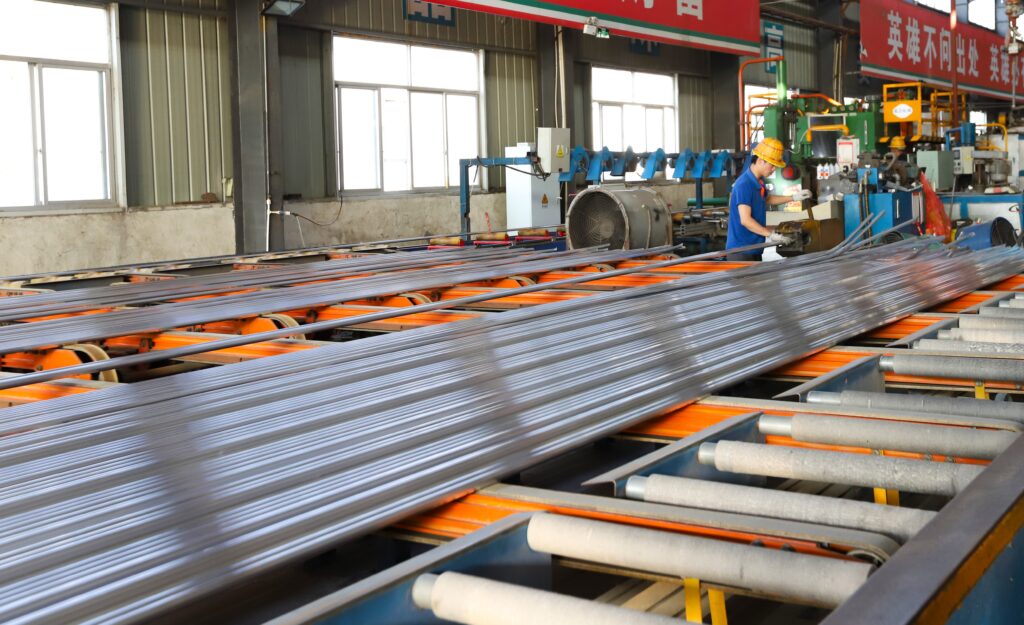
The structural strength of heavy-duty hurricane impact windows relies heavily on its raw aluminum materials. High-end systems generally utilize premium architectural aluminum profiles. You should look for structural grades like 6063-T5 or 6061-T6. Additionally, heavy-duty window frames require a thicker profile wall compared to standard residential openings.
Standard products often use a 1.4mm profile thickness. However, true commercial-grade hurricane impact windows increase this thickness to 2.0mm or even 3.0mm. This extra thickness prevents the frame from bending under violent wind pressures. Thick aluminum extrusion profiles also provide a stable foundation for the heavy laminated glass units.
3. Examine Glass Standards and Interlayer Quality
Premium hurricane impact windows do not rely on standard tempered glass alone. Instead, they feature a specialized laminated glass structure that meets strict international glass standards. This configuration sandwiches a tough polymer interlayer between two sheets of glass. If a flying object strikes the window, the glass will crack but stay firmly bonded to the interlayer.
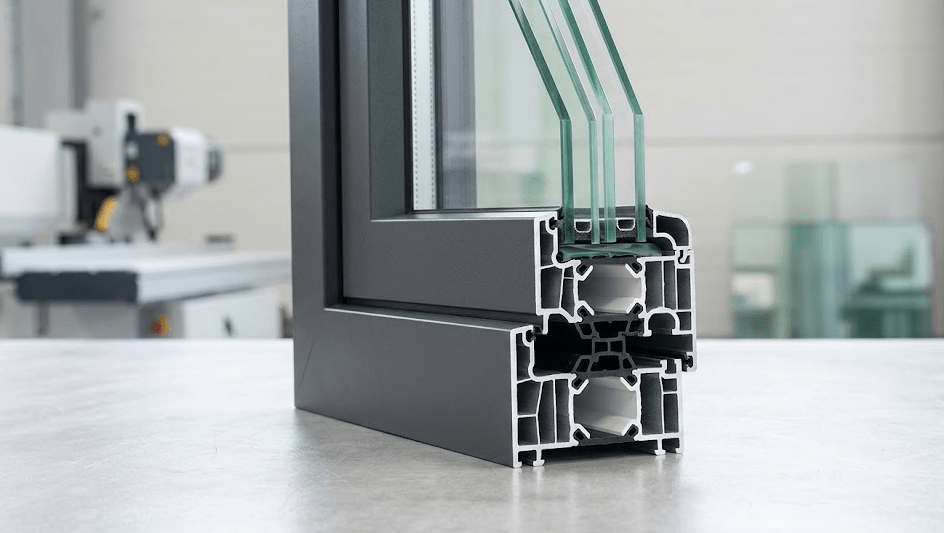
You must check the thickness of both the glass and the interlayer. A standard configuration includes thick laminated glass paired with a reliable PVB or SGP interlayer. SGP interlayers offer up to five times the tear resistance of standard PVB. Consequently, coastal projects facing extreme typhoons benefit greatly from choosing the stronger SGP specification for their hurricane impact windows.
4. Evaluate Corrosion Resistance and Surface Treatments
Coastal environments expose window frames to constant salt spray and high humidity. This environment causes rapid corrosion if the aluminum lacks proper protection. Therefore, you must specify high-performance surface treatments during the ordering stage to get the best long-term value.
Advanced manufacturers offer specialized coatings like PVDF (Fluorocarbon) or high-grade architectural powder coatings. PVDF coatings resist UV radiation and salt degradation exceptionally well. In contrast, standard powder coatings might fade or chalk within a few years near the ocean. Ensure your supplier follows international standards to guarantee decades of finish durability.
5. Assess the Thermal Performance and Hardware Durability
A truly modern hurricane impact windows system does more than just resist wind. It also enhances the building’s energy efficiency. High-performance systems utilize multi-chamber thermal break technology. This design places an insulating polyamide strip inside the aluminum profile, which drastically reduces heat transfer into the building.
Furthermore, heavy impact glass puts extra stress on the window hardware. Standard hinges and locks fail quickly under this weight. You should demand heavy-duty, stainless steel hardware systems. Reliable locking points around the frame ensure the sash stays sealed tight against the weather seals during prolonged storms.
Conclusion: Get Custom Factory Pricing from a Trusted Partner
Importing building materials from China optimizes your project budget effectively. However, success depends on meticulous compliance checking. By verifying certifications, profile thickness, glass standards, coatings, and hardware, you eliminate expensive risks.
Partnering with an experienced, compliant manufacturer like AlloyPro ensures your building stays safe, energy-efficient, and fully aligned with global building codes. Our team specializes in engineering high-end architectural products that match these exact international benchmarks. Contact us today to discuss your project requirements and get your custom factory pricing for premium hurricane impact windows.