




Top 5 B2B Standards for Sourcing Hurricane Impact Windows
For coastal projects, window selection must address the site’s wind pressures, exposure and any wind-borne debris requirements. This procurement guide identifies five areas to verify before ordering hurricane impact windows.
Navigating foreign manufacturing standards can challenge any project manager. To secure your investment and pass local building inspections, you must know exactly what to verify. Furthermore, choosing a supplier who understands international compliance saves both time and money. This comprehensive guide breaks down the five crucial standards you must check before signing a procurement contract for your hurricane impact windows.
1. Verify Mandatory Wind Loads and Impact Certifications
Different markets use different evidence. In Australia, confirm the applicable window, glazing and project wind requirements. In Florida, check the relevant product approval and permitted installation conditions. NFRC ratings concern energy performance and do not establish impact resistance.
Request reports or approvals for the complete window assembly, including size, glazing, frame, hardware and fixings. Compare their limits with the project design. A document check is not a guarantee of customs clearance or Category 5 storm protection.
2. Check the Aluminum Alloy Profile Thickness and Grade
Check the specified alloy, temper, profile geometry and structural design. The material designation alone does not establish the window’s resistance to wind pressure or debris impact.
Wall thickness must follow the approved system design and project requirements. There is no universal 1.4, 2.0 or 3.0 mm threshold that makes a window hurricane-rated.
3. Examine Glass Standards and Interlayer Quality
Laminated glazing is used in many impact-rated systems, but its presence alone is not proof of compliance. The tested assembly must match the proposed glass build-up, retention system and frame.
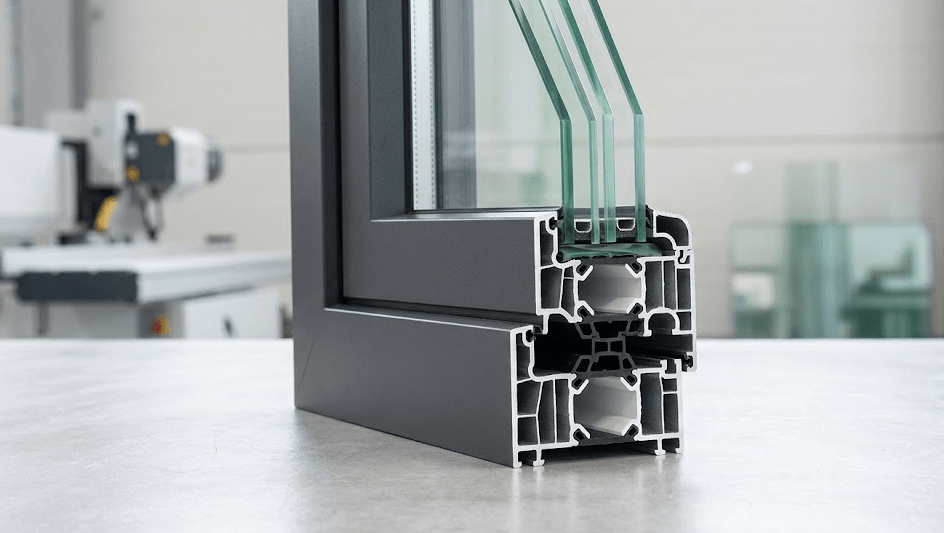
Confirm glass thickness, interlayer type and thickness against the tested or approved configuration. PVB and ionoplast interlayers have different properties; a generic strength comparison is not a substitute for assembly-level impact evidence.
4. Evaluate Corrosion Resistance and Surface Treatments
Coastal environments expose window frames to constant salt spray and high humidity. This environment causes rapid corrosion if the aluminum lacks proper protection. Therefore, you must specify high-performance surface treatments during the ordering stage to get the best long-term value.
Specify a coating suitable for the exposure, with the required pretreatment and maintenance instructions. PVDF and architectural powder coatings have different grades; neither name alone establishes coastal durability or a guaranteed service life.
5. Assess the Thermal Performance and Hardware Durability
Assess energy performance separately from impact resistance. Thermal breaks can reduce frame conduction, but the actual whole-window properties depend on the specified configuration.
Check the hardware’s permitted panel weight, corrosion specification, fixing details and tested configuration. Substituting hinges or locks may affect the validity of the assembly evidence.
Conclusion: Get Custom Factory Pricing from a Trusted Partner
Reviewing approvals, structural design, glazing, finishes and hardware helps identify procurement risks. Resolve gaps with the responsible project professionals before ordering.
Send AlloyPro the project location, opening schedule and required approvals. Availability and supporting evidence must be confirmed for the proposed system before any hurricane-impact claim is made.
For related product and planning information, see How to Choose Hurricane-Resistant Aluminum Windows and Doors for High-Wind Regions y Coastal Curtain Wall Solutions: Combating Corrosion and Wind.