







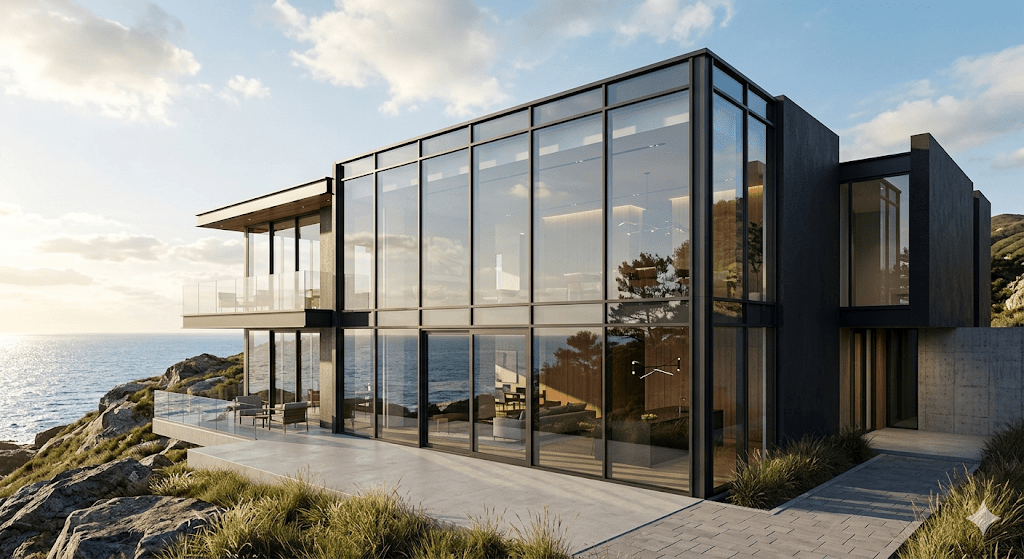
Thermal Break Aluminum Extrusion Buying Secrets: PA66 VS PVC
However, the global market offers different materials for these crucial thermal barriers. The two most common choices are PA66 nylon and PVC plastics. Choosing the wrong material can lead to structural failure and poor insulation over time. At Guangdong AlloyPro Aluminum Co., Ltd., we prioritize quality and long-term safety. Therefore, we always implement premium material choices for our thermal break aluminum extrusion profiles. This guide explains the core buying secrets and reveals why PA66 nylon outperforms PVC in every category.
Understanding Thermal Break Aluminum Extrusion Standards
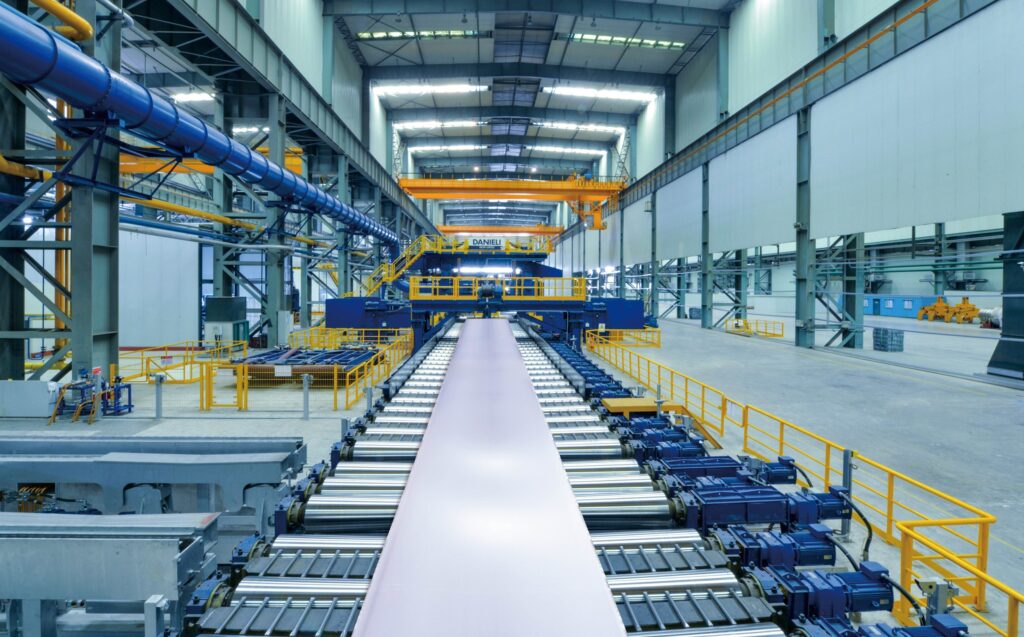
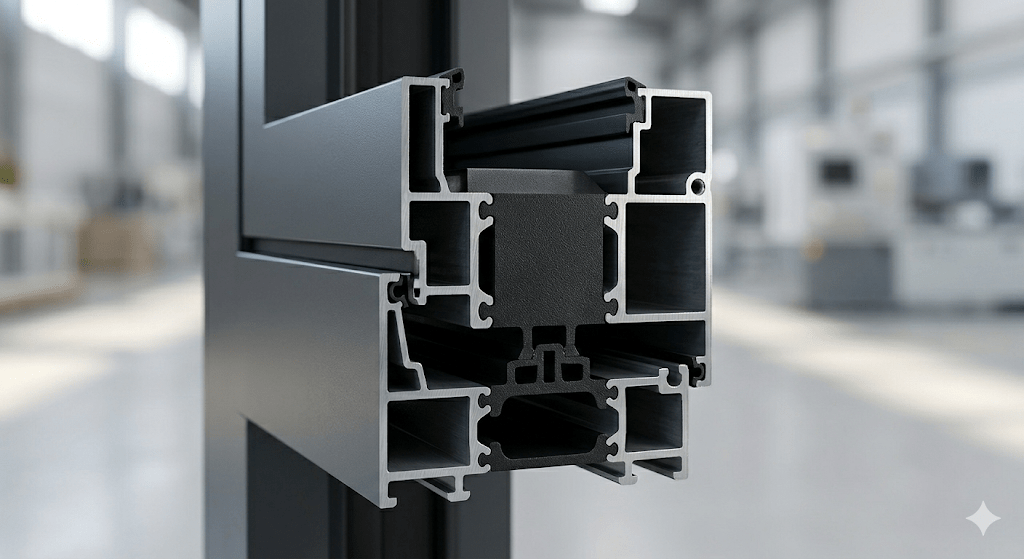
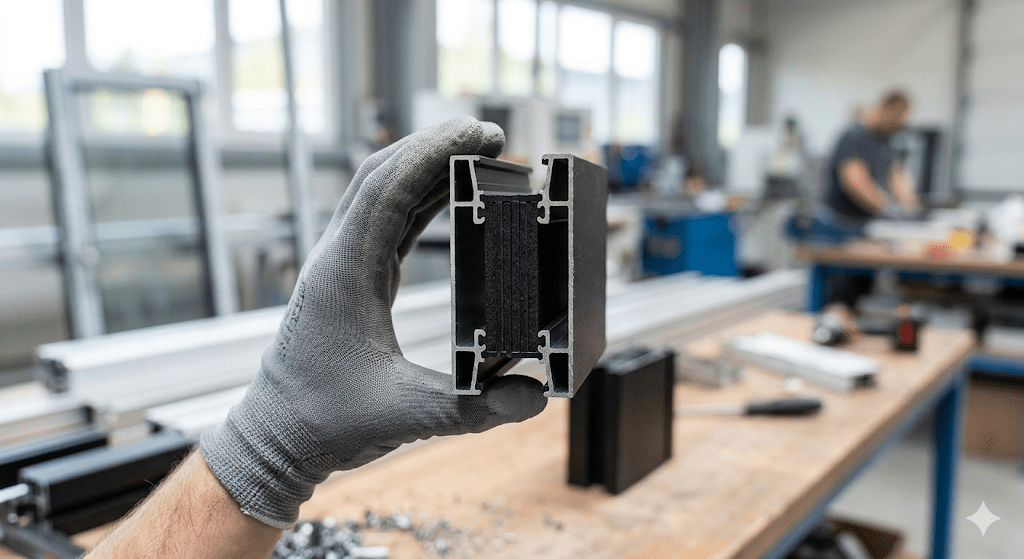
To secure your architectural investment, you must understand how premium manufacturers produce these systems. Thermal break aluminum extrusion requires a precise mechanical crimping process. Manufacturers insert a non-conductive insulation strip into extruded aluminum slots and roll the metal tightly around it. This process creates a rigid, unified profile that handles wind pressure, thermal movement, and structural weight efficiently.
Additionally, the composition of the insulation strip matches the physical traits of aluminum exceptionally well. At AlloyPro, we mix our PA66 polyamide nylon with 25% glass fiber. This specific formulation reinforces the material, making it stronger and stiffer. As a result, our structural thermal break aluminum extrusion profiles can withstand immense mechanical loads while maintaining extremely low thermal conductivity for large-scale buildings.
The Performance Gap: PA66 Nylon Versus PVC
Many budget-driven projects still consider Polyvinyl Chloride (PVC) strips to lower initial costs. However, PVC is a basic plastic that lacks the strength and heat resistance required for heavy-duty construction. The performance gap between these two materials affects the structural lifespan of your building envelopes.
1. Thermal Expansion and Structural Stability
Buildings experience extreme temperature changes between day and night, as well as summer and winter. Aluminum expands and contracts with these changes. Therefore, the thermal barrier must expand at the exact same rate. High-grade thermal break aluminum extrusion systems use PA66 nylon because it shares a nearly identical linear expansion coefficient with aluminum alloy. When the temperature spikes, the metal and the nylon strip move together harmoniously.
In contrast, PVC has a much higher rate of thermal expansion than aluminum alloy. When exposed to hot sunlight, PVC expands much faster than the surrounding metal. This mismatched movement creates huge internal stresses. Over time, the PVC strip will loosen, warp, or crack. Once the barrier separates, your structural thermal break aluminum extrusion frame loses its integrity and safety.
2. High-Temperature Resistance and Surface Treatment
During fabrication, finished aluminum profiles often undergo powder coating or anodizing processes. These surface treatments require baking oven temperatures above 200°C. PA66 nylon easily withstands these temperatures without losing its shape or strength. This high heat tolerance allows factories to extrude, assemble, and treat your thermal break aluminum extrusion orders smoothly.
On the other hand, PVC softens at much lower temperatures. It begins to degrade and deform around 80°C. This means you cannot put assembled PVC profiles through high-temperature powder coating lines. Furthermore, intense summer heat on dark-colored aluminum frames can reach temperatures close to the softening point of PVC, causing the frame to sag or bend under load.
3. Mechanical Strength and Long-Term Lifespan
Windows and doors must resist heavy wind loads and support the weight of heavy double or triple-pane glass. The thermal barrier acts as a structural link that transfers these forces. Thanks to the 25% glass fiber reinforcement, the PA66 nylon used in thermal break aluminum extrusion boasts high tensile strength. It resists pulling, bending, and shearing forces for decades without stretching or snapping.
Furthermore, PVC suffers from rapid aging when exposed to ultraviolet (UV) rays and outdoor air. It becomes brittle within a few years. When PVC turns brittle, it can snap under sudden wind gusts. In contrast, high-quality polyamide strips resist UV degradation and chemical corrosion perfectly. They match the lifespan of the aluminum frame itself, ensuring your project stays safe for over 30 years.
Comparing the Core Technical Metrics
To make a smart decision, you must understand the exact technical numbers of both materials. First, let us look at tensile strength. Premium thermal break aluminum extrusion features a high tensile strength above 120 MPa, which easily withstands heavy structural loads. In contrast, standard PVC drops below 50 MPa, making it prone to snapping under wind pressure.
Second, we must evaluate heat tolerance and aging. High-quality PA66 nylon withstands temperatures up to 220°C and matches the 30-year lifespan of aluminum frames. Conversely, PVC softens at just 80°C and degrades within three to five years. Finally, PA66 nylon offers excellent expansion matching with metal, while PVC fails to expand at the same rate, leading to early separation. These metrics prove why engineering experts reject PVC entirely.
Conclusion: Protect Your Investment with AlloyPro
In conclusion, saving money on cheap PVC insulation strips creates massive risks for your project. The minor upfront savings lead to high maintenance costs, air leaks, and potential structural failures later. Choosing a certified thermal break aluminum extrusion supplier ensures optimal thermal insulation, lower energy bills, and absolute structural safety. Your windows and doors will keep their shape and protect your building regardless of the weather outside.
Guangdong AlloyPro Aluminum Co., Ltd. specializes in manufacturing high-performance, precision-engineered aluminum profiles. We strictly select premium PA66 nylon insulation strips for our thermal break aluminum extrusion processes to meet international engineering standards. We help global clients build smarter, safer, and more sustainable structures. Visit our official website at alloypro.net to explore our advanced solutions and request a custom quote for your next project.
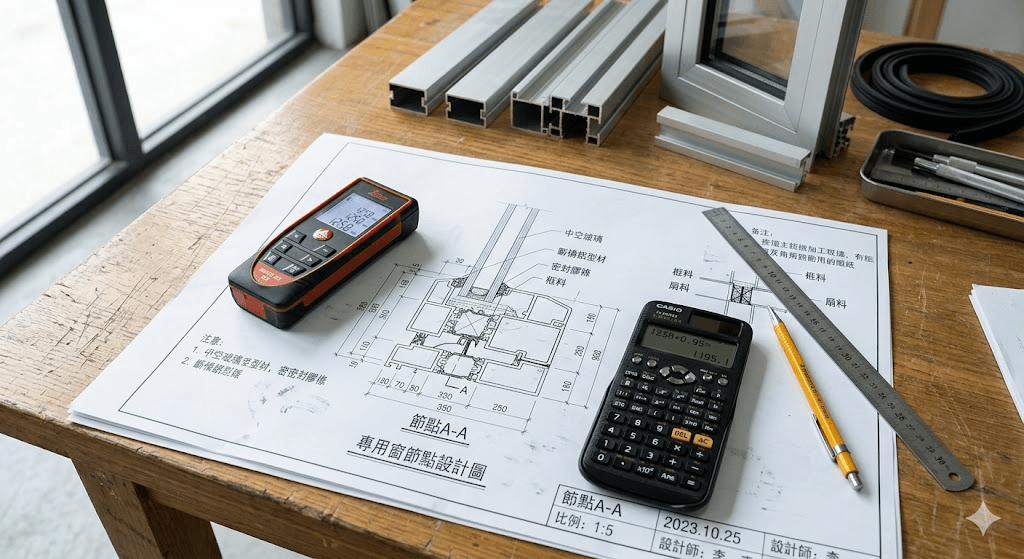
Entender el valor U: cómo elegir ventanas de aluminio energéticamente eficientes
Por lo tanto, elegir ventanas con un valor U bajo ya no es solo una opción. Es una forma inteligente de reducir tus gastos de energía. Además, las normas de construcción actuales exigen el uso de materiales de alto rendimiento para proteger el medio ambiente.
Comprender el aislamiento de las ventanas con rotura de puente térmico
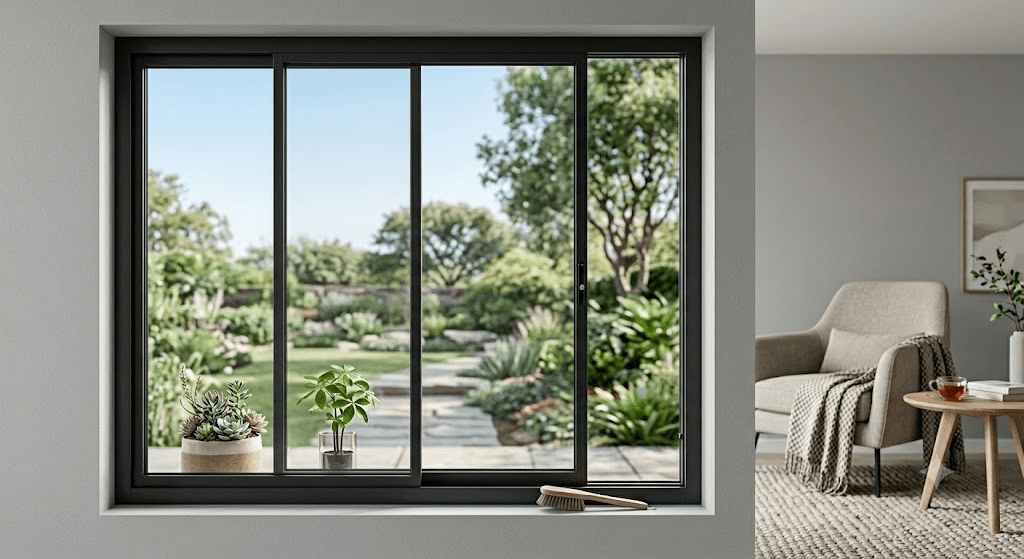
La ciencia del aislamiento se basa en impedir la transferencia de calor. Los marcos de aluminio estándar suelen conducir el calor rápidamente. Sin embargo, AlloyPro utiliza un avanzado sistema de aislamiento térmico para ventanas con rotura de puente térmico para resolver este problema.
Inseramos una tira de poliamida reforzada dentro del perfil de aluminio. Esto crea una barrera resistente. Además, este diseño garantiza que las ventanas de bajo coeficiente U mantengan tus habitaciones cálidas en invierno y frescas en verano. Por lo tanto, obtienes un clima interior más estable durante todo el año.
Características principales de las ventanas de aluminio de bajo consumo energético
Para obtener una calificación alta, es necesario que varios elementos funcionen a la perfección en conjunto. Nuestras ventanas de aluminio de bajo consumo se centran en tres aspectos principales:
- Acristalamiento de alta calidad: Utilizamos vidrio de doble o triple acristalamiento con recubrimientos Low-E. Estas capas reflejan el calor al tiempo que dejan pasar la luz natural.
- Marcos multicámara: Nuestros perfiles cuentan con estructuras internas complejas. Estas cámaras retienen el aire para mejorar el rendimiento de las ventanas de bajo coeficiente U.
- Sellos profesionales: Las juntas de EPDM de alta calidad evitan las fugas de aire. Como resultado, su ventana conserva su capacidad de aislamiento durante décadas.
Cómo identificar ventanas de calidad con un bajo valor U
Al comparar proveedores, es importante revisar con atención los detalles técnicos. Algunas empresas solo indican el valor del “centro del vidrio” ($U_g$). Sin embargo, esto puede resultar engañoso.
Por el contrario, los compradores profesionales siempre buscan el valor U de la ventana completa ($U_w$). En AlloyPro, proporcionamos informes de pruebas completos para nuestras ventanas de bajo valor U. Esta transparencia le ayuda a cumplir con normas internacionales como la CE o la AS2047 sin ningún tipo de complicación.
Ventajas de instalar ventanas con un valor U bajo
Invertir en sistemas de alta calidad reporta numerosos beneficios a largo plazo. En concreto, las ventanas con bajo coeficiente U ofrecen las siguientes ventajas:
- Facturas de servicios públicos más bajas: Consumirás menos energía en el sistema de climatización. En consecuencia, tus gastos mensuales de energía se reducirán considerablemente.
- Menos contaminación acústica: Un mejor aislamiento también significa una mejor insonorización. Además, tu hogar será mucho más silencioso.
- Se acabó la condensación: Los marcos de alto rendimiento mantienen mejor el calor. Por lo tanto, no se acumulará humedad en los cristales durante las noches frías.
Póngase en contacto con AlloyPro para su próximo proyecto
Elegir las ventanas adecuadas con un bajo coeficiente U es la mejor manera de aumentar el valor de su inmueble. En AlloyPro, combinamos un estilo moderno con tecnología térmica de vanguardia.
¿Estás listo para renovar tus ventanas? Visita nuestra página de productos o ponte en contacto con nuestro equipo hoy mismo para obtener un presupuesto personalizado. Déjanos ayudarte a construir un futuro más cómodo y sostenible.


Comparing bifold vs sliding doors starts with how you want to use the space. Do you want to fold the doors back for a broad connection to the patio, or enjoy generous glass panels that slide without swinging into the room or terrace? Alloy Pro’s 140 bifold system and SKY39 panoramic sliding system offer two ways to plan that connection.
Indoor–outdoor living remains a relevant design theme in 2026. In its February review of residential design trends, the US National Association of Home Builders highlighted natural light, connections to the outdoors and distinctive doors, including bifold and large glass designs. That provides useful context for a practical question: which opening arrangement suits your project? Read the NAHB design-trends release.
Bifold vs sliding doors at a glance
| Planning question | 140 bifold doors | SKY39 sliding doors |
|---|---|---|
| How do the panels move? | Panels fold outward and stack to the side. | Panels travel along tracks; straight, corner and pocket layouts are available for project review. |
| Where is clearance needed? | Allow room outside for the panel swing and folded stack. | Allow for the track and panel overlap. A pocket layout also needs a suitable wall cavity. |
| What shapes the closed-door view? | The number and spacing of folding panels. | Glass-panel dimensions, meeting stiles and the chosen layout. |
| What needs confirming? | Panel arrangement, usable opening, stacking position and threshold. | Usable opening, track arrangement, manual or motorised operation and maintenance access. |
Choose the 140 when opening the space is the priority
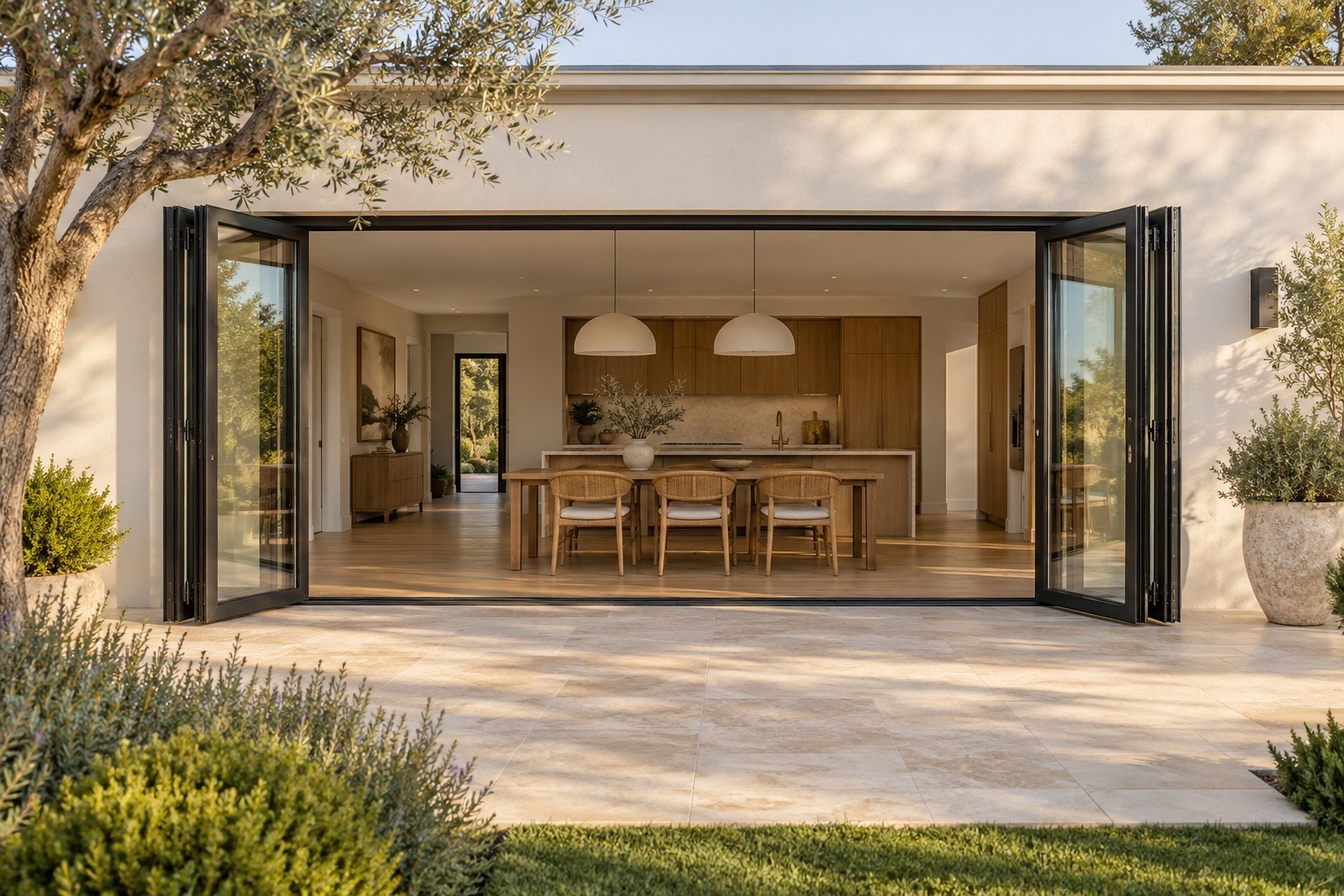
Aluminium bifold doors make sense when the main aim is to connect a living or dining room to an outdoor area during gatherings. The 140 system folds outward, bringing the panels together at the side rather than leaving them spread across the opening.
The system combines a thermal-break frame, double-glazing configurations, triple seals and multipoint locking. Its published specification lists a 35 mm sash sightline and a maximum sash height of up to 2,800 mm, subject to the selected configuration.
Start with the floor plan. Mark the area swept by the opening panels and the position of the folded stack. Outdoor seating, planters and the route to the garden should remain clear. Ask for a drawing showing the usable passage width; the overall frame width alone does not tell you how much clear opening you will have.
Explore the Alloy Pro 140 slimline aluminium bifold doors for the system specification.
Choose SKY39 when the view and surrounding space guide the layout
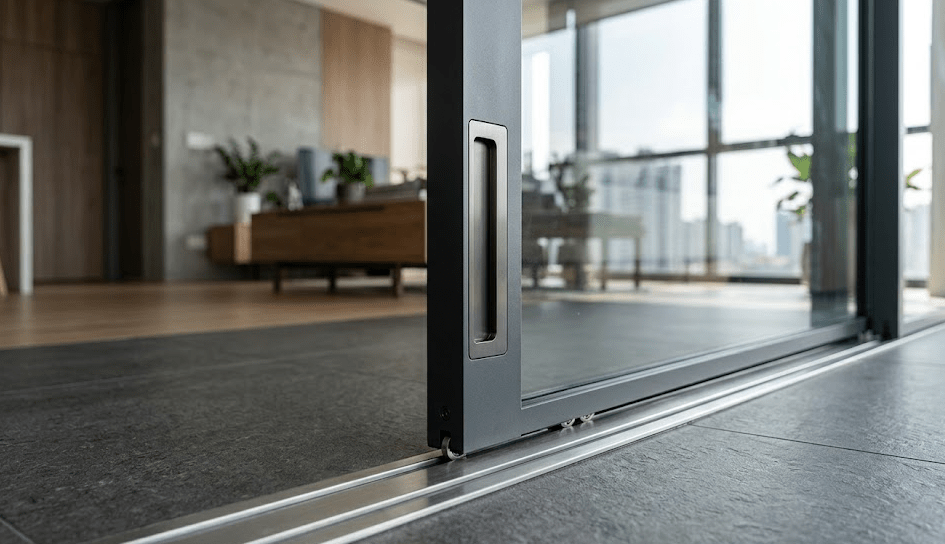
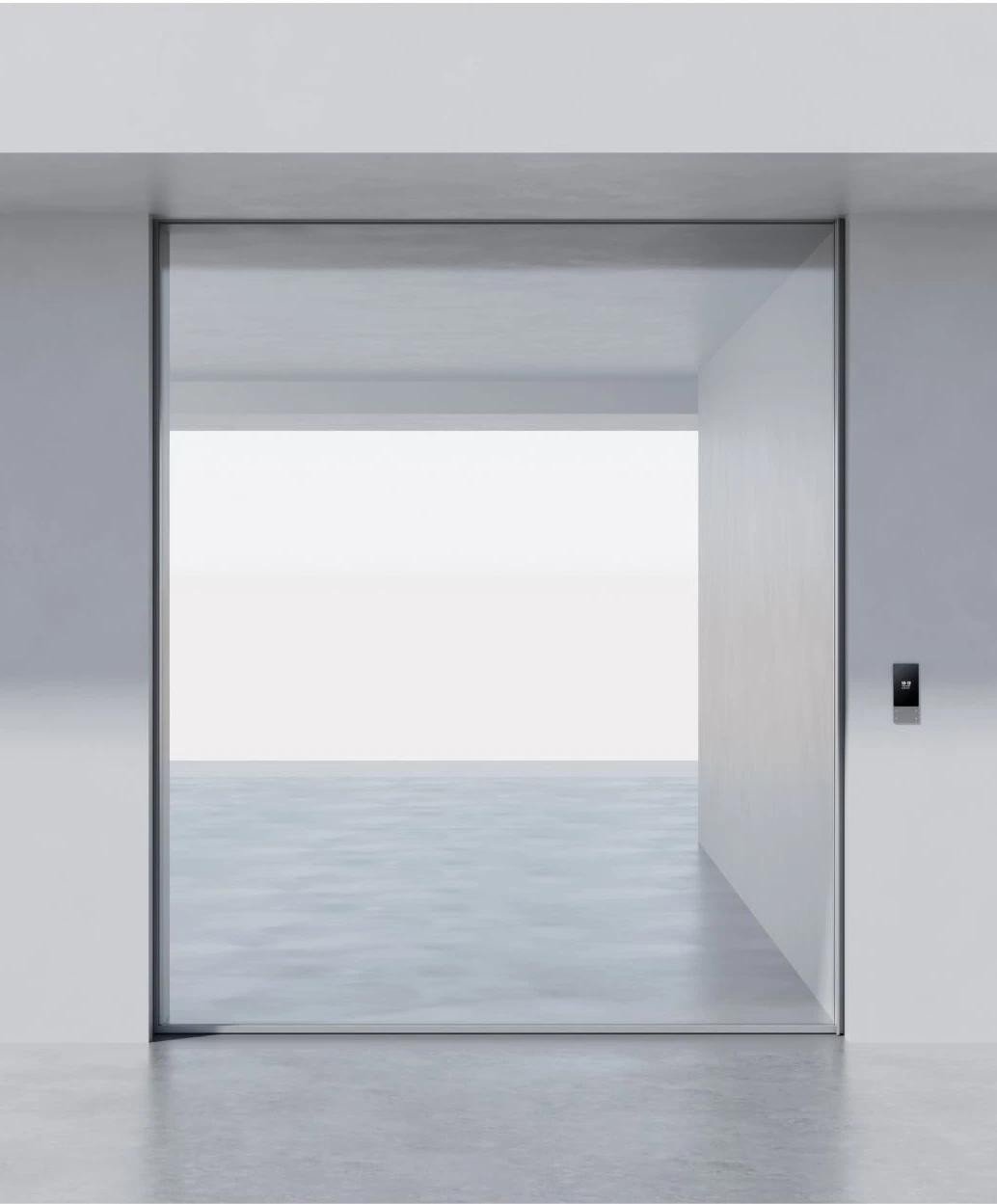
Sliding panels move along the opening without a hinged swing into the room or patio. This makes aluminium sliding doors worth considering where circulation space is limited or furniture sits close to the glazing.
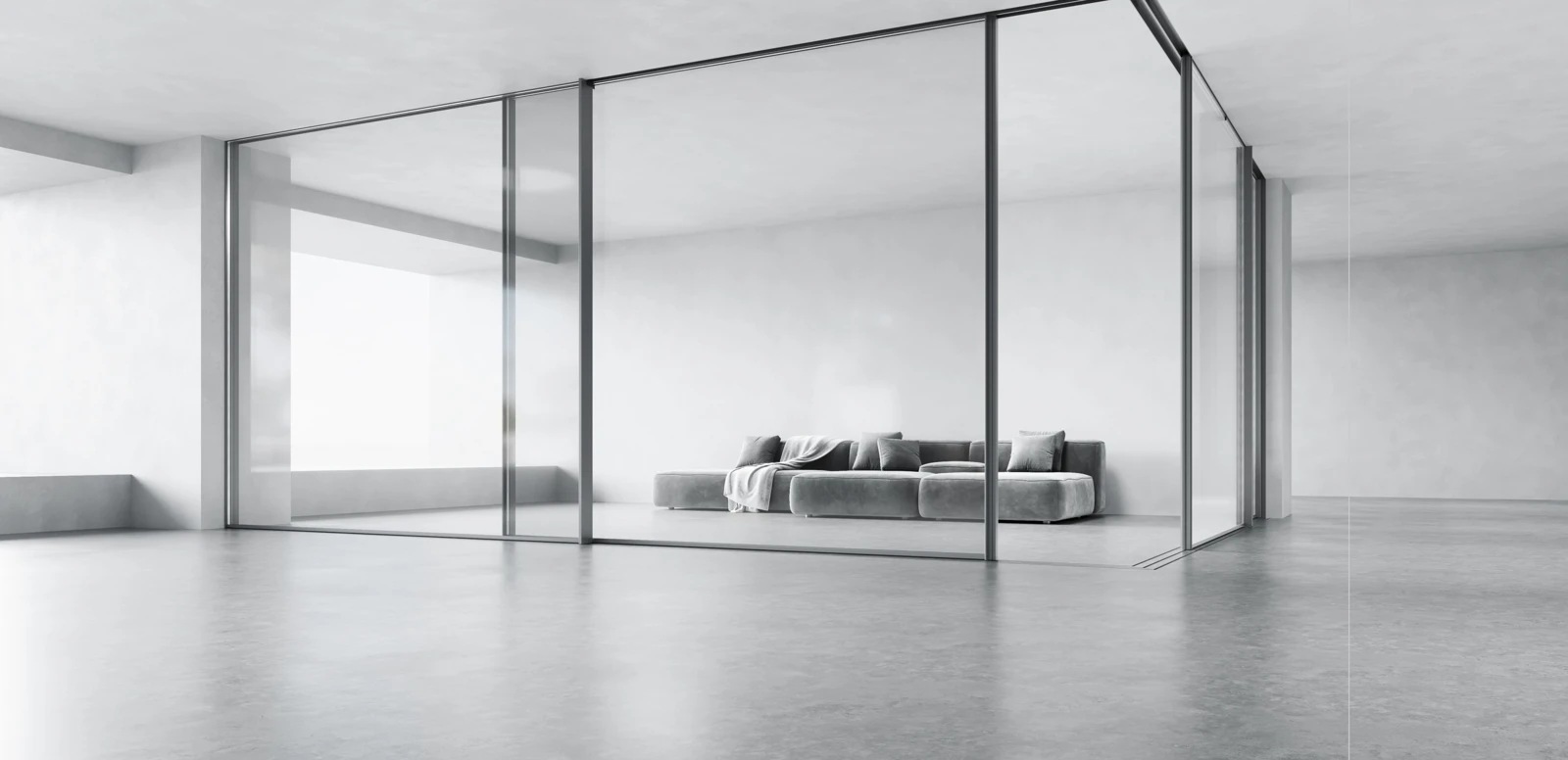
SKY39 combines a 20 mm meeting stile with concealed perimeter framing options. The meeting stile is the vertical junction where adjacent panels meet. Manual and concealed-motor options allow the operation to be considered alongside panel size and everyday use.
The layout matters as much as the door type. A conventional overlapping arrangement leaves panels within part of the opening when open. A pocket arrangement can move panels into a prepared wall cavity, but it needs suitable space, detailing and maintenance access. Corner layouts also require the building structure to be reviewed. Do not assume every sliding installation has the same opening ratio.
See the SKY39 slimline sliding doors for available layout options.
Compare the view using drawings, not a single frame measurement
The 140’s 35 mm sash figure and SKY39’s 20 mm meeting-stile figure describe different parts of the systems. They are not a like-for-like comparison of total visible frame width.
Ask for elevations of both options at the same opening size. Compare panel divisions, perimeter frames and the junctions between panels. Then consider where people will sit: the view from a dining chair may matter more than the view from directly in front of the door.
Check glazing, weather exposure and the threshold together
Opening style alone does not establish which door will insulate better or perform better in rain. Compare the complete proposed assembly, including glass, frame, seals, dimensions and installation details. Request performance evidence that applies to that configuration and the project’s requirements.
A visually continuous floor also needs practical planning. Review the threshold height, external paving level and drainage before choosing the final detail. A low or recessed track should not be assumed to provide a step-free, weatherproof installation in every location.
What to include when requesting a comparison quote
To compare the 140 and SKY39 on the same basis, send:
- Project country and city, plus the building type.
- Opening width and height, quantities and available drawings.
- Preferred panel arrangement and a photo showing nearby walls and furniture.
- Glass, finish, screen and operating preferences.
- Known performance requirements and the intended installation scope.
Ask for the same scope in each quotation. Differences in glazing, hardware, panel dimensions and site work can be more useful to understand than a simple price comparison between “bifold” and “sliding”.
Frequently asked questions
Are bifold doors better than sliding doors for a patio?
The 140 is worth considering when a broad opening is the priority and there is room for the outward-folding panels. SKY39 is worth considering when the closed-door view and clearance around the opening are priorities. Compare drawings for your actual space before deciding.
Can sliding doors create a clear opening?
Some layouts can move panels beyond the main opening, including pocket arrangements. SKY39 includes pocket options, subject to project review. Conventional overlapping sliding panels behave differently, so confirm the proposed layout.
Which system is more energy efficient?
There is no reliable answer based only on the opening style. Compare applicable whole-door performance information for the selected size, glass and frame configuration.
Plan your opening with Alloy Pro
Share your opening dimensions, project location and preferred layout. Tell us whether a broad passage, a clear view or space around the doors matters most, so we can discuss the 140 and SKY39 options against your project requirements.
Discuss My Door Layout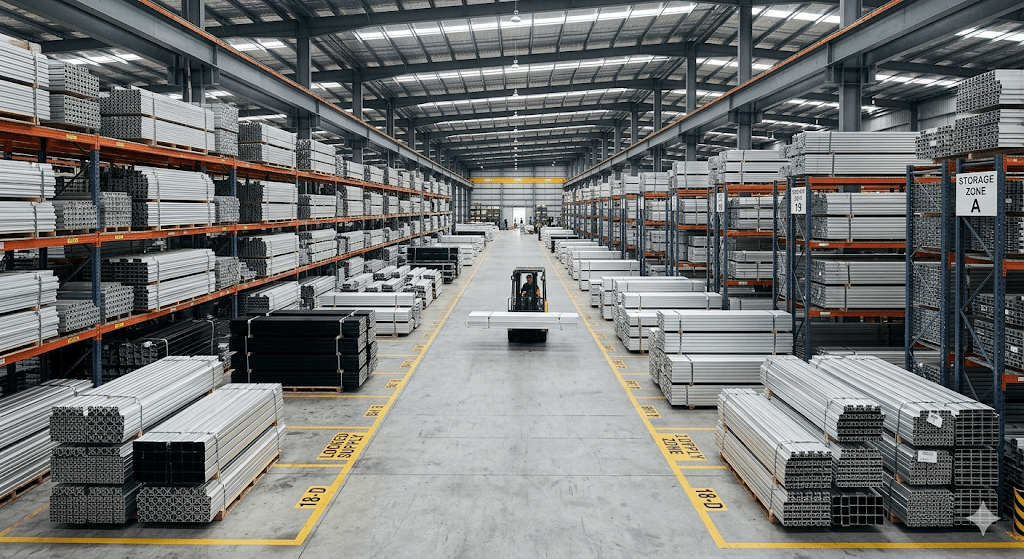
Proveedor confiable de perfiles de aluminio en China: Guía de precios 2026
Perspectivas del mercado: La volatilidad del aluminio en 2026
El mercado mundial del aluminio se enfrenta a una gran volatilidad en 2026. La fluctuación de los costos energéticos y los cambios en las políticas comerciales generan incertidumbre para los proyectos industriales y de construcción. Para los compradores internacionales, estas rápidas oscilaciones de precios pueden mermar rápidamente los márgenes de ganancia. Sin embargo, encontrar un proveedor confiable de perfiles de aluminio en China es el primer paso para mantener la estabilidad presupuestaria.
En AlloyPro, observamos que los socios exitosos dan prioridad a la seguridad a largo plazo frente a las apuestas a corto plazo en el mercado al contado. Comprender por qué varían los precios es el primer paso para garantizar la solidez financiera de su proyecto.
Por qué fluctúan los precios
Hay varios factores que influyen en las tendencias actuales de los precios. La demanda mundial de materiales de construcción ecológicos sigue aumentando. Además, las interrupciones en la cadena de suministro de la bauxita en bruto afectan los costos de fundición. Estas variables hacen que una cotización de hoy pueda quedar obsoleta mañana.
A diferencia de años anteriores, el mercado de 2026 exige algo más que una simple orden de compra. Como empresa líder Proveedor de perfiles de aluminio de China, te ayudamos a fijar los costos para 2026. Los compradores necesitan un mecanismo que los proteja de la inflación repentina y, al mismo tiempo, garantice un suministro constante de materiales de alta calidad.
El poder de los acuerdos marco
Un acuerdo marco es una asociación a largo plazo entre un comprador y un proveedor de perfiles de aluminio. A diferencia de un contrato puntual, este acuerdo establece las condiciones, los estándares de calidad y las fórmulas de fijación de precios para un período determinado. Además, le permite reservar capacidad de producción en nuestra planta de Guangdong sin tener que comprometerse a realizar el pago completo por adelantado.
Este enfoque ofrece tranquilidad. Al firmar un acuerdo marco, básicamente “fijas” tus costos. Aunque el precio global en la LME se dispare, tu proyecto se mantendrá dentro del presupuesto porque tu estructura de precios ya está fijada.
Estrategias para fijar los costos
¿Cómo puedes aprovechar exactamente estos acuerdos? En primer lugar, te recomendamos establecer un “precio máximo” para asegurarte de que nunca pagues más de un límite determinado. En segundo lugar, considera la “tarificación basada en el volumen”. Al comprometerte a un tonelaje anual total, obtienes acceso a tarifas base más bajas a las que los compradores puntuales no pueden acceder.
Además, AlloyPro ayuda a sus clientes gestionando el “stock de seguridad”. Como su proveedor exclusivo de perfiles de aluminio en China, fabricamos y almacenamos sus perfiles específicos con antelación. Esta estrategia de cobertura física suele ser más eficaz que la cobertura financiera por sí sola.
Coherencia y fiabilidad
Más allá del precio, la confiabilidad es la verdadera moneda de cambio en 2026. Un acuerdo marco transforma la relación entre proveedor y comprador en una alianza estratégica. De este modo, se evitan los largos plazos de entrega que suelen afectar al sector durante los meses de mayor demanda. La calidad constante es otra ventaja importante. Dado que las especificaciones técnicas quedan fijadas en el acuerdo, cada lote de aluminio 6063-T5 que reciba cumplirá exactamente con los mismos altos estándares.
Asegura tu presupuesto con AlloyPro
Para desenvolverse en el mercado del aluminio de 2026 se necesita un socio proactivo. Nuestro equipo en Guangdong conoce a la perfección las complejidades de la logística internacional y la cobertura de precios. Le invitamos a que analice los requisitos de su próximo proyecto y a que discuta con nosotros una estrategia marco a medida.
Como líder Proveedor de perfiles de aluminio de China, te ayudamos a fijar los precios para 2026. Descubre los contratos marco para perfiles de alta calidad con rotura de puente térmico y de aluminio 6063-T5 visitando alloypro.net hoy.

Ventanas con vidrio de doble acristalamiento insonorizado frente a ventanas de un solo cristal
Transmisión del sonido y vidrio insonorizante de doble acristalamiento
El sonido se propaga fácilmente por el aire en forma de ondas continuas e invisibles. Cuando estas ondas chocan contra una ventana, el vidrio vibra al instante. El vidrio de una sola capa, al ser más delgado, vibra con mucha facilidad y rapidez. Por lo tanto, la mayor parte del ruido de la calle lo atraviesa sin mucha resistencia. Si vives cerca de una calle muy transitada, el vidrio de una sola capa no sirve para nada.
Por el contrario, vidrio insonorizante de doble acristalamiento utiliza una estrategia completamente diferente. Consiste en dos paneles de vidrio separados por un espaciador. De este modo, esta estructura actúa como un potente amortiguador acústico. Además, reduce significativamente la energía de las ondas sonoras que la atraviesan. Esto hace que el doble acristalamiento sea muy superior en cuanto a confort acústico.
El poder del vidrio insonorizante de doble acristalamiento
Premium vidrio insonorizante de doble acristalamiento ofrece una barrera eficaz contra el ruido exterior. El espacio de aire entre los paneles desempeña siempre un papel fundamental. Dado que el sonido se propaga de manera diferente a través del vidrio y del aire, el cambio de medio interrumpe las ondas sonoras. Además, el uso de vidrio templado aporta una seguridad extraordinaria al sistema de ventanas.
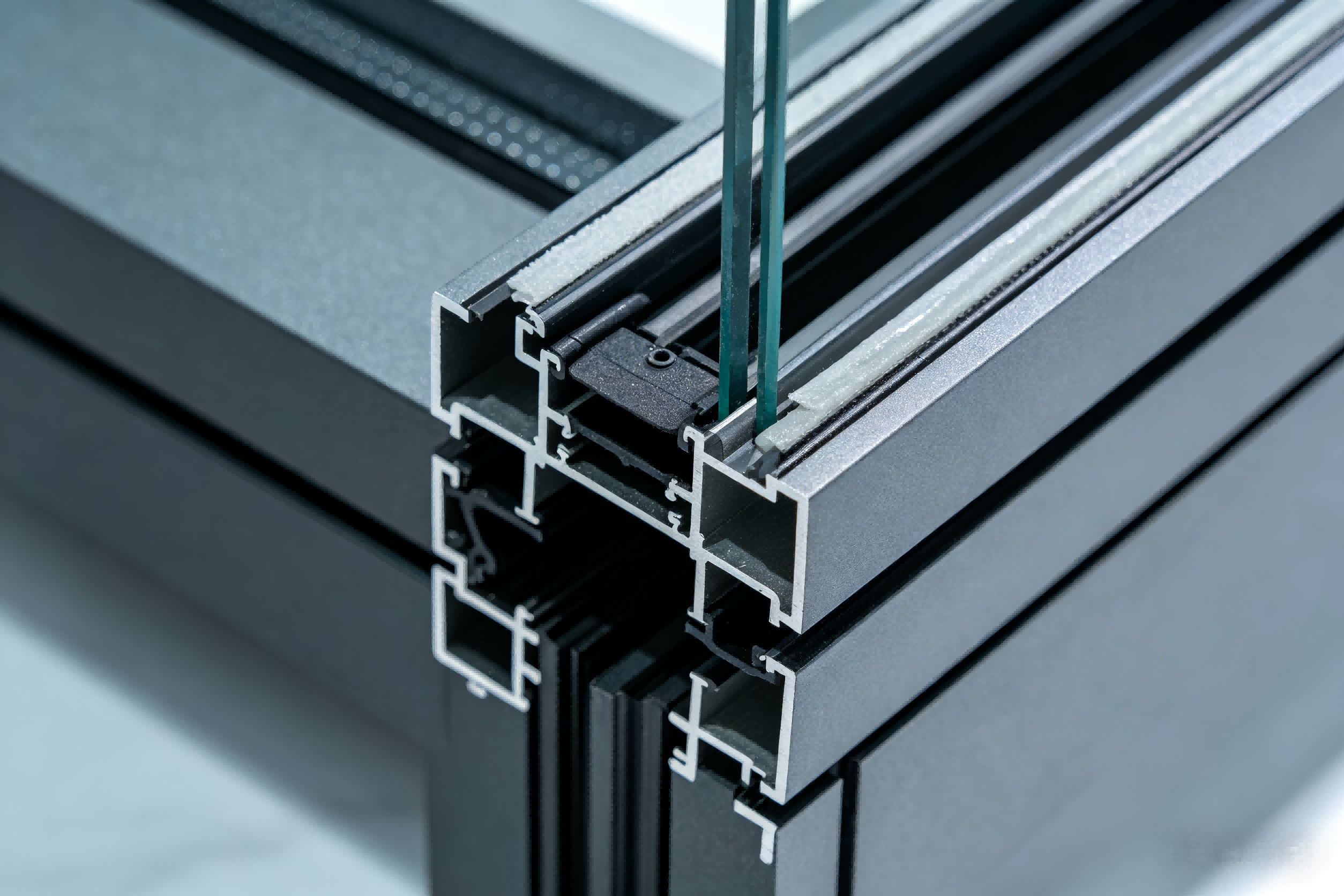
En AlloyPro, nos especializamos en sistemas de ventanas de aluminio de alto rendimiento. Nuestras unidades incorporan ingeniería de precisión para maximizar el aislamiento acústico de manera óptima. Además, nos aseguramos de que cada unidad cuente con un sellado perfecto. Un sellado deficiente permite que el sonido se filtre sin dificultad. Por lo tanto, la calidad del marco de aluminio es igualmente importante.
Principales ventajas del vidrio insonorizante de doble acristalamiento
Si bien el aislamiento acústico es una prioridad, la seguridad absoluta es igualmente importante. El vidrio templado es mucho más resistente que el vidrio estándar común. Si se rompe, se desmenuza en pequeños fragmentos sin bordes afilados, lo que garantiza la seguridad. Además, soporta mucho mejor los cambios extremos de temperatura que se producen a diario. Esta durabilidad garantiza que su vidrio insonorizante de doble acristalamiento sigue siendo muy eficaz durante décadas.
- Reducción de ruido: Reducción significativa del ruido de hasta 35 dB para hogares tranquilos.
- Aislamiento térmico: Mejor aislamiento térmico para facturas de energía mucho más bajas.
- Seguridad superior: Máxima seguridad gracias al uso de vidrio templado de alta calidad.
- Sellado perfecto: Sellado hermético con perfiles de aluminio de ajuste preciso.
Cómo elegir la mejor ventana con aislamiento acústico
Si su proyecto requiere un entorno verdaderamente silencioso, este vidrio de alta calidad es la mejor opción. Ofrece un ambiente tranquilo y mejora significativamente la eficiencia energética. Aunque el costo inicial es más elevado, los beneficios a largo plazo son considerables.
Ahorras dinero en calefacción y disfrutas de una mejor calidad de vida. Visita nuestro sitio web oficial en alloypro.net hoy mismo. Descubra nuestra gama de perfiles de aluminio y sistemas de ventanas de alto rendimiento. Ofrecemos soluciones personalizadas que se adaptan a sus necesidades acústicas específicas.