







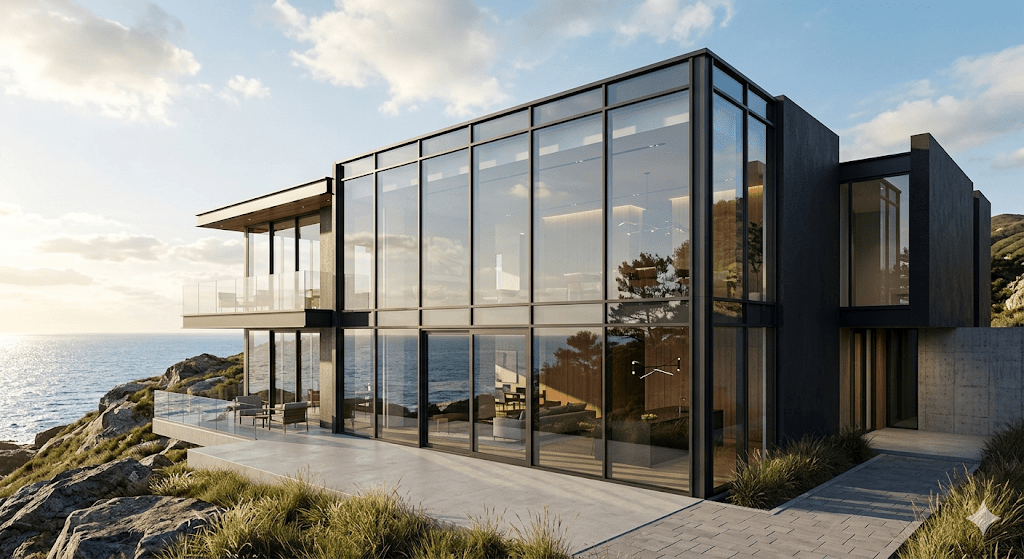
Thermal Break Aluminum Extrusion Buying Secrets: PA66 VS PVC
However, the global market offers different materials for these crucial thermal barriers. The two most common choices are PA66 nylon and PVC plastics. Choosing the wrong material can lead to structural failure and poor insulation over time. At Guangdong AlloyPro Aluminum Co., Ltd., we prioritize quality and long-term safety. Therefore, we always implement premium material choices for our thermal break aluminum extrusion profiles. This guide explains the core buying secrets and reveals why PA66 nylon outperforms PVC in every category.
Understanding Thermal Break Aluminum Extrusion Standards
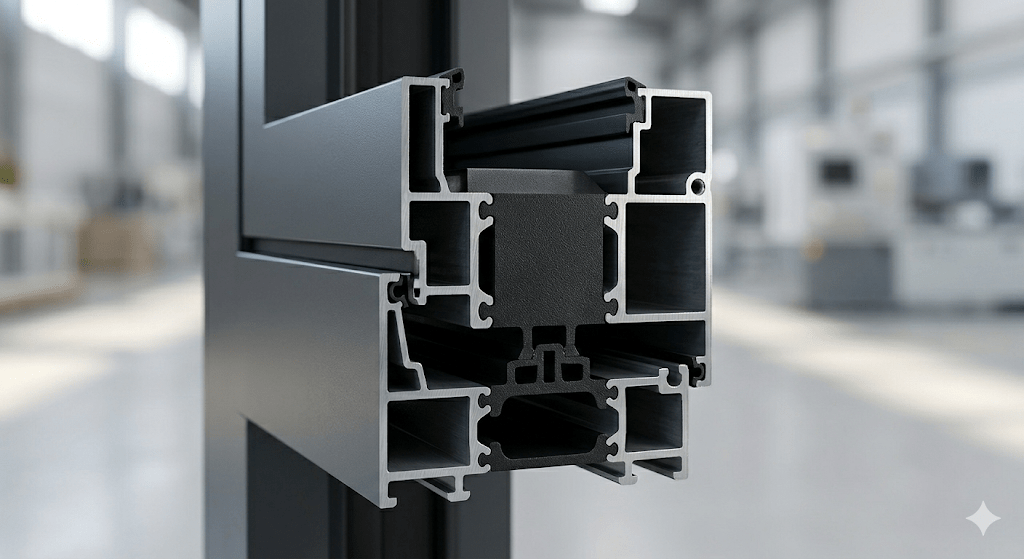
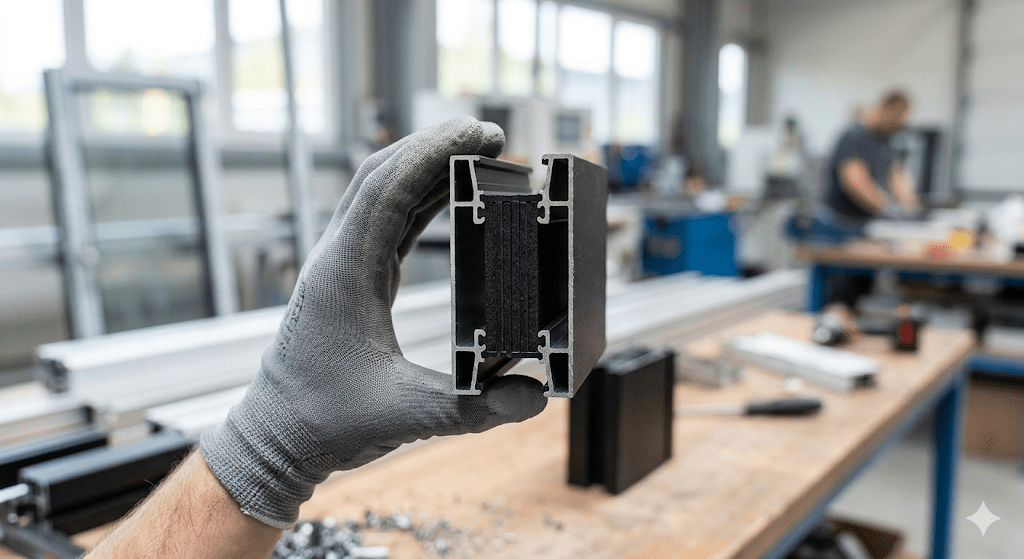
To secure your architectural investment, you must understand how premium manufacturers produce these systems. Thermal break aluminum extrusion requires a precise mechanical crimping process. Manufacturers insert a non-conductive insulation strip into extruded aluminum slots and roll the metal tightly around it. This process creates a rigid, unified profile that handles wind pressure, thermal movement, and structural weight efficiently.
Additionally, the composition of the insulation strip matches the physical traits of aluminum exceptionally well. At AlloyPro, we mix our PA66 polyamide nylon with 25% glass fiber. This specific formulation reinforces the material, making it stronger and stiffer. As a result, our structural thermal break aluminum extrusion profiles can withstand immense mechanical loads while maintaining extremely low thermal conductivity for large-scale buildings.
The Performance Gap: PA66 Nylon Versus PVC
Many budget-driven projects still consider Polyvinyl Chloride (PVC) strips to lower initial costs. However, PVC is a basic plastic that lacks the strength and heat resistance required for heavy-duty construction. The performance gap between these two materials affects the structural lifespan of your building envelopes.
1. Thermal Expansion and Structural Stability
Buildings experience extreme temperature changes between day and night, as well as summer and winter. Aluminum expands and contracts with these changes. Therefore, the thermal barrier must expand at the exact same rate. High-grade thermal break aluminum extrusion systems use PA66 nylon because it shares a nearly identical linear expansion coefficient with aluminum alloy. When the temperature spikes, the metal and the nylon strip move together harmoniously.
In contrast, PVC has a much higher rate of thermal expansion than aluminum alloy. When exposed to hot sunlight, PVC expands much faster than the surrounding metal. This mismatched movement creates huge internal stresses. Over time, the PVC strip will loosen, warp, or crack. Once the barrier separates, your structural thermal break aluminum extrusion frame loses its integrity and safety.
2. High-Temperature Resistance and Surface Treatment
During fabrication, finished aluminum profiles often undergo powder coating or anodizing processes. These surface treatments require baking oven temperatures above 200°C. PA66 nylon easily withstands these temperatures without losing its shape or strength. This high heat tolerance allows factories to extrude, assemble, and treat your thermal break aluminum extrusion orders smoothly.
On the other hand, PVC softens at much lower temperatures. It begins to degrade and deform around 80°C. This means you cannot put assembled PVC profiles through high-temperature powder coating lines. Furthermore, intense summer heat on dark-colored aluminum frames can reach temperatures close to the softening point of PVC, causing the frame to sag or bend under load.
3. Mechanical Strength and Long-Term Lifespan
Windows and doors must resist heavy wind loads and support the weight of heavy double or triple-pane glass. The thermal barrier acts as a structural link that transfers these forces. Thanks to the 25% glass fiber reinforcement, the PA66 nylon used in thermal break aluminum extrusion boasts high tensile strength. It resists pulling, bending, and shearing forces for decades without stretching or snapping.
Furthermore, PVC suffers from rapid aging when exposed to ultraviolet (UV) rays and outdoor air. It becomes brittle within a few years. When PVC turns brittle, it can snap under sudden wind gusts. In contrast, high-quality polyamide strips resist UV degradation and chemical corrosion perfectly. They match the lifespan of the aluminum frame itself, ensuring your project stays safe for over 30 years.
Comparing the Core Technical Metrics
To make a smart decision, you must understand the exact technical numbers of both materials. First, let us look at tensile strength. Premium thermal break aluminum extrusion features a high tensile strength above 120 MPa, which easily withstands heavy structural loads. In contrast, standard PVC drops below 50 MPa, making it prone to snapping under wind pressure.
Second, we must evaluate heat tolerance and aging. High-quality PA66 nylon withstands temperatures up to 220°C and matches the 30-year lifespan of aluminum frames. Conversely, PVC softens at just 80°C and degrades within three to five years. Finally, PA66 nylon offers excellent expansion matching with metal, while PVC fails to expand at the same rate, leading to early separation. These metrics prove why engineering experts reject PVC entirely.
Conclusion: Protect Your Investment with AlloyPro
In conclusion, saving money on cheap PVC insulation strips creates massive risks for your project. The minor upfront savings lead to high maintenance costs, air leaks, and potential structural failures later. Choosing a certified thermal break aluminum extrusion supplier ensures optimal thermal insulation, lower energy bills, and absolute structural safety. Your windows and doors will keep their shape and protect your building regardless of the weather outside.
Guangdong AlloyPro Aluminum Co., Ltd. specializes in manufacturing high-performance, precision-engineered aluminum profiles. We strictly select premium PA66 nylon insulation strips for our thermal break aluminum extrusion processes to meet international engineering standards. We help global clients build smarter, safer, and more sustainable structures. Visit our official website at alloypro.net to explore our advanced solutions and request a custom quote for your next project.
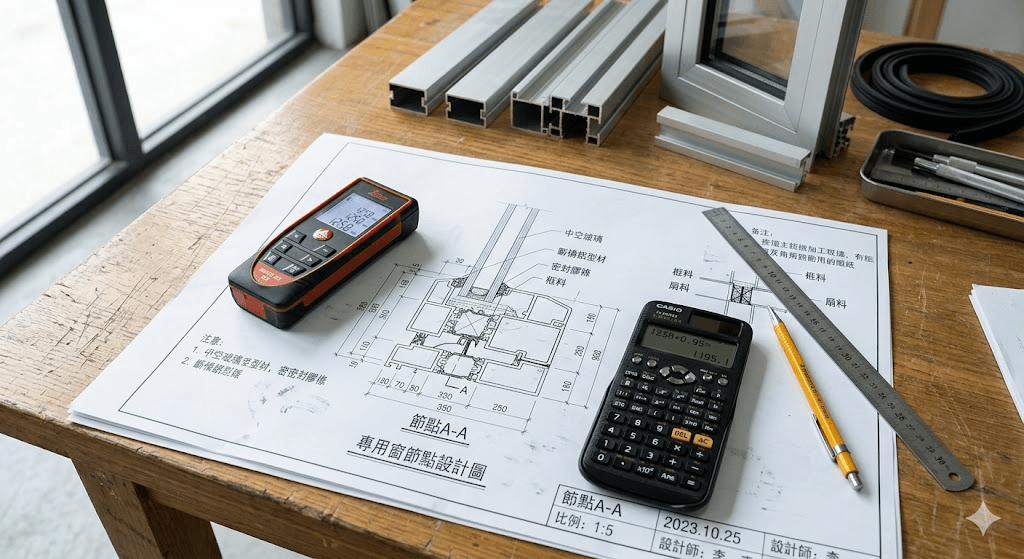
U-Wert verstehen: Wie Sie energieeffiziente Aluminiumfenster auswählen
Die Wahl von Fenstern mit einem niedrigen U-Wert ist daher nicht mehr nur eine Option. Es ist ein intelligenter Weg, um Ihre Energiekosten zu senken. Außerdem verlangen die modernen Bauvorschriften jetzt Hochleistungsmaterialien, um die Umwelt zu schützen.
Thermische Fensterisolierung verstehen
Die Wissenschaft der Isolierung beruht auf der Blockierung der Wärmeübertragung. Standard-Aluminiumrahmen leiten Wärme normalerweise schnell. AlloyPro verwendet jedoch die fortschrittliche Thermal Break Window Insulation, um dieses Problem zu lösen.
Wir fügen ein verstärktes Polyamidband in das Aluminiumprofil ein. Dies schafft eine starke Barriere. Außerdem sorgt diese Konstruktion dafür, dass Low-U-Value-Fenster Ihre Räume im Winter warm und im Sommer kühl halten. So erhalten Sie das ganze Jahr über ein stabileres Raumklima.
Die wichtigsten Merkmale von energieeffizienten Aluminiumfenstern
Um eine hohe Bewertung zu erreichen, müssen mehrere Teile perfekt zusammenarbeiten. Unsere energieeffizienten Aluminiumfenster konzentrieren sich auf drei Hauptbereiche:
- Premium-Verglasung: Wir verwenden Doppel- oder Dreifachglas mit Low-E-Beschichtung. Diese Schichten reflektieren die Wärme und lassen gleichzeitig natürliches Licht herein.
- Mehrkammer-Rahmen: Unsere Profile haben eine komplexe innere Struktur. Diese Kammern schließen die Luft ein, um die Leistung von Fenstern mit niedrigem U-Wert zu verbessern.
- Professionelle Siegel: Hochwertige EPDM-Dichtungen verhindern Luftlecks. So behält Ihr Fenster jahrzehntelang seine Dämmleistung.
Wie man Qualitätsfenster mit niedrigem U-Wert erkennt
Wenn Sie Anbieter vergleichen, müssen Sie die technischen Angaben sorgfältig prüfen. Einige Unternehmen geben nur den “Center of Glass”-Wert an ($U_g$). Dies kann jedoch irreführend sein.
Im Gegensatz dazu achten professionelle Käufer immer auf den U-Wert für das gesamte Fenster ($U_w$). Bei AlloyPro stellen wir vollständige Prüfberichte für unsere Fenster mit niedrigem U-Wert zur Verfügung. Diese Transparenz hilft Ihnen, internationale Normen wie CE oder AS2047 ohne Stress zu erfüllen.
Vorteile des Einbaus von Fenstern mit niedrigem U-Wert
Die Investition in hochwertige Systeme zahlt sich langfristig aus. Im Einzelnen bieten Fenster mit niedrigem U-Wert die folgenden Vorteile:
- Niedrigere Stromrechnungen: Sie werden weniger Strom für die Klimaanlage verbrauchen. Folglich werden Ihre monatlichen Energiekosten deutlich sinken.
- Weniger Lärmbelästigung: Eine bessere Isolierung bedeutet auch eine bessere Schalldämmung. Außerdem wird Ihr Wohnraum dadurch viel ruhiger.
- Keine Kondensation mehr: Hochwertige Rahmen bleiben wärmer. Daher wird sich in kalten Nächten keine Feuchtigkeit auf dem Glas ablagern.
Kontaktieren Sie AlloyPro für Ihr nächstes Projekt
Die Wahl der richtigen Fenster mit niedrigem U-Wert ist der beste Weg, um den Wert Ihres Gebäudes zu verbessern. Bei AlloyPro kombinieren wir modernen Stil mit erstklassiger Wärmetechnik.
Sind Sie bereit für ein Upgrade Ihrer Fenster? Besuchen Sie unsere Produktseite oder kontaktieren Sie unser Team noch heute für ein individuelles Angebot. Wir helfen Ihnen dabei, eine komfortable und nachhaltige Zukunft zu gestalten.


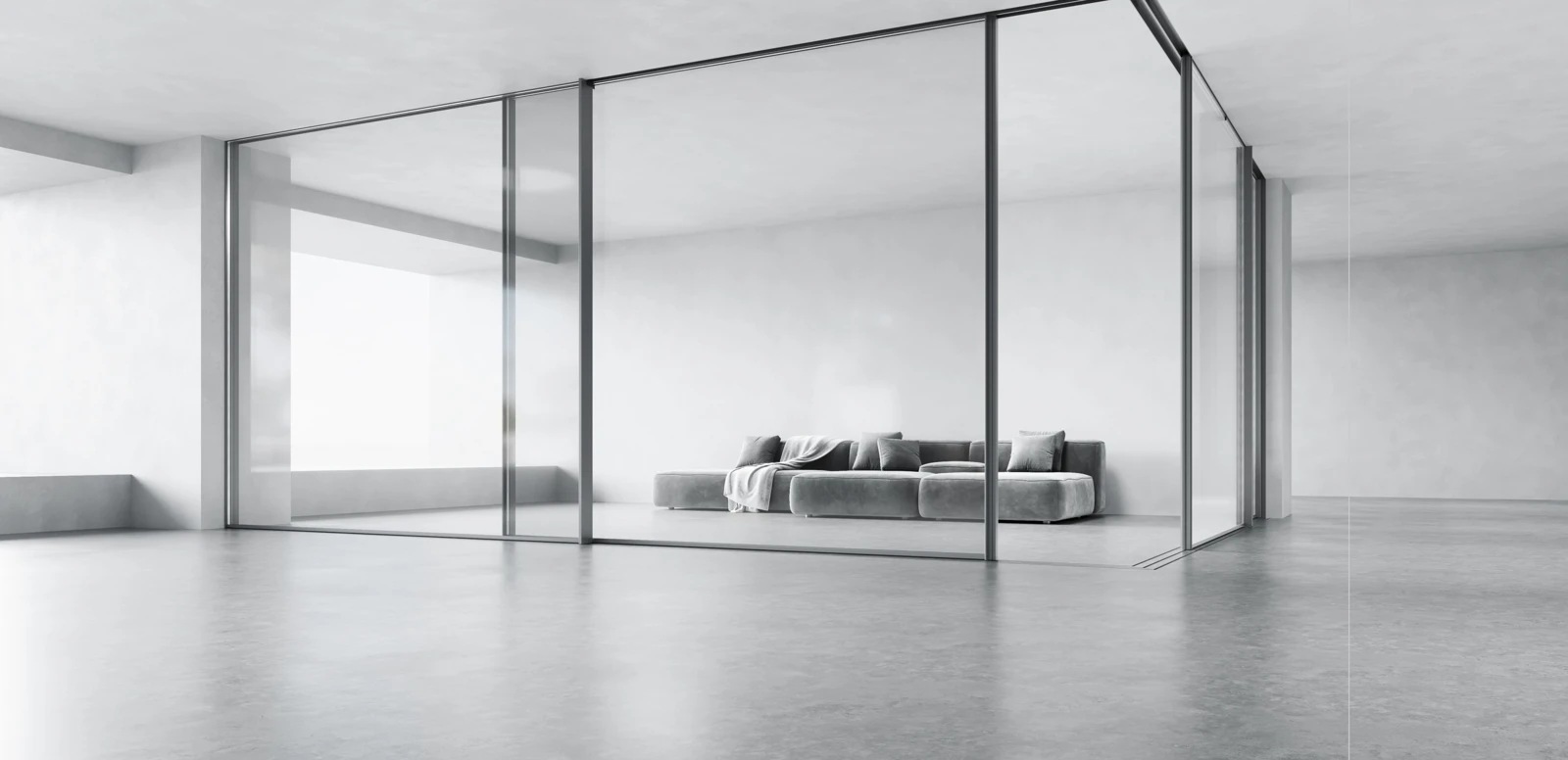
Comparing bifold vs sliding doors starts with how you want to use the space. Do you want to fold the doors back for a broad connection to the patio, or enjoy generous glass panels that slide without swinging into the room or terrace? Alloy Pro’s 140 bifold system and SKY39 panoramic sliding system offer two ways to plan that connection.
Indoor–outdoor living remains a relevant design theme in 2026. In its February review of residential design trends, the US National Association of Home Builders highlighted natural light, connections to the outdoors and distinctive doors, including bifold and large glass designs. That provides useful context for a practical question: which opening arrangement suits your project? Read the NAHB design-trends release.
Bifold vs sliding doors at a glance
| Planning question | 140 bifold doors | SKY39 sliding doors |
|---|---|---|
| How do the panels move? | Panels fold outward and stack to the side. | Panels travel along tracks; straight, corner and pocket layouts are available for project review. |
| Where is clearance needed? | Allow room outside for the panel swing and folded stack. | Allow for the track and panel overlap. A pocket layout also needs a suitable wall cavity. |
| What shapes the closed-door view? | The number and spacing of folding panels. | Glass-panel dimensions, meeting stiles and the chosen layout. |
| What needs confirming? | Panel arrangement, usable opening, stacking position and threshold. | Usable opening, track arrangement, manual or motorised operation and maintenance access. |
Choose the 140 when opening the space is the priority
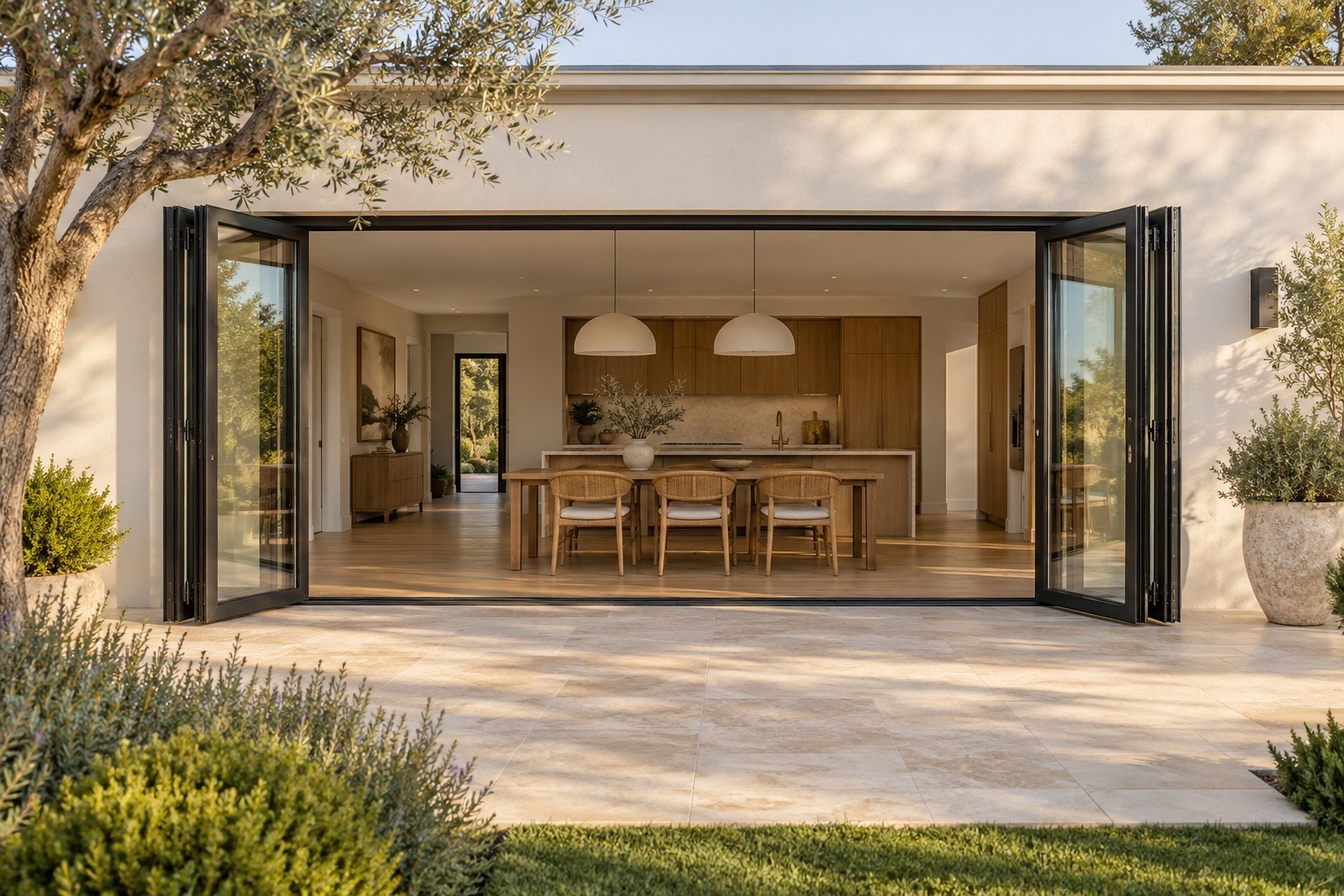
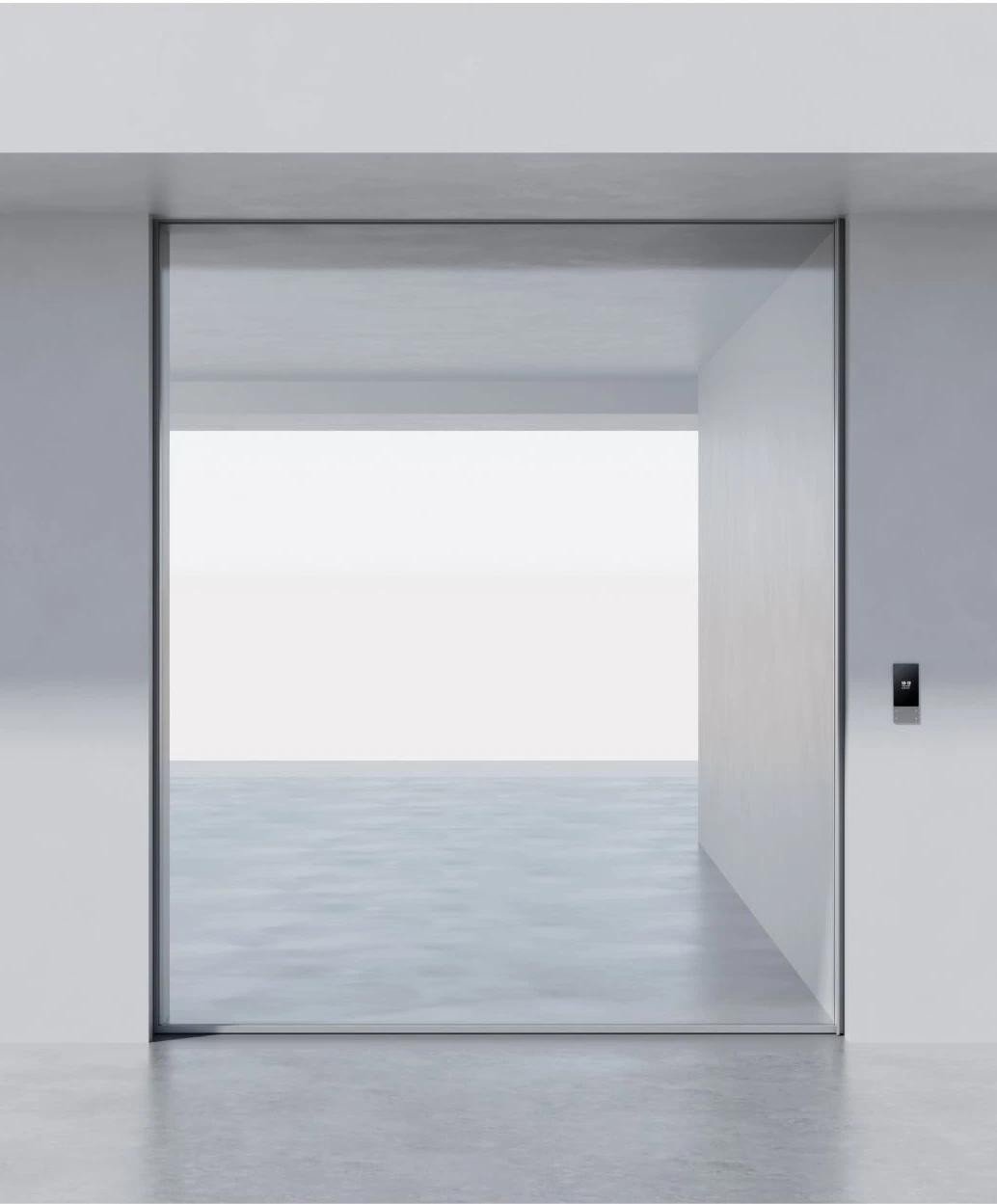
Aluminium bifold doors make sense when the main aim is to connect a living or dining room to an outdoor area during gatherings. The 140 system folds outward, bringing the panels together at the side rather than leaving them spread across the opening.
The system combines a thermal-break frame, double-glazing configurations, triple seals and multipoint locking. Its published specification lists a 35 mm sash sightline and a maximum sash height of up to 2,800 mm, subject to the selected configuration.
Start with the floor plan. Mark the area swept by the opening panels and the position of the folded stack. Outdoor seating, planters and the route to the garden should remain clear. Ask for a drawing showing the usable passage width; the overall frame width alone does not tell you how much clear opening you will have.
Explore the Alloy Pro 140 slimline aluminium bifold doors for the system specification.
Choose SKY39 when the view and surrounding space guide the layout
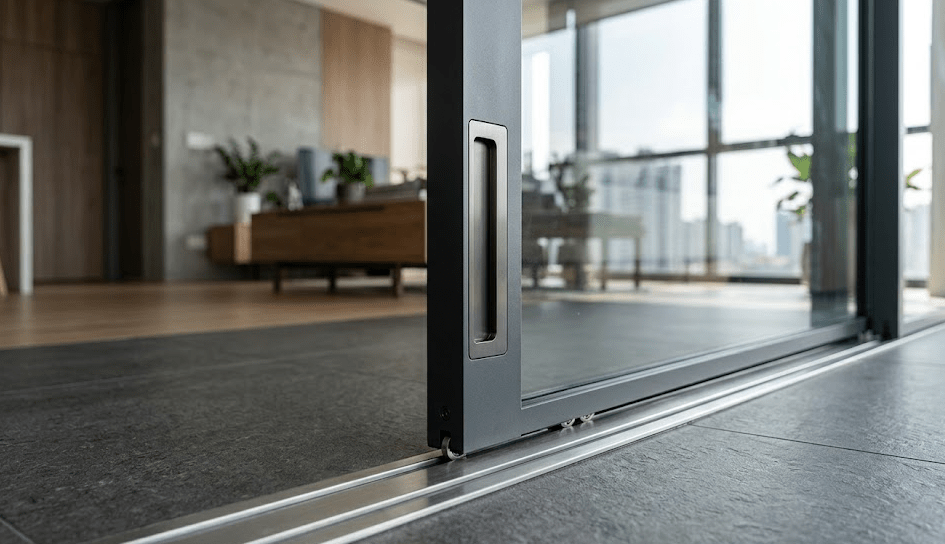
Sliding panels move along the opening without a hinged swing into the room or patio. This makes aluminium sliding doors worth considering where circulation space is limited or furniture sits close to the glazing.
SKY39 combines a 20 mm meeting stile with concealed perimeter framing options. The meeting stile is the vertical junction where adjacent panels meet. Manual and concealed-motor options allow the operation to be considered alongside panel size and everyday use.
The layout matters as much as the door type. A conventional overlapping arrangement leaves panels within part of the opening when open. A pocket arrangement can move panels into a prepared wall cavity, but it needs suitable space, detailing and maintenance access. Corner layouts also require the building structure to be reviewed. Do not assume every sliding installation has the same opening ratio.
See the SKY39 slimline sliding doors for available layout options.
Compare the view using drawings, not a single frame measurement
The 140’s 35 mm sash figure and SKY39’s 20 mm meeting-stile figure describe different parts of the systems. They are not a like-for-like comparison of total visible frame width.
Ask for elevations of both options at the same opening size. Compare panel divisions, perimeter frames and the junctions between panels. Then consider where people will sit: the view from a dining chair may matter more than the view from directly in front of the door.
Check glazing, weather exposure and the threshold together
Opening style alone does not establish which door will insulate better or perform better in rain. Compare the complete proposed assembly, including glass, frame, seals, dimensions and installation details. Request performance evidence that applies to that configuration and the project’s requirements.
A visually continuous floor also needs practical planning. Review the threshold height, external paving level and drainage before choosing the final detail. A low or recessed track should not be assumed to provide a step-free, weatherproof installation in every location.
What to include when requesting a comparison quote
To compare the 140 and SKY39 on the same basis, send:
- Project country and city, plus the building type.
- Opening width and height, quantities and available drawings.
- Preferred panel arrangement and a photo showing nearby walls and furniture.
- Glass, finish, screen and operating preferences.
- Known performance requirements and the intended installation scope.
Ask for the same scope in each quotation. Differences in glazing, hardware, panel dimensions and site work can be more useful to understand than a simple price comparison between “bifold” and “sliding”.
Frequently asked questions
Are bifold doors better than sliding doors for a patio?
The 140 is worth considering when a broad opening is the priority and there is room for the outward-folding panels. SKY39 is worth considering when the closed-door view and clearance around the opening are priorities. Compare drawings for your actual space before deciding.
Can sliding doors create a clear opening?
Some layouts can move panels beyond the main opening, including pocket arrangements. SKY39 includes pocket options, subject to project review. Conventional overlapping sliding panels behave differently, so confirm the proposed layout.
Which system is more energy efficient?
There is no reliable answer based only on the opening style. Compare applicable whole-door performance information for the selected size, glass and frame configuration.
Plan your opening with Alloy Pro
Share your opening dimensions, project location and preferred layout. Tell us whether a broad passage, a clear view or space around the doors matters most, so we can discuss the 140 and SKY39 options against your project requirements.
Discuss My Door Layout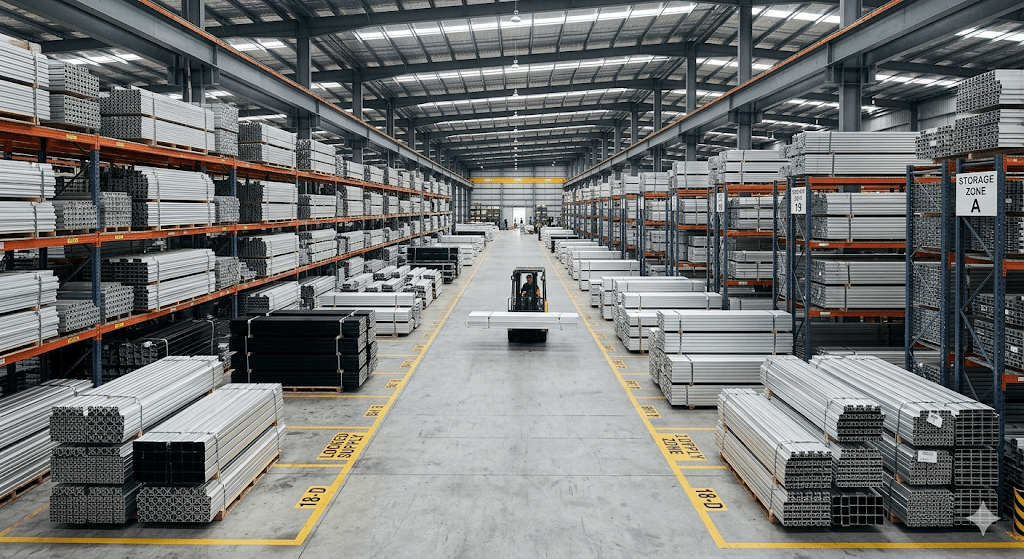
Zuverlässiger Lieferant von Aluminiumprofilen aus China: Leitfaden für die Preisgestaltung 2026
Marktausblick: Die Volatilität von Aluminium im Jahr 2026
Der globale Aluminiummarkt wird im Jahr 2026 erheblichen Schwankungen unterworfen sein. Schwankende Energiekosten und sich verändernde handelspolitische Maßnahmen schaffen Unsicherheit für Bau- und Industrieprojekte. Für internationale Einkäufer können diese raschen Preisschwankungen die Gewinnspannen schnell untergraben. Einen zuverlässigen Lieferanten für chinesische Aluminiumprofile zu finden, ist jedoch der erste Schritt zur Erhaltung der Budgetstabilität.
Wir bei AlloyPro haben festgestellt, dass erfolgreiche Partner langfristige Sicherheiten gegenüber kurzfristigen Spotmarktspielen bevorzugen. Zu verstehen, warum sich die Preise bewegen, ist der erste Schritt zur Sicherung der finanziellen Gesundheit Ihres Projekts.
Warum die Preise schwanken
Die aktuellen Preistrends sind auf mehrere Faktoren zurückzuführen. Die weltweite Nachfrage nach umweltfreundlichen Baumaterialien nimmt weiter zu. Außerdem wirken sich Unterbrechungen der Lieferkette für Rohbauxit auf die Schmelzkosten aus. Diese Variablen bedeuten, dass ein Angebot von heute schon morgen verfallen kann.
Im Gegensatz zu den Vorjahren verlangt der Markt 2026 mehr als nur eine Standardbestellung. Als ein führender China Aluminiumprofil Lieferant, helfen wir Ihnen, die Kosten für 2026 zu sichern. Die Käufer brauchen einen Mechanismus, der sie vor plötzlicher Inflation schützt und gleichzeitig einen stetigen Fluss von hochwertigen Materialien gewährleistet.
Die Macht der Rahmenvereinbarungen
Eine Rahmenvereinbarung ist eine langfristige Partnerschaft zwischen einem Käufer und einem Aluminiumprofil-Lieferanten. Im Gegensatz zu einem einmaligen Vertrag legt diese Vereinbarung die Bedingungen, Qualitätsstandards und Preisformeln für einen bestimmten Zeitraum fest. Außerdem können Sie damit Produktionskapazitäten in unserem Werk in Guangdong reservieren, ohne sich im Voraus zur Zahlung des vollen Betrags zu verpflichten.
Dieser Ansatz gibt Ihnen Sicherheit. Wenn Sie einen Rahmenvertrag unterzeichnen, haben Sie Ihre Kosten im Grunde “eingezäunt”. Selbst wenn der weltweite LME-Preis sprunghaft ansteigt, bleibt Ihr Projekt im Budget, da die Preisgestaltung bereits festgelegt ist.
Strategien zur Sicherung der Kosten
Wie genau können Sie diese Vereinbarungen zu Ihrem Vorteil nutzen? Erstens empfehlen wir, eine “Preisobergrenze” festzulegen, um sicherzustellen, dass Sie nie mehr als eine bestimmte Summe zahlen. Zweitens: Ziehen Sie eine “volumenbasierte Preisgestaltung” in Betracht. Wenn Sie sich zu einer jährlichen Gesamtmenge verpflichten, erhalten Sie Zugang zu niedrigeren Grundpreisen, die Spotkäufer nicht erreichen können.
Darüber hinaus hilft AlloyPro seinen Kunden durch die Verwaltung von “Sicherheitsbeständen”. Als Ihr engagierter Lieferant von Aluminiumprofilen aus China produzieren und lagern wir Ihre spezifischen Profile vorzeitig. Diese physische Absicherungsstrategie ist oft effektiver als finanzielle Absicherung allein.
Kohärenz und Verlässlichkeit
Neben dem Preis ist die Zuverlässigkeit die wahre Währung des Jahres 2026. Ein Rahmenvertrag verwandelt die Beziehung zwischen Verkäufer und Käufer in eine strategische Allianz. So vermeiden Sie die langen Vorlaufzeiten, die die Branche in Monaten mit hoher Nachfrage oft plagen. Ein weiterer großer Vorteil ist die gleichbleibende Qualität. Da die technischen Spezifikationen in der Vereinbarung festgelegt sind, entspricht jede Charge von 6063-T5-Aluminium, die Sie erhalten, genau denselben hohen Standards.
Sichern Sie Ihr Budget mit AlloyPro
Um sich auf dem Aluminiummarkt 2026 zurechtzufinden, braucht man einen proaktiven Partner. Unser Team in Guangdong kennt die Komplexität der internationalen Logistik und Preisabsicherung. Wir laden Sie ein, Ihre bevorstehenden Projektanforderungen zu prüfen und eine maßgeschneiderte Rahmenstrategie mit uns zu besprechen.
Als ein führendes China Aluminiumprofil Lieferant, helfen wir Ihnen, die Kosten für 2026 zu sichern. Rahmenverträge für hochwertige thermisch getrennte und 6063-T5-Profile finden Sie unter alloypro.net heute.

Doppelt verglastes schalldichtes Glas im Vergleich zu einfach verglasten Fenstern
Schallübertragung und schalldichtes Glas mit Doppelverglasung
Schall breitet sich in kontinuierlichen, unsichtbaren Wellen in der Luft aus. Wenn diese Wellen auf ein Fenster treffen, vibriert das Glas sofort. Dünneres Einscheibenglas vibriert sehr leicht und schnell. Daher wird der meiste Straßenlärm ohne großen Widerstand durchgelassen. Wenn Sie in der Nähe einer stark befahrenen Straße wohnen, versagt Einfachglas völlig.
Im Gegensatz dazu, doppelt verglastes schalldichtes Glas verwendet eine völlig andere Strategie. Sie besteht aus zwei Glasscheiben, die durch einen Abstandshalter getrennt sind. Dadurch wirkt diese Struktur wie ein starker akustischer Puffer. Außerdem wird die Energie der durchgehenden Schallwellen erheblich reduziert. Damit ist die Doppelverglasung für den akustischen Komfort weit überlegen.
Die Leistung von schalldichtem Doppelglas
Prämie doppelt verglastes schalldichtes Glas bietet eine robuste Barriere gegen Außenlärm. Der Luftspalt zwischen den Scheiben spielt dabei immer eine wichtige Rolle. Da sich der Schall durch Glas und Luft unterschiedlich ausbreitet, werden die Schallwellen durch den Wechsel des Mediums gestört. Außerdem verleiht die Verwendung von gehärtetem Glas dem Fenstersystem eine unglaubliche Sicherheit.
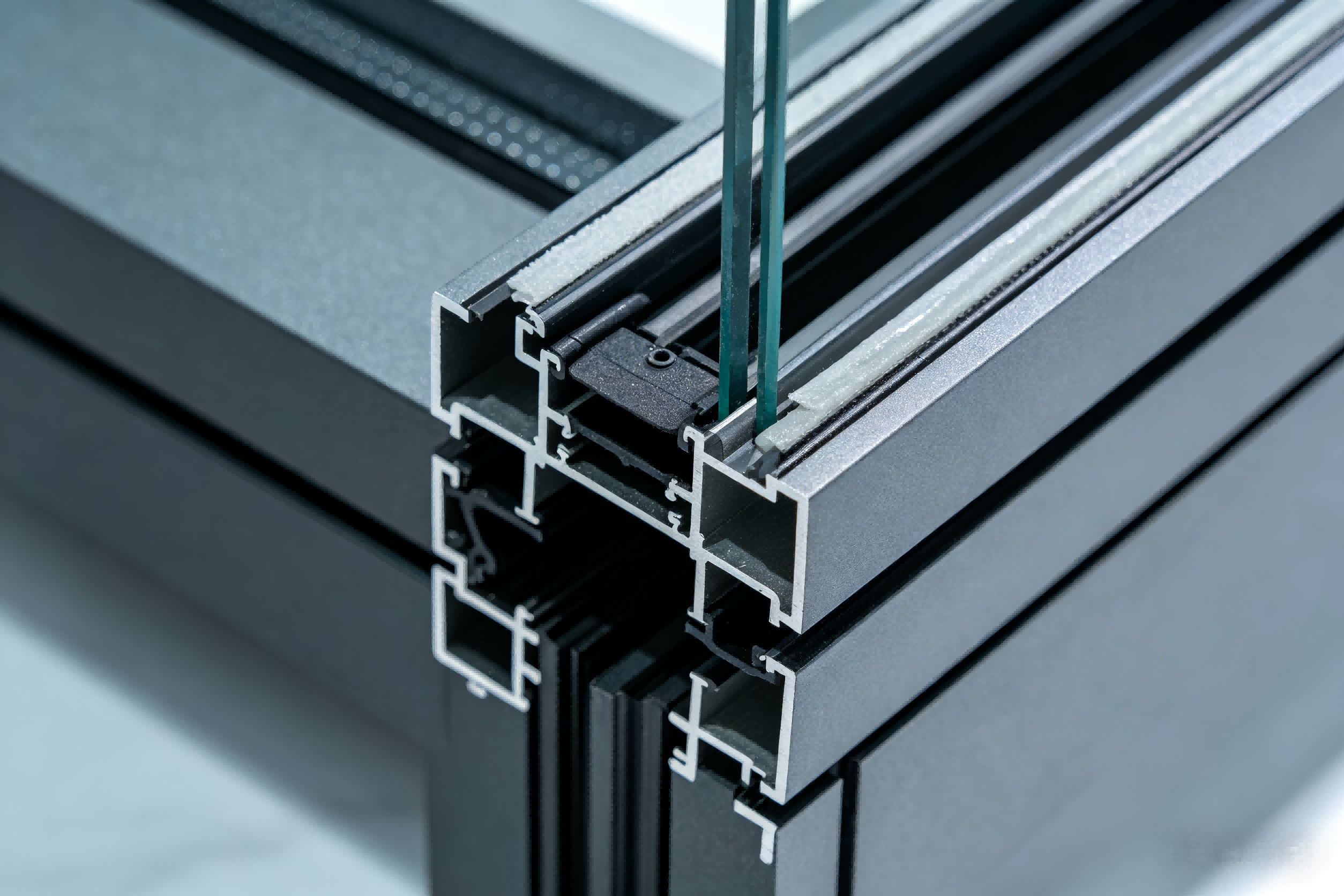
Bei AlloyPro sind wir auf Hochleistungs-Aluminium-Fenstersysteme spezialisiert. Unsere Einheiten verwenden Präzisionstechnik, um die Schalldämmung perfekt zu maximieren. Außerdem stellen wir sicher, dass jede Einheit eine perfekte Dichtung aufweist. Eine schlechte Dichtung lässt den Schall mühelos durchdringen. Daher ist die Qualität des Aluminiumrahmens ebenso wichtig.
Die wichtigsten Vorteile von doppelt verglastem schalldichten Glas
Die Schalldämmung ist zwar eine Priorität, aber absolute Sicherheit ist ebenso wichtig. Gehärtetes Glas ist viel stärker als normales Glas. Wenn es bricht, zerfällt es sicher in kleine stumpfe Stücke. Außerdem verträgt es extreme tägliche Temperaturschwankungen viel besser. Diese Widerstandsfähigkeit gewährleistet, dass Ihr doppelt verglastes schalldichtes Glas bleibt über Jahrzehnte hochwirksam.
- Rauschunterdrückung: Erhebliche Lärmminderung um 35 dB für ruhige Wohnungen.
- Wärmedämmung: Verbesserte Wärmedämmung für deutlich niedrigere Energierechnungen.
- Überlegene Sicherheit: Extreme Sicherheit durch hochwertige Materialien aus gehärtetem Glas.
- Perfekte Versiegelung: Luftdichte Abdichtung mit passgenauen Aluminiumprofilen.
Die Wahl des besten Rauschunterdrückungsfensters
Wenn Ihr Projekt eine wirklich ruhige Umgebung erfordert, ist dieses Premium-Glas der klare Gewinner. Es bietet eine friedliche Atmosphäre und verbessert gleichzeitig die Energieeffizienz erheblich. Obwohl die anfänglichen Kosten höher sind, sind die langfristigen Vorteile beträchtlich.
Sie sparen Geld beim Heizen und genießen eine höhere Lebensqualität. Besuchen Sie unsere offizielle Website unter alloypro.net heute. Entdecken Sie unser Angebot an Hochleistungs-Aluminiumprofilen und Fenstersystemen. Wir bieten maßgeschneiderte Lösungen, die auf Ihre spezifischen akustischen Bedürfnisse zugeschnitten sind.