






Adress

Guangdong, China

Email

postmaster@alloypro.net

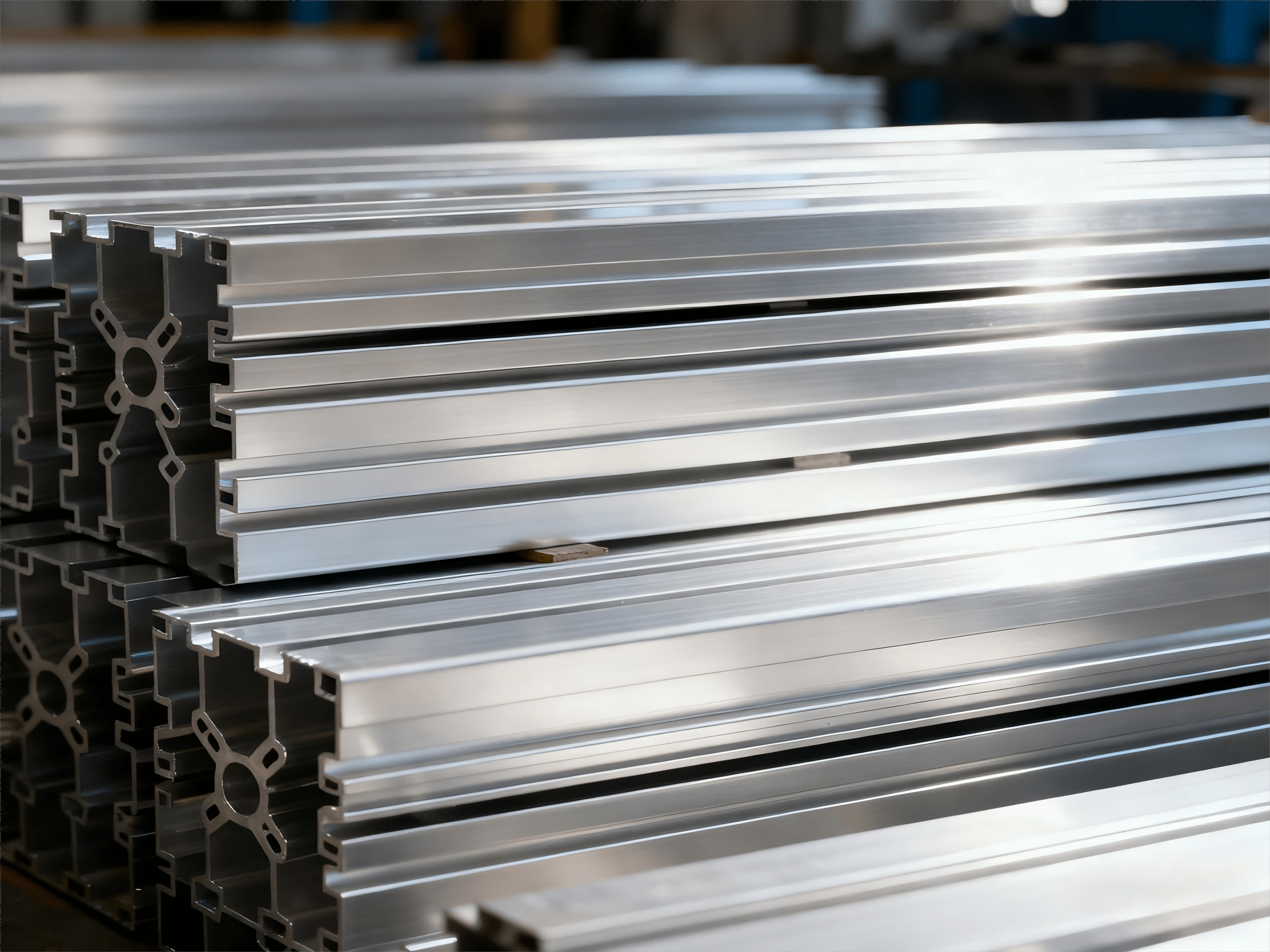
Modular Aluminum Profile Systems: The Backbone of Agile Smart Factories

Industry 4.0 is revolutionizing manufacturing. It focuses on creating connected and highly adaptable factories. However, traditional fixed steel structures often slow down this transformation. In contrast, Modular Aluminum Profile Systems are becoming the essential framework for the future. Think of them as industrial building blocks. They provide the flexibility needed for rapid change and continuous improvement.

1.Enable Rapid Deployment with Modular Aluminum Profile Systems

Speed is crucial in modern manufacturing. Modular Aluminum Profile Systems allow for incredibly fast assembly. You can build structures using standard parts and simple tools. Specifically, no welding is needed. This drastically cuts the time from design to a working production line.

Additionally, these systems make prototyping easy. You can quickly build a full-scale model to test your layout. This agility lets you respond to new market demands without major delays.

2. Offer Unmatched Flexibility and Scalability

The true value of a smart factory lies in adaptation. Modular Aluminum Profile Systems excel here. You can easily reconfigure, extend, or repurpose the system as needs change. Modify a workstation in hours or redesign a full layout over a weekend.

This approach also protects your investment. You can reuse components in new configurations instead of scrapping them. Consequently, this supports lean manufacturing by allowing your floor plan to evolve seamlessly.

3. Simplify Automation and Tech Integration

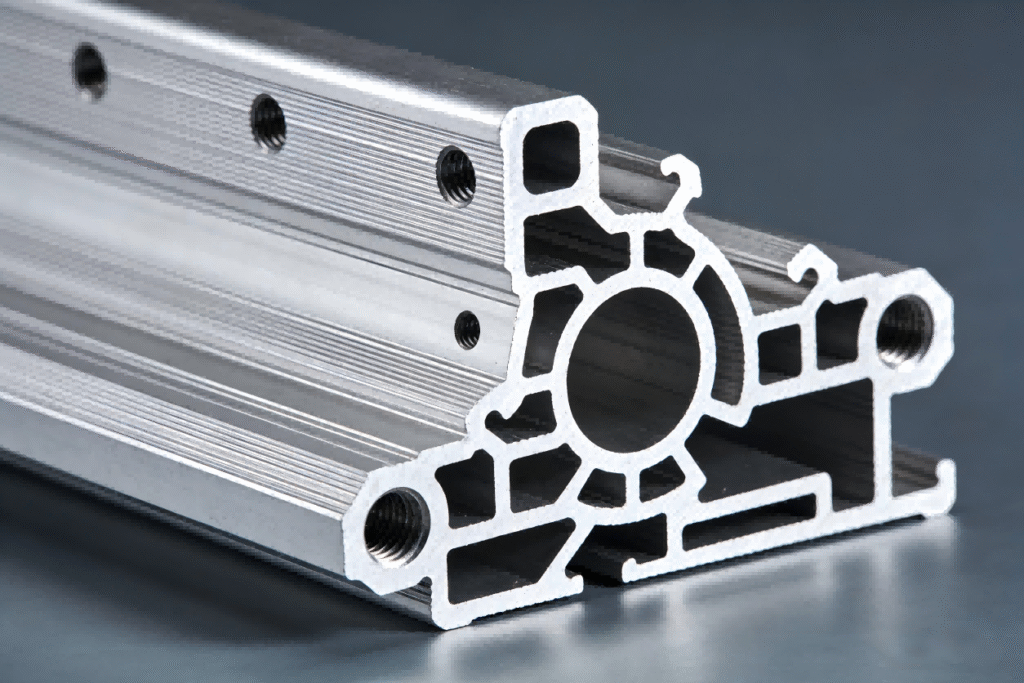
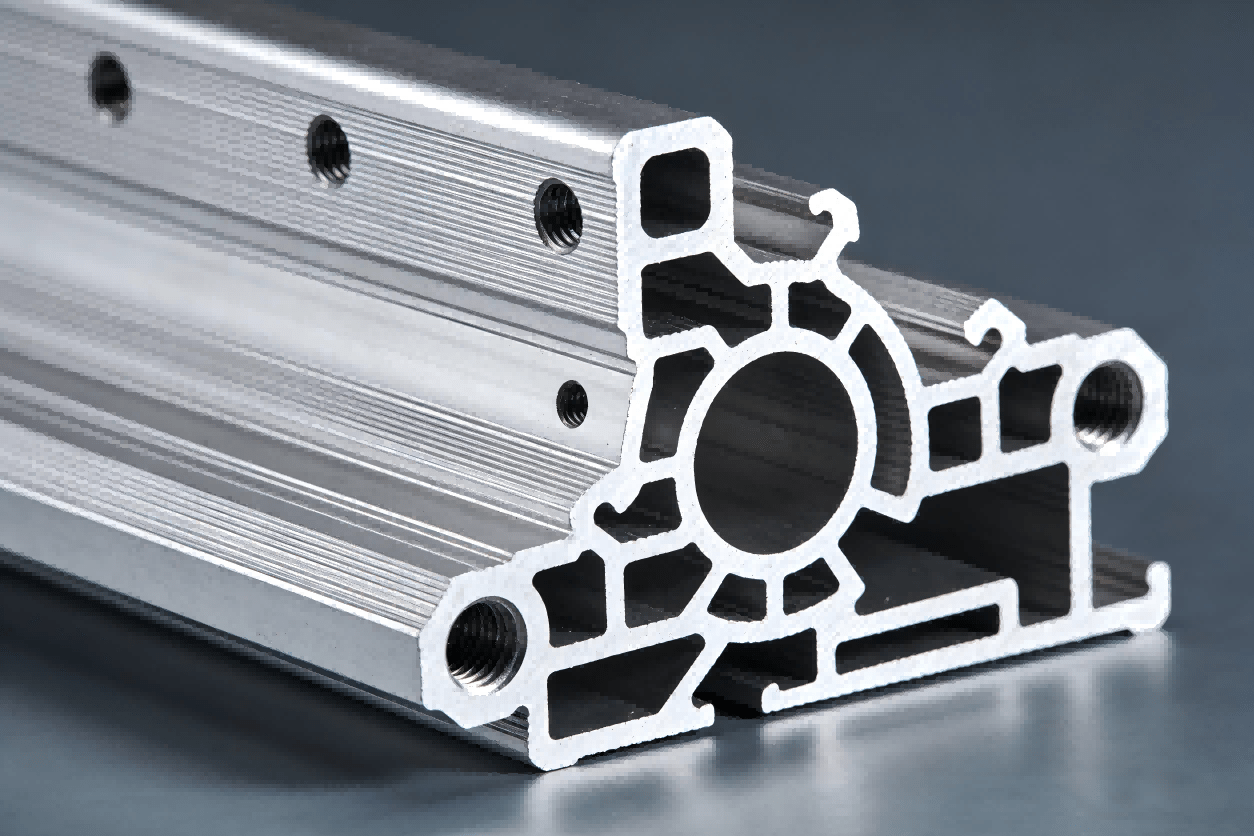
Smart factories rely on data. Modular Aluminum Profile Systems provide a perfect platform for this. They offer a rigid structure to mount robots and sensors. The integrated T-slots allow for secure mounting of any component.

Furthermore, the open design makes cable management simple. You can neatly organize power and data lines for your IoT devices. This ensures reliable operation and easy maintenance.

4. Support a Sustainable and Efficient Workspace

Beyond flexibility, Modular Aluminum Profile Systems create a better environment. Aluminum is strong yet lightweight. This makes structures safer and easier to handle.

Moreover, the material is corrosion-resistant and fully recyclable. This supports your sustainability goals. The modular nature helps organize the workspace efficiently. A clean floor is essential for high-quality production.

Build Your Agile Future Today

To succeed in Industry 4.0, your factory must be agile. Modular Aluminum Profile Systems are a strategic tool for innovation. They empower you to implement changes fast and cut downtime.

Ready to build the foundation of your smart factory? Explore our precision-engineered Modular Aluminum Profile Systems. Contact our engineering team for a consultation on your next project.

How to Protect Aluminum Profile Shipment: A Professional Guide

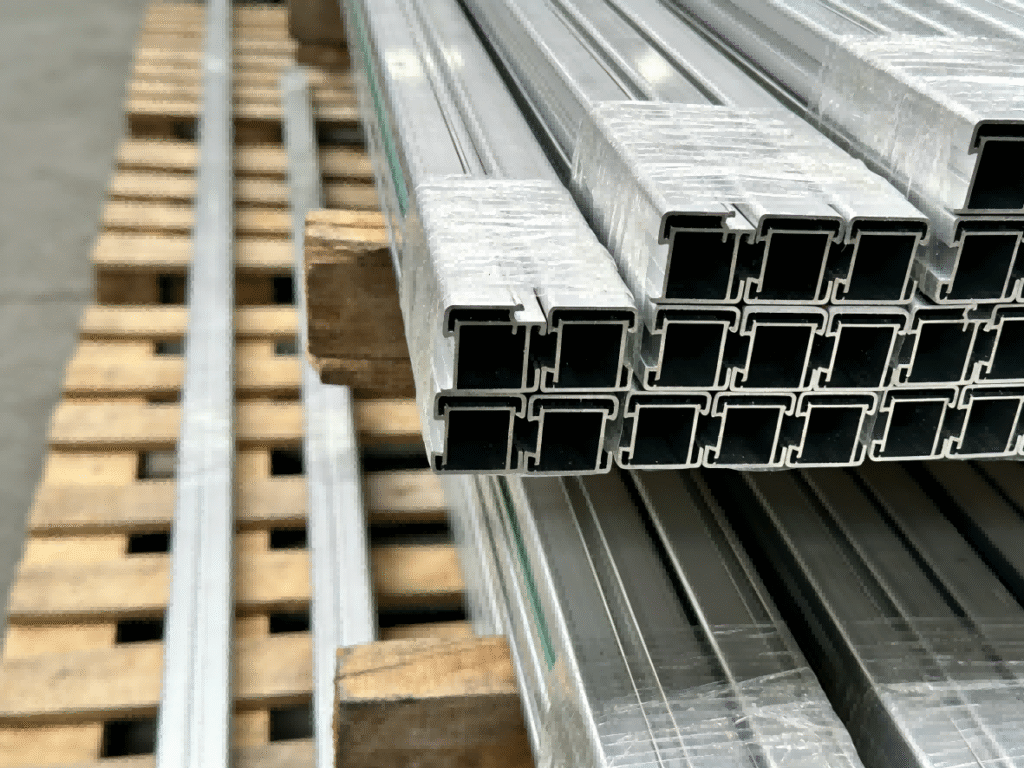
Securing your order doesn’t end with production. Knowing how to Protect Aluminum Profile Shipment is the final, critical step. Professional packaging and anti-corrosion treatment determine if your products arrive in perfect condition. Proper methods prevent costly damage. Therefore, this guide ensures your investment is fully protected from our factory to your site.

The Foundation: Cleaning to Protect Aluminum Profile Shipment

We start by ensuring every profile is clean. Residual oils or moisture can trap corrosive agents. Consequently, our process includes thorough degreasing followed by complete drying. This step creates the ideal surface. It allows all subsequent measures to Protect Aluminum Profile Shipment effectively.

Advanced Protection: VCI Technology

For long sea voyages, standard wrapping is insufficient. VCI (Vapor Corrosion Inhibitor) technology provides superior defense. We place special VCI papers within the bundles. These papers release a protective vapor. This forms an invisible shield over the metal. This method actively helps Protect Aluminum Profile Shipment against salt air and humidity.

Building the Shield: Robust Packaging

The external crate is the main defense. We use dry, sturdy timber to build frames that withstand stacking. Inside, profiles are secured to prevent movement. Additionally, we incorporate waterproof barriers to guard against rain. Clear labels like “Fragile” help Protect Aluminum Profile Shipment throughout the logistics chain.

Ensuring Lasting Quality: Storage Upon Arrival

Your actions upon receipt are crucial. Move packages to a dry, indoor area immediately. Keep the original packaging intact until use. For extended storage, ensure good ventilation. If you notice condensation, dry the surfaces promptly. This is vital to Protect Aluminum Profile Shipment from late-stage corrosion.

Conclusion

Investing in expert packaging is an investment in security. It prevents the hidden expenses of damage. At Aolaibo Aluminum, our integrated process ensures we Protect Aluminum Profile Shipment effectively. From meticulous cleaning to VCI protection, we ensure your profiles arrive ready for installation.

How Aluminum Die Optimization Maximizes Material Yield

In aluminum extrusion, material cost represents a significant portion of the total expense. Therefore, improving utilization is crucial for reducing costs. Aluminum Die Optimization plays a central role in this effort. Through targeted improvements, manufacturers can effectively minimize scrap. This directly enhances output and sustainability for AlloyPro clients.

1. Leveraging Simulation for Aluminum Die Optimization

Modern die design begins with computer simulation. We use specialized software to simulate metal flow before manufacturing. This virtual testing is a key part of Aluminum Die Optimization. It allows us to identify issues like uneven flow speed.

Modern die design begins with computer simulation. We use specialized software to simulate metal flow before manufacturing. This virtual testing is a key part of Aluminum Die Optimization. It allows us to identify issues like uneven flow speed.

2. Bearing and Port Design in Aluminum Die Optimization

The design of the bearing and port holes is critical for efficiency. In our Aluminum Die Optimization process, we strategically adjust the bearing length. This controls metal flow speed uniformly.

Additionally, we optimize the port holes to reduce resistance. This optimization lowers the required extrusion pressure. A smoother flow not only saves energy but also reduces wear. More importantly, it prevents defects like tears, directly leading to higher quality output.

3. Implementing High-Strength Coatings for Longevity

Die longevity directly impacts material consistency. We apply advanced surface coatings, such as nitriding or PVD, to the dies. This is a vital step in Aluminum Die Optimization. These coatings dramatically increase surface hardness.

A harder die maintains its precise shape longer. This means the first extrusion and the ten-thousandth one have identical accuracy. Furthermore, a well-protected die resists adhesion. This reduces downtime for cleaning and minimizes scrap during start-ups.

Conclusion

In summary, Aluminum Die Optimization is a systematic approach. It combines simulation, precision design, and surface engineering. It transforms the die into a vital component for efficiency.

By investing in these optimizations, AlloyPro achieves a substantial increase in material yield. This translates to cost savings and reliable, high-quality aluminum profiles for our clients.

Is Aluminum Windows Better Than Wood? The Ultimate Comparison

Windows play a crucial role in any building, providing natural light and ventilation. In recent years, there has been a growing trend towards the use of aluminum. In this article, we explore the debate of Aluminum vs Wood Windows. We will help you make an informed decision when choosing the ideal material for your needs with AlloyPro.

Xmfd108 6063 T5 Extruded Aluminium Profiles For Sliding Window Casement Window

1.Benefits of Aluminum in the Aluminum vs Wood Windows Debate

Aluminum windows offer several advantages that make them a popular choice. Firstly, their durability is unmatched in the Aluminum vs Wood Windows comparison. They are resistant to rot, warping, and cracking.

Additionally, aluminum windows require minimal maintenance. This saves you time and effort. Moreover, they are highly energy-efficient thanks to insulation properties. Furthermore, the design flexibility of AlloyPro profiles allows for sleek styles. Lastly, they offer enhanced security features for your home.

2.Advantages of Wood in the Aluminum vs Wood Windows Comparison

While aluminum has merits, wood windows have unique advantages. In the Aluminum vs Wood Windows context, the natural beauty of wood is unparalleled. It adds warmth to any home.

Wood windows also provide excellent insulation, reducing energy consumption. Furthermore, wood is a renewable resource. This makes it a sustainable choice for those concerned about the planet.

3.Cost and Value: Aluminum vs Wood Windows

When comparing Aluminum vs Wood Windows, it is important to consider both initial investment and long-term value. Aluminum windows tend to have a higher upfront cost due to manufacturing.

However, they offer long-term value through durability. This leads to cost savings over time. On the other hand, wood windows may have a lower initial cost. However, they require more maintenance. Consequently, this results in higher long-term expenses.

Xmgr108 Aluminum Thermal Barrier Casement Window

4. Making the Choice: Aluminum vs Wood Windows

Several factors should be considered when deciding on Aluminum vs Wood Windows.

  • Climate: Aluminum windows are highly resistant to harsh weather.
  • Design: Both materials offer distinct aesthetics.
  • Maintenance: Aluminum requires less upkeep and tends to last longer.
  • Environment: Wood is sustainable but requires responsible sourcing.

Conclusion

Choosing between Aluminum vs Wood Windows ultimately comes down to personal preference. While aluminum offers durability and low maintenance, wood provides natural beauty.

By considering factors such as climate and budget, you can make an informed decision. Whether you opt for sleek aluminum or timeless wood, AlloyPro can help enhance your home.

How to Reduce Aluminum Costs: 5 Smart Tips for Engineers

For engineers and buyers, controlling expenses is key. True savings start with smarter choices. Choosing the cheapest option can risk quality. Instead, focus on optimizing the entire process. Here are five practical strategies to effectively Reduce Aluminum Costs with AlloyPro.

Here are five practical strategies to reduce your total aluminum expenditure effectively.

1. Collaborate Early to Reduce Aluminum Costs

Involving your supplier at the design stage is the most effective way to save. Their engineers can spot opportunities you might miss.

  • How it helps: They can suggest design tweaks for easier manufacturing. This leverages expert knowledge.
  • Key benefit: Early input prevents costly changes later. This is a primary way to Reduce Aluminum Costs effectively.

2. Optimize Design to Reduce Aluminum Costs

Design determines up to 80% of the cost. Overly complex designs waste material.

  • Smart approach: Simplify the cross-section. Use hollow sections to save weight. Standardize angles to ease production.
  • Core principle: Design for manufacturability. The goal is to use the least material while meeting requirements. This strategic design helps Reduce Aluminum Costs significantly.

3. Choose the Right Alloy Wisely

Not every project needs premium-grade aluminum. Selecting an alloy that’s “too good” is a source of waste.

  • Match alloy to function: For structural parts, 6061-T6 is strong. For trims, 6063-T5 performs well at a lower price.
  • Ask your supplier: Describe the environment. A reliable supplier like AlloyPro can recommend the most economical alloy.

4. Leverage Standard Profiles

Fully custom profiles require new molds. This adds significant upfront expense.

  • First check standards: Always review your supplier’s catalog. A minor adjustment to fit a standard option saves mold investment.
  • Consider modification: If a standard profile isn’t perfect, ask for a small modification. This is cheaper than a new design.

5. Total Cost Strategy to Reduce Aluminum Costs

The initial price is only part of the story. Consider the total cost of ownership.

  • Factor in processing: An alloy with better machinability might cost more but reduces machining time.
  • Value partnership: A supplier who ensures on-time delivery saves you from hidden delays. This holistic view is vital to Reduce Aluminum Costs in the long run.

Conclusion

Effective cost reduction comes from strategic planning. By partnering with AlloyPro Aluminum, you achieve the balance between performance and budget.

For specific advice on how to Reduce Aluminum Costs for your project, contact our engineering team today.

The Green Engine: How Recycled Aluminum Alloys Power “Dual-Carbon” Goals

Under the strict global “Dual-Carbon” targets (carbon peak and neutrality), the manufacturing industry is undergoing a profound green revolution. Recycled Aluminum Alloys stand out as a core driver of this shift. They offer a perfect blend of environmental sustainability and high-performance economic sense for AlloyPro clients worldwide.

1.Environmental Advantages of Recycled Aluminum Alloys

The environmental impact of this material is transformative. Producing secondary aluminum requires only about 5% of the energy needed for primary aluminum extraction. This massive reduction cuts greenhouse gas emissions by up to 95%.

Therefore, switching to Recycled Aluminum Alloys is one of the most effective strategies for companies to shrink their carbon footprints immediately. Additionally, aluminum is unique because it can be recycled indefinitely without losing its atomic properties. This capability creates a true closed-loop circular economy, minimizing landfill waste and conserving bauxite resources.

2.Advanced Technology Ensures Purity and Performance

In the past, recycled metal was often associated with lower quality. However, modern advancements have completely transformed the industry. Today, we utilize sophisticated sorting technologies, such as laser-induced breakdown spectroscopy (LIBS) and X-ray sorting, to separate scrap with extreme precision.

Consequently, we can guarantee high purity and precise alloy compositions. High-quality recycled materials now reliably meet the stringent technical standards required by aerospace and automotive sectors. This proves that choosing sustainability does not mean compromising on mechanical strength or durability.

3. Key Applications Driving the Green Transition

The versatility of these eco-friendly materials is driving adoption across major industries:

  • New Energy Vehicles (NEVs): Automakers use lightweight recycled aluminum for chassis and battery housings to extend range while lowering the vehicle’s lifetime carbon emissions.
  • Green Architecture: Builders specify low-carbon aluminum for curtain walls and window frames to achieve certifications like LEED and BREEAM.
  • Consumer Electronics: Tech giants are increasingly using recycled metal in laptops and smartphones to meet consumer demand for ethical products.

4. AlloyPro’s Sustainable Solution and Traceability

At AlloyPro, we integrate sustainability into every step of our operation. We do not just process scrap; we engineer premium-grade sustainable alloys ready for high-end applications.

Crucially, we provide full supply chain traceability. Our clients receive detailed certification verifying the recycled content of their products. This transparency helps manufacturers in the automotive and electronics industries meet their own ESG (Environmental, Social, and Governance) goals seamlessly.

Conclusion: Partnering for a Sustainable Future

Adopting Recycled Aluminum Alloys is no longer just an option; it is a strategic business decision. It strengthens corporate ESG profiles, ensures compliance with international carbon taxes, and meets the growing demand from eco-conscious markets.

Recycled aluminum is not just an alternative material; it is a foundational pillar for the future of sustainable manufacturing. Partner with AlloyPro today to find your practical path to decarbonization.

The Smart Core: How Aluminum Alloy Windows & Doors Craft the Future

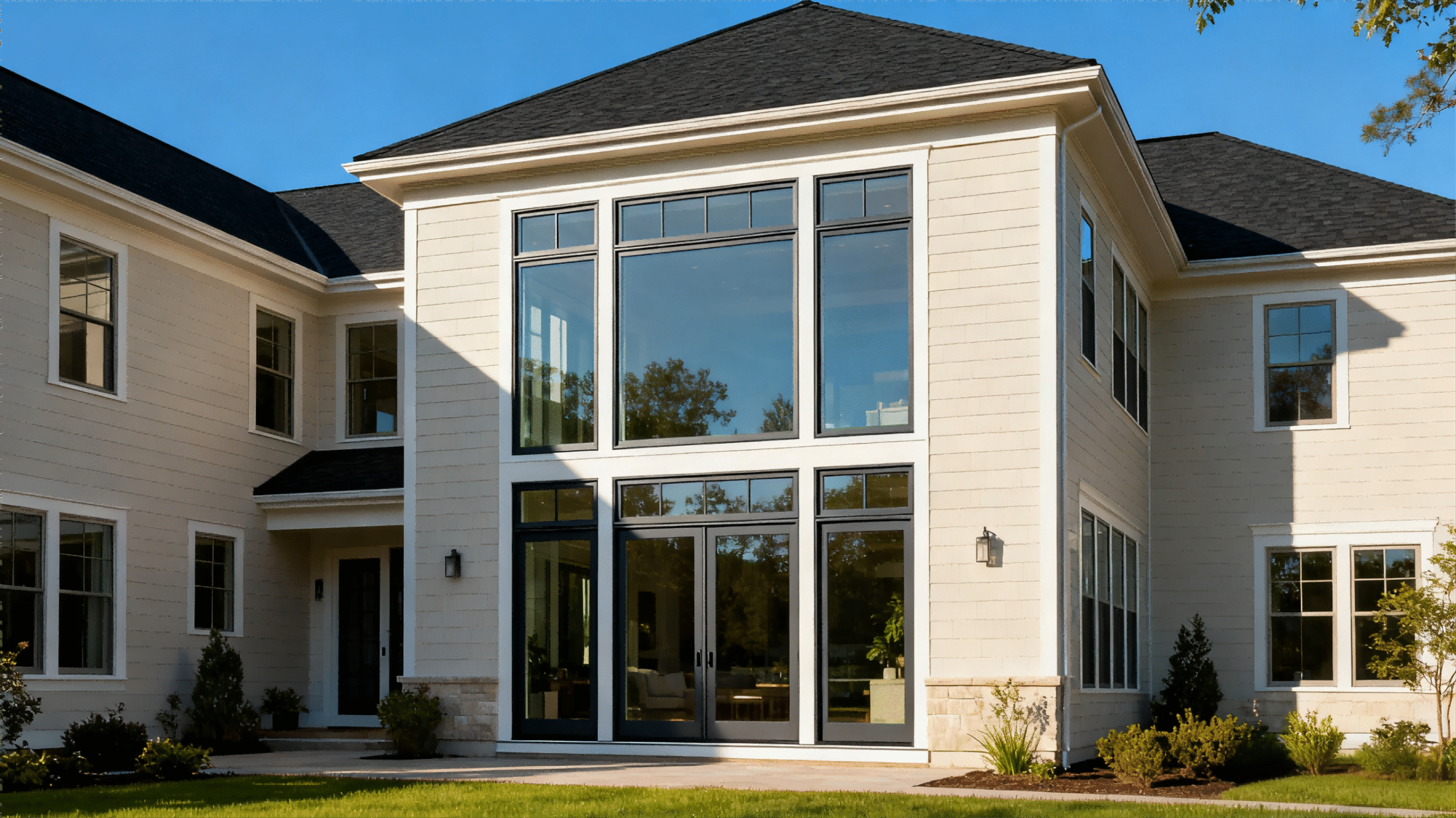
In the modern smart home, fenestration has evolved far beyond basic functions. It is now a dynamic interface for comfort. At the heart of this evolution are Aluminum Alloy Windows & Doors. Their unique properties make them the perfect foundation for high-performance systems from AlloyPro.

1.Thermal Science of Aluminum Alloy Windows & Doors

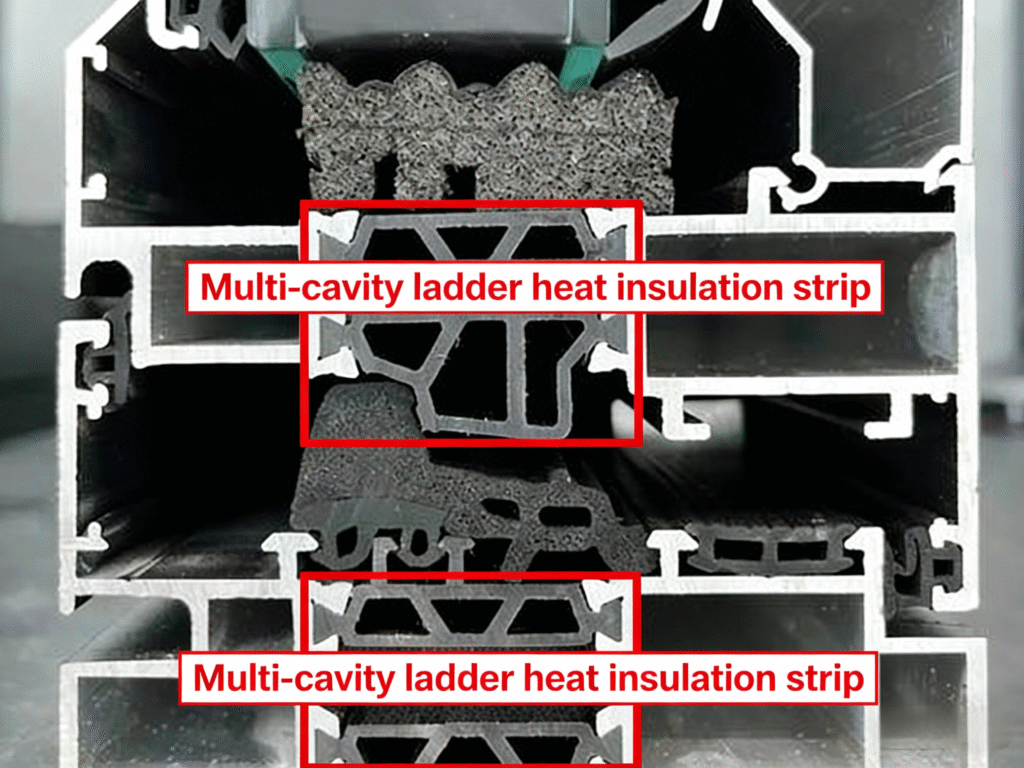
The primary challenge for any window is balancing light entry with heat transfer. Aluminum alloy addresses this through advanced engineering. The key isthermal break technology.

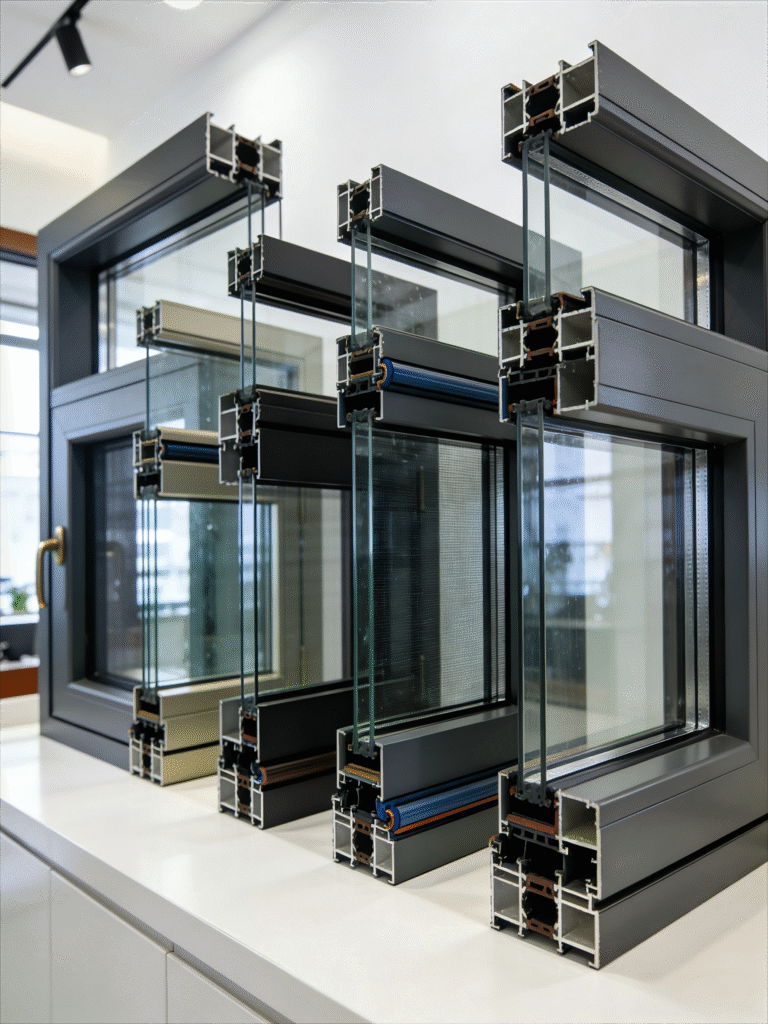
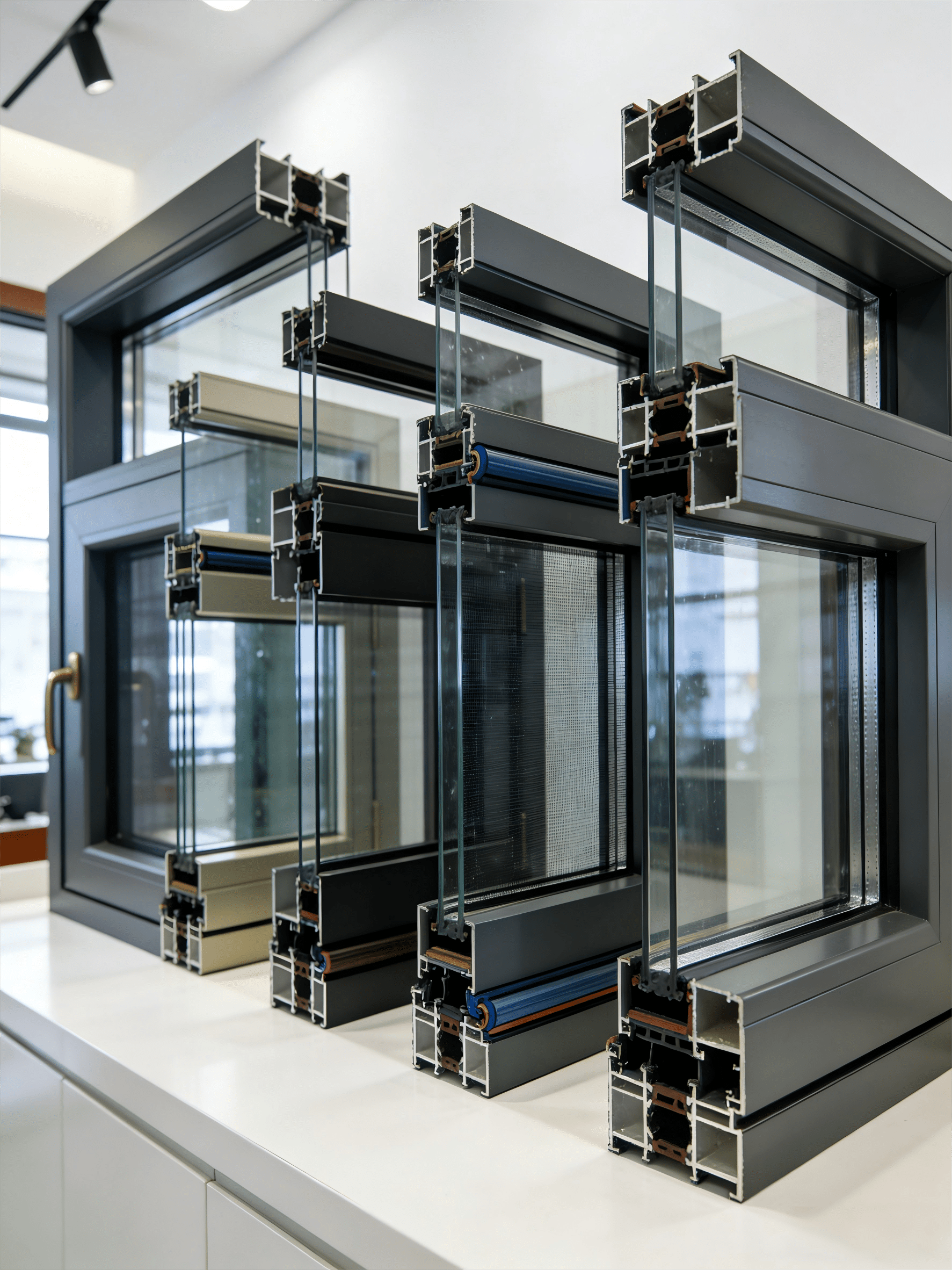
A high-performance insulating bar is inserted between the inner and outer aluminum frames, creating a barrier that drastically reduces heat conduction. Furthermore, the inherent strength of aluminum allows it to support larger panes of multi-chambered double or even triple glazing, often filled with inert gases like Argon. When combined with low-emissivity (Low-E) glass coatings, this system reflects interior heat back inside during winter and blocks solar heat gain in summer, delivering outstanding year-round energy savings.

2. Smart Integration in Aluminum Alloy Windows & Doors

Energy efficiency is also about intelligent control. This is where Aluminum Alloy Windows & Doors truly shine as a future-proof platform.

Their rigid profiles provide an ideal raceway for integrating smart hardware. Motors and sensors can be discreetly housed within the frame. These components connect to your home automation system. Consequently, windows can close automatically when rain is detected, optimizing HVAC usage intelligently.

3. Sustainable Value of Aluminum Alloy Windows & Doors

An investment in high-performance windows must last. Aluminum Alloy Windows & Doors offer exceptional corrosion resistance. This ensures that the seal remains flawless for decades.

Aesthetically, modern powder coating offers a vast range of colors. Ultimately, choosing AlloyPro is a sustainable choice. The 100% recyclability contributes to a circular economy, reducing the environmental footprint significantly.

Conclusion: The Essential Interface

In conclusion, Aluminum Alloy Windows & Doors are redefining modern living. They are no longer just framing materials but essential smart interfaces.

By masterfully combining thermal innovation and intelligent connectivity, AlloyPro offers the cornerstone technology for your smart home.

The Core of High-Performance Window & Door Profiles: Alloy, Design, and Finish

The quality of your fenestration relies on the aluminum at its core. Often unseen, these forms determine longevity. For builders, understanding High-Performance Window & Door Profiles is key. At AlloyPro, we focus on precise alloy, design, and finish to select superior systems.

1. Alloy Composition for High-Performance Window & Door Profiles

Every profile begins with its metallic blueprint. At AlloyPro, we utilize 6000 series alloys, primarily 6063 and 6061. Their secret lies in the precise ratio of magnesium and silicon.

This specific combination enables excellent formability. Furthermore, it provides the essential base for achieving structural strength. In contrast, inferior alloys lead to defects. Our commitment ensures every batch of High-Performance Window & Door Profiles meets exacting standards.

2. Design Features of High-Performance Window & Door Profiles

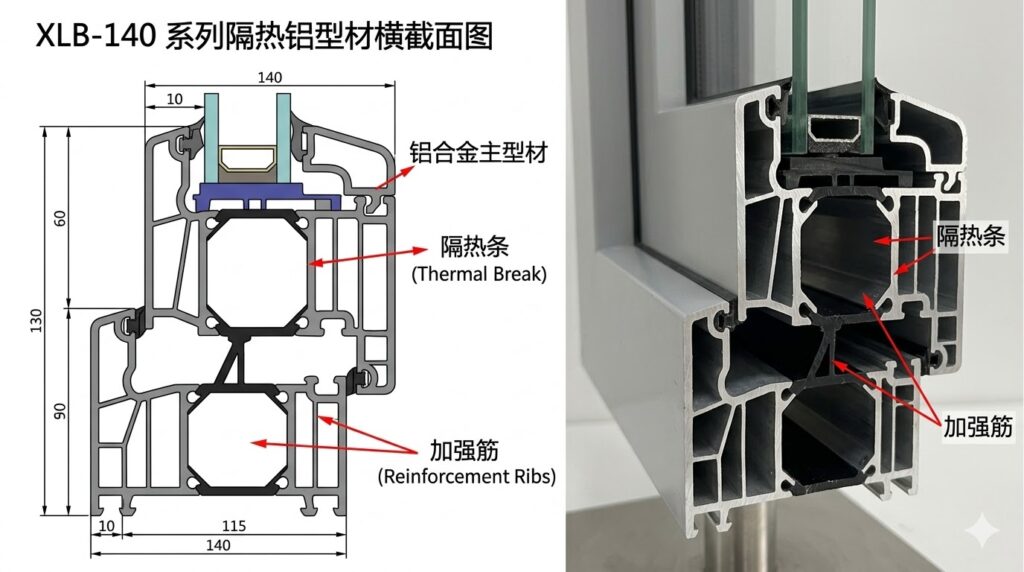
The cross-sectional design is the engine. For thermal performance, the thermal break cavity is paramount. We engineer High-Performance Window & Door Profiles with multi-chambered barriers. These create a labyrinth, dramatically reducing thermal conductivity.

Additionally, structural integrity is non-negotiable. Our profiles feature reinforcing ribs. These boost resistance to wind pressure. A well-designed system also integrates drainage channels, ensuring long-term operational smoothness.

3. Surface Finishes for High-Performance Window & Door Profiles

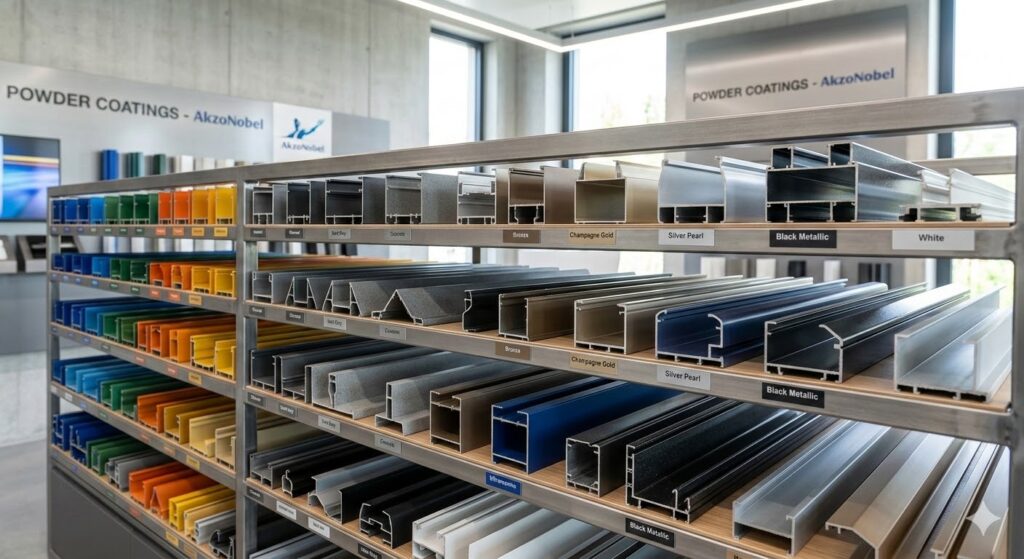
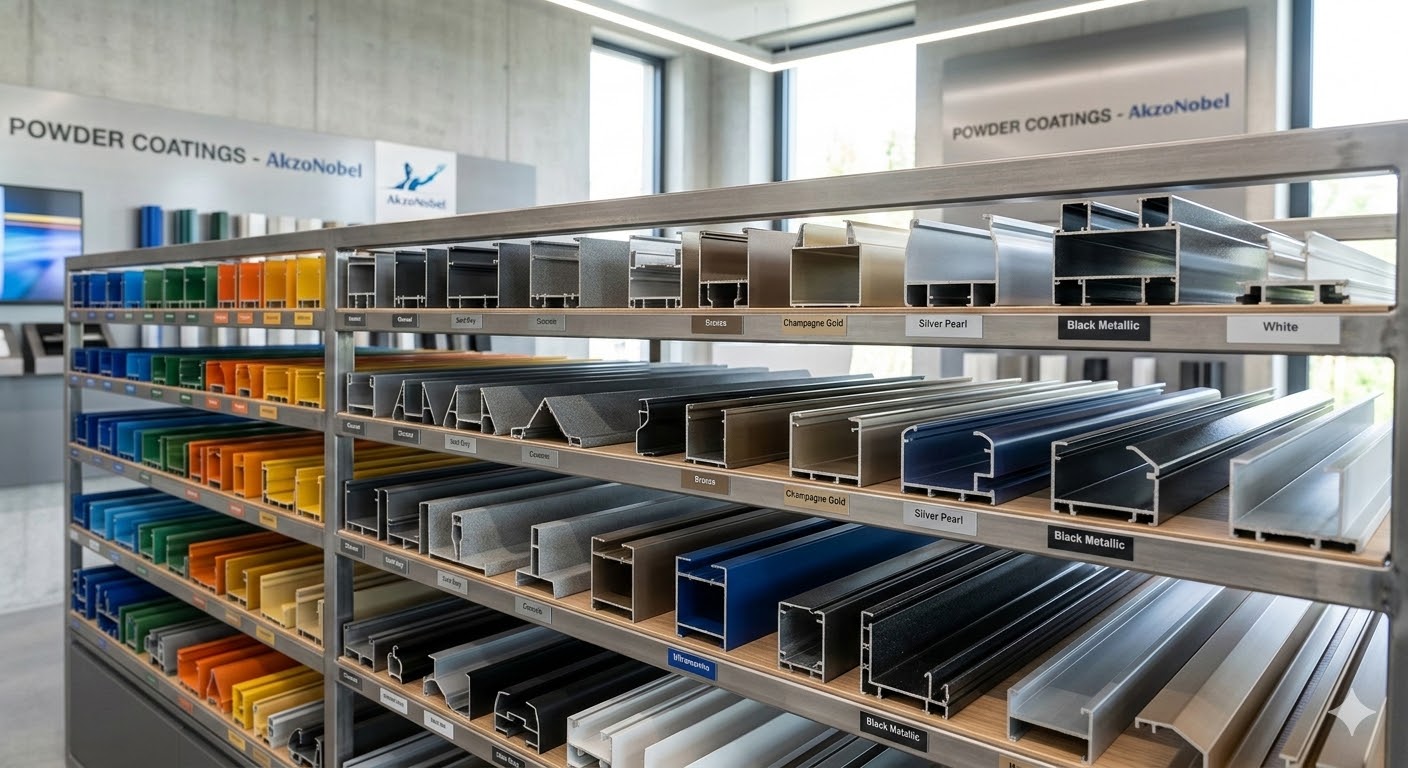
The surface finish is the armor. We go beyond standard anodizing to employ advanced powder coating.

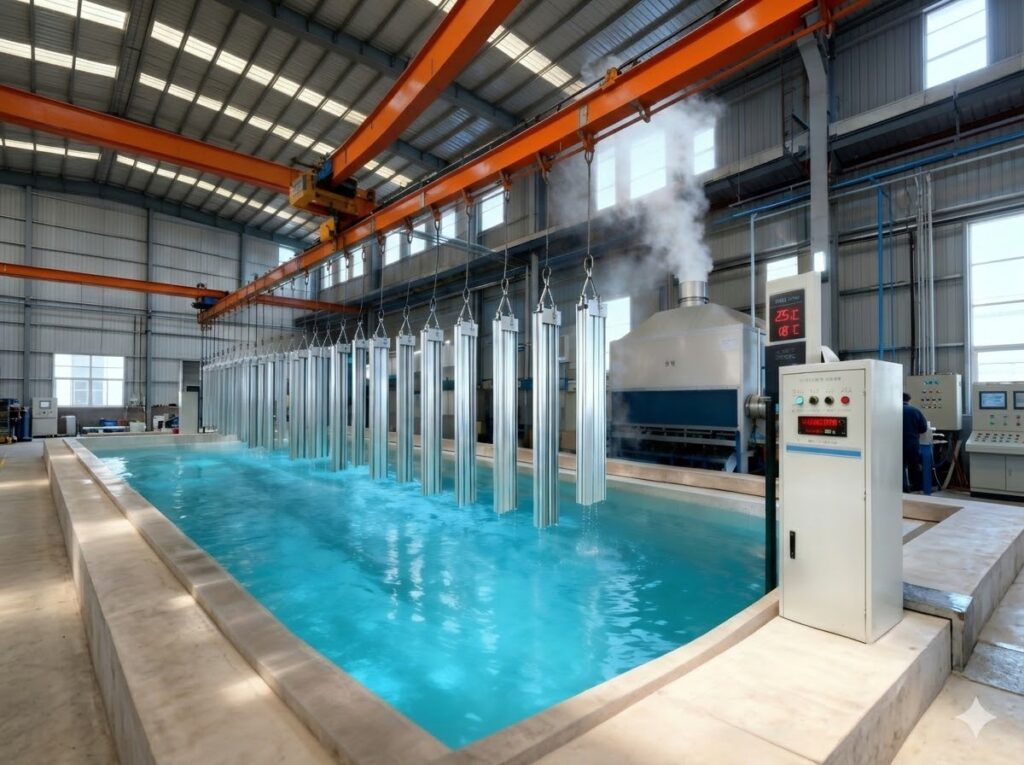
Powder coating involves applying a charged polymer powder. This finish offers exceptional resistance to UV fading. For harsh environments, our electrophoretic coating is superior. The result is a finish with exceptional adhesion. This makes our High-Performance Window & Door Profiles ideal for coastal areas.

Conclusion: The Synergy of Excellence

In summary, a profile is not defined by a single feature. It is the synergistic result of metallurgical precision and robust protection.

At AlloyPro Aluminum, our expertise translates to our fenestration products. We apply rigor to create High-Performance Window & Door Profiles that form the reliable backbone of exceptional projects globally.

Coastal Curtain Wall Solutions: Combating Corrosion and Wind

Buildings located along coastlines face relentless challenges from aggressive environmental factors: heavy salt spray, high humidity, and extreme wind pressures. A standard facade is simply insufficient here. This guide outlines key Coastal Curtain Wall Solutions for creating durable, safe, and aesthetic facades in these demanding marine environments with AlloyPro.

1. Selecting Materials for Coastal Curtain Wall Solutions

Success in a coastal project relies heavily on the initial choice of materials. Standard aluminum can degrade quickly if not properly treated. Therefore, we strictly recommend marine-grade aluminum alloys, such as the 6063-T6 series, known for their innate resilience.

However, the alloy alone is not enough. Applying a high-performance PVDF (Polyvinylidene Fluoride) coating is crucial. We adhere to the rigorous AAMA 2605 standard, which ensures the finish resists UV fading and salt erosion for over 20 years. This robust “armor” is the first line of defense in our comprehensive coastal facade systems.

2. Structural Engineering Against Wind Pressure

Beyond corrosion, coastal structures must withstand typhoon-level winds. The framework must be engineered to handle both positive and negative wind loads effectively.

This often requires using reinforced profiles with thicker walls and robust stainless steel anchors. Additionally, we implement a “pressure-equalized” drainage design. This advanced technique manages water infiltration by channeling water out through concealed weep holes, preventing leaks during driving rainstorms. This structural integrity is vital for protecting the building’s interior and ensuring occupant safety.

3. Proactive Maintenance Strategies

Even the best hardware requires care to maximize its lifespan. Regular maintenance is the often-overlooked key to durability. We advise scheduling professional inspections at least twice a year, and immediately after any severe storm events.

Simple cleaning with pH-neutral solutions is highly effective. It removes accumulated corrosive salt deposits that can eat away at seals and finishes over time. By following this regimen, property owners can extend the lifecycle of their investment significantly.

Conclusion: A Systemic Approach with AlloyPro

Ultimately, safeguarding coastal buildings requires moving beyond individual products to adopt a complete, integrated system. True resilience is achieved by seamlessly combining specialized marine-grade materials, engineered structural design, and proactive care.

By investing in AlloyPro solutions, you secure a facade that will stand resiliently against the coastal elements for decades, protecting your architectural vision and value.

Scroll to Top