







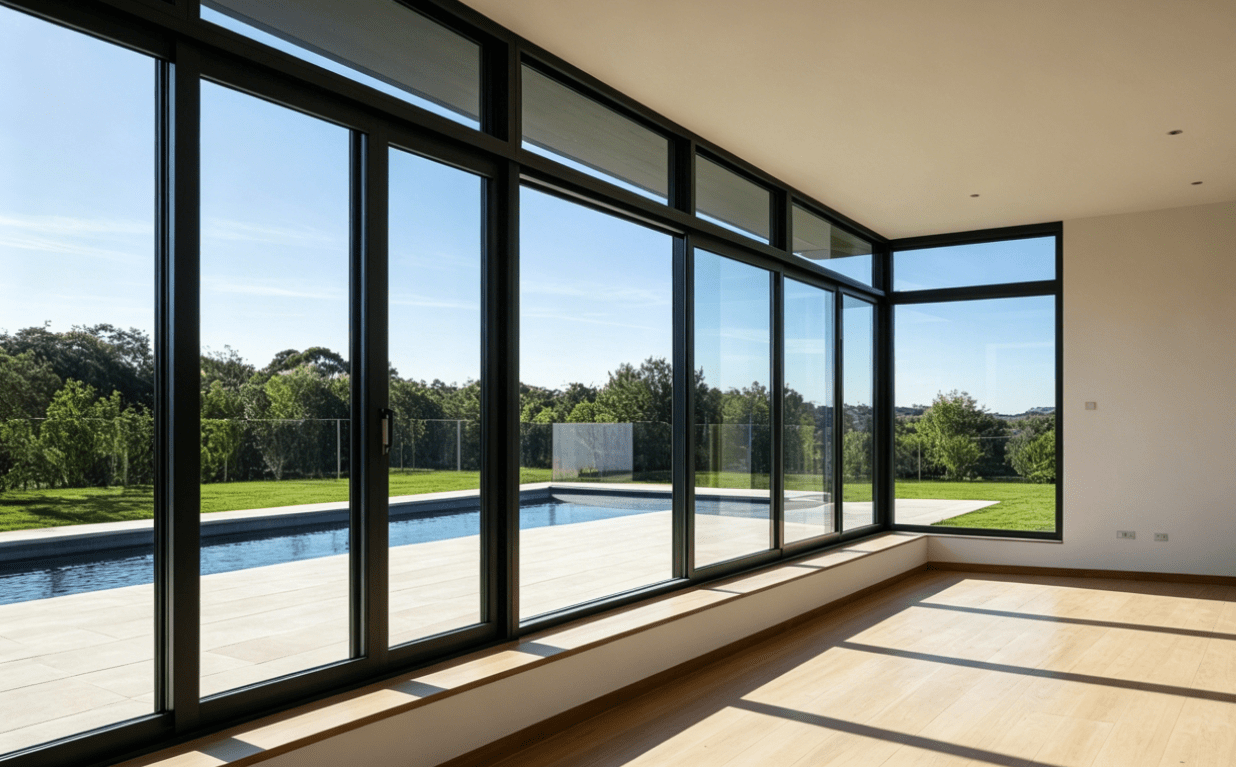
Aluminum Window Installation: Key Steps and Common Problems
Before Installation: Check the Opening
Measure the rough opening first. You need a 10 to 15 millimeter gap on each side between the frame and the wall. This space allows for adjustment, insulation, and thermal expansion. Also, clean the wall surface. Dust, loose mortar, and uneven edges prevent proper sealing. Have all materials ready before you start—frame, fasteners, shims, foam, and sealant. Missing one item halfway through leads to shortcuts and mistakes.
Step One: Level and Shim
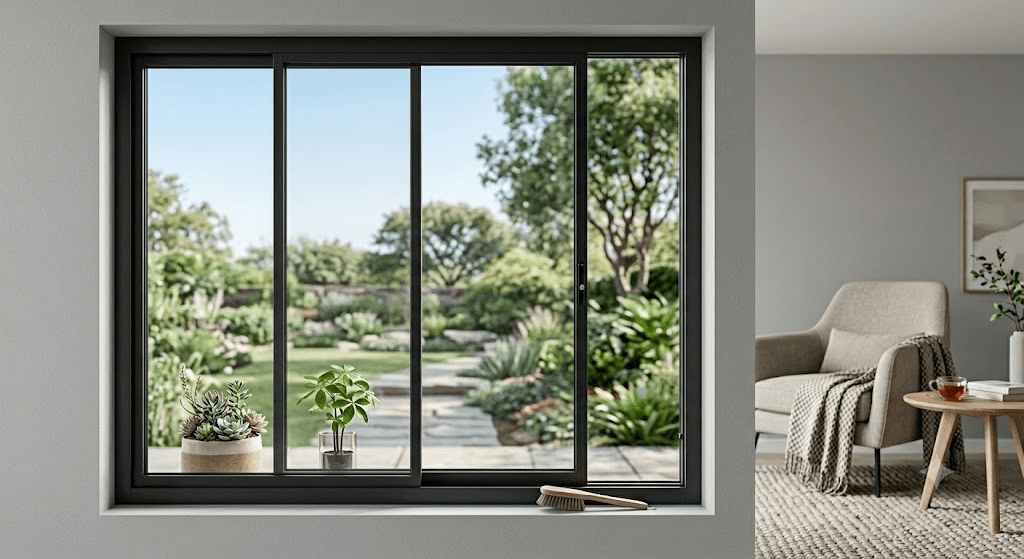
Place the frame into the opening. Use plastic shims under the sill and along the sides to level it. Check horizontal alignment on the sill. Check vertical alignment on both jambs. Measure the diagonals—both must match exactly. If they differ, the sash will never operate smoothly. A frame off by just a few millimeters now will show a visible gap later. This is one of the most common mistakes to avoid during aluminum window installation.
Step Two: Anchor the Frame
Secure the frame with fasteners suited to your wall type. Use expansion bolts for concrete, wood screws for timber, and self-drilling screws for steel. Space anchors no more than 600 millimeters apart, with one within 150 millimeters of each corner. Tighten gradually and recheck the level after every few fasteners. Uneven tightening can flex the aluminum profile and throw off your earlier alignment work.
Step Three: Seal the Gaps
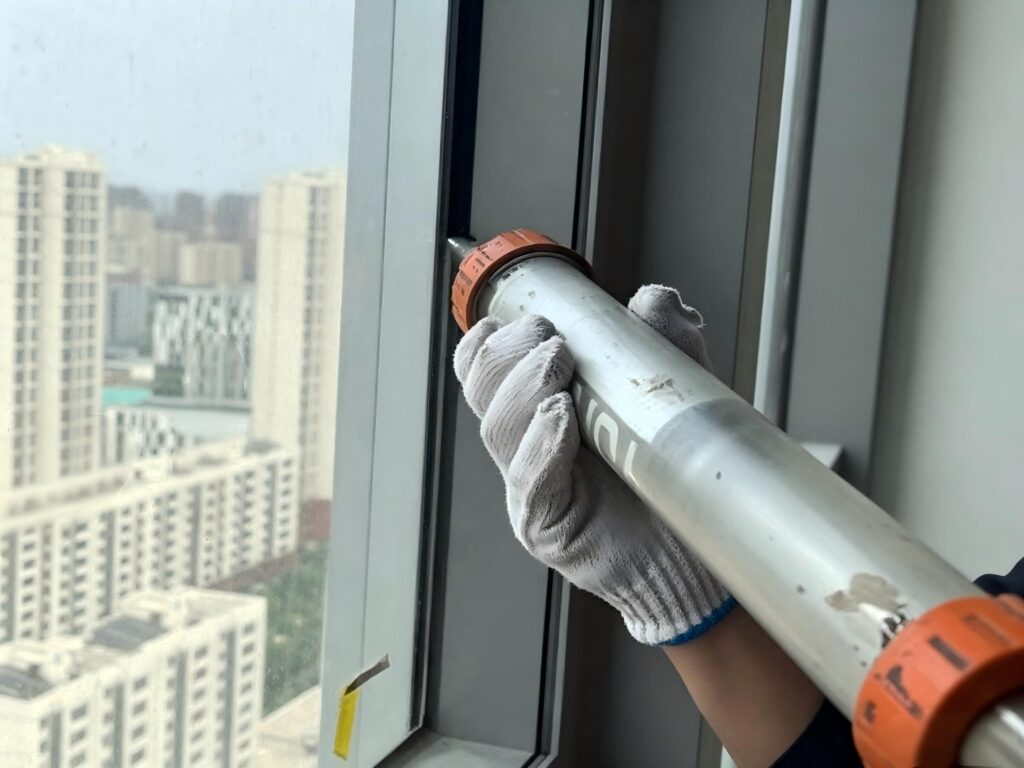
Fill the gap between frame and wall with low-expansion polyurethane foam. Apply it in layers and fill only two-thirds full—the foam expands as it cures. Once cured, trim the excess. Then apply a continuous bead of exterior-grade sealant around the outer perimeter. Any gap or pinhole in this bead lets water through and causes air leaks. On the interior side, seal or trim over the foam for a clean finish. Proper sealing is what separates a lasting aluminum window installation from one that fails within months.
Step Four: Install Glass and Sash
Set glass panels onto glazing beads with setting blocks at the bottom. Never let glass sit directly on aluminum. This creates pressure points that can crack the panel under thermal stress. Secure beads evenly without overtightening. Then hang the sashes and test each one. Open, close, and lock every panel. Movement should feel smooth, with no sticking or scraping. If something binds, go back and check your frame square and level.
Step Five: Final Checks
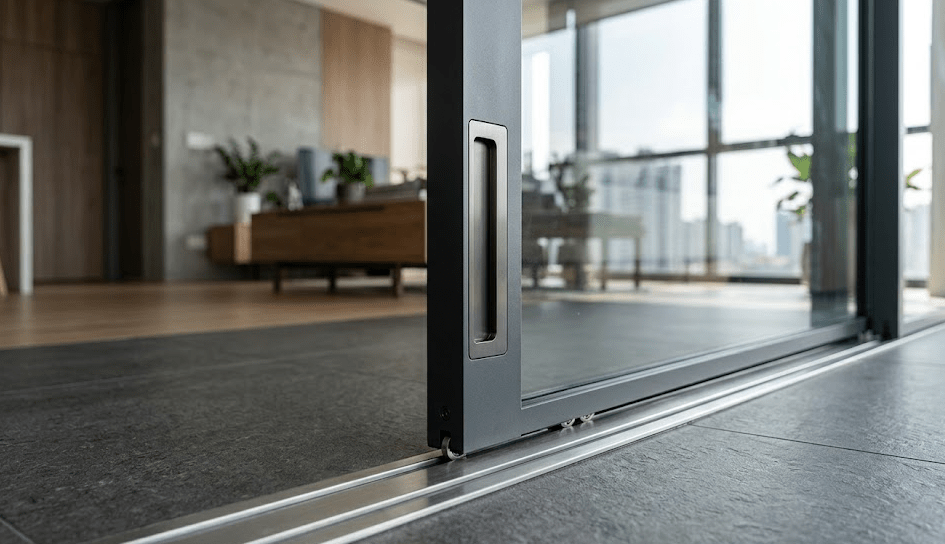
Test every moving part—handles, locks, hinges, and rollers. Run your hand along all seals to feel for drafts. Clear drainage slots on the outer sill so water can escape. Blocked drainage traps moisture inside the profile and leads to long-term damage. Finally, clean the glass and frames to spot any scratches or defects before you call the job done.
Common Problems to Watch For
If a sash sticks or drags, the frame is likely out of square. Re-check your diagonal measurements and adjust the shims. If you feel a draft around the edges, the sealant bead probably has a gap. Remove it and apply a fresh continuous bead. If water pools on the inner sill, check whether foam or debris has blocked the drainage slots on the outer frame. Each of these common problems traces back to a skipped step earlier in the aluminum window installation process.
Why Installation Quality Matters
A high-performance aluminum window only delivers results when installed correctly. Air leaks and water damage bypass even the best thermal break frame if the sealing fails. Take your time on leveling and sealing. At AlloyPro, our systems meet strict thermal and structural standards, but installation quality ultimately decides how they perform in your building.
Top 5 B2B Standards for Sourcing Hurricane Impact Windows
Navigating foreign manufacturing standards can challenge any project manager. To secure your investment and pass local building inspections, you must know exactly what to verify. Furthermore, choosing a supplier who understands international compliance saves both time and money. This comprehensive guide breaks down the five crucial standards you must check before signing a procurement contract for your hurricane impact windows.
1. Verify Mandatory Wind Loads and Impact Certifications
International markets do not compromise on structural safety. For instance, the Australian market strictly enforces the AS2047 standard for windows and doors. This benchmark regulates severe wind loads and water penetration resistance. In contrast, North American regions require specialized certifications like Florida Product Approval or NFRC ratings.
You should always ask your manufacturer for official, third-party test reports. Reliable suppliers test their profile structures under extreme pressure to simulate real storm conditions. Therefore, checking these certifications beforehand ensures your imported cargo legally enters the target country. It also guarantees your hurricane impact windows will protect the building during a Category 5 storm.
2. Check the Aluminum Alloy Profile Thickness and Grade
The structural strength of heavy-duty hurricane impact windows relies heavily on its raw aluminum materials. High-end systems generally utilize premium architectural aluminum profiles. You should look for structural grades like 6063-T5 or 6061-T6. Additionally, heavy-duty window frames require a thicker profile wall compared to standard residential openings.
Standard products often use a 1.4mm profile thickness. However, true commercial-grade hurricane impact windows increase this thickness to 2.0mm or even 3.0mm. This extra thickness prevents the frame from bending under violent wind pressures. Thick aluminum extrusion profiles also provide a stable foundation for the heavy laminated glass units.
3. Examine Glass Standards and Interlayer Quality
Premium hurricane impact windows do not rely on standard tempered glass alone. Instead, they feature a specialized laminated glass structure that meets strict international glass standards. This configuration sandwiches a tough polymer interlayer between two sheets of glass. If a flying object strikes the window, the glass will crack but stay firmly bonded to the interlayer.
You must check the thickness of both the glass and the interlayer. A standard configuration includes thick laminated glass paired with a reliable PVB or SGP interlayer. SGP interlayers offer up to five times the tear resistance of standard PVB. Consequently, coastal projects facing extreme typhoons benefit greatly from choosing the stronger SGP specification for their hurricane impact windows.
4. Evaluate Corrosion Resistance and Surface Treatments
Coastal environments expose window frames to constant salt spray and high humidity. This environment causes rapid corrosion if the aluminum lacks proper protection. Therefore, you must specify high-performance surface treatments during the ordering stage to get the best long-term value.
Advanced manufacturers offer specialized coatings like PVDF (Fluorocarbon) or high-grade architectural powder coatings. PVDF coatings resist UV radiation and salt degradation exceptionally well. In contrast, standard powder coatings might fade or chalk within a few years near the ocean. Ensure your supplier follows international standards to guarantee decades of finish durability.
5. Assess the Thermal Performance and Hardware Durability
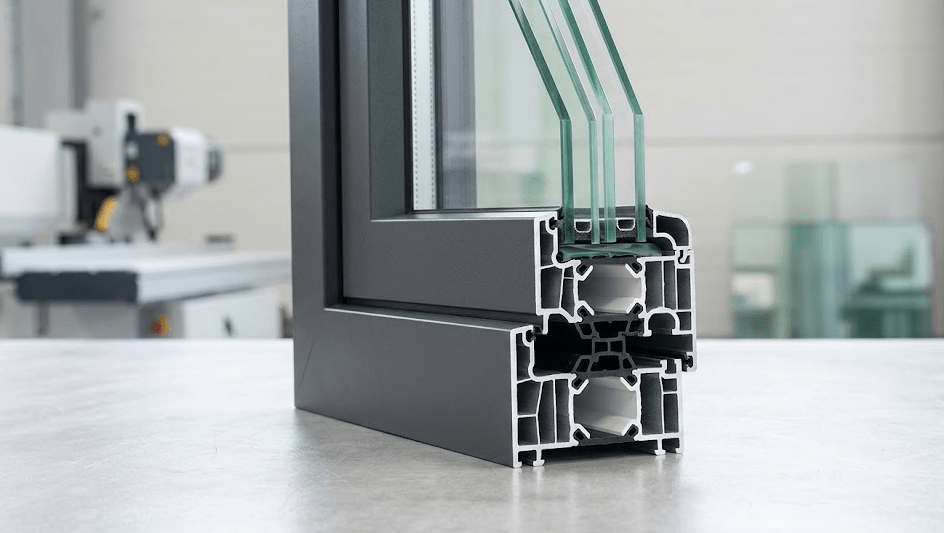
A truly modern hurricane impact windows system does more than just resist wind. It also enhances the building’s energy efficiency. High-performance systems utilize multi-chamber thermal break technology. This design places an insulating polyamide strip inside the aluminum profile, which drastically reduces heat transfer into the building.
Furthermore, heavy impact glass puts extra stress on the window hardware. Standard hinges and locks fail quickly under this weight. You should demand heavy-duty, stainless steel hardware systems. Reliable locking points around the frame ensure the sash stays sealed tight against the weather seals during prolonged storms.
Conclusion: Get Custom Factory Pricing from a Trusted Partner
Importing building materials from China optimizes your project budget effectively. However, success depends on meticulous compliance checking. By verifying certifications, profile thickness, glass standards, coatings, and hardware, you eliminate expensive risks.
Partnering with an experienced, compliant manufacturer like AlloyPro ensures your building stays safe, energy-efficient, and fully aligned with global building codes. Our team specializes in engineering high-end architectural products that match these exact international benchmarks. Contact us today to discuss your project requirements and get your custom factory pricing for premium hurricane impact windows.
Aluminum Extrusion Market: 2026 Top B2B Sourcing Strategies
Key Trends in the Aluminum Extrusion Market
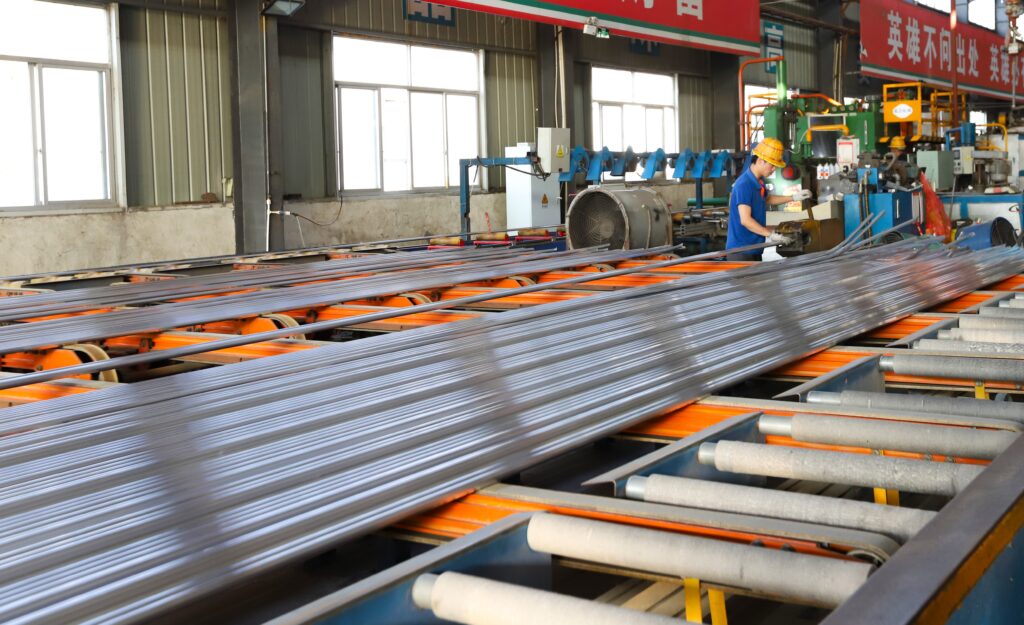
The market shows a massive shift toward green building materials. Buyers actively demand high-quality thermal break systems to save energy. Strict global building codes require much better insulation. Markets like Australia demand strict AS2047 standard testing for all architectural windows. Standard commercial products show slow market growth in comparison.
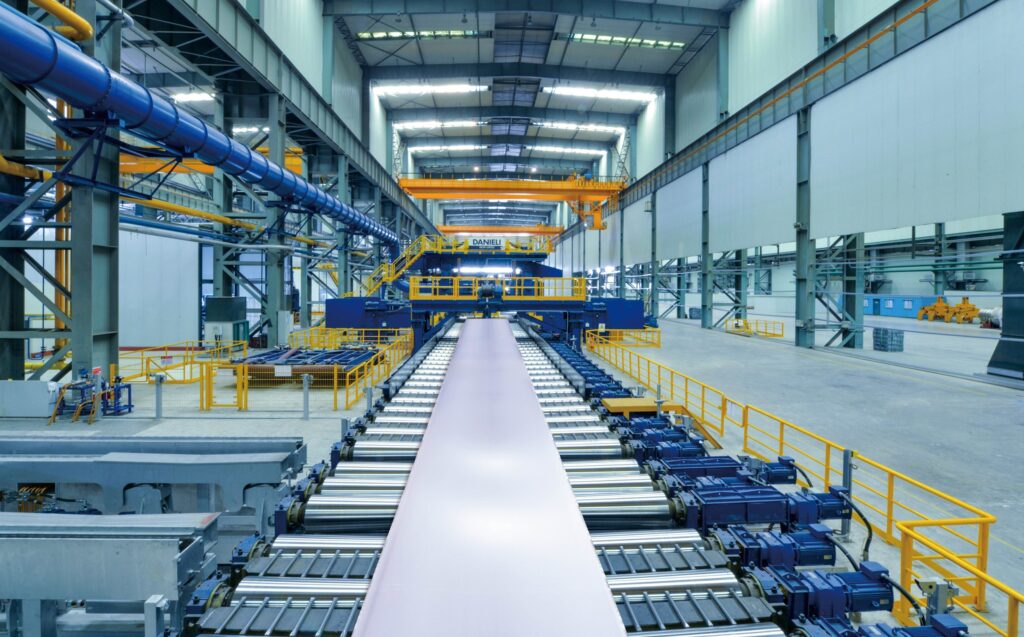
Factories making premium custom profiles lead the aluminum extrusion market today. Fast production and stable quality matter greatly to professional builders. Long shipping times force developers to plan their orders early. You must partner with modern manufacturers to stay competitive.
Optimize Sourcing Costs in the Aluminum Extrusion Market
How do you get the best materials for your projects? You must look beyond the basic price tag. Evaluate the total value of the architectural profiles instead. A slightly higher starting cost saves big money later. High-quality surface coatings actively reduce future repair costs.
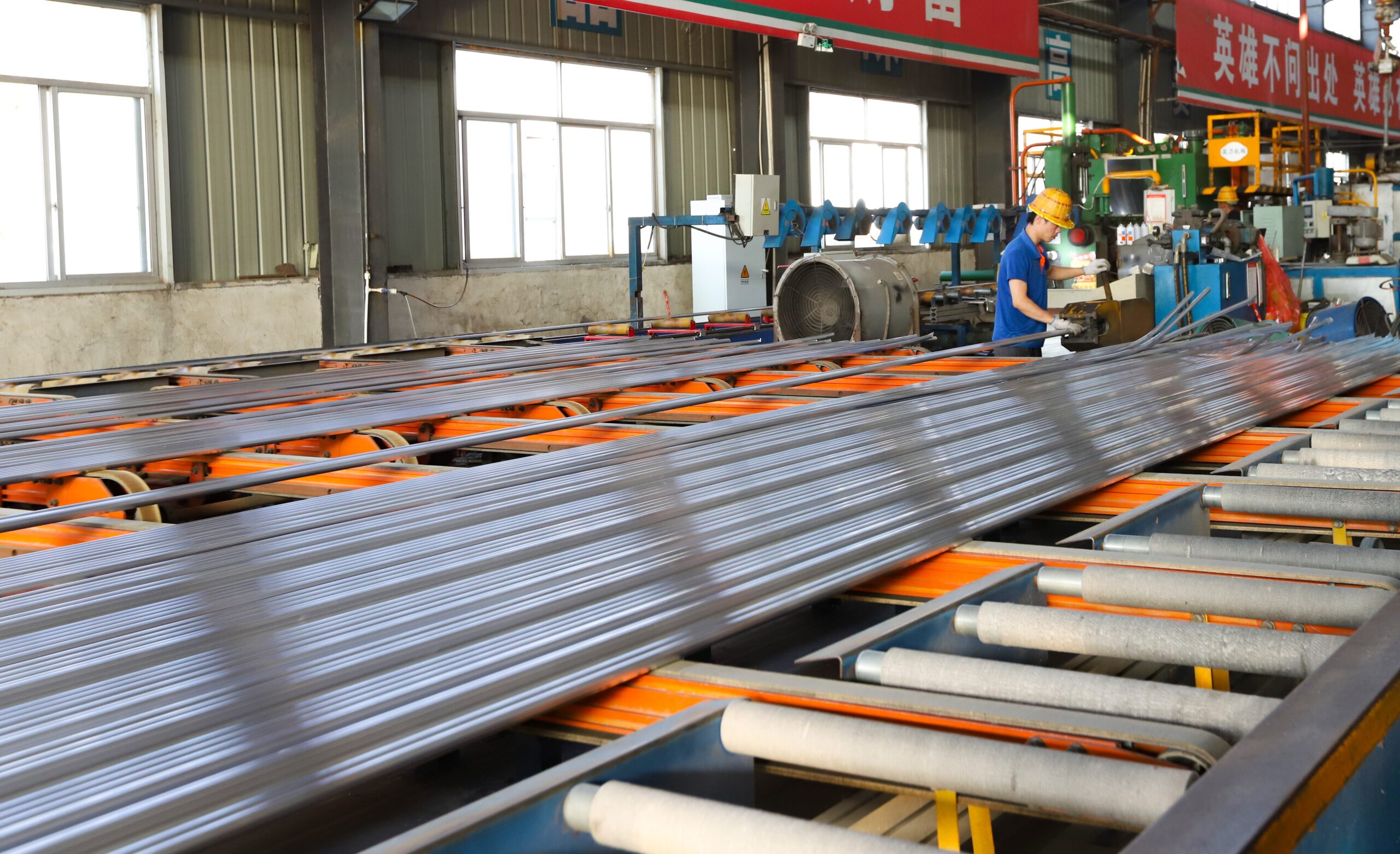
You should choose a factory with a complete production line. Direct factories control product quality much better than trading companies. They also meet tight construction deadlines consistently. Pre-assembled systems drastically cut down your local labor costs. This approach speeds up your onsite building work and improves efficiency.
Surface Treatments and Durability
Commercial profiles face harsh weather conditions every single day. You need the right surface treatments for your architectural doors. Coastal projects need strong powder coating or anodized finishes. These special finishes stop rust and keep the metal looking brand new.
Your buildings maintain their high-end look for many years. Your long-term property maintenance costs drop significantly as a result. Choosing the right finish protects your entire project investment.
Import Premium Profiles from China
You need a highly reliable long-term partner for your business. A top supplier provides clear communication and strong technical support. They fully understand global rules like the AS2047 standard. When you import premium profiles from China, always check the factory equipment. You should review their past project cases carefully. Always ask for clear test reports on wind load and water penetration.
AlloyPro solves these exact B2B sourcing problems. We optimize our factory lines to deliver profiles on time. Our skilled team works closely with your project engineers. We build custom profiles to fit your exact building designs.
How to Choose Hurricane-Resistant Aluminum Windows and Doors for High-Wind Regions
Why Builders Need Hurricane Impact Rated Doors and Windows
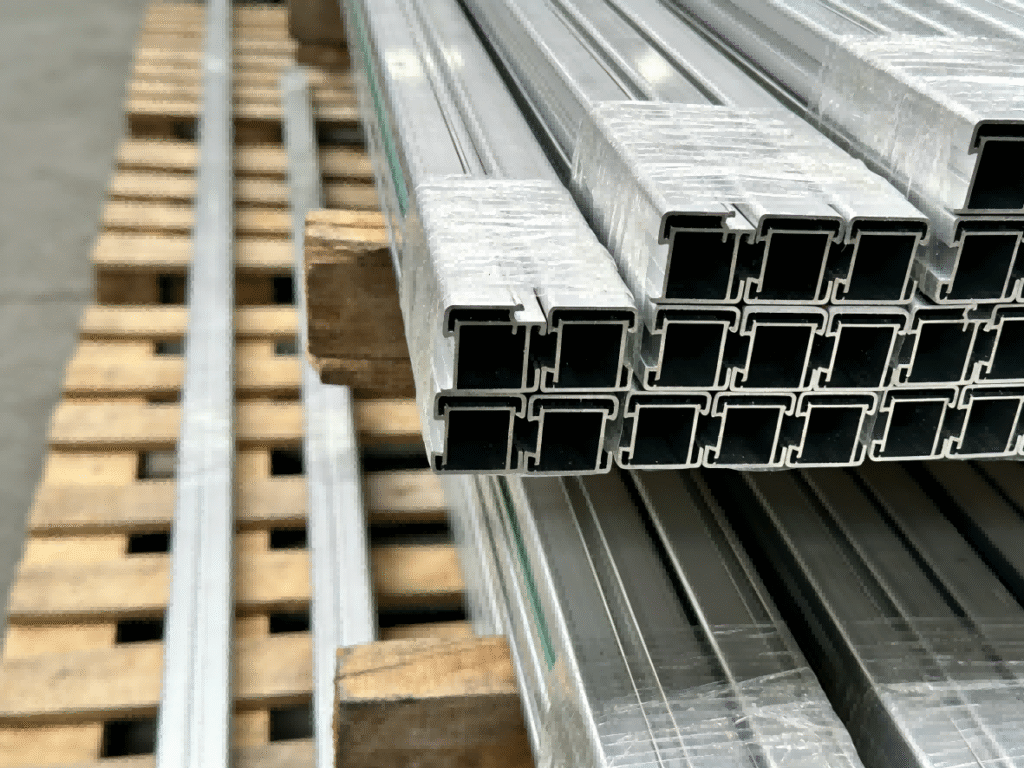
Engineers prefer aluminum for high-wind regions for several reasons. First, aluminum possesses an exceptional strength-to-weight ratio. This metal resists warping and twisting under immense structural load. Additionally, manufacturers can extrude aluminum into complex architectural profiles with internal reinforcement web designs.
In contrast, materials like wood or vinyl often flex too much under extreme pressure. Certified hurricane impact rated doors and windows maintain their structural integrity over decades of service. Furthermore, advanced surface treatments protect these profiles from harsh marine environments. Modern coatings prevent salt spray corrosion, which keeps your structural components safe and beautiful for years.
Selecting the Right Alloy for Hurricane Impact Rated Doors
Not all aluminum profiles provide the same performance. For hurricane zones, you must look closely at the material specifications. Manufacturers widely use 6063 aluminum alloy for commercial architectural systems. However, the temper specification makes a massive difference in actual yield strength when engineering hurricane impact rated doors.
We highly recommend specifying 6063-T6 aluminum instead of standard 6063-T5. The T6 temper undergoes a rigorous artificial aging process. This treatment increases the tensile strength and hardness of the metal significantly. Consequently, 6063-T6 profiles endure much higher wind load pressures without permanent deformation, ensuring maximum safety during a storm.
The Material Standards of Hurricane Impact Rated Doors
A strong frame requires equally tough glass to ensure full protection. Standard glass shatters immediately when airborne debris strikes it during a storm. For this reason, high-wind regions require specialized impact-resistant laminated glass systems to complement hurricane impact rated doors.
Laminated glass consists of two layers of glass bonded together by a tough plastic interlayer, usually Polyvinyl Butyral (PVB) or SentryGlas Plus (SGP). When flying debris hits the window, the outer glass may crack, but the interlayer holds the fragments together. Therefore, the building envelope remains sealed, preventing destructive winds from entering the interior space.
Balancing Storm Protection with Thermal Efficiency
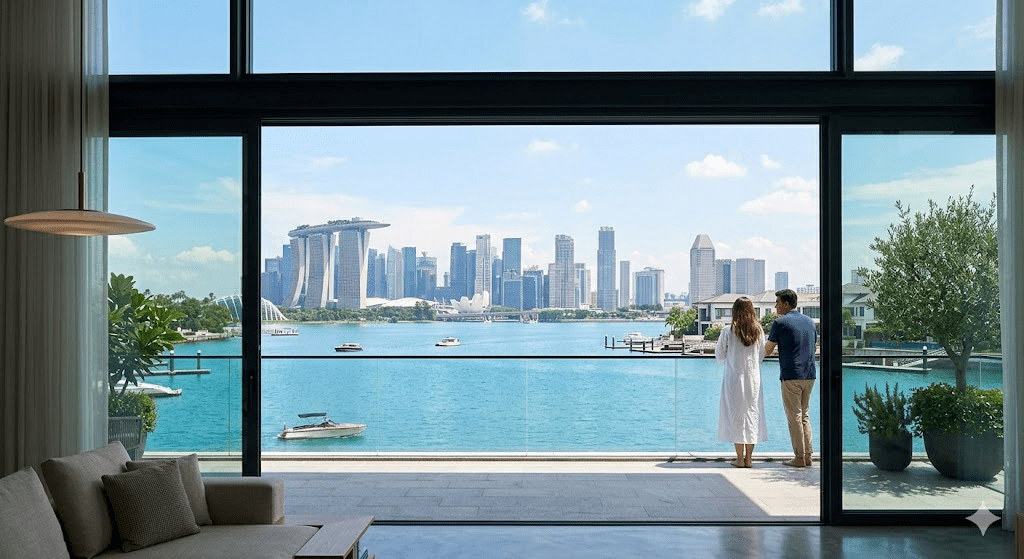
Extreme weather involves more than just powerful winds. Coastal regions often experience intense solar heat and high humidity. Property owners want storm safety, but they also demand lower energy bills. Fortunately, modern aluminum engineering solves both problems simultaneously.
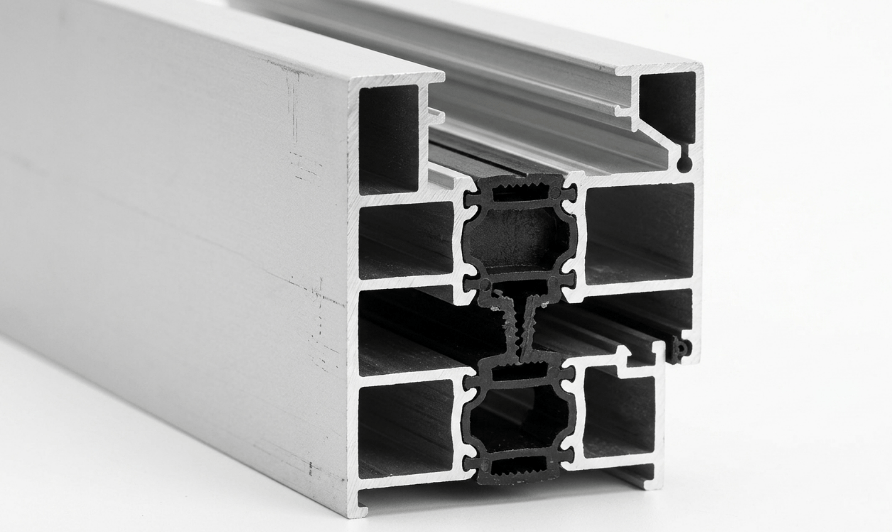
You should choose aluminum systems that incorporate advanced thermal break technology. Thermal break systems insert a reinforced polyamide bar between the interior and exterior aluminum profiles. This structure breaks the path of heat conduction. As a result, the windows block outdoor heat during summer and retain cool indoor air, reducing air conditioning costs significantly.
Testing Certifications for Hurricane Impact Rated Doors
How do you verify that a window or door can actually withstand a hurricane? You must check the official testing certifications of the product. Reliable manufacturers test their window and door systems in certified laboratories using dynamic pressure simulations.
Look for products that meet international design pressure (DP) ratings or specific wind zone standards, such as the Miami-Dade County compliance or Australian wind load standards. Premium hurricane impact rated doors undergo rigorous air infiltration, water resistance, and structural load testing. Always ask your supplier for verified test reports before finalizing any large commercial or residential purchase.
Conclusion and Sourcing Recommendations
Protecting a coastal building requires careful planning and premium materials. High-strength 6063-T6 aluminum frames, impact-resistant laminated glass, and reliable thermal break designs provide the ultimate defense against severe storms. Investing in certified structural windows secures your property and ensures long-term peace of mind.
AlloyPro Aluminum specializes in engineering high-performance architectural systems. If you want to protect your coastal building, you can find heavy duty aluminum profiles for hurricane impact rated doors from a top certified factory at the best wholesale prices now. Visit alloypro.net today to browse our certified architectural systems, download technical catalogs, or consult our engineering team for your next coastal project.
Mengapa profil aluminium seni bina memerlukan pensijilan ISO 9001 dan alam sekitar?
Menjaga piawaian pensijilan ISO 9001 dalam pengeluaran
ISO 9001 adalah piawaian emas antarabangsa bagi Sistem Pengurusan Kualiti (QMS). Bagi kilang ekstrusi aluminium, pensijilan ini berfungsi sebagai pelan induk untuk setiap peringkat pengeluaran.
Kami mengikuti proses sistematik ini untuk memastikan projek anda menerima kualiti yang seragam:
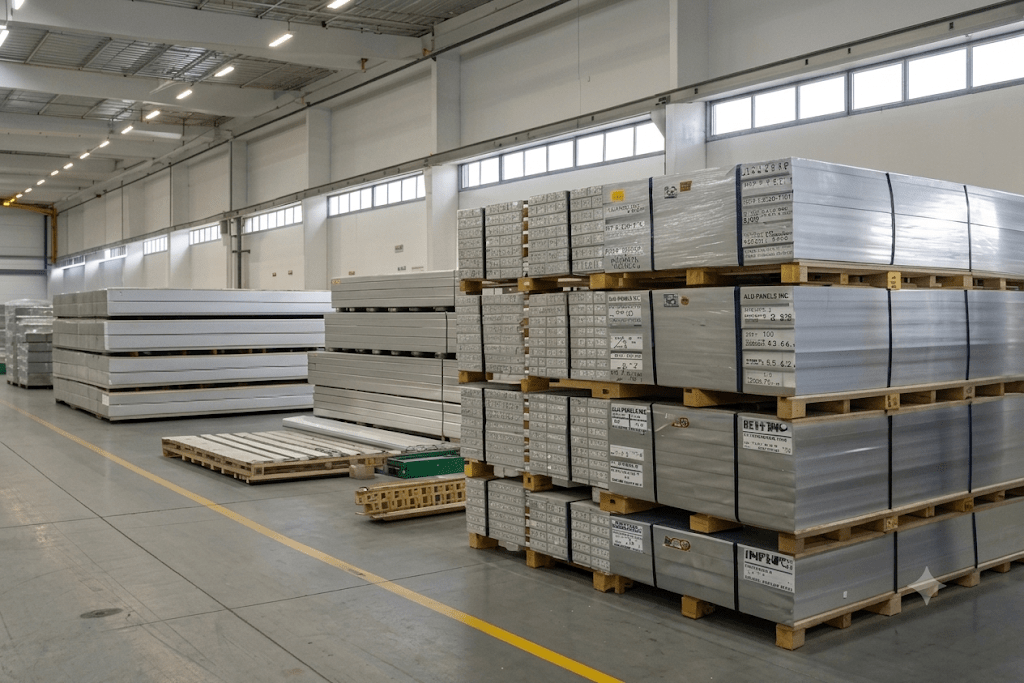
- Pengesahan Bahan Mentah: Kami menguji setiap batch bilik aluminium sebelum ia memasuki mesin ekstrusi.
- Pemantauan dalam proses: Juruteknik kami memantau suhu dan kelajuan ekstrusi secara masa nyata untuk mengekalkan integriti struktur.
- Pemeriksaan Ketepatan: Kami menggunakan instrumen yang dikalibrasi untuk mengukur toleransi kritikal, memastikan profil kami pas dengan sempurna semasa pemasangan di tapak.
Dengan mematuhi protokol pensijilan ISO 9001 kami, kami menghapuskan ketidakseragaman pengilangan. Kebolehpercayaan ini membantu pelanggan kami mengelakkan kelewatan yang mahal dan kerja semula di tapak pembinaan mereka.
Tanggungjawab Alam Sekitar dan Pengilangan Lestari
Projek seni bina moden sering memerlukan pensijilan bangunan hijau seperti LEED atau yang serupa. Oleh itu, pembekal mesti menunjukkan komitmen terhadap pembuatan lestari. Pensijilan alam sekitar mengesahkan bahawa proses pengeluaran kami meminimumkan sisa dan pelepasan.
Selain itu, kami mengoptimumkan penggunaan tenaga kami semasa proses ekstrusi. Kami memberi tumpuan kepada:
- Pengurangan Sisa: Kami kitar semula sisa aluminium terus ke dalam proses peleburan kami, meminimumkan kehilangan bahan.
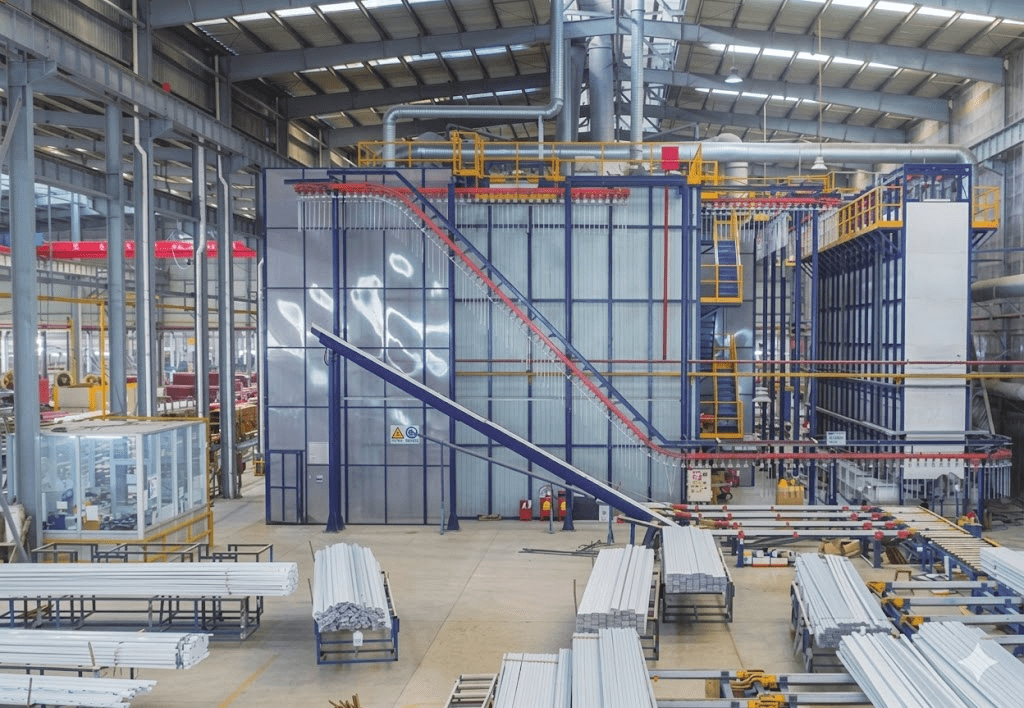
- Pengurusan Kimia: Barisan rawatan permukaan kami beroperasi di bawah kawalan alam sekitar yang ketat untuk mencegah pelepasan bahan berbahaya.
- Kecekapan Tenaga: Kami melabur dalam peralatan moden yang menggunakan tenaga lebih sedikit bagi setiap tan aluminium siap.
Apabila anda memilih rakan kongsi bertauliah, anda memastikan bahawa rantaian bekalan anda selaras dengan matlamat kelestarian projek anda.
Mengapa Ini Penting Bagi Pembeli Global
Projek pembinaan antarabangsa melibatkan logistik yang kompleks dan risiko yang tinggi. Selain itu, penggunaan pembekal bertauliah menyediakan lapisan keselamatan penting bagi pengurus projek.
Komitmen kami terhadap kualiti menyediakan tiga kelebihan utama:
- Pengurangan Risiko: Anda menerima produk yang sentiasa memenuhi dimensi dan gred aloi yang ditetapkan.
- Kesesuaian Global: Sijil-sijil ini diiktiraf di seluruh dunia, memudahkan anda lulus pemeriksaan bangunan di pasaran tempatan anda.
- Nilai jangka panjang: Profil yang lestari dan berkualiti tinggi mempunyai jangka hayat yang lebih panjang, mengurangkan kos penyelenggaraan dari masa ke masa.
Kesimpulannya, pensijilan adalah asas janji kami untuk menyampaikan kecemerlangan teknikal dan ketelusan operasi. Di AlloyPro, kami percaya bahawa piawaian yang ketat adalah kunci kepada setiap projek pembinaan yang berjaya.