






Alamat

Guangdong, China

E-mel

postmaster@alloypro.net

Panduan Muktamad untuk Pemilihan Profil Aluminium Perindustrian

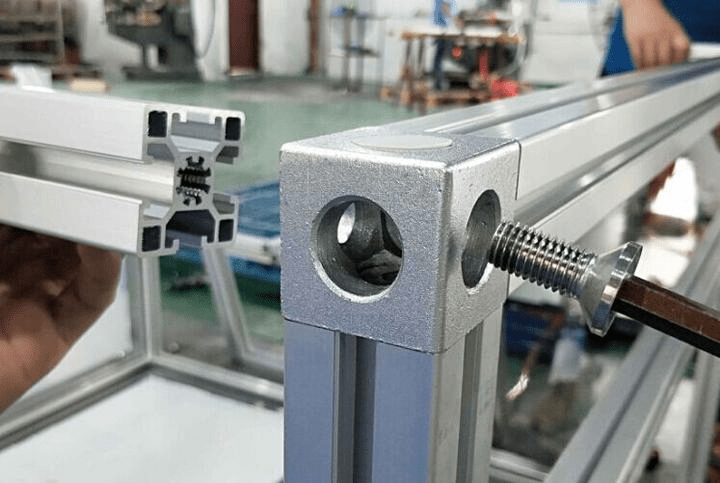
Betul Pemilihan Profil Aluminium Perindustrian Adalah penting untuk kejayaan projek anda. Walau bagaimanapun, proses ini boleh menjadi mengelirukan. Terdapat banyak spesifikasi dan pilihan yang tersedia. Oleh itu, panduan ini akan membimbing anda melalui langkah-langkah utama. Kami akan membantu anda membuat keputusan yang tepat untuk aplikasi seperti rangka automasi kilang, pelindung mesin, dan struktur tugas berat tersuai.

Langkah 1: Tetapkan keperluan aplikasi anda

Pertama, anda mesti memahami dengan jelas apa yang anda perlukan. Sebelum memulakan anda Pemilihan Profil Aluminium Perindustrian, tanya diri anda soalan-soalan ini:

  • Fungsi: Adakah ia untuk rangka struktur, pengadang keselamatan, atau sistem penghantar?
  • Beban: Adakah profil akan menahan beban statik berat atau daya dinamik? Secara khusus, ini mempengaruhi saiz profil dan ketebalan dinding.
  • Persekitaran: Pertimbangkan pendedahan kepada bahan kimia, kelembapan, atau haba. Ini mempengaruhi pilihan aloi dan rawatan permukaan.

Mendefinisikan perkara-perkara ini dengan jelas dari awal menjimatkan masa. Ia juga mengelakkan kesilapan mahal kemudian dalam proses.

Langkah 2: Faham Spesifikasi Profil Utama

Sekarang, mari kita pecahkan butiran teknikal. Untuk menguasai Pemilihan Profil Aluminium Perindustrian, tumpukan pada tiga parameter teras ini:

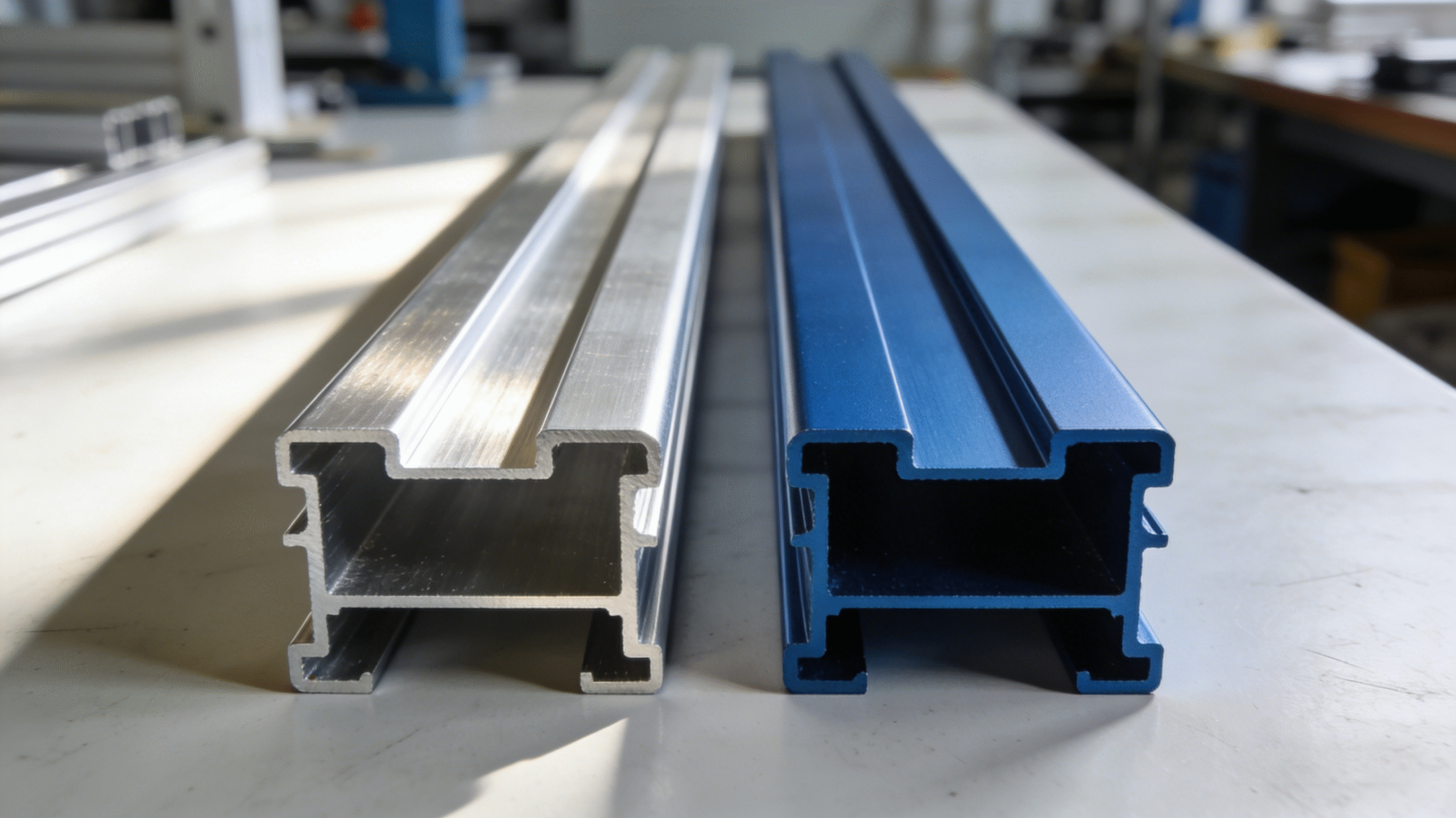
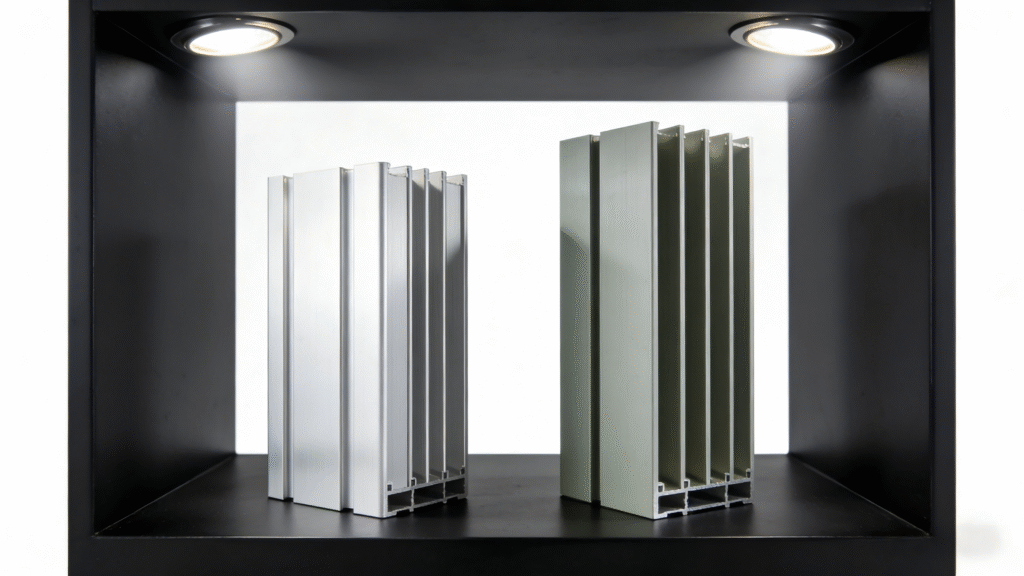
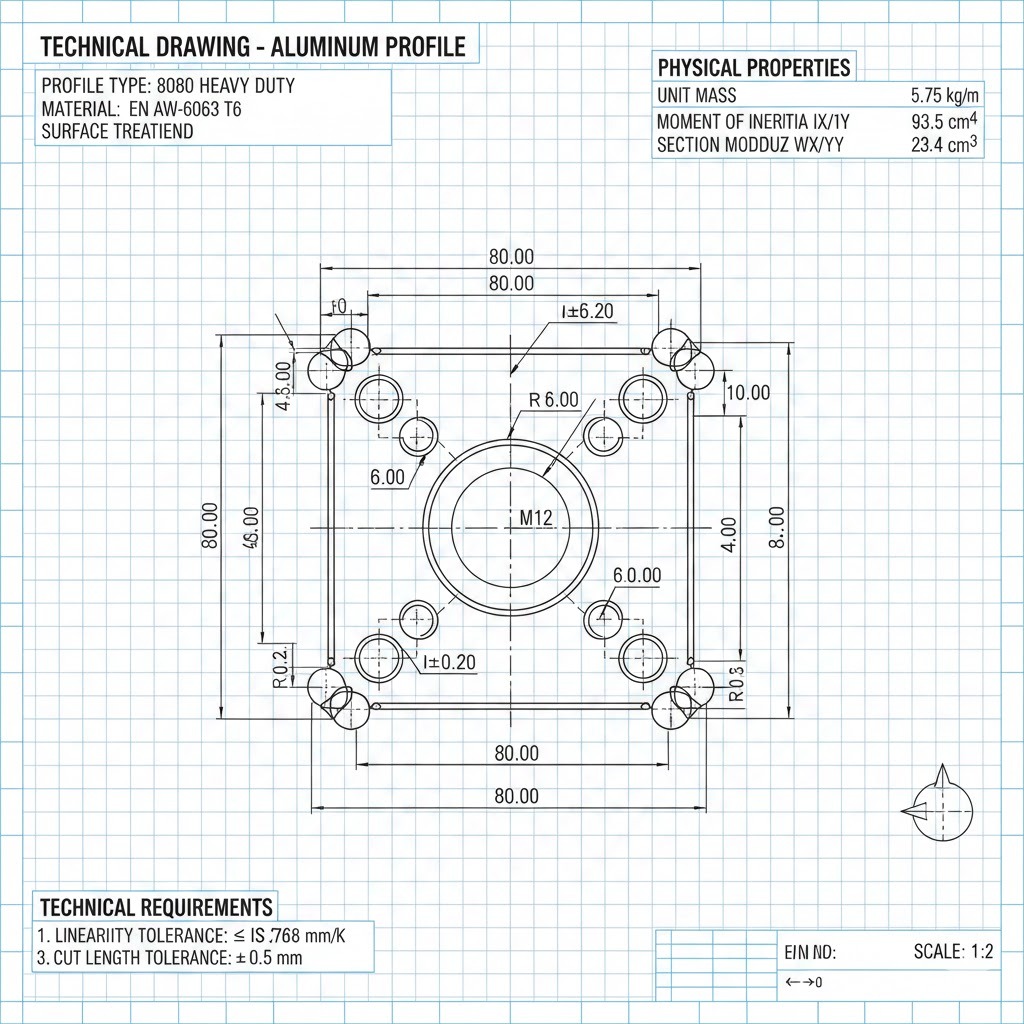
  1. Jenis Aloi (6061 vs 6063): Ini menentukan sifat mekanikal. 6061-T6 Adalah yang terbaik untuk kegunaan industri bertekanan tinggi. Ia menawarkan kekuatan yang sangat baik. Sebaliknya, 6063-T5 sedikit lebih lembut. Ia mempunyai kemasan permukaan yang unggul. Oleh itu, ia sempurna untuk aplikasi estetik di mana kualiti penganodan adalah kunci.
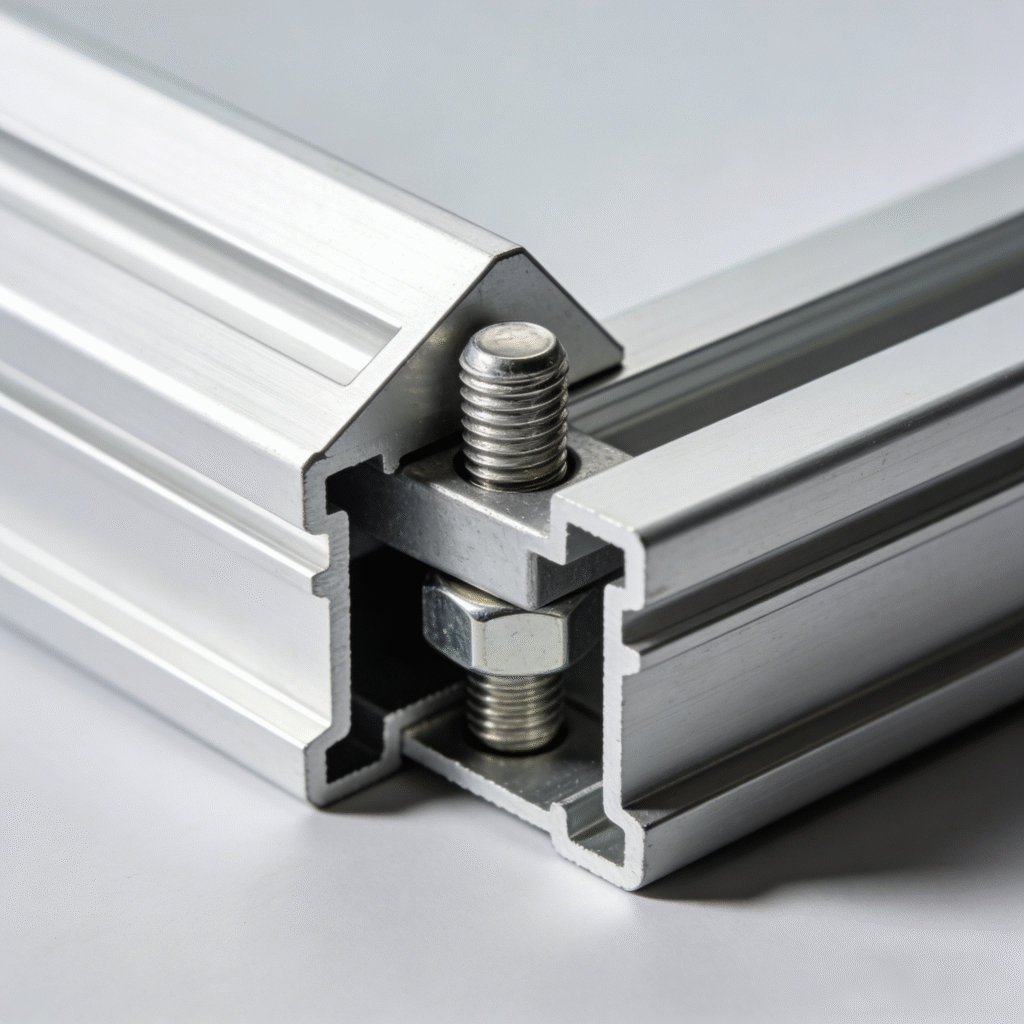
  2. Siri Profil: Nombor siri (contohnya 20, 40, 80) merujuk kepada dimensi. Siri yang lebih besar menyediakan kapasiti menahan beban yang lebih tinggi. Sebagai contoh, profil 8080 diperlukan untuk mesin berat. Manakala profil 2020 sesuai untuk rangka ringan.
  3. Kemasan Permukaan: Ini melindungi aluminium. Anodisasi mencipta lapisan keras yang tahan kakisan. Salutan serbuk Menawarkan kemasan warna tahan lasak terhadap calar.

Langkah 3: Nilai Keupayaan Pembekal

Mencari pembekal sama pentingnya dengan produk itu sendiri. Selain itu, anda perlu menilai mereka pada beberapa peringkat:

Sokongan Teknikal: Bolehkah mereka menyediakan lukisan CAD dan pengiraan beban? Pembekal yang boleh dipercayai seperti Guangdong Aolaibo Aluminium menawarkan sokongan kejuruteraan profesional.
Penyelamatan Kualiti: Adakah mereka menjalankan ujian kekuatan tegangan? Sijil ISO 9001 adalah petunjuk kualiti yang baik.

Logistik: Bekalan yang konsisten dan penghantaran tepat pada masanya memastikan projek anda mengikut jadual.

Langkah 4: Optimumkan dari segi kos dan pemasangan

Akhirnya, pertimbangkan kos keseluruhan projek. Baik Pemilihan Profil Aluminium Perindustrian melihat melebihi harga per meter.

  • Sistem Penyambungan: Pilihan braket dan penyambung mempengaruhi masa pemasangan. Pembekal yang baik menawarkan sistem lengkap.
  • Reka untuk Kebolehpembuatan: Menggunakan profil piawai mengurangkan kos. Walau bagaimanapun, untuk keperluan yang kompleks, keupayaan ekstrusi tersuai amat berharga.

Langkah Anda Seterusnya

Memilih bahan yang tepat melibatkan keseimbangan antara spesifikasi dan ekonomi. Dengan mengikuti pendekatan berstruktur ini, anda boleh menavigasi proses ini dengan yakin.

Adakah anda sedang bekerja pada projek tertentu? Guangdong Aolaibo Aluminium mempunyai kepakaran dalam kekuatan tinggi Pemilihan Profil Aluminium Perindustrian. Kami menyediakan penyelesaian fabrikasi tersuai yang lengkap. Kami menggabungkan bahan berkualiti dengan sokongan kejuruteraan. Oleh itu, kami merealisasikan reka bentuk anda dengan cekap.

Hubungi kami hari ini untuk konsultasi percuma atau untuk meminta sebut harga. Biarkan kepakaran kami menjadi asas bagi pembinaan berjaya anda yang seterusnya.
Rangka Aluminium Barisan Pengeluaran: 5 Rahsia Reka Bentuk Tugas Berat

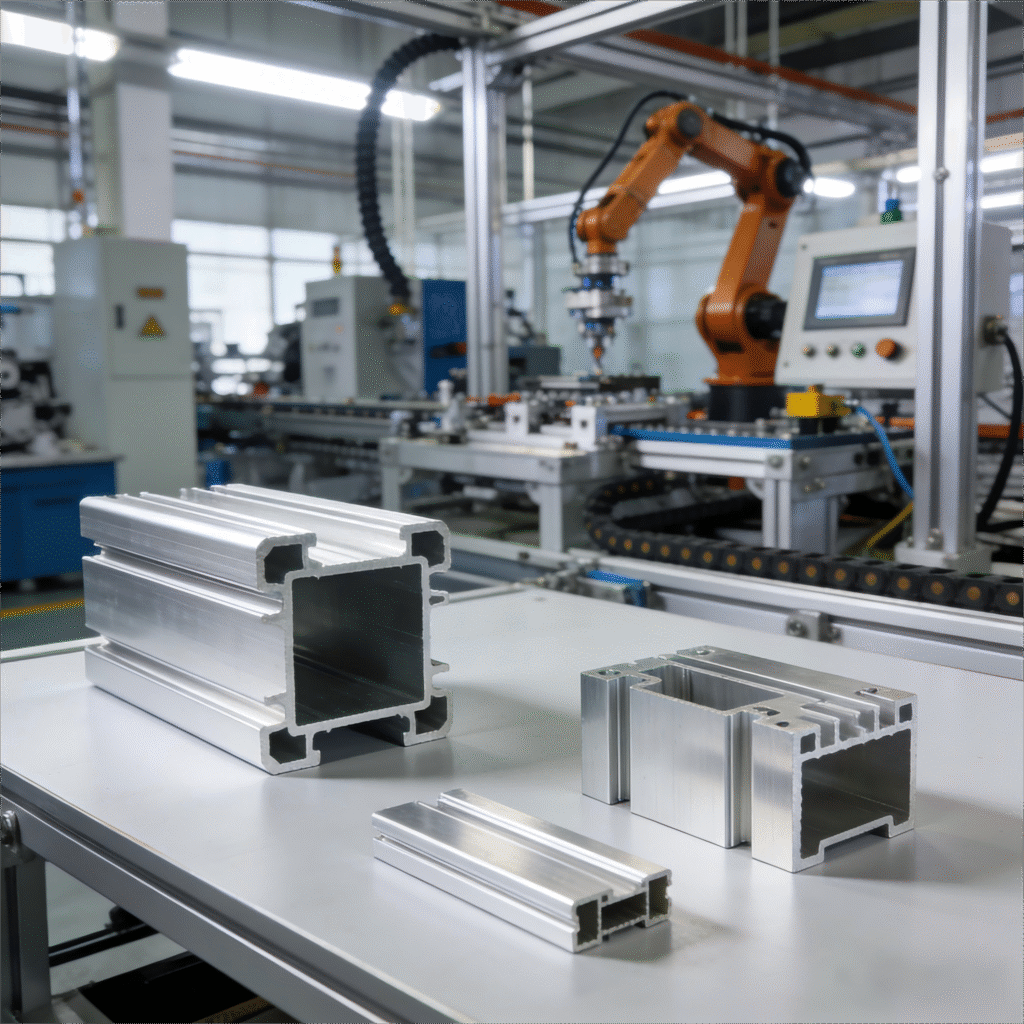
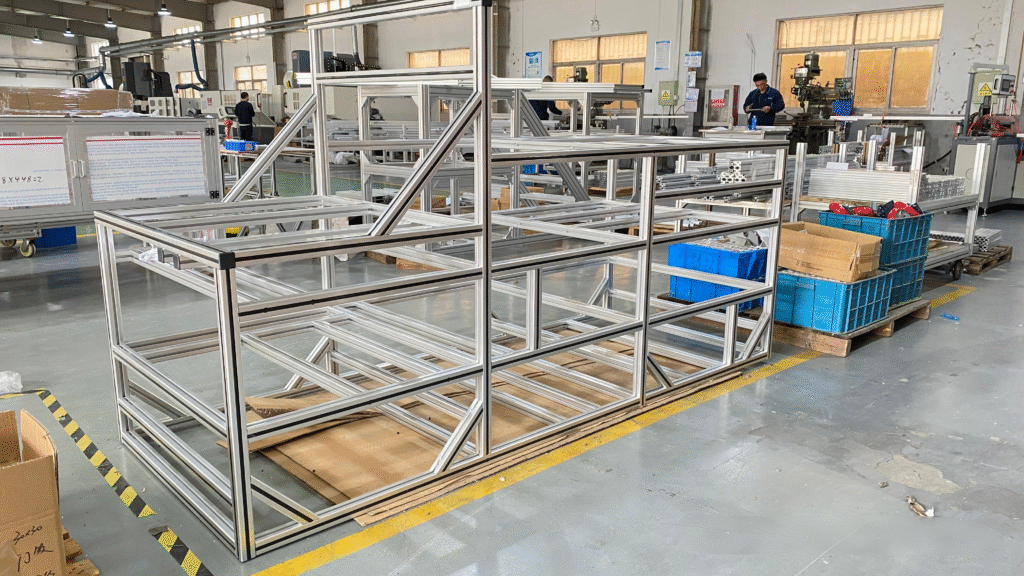
Kukuh Rangka Aluminium Barisan Pengeluaran merupakan tulang belakang automasi moden. Sifatnya yang ringan namun kukuh menjadikannya sesuai untuk menyokong mesin berat. Walau bagaimanapun, mereka bentuk rangka yang berkesan memerlukan perancangan teliti. Berdasarkan pengalaman industri Guangdong Aolaibo Aluminum, kami menggariskan 5 rahsia tugas berat. Ini akan membantu anda mengoptimumkan Rangka Aluminium Barisan Pengeluaran untuk prestasi yang lebih baik.

Rahsia 1: Kapasiti Muatan untuk Bingkai Aluminium Barisan Pengeluaran

Pertama, anda mesti menilai keperluan beban. Garis automatik sering membawa mesin berat, jadi kekuatan adalah sangat penting. Oleh itu, kami mengesyorkan menggunakan aloi aluminium 6061 atau 6063. Ia menawarkan nisbah kekuatan-ke-berat yang sangat baik.

Selain itu, anda mesti mengira beban statik dan dinamik. Ini mengelakkan deformasi atau kegagalan rangka. Laman web kami menyediakan spesifikasi aloi terperinci. Ini membantu anda memilih bahan yang tepat untuk kegunaan berat anda. Rangka Aluminium Barisan Pengeluaran.

Rahsia 2: Melaksana Reka Bentuk Modular untuk Fleksibiliti

Reka bentuk modular adalah trend yang semakin berkembang. Menggunakan profil aluminium piawai membolehkan pemasangan pantas. Oleh itu, anda boleh menyesuaikan atau mengembangkan bingkai anda dengan mudah. Pendekatan ini menjimatkan masa dan mengurangkan kos jangka panjang.

Sebagai contoh, anda boleh mengintegrasikan komponen baharu ke dalam struktur sedia ada. Guangdong Aolaibo Aluminium mempamerkan pelbagai penyelesaian modular. Ia sesuai untuk segala-galanya daripada stesen kerja kecil hingga yang besar. Rangka Aluminium Barisan Pengeluaran.

Rahsia 3: Pastikan ketepatan dan kecermatan

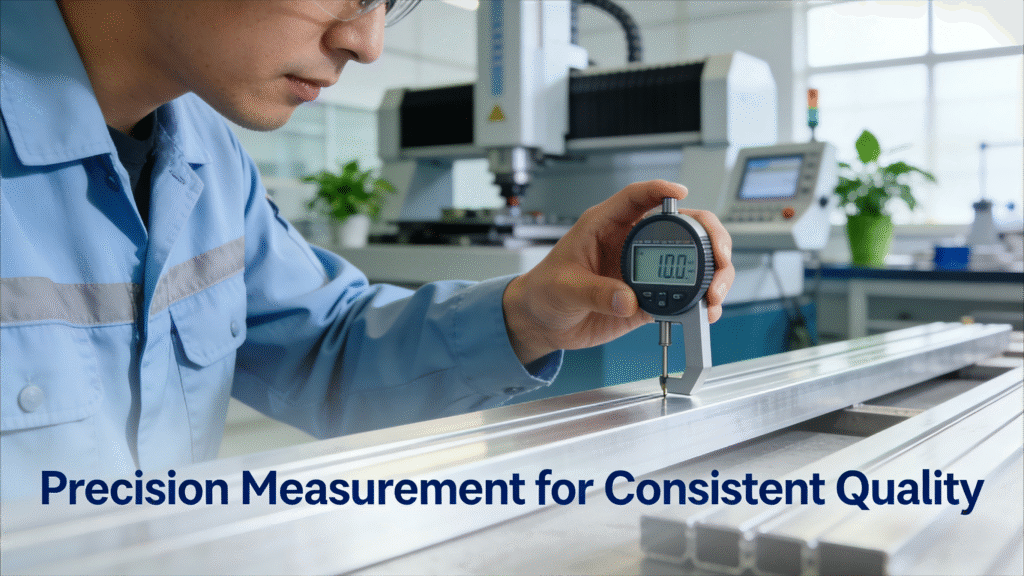
Ketepatan secara langsung mempengaruhi operasi yang lancar. Apabila memasang Rangka Aluminium Barisan Pengeluaran, Anda mesti mengekalkan toleransi yang ketat. Malah kesilapan kecil boleh menyebabkan getaran.

Secara khusus, kami menggunakan teknik pemprosesan canggih. Ini memastikan setiap profil memenuhi piawaian tinggi. Seperti yang ditunjukkan dalam kajian kes kami, bingkai tepat meningkatkan kecekapan keseluruhan peralatan.

Rahsia 4: Mengurangkan getaran untuk kestabilan

Peralatan automatik menghasilkan getaran. Walau bagaimanapun, ini boleh menjejaskan jangka hayat bingkai. Untuk meningkatkan kestabilan, masukkan elemen peredam ke dalam Rangka Aluminium Barisan Pengeluaran.

Selain itu, pastikan semua titik sambungan dikencangkan dengan ketat. Reka bentuk yang dirancang dengan baik membantu mengagihkan tegasan. Sumber laman web kami menawarkan lebih banyak petua mengenai pengurangan getaran untuk operasi yang lebih lancar.

Rahsia 5: Keutamakan Piawaian Keselamatan

Keselamatan adalah keutamaan utama dalam reka bentuk industri. Rangka mesti memenuhi piawaian antarabangsa seperti ISO atau OSHA. Ini melindungi pekerja dan peralatan.

Selain itu, sertakan ciri keselamatan seperti tepi bulat dalam reka bentuk anda. Semua produk daripada Guangdong Aolaibo Aluminium menjalani ujian yang ketat. Kami memastikan anda Rangka Aluminium Barisan Pengeluaran patuh secara global.

Kesimpulan

Secara ringkas, memberi tumpuan kepada beban, modulariti, dan ketepatan akan membantu anda membina yang cekap Rangka Aluminium Barisan Pengeluaran. Pertimbangan-pertimbangan ini memanjangkan jangka hayat barisan pengeluaran anda.

Untuk penyelesaian tugas berat yang disesuaikan, lawati Guangdong Aolaibo Aluminium. Layari katalog produk kami atau hubungi pasukan kami. Kami menawarkan sokongan profesional untuk membantu anda mencapai matlamat automasi anda.

ACP vs Pelapisan Aluminium: Bagaimana Memilih Bahan Fasad yang Betul?

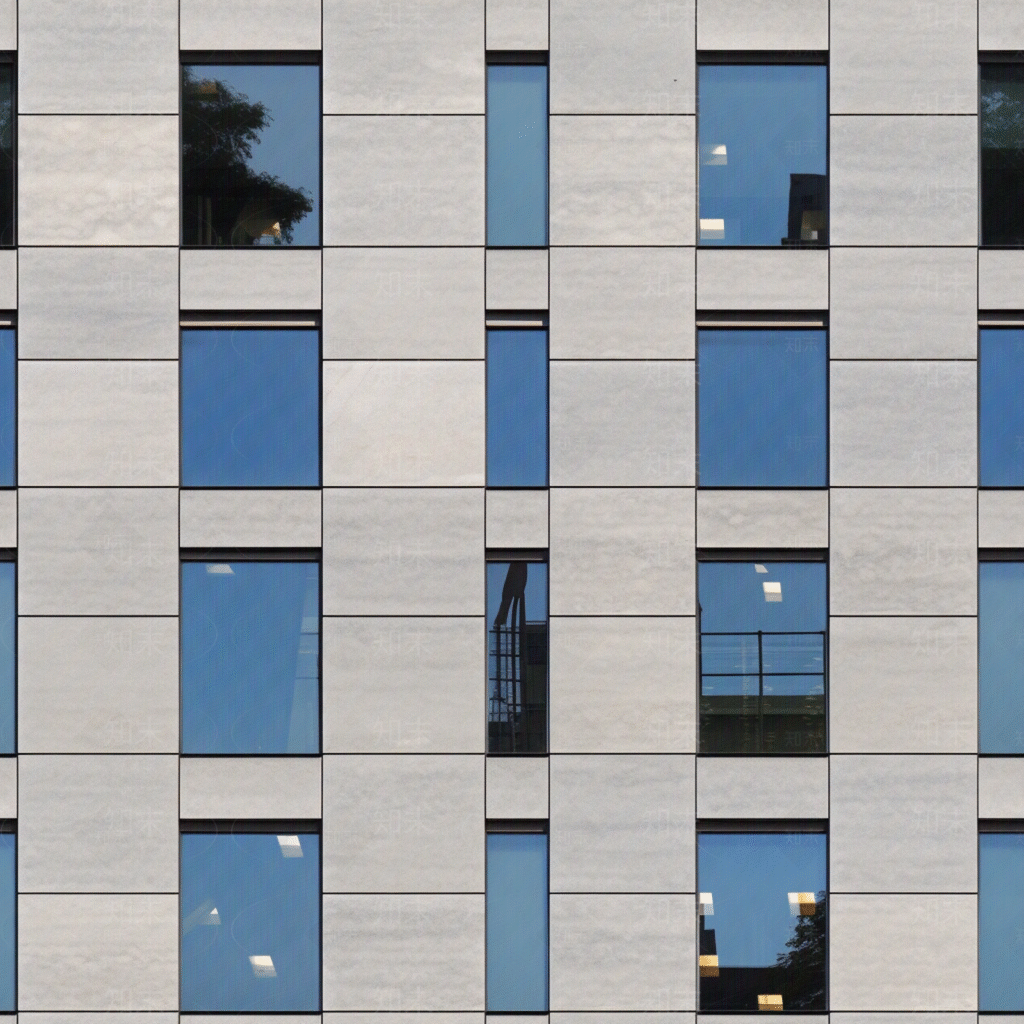
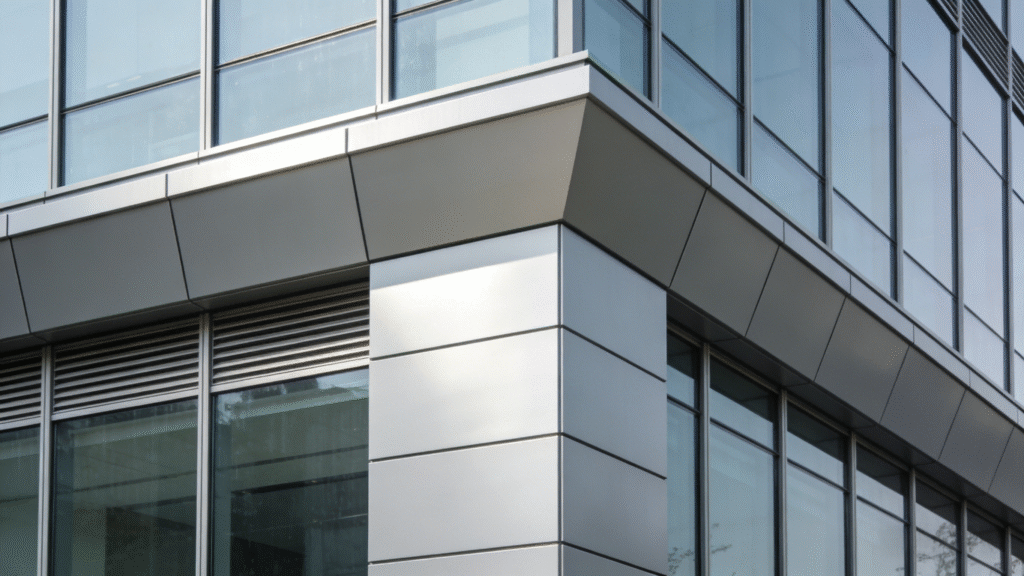
Struggling with the choice between ACP vs Aluminum Cladding for your building’s facade? You are not alone. Selecting the right material is a critical decision that impacts aesthetics, budget, and longevity. Two of the most popular choices are Aluminum Composite Panels (ACPs) and Aluminum Panels. This guide provides a clear comparison to help you unlock expert insights and find the best solution for your project.

Understanding Aluminum Composite Panels (ACPs)

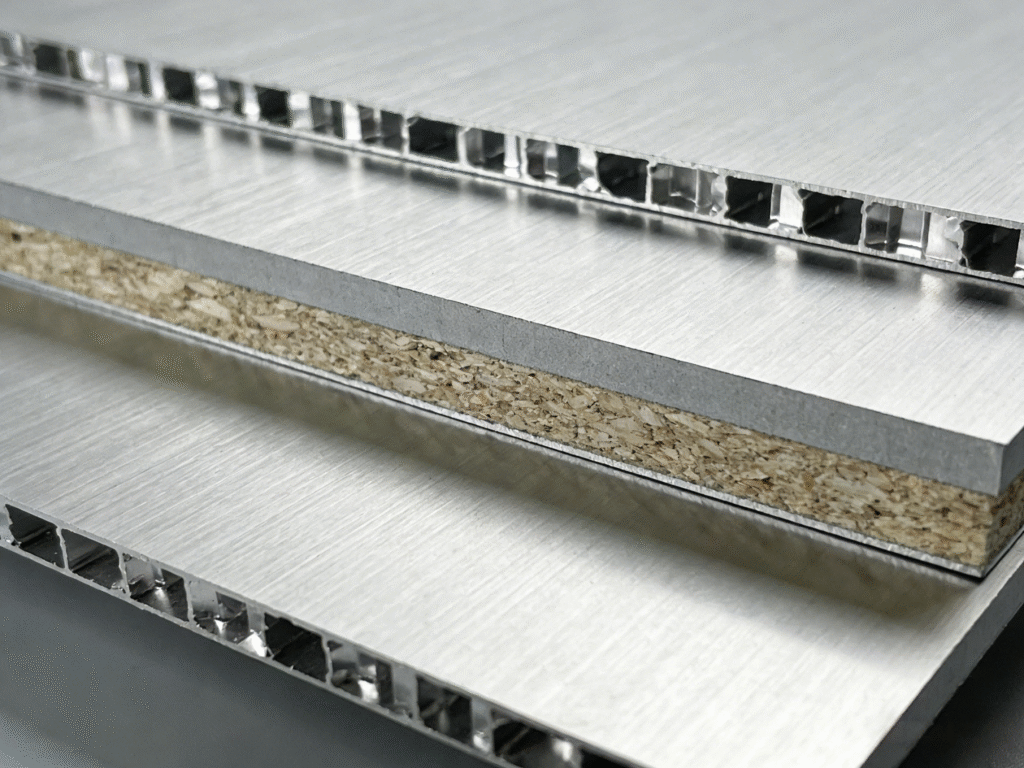
Aluminum Composite Panels consist of two thin aluminum sheets bonded to a core. This sandwich structure defines their key characteristics.

Furthermore, ACPs are remarkably lightweight. This makes them easier to install, often reducing labor costs. Additionally, they offer excellent flatness. They come in a vast array of colors and prints. This versatility allows for great creative freedom.

However, their performance depends on the core. Standard PE cores are cost-effective but combustible. For high-risk projects, fire-retardant mineral cores are essential.

Exploring Aluminum Cladding Panels

In contrast, regarding ACP vs Aluminum Cladding, the solid aluminum panel is made from a single sheet of alloy. They are fabricated by cutting and bending the metal.

The primary advantage of aluminum panels is superior strength. Being solid metal, they are highly impact-resistant. Moreover, they are non-combustible (A2/S1-d0). This meets the highest fire safety standards.

Additionally, aluminum panels excel in weather resistance. High-quality PVDF coatings provide exceptional protection against UV rays. Consequently, they have a very long service life.

Key Comparison: Cost, Safety, and Durability

Let’s break down the comparison into clear factors to help you decide:

  • Weight: ACPs are lighter, leading to simpler support structures.
  • Finish: Both offer excellent flatness. ACPs provide more decorative prints. Aluminum panels excel in solid metallic tones.
  • Durability: Aluminum panels are generally stronger. They are the preferred choice for demanding environments.
  • Fire Safety: Solid aluminum panels are non-combustible. ACPs require specific mineral cores to ensure safety.
  • Cost: Typically, ACPs have a lower initial material cost. Aluminum panels offer longevity that provides better long-term value.

Making the Right Choice for Your Project

So, which material is best? Consider this simple guide on ACP vs Aluminum Cladding:

Choose Aluminum Composite Panels (ACPs) if: Your project prioritizes budget-friendly costs or requires complex decorative prints. Aolaibo offers high-quality ACPs with various core options.

Choose Aluminum Panels if: Your project demands maximum durability and superior fire safety (e.g., high-rises, airports). As a specialist manufacturer, Aolaibo provides precision-fabricated panels.

Kesimpulan

Ultimately, the best choice balances design, budget, and regulations. By understanding the differences in ACP vs Aluminum Cladding, you can select the material that performs flawlessly.

Ready to choose the ideal AlloyPro facade solution for your build? Visit Guangdong AlloyPro Aluminum to explore our full range. Contact us today to unlock more expert insights for your project.

Perdebatan Anodisasi vs Salutan Serbuk untuk Aluminium

The anodizing vs powder coating debate remains critical for industrial aluminum profiles today. Therefore, surface finishing is not just about aesthetics anymore. It is a critical process that enhances corrosion resistance directly. Consequently, choosing between these dominant technologies can be challenging. Thus, this professional guide clearly explains both finishing methods completely. Ultimately, we help you make the absolute best decision for your project.

Anodizing vs Powder Coating: The Anodizing Edge

Anodizing is a highly effective electrochemical process perfectly. Therefore, we immerse the aluminum profile in an electrolyte bath. This process creates a thick aluminum oxide layer instantly. Moreover, this layer transforms the base metal completely.

  • Exceptional Durability: The oxide layer offers superior abrasion resistance always.
  • Heat Dissipation: It retains thermal conductivity incredibly well for electronics.
  • Natural Look: It provides a professional metallic grain effortlessly.
  • Best Uses: Ultimately, anodizing is ideal for precision machine frames.

Anodizing vs Powder Coating: The Powder Coating Process

Powder coating uses a brilliant physical application process instead. Therefore, we apply electrostatically charged powder to the raw aluminum. The profile then cures in a hot oven quickly. Thus, it forms a perfectly smooth and tough protective film.

  • Vast Colors: You can access virtually any custom RAL color easily.
  • Ketahanan Korosi: The thick film blocks harmful UV rays effectively.
  • Uniform Coverage: This process ensures incredibly even coverage always.
  • Best Uses: Consequently, powder coating is perfect for architectural facades.

How to Choose: Anodizing vs Powder Coating

Your final choice depends on your specific project requirements. Therefore, we provide a direct professional comparison here.

  • Appearance Match: Choose anodizing for a sleek metallic look easily. Conversely, powder coating provides incredibly vibrant solid colors.
  • Performance Needs: Anodizing excels for extreme daily abrasion resistance. Moreover, powder coating offers superior weather barrier protection.
  • Kecekapan kos: Standard anodizing is often highly cost-effective generally. Thus, powder coating becomes economical for specific custom colors.

Conclusion for Your Aluminum Projects

At Guangdong AlloyPro Aluminum, we operate advanced lines perfectly. Our expert team offers comprehensive free consultations daily. Contact us to discuss anodizing vs powder coating directly. Ensure your industrial aluminum profiles are built to last permanently.

Modular Aluminum Profile Systems: The Backbone of Agile Smart Factories

Industry 4.0 is revolutionizing manufacturing. It focuses on creating connected and highly adaptable factories. However, traditional fixed steel structures often slow down this transformation. In contrast, Modular Aluminum Profile Systems are becoming the essential framework for the future. Think of them as industrial building blocks. They provide the flexibility needed for rapid change and continuous improvement.

1.Enable Rapid Deployment with Modular Aluminum Profile Systems

Speed is crucial in modern manufacturing. Modular Aluminum Profile Systems allow for incredibly fast assembly. You can build structures using standard parts and simple tools. Specifically, no welding is needed. This drastically cuts the time from design to a working production line.

Additionally, these systems make prototyping easy. You can quickly build a full-scale model to test your layout. This agility lets you respond to new market demands without major delays.

2. Offer Unmatched Flexibility and Scalability

The true value of a smart factory lies in adaptation. Modular Aluminum Profile Systems excel here. You can easily reconfigure, extend, or repurpose the system as needs change. Modify a workstation in hours or redesign a full layout over a weekend.

This approach also protects your investment. You can reuse components in new configurations instead of scrapping them. Consequently, this supports lean manufacturing by allowing your floor plan to evolve seamlessly.

3. Simplify Automation and Tech Integration

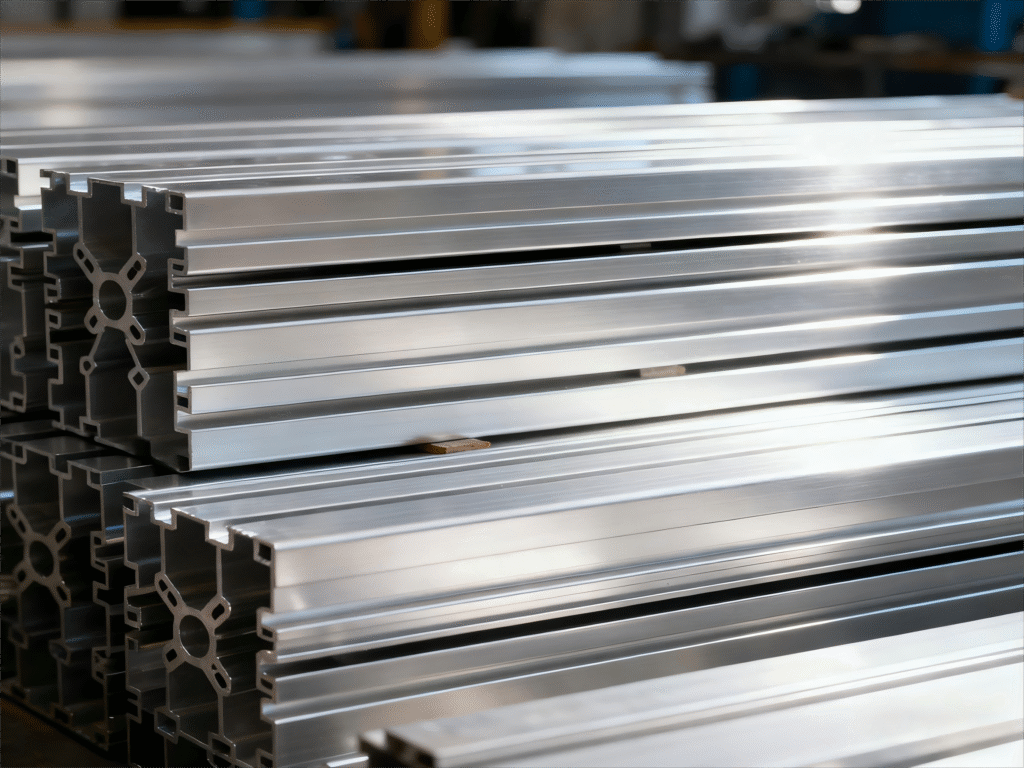
Smart factories rely on data. Modular Aluminum Profile Systems provide a perfect platform for this. They offer a rigid structure to mount robots and sensors. The integrated T-slots allow for secure mounting of any component.

Furthermore, the open design makes cable management simple. You can neatly organize power and data lines for your IoT devices. This ensures reliable operation and easy maintenance.

4. Support a Sustainable and Efficient Workspace

Beyond flexibility, Modular Aluminum Profile Systems create a better environment. Aluminum is strong yet lightweight. This makes structures safer and easier to handle.

Moreover, the material is corrosion-resistant and fully recyclable. This supports your sustainability goals. The modular nature helps organize the workspace efficiently. A clean floor is essential for high-quality production.

Build Your Agile Future Today

To succeed in Industry 4.0, your factory must be agile. Modular Aluminum Profile Systems are a strategic tool for innovation. They empower you to implement changes fast and cut downtime.

Ready to build the foundation of your smart factory? Explore our precision-engineered Modular Aluminum Profile Systems. Contact our engineering team for a consultation on your next project.

How to Protect Aluminum Profile Shipment: A Professional Guide

Securing your order doesn’t end with production. Knowing how to Protect Aluminum Profile Shipment is the final, critical step. Professional packaging and anti-corrosion treatment determine if your products arrive in perfect condition. Proper methods prevent costly damage. Therefore, this guide ensures your investment is fully protected from our factory to your site.

The Foundation: Cleaning to Protect Aluminum Profile Shipment

We start by ensuring every profile is clean. Residual oils or moisture can trap corrosive agents. Consequently, our process includes thorough degreasing followed by complete drying. This step creates the ideal surface. It allows all subsequent measures to Protect Aluminum Profile Shipment effectively.

Advanced Protection: VCI Technology

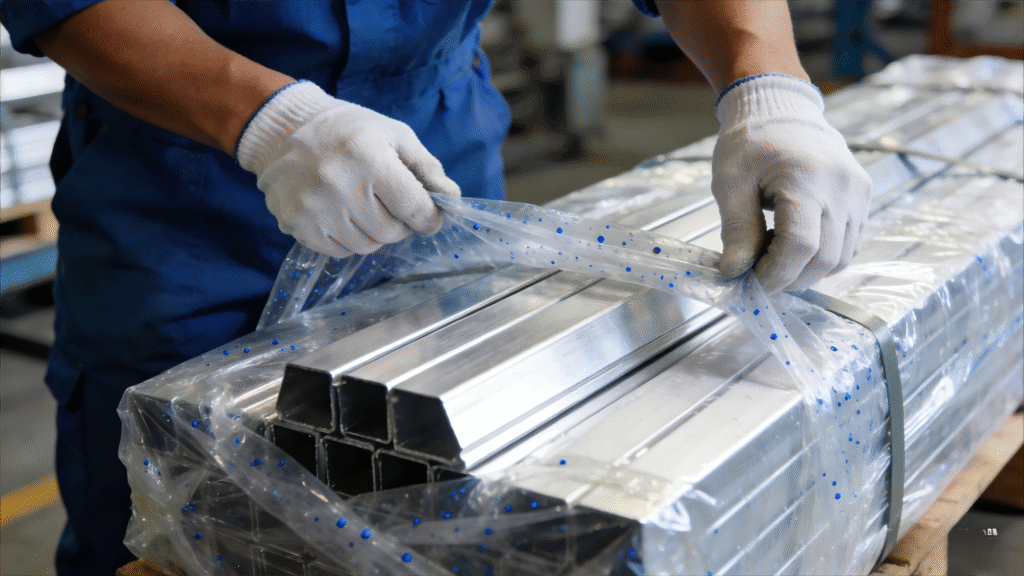
For long sea voyages, standard wrapping is insufficient. VCI (Vapor Corrosion Inhibitor) technology provides superior defense. We place special VCI papers within the bundles. These papers release a protective vapor. This forms an invisible shield over the metal. This method actively helps Protect Aluminum Profile Shipment against salt air and humidity.

Building the Shield: Robust Packaging

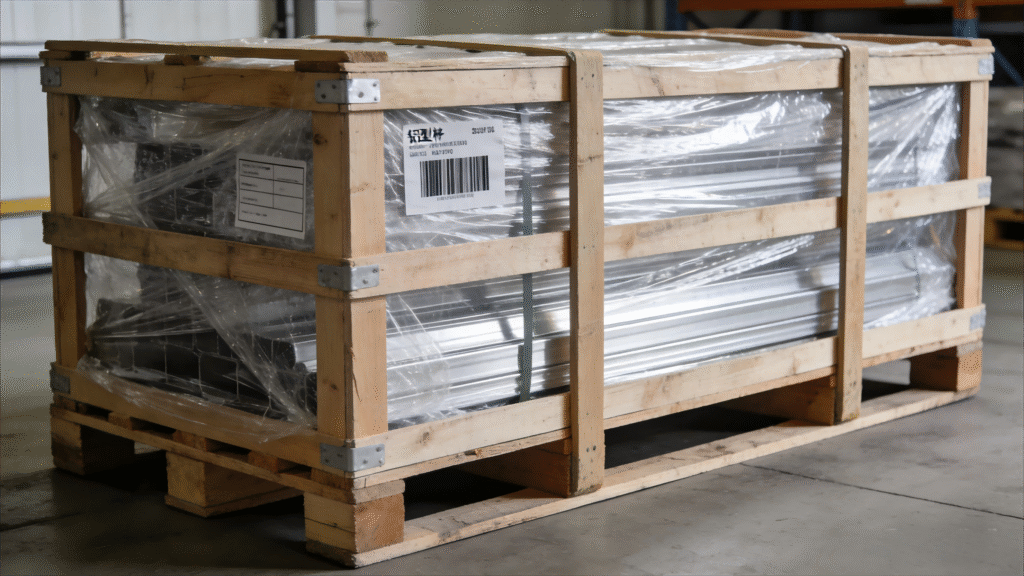
The external crate is the main defense. We use dry, sturdy timber to build frames that withstand stacking. Inside, profiles are secured to prevent movement. Additionally, we incorporate waterproof barriers to guard against rain. Clear labels like “Fragile” help Protect Aluminum Profile Shipment throughout the logistics chain.

Ensuring Lasting Quality: Storage Upon Arrival

Your actions upon receipt are crucial. Move packages to a dry, indoor area immediately. Keep the original packaging intact until use. For extended storage, ensure good ventilation. If you notice condensation, dry the surfaces promptly. This is vital to Protect Aluminum Profile Shipment from late-stage corrosion.

Kesimpulan

Investing in expert packaging is an investment in security. It prevents the hidden expenses of damage. At Aolaibo Aluminum, our integrated process ensures we Protect Aluminum Profile Shipment effectively. From meticulous cleaning to VCI protection, we ensure your profiles arrive ready for installation.

How Aluminum Die Optimization Maximizes Material Yield

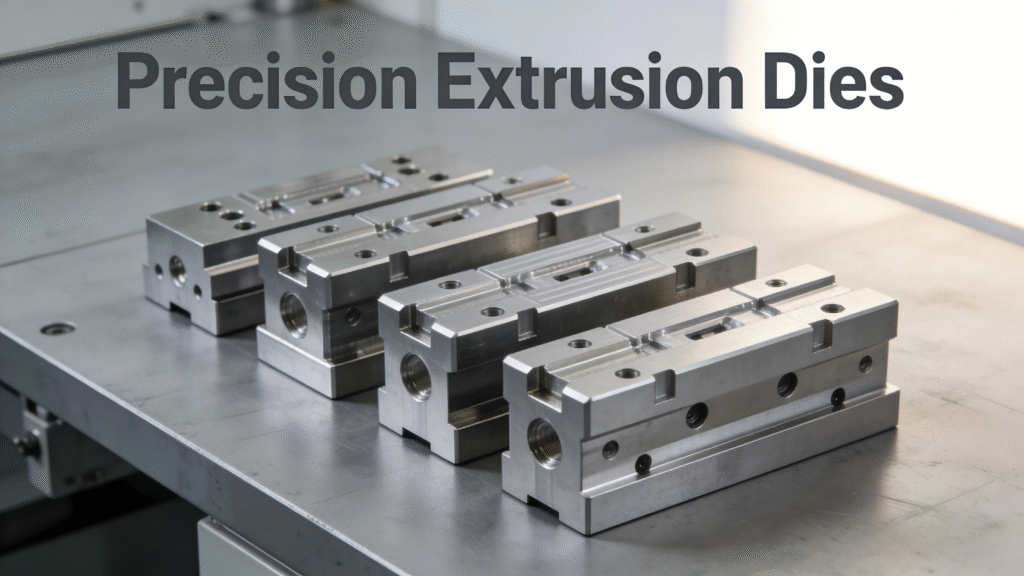
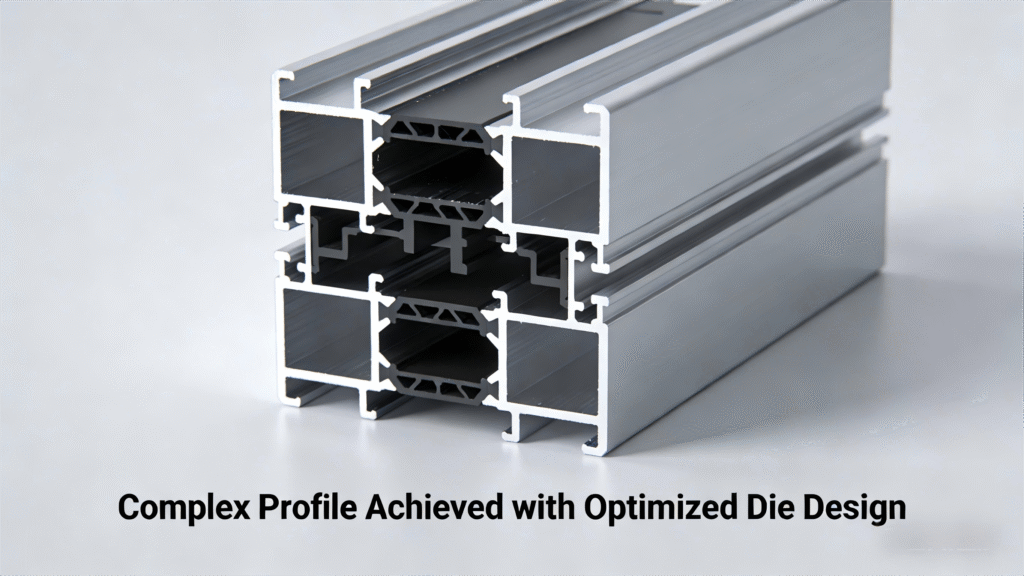
In aluminum extrusion, material cost represents a significant portion of the total expense. Therefore, improving utilization is crucial for reducing costs. Aluminum Die Optimization plays a central role in this effort. Through targeted improvements, manufacturers can effectively minimize scrap. This directly enhances output and sustainability for AlloyPro clients.

1. Leveraging Simulation for Aluminum Die Optimization

Modern die design begins with computer simulation. We use specialized software to simulate metal flow before manufacturing. This virtual testing is a key part of Aluminum Die Optimization. It allows us to identify issues like uneven flow speed.

Modern die design begins with computer simulation. We use specialized software to simulate metal flow before manufacturing. This virtual testing is a key part of Aluminum Die Optimization. It allows us to identify issues like uneven flow speed.

2. Bearing and Port Design in Aluminum Die Optimization

The design of the bearing and port holes is critical for efficiency. In our Aluminum Die Optimization process, we strategically adjust the bearing length. This controls metal flow speed uniformly.

Additionally, we optimize the port holes to reduce resistance. This optimization lowers the required extrusion pressure. A smoother flow not only saves energy but also reduces wear. More importantly, it prevents defects like tears, directly leading to higher quality output.

3. Implementing High-Strength Coatings for Longevity

Die longevity directly impacts material consistency. We apply advanced surface coatings, such as nitriding or PVD, to the dies. This is a vital step in Aluminum Die Optimization. These coatings dramatically increase surface hardness.

A harder die maintains its precise shape longer. This means the first extrusion and the ten-thousandth one have identical accuracy. Furthermore, a well-protected die resists adhesion. This reduces downtime for cleaning and minimizes scrap during start-ups.

Kesimpulan

In summary, Aluminum Die Optimization is a systematic approach. It combines simulation, precision design, and surface engineering. It transforms the die into a vital component for efficiency.

By investing in these optimizations, AlloyPro achieves a substantial increase in material yield. This translates to cost savings and reliable, high-quality aluminum profiles for our clients.

Is Aluminum Windows Better Than Wood? The Ultimate Comparison

Windows play a crucial role in any building, providing natural light and ventilation. In recent years, there has been a growing trend towards the use of aluminum. In this article, we explore the debate of Aluminum vs Wood Windows. We will help you make an informed decision when choosing the ideal material for your needs with AlloyPro.

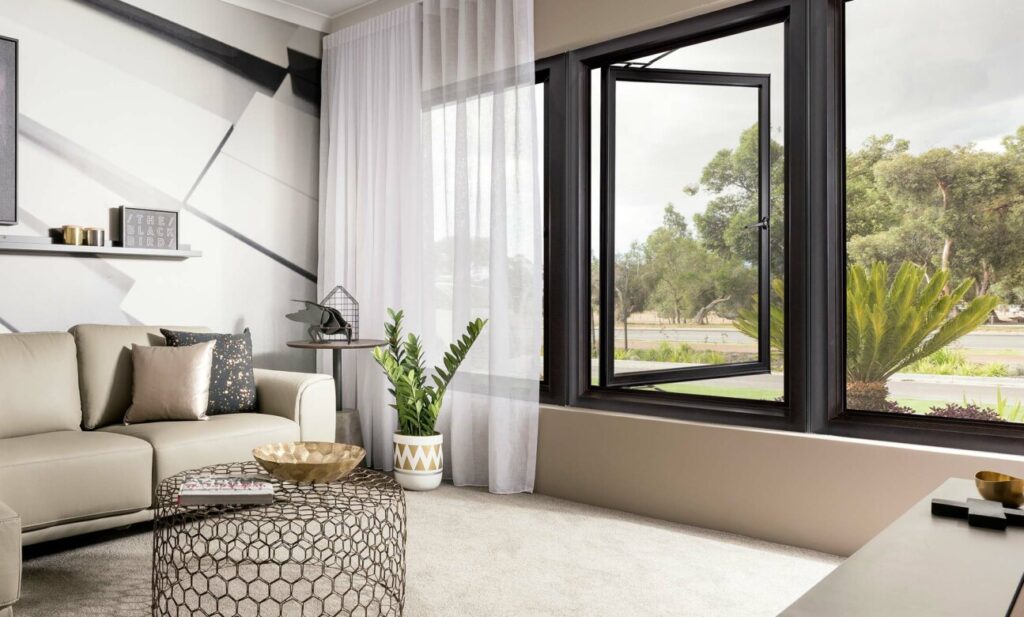
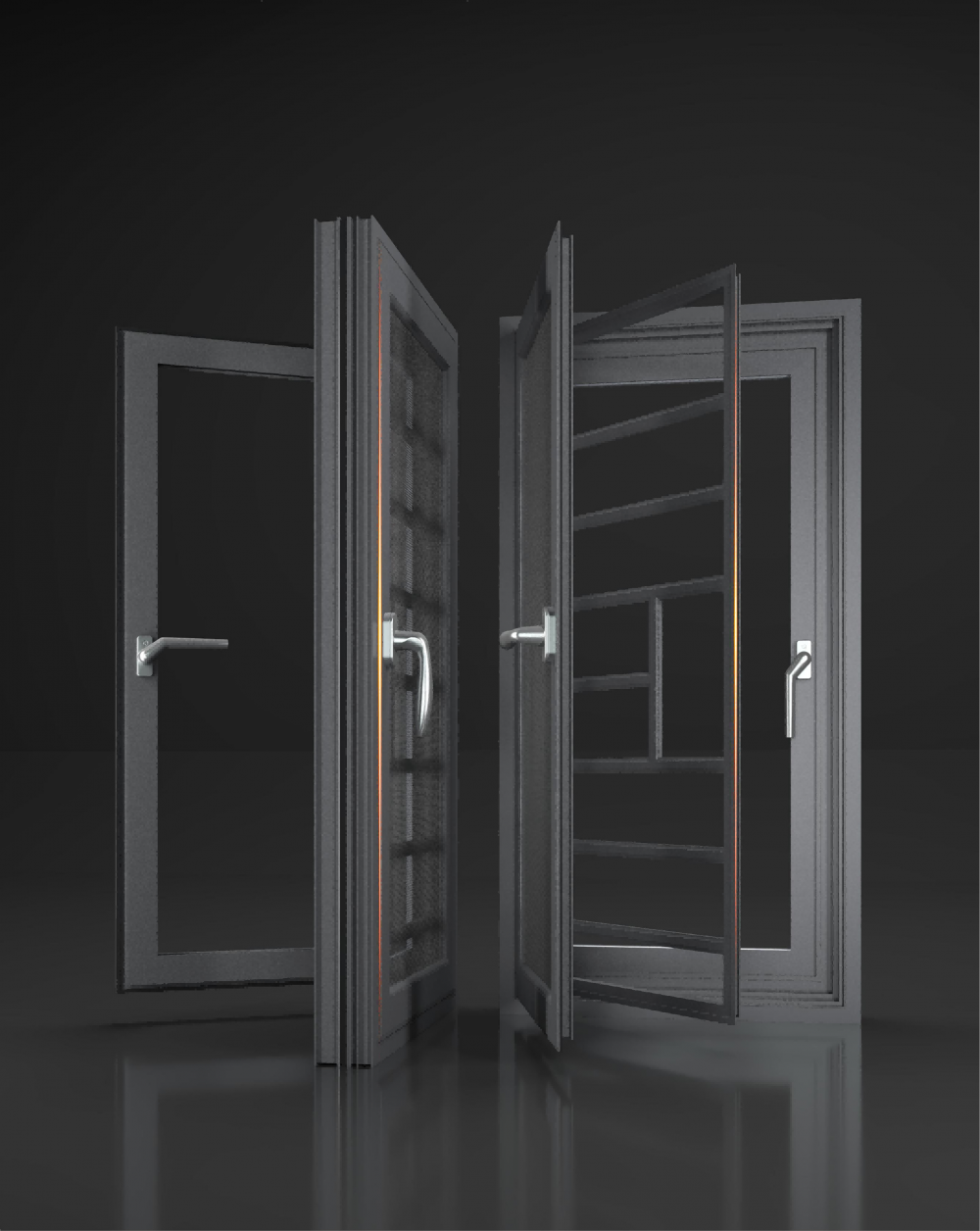
Xmfd108 6063 T5 Extruded Aluminium Profiles For Sliding Window Casement Window

1.Benefits of Aluminum in the Aluminum vs Wood Windows Debate

Aluminum windows offer several advantages that make them a popular choice. Firstly, their durability is unmatched in the Aluminum vs Wood Windows comparison. They are resistant to rot, warping, and cracking.

Additionally, aluminum windows require minimal maintenance. This saves you time and effort. Moreover, they are highly energy-efficient thanks to insulation properties. Furthermore, the design flexibility of AlloyPro profiles allows for sleek styles. Lastly, they offer enhanced security features for your home.

2.Advantages of Wood in the Aluminum vs Wood Windows Comparison

While aluminum has merits, wood windows have unique advantages. In the Aluminum vs Wood Windows context, the natural beauty of wood is unparalleled. It adds warmth to any home.

Wood windows also provide excellent insulation, reducing energy consumption. Furthermore, wood is a renewable resource. This makes it a sustainable choice for those concerned about the planet.

3.Cost and Value: Aluminum vs Wood Windows

When comparing Aluminum vs Wood Windows, it is important to consider both initial investment and long-term value. Aluminum windows tend to have a higher upfront cost due to manufacturing.

However, they offer long-term value through durability. This leads to cost savings over time. On the other hand, wood windows may have a lower initial cost. However, they require more maintenance. Consequently, this results in higher long-term expenses.

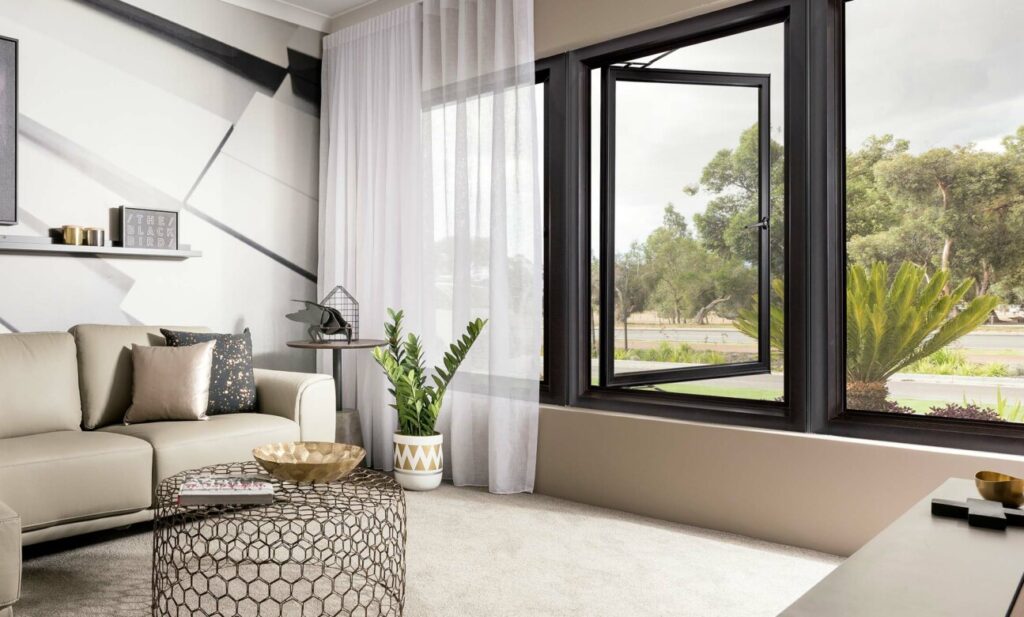
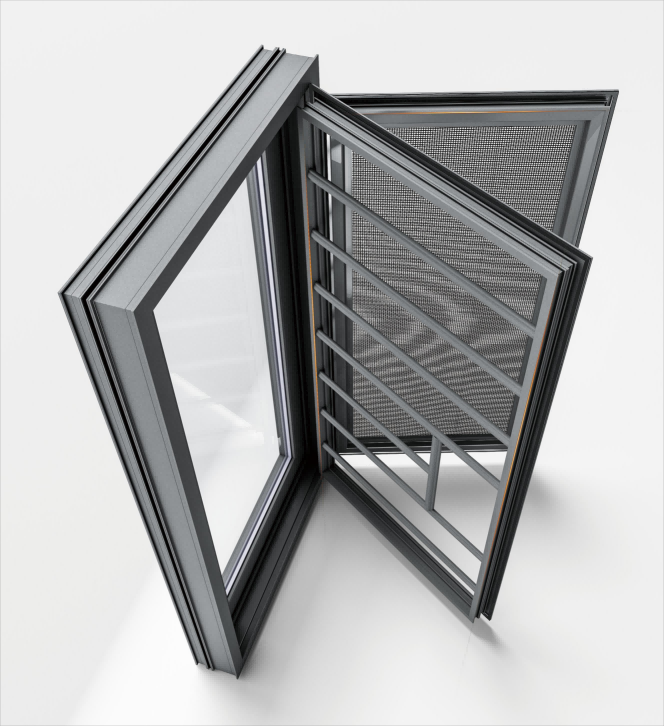
Xmgr108 Aluminum Thermal Barrier Casement Window

4. Making the Choice: Aluminum vs Wood Windows

Several factors should be considered when deciding on Aluminum vs Wood Windows.

  • Climate: Aluminum windows are highly resistant to harsh weather.
  • Design: Both materials offer distinct aesthetics.
  • Maintenance: Aluminum requires less upkeep and tends to last longer.
  • Persekitaran: Wood is sustainable but requires responsible sourcing.

Kesimpulan

Choosing between Aluminum vs Wood Windows ultimately comes down to personal preference. While aluminum offers durability and low maintenance, wood provides natural beauty.

By considering factors such as climate and budget, you can make an informed decision. Whether you opt for sleek aluminum or timeless wood, AlloyPro can help enhance your home.

How to Reduce Aluminum Costs: 5 Smart Tips for Engineers

For engineers and buyers, controlling expenses is key. True savings start with smarter choices. Choosing the cheapest option can risk quality. Instead, focus on optimizing the entire process. Here are five practical strategies to effectively Reduce Aluminum Costs dengan AlloyPro.

Here are five practical strategies to reduce your total aluminum expenditure effectively.

1. Collaborate Early to Reduce Aluminum Costs

Involving your supplier at the design stage is the most effective way to save. Their engineers can spot opportunities you might miss.

  • How it helps: They can suggest design tweaks for easier manufacturing. This leverages expert knowledge.
  • Key benefit: Early input prevents costly changes later. This is a primary way to Reduce Aluminum Costs effectively.

2. Optimize Design to Reduce Aluminum Costs

Design determines up to 80% of the cost. Overly complex designs waste material.

  • Smart approach: Simplify the cross-section. Use hollow sections to save weight. Standardize angles to ease production.
  • Core principle: Design for manufacturability. The goal is to use the least material while meeting requirements. This strategic design helps Reduce Aluminum Costs significantly.

3. Choose the Right Alloy Wisely

Not every project needs premium-grade aluminum. Selecting an alloy that’s “too good” is a source of waste.

  • Match alloy to function: For structural parts, 6061-T6 is strong. For trims, 6063-T5 performs well at a lower price.
  • Ask your supplier: Describe the environment. A reliable supplier like AlloyPro can recommend the most economical alloy.

4. Leverage Standard Profiles

Fully custom profiles require new molds. This adds significant upfront expense.

  • First check standards: Always review your supplier’s catalog. A minor adjustment to fit a standard option saves mold investment.
  • Consider modification: If a standard profile isn’t perfect, ask for a small modification. This is cheaper than a new design.

5. Total Cost Strategy to Reduce Aluminum Costs

The initial price is only part of the story. Consider the total cost of ownership.

  • Factor in processing: An alloy with better machinability might cost more but reduces machining time.
  • Value partnership: A supplier who ensures on-time delivery saves you from hidden delays. This holistic view is vital to Reduce Aluminum Costs in the long run.

Kesimpulan

Effective cost reduction comes from strategic planning. By partnering with AlloyPro Aluminum, you achieve the balance between performance and budget.

For specific advice on how to Reduce Aluminum Costs for your project, contact our engineering team today.

Tatal ke atas