





Adresse

Guangdong, China

E-Mail

postmaster@alloypro.net

The Ultimate Guide to Industrial Aluminum Profile Selection

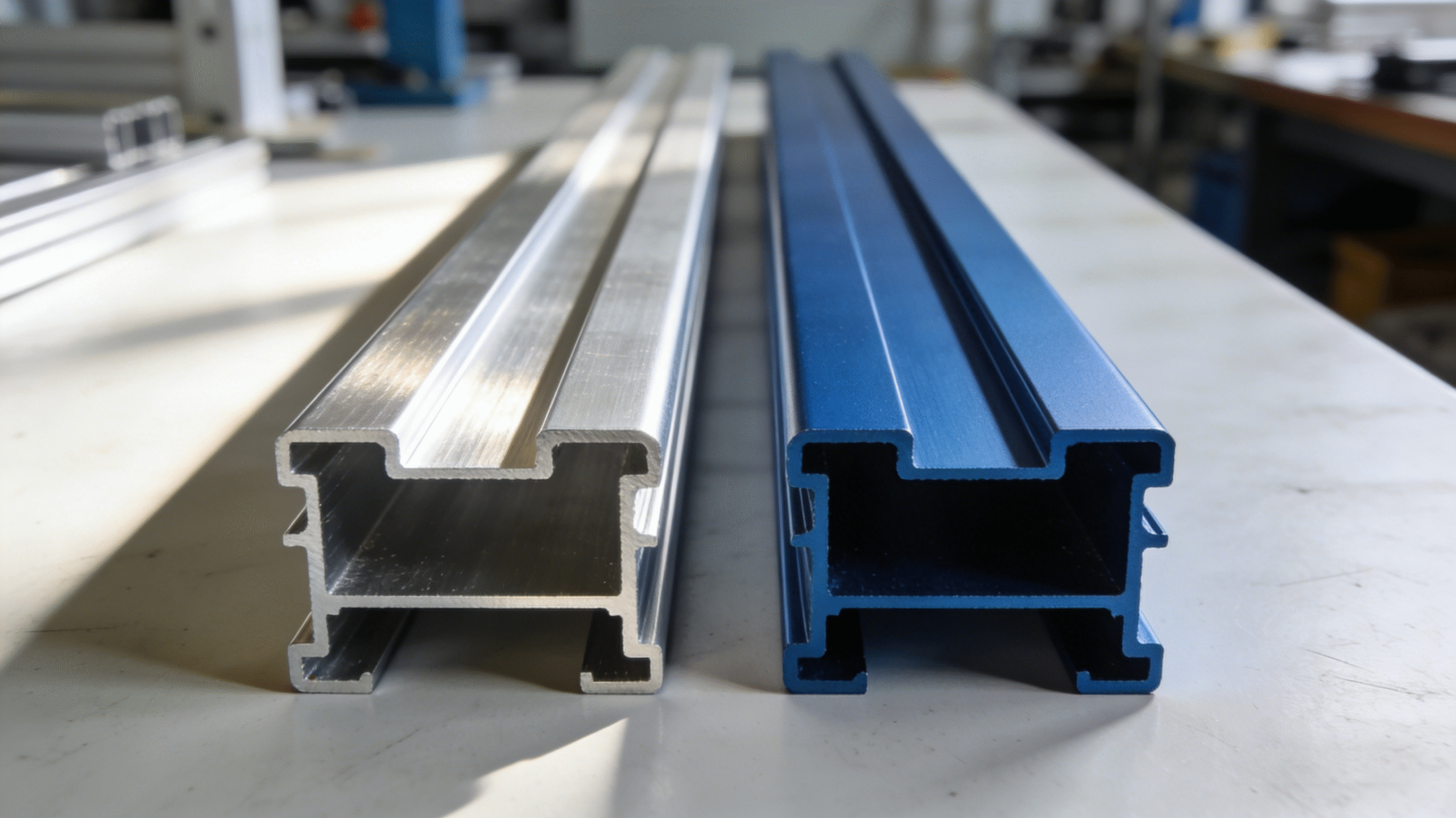
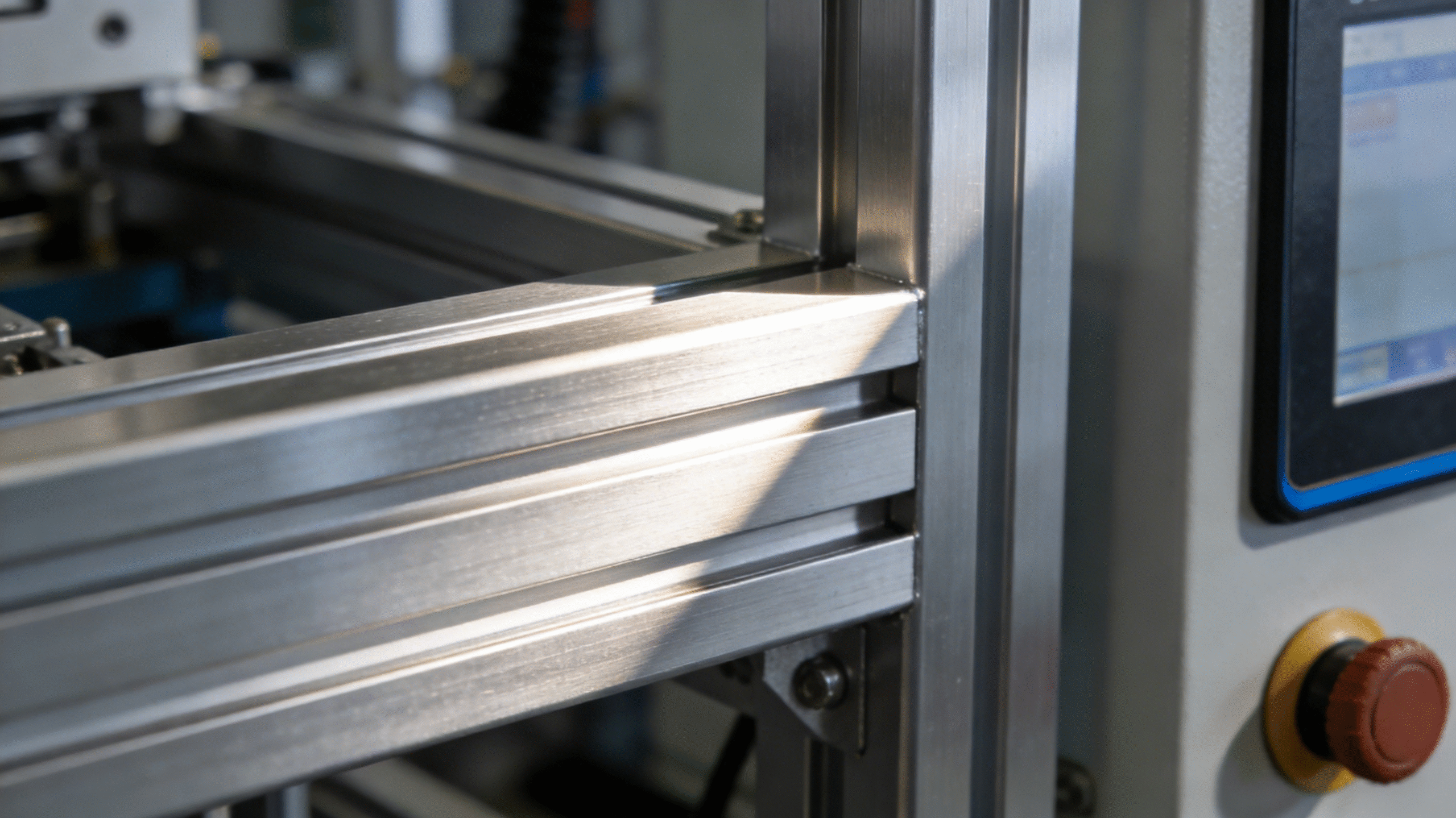
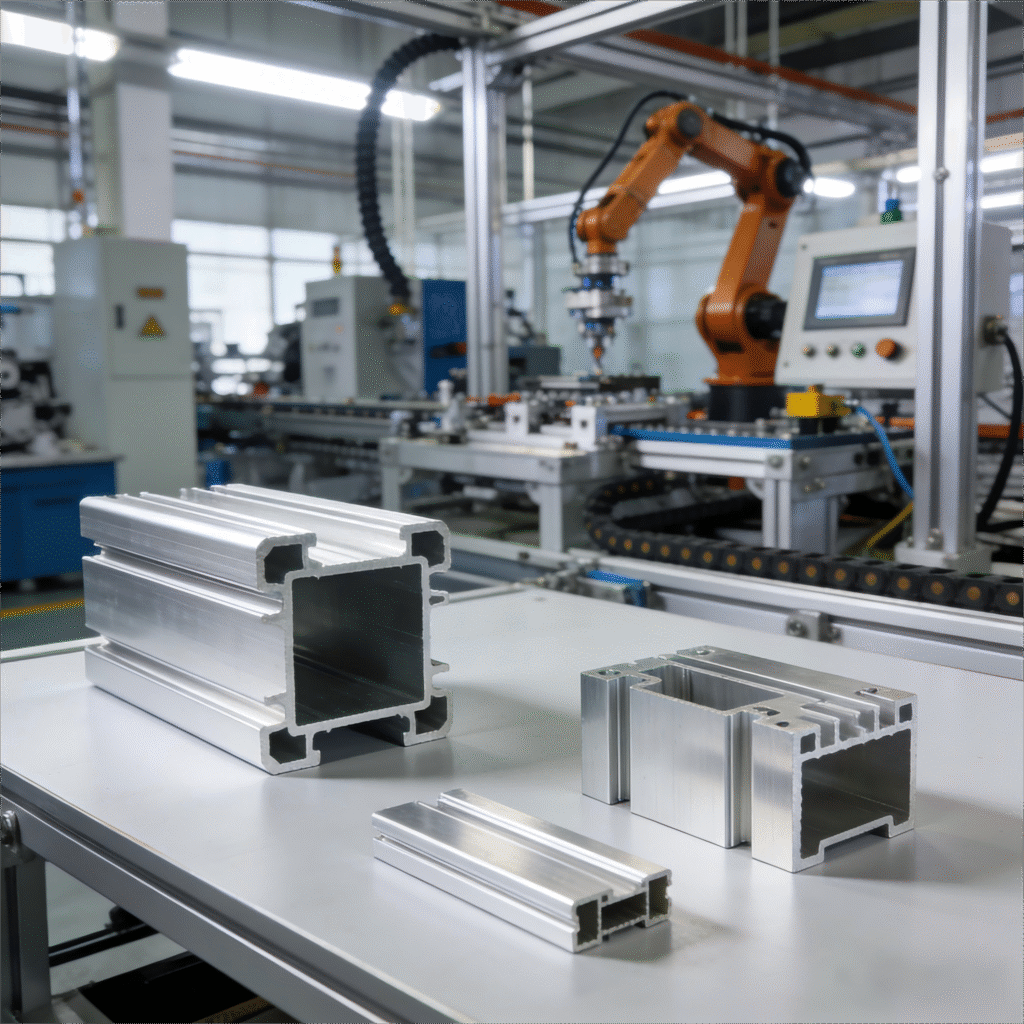
Correct Industrial Aluminum Profile Selection is crucial for the success of your project. However, the process can be confusing. There are many specifications and options available. Therefore, this guide will walk you through the key steps. We will help you make an informed decision for applications like factory automation frames, machine guarding, and custom heavy-duty structures.

Step 1: Define Your Application Requirements

First, you must clearly understand what you need. Before starting your Industrial Aluminum Profile Selection, ask yourself these questions:

  • Function: Is it for structural framing, a safety guard, or a conveyor system?
  • Load: Will the profile bear heavy static loads or dynamic forces? Specifically, this influences the profile size and wall thickness.
  • Umwelt: Consider exposure to chemicals, moisture, or heat. This affects the choice of alloy and surface treatment.

Clearly defining these points upfront saves time. Also, it prevents costly mistakes later in the process.

Step 2: Understand Key Profile Specifications

Now, let’s break down the technical details. To master Industrial Aluminum Profile Selection, focus on these three core parameters:

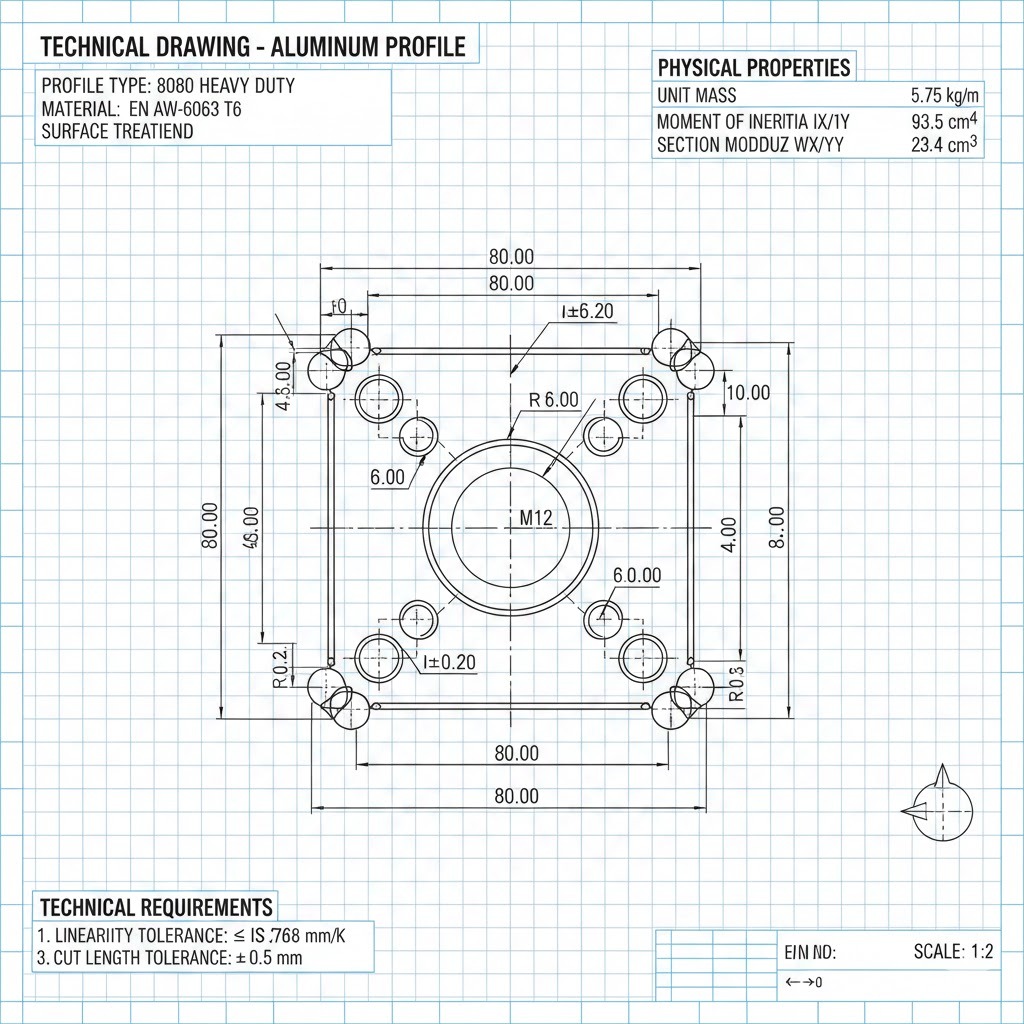
  1. Alloy Type (6061 vs 6063): This determines mechanical properties. 6061-T6 is best for high-stress industrial use. It offers excellent strength. In contrast, 6063-T5 is slightly softer. It has a superior surface finish. Thus, it is perfect for aesthetic applications where anodizing quality is key.
  2. Profile Series: The series number (e.g., 20, 40, 80) refers to dimensions. Larger series provide higher load-bearing capacity. For example, an 8080 profile is necessary for heavy machinery. Meanwhile, a 2020 profile suits light frames.
  3. Surface Finish: This protects the aluminum. Anodizing creates a hard, corrosion-resistant layer. Powder coating offers a durable color finish against scratches.

Step 3: Evaluate Supplier Capability

Finding a supplier is as important as the product itself. Furthermore, you should assess them on several levels:

Technical Support: Can they provide CAD drawings and load calculations? A reliable supplier like Guangdong Aolaibo Aluminum offers professional engineering support.

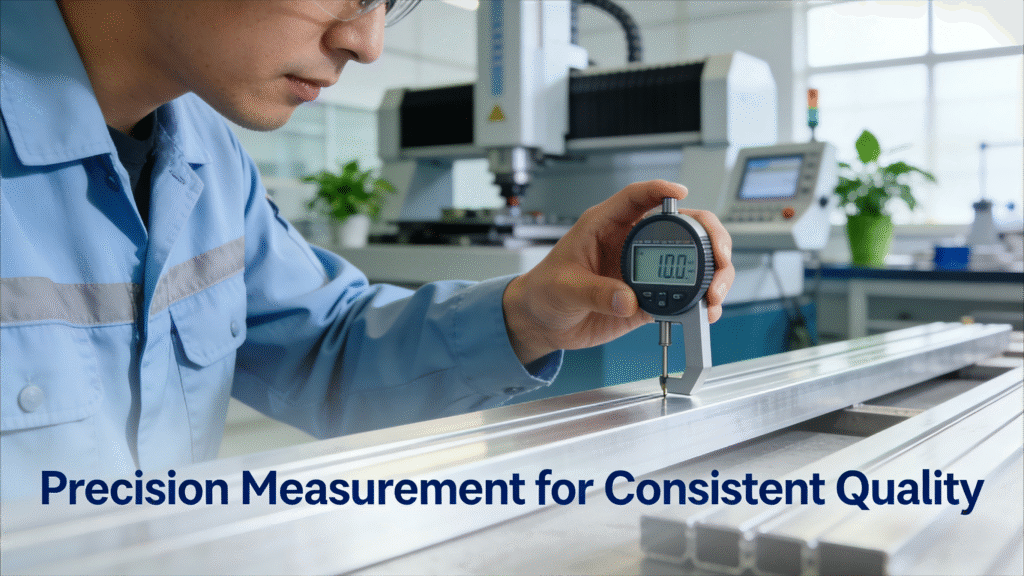
Quality Assurance: Do they conduct tensile strength tests? ISO 9001 certifications are a good indicator of quality.

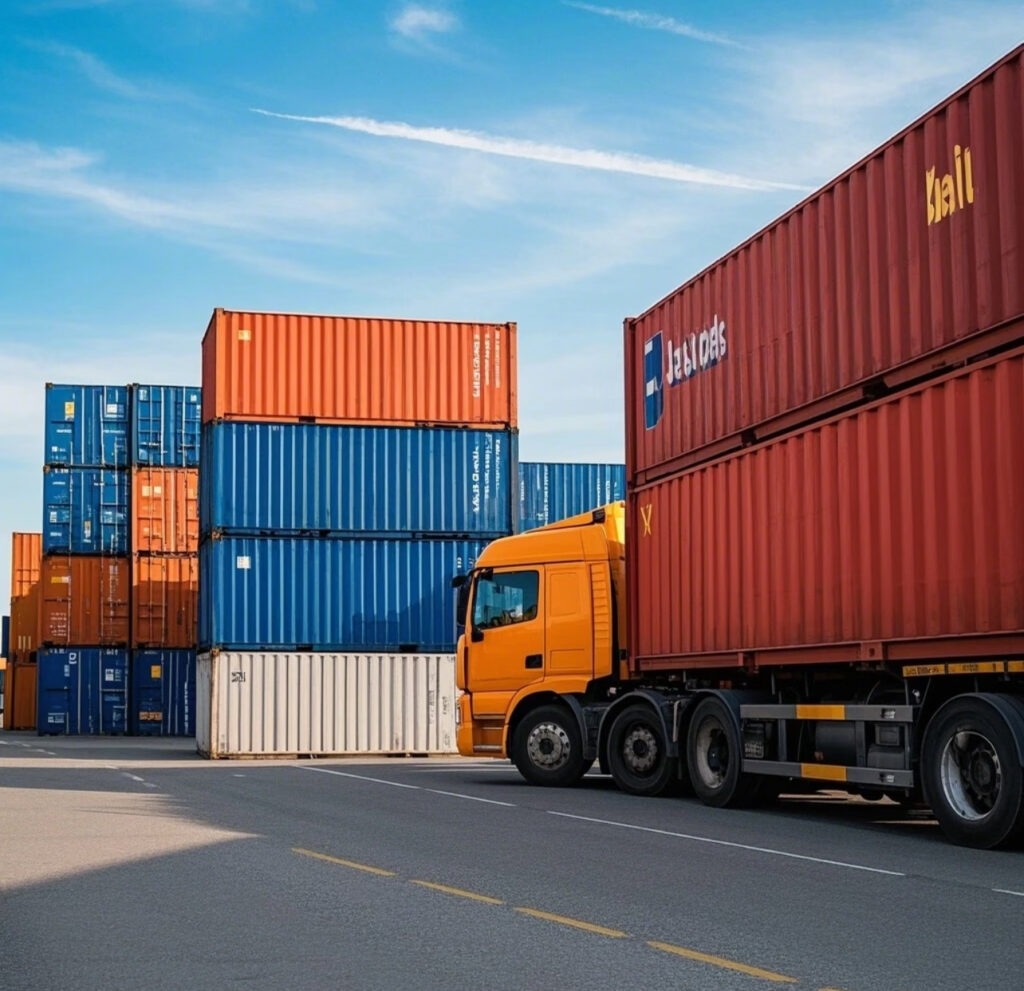
Logistics: Consistent supply and on-time delivery keep your projects on schedule.

Step 4: Optimize for Cost and Assembly

Finally, consider the total project cost. Good Industrial Aluminum Profile Selection looks beyond the price per meter.

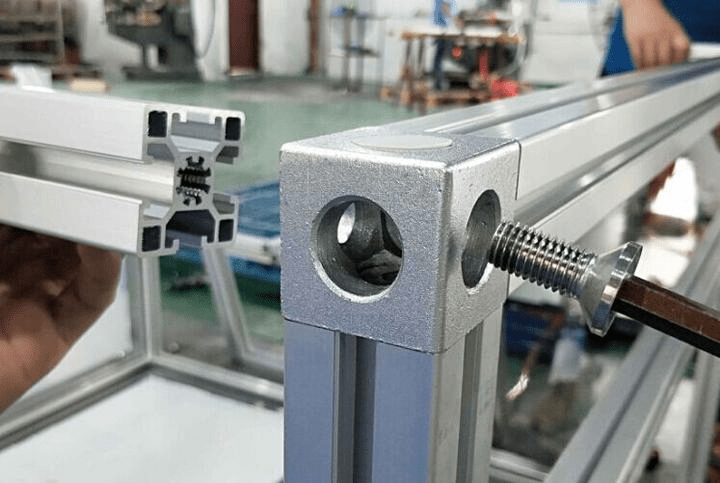
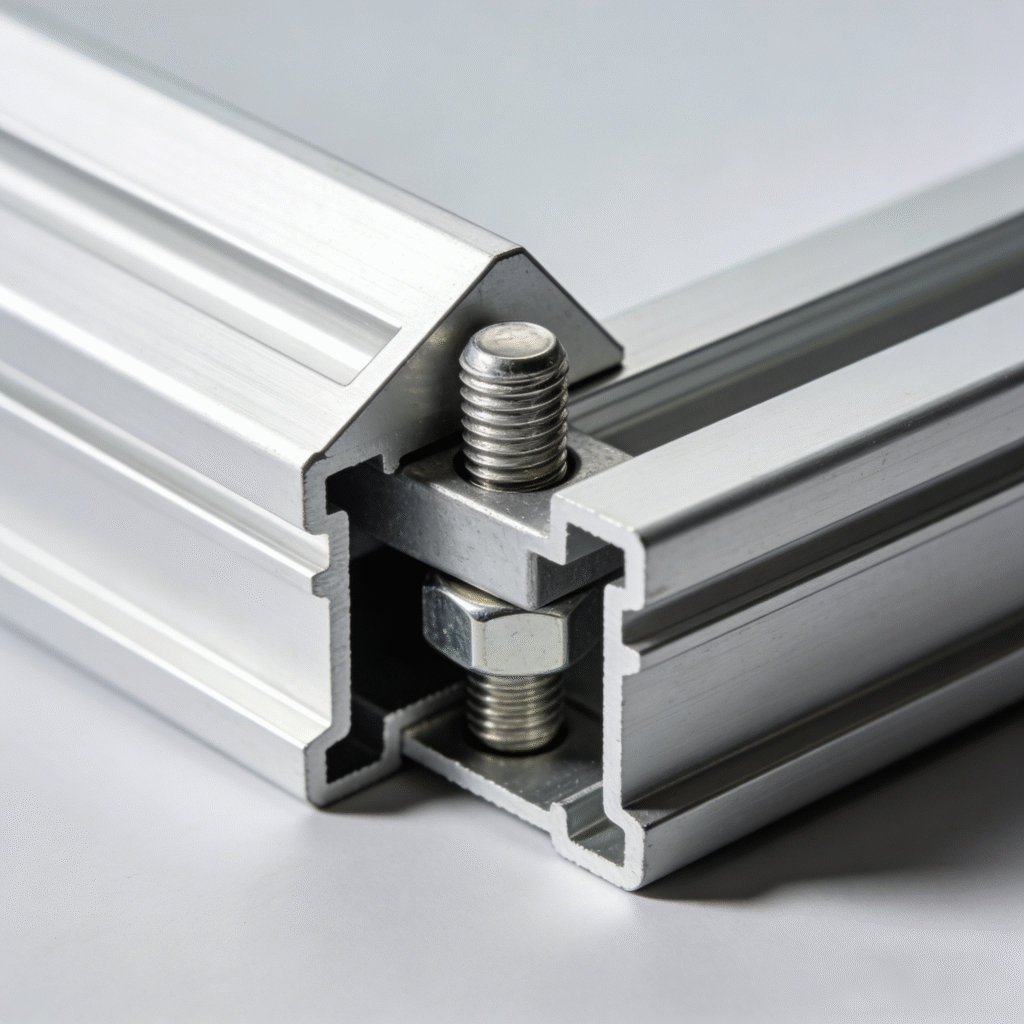
  • Connection System: The choice of brackets and connectors impacts assembly time. A good supplier offers a complete system.
  • Design for Manufacturability: Using standard profiles reduces costs. However, for complex needs, custom extrusion capability is invaluable.

Your Next Step

Selecting the right material involves a balance of specs and economics. By following this structured approach, you can navigate the process confidently.

Are you working on a specific project? Guangdong Aolaibo Aluminum specializes in high-strength Industrial Aluminum Profile Selection. We provide complete custom fabrication solutions. We combine quality materials with engineering support. Consequently, we bring your designs to life efficiently.

Contact us today for a free consultation or to request a quote. Let our expertise be the foundation of your next successful build.

Production Line Aluminum Frames: 5 Heavy Duty Design Secrets

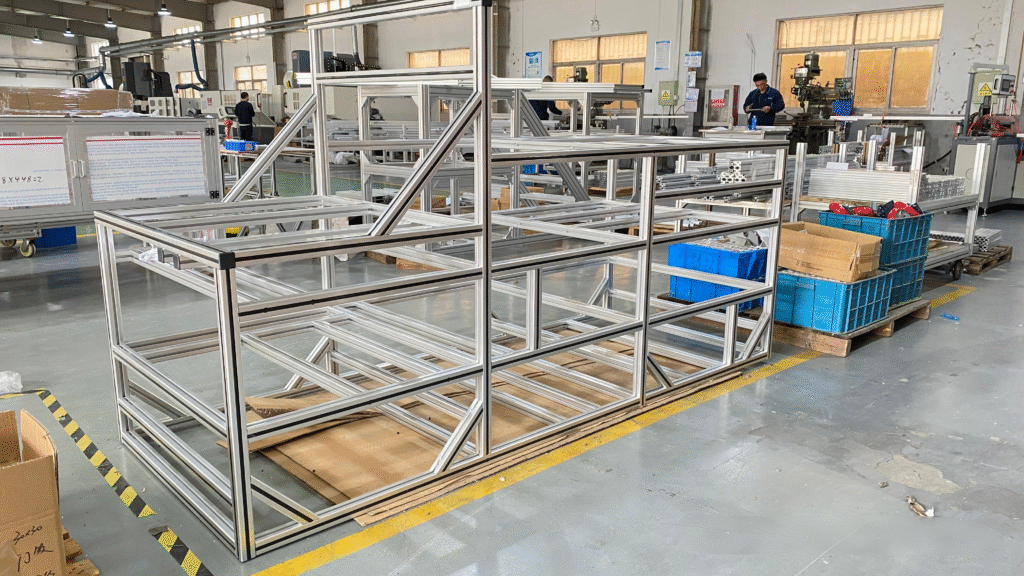
Robust Production Line Aluminum Frames are the backbone of modern automation. Their lightweight yet strong nature makes them ideal for supporting heavy machinery. However, designing an effective frame requires careful planning. Based on Guangdong Aolaibo Aluminum’s industry experience, we outline 5 heavy-duty secrets. These will help you optimize your Production Line Aluminum Frames for better performance.

Secret 1: Load Capacity for Production Line Aluminum Frames

First, you must evaluate the load requirements. Automated lines often carry heavy machinery, so strength is crucial. Therefore, we recommend using 6061 or 6063 aluminum alloys. These offer an excellent strength-to-weight ratio.

Additionally, you must calculate both static and dynamic loads. This prevents frame deformation or failure. Our website provides detailed alloy specifications. This helps you choose the right material for your heavy-duty Production Line Aluminum Frames.

Secret 2: Implement Modular Design for Flexibility

Modular design is a growing trend. Using standard aluminum profiles allows for quick assembly. Consequently, you can adjust or expand your frame easily. This approach saves time and reduces long-term costs.

For example, you can integrate new components into an existing structure. Guangdong Aolaibo Aluminum showcases various modular solutions. These are suitable for everything from small workstations to large Production Line Aluminum Frames.

Secret 3: Ensure Precision and Accuracy

Precision directly impacts smooth operation. When assembling Production Line Aluminum Frames, you must maintain tight tolerances. Even small errors can cause vibration.

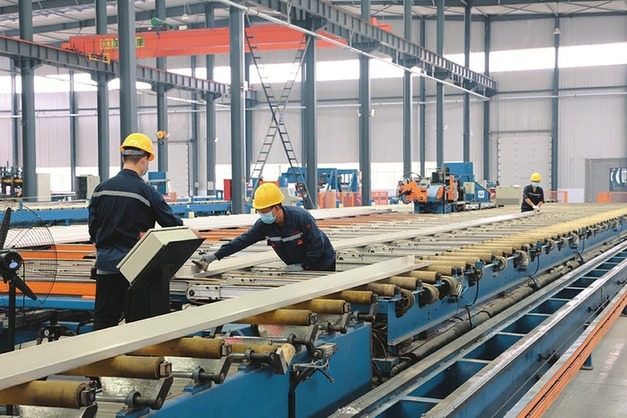
Specifically, we use advanced processing techniques. This ensures every profile meets high standards. As shown in our case studies, precise frames enhance overall equipment efficiency.

Secret 4: Minimize Vibration for Stability

Automated equipment generates vibration. However, this can affect frame longevity. To improve stability, incorporate damping elements into your Production Line Aluminum Frames.

Furthermore, ensure all connection points are tightly secured. A well-planned layout helps distribute stress. Our website resources offer more tips on vibration reduction for smoother operation.

Secret 5: Prioritize Safety Standards

Safety is the top priority in industrial design. Frames must meet international standards like ISO or OSHA. This protects both workers and equipment.

Moreover, include safety features like rounded edges in your design. All products from Guangdong Aolaibo Aluminum undergo rigorous testing. We ensure your Production Line Aluminum Frames are globally compliant.

Schlussfolgerung

In summary, focusing on load, modularity, and precision will help you build efficient Production Line Aluminum Frames. These considerations extend your production line’s lifespan.

For customized heavy-duty solutions, visit Guangdong Aolaibo Aluminum. Browse our product catalog or contact our team. We offer professional support to help you achieve your automation goals.

ACP vs. Aluminiumverkleidung: Wie wählt man das richtige Fassadenmaterial aus?

Struggling with the choice between ACP vs Aluminum Cladding for your building’s facade? You are not alone. Selecting the right material is a critical decision that impacts aesthetics, budget, and longevity. Two of the most popular choices are Aluminum Composite Panels (ACPs) and Aluminum Panels. This guide provides a clear comparison to help you unlock expert insights and find the best solution for your project.

Understanding Aluminum Composite Panels (ACPs)

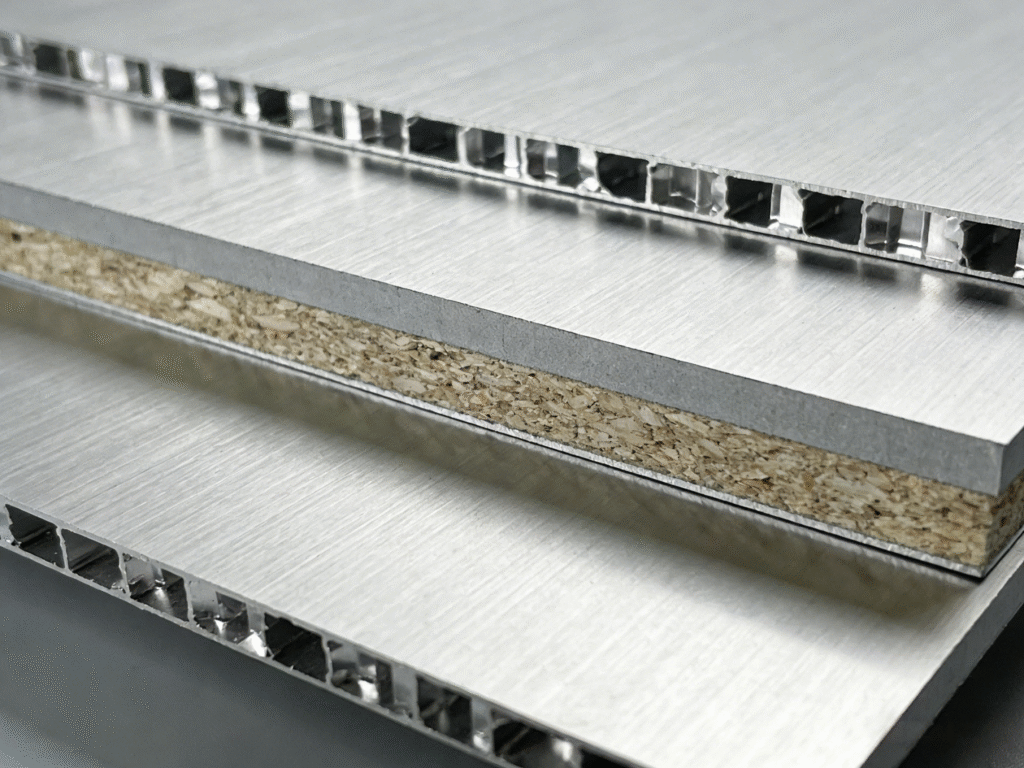
Aluminum Composite Panels consist of two thin aluminum sheets bonded to a core. This sandwich structure defines their key characteristics.

Furthermore, ACPs are remarkably lightweight. This makes them easier to install, often reducing labor costs. Additionally, they offer excellent flatness. They come in a vast array of colors and prints. This versatility allows for great creative freedom.

However, their performance depends on the core. Standard PE cores are cost-effective but combustible. For high-risk projects, fire-retardant mineral cores are essential.

Exploring Aluminum Cladding Panels

In contrast, regarding ACP vs Aluminum Cladding, the solid aluminum panel is made from a single sheet of alloy. They are fabricated by cutting and bending the metal.

The primary advantage of aluminum panels is superior strength. Being solid metal, they are highly impact-resistant. Moreover, they are non-combustible (A2/S1-d0). This meets the highest fire safety standards.

Additionally, aluminum panels excel in weather resistance. High-quality PVDF coatings provide exceptional protection against UV rays. Consequently, they have a very long service life.

Key Comparison: Cost, Safety, and Durability

Let’s break down the comparison into clear factors to help you decide:

  • Weight: ACPs are lighter, leading to simpler support structures.
  • Finish: Both offer excellent flatness. ACPs provide more decorative prints. Aluminum panels excel in solid metallic tones.
  • Durability: Aluminum panels are generally stronger. They are the preferred choice for demanding environments.
  • Fire Safety: Solid aluminum panels are non-combustible. ACPs require specific mineral cores to ensure safety.
  • Cost: Typically, ACPs have a lower initial material cost. Aluminum panels offer longevity that provides better long-term value.

Making the Right Choice for Your Project

So, which material is best? Consider this simple guide on ACP vs Aluminum Cladding:

Choose Aluminum Composite Panels (ACPs) if: Your project prioritizes budget-friendly costs or requires complex decorative prints. Aolaibo offers high-quality ACPs with various core options.

Choose Aluminum Panels if: Your project demands maximum durability and superior fire safety (e.g., high-rises, airports). As a specialist manufacturer, Aolaibo provides precision-fabricated panels.

Schlussfolgerung

Ultimately, the best choice balances design, budget, and regulations. By understanding the differences in ACP vs Aluminum Cladding, you can select the material that performs flawlessly.

Ready to choose the ideal AlloyPro facade solution for your build? Visit Guangdong AlloyPro Aluminum to explore our full range. Contact us today to unlock more expert insights for your project.

Die Debatte um Eloxieren oder Pulverbeschichtung bei Aluminium

The anodizing vs powder coating debate remains critical for industrial aluminum profiles today. Therefore, surface finishing is not just about aesthetics anymore. It is a critical process that enhances corrosion resistance directly. Consequently, choosing between these dominant technologies can be challenging. Thus, this professional guide clearly explains both finishing methods completely. Ultimately, we help you make the absolute best decision for your project.

Anodizing vs Powder Coating: The Anodizing Edge

Anodizing is a highly effective electrochemical process perfectly. Therefore, we immerse the aluminum profile in an electrolyte bath. This process creates a thick aluminum oxide layer instantly. Moreover, this layer transforms the base metal completely.

  • Exceptional Durability: The oxide layer offers superior abrasion resistance always.
  • Heat Dissipation: It retains thermal conductivity incredibly well for electronics.
  • Natural Look: It provides a professional metallic grain effortlessly.
  • Best Uses: Ultimately, anodizing is ideal for precision machine frames.

Anodizing vs Powder Coating: The Powder Coating Process

Powder coating uses a brilliant physical application process instead. Therefore, we apply electrostatically charged powder to the raw aluminum. The profile then cures in a hot oven quickly. Thus, it forms a perfectly smooth and tough protective film.

  • Vast Colors: You can access virtually any custom RAL color easily.
  • Corrosion Resistance: The thick film blocks harmful UV rays effectively.
  • Uniform Coverage: This process ensures incredibly even coverage always.
  • Best Uses: Consequently, powder coating is perfect for architectural facades.

How to Choose: Anodizing vs Powder Coating

Your final choice depends on your specific project requirements. Therefore, we provide a direct professional comparison here.

  • Appearance Match: Choose anodizing for a sleek metallic look easily. Conversely, powder coating provides incredibly vibrant solid colors.
  • Performance Needs: Anodizing excels for extreme daily abrasion resistance. Moreover, powder coating offers superior weather barrier protection.
  • Cost Efficiency: Standard anodizing is often highly cost-effective generally. Thus, powder coating becomes economical for specific custom colors.

Conclusion for Your Aluminum Projects

At Guangdong AlloyPro Aluminum, we operate advanced lines perfectly. Our expert team offers comprehensive free consultations daily. Contact us to discuss anodizing vs powder coating directly. Ensure your industrial aluminum profiles are built to last permanently.

Modulare Aluminium-Profilsysteme: Das Rückgrat agiler intelligenter Fabriken

Industry 4.0 is revolutionizing manufacturing. It focuses on creating connected and highly adaptable factories. However, traditional fixed steel structures often slow down this transformation. In contrast, Modular Aluminum Profile Systems are becoming the essential framework for the future. Think of them as industrial building blocks. They provide the flexibility needed for rapid change and continuous improvement.

1.Enable Rapid Deployment with Modular Aluminum Profile Systems

Speed is crucial in modern manufacturing. Modular Aluminum Profile Systems allow for incredibly fast assembly. You can build structures using standard parts and simple tools. Specifically, no welding is needed. This drastically cuts the time from design to a working production line.

Additionally, these systems make prototyping easy. You can quickly build a full-scale model to test your layout. This agility lets you respond to new market demands without major delays.

2. Offer Unmatched Flexibility and Scalability

The true value of a smart factory lies in adaptation. Modular Aluminum Profile Systems excel here. You can easily reconfigure, extend, or repurpose the system as needs change. Modify a workstation in hours or redesign a full layout over a weekend.

This approach also protects your investment. You can reuse components in new configurations instead of scrapping them. Consequently, this supports lean manufacturing by allowing your floor plan to evolve seamlessly.

3. Simplify Automation and Tech Integration

Smart factories rely on data. Modular Aluminum Profile Systems provide a perfect platform for this. They offer a rigid structure to mount robots and sensors. The integrated T-slots allow for secure mounting of any component.

Furthermore, the open design makes cable management simple. You can neatly organize power and data lines for your IoT devices. This ensures reliable operation and easy maintenance.

4. Support a Sustainable and Efficient Workspace

Beyond flexibility, Modular Aluminum Profile Systems create a better environment. Aluminum is strong yet lightweight. This makes structures safer and easier to handle.

Moreover, the material is corrosion-resistant and fully recyclable. This supports your sustainability goals. The modular nature helps organize the workspace efficiently. A clean floor is essential for high-quality production.

Build Your Agile Future Today

To succeed in Industry 4.0, your factory must be agile. Modular Aluminum Profile Systems are a strategic tool for innovation. They empower you to implement changes fast and cut downtime.

Ready to build the foundation of your smart factory? Explore our precision-engineered Modular Aluminum Profile Systems. Contact our engineering team for a consultation on your next project.

Wie man die Lieferung von Aluminiumprofilen schützt: Ein professioneller Leitfaden

Securing your order doesn’t end with production. Knowing how to Protect Aluminum Profile Shipment is the final, critical step. Professional packaging and anti-corrosion treatment determine if your products arrive in perfect condition. Proper methods prevent costly damage. Therefore, this guide ensures your investment is fully protected from our factory to your site.

The Foundation: Cleaning to Protect Aluminum Profile Shipment

We start by ensuring every profile is clean. Residual oils or moisture can trap corrosive agents. Consequently, our process includes thorough degreasing followed by complete drying. This step creates the ideal surface. It allows all subsequent measures to Protect Aluminum Profile Shipment wirksam.

Advanced Protection: VCI Technology

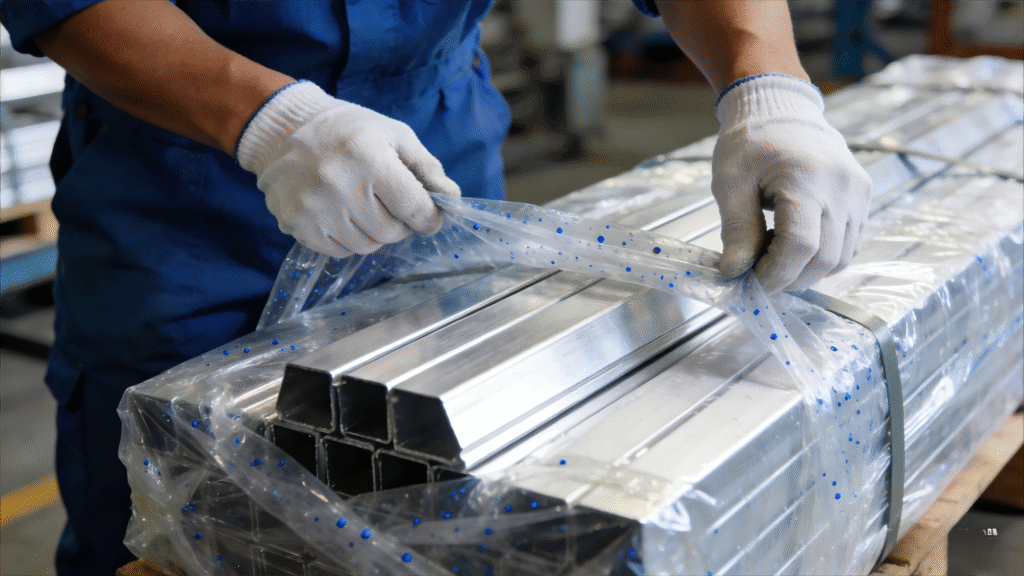
For long sea voyages, standard wrapping is insufficient. VCI (Vapor Corrosion Inhibitor) technology provides superior defense. We place special VCI papers within the bundles. These papers release a protective vapor. This forms an invisible shield over the metal. This method actively helps Protect Aluminum Profile Shipment against salt air and humidity.

Building the Shield: Robust Packaging

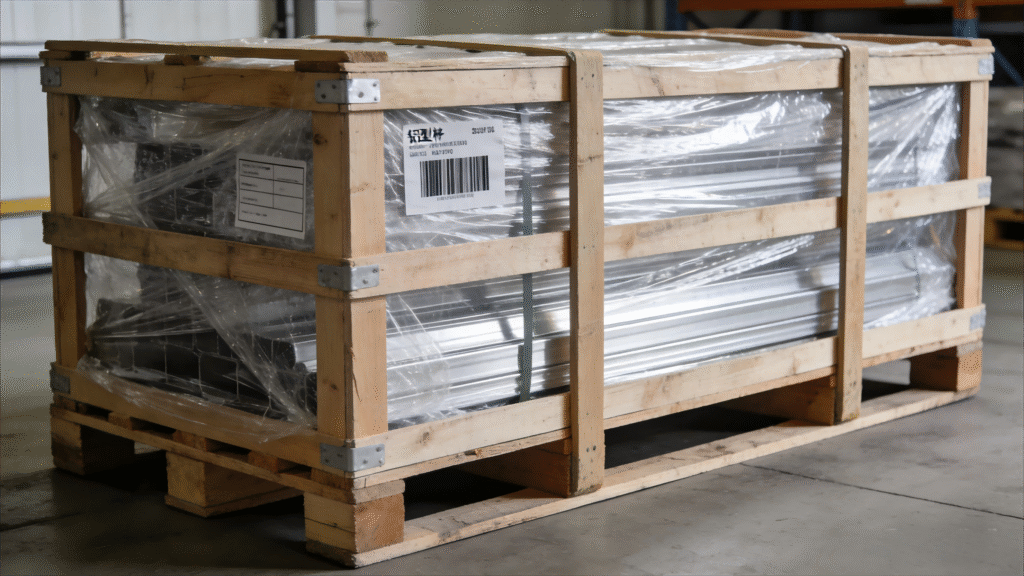
The external crate is the main defense. We use dry, sturdy timber to build frames that withstand stacking. Inside, profiles are secured to prevent movement. Additionally, we incorporate waterproof barriers to guard against rain. Clear labels like “Fragile” help Protect Aluminum Profile Shipment throughout the logistics chain.

Ensuring Lasting Quality: Storage Upon Arrival

Your actions upon receipt are crucial. Move packages to a dry, indoor area immediately. Keep the original packaging intact until use. For extended storage, ensure good ventilation. If you notice condensation, dry the surfaces promptly. This is vital to Protect Aluminum Profile Shipment from late-stage corrosion.

Schlussfolgerung

Investing in expert packaging is an investment in security. It prevents the hidden expenses of damage. At Aolaibo Aluminum, our integrated process ensures we Protect Aluminum Profile Shipment effectively. From meticulous cleaning to VCI protection, we ensure your profiles arrive ready for installation.

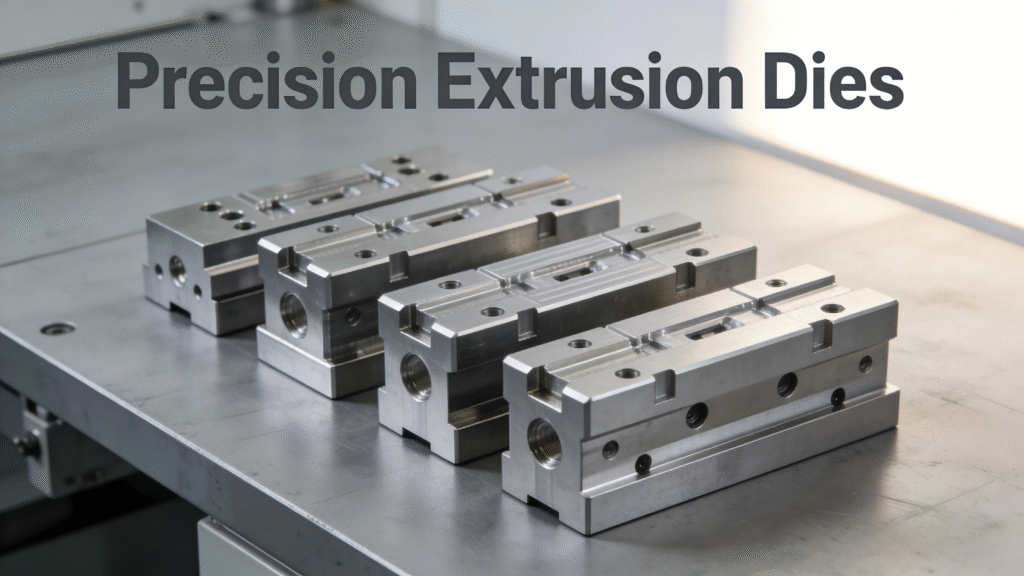
How Aluminum Die Optimization Maximizes Material Yield

In aluminum extrusion, material cost represents a significant portion of the total expense. Therefore, improving utilization is crucial for reducing costs. Aluminum Die Optimization plays a central role in this effort. Through targeted improvements, manufacturers can effectively minimize scrap. This directly enhances output and sustainability for AlloyPro clients.

1. Leveraging Simulation for Aluminum Die Optimization

Modern die design begins with computer simulation. We use specialized software to simulate metal flow before manufacturing. This virtual testing is a key part of Aluminum Die Optimization. It allows us to identify issues like uneven flow speed.

Modern die design begins with computer simulation. We use specialized software to simulate metal flow before manufacturing. This virtual testing is a key part of Aluminum Die Optimization. It allows us to identify issues like uneven flow speed.

2. Bearing and Port Design in Aluminum Die Optimization

The design of the bearing and port holes is critical for efficiency. In our Aluminum Die Optimization process, we strategically adjust the bearing length. This controls metal flow speed uniformly.

Additionally, we optimize the port holes to reduce resistance. This optimization lowers the required extrusion pressure. A smoother flow not only saves energy but also reduces wear. More importantly, it prevents defects like tears, directly leading to higher quality output.

3. Implementing High-Strength Coatings for Longevity

Die longevity directly impacts material consistency. We apply advanced surface coatings, such as nitriding or PVD, to the dies. This is a vital step in Aluminum Die Optimization. These coatings dramatically increase surface hardness.

A harder die maintains its precise shape longer. This means the first extrusion and the ten-thousandth one have identical accuracy. Furthermore, a well-protected die resists adhesion. This reduces downtime for cleaning and minimizes scrap during start-ups.

Schlussfolgerung

Zusammenfassend lässt sich sagen, Aluminum Die Optimization is a systematic approach. It combines simulation, precision design, and surface engineering. It transforms the die into a vital component for efficiency.

By investing in these optimizations, AlloyPro achieves a substantial increase in material yield. This translates to cost savings and reliable, high-quality aluminum profiles for our clients.

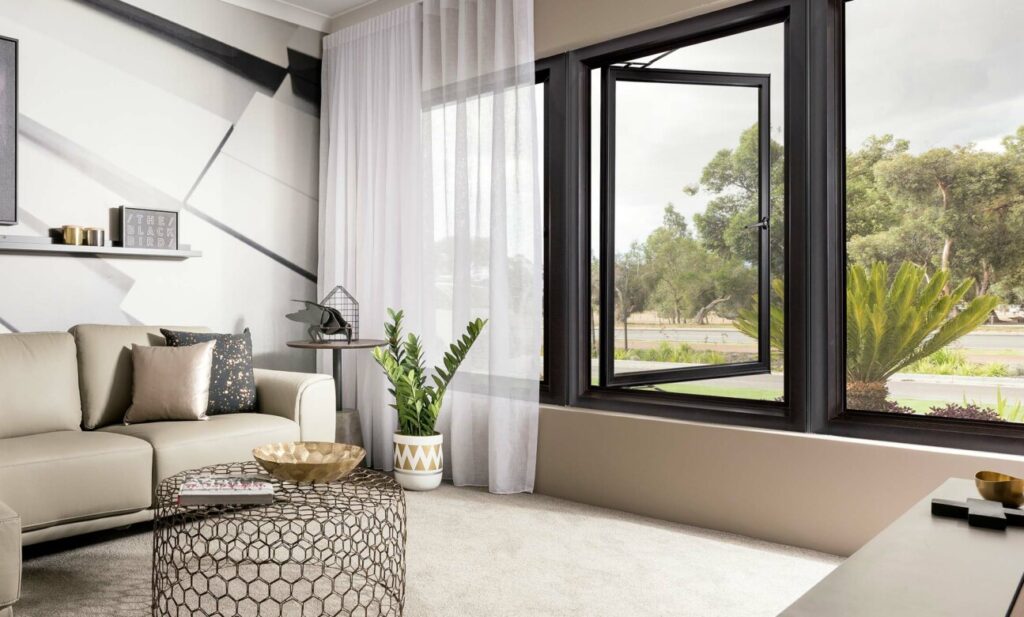
Sind Aluminiumfenster besser als Holzfenster? Der ultimative Vergleich

Fenster spielen in jedem Gebäude eine entscheidende Rolle, da sie für Tageslicht und Belüftung sorgen. In den letzten Jahren hat sich der Trend zum Einsatz von Aluminium verstärkt. In diesem Artikel beleuchten wir die Debatte um Aluminium- vs. Holzfenster. Wir helfen Ihnen dabei, eine fundierte Entscheidung bei der Auswahl des für Ihre Anforderungen idealen Materials zu treffen, indem wir AlloyPro.

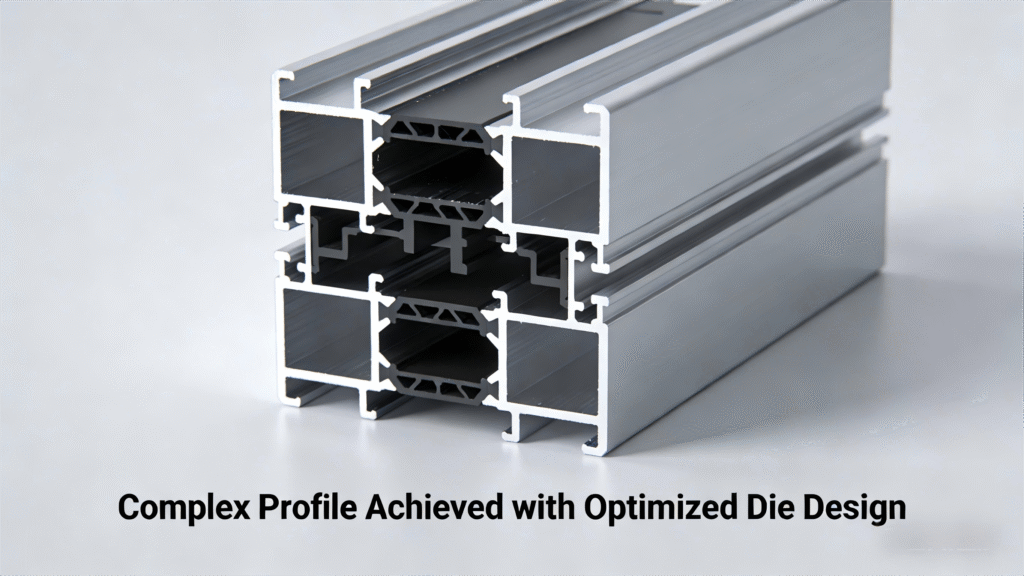
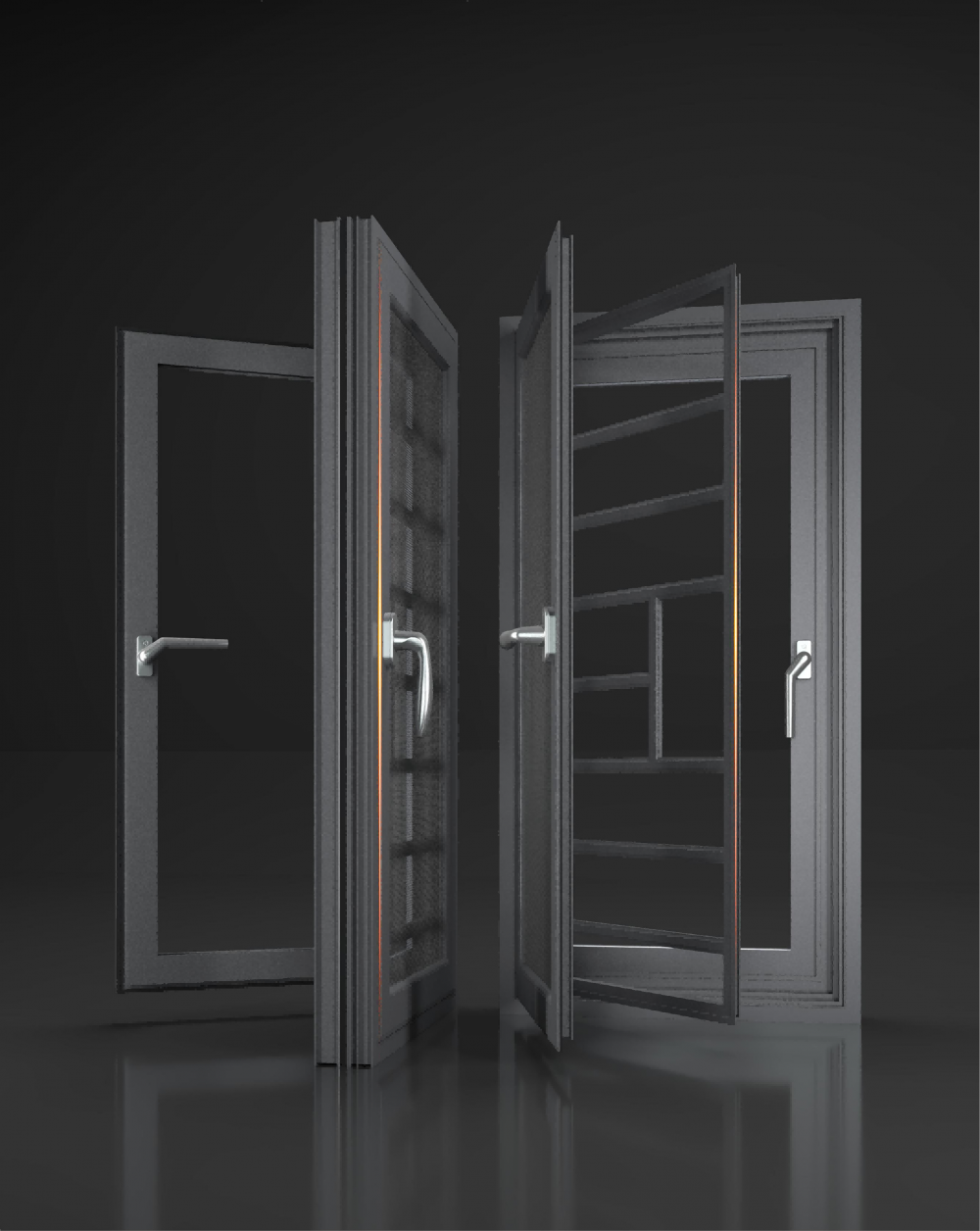
Xmfd108 6063 T5 stranggepresste Aluminiumprofile für Schiebefenster und Flügelfenster

1. Vorteile von Aluminium in der Debatte „Aluminium- oder Holzfenster“

Aluminiumfenster bieten mehrere Vorteile, die sie zu einer beliebten Wahl machen. Erstens ist ihre Langlebigkeit in der Aluminium- vs. Holzfenster Vergleich. Sie sind beständig gegen Fäulnis, Verziehen und Rissbildung.

Zudem erfordern Aluminiumfenster nur minimalen Wartungsaufwand. Das spart Ihnen Zeit und Mühe. Darüber hinaus sind sie dank ihrer isolierenden Eigenschaften äußerst energieeffizient. Außerdem bietet die Gestaltungsflexibilität von AlloyPro Die Profile ermöglichen ein elegantes Design. Und schließlich bieten sie verbesserte Sicherheitsmerkmale für Ihr Zuhause.

2. Vorteile von Holz im Vergleich zwischen Aluminium- und Holzfenstern

Aluminium hat zwar seine Vorzüge, doch Holzfenster bieten einzigartige Vorteile. In der Aluminium- vs. Holzfenster In diesem Zusammenhang ist die natürliche Schönheit von Holz unübertroffen. Es verleiht jedem Zuhause eine warme Atmosphäre.

Holzfenster bieten zudem eine hervorragende Wärmedämmung und senken so den Energieverbrauch. Darüber hinaus ist Holz ein nachwachsender Rohstoff. Das macht es zu einer nachhaltigen Wahl für alle, denen der Schutz unseres Planeten am Herzen liegt.

3. Kosten und Nutzen: Aluminiumfenster vs. Holzfenster

Beim Vergleich Aluminium- vs. Holzfenster, … ist es wichtig, sowohl die Anfangsinvestition als auch den langfristigen Wert zu berücksichtigen. Aluminiumfenster sind aufgrund ihrer Herstellung in der Regel mit höheren Anschaffungskosten verbunden.

Sie bieten jedoch durch ihre Langlebigkeit einen langfristigen Mehrwert. Dies führt im Laufe der Zeit zu Kosteneinsparungen. Holzfenster hingegen haben zwar geringere Anschaffungskosten, erfordern jedoch mehr Pflege. Dies führt folglich zu höheren langfristigen Kosten.

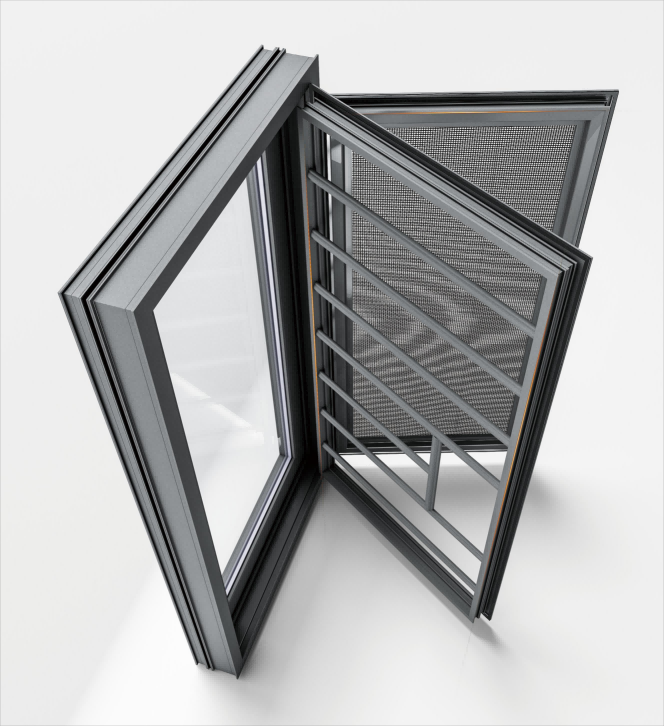
Xmgr108 Aluminium-Flügelfenster mit thermischer Trennung

4. Die Entscheidung: Aluminium- oder Holzfenster

Bei der Entscheidung über […] sollten mehrere Faktoren berücksichtigt werden Aluminium- vs. Holzfenster.

  • Klima: Aluminiumfenster sind äußerst widerstandsfähig gegen raue Witterungsbedingungen.
  • Design: Beide Materialien zeichnen sich durch eine ganz eigene Ästhetik aus.
  • Wartung: Aluminium ist pflegeleichter und hält in der Regel länger.
  • Umwelt: Holz ist ein nachhaltiger Rohstoff, muss jedoch verantwortungsbewusst beschafft werden.

Schlussfolgerung

Die Wahl zwischen Aluminium- vs. Holzfenster Letztendlich ist es eine Frage des persönlichen Geschmacks. Während Aluminium Langlebigkeit und geringen Pflegeaufwand bietet, besticht Holz durch seine natürliche Schönheit.

Wenn Sie Faktoren wie Klima und Budget berücksichtigen, können Sie eine fundierte Entscheidung treffen. Ob Sie sich nun für elegantes Aluminium oder zeitloses Holz entscheiden, AlloyPro kann dazu beitragen, Ihr Zuhause zu verschönern.

So senken Sie die Kosten für Aluminium: 5 clevere Tipps für Ingenieure

Für Ingenieure und Einkäufer ist die Kostenkontrolle von entscheidender Bedeutung. Echte Einsparungen beginnen mit klügeren Entscheidungen. Die Wahl der billigsten Option kann die Qualität gefährden. Konzentrieren Sie sich stattdessen auf die Optimierung des gesamten Prozesses. Hier sind fünf praktische Strategien, um effektiv Aluminiumkosten senken mit AlloyPro.

Hier sind fünf praktische Strategien, mit denen Sie Ihren Aluminiumverbrauch effektiv senken können.

1. Frühzeitige Zusammenarbeit zur Senkung der Aluminiumkosten

Die Einbindung Ihres Lieferanten bereits in der Entwurfsphase ist der effektivste Weg, um Kosten zu sparen. Dessen Ingenieure können Möglichkeiten erkennen, die Ihnen vielleicht entgehen würden.

  • So hilft es: Sie können Konstruktionsänderungen vorschlagen, die die Fertigung vereinfachen. So wird Fachwissen genutzt.
  • Hauptvorteil: Frühzeitiges Eingreifen verhindert spätere kostspielige Änderungen. Dies ist eine der wichtigsten Möglichkeiten, um Aluminiumkosten senken wirksam.

2. Optimierung der Konstruktion zur Senkung der Aluminiumkosten

Das Design bestimmt bis zu 80% der Kosten. Zu komplexe Konstruktionen führen zu Materialverschwendung.

  • Cleverer Ansatz: Vereinfachen Sie den Querschnitt. Verwenden Sie Hohlprofile, um Gewicht zu sparen. Standardisieren Sie die Winkel, um die Fertigung zu vereinfachen.
  • Grundprinzip: Fertigungsgerechtes Design. Das Ziel besteht darin, unter Einhaltung der Anforderungen möglichst wenig Material zu verbrauchen. Dieses strategische Design trägt dazu bei, Aluminiumkosten senken erheblich.

3. Wählen Sie die richtige Legierung mit Bedacht aus

Nicht jedes Projekt erfordert Aluminium in Premiumqualität. Die Wahl einer “zu guten” Legierung führt zu Verschwendung.

  • Die Legierung auf die Funktion abstimmen: Für tragende Teile ist 6061-T6 besonders fest. Für Verkleidungen bietet 6063-T5 eine gute Leistung zu einem günstigeren Preis.
  • Fragen Sie Ihren Lieferanten: Beschreiben Sie die Umgebung. Ein zuverlässiger Lieferant wie AlloyPro kann die kostengünstigste Legierung empfehlen.

4. Standardprofile nutzen

Für vollständig maßgeschneiderte Profile sind neue Formen erforderlich. Dies verursacht erhebliche Vorlaufkosten.

  • Zunächst die Normen prüfen: Schauen Sie sich immer den Katalog Ihres Lieferanten an. Eine kleine Anpassung an eine Standardoption spart die Kosten für die Form.
  • Änderung in Betracht ziehen: Wenn ein Standardprofil nicht ganz passt, bitten Sie um eine kleine Änderung. Das ist günstiger als ein neuer Entwurf.

5. Gesamtkostenstrategie zur Senkung der Aluminiumkosten

Der Anschaffungspreis ist nur ein Aspekt. Berücksichtigen Sie die Gesamtbetriebskosten.

  • Bei der Verarbeitung zu berücksichtigen: Eine Legierung mit besserer Bearbeitbarkeit ist zwar teurer, verkürzt aber die Bearbeitungszeit.
  • Wertorientierte Partnerschaft: Ein Lieferant, der für pünktliche Lieferungen sorgt, bewahrt Sie vor versteckten Verzögerungen. Diese ganzheitliche Sichtweise ist entscheidend für Aluminiumkosten senken auf lange Sicht.

Schlussfolgerung

Eine effektive Kostensenkung basiert auf strategischer Planung. Durch die Zusammenarbeit mit AlloyPro Aluminium, … erreichen Sie das richtige Gleichgewicht zwischen Leistung und Budget.

Für konkrete Ratschläge dazu, wie man Aluminiumkosten senken Wenn Sie Unterstützung für Ihr Projekt benötigen, wenden Sie sich noch heute an unser Ingenieurteam.

Nach oben scrollen