








Factory Direct Windows Guide: How to Source for Your Project
Eliminate Middleman Costs for Better Margins
When you prioritize sourcing factory direct windows, you eliminate unnecessary markups. Middlemen often add distributor margins, local warehouse fees, and regional marketing expenses to the final price. By sourcing directly from a manufacturer like AlloyPro, you cut out these costs.
This approach ensures your budget is fully invested in high-performance materials. You get better hardware and superior glass specifications for the same investment. Additionally, this cost-efficiency provides more flexibility when managing the budget of large-scale residential or commercial developments.
Complete Control Over Quality Standards
Distributors often supply products from various sources, making quality consistency difficult to guarantee. In contrast, working with a manufacturer ensures a unified quality standard across your entire project.
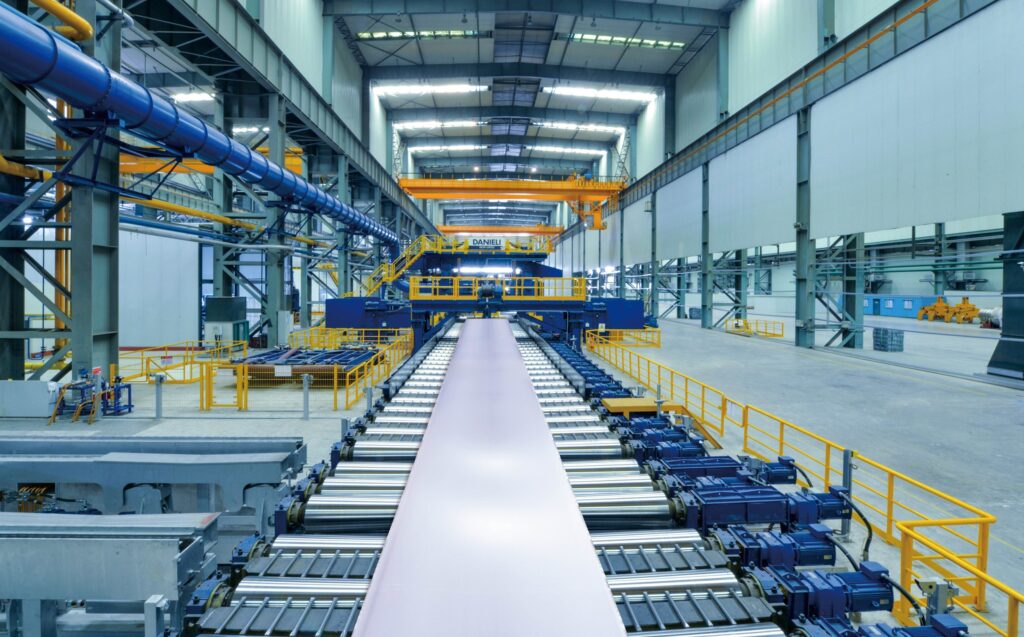
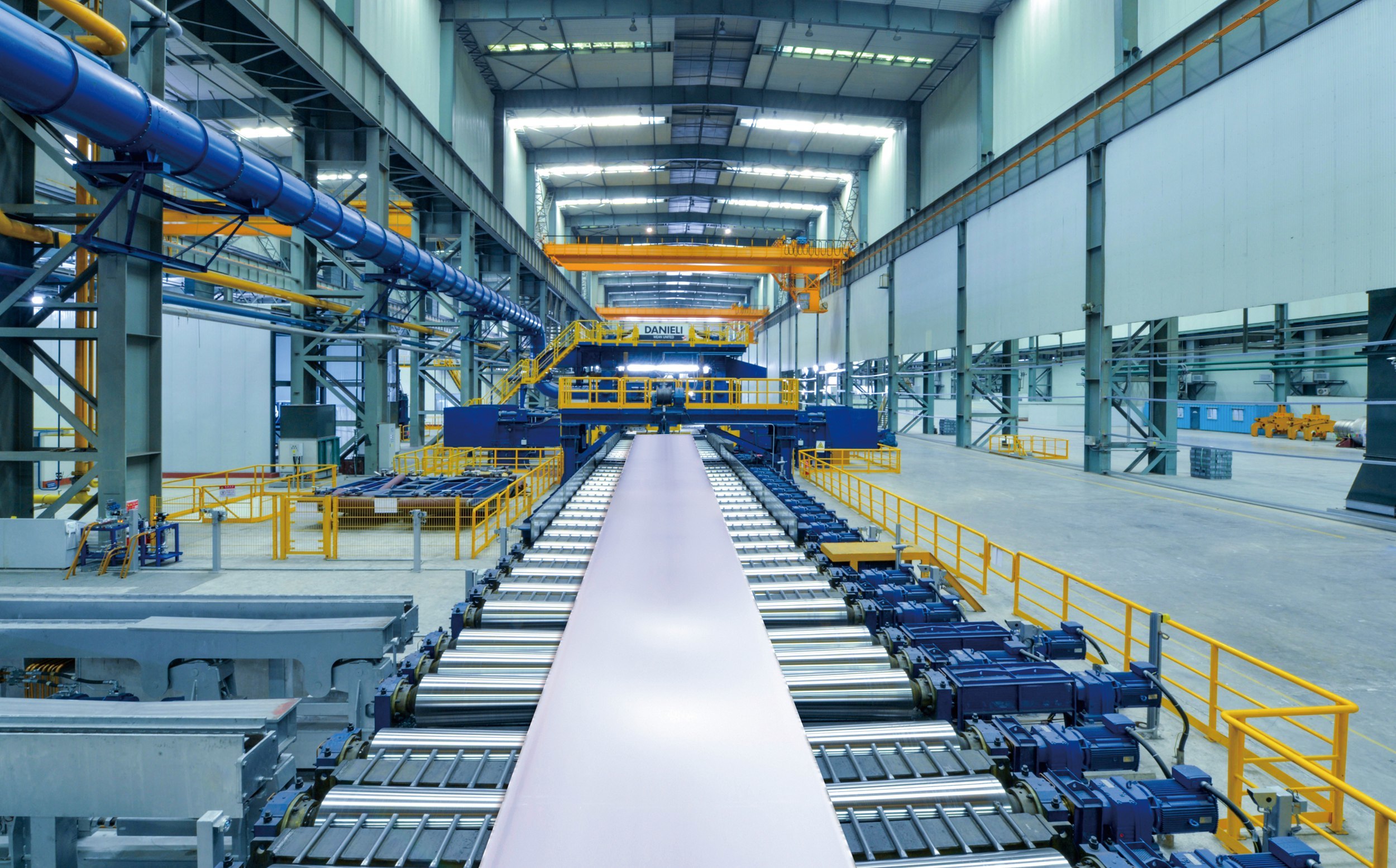
At AlloyPro, we manage every step of the production process—from aluminum extrusion to surface treatment and final assembly. Because we control the manufacturing, we can guarantee that every window and door meets your specific technical requirements. Furthermore, we provide detailed testing reports and material certifications, giving you peace of mind that your project will pass all necessary building inspections.
Direct Technical Communication and Support
Language barriers and slow communication are common fears when dealing with overseas suppliers. However, effective communication is the backbone of a successful direct partnership.
When you work directly with our export team, you speak with professionals who understand technical specifications. We review your architectural drawings and offer design improvements before production begins. This proactive approach prevents costly installation errors on-site. Furthermore, we provide professional packaging solutions tailored to international sea freight to ensure your products arrive in perfect condition.
Reliable Timelines and Project Management
Supply chain delays are the biggest enemy of construction schedules. Distributors often rely on inventory that might not meet your specific design needs, leading to long wait times or forced compromises.
Partnering with a factory means you have a dedicated production partner. We plan our manufacturing schedule according to your project deadlines. Additionally, we provide real-time updates on your order status. Because we handle our own logistics coordination, we minimize the risks of transit delays and ensure your components arrive precisely when your construction team is ready to install them.
A Partner, Not Just a Vendor
Choosing a professional partner for factory direct windows is an investment in your project’s future. At AlloyPro, we bring 16 years of manufacturing expertise to every project. We understand the specific demands of developers and architects.
If you are planning an upcoming development, we invite you to discuss your requirements with our export team. We are ready to provide the high-end, reliable, and cost-effective solutions your project deserves.
Contact our team today to get a quote and start your journey with AlloyPro.
Top 10 Aluminum Sliding Windows Manufacturers: 2026 Global
Top Global Aluminum Sliding Windows Brands
1. Schuco Aluminum Sliding Windows
Schuco leads the global market today. They are top experts in heat insulation. They make premium Aluminum Sliding Windows. These windows easily beat strict energy saving rules. Additionally, their strong hardware moves heavy glass smoothly.
2. Reynaers Aluminum Sliding Windows
Reynaers focuses on fresh design ideas. They build very slim Aluminum Sliding Windows. These frames give a clear, open view. Furthermore, their metal parts block bad weather perfectly. They fit modern luxury villas well.
3. YKK AP Aluminum Sliding Windows
YKK AP is a smart tech leader. They create strong Aluminum Sliding Windows for big buildings. They treat the metal to stop weather damage. In contrast to normal brands, they stop all water leaks reliably.
Best Commercial Aluminum Sliding Windows
4. Kawneer
Kawneer is a giant in huge projects. They build tough Aluminum Sliding Windows. These fit tall office buildings perfectly. Additionally, their fast setup systems save workers a lot of time on site.
5. Alumil
Alumil cares deeply about our green earth. They use recycled metal for their Aluminum Sliding Windows. This action cuts down carbon waste globally. Moreover, their elegant designs fit beautiful modern homes.
6. Cortizo
Cortizo makes very clean and simple living spaces. They design hidden Aluminum Sliding Windows. The frames hide inside the house walls completely. Therefore, builders pick them for a pure glass view.
Custom and Strong Aluminum Sliding Windows
7. Bradnam’s
Bradnam’s knows harsh weather very well. They make strong Aluminum Sliding Windows for the coast. These windows fight salt and rust easily. Additionally, they pass strict wind safety tests every time.
8. Vantage
Vantage gives buyers many custom choices. They offer special thermal break Aluminum Sliding Windows. You can change them to match your home style. Furthermore, their rollers make opening the glass very easy.
9. PGT Innovations
PGT only works on storm safety. They mix strong frames with tough safety glass. They use this to build safe Aluminum Sliding Windows. Consequently, these windows guard coastal houses from bad storms.
10. Stegbar
Stegbar mixes old styles with new sound tricks. They improve old homes with Aluminum Sliding Windows. These windows have great acoustic seals. Additionally, they block loud city street noise completely.
[配图位置 2:请在此处插入一张 AlloyPro 工厂内部的现代化智能生产线照片,或者一张通过 AS2047 认证的高端门窗局部特写图。]
Why Choose AlloyPro Aluminum Sliding Windows?
Finding a good factory is very important for success. Guangdong AlloyPro Co., Ltd. is a top B2B partner. We focus on high-end and simple building parts. We have 15 years of expert factory skills. Furthermore, our four smart factories cover 300,000 square meters.
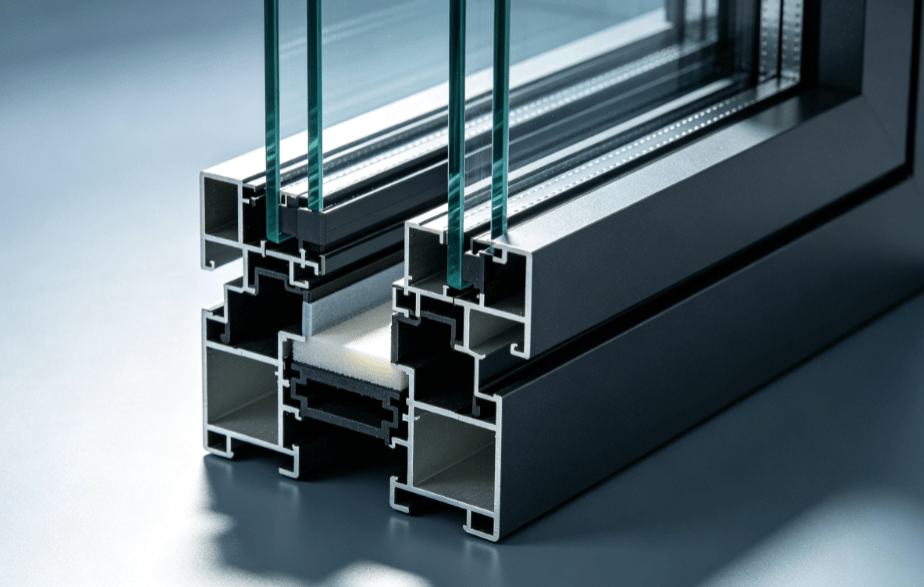
We make custom thermal break doors and Aluminum Sliding Windows. We only use top 6063-T5 metal. Additionally, our goods hold proud AS2047 certificates. This means they block heat, water, and noise perfectly.
We check every step in our factory closely. We handle the raw metal and the final boxes. Visit alloypro.net today. See our strong factory power. Let us help your next big project win.
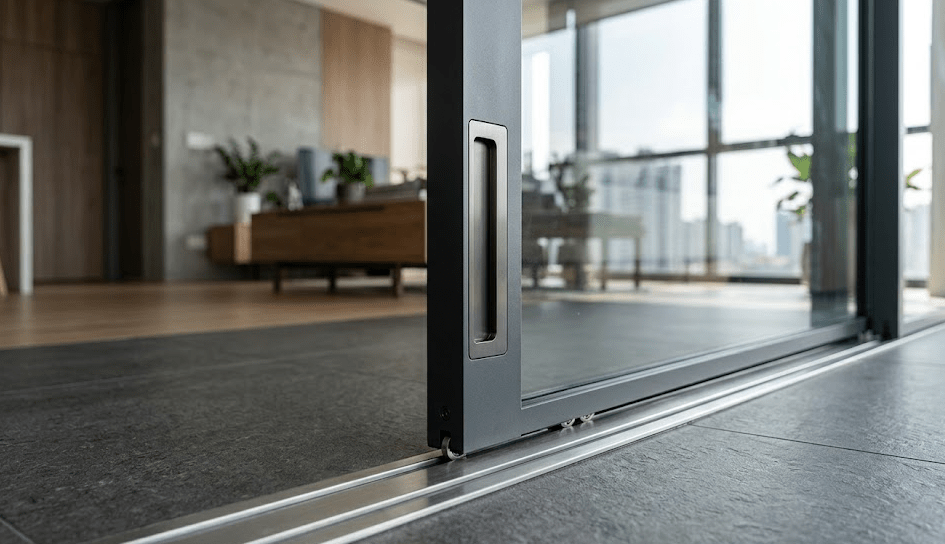

Leitfaden zur Beschaffung der 10 besten Hochleistungs-Aluminiumfenster 2026
1. Schüco (Deutschland)
Schüco is a premier global pioneer in high-end architectural systems. This Germany-based engineering giant sets the benchmark for luxury aluminum window designs. However, their primary focus is on carbon-neutral construction. They also excel in intelligent building automation and unparalleled thermal efficiency.
2. Reynaers Aluminium (Belgium)
Reynaers specializes in state-of-the-art European architectural glazing. This leading manufacturer positions itself at the intersection of minimalism and structural innovation. For example, they offer highly customizable sliding doors. Moreover, their curtain wall profiles are engineered to endure extreme weather conditions.
3. Aluk (Luxembourg)
Aluk maintains a robust global footprint spanning multiple continents. This international group specializes in versatile commercial storefront systems and residential fenestration. Consequently, they strike a strategic balance. They offer accessible B2B market pricing while fully meeting global wind and water penetration standards.
4. YKK AP (Japan)
YKK AP is renowned for Japanese precision engineering. In addition, they possess a vertically integrated manufacturing infrastructure. This industry leader focuses on high-durability, mass-produced commercial aluminum window systems. As a result, their products feature superior acoustic insulation and advanced weatherproofing for dense cities.
5. JMA Aluminum (China)
JMA is one of China’s largest heavy-duty industrial aluminum extrusion factories. Therefore, this enterprise leverages massive manufacturing scales for global clients. They specialize in heavy-duty structural profiles and large-scale commercial project supply. Thus, they offer highly competitive pricing for bulk international distribution.
6. LIXIL / Tostem (Japan)
LIXIL dominates the Asian residential housing sector. Specifically, they maintain a strong emphasis on pre-engineered, modular aluminum window kits. This brand targets large-scale residential housing developments. Consequently, they offer easy-to-install, lightweight, and highly weather-resistant fenestration products.
7. Xingfa Aluminium (China)
Xingfa is positioned as a major global exporter of architectural aluminum shapes. For instance, this enterprise excels in high-volume OEM and ODM profile production. They serve curtain wall installations and commercial high-rises. Furthermore, they back their services with expansive fabrication facilities and robust raw material supply chains.
8. Kawneer (USA)
Kawneer remains a dominant force in the North American commercial construction sector. This specialized brand focuses heavily on heavy-duty storefronts. In addition, they manufacture blast-resistant glazed assemblies. Therefore, their hurricane-impact structural window systems are designed strictly to meet stringent Western building regulations.
9. Wicona (Germany)
Wicona is a dedicated pioneer in circular economy engineering. This premium German brand positions its architectural glazing systems around urban sustainability. For example, they utilize a high percentage of recycled aluminum profiles. As a result, they help international commercial projects achieve prestigious LEED and BREEAM certifications.
10. Cor vision / Cortizo (Spain)
Cortizo successfully captures the high-end contemporary European design market. This Spanish manufacturer focuses exclusively on ultra-slim, minimalist panoramic sliding doors. These systems use concealed outer frames to maximize natural daylight. Meanwhile, they still maintain advanced structural thermal break capabilities.
The Ultimate Direct-Factory Alternative: AlloyPro
Traditional global brands offer prestigious market positioning. However, modern commercial projects require a smarter balance. Buyers need premium engineering, flexible fabrication, and factory cost-efficiency combined. Therefore, AlloyPro excels as a premier strategic partner for international B2B buyers seeking high performance aluminum windows directly from the source.
AlloyPro is a world-class architectural fenestration and extrusion manufacturer operating from a fully integrated source factory in Guangdong, China. We control the complete supply chain seamlessly. This includes everything from premium 6063-T5 virgin aluminum alloy extrusion to finished system assembly.
Our factory specializes in manufacturing top-tier high performance aluminum windows and doors. For instance, our core product portfolio features advanced thermal break systems. These are engineered with premium PA66GF25 insulation strips for maximum energy efficiency. Furthermore, we offer ultra-slim minimalist panoramic sliding doors and specialized OEM custom profiles.
For clients targeting Oceania and high-standard Western markets, our systems are fully verified. Our products meet the rigorous AS/NZS standard, including AS2047 and AS1288 regulations. We test strictly for wind pressure, air infiltration, and water penetration. Consequently, AlloyPro delivers Western-standard structural reliability with competitive factory pricing. This allows global developers, architects, and wholesale distributors to optimize project margins easily.
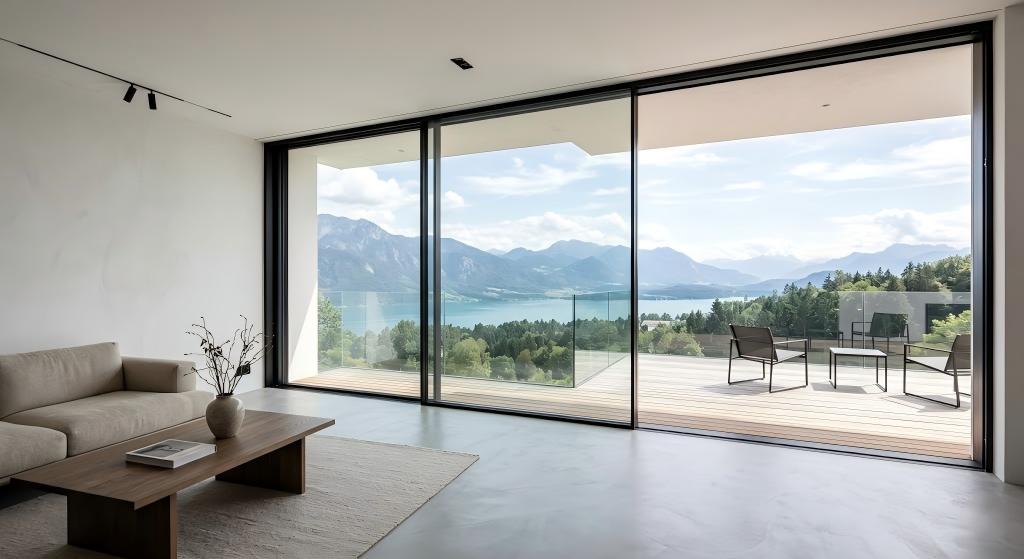
Warum 6063-T5-Aluminium die erste Wahl für hochwertige Fenster und Türen ist
Easy to Shape and Very Strong
Factories love this metal. They can shape it with great ease. The advanced extrusion process creates very exact forms. Additionally, the special T5 cooling process adds huge strength to the metal. This high strength lets factories build thin, sleek frames. Therefore, you get a nice, clean look. Yet, the frame stays very safe and firm. In contrast to weaker metals, it securely holds heavy glass without bending.
Beautiful and Lasting Surface Finishes
Top buildings need to look great for decades. Luckily, this metal takes surface finishes very well. You can easily add powder coating or fine paint. These layers shield the metal from bad weather. Cheap metals rust and fade fast. However, this top metal stops rust completely. Your frames will look brand new for many years. Additionally, buyers can choose from many different colors to match their designs.
Smart Energy Savings for Buildings
Saving power is a big deal today. Builders pair this metal with new heat blocks. They put strong plastic strips inside the frames. These strips stop heat from moving through the metal. Hot air stays out in the summer. Warm air stays in during the winter. As a result, the building uses much less power for heating and cooling. Consequently, owners save a lot of money on their monthly energy bills.
Built for Tough Weather and Storms
Strong winds and bad storms destroy weak materials easily. This metal handles harsh weather conditions without any problems. It passes very strict global tests, like the AS/NZS rules. Despite this great strength, the metal is quite light. This makes it very easy to transport and install on job sites. When you pick this metal, your project will last a very long time. Furthermore, it requires almost zero maintenance over the years.
Perfect for Modern Minimalist Design
Modern homes and offices prefer big glass and thin frames. 6063 t5 aluminum makes this beautiful design possible. The frames stay hidden, and the glass looks huge. This design brings a lot of natural light inside the room. As a result, spaces look much bigger and brighter. Moreover, this clean style matches any new building perfectly.
Eco-Friendly and Completely Recyclable
Our world needs green and clean materials. This metal is completely safe for the earth. You can recycle it many times. It never loses its core strength during the recycling process. Therefore, builders reduce waste when they use it. Choosing this metal helps protect our environment for the future.
Work With Real Manufacturing Experts
The right metal makes your project a total success. 6063 t5 aluminum gives you great strength and lasting beauty. It also saves energy and stops bad weather. At AlloyPro, we make top solutions for your exact needs. We check every step to ensure top quality and safety. Contact our expert team today. We are ready to start your next big project.
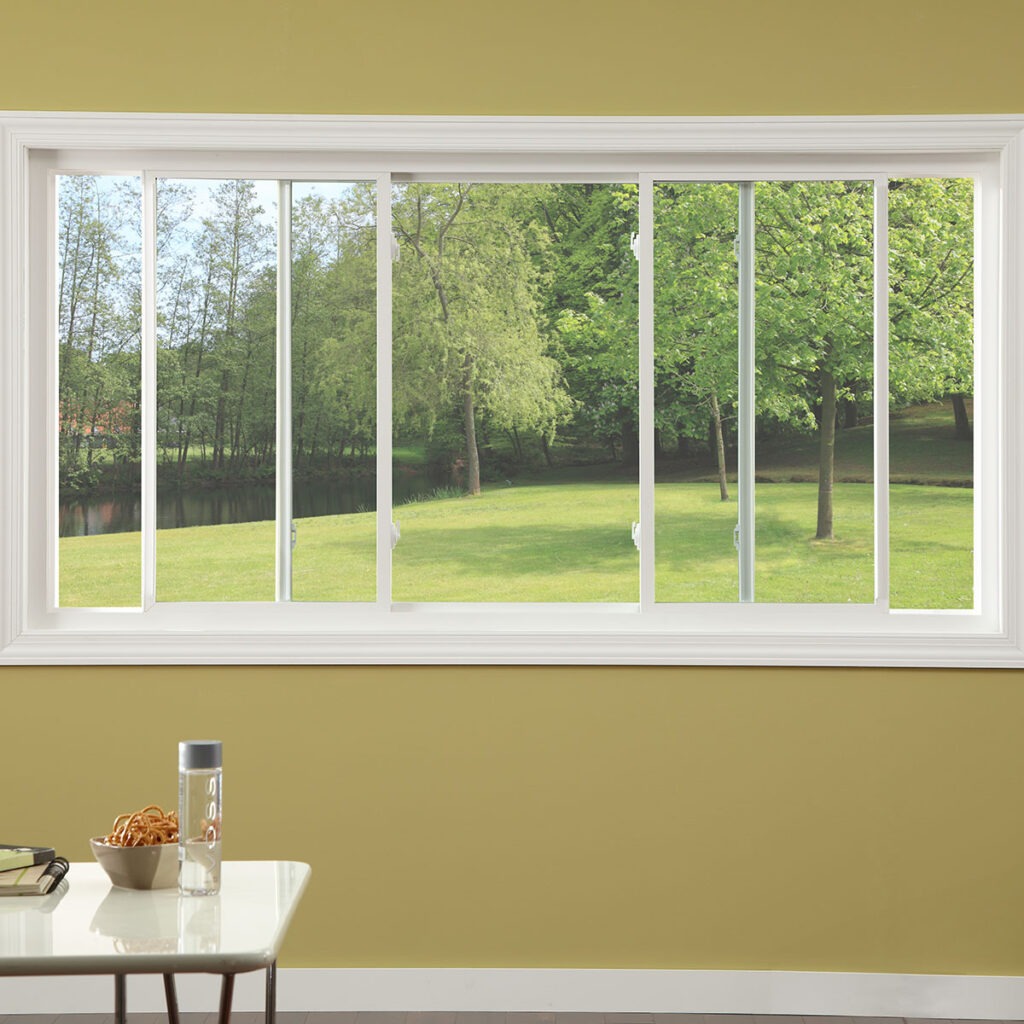
Pflege von Aluminiumfenstern: 5 einfache Schritte für eine lange Lebensdauer
Schritt 1 – Rahmen reinigen für eine bessere Pflege von Aluminiumfenstern
Im Laufe der Zeit sammelt sich Schmutz auf den Rahmen an. Er kann die Schutzbeschichtung zerkratzen und das Metall der Feuchtigkeit aussetzen. Deshalb Aluminiumfenster Die Wartung beginnt immer mit der Reinigung.
Reinigen Sie Ihre Brillenfassungen alle drei Monate. Wenn Sie in Meeresnähe oder an einer stark befahrenen Straße wohnen, sollten Sie sie einmal im Monat reinigen. Sie benötigen ein weiches Tuch, warmes Wasser, mildes Spülmittel und ein trockenes Tuch. Vermeiden Sie Scheuerschwämme und aggressive Chemikalien wie Bleichmittel.
Mischen Sie ein paar Tropfen Spülmittel mit warmem Wasser. Wischen Sie die Rahmen vorsichtig von oben nach unten ab. Spülen Sie sie mit klarem Wasser ab und wischen Sie sie erneut ab. Trocknen Sie sie gründlich mit einem weichen Tuch. Reinigen Sie die Rahmen nicht in direktem Sonnenlicht – das hinterlässt Streifen. Diese einfache Reinigungsroutine ist die Grundlage für eine gute Pflege von Aluminiumfenstern.
Profi-Tipp: Bei starker Verschmutzung etwas Isopropylalkohol ins Wasser geben. Zuerst an einer unauffälligen Stelle testen.
Schritt 2 – Scharniere im Rahmen der Wartung von Aluminiumfenstern schmieren
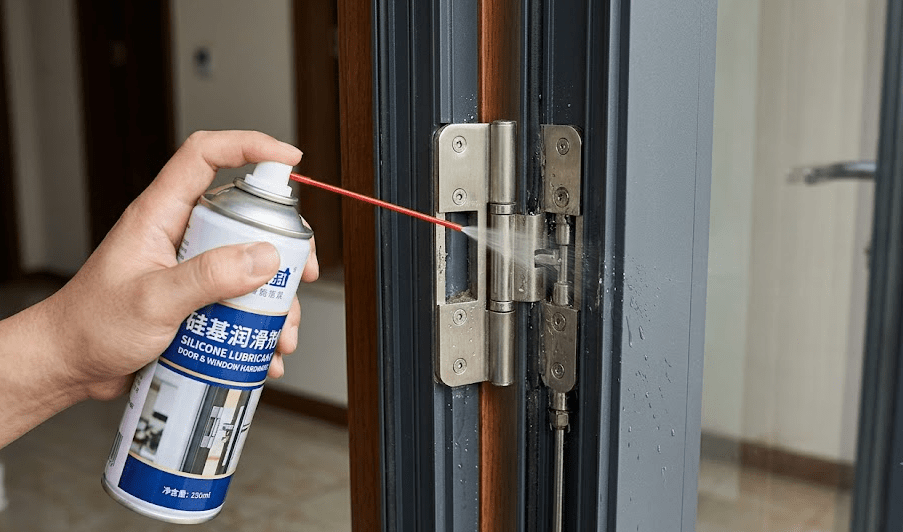
Scharniere und Rollen können mit der Zeit schwergängig werden. Möglicherweise hören Sie ein Quietschen oder spüren einen Widerstand. Zur regelmäßigen Pflege von Aluminiumfenstern gehört das ordnungsgemäße Schmieren.
Verwenden Sie Silikonspray, keine Produkte auf Ölbasis. Öl zieht Staub an, Silikon stößt ihn ab. Öffnen Sie das Fenster einmal im Jahr vollständig. Sprühen Sie eine kleine Menge auf Scharnierstifte, Rollen und Verschlüsse. Schließen und öffnen Sie das Fenster mehrmals, um das Schmiermittel zu verteilen. Wischen Sie überschüssiges Schmiermittel mit einem trockenen Tuch ab. Schon eine kleine Menge reicht aus. Bei Schiebetüren schmieren Sie auch die unteren Rollen.
Wenn Sie diesen Schritt in Ihre jährliche Wartungsroutine für Aluminiumfenster aufnehmen, sorgen Sie dafür, dass die beweglichen Teile reibungslos und geräuscharm funktionieren.
Schritt 3 – Reinigung der Laufschienen und Entwässerungslöcher für eine umfassende Wartung von Aluminiumfenstern
Bei Schiebefenstern und -türen sammeln sich Staub und Schmutz in den unteren Schienen an. Verstopfte Schienen erschweren das Schieben. Gut Pflege von Aluminiumfenstern erfordert außerdem saubere Schienen und Abflusslöcher.
Überprüfen Sie die kleinen Abflusslöcher (Entwässerungslöcher) im unteren Rahmen. Sie dienen dem Abfluss von Regenwasser. Verstopfte Löcher führen zu Wasseransammlungen und damit zu Korrosion. Reinigen Sie die Schienen zweimal im Jahr. Verwenden Sie einen Staubsauger mit Bürstenaufsatz, um losen Schmutz zu entfernen. Wischen Sie die Schienen mit einem feuchten Tuch ab. Reinigen Sie jedes Abflussloch mit einer dünnen Bürste oder Druckluft. Gießen Sie etwas Wasser in die Schiene, um sicherzustellen, dass es ungehindert abfließt.
Saubere Schienen verringern Reibung und Verschleiß. Freigehaltene Abflusslöcher verhindern stehendes Wasser – den größten Feind von Aluminium in Küstengebieten. Dieser Teil der Pflege Ihrer Aluminiumfenster dauert nur wenige Minuten, verlängert aber die Lebensdauer Ihrer Fenster um Jahre.
Schritt 4 – Überprüfen Sie die Dichtungen, um die Wartung Ihrer Aluminiumfenster abzuschließen
Gummidichtungen an Ihren Fenstern halten Wind, Regen, Staub und Lärm fern. Außerdem sparen sie Energie, indem sie Zugluft verhindern. Die Überprüfung dieser Dichtungen ist ein wichtiger Bestandteil der Pflege von Aluminiumfenstern.
Überprüfen Sie die Dichtungen einmal im Jahr. Schließen Sie das Fenster und fahren Sie mit dem Finger an der Dichtung entlang. Achten Sie auf Risse, Lücken oder verhärtetes Gummi. Wenn eine Dichtung Risse aufweist oder gerissen ist, ersetzen Sie sie. Universelle Dichtungsstreifen können Sie online kaufen. Ziehen Sie die alte Dichtung heraus und drücken Sie die neue hinein. Wenn die Dichtung nur ausgetrocknet ist, tragen Sie ein Gummi-Pflegemittel auf Silikonbasis auf, um die Flexibilität wiederherzustellen.
Ignorieren Sie beschädigte Dichtungen nicht. Durch einen kleinen Spalt dringt genauso viel Feuchtigkeit ein wie bei einem leicht geöffneten Fenster. Der Austausch von Dichtungen ist kostengünstig und einfach. Nehmen Sie diese Überprüfung in Ihre jährliche Pflege von Aluminiumfenstern Zeitplan.
Schritt 5 – Berücksichtigen Sie Ihr Klima für eine sinnvolle Pflege Ihrer Aluminiumfenster
Die örtlichen Gegebenheiten beeinflussen, wie oft Sie Ihre Aluminiumfenster warten müssen. Ein Haus im trockenen Arizona erfordert einen anderen Wartungsplan als eine Villa am Strand in Florida.
- Küstengebiete – Spülen Sie die Fenster alle zwei Wochen mit klarem Wasser ab. Reinigen Sie die Rahmen einmal im Monat. Überprüfen Sie regelmäßig die Abflusslöcher. Salz beschleunigt die Korrosion, daher ist eine regelmäßige Pflege von Aluminiumfenstern unerlässlich.
- Städtische Gebiete – Verschmutzungen hinterlassen einen klebrigen Film. Reinigen Sie die Fenster einmal im Monat. Achten Sie besonders auf die Schienen.
- Wüsten- oder Trockenklima – Staub und Sand verursachen Kratzer an beweglichen Teilen. Reinigen Sie die Laufschienen alle zwei Monate. Schmieren Sie die Scharniere zweimal im Jahr.
- Kaltes Klima – In den Schienen kann sich Eis bilden. Versuchen Sie niemals, ein zugefrorenes Fenster mit Gewalt zu öffnen. Sprühen Sie vor dem Winter Silikonspray auf. Überprüfen Sie die Dichtungen auf Risse.
- Während der Bauphase – Kleben Sie die Fenster mit Schutzklebeband ab. Zementstaub und Farbe lassen sich kaum noch entfernen, sobald sie getrocknet sind.
Passen Sie Ihren Zeitplan an Ihre Umgebung an. Dieser kluge Ansatz für Pflege von Aluminiumfenstern verdoppelt die Lebensdauer Ihrer Fenster.
Fazit – Befolgen Sie diese Schritte für eine zuverlässige Pflege Ihrer Aluminiumfenster
Hier noch einmal die fünf Schritte:
- Reinigen Sie die Rahmen mit milder Seife (alle 3 Monate oder monatlich in Meeresnähe).
- Schmieren Sie die Scharniere mit Silikonspray (einmal im Jahr).
- Spuren und Abflusslöcher freimachen (zweimal jährlich).
- Überprüfen Sie die Dichtungen und ersetzen Sie beschädigte Dichtungsstreifen (einmal jährlich).
- Berücksichtigen Sie Ihr Klima und passen Sie die Häufigkeit entsprechend an.
Die Pflege von Aluminiumfenstern erfordert keine besonderen Fähigkeiten. Ein weiches Tuch, milde Seife, Silikonspray und eine kleine Bürste reichen aus. Nehmen Sie sich ein- bis zweimal im Jahr 15 Minuten Zeit für jedes Fenster oder jede Tür.
Ihre AlloyPro-Fenster und -Türen sind auf Langlebigkeit ausgelegt. Mit dieser einfachen Pflege bleiben sie 20 Jahre oder länger leichtgängig, geräuscharm und wetterfest. Bei Fragen wenden Sie sich bitte an das AlloyPro-Team. Wir helfen Ihnen gerne weiter.