






Aluminum profile for automation: 5 Key Factors for Stability
1. Why Load Capacity Defines Your Aluminum profile for automation Selection
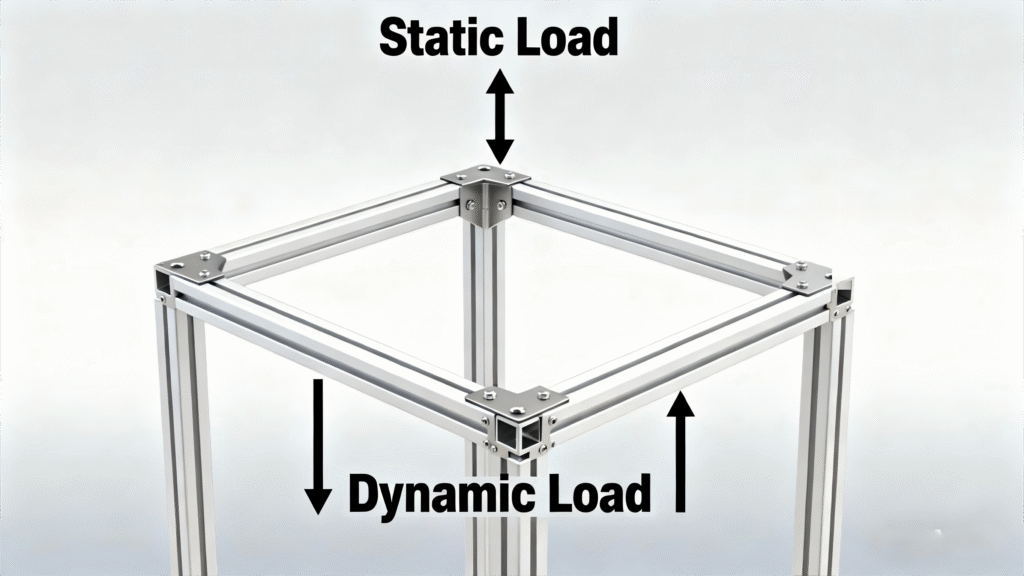
Your framework must support significant weight while withstanding various dynamic forces. Furthermore, you must distinguish between static and dynamic loads. Static loads represent the weight of stationary components. In contrast, dynamic loads involve stress from moving parts. Therefore, we recommend calculating the total load and including a safety factor. For high-stress areas, we always suggest an Aluminum profile for automation with thicker walls.
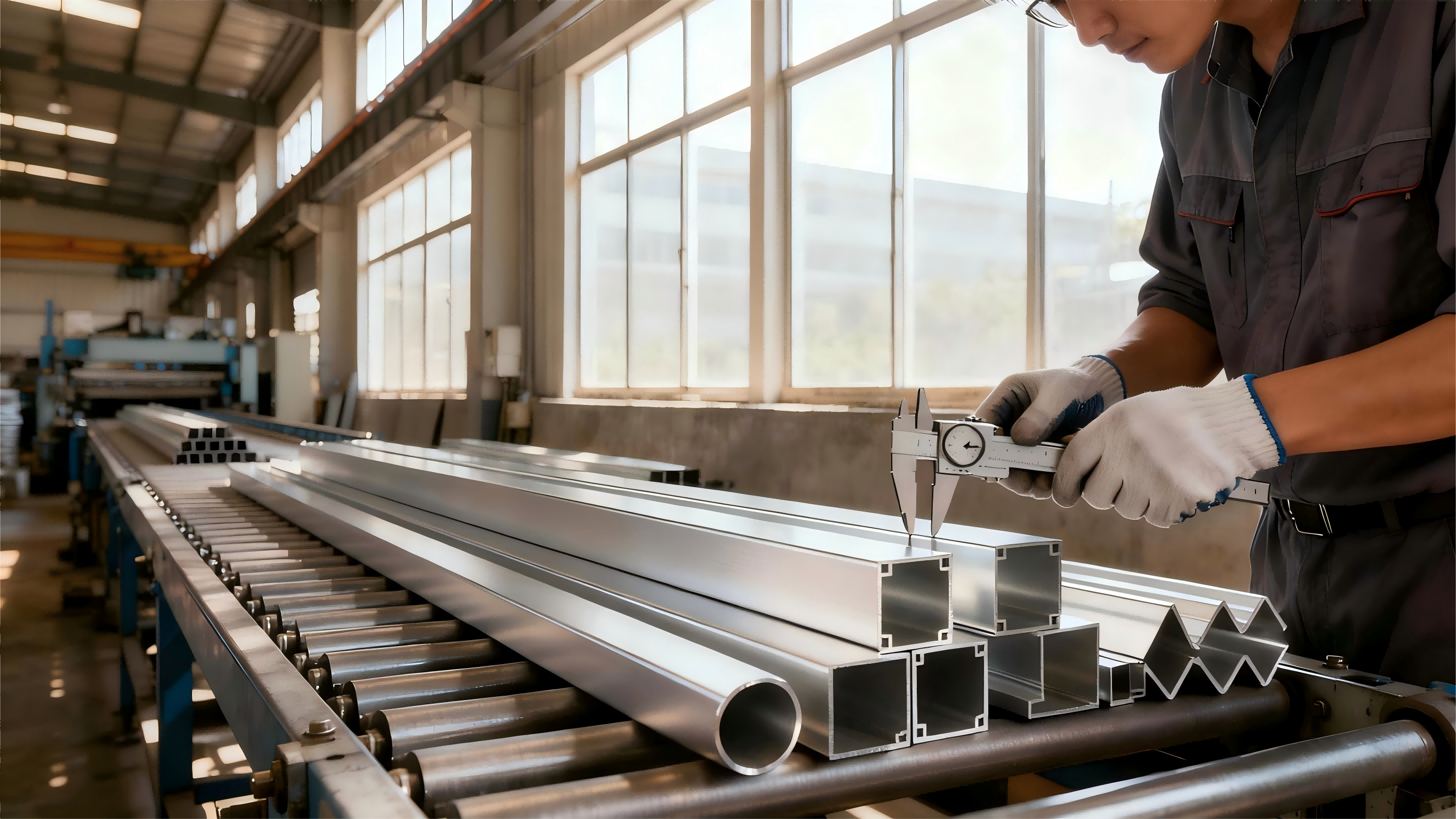
2. Profile Size and Precision in Aluminum profile for automation Production
Size directly impacts both structural stability and project cost. In addition, cross-sectional dimensions determine the specific application. Large profiles support main frames, while small profiles work for guards and brackets. Hence, dimensional accuracy remains vital for easy assembly and structural integrity. Our advanced Aluminum profile for automation production process guarantees consistent accuracy. Consequently, this ensures a hassle-free assembly for your team.
3. Alloy Choice: Enhancing Your Aluminum profile for automation Performance
The specific alloy defines the core properties of your framework. For instance, 6061 alloy offers higher strength for heavily machined parts. However, 6063 alloy provides better corrosion resistance and a superior surface finish. Therefore, most structural frames benefit from the versatility of a 6063 aluminum product. We utilize high-grade alloys to ensure the longevity of every Aluminum profile for automation we produce.
4. Accessory Compatibility for the Aluminum profile for automation
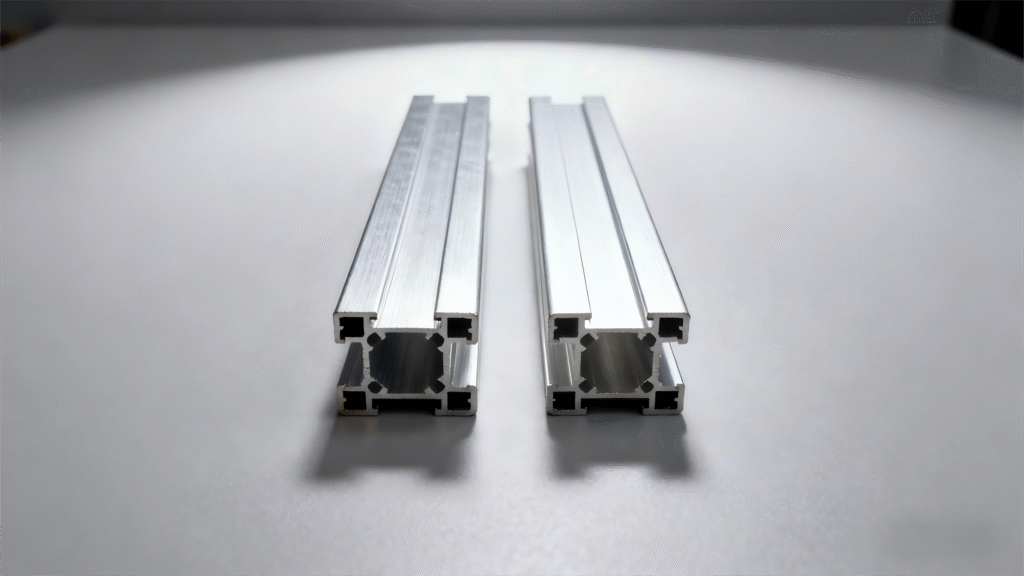
Consider the entire building system during the design phase. Furthermore, ensure the T-slot design works with standard nuts and connectors. Integrated features like pre-drilled holes can save significant assembly time. Consequently, selecting the right Aluminum profile for automation with integrated features simplifies future modifications.
5. Surface Treatment for Your Aluminum profile for automation
Protect your investment from harsh factory environments. First, anodizing creates a hard, corrosion-resistant layer. Second, powder coating provides a thicker shield against chemicals. Moreover, the final step in our Aluminum profile for automation production is professional surface treatment. Choose the finish that best suits your specific environment.