







What are the Advantages and Disadvantages of Aluminum Windows?
When planning a modern building, choosing the right frame material is a critical decision. Many architects favor aluminum for its sleek look and structural strength. However, like any material, it has specific characteristics that you should consider. At AlloyPro, we focus on maximizing Aluminum Window Performance to provide long-term value. This article breaks down the pros and cons of aluminum systems to help you choose the best fit for your project.
The Advantages: Strength and Durability
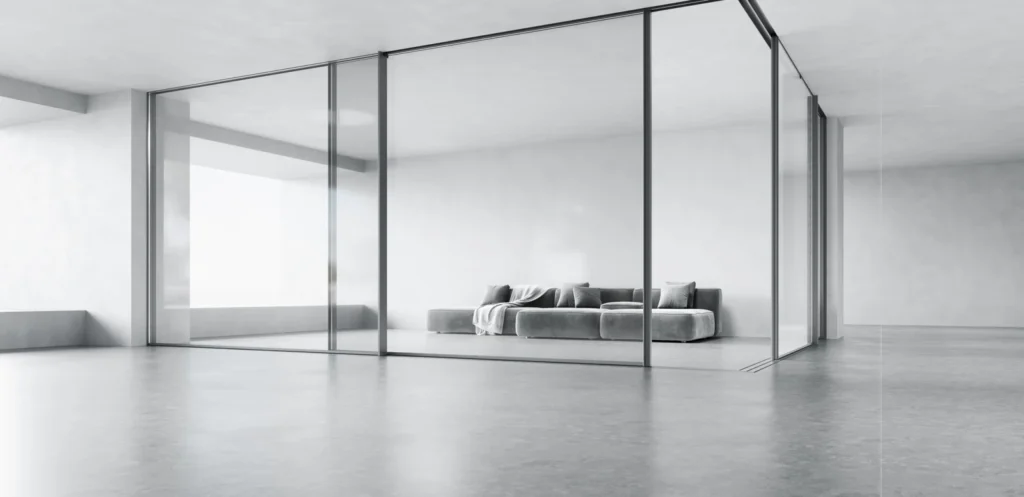
Aluminium’s strength can support slim frame designs, subject to the system’s size and load limits. Compare the exact frame, glazing and hardware configuration rather than assuming a material grade supports any pane size.
Suitable finishes and maintenance help durability. For a coastal site, ask for the coating specification and the supplier’s written cleaning and inspection schedule for salt exposure. Service life is not fixed at 30–40 years, and any AS 2047 evidence must apply to the proposed window configuration and rated conditions.
The Advantages: Design Flexibility and Sustainability
Request the available frame finishes and a sample for the specified system. Where environmental information is required, ask for traceable product-specific documents and the proposed end-of-life route rather than assuming every window has the same impact.
Thermal breaks reduce conduction through aluminium frames. Whole-window energy performance is a separate assessment from AS 2047 wind and water performance; AS 2047 is not a universal international energy certification.
The Disadvantages: Initial Cost and Thermal Conductivity
Compare like-for-like installed quotations, including glazing, finish, hardware and installation. Initial cost and possible operating savings depend on the actual alternatives and building.
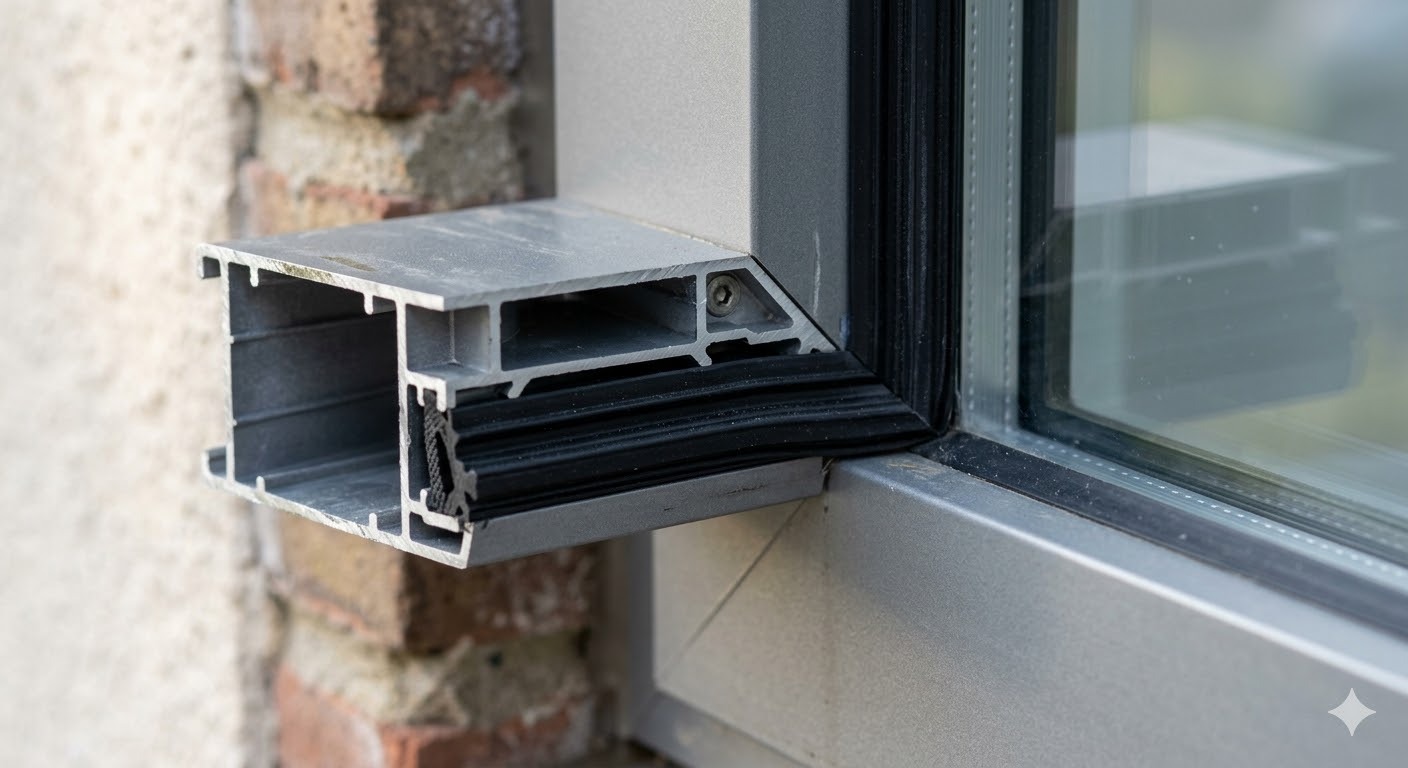
Non-thermally broken aluminium conducts heat readily. Thermal breaks can improve insulation, but condensation also depends on glazing, humidity, ventilation and installation.
Comparison: Why Quality Standards Matter
For an Australian project, obtain the applicable AS 2047 evidence and check the declared ratings, configuration and installation limits against the site requirements.
Alloy grade alone does not prevent sagging. Size, section geometry, reinforcement, connections and glass weight must be checked as part of the system design. For a closer look at frame geometry, see the single-chamber and multi-chamber frame comparison.
Заключение
Balance design, thermal needs, exposure, maintenance and cost. Ask AlloyPro for the available documents for the proposed configuration rather than relying on a blanket material or certification claim.
For related product and planning information, see Aluminum vs Vinyl Windows: Comparing Design and Performance, Алюминиевые окна с терморазрывом: руководство по энергоэффективности, and 5 Benefits of High-Performance System Aluminium Windows.
Send AlloyPro your project requirements, including location, drawings, quantities and the performance documents you need.