






Dirección

Guangdong, China

Correo electrónico

postmaster@alloypro.net

Ventanas abatibles seguras: los tres aspectos de seguridad más importantes para los proyectos

A la hora de planificar proyectos residenciales o comerciales de alta gama, las ventanas abatibles de seguridad se encuentran entre las opciones más confiables para garantizar la seguridad del edificio. Muchos arquitectos y propietarios se preguntan: “¿Son realmente seguras las ventanas abatibles?”. La respuesta corta es sí. De hecho, su diseño único hace que sea prácticamente imposible forzarlas desde el exterior.

Sin embargo, no todos los sistemas ofrecen la misma protección. En AlloyPro, nos centramos en sistemas de ingeniería que combinan una estética elegante con la máxima seguridad. A continuación, te presentamos los tres aspectos clave de seguridad que definen una instalación de alta calidad y te ayudan a construir con confianza.

1. Sistemas avanzados de cierre multipunto

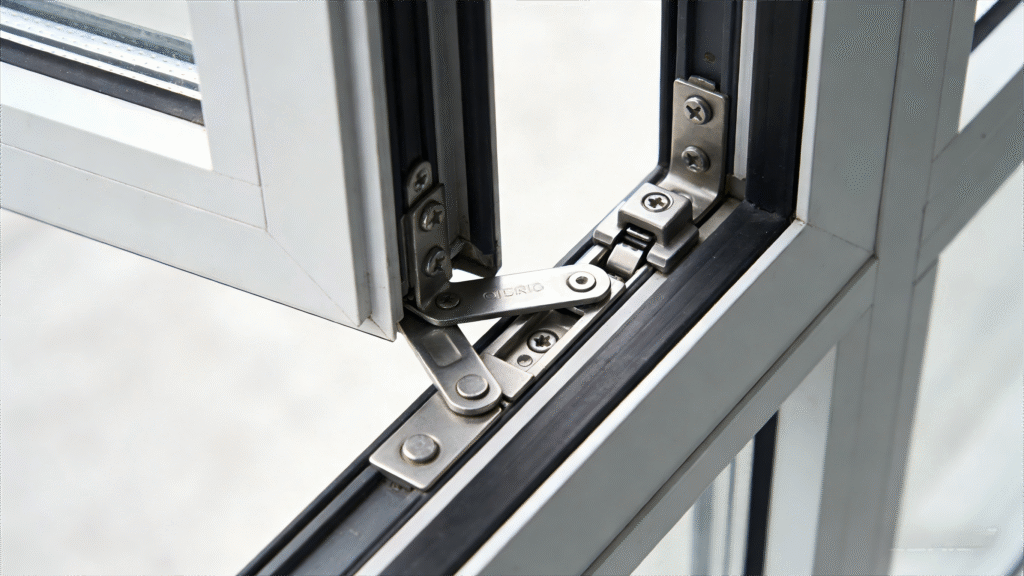
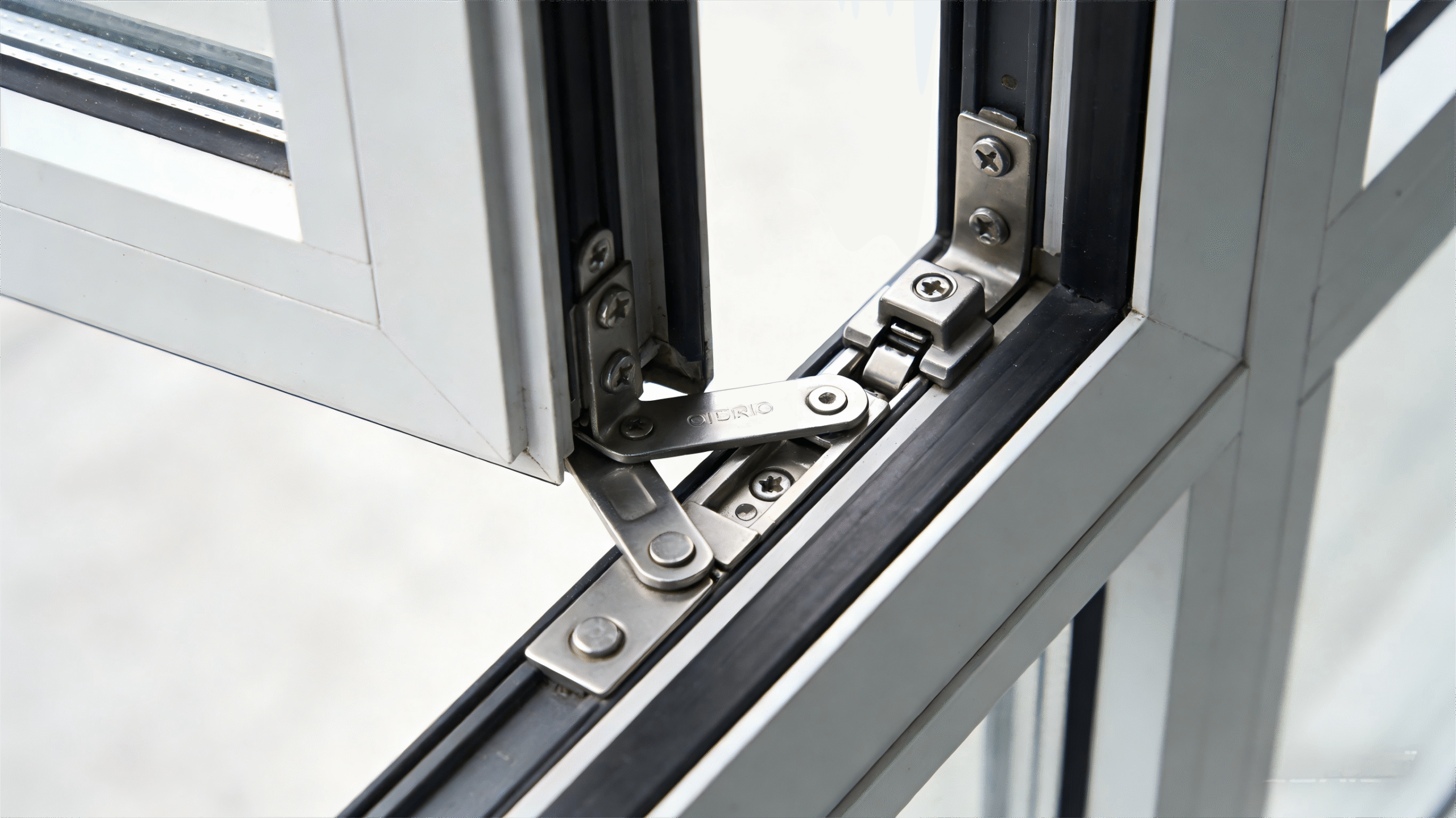
Las ventanas estándar suelen contar con un solo pestillo. En cambio, las de alto rendimiento ventanas abatibles de seguridad utilizan mecanismos de cierre multipunto. Este sistema asegura la ventana en varios puntos a lo largo del marco con solo girar una manija.

Además, estos cerrojos ajustan la hoja de la ventana contra la junta del marco. Esto crea una barrera hermética y a prueba de manipulaciones. Para los compradores internacionales, es fundamental asegurarse de que los herrajes cumplan con las normas internacionales. AlloyPro incorpora cerrojos de primera calidad que resisten eficazmente los intentos de entrada forzada, lo que brinda la tranquilidad necesaria para cualquier proyecto.

2. Integridad estructural de los marcos de aluminio

El material del marco determina la resistencia general de la ventana. Mientras que el vinilo o la madera pueden deformarse con el tiempo, el aluminio de alta calidad se mantiene rígido y estable. AlloyPro utiliza aleaciones de aluminio de primera calidad que resisten presiones de viento extremas y golpes.

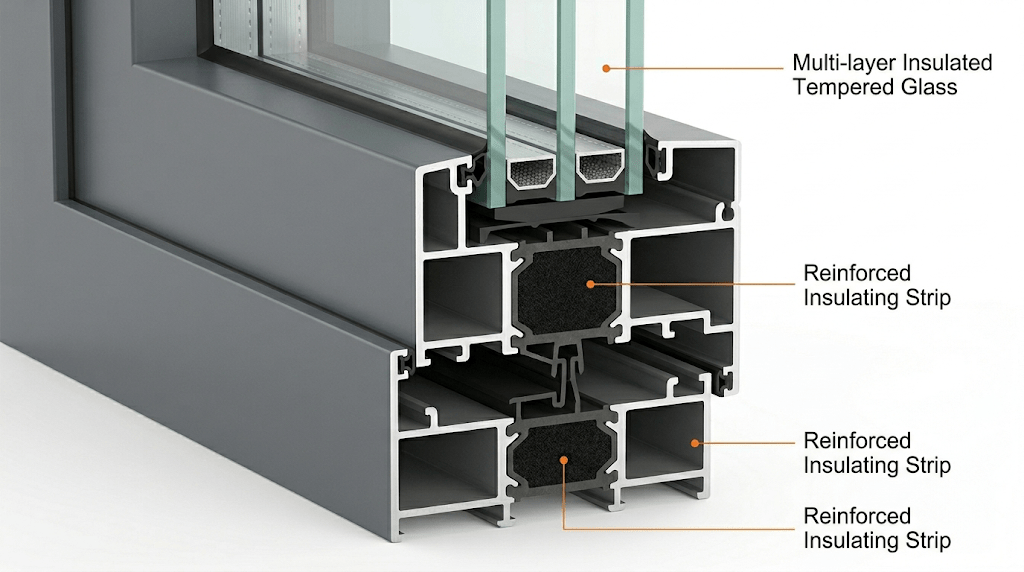
Además, nuestra tecnología de rotura de puente térmico no solo ahorra energía. Incorpora capas estructurales internas que hacen que el marco sea más resistente a la flexión y a la rotura. Al elegir un marco de aluminio robusto, estás invirtiendo en una barrera de seguridad a largo plazo. Esta durabilidad es la razón por la que los contratistas modernos prefieren nuestros sistemas para proyectos de lujo.

3. Ingeniería del vidrio resistente a los impactos

El vidrio suele ser la parte más vulnerable de cualquier edificio. Para contrarrestar esto, utilizamos “sistemas de vidrio de alta eficiencia energética” que cumplen una doble función. Estos sistemas incluyen opciones de vidrio templado o laminado diseñadas para entornos de alto tránsito.

El vidrio laminado, en particular, permanece intacto incluso si se agrieta. Esto impide que los intrusos accedan rápidamente al interior. Además, la integración de estas unidades de vidrio en nuestros marcos de alta precisión garantiza que no haya puntos débiles por donde puedan introducirse herramientas de palanca. Al combinar un vidrio resistente con un marco seguro, se crea una solución de seguridad completa.

Conclusión

La seguridad en la arquitectura moderna exige prestar atención a cada detalle. Desde cerraduras multipunto hasta marcos de aluminio reforzado y vidrio resistente a los impactos, cada elemento desempeña un papel fundamental. Ventanas abatibles de seguridad ofrecen una protección superior, ya que su diseño resiste de por sí los intentos de entrada forzada.

Si busca soluciones para ventanas fiables y de alta gama, AlloyPro le ofrece la experiencia que necesita. Nuestros sistemas dan prioridad a su seguridad sin renunciar a un diseño minimalista. Explore nuestra colección hoy mismo y descubra cómo redefinimos la seguridad en los sistemas de vidrio modernos.

Multicámara frente a monocámara: ¿mejora el aislamiento gracias a su estructura?

When evaluating high-performance Aluminum Window Sections for modern construction, the internal structure is the most critical technical decision. This structural difference directly dictates a building’s energy efficiency and acoustic comfort. Understanding how these cavities function is essential for selecting the right framing system for modern architectural requirements.

Structural Comparison of Aluminum Window Sections

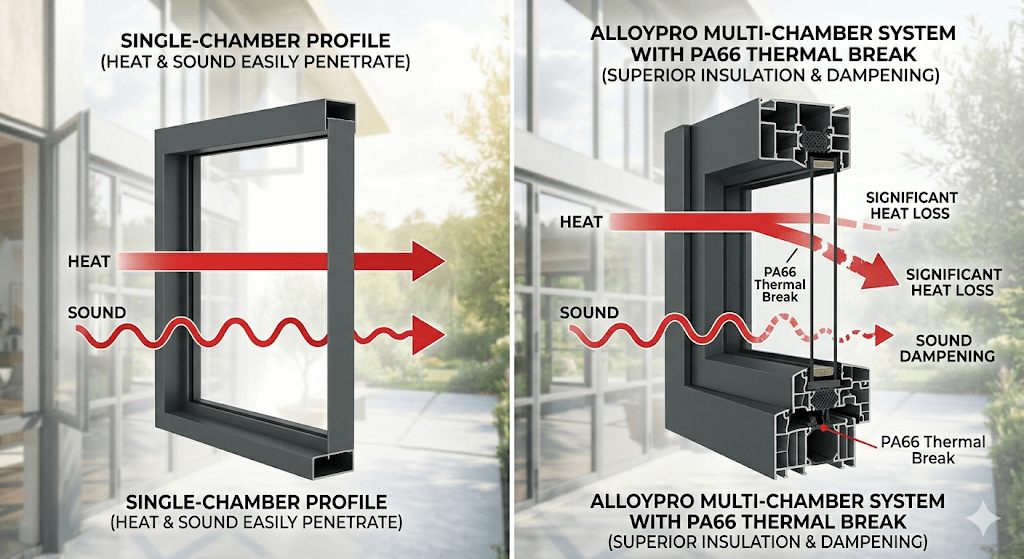
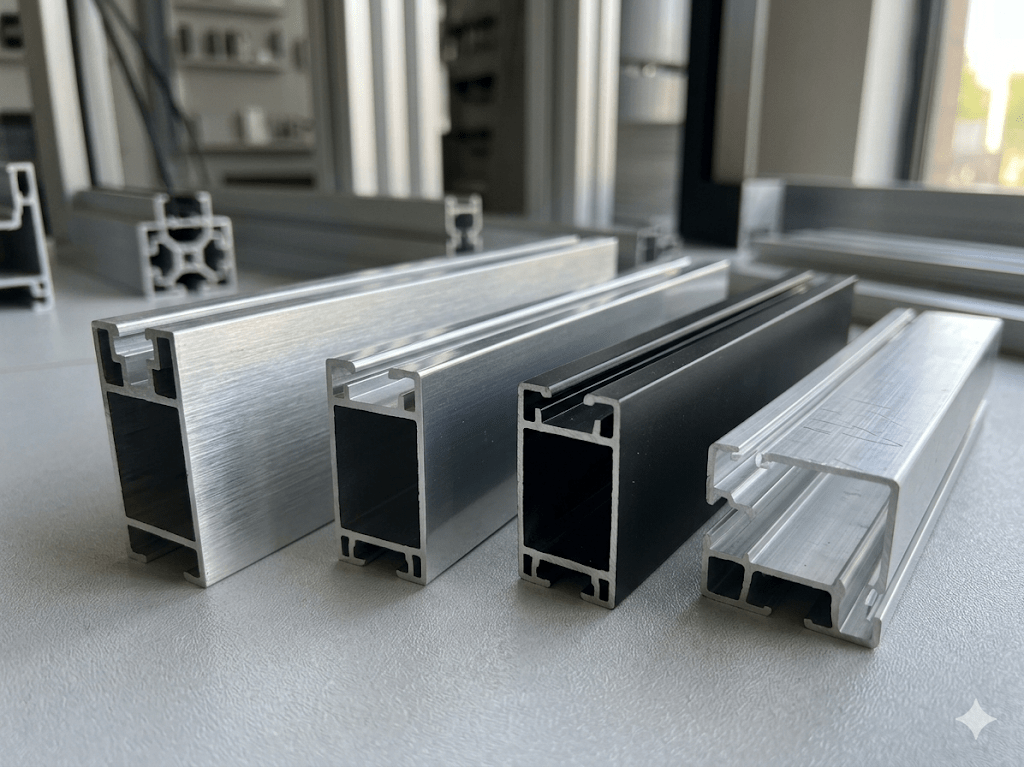
The fundamental difference lies in how air and energy move within the frame. A single-chamber design features one large open cavity. While it provides basic structural support and is cost-effective for simple applications, it allows heat and sound waves to pass through the metal profile with minimal resistance.

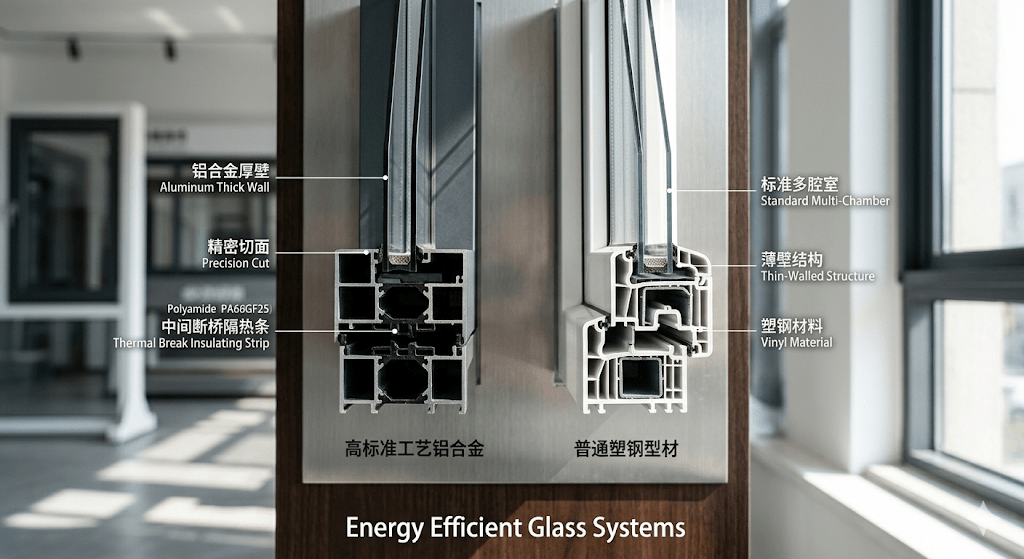
In contrast, multi-chamber Aluminum Window Sections utilize internal dividers to create a series of isolated air pockets. These chambers act as a natural buffer, slowing down thermal conduction. These internal ribs also provide additional “stiffness” to the profile, ensuring the frame remains stable under high wind pressure and physical stress.

Thermal Performance of Aluminum Window Sections

Aluminum is a natural conductor of heat. In a single-chamber approach, the large void does little to stop thermal transfer. High-performance Aluminum Window Sections solve this by combining a “thermal break” (a non-conductive barrier) with a multi-chamber geometry.

This combination effectively “traps” still air within the multiple small chambers. Since still air is an excellent insulator, this design significantly reduces the U-value of the window frame. For large-scale projects, this structural choice is the primary driver behind reduced electricity consumption and improved indoor climate control.

Acoustic Comfort: The “Sound Trap” Effect

Beyond temperature, the internal structure impacts urban noise reduction. A hollow, single-chamber frame can act like a drum, vibrating and potentially amplifying external noise.

Multi-chamber Aluminum Window Sections disrupt these sound vibrations through their reinforced internal walls. As noise attempts to travel through the frame, the sound waves hit multiple dividers, each reflecting and absorbing different frequencies. This “sound trap” effect provides a superior shield against traffic and construction noise, making it the standard for high-end residential and commercial interiors.

Conclusion: Engineering Success with AlloyPro

The choice between multi-chamber and single-chamber structures ultimately determines the longevity and comfort of a building. While single-chamber sections may suffice for basic needs, the next generation of architectural standards demands the precision of multi-chamber engineering.

As a specialist in high-performance building solutions, AlloyPro provides advanced Aluminum Window Sections from our manufacturing base in Guangdong. We combine rigorous structural testing with precision extrusion technology to ensure every profile delivers maximum insulation and durability. AlloyPro’s multi-chamber systems offer the reliable structural integrity your architectural projects deserve.

Commercial Aluminum Window: Casement vs Sliding Comparison

Choosing a Commercial Aluminum Window requires you to evaluate the specific needs of your building design. Both casement and sliding systems offer unique benefits for modern architecture. Architects frequently compare Casement vs Sliding Windows to see which design fits their climate best. This guide provides a clear analysis to help you find the right Commercial Aluminum Window for your next build.

How Does Each Commercial Aluminum Window Type Operate?

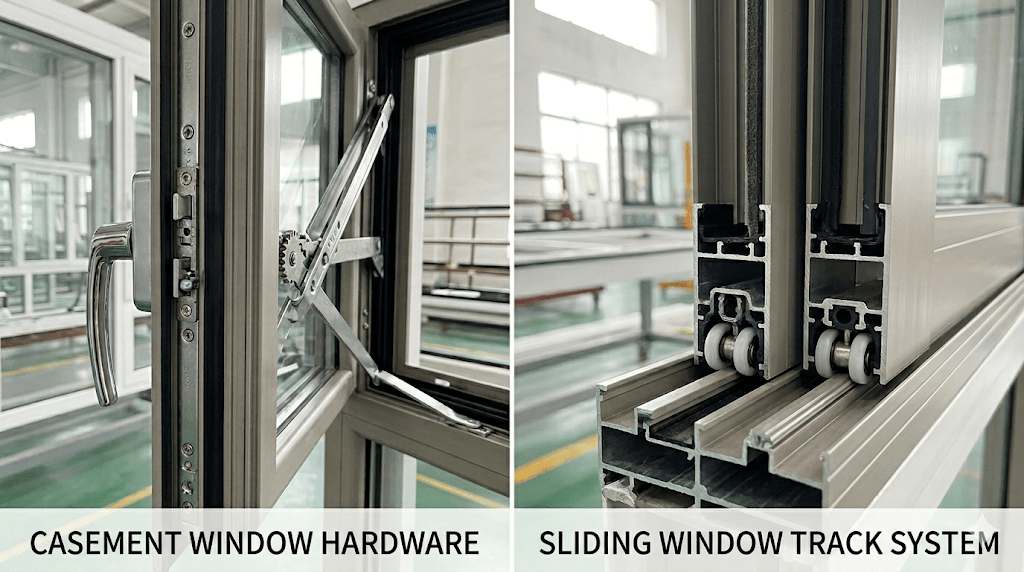
Each Commercial Aluminum Window type uses a different mechanical principle. Casement windows use side hinges to swing outward like a door. This design allows the entire window to open, which helps move more air. In contrast, sliding windows move sideways along a track. This mechanism saves space because the sash does not stick out inside or outside.

Furthermore, your project layout often decides the best choice. Sliding windows work well for walkways or patios where space is tight. Meanwhile, casement windows fit perfectly on angled walls where you want to catch side breezes for natural cooling.

Energy Standards for Your Commercial Aluminum Window

When you evaluate Energy Efficient Windows, both designs meet different goals. Casement windows use a compression seal. When you lock them, the sash presses tight against the frame. This creates a strong barrier against wind and rain. This makes them a great choice for high-rise projects.

Additionally, AlloyPro offers high-capacity sliding systems with thermal break technology. A sliding Commercial Aluminum Window provides large, clear views. They can hold much bigger glass panels than a hinged window. For projects that need a “wall of glass” look, sliding Aluminum Windows for Projects offer a smart and practical solution.

Security Features of a Commercial Aluminum Window

Security is a top priority for every Commercial Aluminum Window. Casement designs use multi-point locks built into the frame for strong protection. On the other hand, modern sliding Aluminum Windows for Projects use reinforced latches. These provide reliable security for commercial buildings.

Furthermore, the life of your Commercial Aluminum Window depends on the metal quality. AlloyPro uses premium 6063-T5 aluminum to ensure both window types resist rust. Whether you pick a casement or a sliding system, choosing the right materials is essential for Energy Efficient Windows.

Finding the Best Commercial Aluminum Window Solution

Ultimately, the best window is the one that fits your project goals. If you need maximum air tightness and a classic style, casement Energy Efficient Windows are a smart investment. They work very well for projects that need to block outside noise.

However, if your project needs a modern look and easy operation for large openings, a sliding Commercial Aluminum Window is the best fit. At AlloyPro, we offer many Aluminum Windows for Projects that meet international standards like AS2047. Contact our team today to explore our solutions and ensure high quality for your build.

PVDF vs Powder Coating for Coastal Aluminum Projects

The PVDF vs Powder Coating debate remains crucial for modern coastal construction today. Therefore, harsh salt spray destroys standard aluminum surfaces rapidly. Consequently, choosing the best aluminum finish protects your valuable investment completely. At AlloyPro, we help global clients resolve this important technical decision daily. Ultimately, you must ensure long-term architectural durability for your buildings.

What is Powder Coating Technology?

Powder coating is a highly popular dry finishing process. Therefore, we apply a thermoplastic powder to the raw aluminum surface. Thus, we cure it under high heat completely. This process creates a very tough and hard finish. Moreover, it offers a vast range of beautiful custom colors. However, standard powder coatings struggle with heavy salt concentrations. Ultimately, coastal areas require a far more robust surface treatment.

PVDF vs Powder Coating: The Fluorocarbon Edge

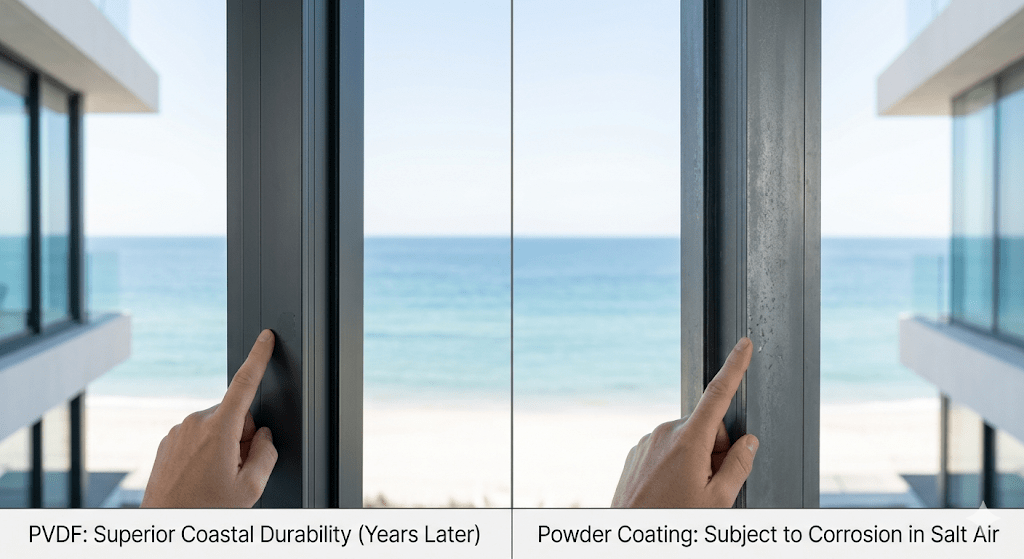
PVDF is a premium resin-based liquid coating system. Therefore, it contains highly stable fluorine atoms always. This creates an incredibly strong chemical bond perfectly. In the PVDF vs Powder Coating comparison, PVDF wins easily. It actively resists intense chemical weathering and salt-air environments. Additionally, these fantastic finishes feature brilliant self-cleaning properties. Thus, they resist ugly chalking and fading completely. Ultimately, PVDF provides a superior barrier against corrosive chloride ions.

PVDF vs Powder Coating: Maintenance and Durability

The lifespan difference is truly significant in coastal environments. When analyzing PVDF vs Powder Coating, PVDF lasts much longer. Therefore, PVDF finishes maintain their color for over 20 years. Powder coatings may show fading in salty air sooner. Furthermore, ongoing maintenance requirements vary between the two options. PVDF surfaces stay incredibly clean for much longer periods. Consequently, slick surfaces repel harmful dust and salt effortlessly. Ultimately, textured powder coatings might require frequent costly rinsing.

Conclusion on PVDF vs Powder Coating Choices

The final decision depends on your specific project location. Inland buildings benefit from cost-effective powder coating applications greatly. However, seaside sites require premium PVDF finishes absolutely. The initial investment is slightly higher for your business. Thus, the long-term maintenance savings are truly substantial. At AlloyPro, we provide both high-quality professional options. Resolve your PVDF vs Powder Coating choice with our expert team. We ensure your aluminum profiles stand the ultimate test today.

Perfiles de aluminio 6063 T5 y T6 de AlloyPro: existencias de fábrica

Aluminum T5 vs. T6: 6063 Aluminum Temper Guide for Projects

Aluminum T5 vs T6 temper selection is a critical technical decision for any high-end construction or industrial manufacturing project. As a leading manufacturer, AlloyPro provides this comprehensive 6063 Aluminum Temper Guide to help engineers and architects understand how specific heat treatment processes affect the final performance of their Custom Aluminum Profiles.

Why the Choice of Aluminum T5 vs T6 Matters

The “temper” of an alloy defines its soul. While the chemical composition of 6063 remains the same, the thermal processing creates two entirely different materials. Choosing between Aluminum T5 vs T6 impacts not only the structural integrity of your building but also the long-term cost and aesthetic durability of the installation. Furthermore, failing to specify the correct temper can lead to unexpected material deformation during fabrication.

Decoding the 6063 Aluminum Temper Guide: Cooling Processes

To understand the performance gap, we must look at the production line. In this 6063 Aluminum Temper Guide, we distinguish the two states by their cooling intensity:

  1. T5 Tempering: We cool the aluminum profiles quickly using air or water fans immediately after they exit the extrusion die. Following this, the metal undergoes “artificial aging” in a specialized oven. This process stabilizes the metal while maintaining its natural surface smoothness.
  2. T6 Tempering: This is a more aggressive two-stage process. We perform “solution heat treatment” followed by rapid quenching in a water bath. This process creates a much denser molecular structure. Consequently, T6 profiles achieve significantly higher mechanical ratings.

Comparing Mechanical Aluminum Strength and Hardness

When analyzing Aluminum Strength and Hardness, structural requirements are the primary driver. In many heavy-duty industrial applications, the difference is non-negotiable.

  • Yield Strength and Tension: T6 temper typically offers a 30% to 50% increase in yield strength compared to T5. If your project involves high-rise curtain walls or heavy machinery frames, T6 provides the necessary safety margin.
  • Surface Hardness: According to standard measurements, T6 reaches higher hardness levels on the Webster scale. However, this increased Aluminum Strength and Hardness makes the metal more brittle. In contrast, T5 maintains enough ductility for complex secondary operations like bending or punching without cracking.

Enhancing Custom Aluminum Profiles with Superior Aesthetics

Your choice of Aluminum T5 vs T6 also dictates the visual success of your project. Because the T5 cooling process is less traumatic for the metal, it avoids the micro-warping that can occur during T6 quenching.

As a result, T5 is the premier choice for Custom Aluminum Profiles that require high-quality surface treatments. Whether you choose powder coating, PVDF, or fine anodizing, T5 provides a more consistent “mirror-like” finish. Furthermore, the smoother grain structure of T5 allows for better color uniformity across large batches, which is essential for modern minimalist architectural designs.

Conclusion: Trust AlloyPro for Your Custom Aluminum Profiles

In summary, your project’s unique demands should dictate the temper. If you prioritize structural Aluminum Strength and Hardness, T6 is your best investment. However, for most architectural designs, the T5 temper offers the perfect harmony of beauty, workability, and value.

As a professional manufacturer based in Guangdong, AlloyPro specializes in high-precision Custom Aluminum Profiles. We operate state-of-the-art extrusion lines and advanced aging ovens to ensure every batch follows our strict 6063 Aluminum Temper Guide. Our team provides full technical support, from mold design and alloy selection to specialized surface treatments that meet international standards.

Whether you are developing high-performance window systems or complex industrial frameworks, AlloyPro ensures consistency, durability, and competitive lead times. Contact our engineering team today to discuss your project requirements and let us help you select the perfect Aluminum T5 vs T6 solution for your success.

Top 10 Aluminum Doors 2026 Ranking & Global Supplier Guide

This guide ranks the Top 10 Aluminum Doors for 2026. Today, building trends are changing fast. Therefore, high-performance aluminum systems are now the top choice for modern projects. These products offer great durability and energy savings for global buyers.

1. Schüco: Quality in Top 10 Aluminum Doors (Germany)

Schüco is a famous leader in European engineering. They dominate the market with premium thermal break technology. Moreover, their 2026 products focus on high security. Because of their strict standards, these doors offer the best energy efficiency.

2. Reynaers Aluminium: Style in Top 10 Aluminum Doors (Belgium)

Reynaers is well-known for beautiful architectural designs. They provide a wide range of sliding glass doors. In addition, their systems have excellent sound insulation. Consequently, they are perfect for luxury homes and quiet office spaces.

3. YKK AP: Strength for Top 10 Aluminum Doors (Japan/USA)

YKK AP makes very reliable aluminum profiles. Their products can handle extreme weather easily. Furthermore, their precision manufacturing sets a high bar for the industry. This ensures that their commercial doors last for many years.

4. Andersen Windows & Doors: North American Top 10 Aluminum Doors (USA)

Andersen is a top brand in North America. They offer high-end solutions for the residential market. Specifically, they focus on energy-saving designs. Thus, their global network provides homeowners with very durable entry systems.

5. Kawneer: Trusted Top 10 Aluminum Doors (USA)

Kawneer specializes in heavy-duty doors for public buildings. Their 2026 designs include advanced thermal features. Also, these systems are very safe for schools and hospitals. They provide strong performance in high-traffic areas.

6. AluK: Global Top 10 Aluminum Doors (Luxembourg)

AluK has a massive global presence. They design versatile frames for many different building codes. Since their systems are modular, they are very easy to install. As a result, they are a cost-effective choice for large developments.

7. Alumil S.A.: Slim Top 10 Aluminum Doors (Greece)

Alumil is a expert in minimalist design. They create sliding systems with very thin frames. Additionally, their latest models allow for more natural light. This helps green buildings save more energy while looking modern.

8. LIXIL Corporation: Tech in Top 10 Aluminum Doors (Japan)

LIXIL leads the Asian market with the TOSTEM brand. They make pre-engineered kits that are simple to use. Furthermore, they now use smart technology. For instance, they add biometric locks directly into the aluminum frame.

9. Xingfa Aluminium: Leading Top 10 Aluminum Doors (China)

Xingfa is a giant in the aluminum extrusion world. They supply architectural profiles for huge infrastructure projects. Consequently, they have a very stable supply chain. They offer everything from simple doors to complex bifold systems.

10. JELD-WEN: Reliable Top 10 Aluminum Doors (USA)

JELD-WEN is a trusted global name. They provide a huge variety of custom patio doors. Moreover, their 2026 catalog focuses on all-weather protection. Their products stay strong even in salty coastal air or hot sun.

AlloyPro: A Specialist Beyond the Top 10 Aluminum Doors

AlloyPro is a high-performance specialist based in Guangdong, China. We serve the global B2B market with professional aluminum solutions.

  • Company Strength: AlloyPro has years of experience in aluminum extrusion. We run modern production lines. In addition, we support big projects with professional technical research.
  • Product Range: We offer high-quality thermal break systems and sliding glass doors. Our architectural aluminum profiles are built for strength. We also make fire-rated doors and the A30 railing series.
  • Our Advantages: We provide deep customization and factory-direct pricing. Also, our strict quality control ensures high standards. Therefore, our products are the perfect choice for your next project.

Visit alloypro.net to see our work. Contact us today for a professional quote for your 2026 project.

2026 Top 10 Global Aluminum Window Manufacturers Analysis

Selecting the right partners from the list of global Aluminum Window Manufacturers is a critical decision for builders. This choice directly impacts project durability and energy performance. Therefore, this 2026 report provides a clear overview of the top 10 brands leading the industry today.

1. Schüco (Germany)

Schüco is a premier developer among Aluminum Window Manufacturers. For instance, they specialize in advanced thermal break systems. Their engineering precision offers high-end energy efficiency for iconic commercial landmarks.

2. Reynaers Aluminium (Belgium)

Reynaers focuses on technical robustness and architectural style. As one of the leading Aluminum Window Manufacturers in Europe, they serve more than 70 countries. Furthermore, their sliding window solutions meet the highest green building standards.

3. YKK AP (Japan/USA)

YKK AP is known for massive production scale. They are among the top Aluminum Window Manufacturers providing systems for high-rise buildings. Additionally, their products are designed to survive extreme weather and heavy urban use.

4. Kawneer (USA)

Kawneer specializes in commercial-grade frames. They are established Aluminum Window Manufacturers for public and institutional projects. Consequently, their systems ensure full compliance with international safety codes.

5. Andersen Windows & Doors (USA)

Andersen leads the aluminum-clad window market. Unlike some other Aluminum Window Manufacturers, they blend low-maintenance aluminum with premium wood finishes. This makes them a top choice for luxury residential projects.

6. Aluk (Luxembourg)

Aluk designs glazing systems that balance cost and performance. They are versatile Aluminum Window Manufacturers active in Europe and Asia. Moreover, their designs emphasize acoustic insulation and slim-frame aesthetics.

7. Alumil (Greece)

Alumil produces energy-efficient systems for many architectural styles. As innovative Aluminum Window Manufacturers, they focus heavily on thermal insulation. In addition, their products often meet “Passive House” standards.

8. Sky-Frame (Switzerland)

Sky-Frame is a specialist in minimalist window designs. They are unique Aluminum Window Manufacturers offering frameless sliding systems. As a result, they provide maximum transparency for high-end luxury homes.

9. Technal (France)

Technal is a member of the Hydro Group and is known for creative design. They are sustainable Aluminum Window Manufacturers with a low carbon footprint. Furthermore, they allow architects to create complex geometric forms easily.

10. OTIIMA (Portugal)

OTIIMA focuses on slim-frame and large glass solutions. They are high-end Aluminum Window Manufacturers pushing the limits of structural glazing. Consequently, they help create iconic, light-filled spaces for modern hotels.

About AlloyPro: Professional Aluminum Manufacturing Solutions

AlloyPro (Guangdong AlloyPro Aluminum Co., Ltd.) is a rising force in the international market. We provide professional B2B solutions for global clients, delivering precision-engineered products to builders and contractors worldwide.

  • Corporate Strength: AlloyPro operates advanced extrusion facilities. We specialize in high-precision aluminum profile manufacturing. Moreover, our products meet rigorous international safety benchmarks.
  • Core Product Range: Our portfolio includes thermal break sliding windows and high-security systems. These are designed for durability. Therefore, they offer superior wind-load resistance for any climate.
  • Brand Advantages: We provide the manufacturing scale and technical support needed for modern projects. Most importantly, AlloyPro ensures a reliable supply chain for every professional partner.

Learn more about our manufacturing capabilities at alloypro.net.

Cómo elegir las puertas plegables de aluminio adecuadas para proyectos comerciales

Sistemas de puertas plegables de aluminio ofrecen una solución moderna y flexible para diversos entornos empresariales. Combinan a la perfección los espacios interiores y exteriores, al tiempo que garantizan un alto nivel de seguridad. Elegir el sistema adecuado requiere encontrar un equilibrio entre la estética, la durabilidad y el rendimiento.

Enfoque en la resistencia y la durabilidad del perfil

Los edificios comerciales registran un mayor tráfico peatonal que las propiedades residenciales. Por lo tanto, la resistencia del perfil de aluminio sigue siendo el factor más importante. Las aleaciones de aluminio de alta calidad, como la 6063-T5, proporcionan la integridad estructural necesaria para aberturas de gran tamaño.

Además, busca sistemas con un grosor de pared adecuado. Los perfiles más gruesos evitan que se deformen con el paso del tiempo, incluso con un uso diario frecuente. Los marcos de alta calidad garantizan que Sistemas de puertas plegables de aluminio ofrecen una durabilidad superior durante décadas, lo que los convierte en una inversión confiable a largo plazo.

Priorizar el rendimiento térmico y la eficiencia energética

Los costos de energía son una de las principales preocupaciones de los empresarios en la actualidad. Las modernas puertas plegables de aluminio utilizan tecnología de rotura de puente térmico para mejorar el aislamiento. Este diseño cuenta con una barra reforzada de poliamida situada entre las secciones interior y exterior de aluminio.

Esta barrera bloquea eficazmente la transferencia de calor. A diferencia de los marcos de aluminio estándar, los sistemas con rotura de puente térmico mantienen los interiores frescos en verano y cálidos en invierno. Además, la instalación de Puertas plegables de bajo consumo energético La tecnología de rotura de puente térmico ayuda a reducir los costos y a mejorar la seguridad desde ya.

Evaluar las características de hardware y seguridad

El buen funcionamiento depende totalmente de la calidad de los componentes internos. En el caso de los sistemas de puertas plegables de aluminio, es imprescindible contar con rodillos de acero inoxidable y bisagras de alta resistencia. Estos componentes deben soportar el peso de los grandes paneles de vidrio sin atascarse ni hacer ruido.

La seguridad es otro aspecto fundamental para cualquier propiedad comercial. Asegúrese de que el sistema incluya un mecanismo de cierre multipunto para proteger contra entradas forzadas. Además, el vidrio de seguridad templado o laminado ofrece una capa adicional de protección, al tiempo que cumple con los códigos de construcción internacionales.

Elige el acabado adecuado para garantizar una mayor durabilidad

El aspecto visual de su edificio es importante para la imagen de su marca. El aluminio ofrece diversas opciones de acabado, como el recubrimiento en polvo y el anodizado. El recubrimiento en polvo ofrece una amplia gama de colores y un acabado duradero que resiste el desgaste diario.

Sin embargo, si el edificio se encuentra cerca de la costa, los acabados anodizados ofrecen una resistencia superior a la corrosión salina. La elección de puertas plegables de bajo consumo energético con el acabado adecuado garantiza que las puertas mantengan su aspecto profesional a pesar de las condiciones climáticas adversas.

Conclusión

La elección de los sistemas de puertas plegables de aluminio ideales implica mucho más que simplemente optar por un estilo moderno. Al centrarse en la resistencia de los perfiles, la eficiencia térmica y unos herrajes robustos, se crea un espacio comercial funcional y acogedor.

Si busca soluciones arquitectónicas de alto rendimiento, la mejor manera de empezar es explorar los sistemas profesionales de aluminio. Los materiales de calidad y la ingeniería de precisión siempre le proporcionarán el mejor retorno de la inversión para su proyecto.

Cómo se fabrican las ventanas de aluminio de alta calidad: un vistazo al interior de la fábrica

Fabricación de ventanas de aluminio es nuestra especialidad principal. Muchos compradores solo ven el producto terminado en una sala de exposición. Sin embargo, una ventana de calidad se basa en un proceso preciso. Esto ocurre en lo más profundo de nuestra fábrica de ventanas a medida. En este artículo, te llevaremos detrás de cámaras. Verás cómo producimos ventanas de alta calidad con puentes térmicos y embalaje seguro.

Fabricación de ventanas de aluminio: corte de precisión

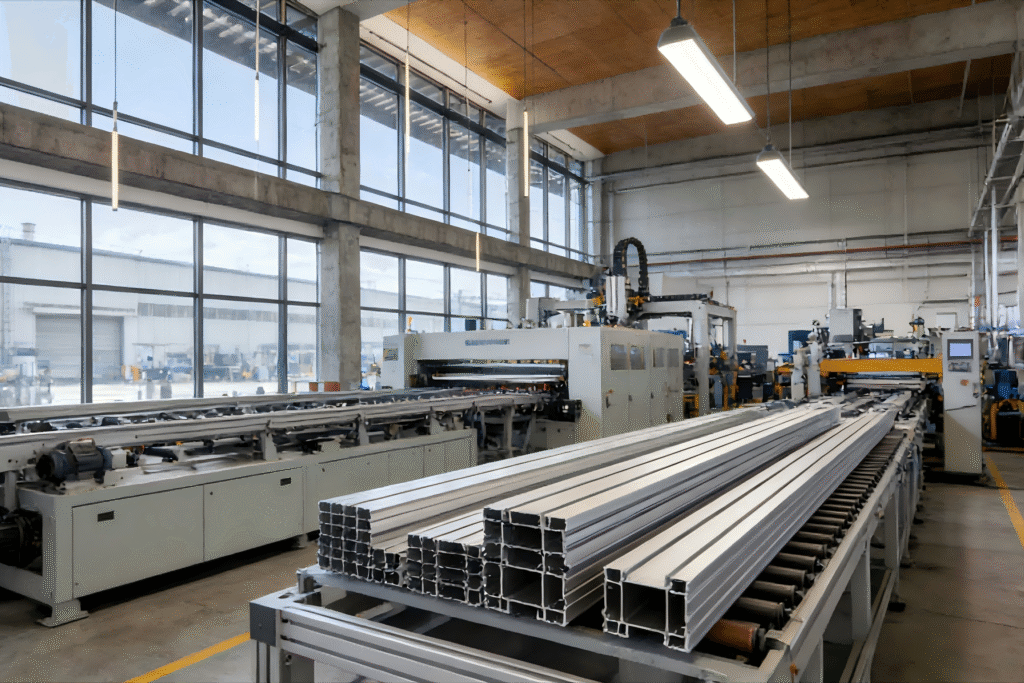
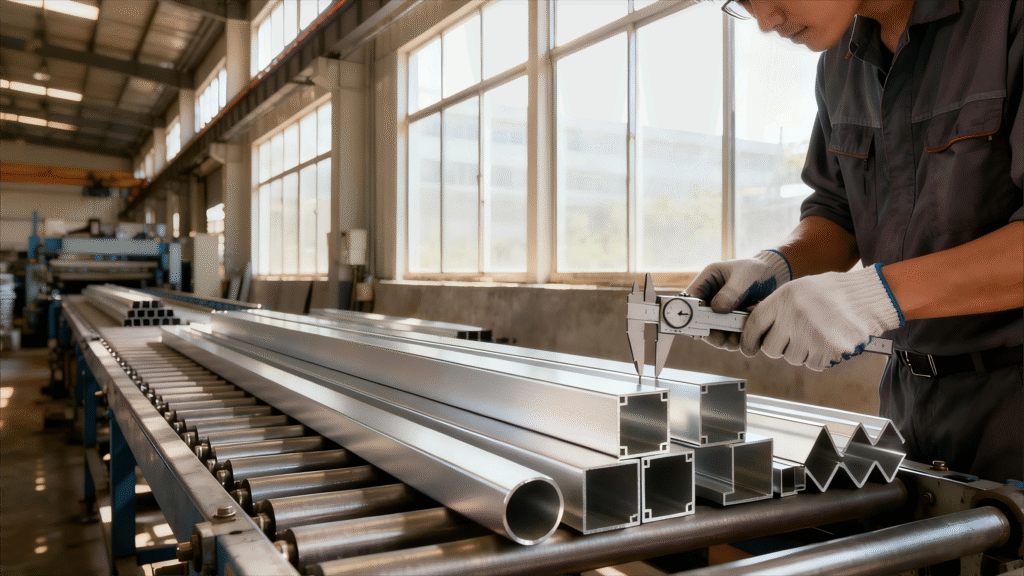
Todo comienza con aluminio de alta calidad. Utilizamos la aleación 6063-T5 porque ofrece una gran resistencia. En primer lugar, nuestros técnicos introducen las dimensiones exactas en las sierras digitales. La precisión es fundamental en esta etapa. Incluso un pequeño error puede provocar fugas de aire. Por lo tanto, utilizamos sierras de doble cabezal para obtener ángulos perfectos de 90 grados. Además, en este momento fresamos todos los orificios para las manijas. Esto garantiza que cada pieza de herraje encaje a la perfección.

Mejoras en la fábrica de ventanas personalizadas

El aluminio estándar conduce el calor con facilidad. Para solucionar esto, nuestro fabricación de ventanas de aluminio El proceso utiliza puentes térmicos. Estas tiras de poliamida separan las secciones interior y exterior. Como resultado, el calor se mantiene fuera durante el verano. Además, el calor se mantiene dentro durante el invierno. Este paso hace que nuestro ventanas de alta calidad muy eficientes desde el punto de vista energético. A diferencia de los marcos económicos, estos perfiles evitan la condensación.

Secretos del montaje de ventanas de alta calidad

Una vez cortadas las piezas, pasan al montaje. A diferencia de los talleres que solo utilizan tornillos, nuestro fábrica de ventanas a medida utiliza esquinas de refuerzo de alta resistencia. También empleamos un pegamento especial para mayor resistencia. A continuación, una máquina hidráulica presiona las esquinas para unirlas. De este modo, se crea una unión sólida que no se comba. Después, instalamos juntas de caucho EPDM. Estas juntas ofrecen la máxima protección contra la lluvia. Al utilizar EPDM, las juntas no se agrietan con la exposición al sol.

Pruebas en nuestra línea de fabricación de ventanas de aluminio

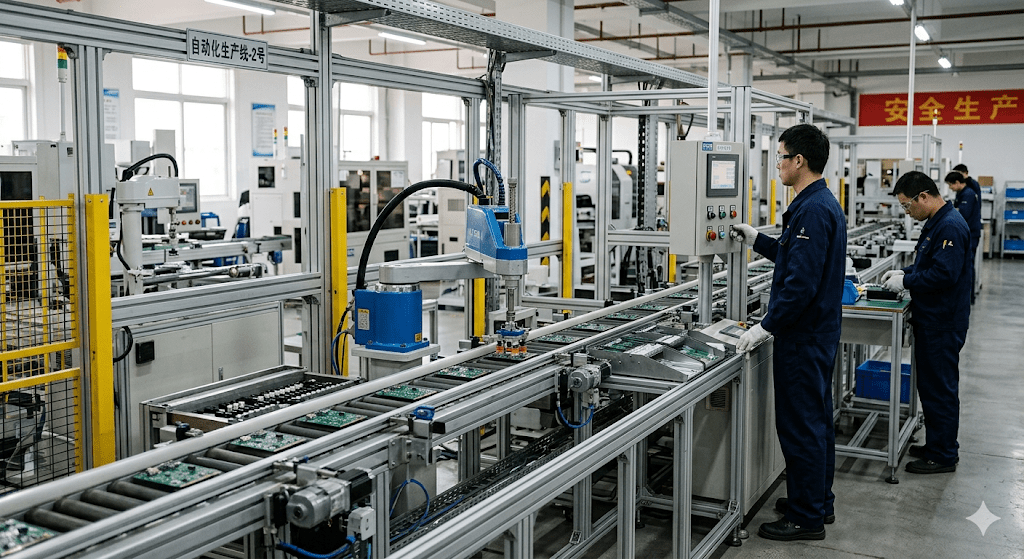
A continuación, instalamos los paneles de vidrio. La mayoría de los clientes eligen vidrio templado de doble acristalamiento. Los técnicos colocan el vidrio con cuidado en el marco. Esto garantiza que el peso se mantenga equilibrado. Además, los trabajadores fijan ahora los herrajes. Ya sea una guía deslizante o una cerradura, todas las piezas deben moverse con suavidad. Nuestro equipo de calidad prueba cada ventana. Por ejemplo, abren y cierran la hoja muchas veces para comprobar si hay fricción.

Inspección final en la fábrica de ventanas a medida

El último paso es el más importante para los clientes internacionales. Cada ventana se somete a un riguroso control. Los responsables de calidad vuelven a verificar las dimensiones. Además, se aseguran de que las juntas estén bien ajustadas y la superficie esté limpia. Una vez que la ventana pasa la inspección, el equipo la envuelve en una película protectora. Para envíos internacionales, fabricamos cajas de madera a medida. De este modo, su pedido llega a la obra en perfectas condiciones.

Ir al inicio de la página