





Adresse

Guangdong, China

E-Mail

postmaster@alloypro.net

The Anodizing vs Powder Coating Debate for Aluminum

The anodizing vs powder coating debate remains critical for industrial aluminum profiles today. Therefore, surface finishing is not just about aesthetics anymore. It is a critical process that enhances corrosion resistance directly. Consequently, choosing between these dominant technologies can be challenging. Thus, this professional guide clearly explains both finishing methods completely. Ultimately, we help you make the absolute best decision for your project.

Anodizing vs Powder Coating: The Anodizing Edge

Anodizing is a highly effective electrochemical process perfectly. Therefore, we immerse the aluminum profile in an electrolyte bath. This process creates a thick aluminum oxide layer instantly. Moreover, this layer transforms the base metal completely.

  • Exceptional Durability: The oxide layer offers superior abrasion resistance always.
  • Heat Dissipation: It retains thermal conductivity incredibly well for electronics.
  • Natural Look: It provides a professional metallic grain effortlessly.
  • Best Uses: Ultimately, anodizing is ideal for precision machine frames.

Anodizing vs Powder Coating: The Powder Coating Process

Powder coating uses a brilliant physical application process instead. Therefore, we apply electrostatically charged powder to the raw aluminum. The profile then cures in a hot oven quickly. Thus, it forms a perfectly smooth and tough protective film.

  • Vast Colors: You can access virtually any custom RAL color easily.
  • Corrosion Resistance: The thick film blocks harmful UV rays effectively.
  • Uniform Coverage: This process ensures incredibly even coverage always.
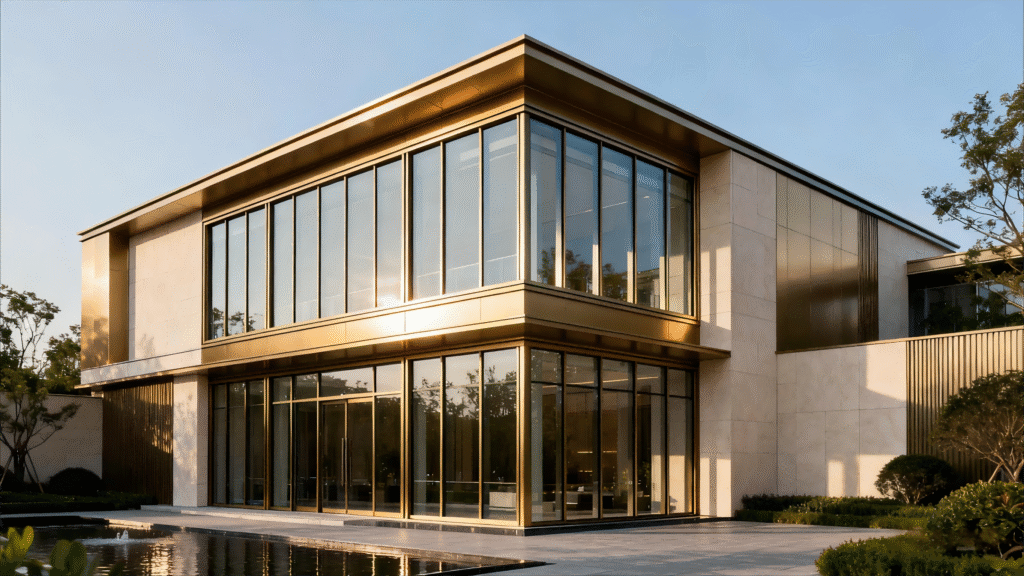
  • Best Uses: Consequently, powder coating is perfect for architectural facades.

How to Choose: Anodizing vs Powder Coating

Your final choice depends on your specific project requirements. Therefore, we provide a direct professional comparison here.

  • Appearance Match: Choose anodizing for a sleek metallic look easily. Conversely, powder coating provides incredibly vibrant solid colors.
  • Performance Needs: Anodizing excels for extreme daily abrasion resistance. Moreover, powder coating offers superior weather barrier protection.
  • Cost Efficiency: Standard anodizing is often highly cost-effective generally. Thus, powder coating becomes economical for specific custom colors.

Conclusion for Your Aluminum Projects

At Guangdong AlloyPro Aluminum, we operate advanced lines perfectly. Our expert team offers comprehensive free consultations daily. Contact us to discuss anodizing vs powder coating directly. Ensure your industrial aluminum profiles are built to last permanently.

Modulare Aluminium-Profilsysteme: Das Rückgrat agiler intelligenter Fabriken

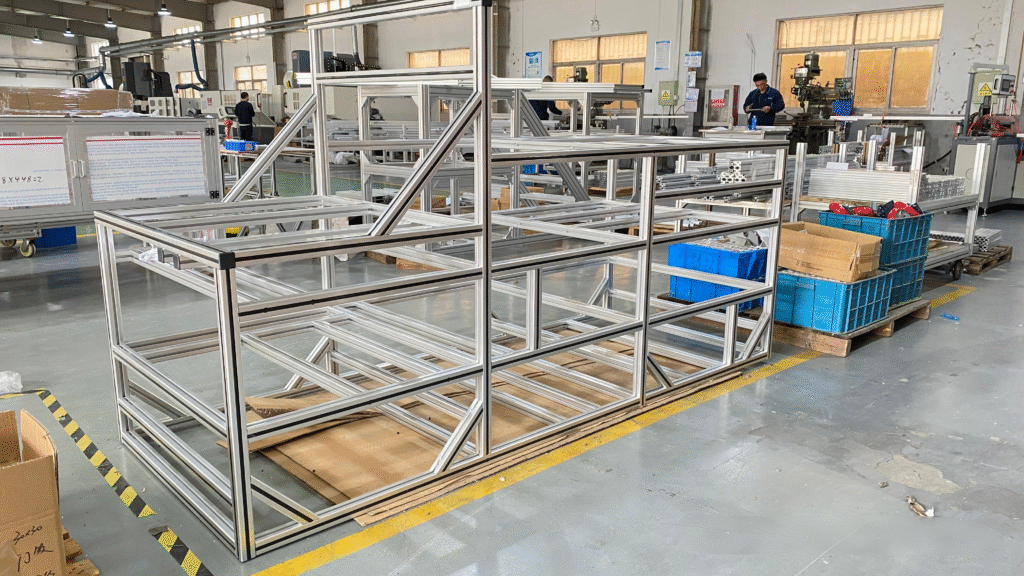
Industry 4.0 is revolutionizing manufacturing. It focuses on creating connected and highly adaptable factories. However, traditional fixed steel structures often slow down this transformation. In contrast, Modular Aluminum Profile Systems are becoming the essential framework for the future. Think of them as industrial building blocks. They provide the flexibility needed for rapid change and continuous improvement.

1.Enable Rapid Deployment with Modular Aluminum Profile Systems

Speed is crucial in modern manufacturing. Modular Aluminum Profile Systems allow for incredibly fast assembly. You can build structures using standard parts and simple tools. Specifically, no welding is needed. This drastically cuts the time from design to a working production line.

Additionally, these systems make prototyping easy. You can quickly build a full-scale model to test your layout. This agility lets you respond to new market demands without major delays.

2. Offer Unmatched Flexibility and Scalability

The true value of a smart factory lies in adaptation. Modular Aluminum Profile Systems excel here. You can easily reconfigure, extend, or repurpose the system as needs change. Modify a workstation in hours or redesign a full layout over a weekend.

This approach also protects your investment. You can reuse components in new configurations instead of scrapping them. Consequently, this supports lean manufacturing by allowing your floor plan to evolve seamlessly.

3. Simplify Automation and Tech Integration

Smart factories rely on data. Modular Aluminum Profile Systems provide a perfect platform for this. They offer a rigid structure to mount robots and sensors. The integrated T-slots allow for secure mounting of any component.

Furthermore, the open design makes cable management simple. You can neatly organize power and data lines for your IoT devices. This ensures reliable operation and easy maintenance.

4. Support a Sustainable and Efficient Workspace

Beyond flexibility, Modular Aluminum Profile Systems create a better environment. Aluminum is strong yet lightweight. This makes structures safer and easier to handle.

Moreover, the material is corrosion-resistant and fully recyclable. This supports your sustainability goals. The modular nature helps organize the workspace efficiently. A clean floor is essential for high-quality production.

Build Your Agile Future Today

To succeed in Industry 4.0, your factory must be agile. Modular Aluminum Profile Systems are a strategic tool for innovation. They empower you to implement changes fast and cut downtime.

Ready to build the foundation of your smart factory? Explore our precision-engineered Modular Aluminum Profile Systems. Contact our engineering team for a consultation on your next project.

Custom Aluminum Profiles with 6063 Aluminum Temper finish

6061 vs. 6063 Aluminium: Was ist das Richtige für Ihr Projekt?

Bei der Auswahl von Aluminium-Strangpressprofilen sind 6061 und 6063 die gebräuchlichsten Werkstoffe. Viele Ingenieure haben jedoch Schwierigkeiten bei der Entscheidung zwischen 6061 vs. 6063 Aluminium. In diesem Artikel werden die wichtigsten Unterschiede zwischen den beiden Systemen erläutert und die beste Wahl für Ihre spezifischen Projektanforderungen getroffen.

Kernzusammensetzung und Eigenschaftsunterschiede

Obwohl es sich bei beiden um Legierungen handelt, bestimmt die Zusammensetzung von 6061 bzw. 6063 Aluminium ihre Eigenschaften.

6061-Aluminium enthält einen höheren Anteil an Magnesium und Silizium sowie zusätzliches Kupfer. Diese Mischung macht es zu einer wärmebehandelbaren Schmiedelegierung mit deutlich höherer Festigkeit, die der von Baustahl nahe kommt. Außerdem lässt sie sich hervorragend zerspanen.

Im Gegensatz dazu hat 6063 Aluminium einen geringeren Magnesium- und Siliziumgehalt und kein Kupfer. Diese Formulierung bietet eine bessere Strangpressbarkeit. Folglich ermöglicht sie komplexere Formen und glattere Oberflächenausführungen. Auch beim Eloxieren werden bessere Ergebnisse erzielt.

Direkter Vergleich der mechanischen Eigenschaften

Die mechanischen Eigenschaften sind oft der entscheidende Faktor bei der Entscheidung zwischen 6061 und 6063 Aluminium. Auswahl.

  • Festigkeit und Härte: 6061-Aluminium übertrifft 6063 bei der Zugfestigkeit. So kann 6061-T6 eine Zugfestigkeit von über 310 MPa erreichen, während 6063-T6 in der Regel bei 240 MPa liegt. Daher ist 6061 die bevorzugte Wahl für tragende Strukturen.
  • Duktilität: 6063-Aluminium ist dehnbarer und lässt sich leichter zu komplizierten Geometrien formen. Wenn Sie detaillierte architektonische Verkleidungen benötigen, ist 6063 oft die wirtschaftlichere Option.

Auswahl-Leitfaden: Wählen Sie die richtige Legierung für Ihre Anwendung

Ihre spezifischen Projektanforderungen sind das entscheidende Kriterium.

Wählen Sie 6061 Aluminium, wenn Ihr Projekt umfasst:

  • Hochbeanspruchte Strukturteile: So zum Beispiel Lkw-Rahmen und industrielle Gestelle.
  • Umfassende Bearbeitung: Teile, die einer umfangreichen CNC-Bearbeitung unterzogen werden.
  • Luft- und Raumfahrt: Anwendungen, bei denen ein hohes Verhältnis von Festigkeit zu Gewicht entscheidend ist.

Wählen Sie 6063 Aluminium, wenn Ihr Projekt einen hohen Stellenwert hat:

  • Architektonische Anwendungen: Zum Beispiel für Fensterrahmen und Geländer. Seine hervorragende Oberflächenqualität ist ein entscheidender Vorteil.
  • Komplexe Profile: Formen, die glatte Oberflächen und feine Details erfordern.
  • Qualität der Eloxierung: Ideal für Produkte, die farbig lackiert werden sollen.

Wie ALLOYPRO Ihre Entscheidung unterstützen kann

Wir von ALLOYPRO Aluminium liefern hochwertige Profile. Unser technisches Team berät Sie gerne bei der Auswahl zwischen 6061 und 6063 Aluminium auf der Grundlage Ihrer Konstruktionszeichnungen. Wir garantieren das optimale Verhältnis von Leistung und Kosten.

Zusammenfassend lässt sich sagen, dass es kein durchgängig “besseres” Material gibt. 6061 ist der Meister der Festigkeit, während 6063 der Experte für die Verarbeitung ist.

Wenn Sie Fragen zu Ihrer spezifischen Anwendung haben, wenden Sie sich bitte an uns, um personalisierte Beratung.

Wie man die Lieferung von Aluminiumprofilen schützt: Ein professioneller Leitfaden

Securing your order doesn’t end with production. Knowing how to Protect Aluminum Profile Shipment is the final, critical step. Professional packaging and anti-corrosion treatment determine if your products arrive in perfect condition. Proper methods prevent costly damage. Therefore, this guide ensures your investment is fully protected from our factory to your site.

The Foundation: Cleaning to Protect Aluminum Profile Shipment

We start by ensuring every profile is clean. Residual oils or moisture can trap corrosive agents. Consequently, our process includes thorough degreasing followed by complete drying. This step creates the ideal surface. It allows all subsequent measures to Protect Aluminum Profile Shipment effectively.

Advanced Protection: VCI Technology

For long sea voyages, standard wrapping is insufficient. VCI (Vapor Corrosion Inhibitor) technology provides superior defense. We place special VCI papers within the bundles. These papers release a protective vapor. This forms an invisible shield over the metal. This method actively helps Protect Aluminum Profile Shipment against salt air and humidity.

Building the Shield: Robust Packaging

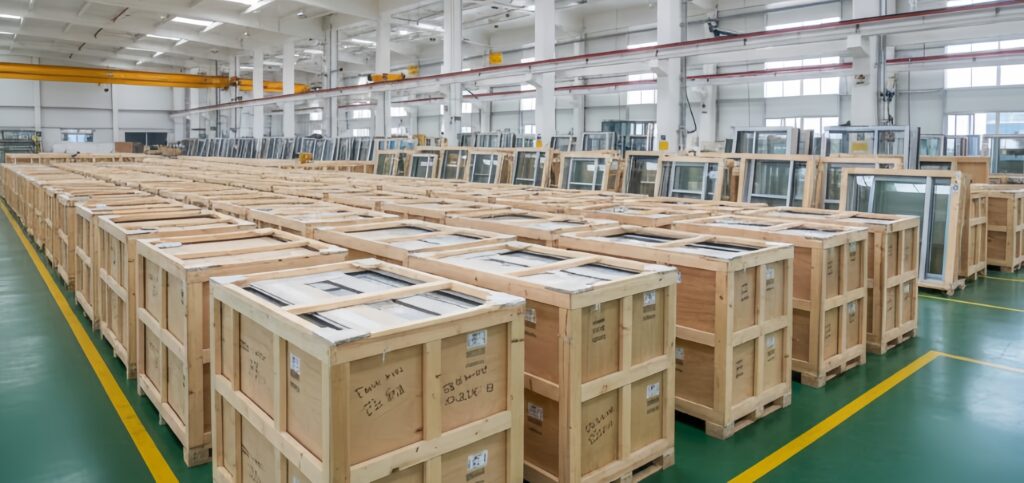
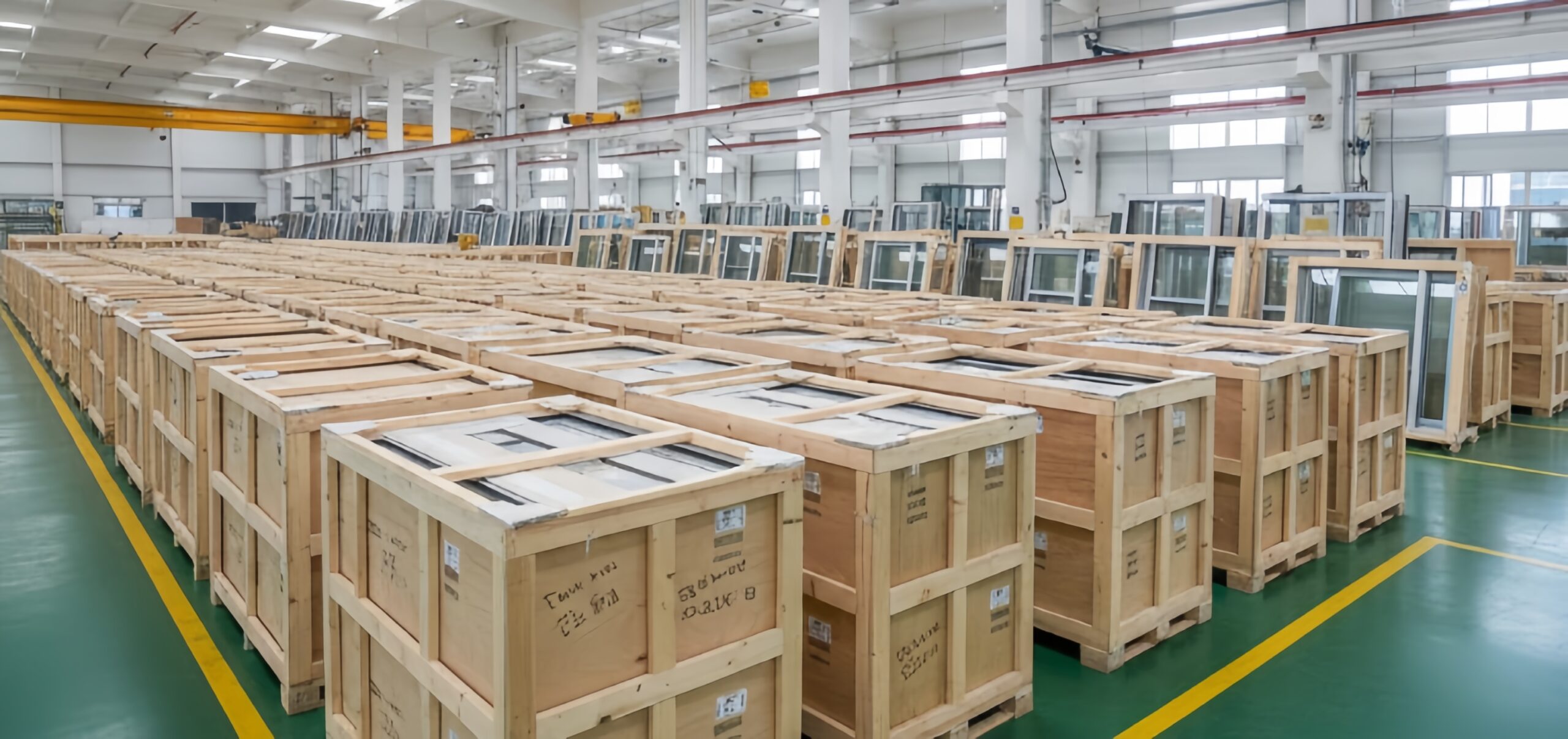
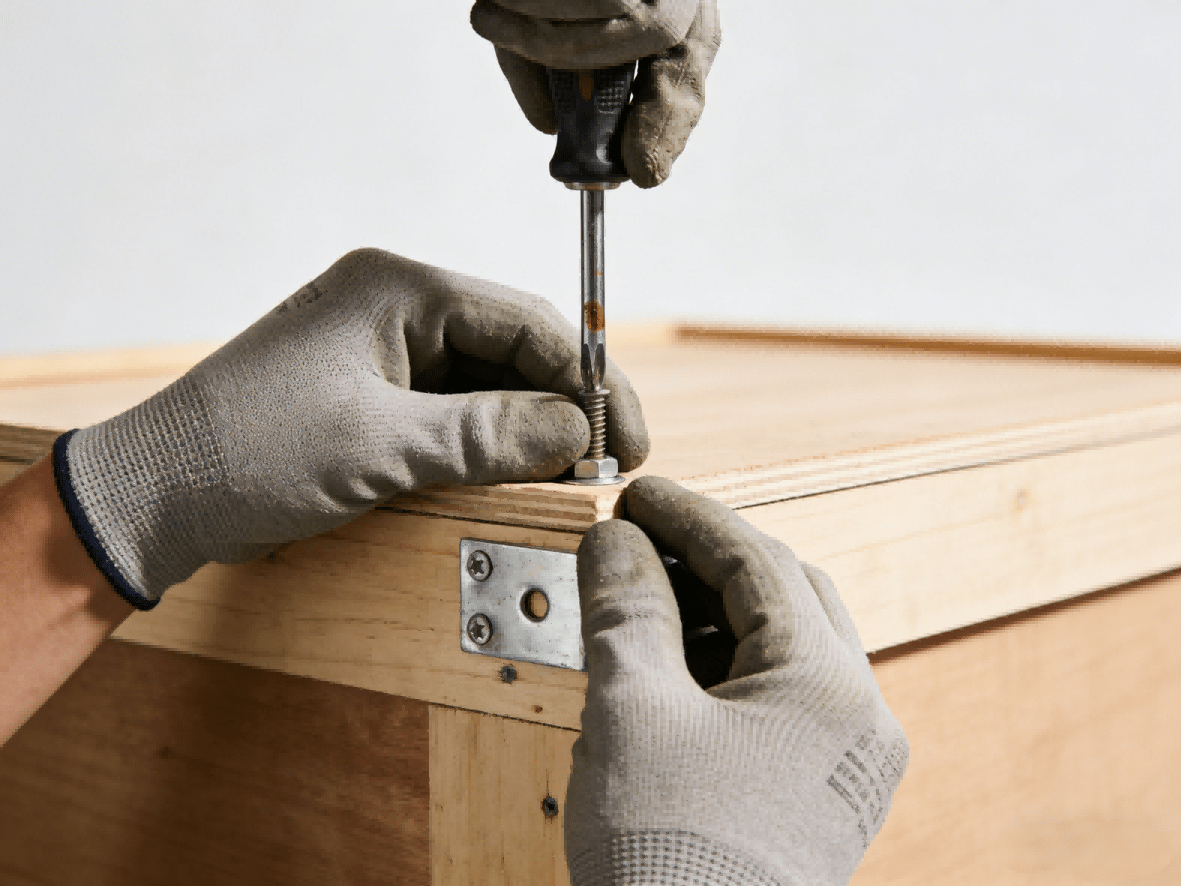
The external crate is the main defense. We use dry, sturdy timber to build frames that withstand stacking. Inside, profiles are secured to prevent movement. Additionally, we incorporate waterproof barriers to guard against rain. Clear labels like “Fragile” help Protect Aluminum Profile Shipment throughout the logistics chain.

Ensuring Lasting Quality: Storage Upon Arrival

Your actions upon receipt are crucial. Move packages to a dry, indoor area immediately. Keep the original packaging intact until use. For extended storage, ensure good ventilation. If you notice condensation, dry the surfaces promptly. This is vital to Protect Aluminum Profile Shipment from late-stage corrosion.

Schlussfolgerung

Investing in expert packaging is an investment in security. It prevents the hidden expenses of damage. At Aolaibo Aluminum, our integrated process ensures we Protect Aluminum Profile Shipment effectively. From meticulous cleaning to VCI protection, we ensure your profiles arrive ready for installation.

Beyond Aesthetics: High-Performance Aluminum Profiles Engineering

Architects and builders must look beyond beauty when choosing fenestration. True value lies in measurable performance. At Guangdong AlloyPro Aluminum, we engineer our High-Performance Aluminum Profiles to excel in energy savings, acoustic comfort, and security. Let’s explore the core technologies behind our advanced solutions.

1.Engineering Thermal Efficiency for High-Performance Aluminum Profiles

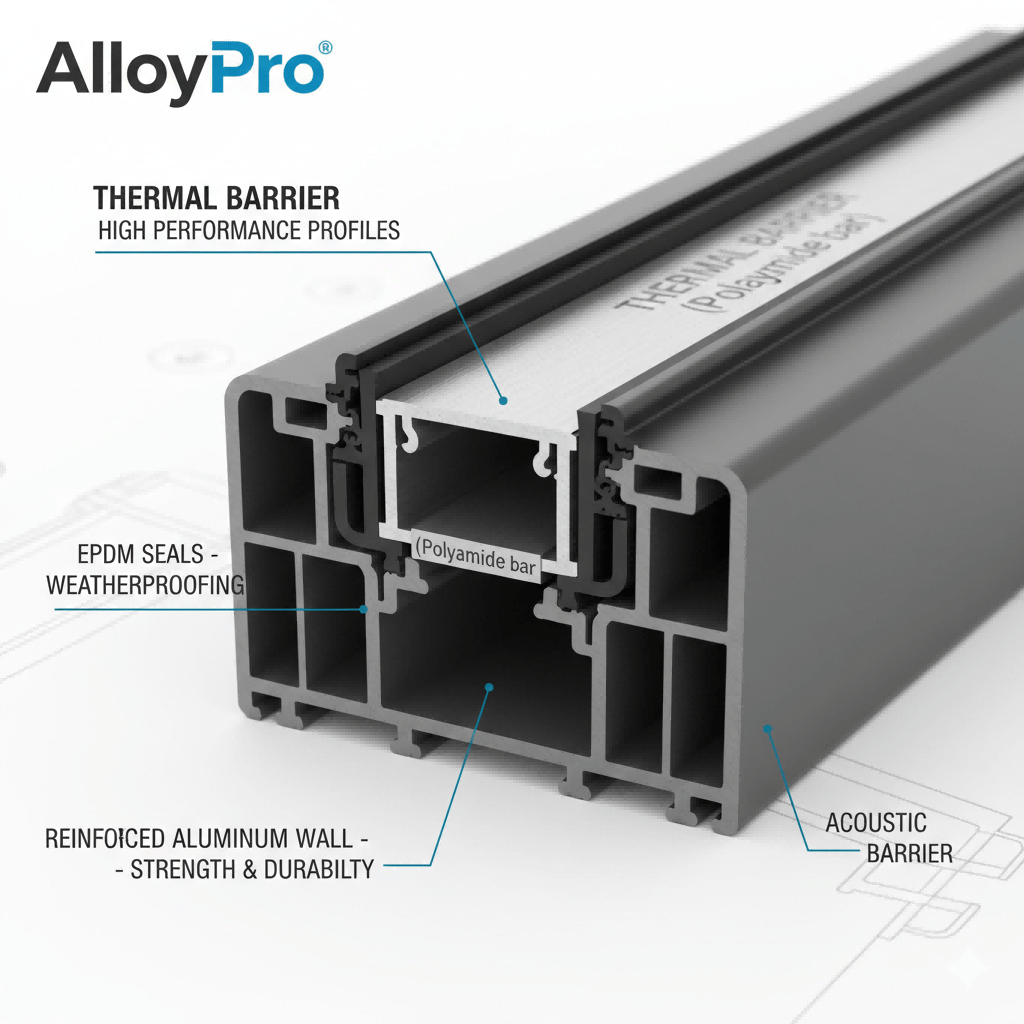
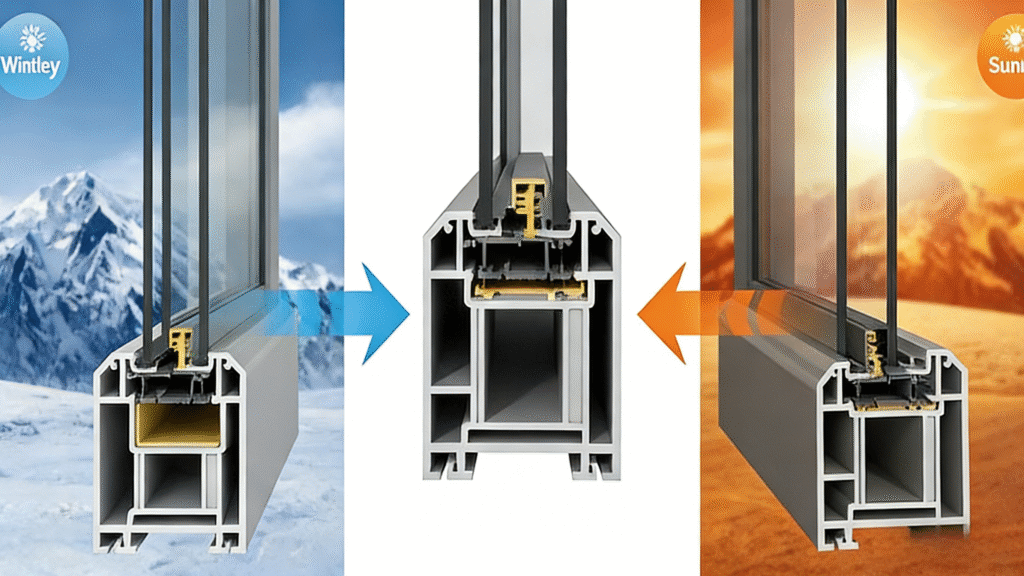
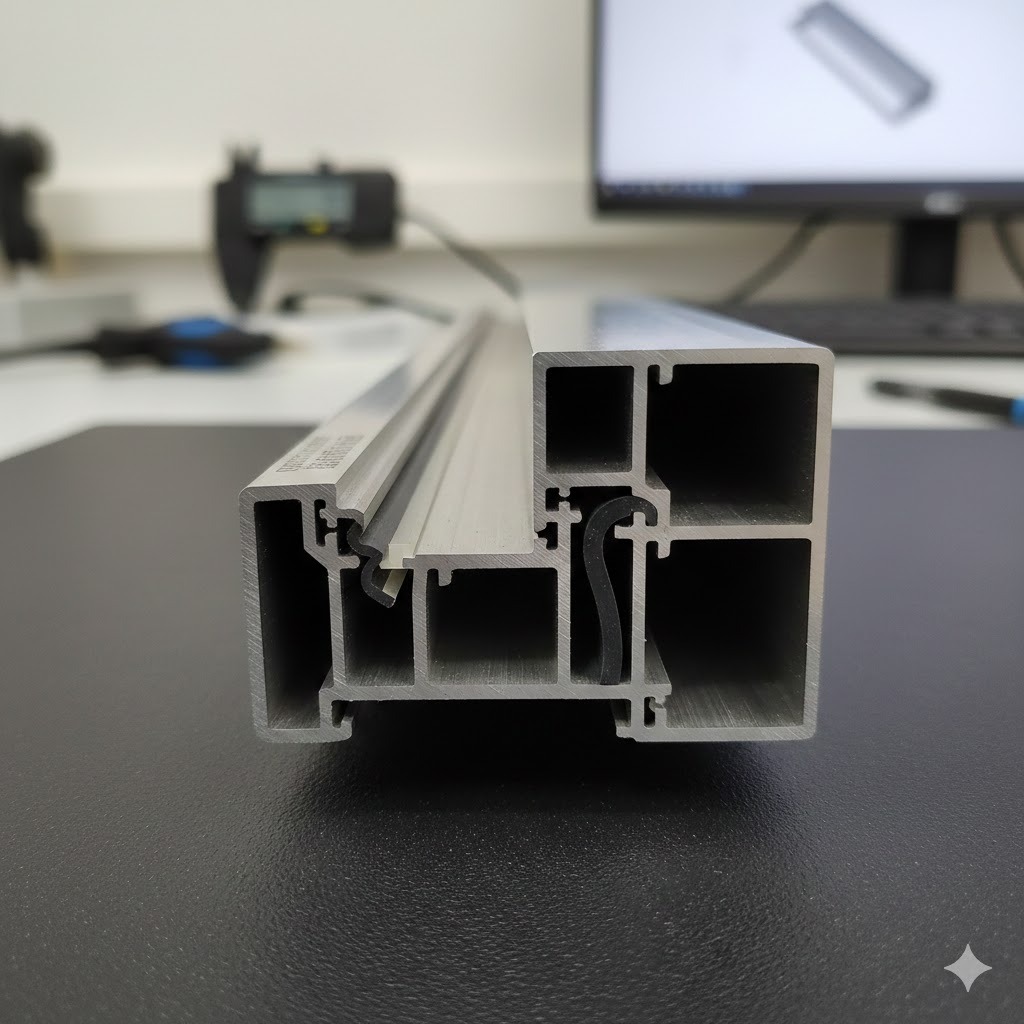
The primary function of modern fenestration is to act as a thermal barrier. Our High-Performance Aluminum Profiles center on advanced thermal break technology. We utilize high-precision polyamide (PA66) strips.

  • How it Works: Naturally, aluminum conducts heat. However, our thermal break creates a continuous barrier within the frame. This drastically reduces the thermal transmittance (U-value).
  • The Result: Consequently, this design minimizes energy loss. It effectively prevents condensation and maintains stable indoor temperatures. Ultimately, this directly reduces HVAC costs for building owners.

2.Achieving Acoustic Comfort: Multi-Seal Design

Urban noise demands effective solutions. Moreover, quiet interiors are essential for comfort. Our profiles tackle this through a multi-chamber structure.

These internal chambers disrupt sound waves. In addition, we incorporate multiple durable EPDM rubber seals at critical meeting points. As a result, this combination creates an effective barrier against external noise. Whether for an office or a home, our systems ensure peace and quiet.

3. Built for Security: Robust Hardware Integration

We view safety as integral, not an add-on. Therefore, we design our systems for maximum security through material strength and integration.

  • Structural Integrity: We select high-grade alloys for inherent strength.
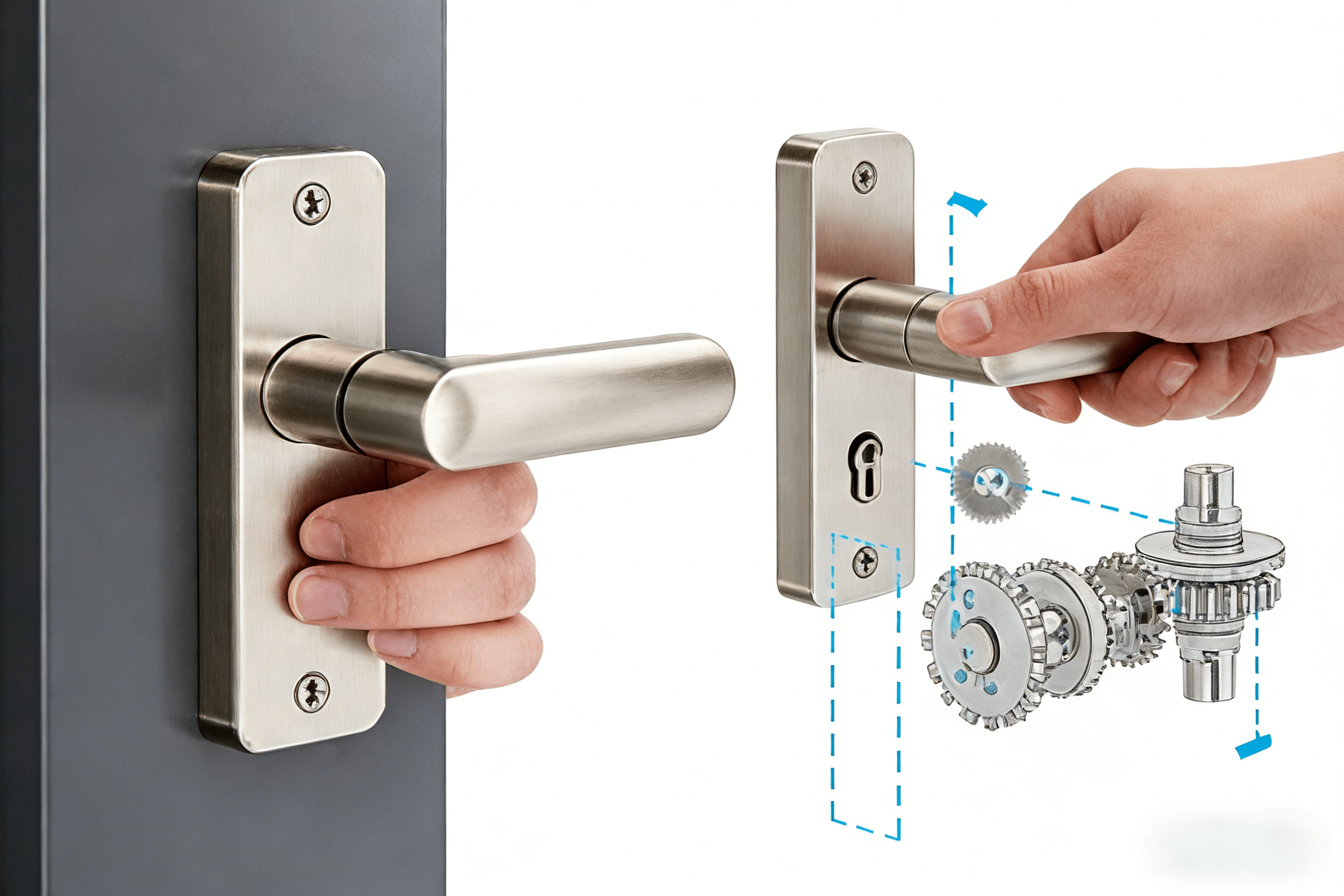
  • Hardware Integration: Furthermore, we engineer profiles to integrate seamlessly with multi-point locking systems.
  • Reinforced Design: We reinforce key areas. This securely houses heavy-duty hardware for long-term reliability.

4. Sustainability and Green Building

Beyond performance, sustainability is crucial. High-Performance Aluminum Profiles play a key role in green architecture. Aluminum is fully recyclable. Additionally, the energy efficiency of our thermal break systems contributes to lower carbon footprints.

For instance, projects aiming for certifications like LEED or BREEAM often specify our profiles. By choosing AlloyPro, you support environmentally responsible construction practices.

Conclusion: Performance as Standard

At AlloyPro, we measure true quality by performance. Our solutions deliver lasting value. They lower energy costs, enhance comfort, and provide reliable security.

Ready to specify High-Performance Aluminum Profiles for your next build? Contact our technical team today to discuss your project needs.

How Aluminum Die Optimization Maximizes Material Yield

In aluminum extrusion, material cost represents a significant portion of the total expense. Therefore, improving utilization is crucial for reducing costs. Aluminum Die Optimization plays a central role in this effort. Through targeted improvements, manufacturers can effectively minimize scrap. This directly enhances output and sustainability for AlloyPro clients.

1. Leveraging Simulation for Aluminum Die Optimization

Modern die design begins with computer simulation. We use specialized software to simulate metal flow before manufacturing. This virtual testing is a key part of Aluminum Die Optimization. It allows us to identify issues like uneven flow speed.

Modern die design begins with computer simulation. We use specialized software to simulate metal flow before manufacturing. This virtual testing is a key part of Aluminum Die Optimization. It allows us to identify issues like uneven flow speed.

2. Bearing and Port Design in Aluminum Die Optimization

The design of the bearing and port holes is critical for efficiency. In our Aluminum Die Optimization process, we strategically adjust the bearing length. This controls metal flow speed uniformly.

Additionally, we optimize the port holes to reduce resistance. This optimization lowers the required extrusion pressure. A smoother flow not only saves energy but also reduces wear. More importantly, it prevents defects like tears, directly leading to higher quality output.

3. Implementing High-Strength Coatings for Longevity

Die longevity directly impacts material consistency. We apply advanced surface coatings, such as nitriding or PVD, to the dies. This is a vital step in Aluminum Die Optimization. These coatings dramatically increase surface hardness.

A harder die maintains its precise shape longer. This means the first extrusion and the ten-thousandth one have identical accuracy. Furthermore, a well-protected die resists adhesion. This reduces downtime for cleaning and minimizes scrap during start-ups.

Schlussfolgerung

In summary, Aluminum Die Optimization is a systematic approach. It combines simulation, precision design, and surface engineering. It transforms the die into a vital component for efficiency.

By investing in these optimizations, AlloyPro achieves a substantial increase in material yield. This translates to cost savings and reliable, high-quality aluminum profiles for our clients.

What Are Genuine System Windows? 5 Core Technical Secrets

For architects and homeowners, the term “System Windows” is everywhere. However, not every window meets the engineering standard. So, what defines Genuine System Windows? Unlike basic assembled windows, a true system is a fully integrated unit. Every component is designed to work together. This integration guarantees superior performance. Let’s explore the 5 essential technical indicators that separate AlloyPro high-performance windows from the rest.

1. Air Tightness in Genuine System Windows

Firstly, air tightness measures how much air leaks through closed joints. We express this with air permeability ratings. Genuine System Windows achieve high ratings through precision-engineered locking hardware.

Additionally, they use continuous seals between the sash and frame. This design dramatically reduces unwanted drafts. Consequently, it enhances indoor comfort and lowers energy bills by minimizing heat loss.

2. Water Tightness: A Mark of Genuine System Windows

Water tightness indicates resistance to water penetration under rain. Manufacturers test this rigorously. Genuine System Windows excel here due to a sophisticated drainage pathway within the frame.

Additionally, they feature precisely placed barriers that channel water outward. This is absolutely critical for the long-term durability of your building’s structure.

3. Wind Load Resistance for Strength

This indicator shows ability to withstand strong wind pressure without deforming. It is vital for safety in high-rise locations. High-performance Genuine System Windows derive their strength from reinforced profile designs.

Furthermore, they use robust corner connections. These features ensure the window remains stable and fully operational even during severe storms.

4. Thermal Insulation in Genuine System Windows

The thermal insulation performance (Uw value) tells you how well the window prevents heat transfer. A lower Uw value means better insulation. Genuine System Windows achieve excellent Uw values through combined features.

These include thermal barrier technology and multiple sealing layers. This holistic approach creates a powerful barrier against outdoor temperatures.

5. Acoustic Insulation: Quiet Genuine System Windows

Finally, acoustic insulation measures sound blocking (Rw value). Premium Genuine System Windows are engineered for superior acoustic performance.

They achieve this through specially designed profile chambers and thick glass panes. This makes them an ideal solution for buildings near busy streets or urban centers.

Conclusion: Look Beyond the Label

In summary, Genuine System Windows are defined by certified performance. When evaluating options, always ask for official test reports.

True high-performance windows from specialized manufacturers like AlloyPro transparently provide this data. They represent a long-term investment in your property’s comfort and value.

Choosing the Right Climate-Resistant Windows & Doors

Choosing the right system is crucial. However, the perfect choice depends on your local climate. The wrong product can lead to high energy bills. This guide explains how to select optimal Climate-Resistant Windows & Doors for tropical, subtropical, and temperate regions. We focus on solutions using AlloyPro engineered profiles.

1.Tropical Solutions for Climate-Resistant Windows & Doors

Tropical regions face intense sun and heavy rain. Therefore, durability is key for Climate-Resistant Windows & Doors.

First, prioritize corrosion resistance. AlloyPro’s profiles feature advanced PVDF finishes. This robust shield effectively fights against salt spray.

Additionally, focus on heat management. We recommend profiles designed for solar-reflective glass. Furthermore, ensure systems have multi-channel drainage. This prevents water ingress during monsoon rains.

2.Subtropical Options for Climate-Resistant Windows & Doors

Subtropical areas experience hot summers and cool winters. Versatility becomes key here.

The essential feature is a thermal break. AlloyPro’s Industrial Aluminium Profiles incorporate this technology. A polyamide bar reduces heat transfer. Consequently, this keeps interiors cooler in summer.

Moreover, look for all-weather performance. High-quality EPDM seals ensure airtightness. You can combine fixed glazing with well-sealed opening sections for seasonal airflow.

3.Temperate & Cold Climate-Resistant Windows & Doors

In colder climates, the primary goal is heat retention. Heat loss is the main challenge for Climate-Resistant Windows & Doors.

Here, you need enhanced insulation. Specify AlloyPro’s deep thermal-break profiles. These are engineered to support triple glazing. This creates a powerful barrier against the cold.

Furthermore, strength is non-negotiable. Our robust profiles provide load-bearing capacity for large glazing areas. Additionally, warm-edge spacer systems help minimize condensation risk.

The Foundation: Quality from AlloyPro

Regardless of climate, success starts with precision. AlloyPro manufactures high-grade profiles to strict tolerances. This commitment ensures that every Climate-Resistant Windows & Doors system operates smoothly. From residential projects to curtain walls, we deliver reliability.

Find Your Climate-Smart Solution

Selecting the right system is a strategic decision. It directly impacts energy efficiency. AlloyPro provides the expertise to meet specific challenges.

Ready to choose the perfect Climate-Resistant Windows & Doors? Contact AlloyPro Aluminium today. Our team will help you specify the ideal profiles for your unique climate.

Is Aluminum Windows Better Than Wood? The Ultimate Comparison

Windows play a crucial role in any building, providing natural light and ventilation. In recent years, there has been a growing trend towards the use of aluminum. In this article, we explore the debate of Aluminum vs Wood Windows. We will help you make an informed decision when choosing the ideal material for your needs with AlloyPro.

Xmfd108 6063 T5 Extruded Aluminium Profiles For Sliding Window Casement Window

1.Benefits of Aluminum in the Aluminum vs Wood Windows Debate

Aluminum windows offer several advantages that make them a popular choice. Firstly, their durability is unmatched in the Aluminum vs Wood Windows comparison. They are resistant to rot, warping, and cracking.

Additionally, aluminum windows require minimal maintenance. This saves you time and effort. Moreover, they are highly energy-efficient thanks to insulation properties. Furthermore, the design flexibility of AlloyPro profiles allows for sleek styles. Lastly, they offer enhanced security features for your home.

2.Advantages of Wood in the Aluminum vs Wood Windows Comparison

While aluminum has merits, wood windows have unique advantages. In the Aluminum vs Wood Windows context, the natural beauty of wood is unparalleled. It adds warmth to any home.

Wood windows also provide excellent insulation, reducing energy consumption. Furthermore, wood is a renewable resource. This makes it a sustainable choice for those concerned about the planet.

3.Cost and Value: Aluminum vs Wood Windows

When comparing Aluminum vs Wood Windows, it is important to consider both initial investment and long-term value. Aluminum windows tend to have a higher upfront cost due to manufacturing.

However, they offer long-term value through durability. This leads to cost savings over time. On the other hand, wood windows may have a lower initial cost. However, they require more maintenance. Consequently, this results in higher long-term expenses.

Xmgr108 Aluminum Thermal Barrier Casement Window

4. Making the Choice: Aluminum vs Wood Windows

Several factors should be considered when deciding on Aluminum vs Wood Windows.

  • Climate: Aluminum windows are highly resistant to harsh weather.
  • Design: Both materials offer distinct aesthetics.
  • Maintenance: Aluminum requires less upkeep and tends to last longer.
  • Environment: Wood is sustainable but requires responsible sourcing.

Schlussfolgerung

Choosing between Aluminum vs Wood Windows ultimately comes down to personal preference. While aluminum offers durability and low maintenance, wood provides natural beauty.

By considering factors such as climate and budget, you can make an informed decision. Whether you opt for sleek aluminum or timeless wood, AlloyPro can help enhance your home.

Nach oben scrollen