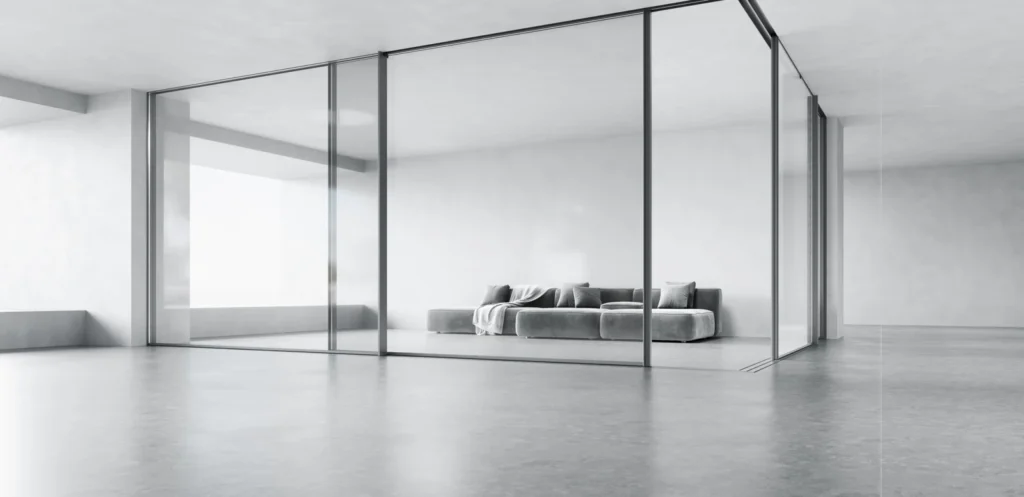








Was sind die Vor- und Nachteile von Aluminiumfenstern?
Bei der Planung eines modernen Gebäudes ist die Wahl des richtigen Rahmenmaterials eine entscheidende Entscheidung. Viele Architekten bevorzugen Aluminium wegen seiner eleganten Optik und seiner strukturellen Festigkeit. Wie jedes Material weist es jedoch spezifische Eigenschaften auf, die Sie berücksichtigen sollten. Bei AlloyPro konzentrieren wir uns darauf, die Leistung von Aluminiumfenstern zu maximieren, um langfristigen Wert zu schaffen. Dieser Artikel erläutert die Vor- und Nachteile von Aluminiumsystemen, um Ihnen bei der Auswahl der für Ihr Projekt am besten geeigneten Lösung zu helfen.
Die Vorteile: Festigkeit und Langlebigkeit
Aluminium’s strength can support slim frame designs, subject to the system’s size and load limits. Compare the exact frame, glazing and hardware configuration rather than assuming a material grade supports any pane size.
Suitable finishes and maintenance help durability. For a coastal site, ask for the coating specification and the supplier’s written cleaning and inspection schedule for salt exposure. Service life is not fixed at 30–40 years, and any AS 2047 evidence must apply to the proposed window configuration and rated conditions.
Die Vorteile: Gestaltungsfreiheit und Nachhaltigkeit
Request the available frame finishes and a sample for the specified system. Where environmental information is required, ask for traceable product-specific documents and the proposed end-of-life route rather than assuming every window has the same impact.
Thermal breaks reduce conduction through aluminium frames. Whole-window energy performance is a separate assessment from AS 2047 wind and water performance; AS 2047 is not a universal international energy certification.
Die Nachteile: Anschaffungskosten und Wärmeleitfähigkeit
Compare like-for-like installed quotations, including glazing, finish, hardware and installation. Initial cost and possible operating savings depend on the actual alternatives and building.
Non-thermally broken aluminium conducts heat readily. Thermal breaks can improve insulation, but condensation also depends on glazing, humidity, ventilation and installation.
Vergleich: Warum Qualitätsstandards wichtig sind
For an Australian project, obtain the applicable AS 2047 evidence and check the declared ratings, configuration and installation limits against the site requirements.
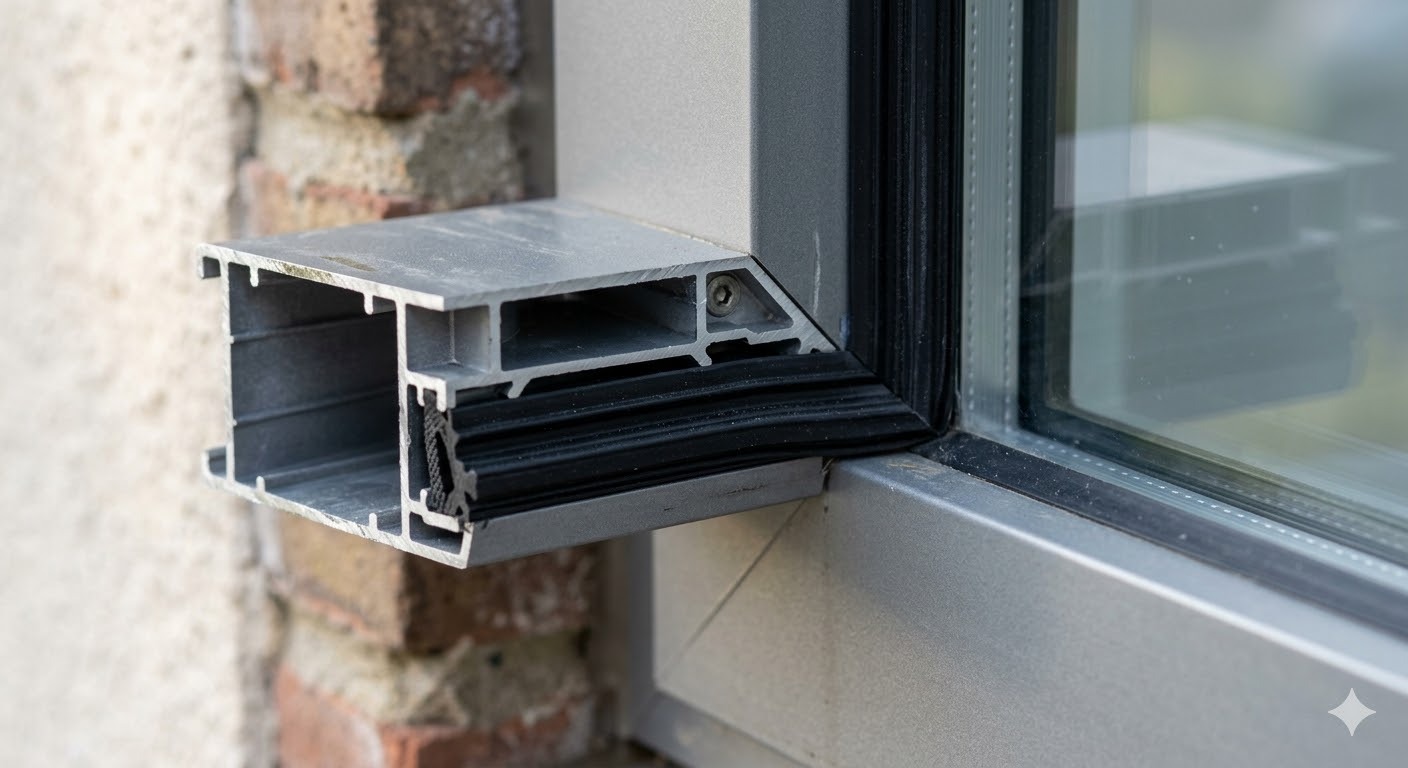
Alloy grade alone does not prevent sagging. Size, section geometry, reinforcement, connections and glass weight must be checked as part of the system design. For a closer look at frame geometry, see the single-chamber and multi-chamber frame comparison.
Schlussfolgerung
Balance design, thermal needs, exposure, maintenance and cost. Ask AlloyPro for the available documents for the proposed configuration rather than relying on a blanket material or certification claim.
For related product and planning information, see Aluminum vs Vinyl Windows: Comparing Design and Performance, Thermal Break Aluminum Windows: High Performance Energy Guide, und 5 Benefits of High-Performance System Aluminium Windows.
Send AlloyPro your project requirements, including location, drawings, quantities and the performance documents you need.