






2026 Net-Zero Building Guide: Decoding Low-Carbon Aluminum Top Systems
1. Recycled Content: The Circular Economy Path
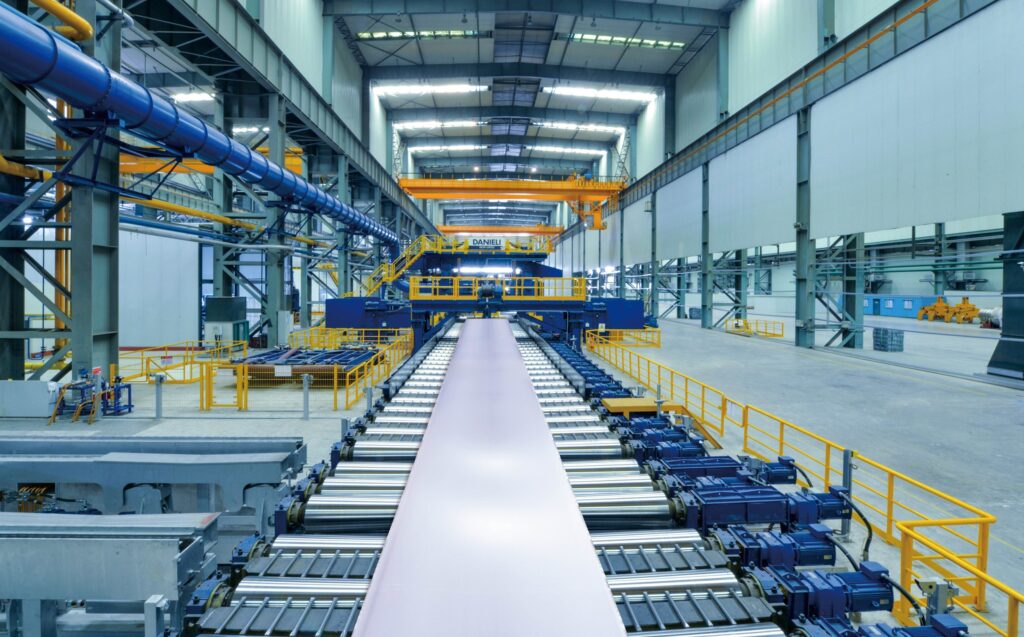
The most direct route to lowering carbon footprints involves using post-consumer scrap. Producing recycled aluminum requires only 5% of the energy needed for primary production. Top Systems in the industry now guarantee specific recycled content percentages in their extrusions.
Furthermore, AlloyPro is optimizing supply chains to incorporate high-quality recycled billets without sacrificing structural integrity. By melting down old window frames, manufacturers significantly reduce the “embodied carbon” of new curtain walls. This circular approach ensures that the Low Carbon Aluminum used in your 2026 project contributes to a healthier planet.
2. Low-Carbon Smelting: Powered by Renewable Energy
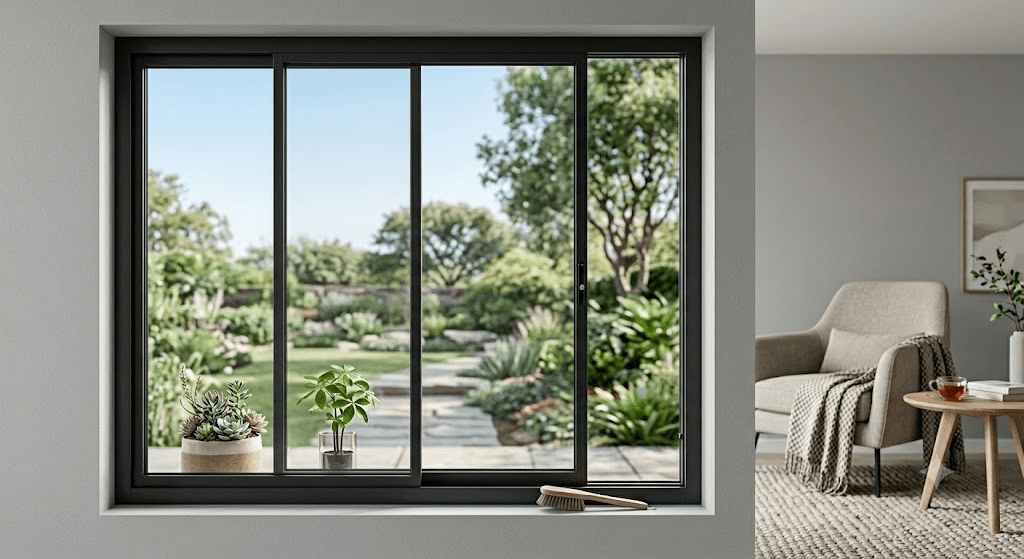
While recycling is vital, the industry still requires primary aluminum for high-strength applications. The technical breakthrough here lies in the energy source. Leading Net Zero Windows solutions now utilize aluminum smelted using hydropower, wind, or solar energy instead of coal.
In contrast to traditional smelting, “Green Primary Aluminum” lowers the carbon threshold significantly. Additionally, advanced electrolysis technologies are emerging to eliminate direct carbon emissions entirely. For B2B buyers, sourcing from Top Systems that document their energy mix is essential for LEED and BREEAM certifications.
3. Thermal Performance Engineering: The XLB Strategy
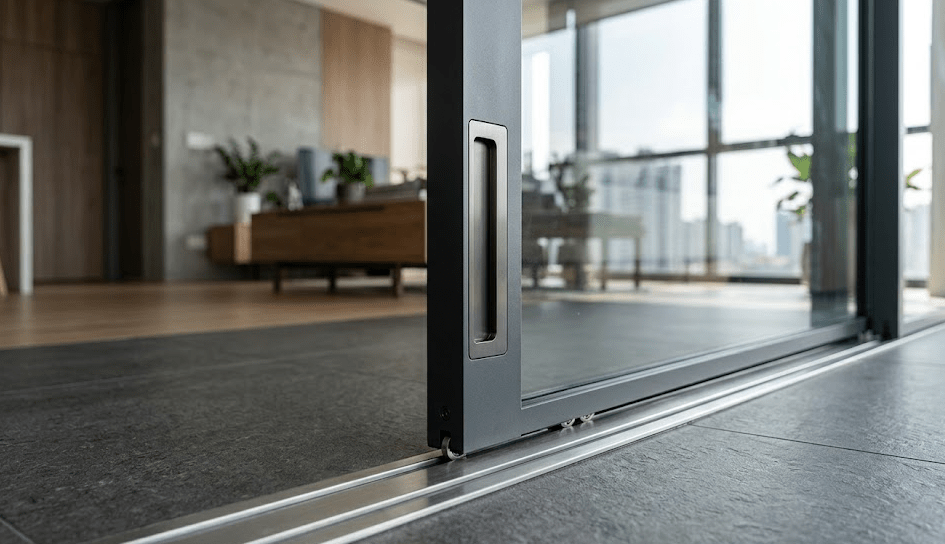
Low-carbon material is only half of the equation; the system must also save energy during the building’s operational life. This is where thermal break technology becomes critical for Net Zero Windows. Top Systems, such as the AlloyPro XLB-80 and XLB-140 series, utilize multi-cavity polyamide strips to block heat transfer.
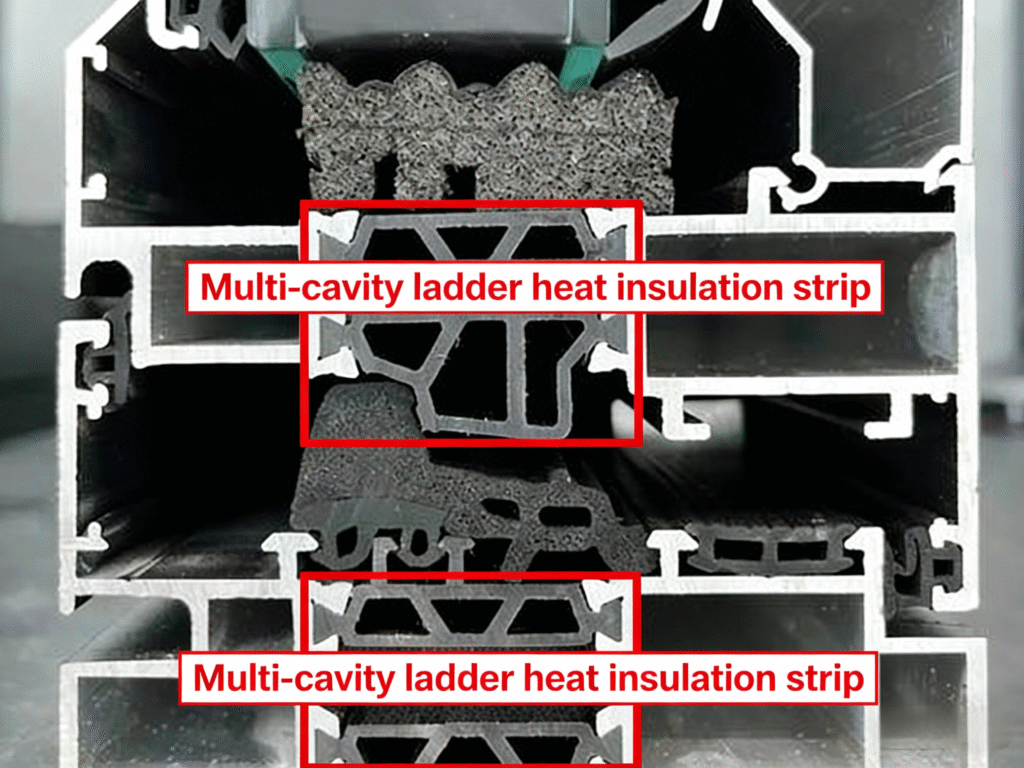
These precision-engineered thermal barriers ensure that indoor temperatures remain stable. Consequently, the building requires less HVAC energy, further reducing its long-term carbon footprint. By combining T5 and T6 heat treatment processes with advanced insulation, Low Carbon Aluminum products provide the ultimate balance between durability and energy efficiency.
Why Choosing the Right Partner Matters
Navigating the complexities of Net-Zero requirements demands a partner who understands both international standards and manufacturing precision. Whether you are looking for hurricane-resistant solutions or high-efficiency Net Zero Windows, the focus must remain on verified performance data from Top Systems.
AlloyPro continues to bridge the gap between high-end global standards and cost-effective manufacturing. By focusing on LEED-compliant Low Carbon Aluminum and optimized CNC processing, we help international developers reach their sustainability goals faster. As the industry evolves, staying informed about these technical paths will ensure your projects remain competitive in a green-focused market.