






Thermal Break Aluminum Windows: High Performance Energy Guide
Choosing the right Thermal Break Aluminum Windows is essential for modern home comfort and energy efficiency. These high-performance systems combine slim design with advanced engineering to deliver long-term durability and superior insulation in various climates.
High-Strength Frame Construction
The performance of Thermal Break Aluminum Windows starts with the frame. Quality manufacturers use 6063 alloy or 6060 alloys, known for their excellent structural rigidity and surface finish.
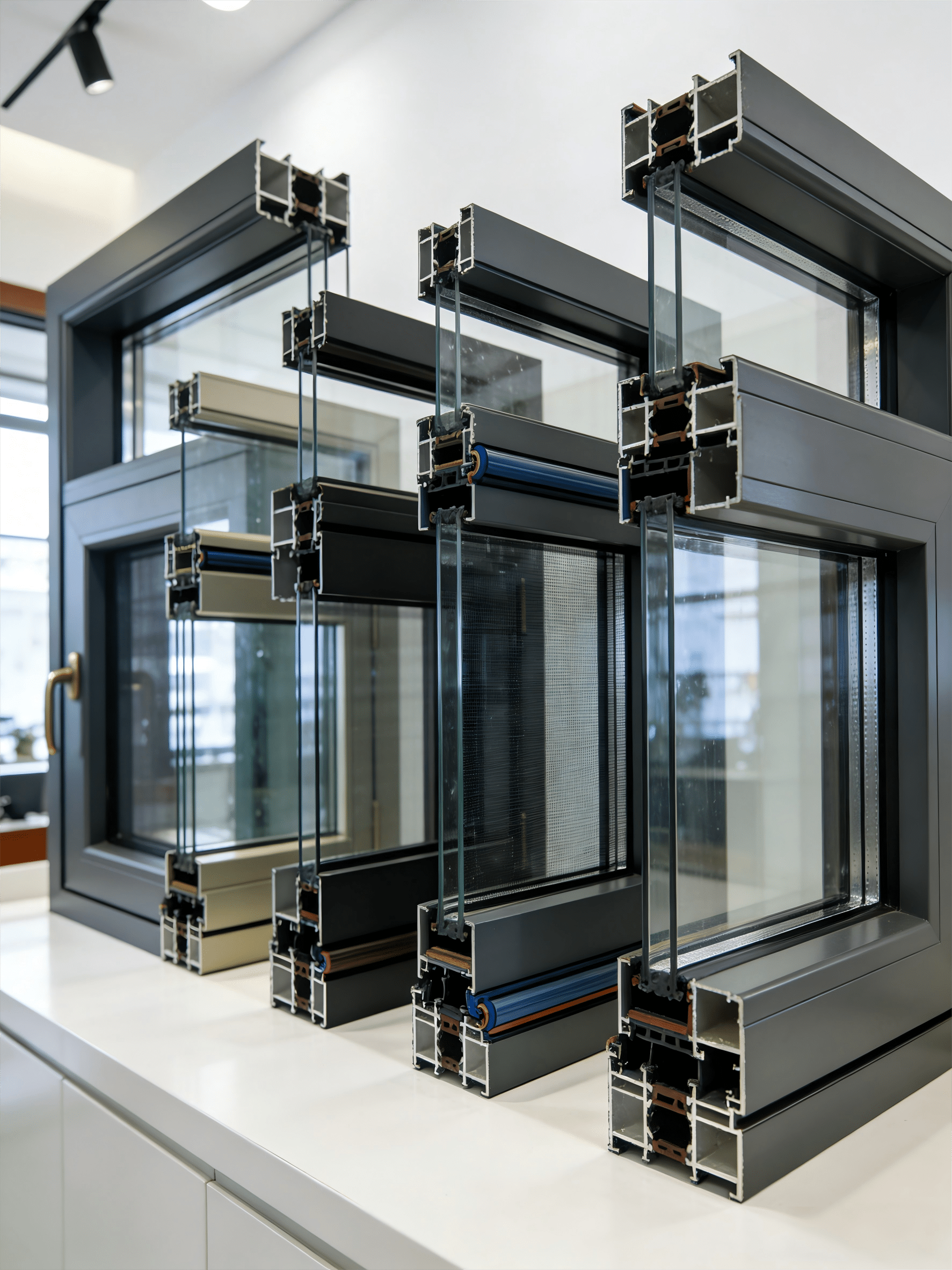
A thermal break separates the inner and outer metal sections with a less conductive material, such as a suitable polyamide strip. This reduces heat conduction through the frame; whole-window performance also depends on the glazing, seals and installation.
Advanced Glass and Insulation
Since glass occupies most of the window surface, it is central to performance. Modern insulating glass units (IGUs) in these windows often feature:
- Double glazing: Two panes separated by a sealed cavity. An argon fill can improve insulation compared with air in an otherwise comparable unit, but a fixed percentage reduction cannot be assumed.
- Low-E coatings: Coating selection affects heat transfer and solar gain. Compare the specified U-value, SHGC and visible light transmission rather than assuming every Low-E unit has the same effect.
Secure Locks and Sealing Systems
Multi-point locks can engage at several points and help compress the specified gaskets. Hardware and sealing details vary by system. Verify air, water and security performance using evidence for the complete assembly.
Durable Surface Finishes
Powder coating and anodizing provide different finish options. Durability depends on pretreatment, finish specification, exposure and maintenance; neither treatment establishes a universal service life.
Conclusion
Choose thermal break aluminium windows by comparing the complete system’s thermal data, structural suitability and maintenance requirements. Alloy grade or the presence of Low-E glass alone does not establish overall performance.
From Energy Comparison to Project Specification
Once the energy requirements are clear, use the AlloyPro window specification guide to prepare opening dimensions, drawings, glazing requirements and the supporting documents needed for an enquiry.
For related product and planning information, see Understanding U-Value: How to Choose Energy Efficient Aluminum Windows.
Send AlloyPro your project requirements, including location, drawings, quantities and the performance documents you need.