







Aluminum Extrusion Process: From Ingot to Product Secrets
Have you ever wondered how raw aluminium becomes a shaped profile? This guide explains the aluminum extrusion process, from raw-material preparation to finishing and inspection. It describes manufacturing stages rather than a verified tour of an AlloyPro-owned factory.
Stage 1: Precision Starts with Raw Material
Raw-material selection starts with the required alloy composition. Chemical analysis and batch records help establish whether the material meets the agreed specification. The alloy, temper and intended application should be identified before extrusion.
Stage 2: Smart Melting and Casting
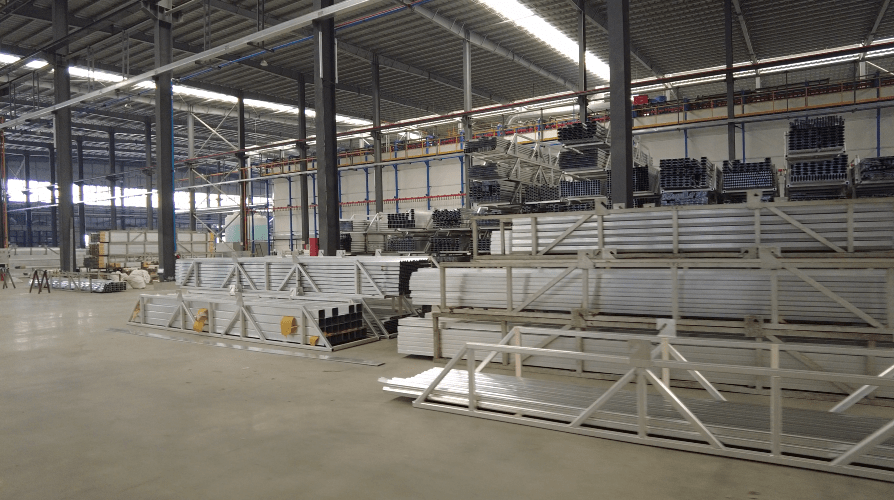
Where billets are produced from molten metal, melting and casting controls help manage composition and billet quality. Extruders may also purchase prepared billets. The supply route and inspection records should be confirmed for the order.
Stage 3: The Core of the Aluminum Extrusion Process
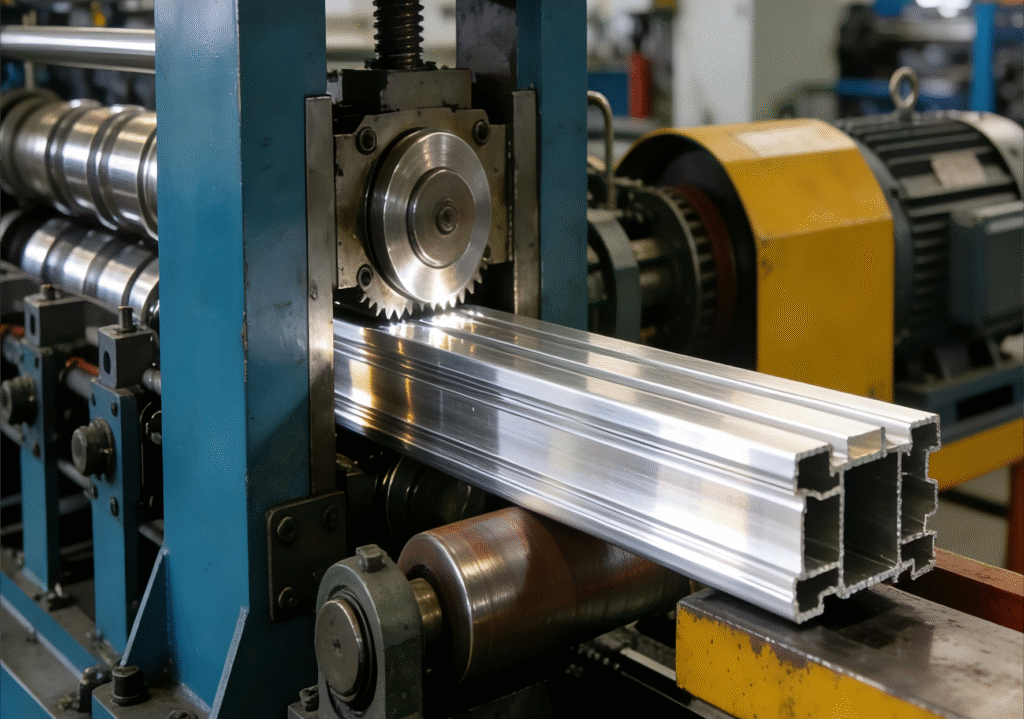
Heated billets are forced through a die to produce the required cross-section. Extrusion temperature, speed and pressure influence the result. Dimensional checks are still needed; digital control alone does not guarantee every length meets the drawing.
Stage 4: Automated Enhancement and Finishing
After extrusion, profiles are cooled and straightened. The required alloy and temper determine the heat-treatment route, which may include artificial ageing. Anodizing or powder coating may follow where specified.
Stage 5: Final Inspection and Shipment
Inspection should compare profile dimensions, surface condition and any required mechanical properties against the agreed acceptance criteria. Keep batch records and confirm packaging before shipment.
Why Process Records Matter
Process records help link material, production settings and inspections to an order. Buyers should request the records relevant to their specification and distinguish general manufacturing capability from evidence for the delivered batch.
Ready to Specify Your Components?
Send your drawings, alloy and temper requirements, quantities and finish specification to AlloyPro for a project enquiry.
For related product and planning information, see Custom Aluminium Profiles: Quality-Control Buying Guide and 6061 vs 6063 Aluminum: Which Is Right for Your Project?.