






Solar panel aluminum frames: 4 Advantages for Solar Growth
Aluminium frames are widely used to support solar modules. Their suitability and service life depend on the complete module design, connections, exposure and maintenance. This article outlines four reasons to consider them alongside the project requirements.
1. Exceptional Strength-to-Weight Ratio
Solar panel aluminum frames offer the best strength for their weight compared to other materials. Furthermore, they are much lighter than steel, making panels easier and cheaper to ship and install. Consequently, these frames provide a strong structure to protect delicate glass and cells from wind and snow stress.
2. Unmatched Outdoor Durability
Solar-panel frames are exposed to weather and, at some sites, salt. Aluminium forms a protective oxide layer, but corrosion resistance also depends on the alloy, finish, connections, exposure and maintenance. Check the frame specification and warranty terms for the selected module; a panel warranty does not establish a universal frame service life.
3. Precision Design for Easy Installation
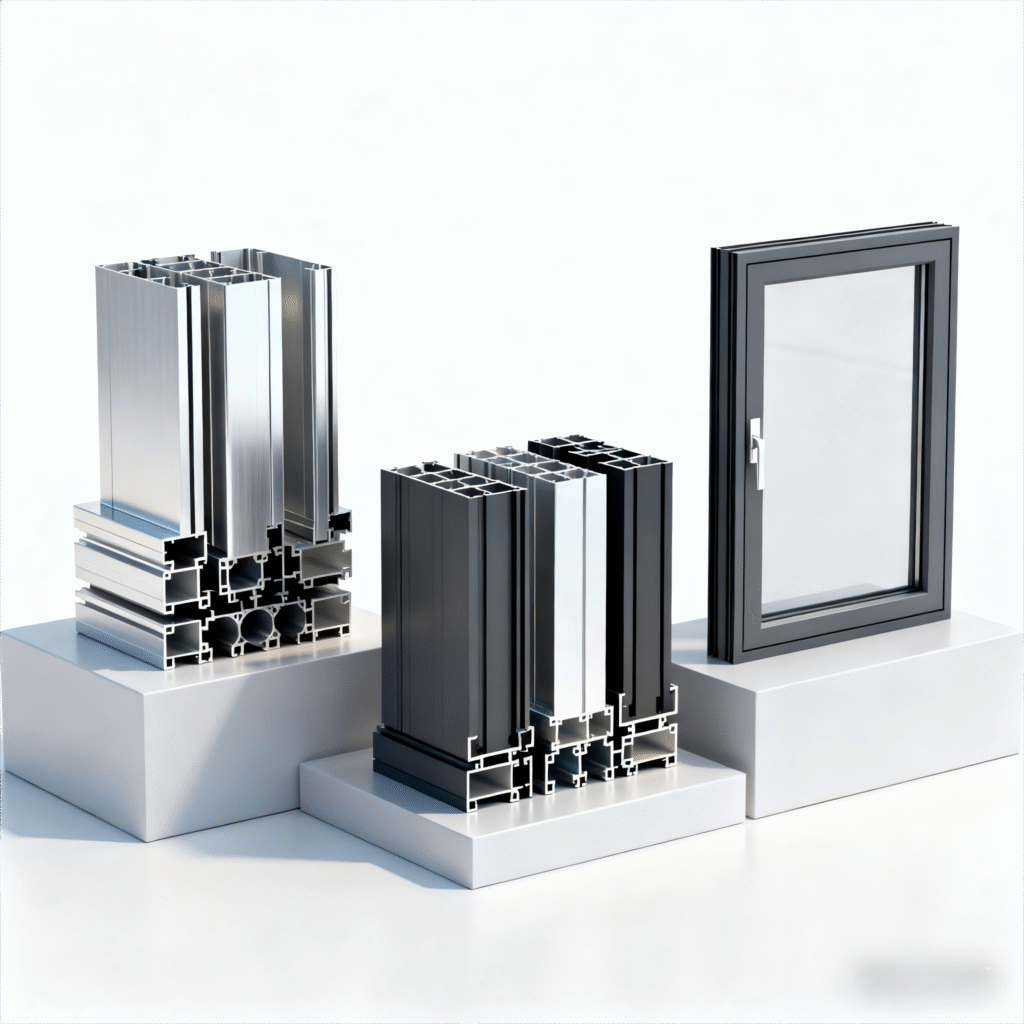
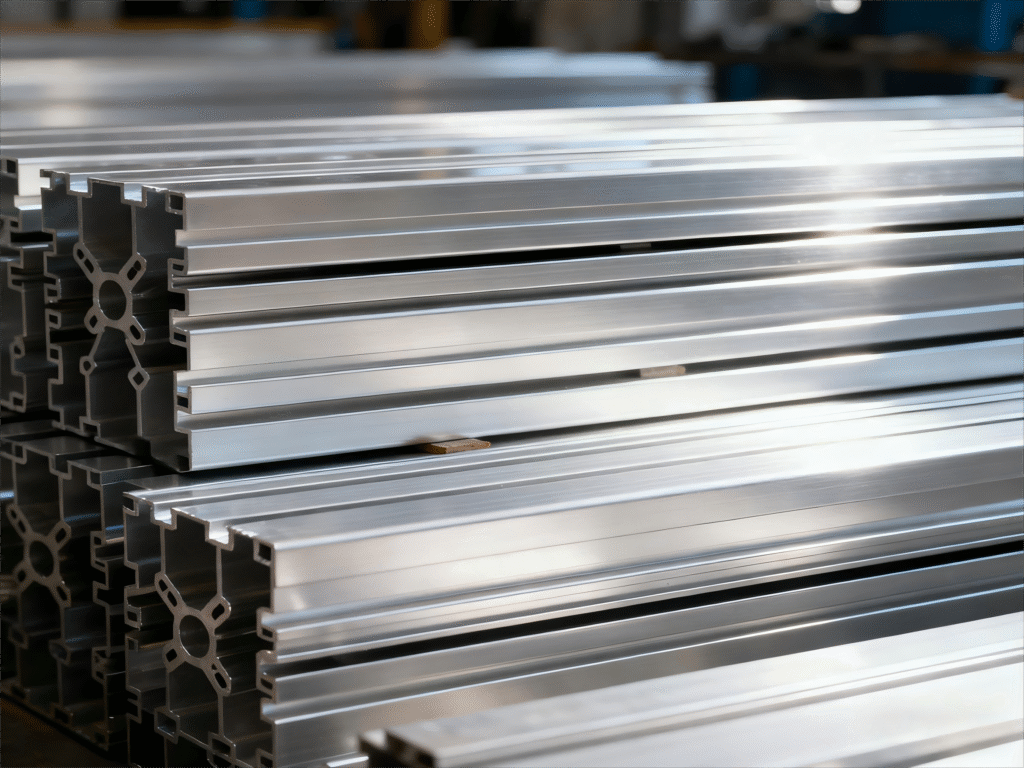
Aluminum can be shaped into precise profiles with standard grooves and holes. Therefore, Solar panel aluminum frames allow installers to quickly and securely attach panels to almost any mounting system. Moreover, this versatility saves significant time and labor costs during large-scale solar project deployments.
4. Sustainable and Fully Recyclable
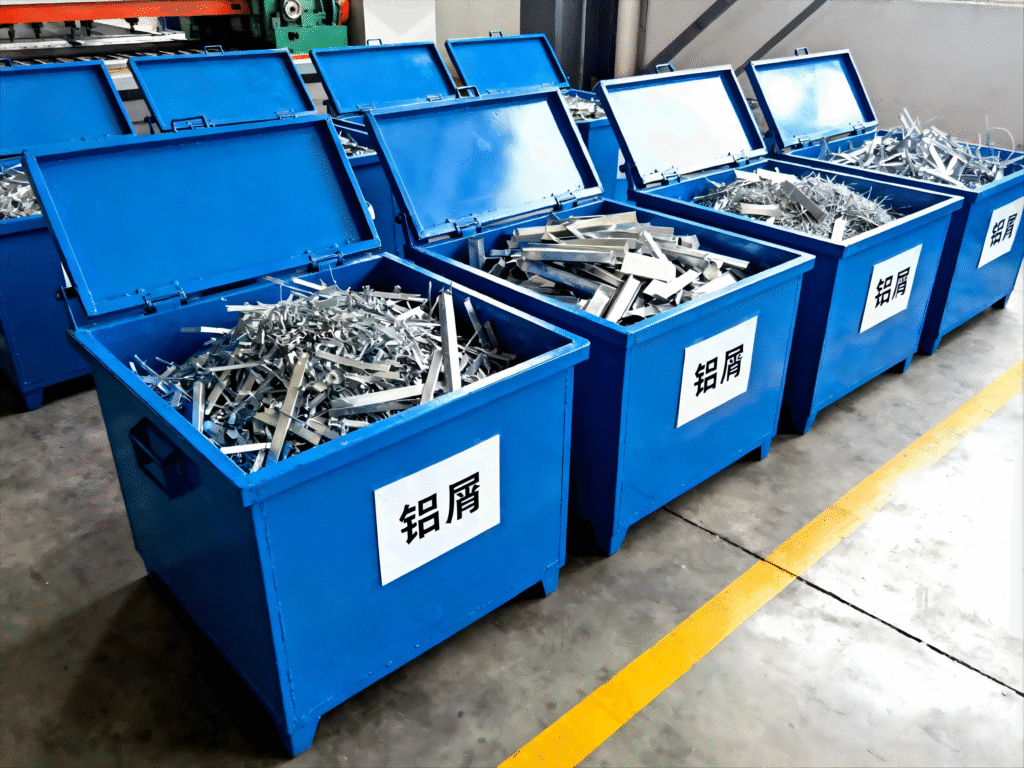
Aluminum is 100% recyclable, supporting the green mission of solar energy. In addition, at the end of a panel’s life, Solar panel aluminum frames can be melted down and reused for new products. This process uses only a fraction of the energy needed for primary aluminum production. Hence, it creates a truly circular economy for the renewable energy industry.
For related product and planning information, see 6061 vs 6063 Aluminum: Which Is Right for Your Project? and The Green Engine: How Recycled Aluminum Alloys Power "Dual-Carbon" Goals.
Send AlloyPro your project requirements, including location, drawings, quantities and the performance documents you need.