





Секреты покупки алюминиевых профилей с терморазрывом: PA66 против ПВХ
Однако на мировом рынке представлены различные материалы для изготовления этих важнейших теплоизоляционных барьеров. Двумя наиболее распространенными вариантами являются нейлон PA66 и ПВХ. Неправильный выбор материала со временем может привести к разрушению конструкции и снижению эффективности теплоизоляции. В компании Guangdong AlloyPro Aluminum Co., Ltd. мы ставим во главу угла качество и долгосрочную безопасность. Поэтому мы всегда используем материалы премиум-класса для производства наших алюминиевых экструзионных профилей с терморазрывом. В этом руководстве раскрываются основные секреты выбора и объясняется, почему нейлон PA66 превосходит ПВХ по всем параметрам.
Понимание стандартов на алюминиевые профили с терморазрывом
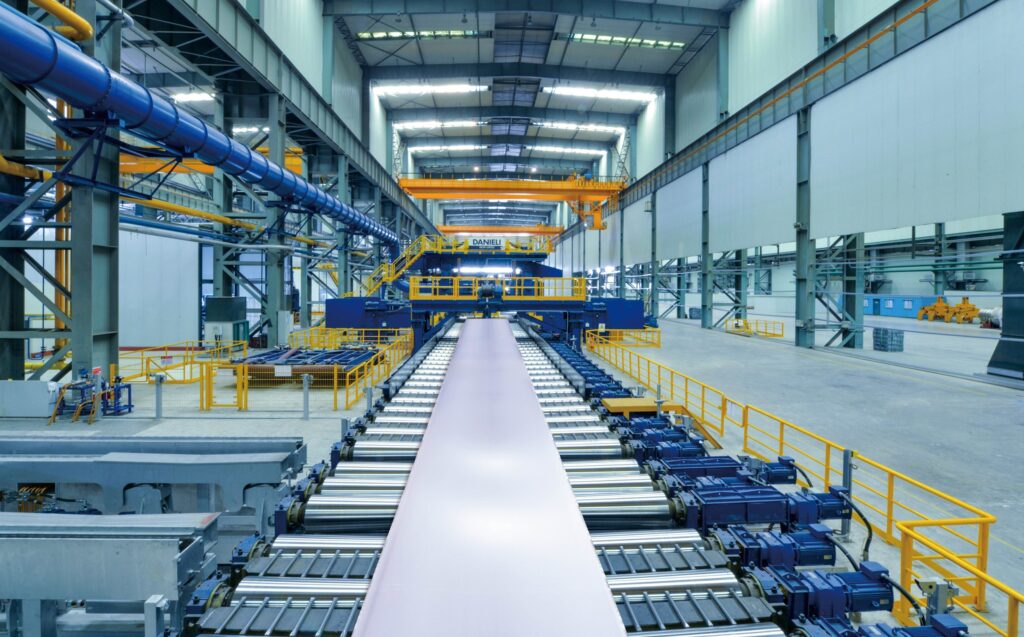
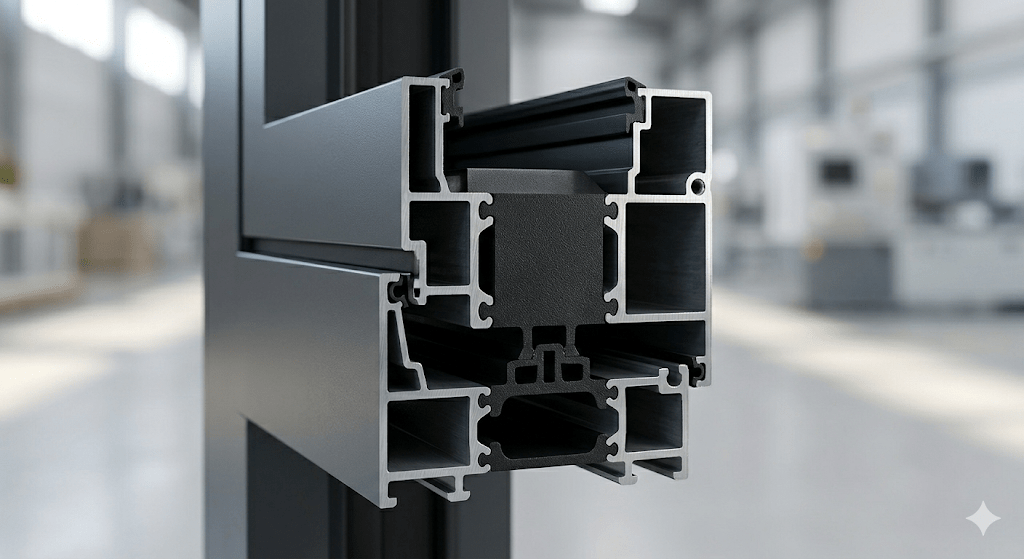
Чтобы обезопасить свои инвестиции в архитектурные решения, необходимо понимать, как ведущие производители изготавливают эти системы. Производство алюминиевых профилей с терморазрывом требует точного механического процесса обжима. Производители вставляют непроводящую изоляционную прокладку в пазы экструдированного алюминия и плотно обжимают металл вокруг нее. Этот процесс создает жесткий, цельный профиль, который эффективно выдерживает давление ветра, тепловое расширение и вес конструкции.
Кроме того, состав изоляционной ленты исключительно хорошо сочетается с физическими свойствами алюминия. В компании AlloyPro мы смешиваем наш полиамидный нейлон PA66 со стекловолокном 25%. Эта специальная формула упрочняет материал, делая его более прочным и жестким. В результате наши алюминиевые экструдированные профили с структурным терморазрывом способны выдерживать огромные механические нагрузки, сохраняя при этом чрезвычайно низкую теплопроводность для крупномасштабных зданий.
Различия в эксплуатационных характеристиках: нейлон PA66 и ПВХ
Во многих проектах, ориентированных на экономию средств, по-прежнему используются полосы из поливинилхлорида (ПВХ) с целью снижения первоначальных затрат. Однако ПВХ — это простой пластик, которому не хватает прочности и термостойкости, необходимых для строительства объектов с высокой нагрузкой. Разница в эксплуатационных характеристиках этих двух материалов сказывается на сроке службы конструктивных элементов ограждающих конструкций вашего здания.
1. Тепловое расширение и конструктивная устойчивость
В зданиях наблюдаются резкие перепады температур между днем и ночью, а также летом и зимой. Алюминий расширяется и сжимается под воздействием этих изменений. Поэтому терморазделитель должен расширяться с точно такой же скоростью. В высококачественных системах алюминиевых профилей с терморазрывом используется нейлон PA66, поскольку он имеет практически идентичный коэффициент линейного расширения с алюминиевым сплавом. При резком повышении температуры металл и нейлоновая полоска гармонично деформируются вместе.
В отличие от этого, ПВХ обладает гораздо более высоким коэффициентом теплового расширения, чем алюминиевый сплав. Под воздействием горячих солнечных лучей ПВХ расширяется гораздо быстрее, чем окружающий его металл. Такое несоответствие в движении приводит к возникновению огромных внутренних напряжений. Со временем ПВХ-профиль может расшататься, деформироваться или треснуть. Как только этот барьер разрушится, конструкция алюминиевого профиля с терморазрывом утратит свою целостность и безопасность.
2. Термостойкость и обработка поверхности
В процессе изготовления готовые алюминиевые профили часто подвергаются порошковой окраске или анодированию. Эти виды обработки поверхности требуют температуры в печи выше 200 °C. Нейлон PA66 легко выдерживает такие температуры, не теряя при этом своей формы и прочности. Благодаря высокой термостойкости наши заводы могут бесперебойно осуществлять экструзию, сборку и обработку заказанных вами алюминиевых профилей с терморазрывом.
С другой стороны, ПВХ размягчается при гораздо более низких температурах. При температуре около 80 °C он начинает разрушаться и деформироваться. Это означает, что готовые профили из ПВХ нельзя пропускать через линии высокотемпературного порошкового окрашивания. Кроме того, под воздействием сильной летней жары температура темных алюминиевых рам может достигать значений, близких к температуре размягчения ПВХ, что приводит к прогибанию или деформации рамы под нагрузкой.
3. Механическая прочность и длительный срок службы
Окна и двери должны выдерживать сильные ветровые нагрузки и поддерживать вес тяжелых стеклопакетов с двумя или тремя стеклами. Терморазделитель выступает в качестве конструктивного звена, передающего эти силы. Благодаря армированию стекловолокном 25% нейлон PA66, используемый в алюминиевых профилях с терморазрывом, обладает высокой прочностью на разрыв. Он выдерживает растягивающие, изгибающие и сдвигающие силы на протяжении десятилетий, не растягиваясь и не ломаясь.
Кроме того, ПВХ подвержен быстрому старению под воздействием ультрафиолетовых (УФ) лучей и атмосферных воздействий. Уже через несколько лет он становится хрупким. Когда ПВХ становится хрупким, он может сломаться под воздействием внезапных порывов ветра. В отличие от этого, высококачественные полиамидные планки отлично противостоят УФ-износу и химической коррозии. Их срок службы соответствует сроку службы самой алюминиевой рамы, что гарантирует безопасность вашего проекта на протяжении более 30 лет.
Сравнение основных технических показателей
Чтобы принять взвешенное решение, необходимо точно знать технические характеристики обоих материалов. Для начала рассмотрим прочность на разрыв. Высококачественный алюминиевый профиль с терморазрывом обладает высокой прочностью на разрыв — более 120 МПа, что позволяет ему легко выдерживать значительные конструктивные нагрузки. В отличие от него, прочность стандартного ПВХ не превышает 50 МПа, что делает его подверженным разрушению под давлением ветра.
Во-вторых, необходимо оценить термостойкость и стойкость к старению. Высококачественный нейлон PA66 выдерживает температуру до 220 °C и имеет срок службы 30 лет, что соответствует сроку службы алюминиевых рам. Напротив, ПВХ размягчается уже при 80 °C и разрушается в течение трех–пяти лет. Наконец, нейлон PA66 отлично согласуется с металлом по коэффициенту расширения, в то время как ПВХ расширяется с другой скоростью, что приводит к преждевременному отрыву. Эти показатели доказывают, почему инженеры полностью отказываются от ПВХ.
Вывод: защитите свои инвестиции с помощью AlloyPro
В заключение следует отметить, что экономия на дешевых ПВХ-изоляционных лентах создает огромные риски для вашего проекта. Незначительная первоначальная экономия впоследствии приводит к высоким затратам на техническое обслуживание, утечкам воздуха и потенциальным конструктивным повреждениям. Выбор сертифицированного поставщика алюминиевых профилей с терморазрывом гарантирует оптимальную теплоизоляцию, снижение расходов на энергоснабжение и абсолютную конструктивную безопасность. Ваши окна и двери сохранят свою форму и будут защищать ваше здание независимо от погодных условий снаружи.
Компания Guangdong AlloyPro Aluminum Co., Ltd. специализируется на производстве высококачественных алюминиевых профилей, изготовленных с высокой точностью. Мы тщательно отбираем изоляционные ленты из нейлона PA66 высшего качества для использования в процессе экструзии алюминия с терморазрывом, чтобы обеспечить соответствие международным техническим стандартам. Мы помогаем клиентам по всему миру создавать более интеллектуальные, безопасные и экологичные конструкции. Посетите наш официальный сайт по адресу alloypro.net ознакомьтесь с нашими передовыми решениями и запросите индивидуальное предложение для вашего следующего проекта.