






Aluminum profile for automation: 5 Key Factors for Stability
Automation frames need a defined load case, suitable sections and compatible connectors. These five factors help prepare a profile specification.
1. Why Load Capacity Defines Your Aluminum profile for automation Selection
Assess static and dynamic loads, deflection, stability and the required design factors. Thicker walls alone do not establish a safe frame.
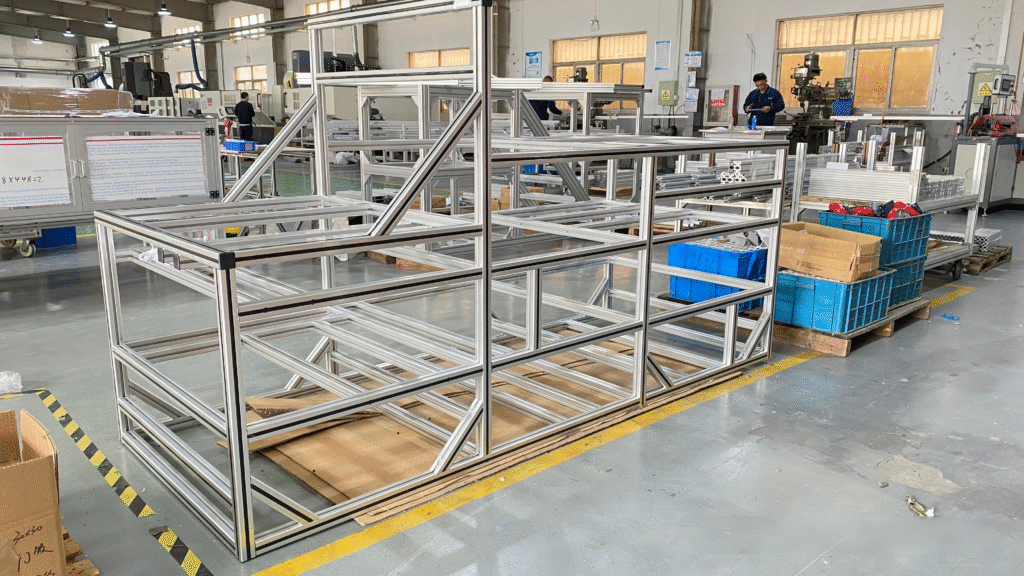
2. Profile Size and Precision in Aluminum profile for automation Production
Select dimensions using loads, spans and connector requirements. Agree and inspect critical tolerances for assembly.
3. Alloy Choice: Enhancing Your Aluminum profile for automation Performance
Compare alloy and temper properties for the actual product form and specification. Neither 6061 nor 6063 is automatically best for every automation frame.
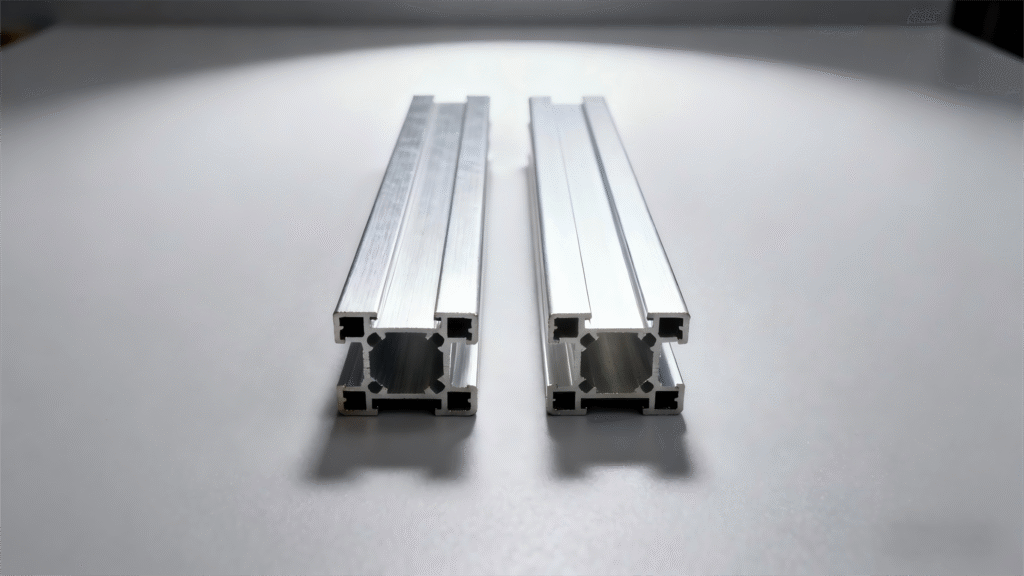
4. Accessory Compatibility for the Aluminum profile for automation
Consider the entire building system during the design phase. Furthermore, ensure the T-slot design works with standard nuts and connectors. Integrated features like pre-drilled holes can save significant assembly time. Consequently, selecting the right Aluminum profile for automation with integrated features simplifies future modifications.
5. Surface Treatment for Your Aluminum profile for automation
Select the finish for the chemical, wear and corrosion exposure. Confirm the actual product and maintenance requirements.
For related product and planning information, see Panduan Muktamad Memilih Profil Aluminium Perindustrian: Daripada Spesifikasi hingga Aplikasi and Rangka Aluminium Barisan Pengeluaran: 5 Rahsia Reka Bentuk Tugas Berat.
Send AlloyPro your project requirements, including location, drawings, quantities and the performance documents you need.