







Top-Hung vs. Bottom-Rolling: Best Sliding Door Systems Guide
Understanding Bottom-Rolling Sliding Door Systems
Bottom-rolling sliding door systems carry the weight of the glass panels on tracks installed at the floor level. This is a very common configuration in the global market because it is cost-effective and easy to install.
Because the weight is supported directly by the base, the structural load on the ceiling is minimized. This makes it an excellent choice for renovation projects or buildings where the top concrete slab cannot support heavy loads. However, these tracks can accumulate dust and debris. You must perform regular cleaning to ensure your sliding door systems operate smoothly over time.
The Advantages of a Top-Hung System
In contrast, a top-hung system suspends the glass panels from a track integrated into the ceiling. This design hides the mechanical hardware, creating a seamless, floating aesthetic.
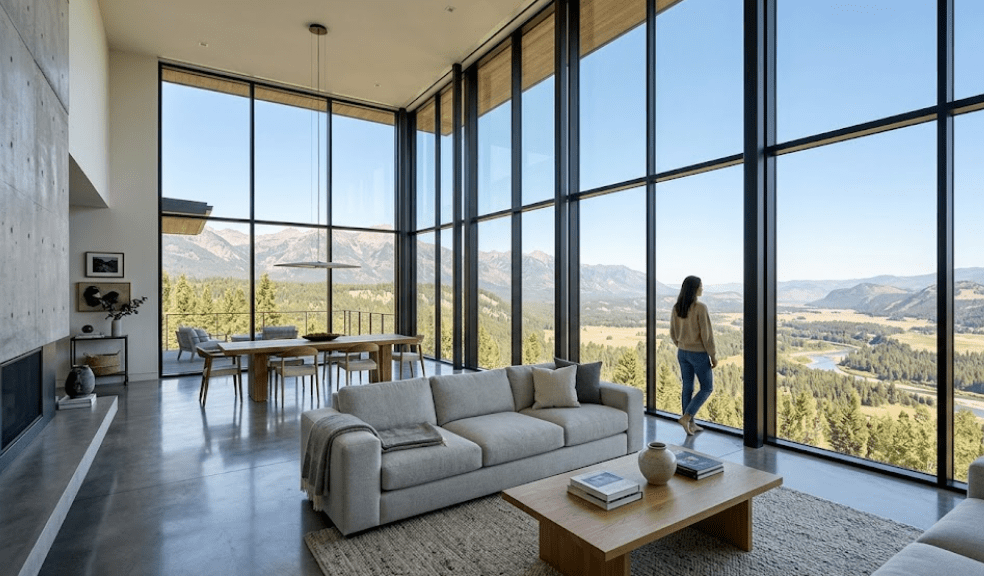
Top-hung system designs provide better protection against the elements. Since the running track is located at the top, it remains shielded from dirt, water, and debris. Consequently, this top-hung system offers a longer lifespan with less maintenance. Furthermore, it creates a flush threshold, which is very popular for large scale windows in premium residential designs.
Key Factors for Your Project Decision
Choosing the right mechanism requires balancing structural needs with lifestyle preferences. If your project features extreme panel heights or heavy triple-glazed glass, a top-hung system offers better stability.
Additionally, consider the local climate. In coastal areas where sand can clog floor tracks, sliding door systems that utilize a top-hung design significantly reduce maintenance. However, if your ceiling structure is made of lightweight material, the bottom-rolling design remains the safer engineering choice for your large scale windows.
Why AlloyPro Expertise Matters
At AlloyPro, we specialize in both configurations. We understand that a window is a mechanical system that must perform flawlessly for years. Our engineering team evaluates your building’s structural capacity and climate conditions to recommend the ideal sliding door systems.
Furthermore, we design our profiles with modular compatibility in mind. Whether you prioritize a flush threshold or a robust floor-supported track, our 6063-T5 aluminum extrusions provide the necessary rigidity to support your large scale windows.
Final Recommendation
To decide, ask yourself these three questions:
- Is the primary design goal a flush, seamless threshold?
- How heavy are the glass panels in your project?
- What are the environmental challenges, such as sand or debris?
By aligning these answers with your structural needs, you can ensure a lasting investment. If you are still unsure which sliding door systems suit your building, our engineering department is ready to assist. Contact us today to discuss your technical specifications.