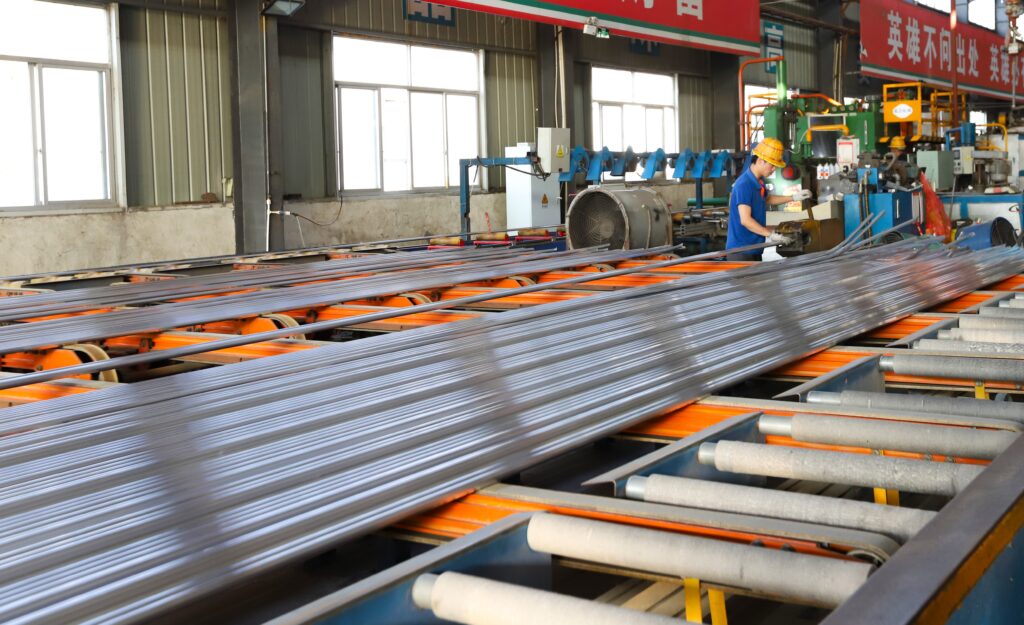
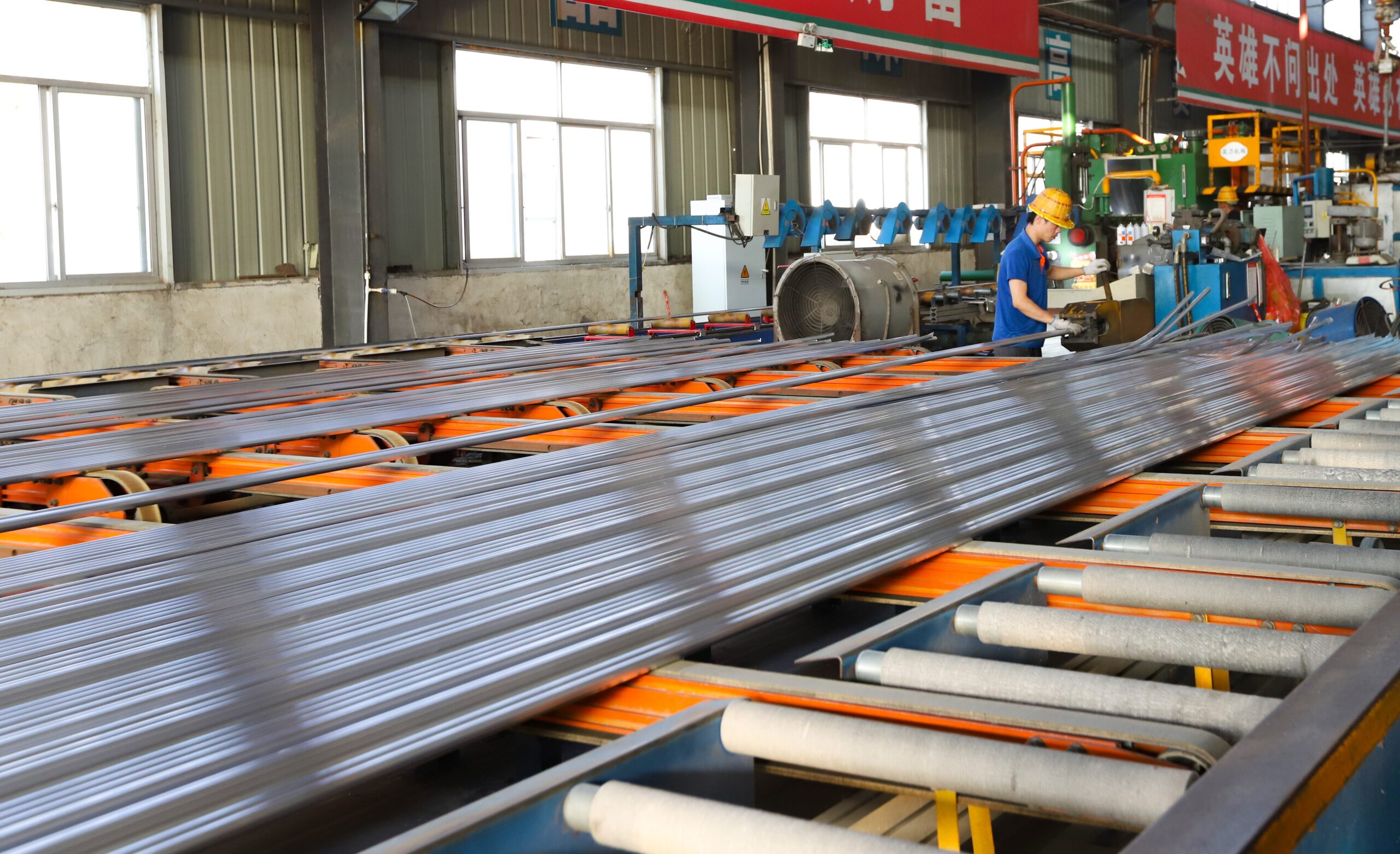
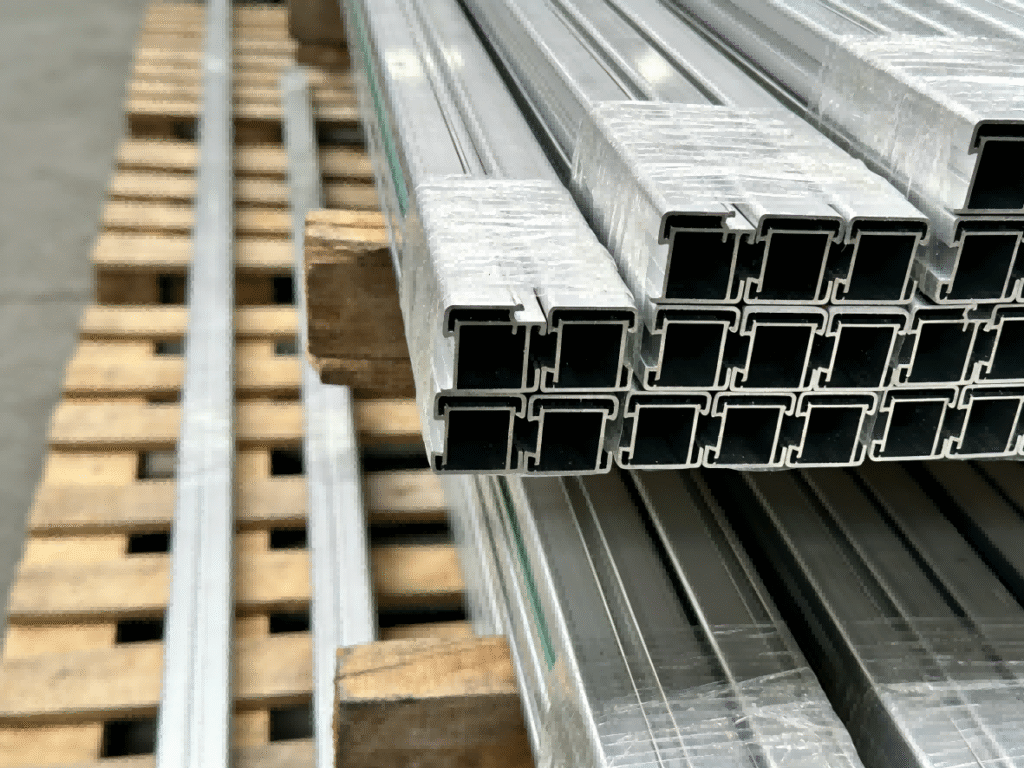
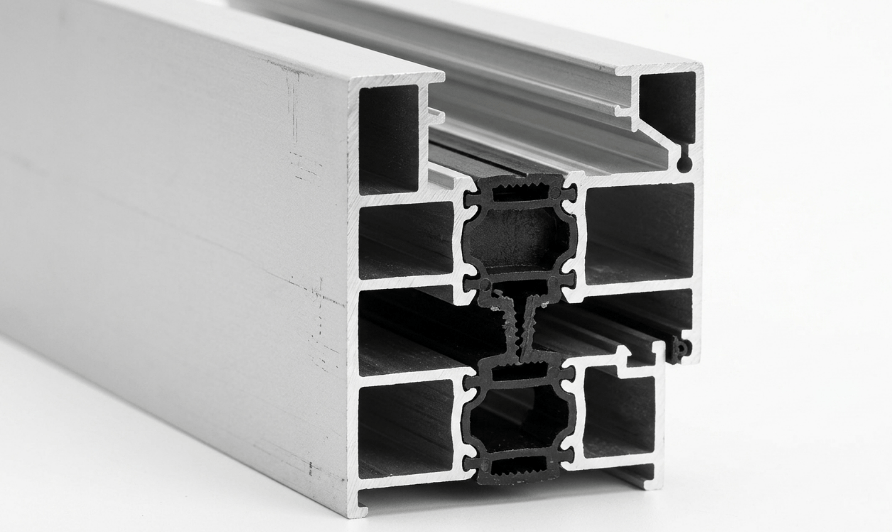
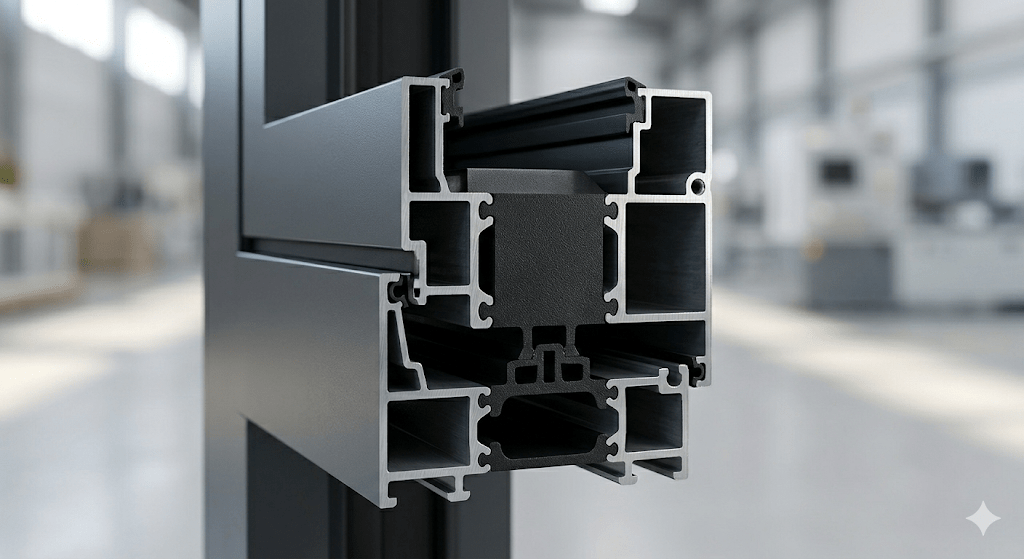
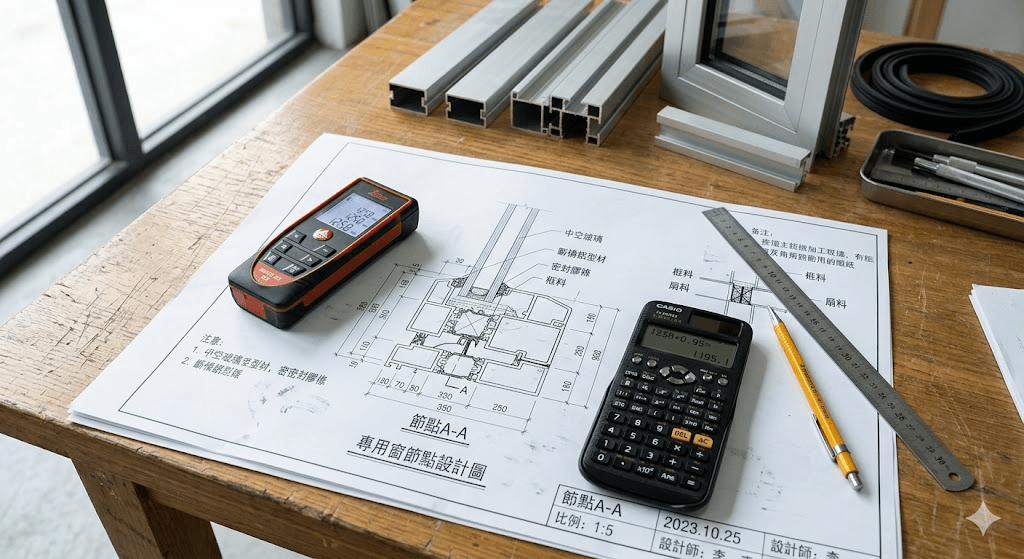
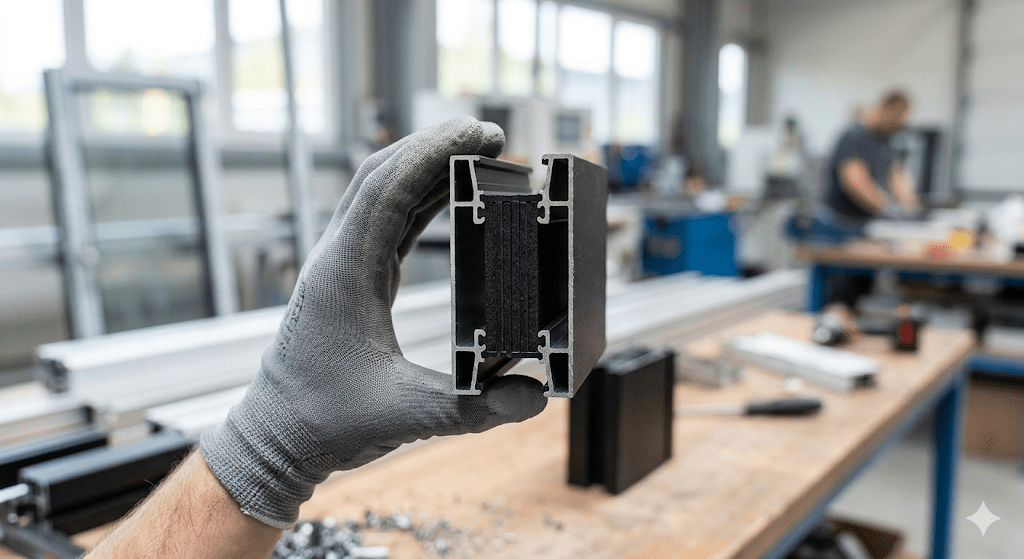
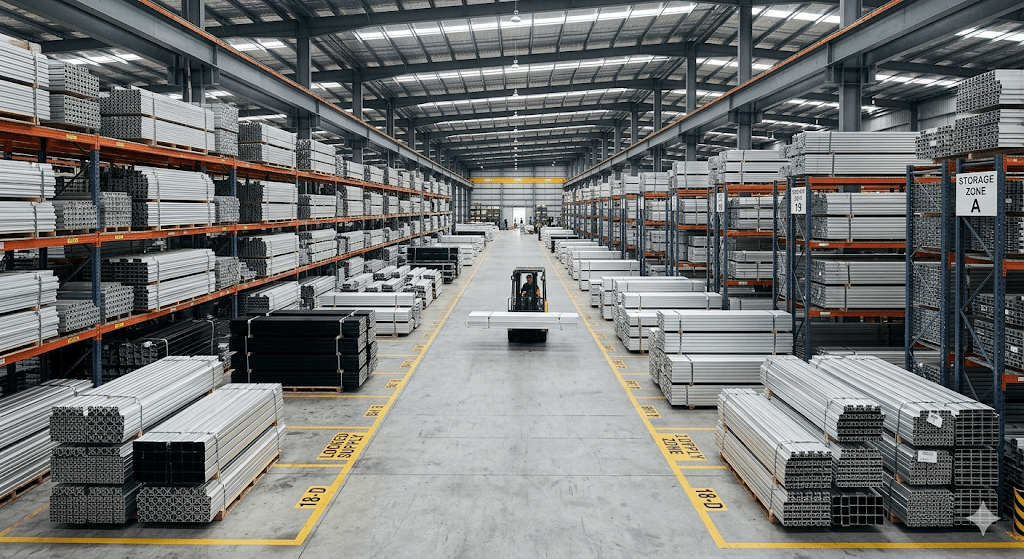
Factories love this metal. They can shape it with great ease. The advanced extrusion process creates very exact forms. Additionally, the special T5 cooling process adds huge strength to the metal. This high strength lets factories build thin, sleek frames. Therefore, you get a nice, clean look. Yet, the frame stays very safe and firm. In contrast to weaker metals, it securely holds heavy glass without bending.
Beautiful and Lasting Surface Finishes
Top buildings need to look great for decades. Luckily, this metal takes surface finishes very well. You can easily add powder coating or fine paint. These layers shield the metal from bad weather. Cheap metals rust and fade fast. However, this top metal stops rust completely. Your frames will look brand new for many years. Additionally, buyers can choose from many different colors to match their designs.
Smart Energy Savings for Buildings
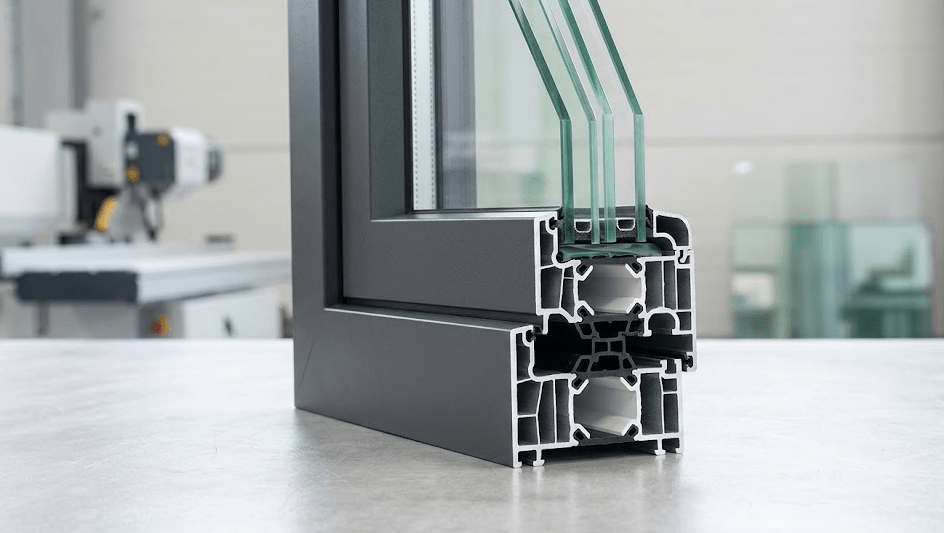
Saving power is a big deal today. Builders pair this metal with new heat blocks. They put strong plastic strips inside the frames. These strips stop heat from moving through the metal. Hot air stays out in the summer. Warm air stays in during the winter. As a result, the building uses much less power for heating and cooling. Consequently, owners save a lot of money on their monthly energy bills.
Built for Tough Weather and Storms
Strong winds and bad storms destroy weak materials easily. This metal handles harsh weather conditions without any problems. It passes very strict global tests, like the AS/NZS rules. Despite this great strength, the metal is quite light. This makes it very easy to transport and install on job sites. When you pick this metal, your project will last a very long time. Furthermore, it requires almost zero maintenance over the years.
Perfect for Modern Minimalist Design
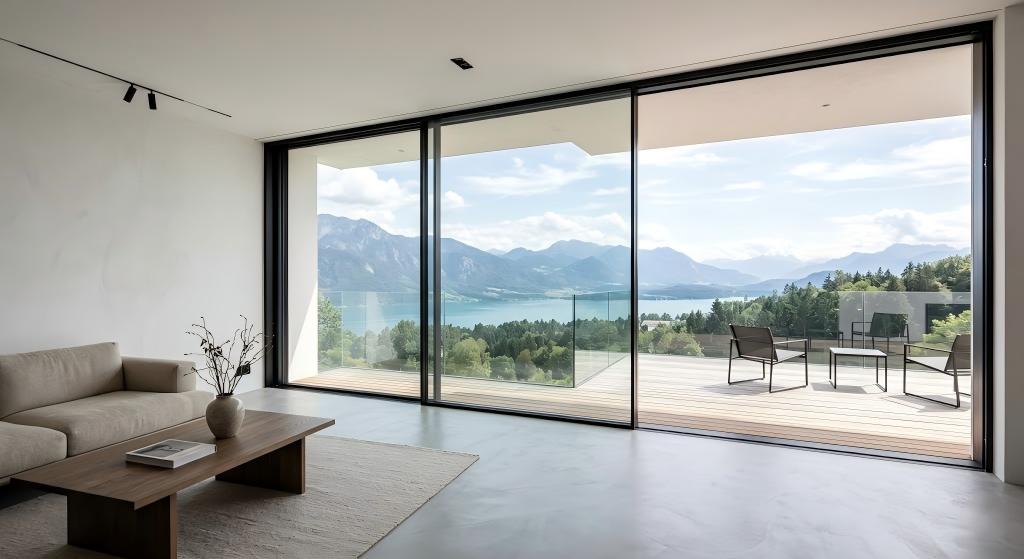
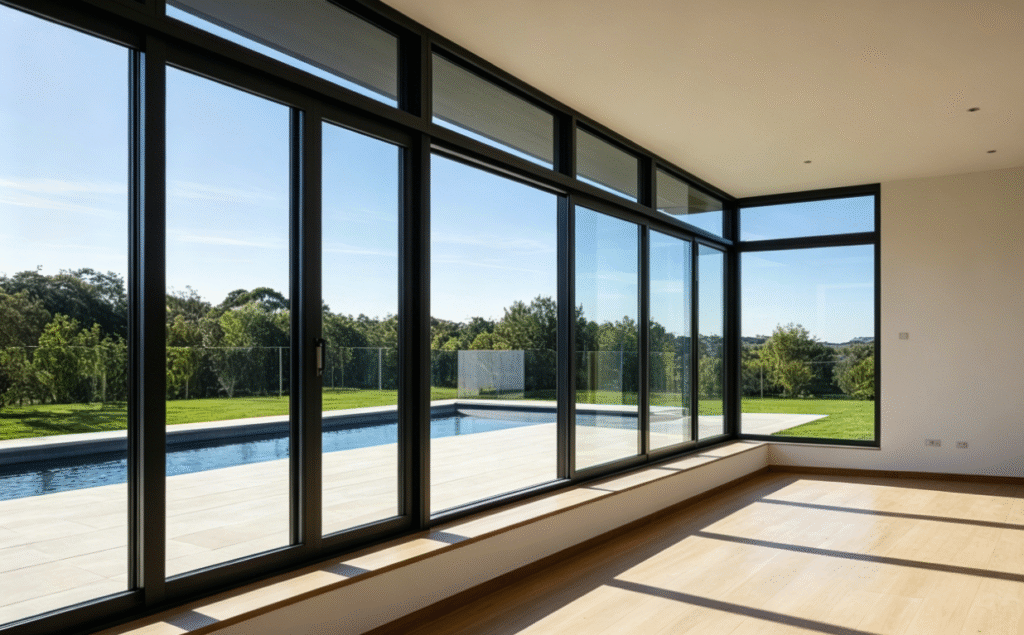
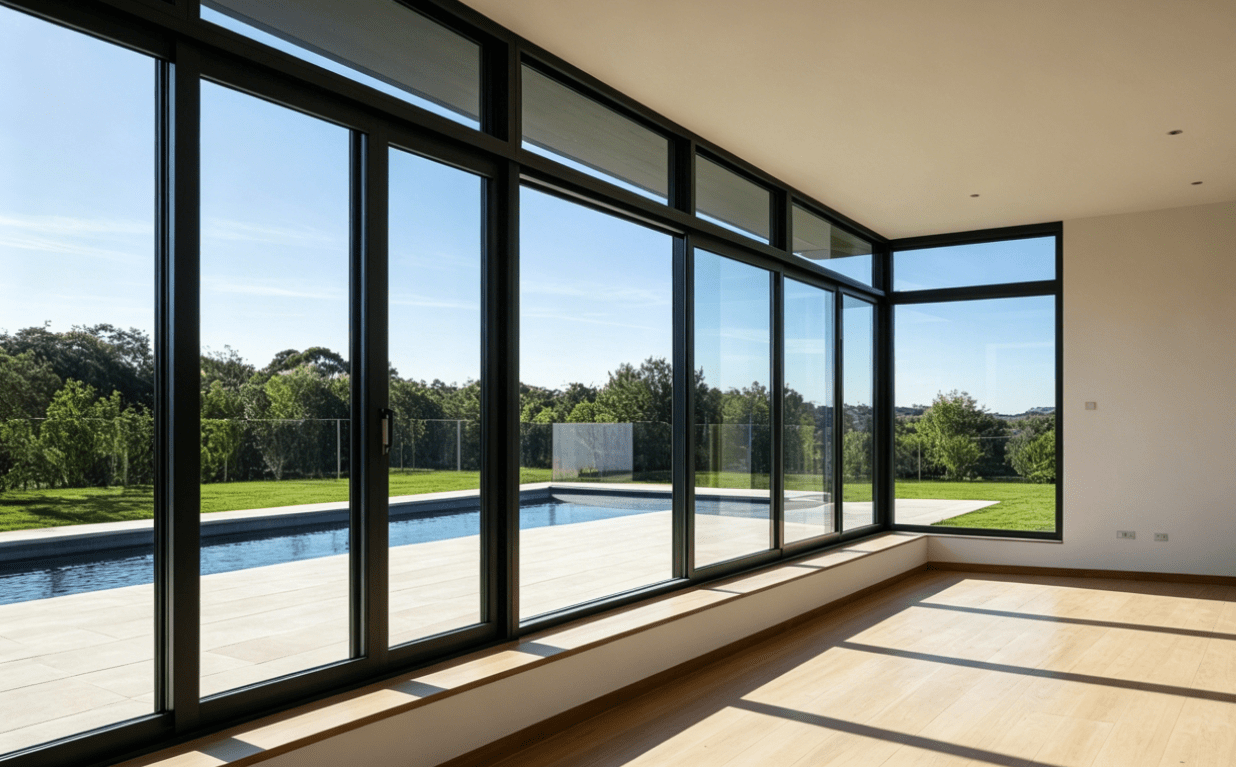
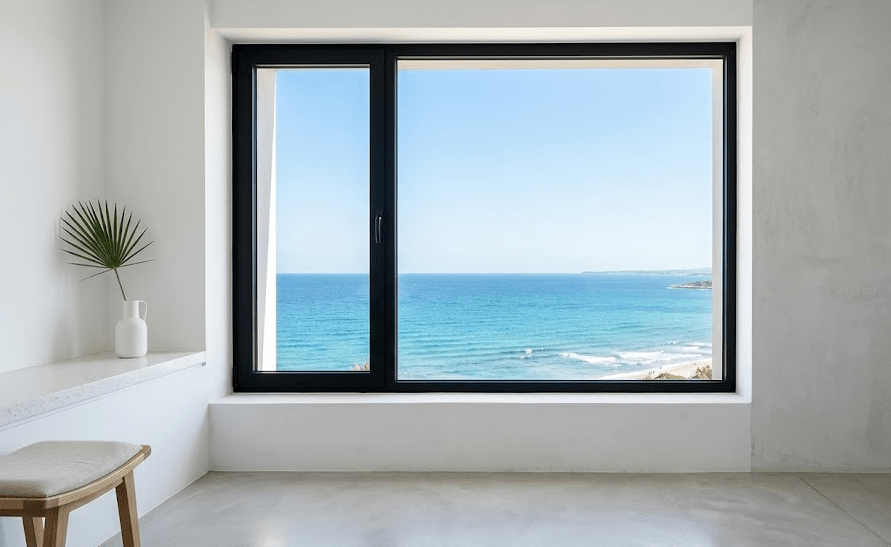
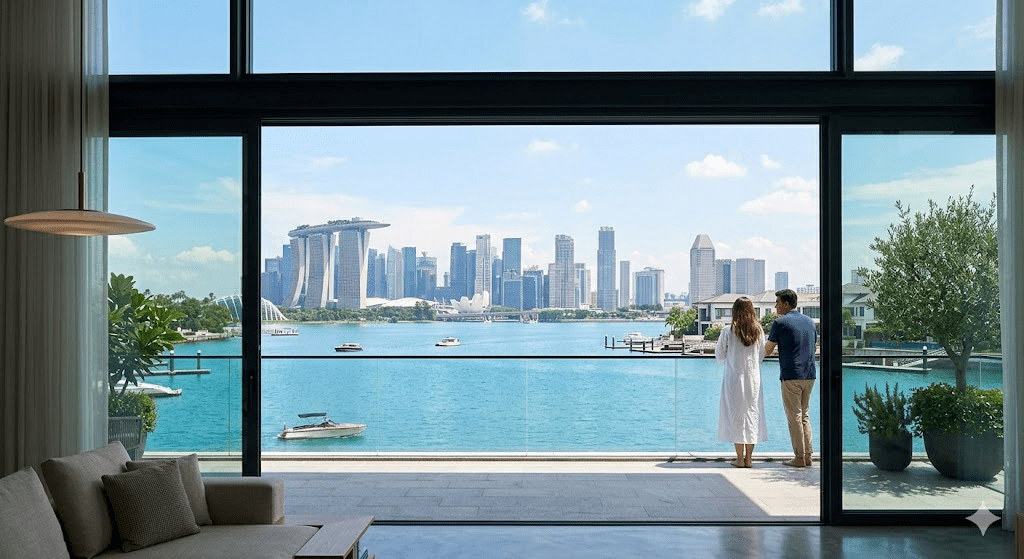
Modern homes and offices prefer big glass and thin frames. 6063 t5 aluminum makes this beautiful design possible. The frames stay hidden, and the glass looks huge. This design brings a lot of natural light inside the room. As a result, spaces look much bigger and brighter. Moreover, this clean style matches any new building perfectly.
Eco-Friendly and Completely Recyclable
Our world needs green and clean materials. This metal is completely safe for the earth. You can recycle it many times. It never loses its core strength during the recycling process. Therefore, builders reduce waste when they use it. Choosing this metal helps protect our environment for the future.
Work With Real Manufacturing Experts
The right metal makes your project a total success. 6063 t5 aluminum gives you great strength and lasting beauty. It also saves energy and stops bad weather. At AlloyPro, we make top solutions for your exact needs. We check every step to ensure top quality and safety. Contact our expert team today. We are ready to start your next big project.
Step 1 – Clean Frames for Better Aluminium Window Maintenance
Dirt builds up on frames over time. It can scratch the protective coating and expose the metal to moisture. That is why aluminium window maintenance always starts with cleaning.
Clean your frames every three months. Near the ocean or a busy road, clean them once a month. You need a soft cloth, warm water, mild dish soap, and a dry cloth. Avoid abrasive pads and strong chemicals like bleach.
Mix a few drops of soap with warm water. Wipe the frames gently from top to bottom. Rinse with clean water and wipe again. Dry completely with a soft cloth. Do not clean in direct sunlight – it leaves streaks. This simple cleaning routine is the foundation of good aluminium window maintenance.
Pro tip: Add a little isopropyl alcohol to the water for heavy dirt. Test on a hidden area first.
Step 2 – Lubricate Hinges as Part of Aluminium Window Maintenance
Hinges and rollers can become stiff over time. You may hear a squeak or feel resistance. Regular aluminium window maintenance includes proper lubrication.
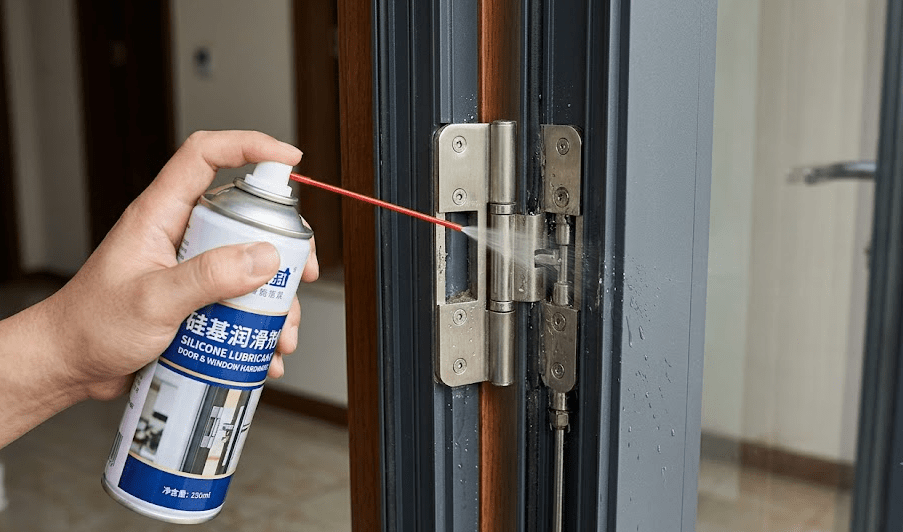
Use silicone spray, not oil‑based products. Oil attracts dust; silicone repels it. Once a year, open the window fully. Spray a small amount on hinge pins, rollers, and locks. Close and open the window several times to spread the lubricant. Wipe away any excess with a dry cloth. A little goes a long way. For sliding doors, also lubricate the bottom rollers.
Adding this step to your yearly aluminium window maintenance routine keeps moving parts smooth and quiet.
Step 3 – Clear Tracks and Drainage Holes for Complete Aluminium Window Maintenance
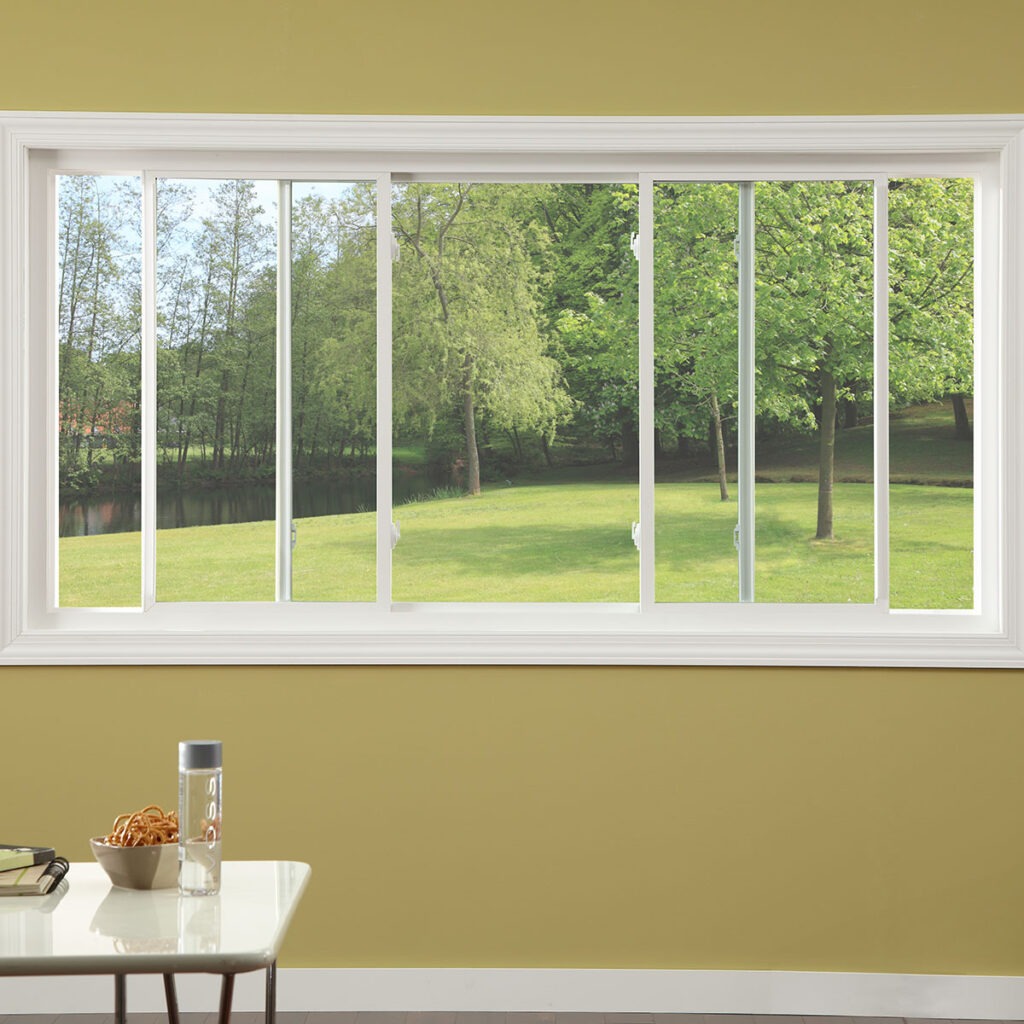
Sliding windows and doors collect dust and debris in the bottom tracks. Clogged tracks make sliding difficult. Good aluminium window maintenance also requires clean tracks and drainage holes.
Check the small drainage holes (weep holes) in the bottom frame. They let rainwater escape. Blocked holes cause water to pool, leading to corrosion. Clean tracks twice a year. Use a vacuum with a brush attachment to remove loose dirt. Wipe tracks with a damp cloth. Clear each drainage hole with a thin brush or compressed air. Pour a little water into the track to ensure it flows out freely.
Clean tracks reduce friction and wear. Clear drainage holes prevent standing water – the biggest enemy of aluminium in coastal areas. This part of aluminium window maintenance takes only a few minutes but adds years to your windows.
Step 4 – Inspect Seals to Complete Your Aluminium Window Maintenance
Rubber seals around your windows keep out wind, rain, dust, and noise. They also save energy by stopping drafts. Inspecting these seals is a critical part of aluminium window maintenance.
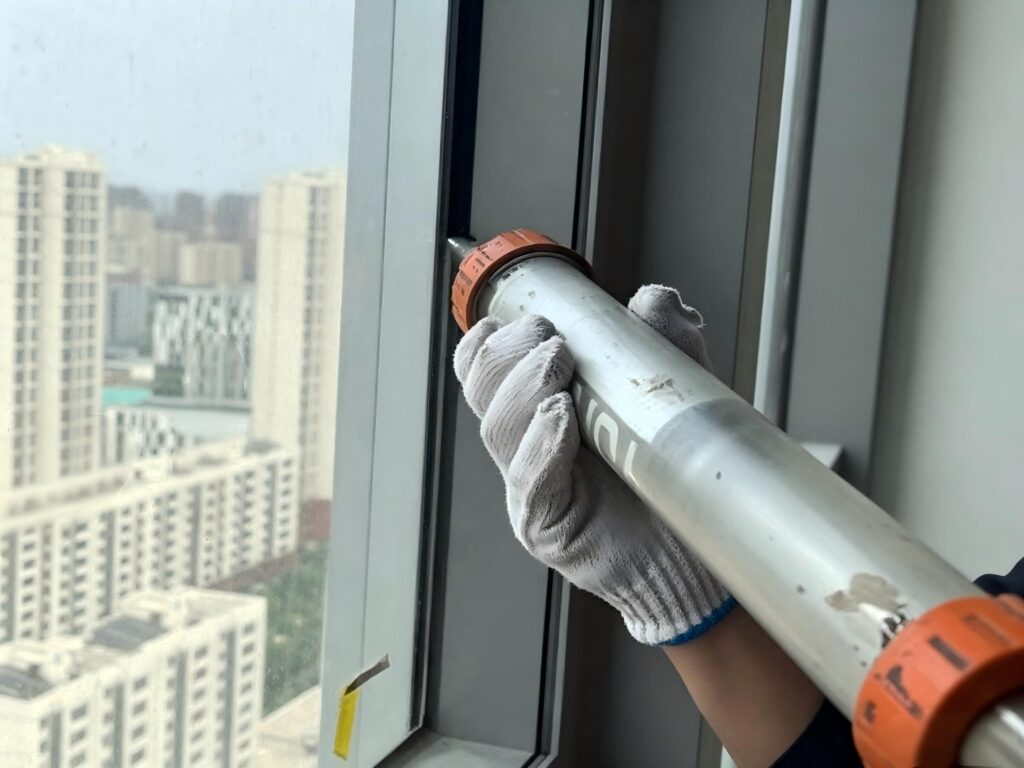
Inspect seals once a year. Close the window and run your finger along the seal. Look for cracks, gaps, or hard rubber. If a seal is cracked or torn, replace it. You can buy universal weather stripping online. Pull out the old seal and press in the new one. If the seal is just dry, apply a silicone‑based rubber conditioner to restore flexibility.
Do not ignore damaged seals. A small gap lets in as much moisture as leaving the window slightly open. Replacing seals is cheap and easy. Include this inspection in your annual aluminium window maintenance schedule.
Step 5 – Consider Your Climate for Smart Aluminium Window Maintenance
Your local environment changes how often you need to perform aluminium window maintenance. A home in dry Arizona needs a different schedule than a beachfront villa in Florida.
Coastal areas – Rinse windows with fresh water every two weeks. Clean frames monthly. Check drainage holes often. Salt accelerates corrosion, so frequent aluminium window maintenance is essential.
Urban areas – Pollution leaves a sticky film. Clean windows every month. Pay extra attention to tracks.
Desert or dry climates – Dust and sand scratch moving parts. Clean tracks every two months. Lubricate hinges twice a year.
Cold climates – Ice can form in tracks. Never force a frozen window open. Apply silicone spray before winter. Check seals for cracks.
During construction – Cover windows with protective tape. Cement dust and paint are very hard to remove once dry.
Adjust your schedule based on your environment. This smart approach to aluminium window maintenance will double the life of your windows.
Conclusion – Follow These Steps for Reliable Aluminium Window Maintenance
Here are the five steps again:
Clean frames with mild soap (every 3 months, or monthly near the ocean).
Lubricate hinges with silicone spray (once a year).
Clear tracks and drainage holes (twice a year).
Inspect seals and replace damaged weather stripping (once a year).
Consider your climate and adjust frequency.
Aluminium window maintenance does not require special skills. A soft cloth, mild soap, silicone spray, and a small brush are enough. Spend 15 minutes on each window or door once or twice a year.
Your AlloyPro windows and doors are built to last. With this simple routine, they will stay smooth, quiet, and weather‑tight for 20 years or more. If you have questions, contact the AlloyPro team. We are here to help.
Measure the rough opening first. You need a 10 to 15 millimeter gap on each side between the frame and the wall. This space allows for adjustment, insulation, and thermal expansion. Also, clean the wall surface. Dust, loose mortar, and uneven edges prevent proper sealing. Have all materials ready before you start—frame, fasteners, shims, foam, and sealant. Missing one item halfway through leads to shortcuts and mistakes.
Step One: Level and Shim
Place the frame into the opening. Use plastic shims under the sill and along the sides to level it. Check horizontal alignment on the sill. Check vertical alignment on both jambs. Measure the diagonals—both must match exactly. If they differ, the sash will never operate smoothly. A frame off by just a few millimeters now will show a visible gap later. This is one of the most common mistakes to avoid during aluminum window installation.
Step Two: Anchor the Frame
Secure the frame with fasteners suited to your wall type. Use expansion bolts for concrete, wood screws for timber, and self-drilling screws for steel. Space anchors no more than 600 millimeters apart, with one within 150 millimeters of each corner. Tighten gradually and recheck the level after every few fasteners. Uneven tightening can flex the aluminum profile and throw off your earlier alignment work.
Step Three: Seal the Gaps
Fill the gap between frame and wall with low-expansion polyurethane foam. Apply it in layers and fill only two-thirds full—the foam expands as it cures. Once cured, trim the excess. Then apply a continuous bead of exterior-grade sealant around the outer perimeter. Any gap or pinhole in this bead lets water through and causes air leaks. On the interior side, seal or trim over the foam for a clean finish. Proper sealing is what separates a lasting aluminum window installation from one that fails within months.
Step Four: Install Glass and Sash
Set glass panels onto glazing beads with setting blocks at the bottom. Never let glass sit directly on aluminum. This creates pressure points that can crack the panel under thermal stress. Secure beads evenly without overtightening. Then hang the sashes and test each one. Open, close, and lock every panel. Movement should feel smooth, with no sticking or scraping. If something binds, go back and check your frame square and level.
Step Five: Final Checks
Test every moving part—handles, locks, hinges, and rollers. Run your hand along all seals to feel for drafts. Clear drainage slots on the outer sill so water can escape. Blocked drainage traps moisture inside the profile and leads to long-term damage. Finally, clean the glass and frames to spot any scratches or defects before you call the job done.
Common Problems to Watch For
If a sash sticks or drags, the frame is likely out of square. Re-check your diagonal measurements and adjust the shims. If you feel a draft around the edges, the sealant bead probably has a gap. Remove it and apply a fresh continuous bead. If water pools on the inner sill, check whether foam or debris has blocked the drainage slots on the outer frame. Each of these common problems traces back to a skipped step earlier in the aluminum window installation process.
Why Installation Quality Matters
A high-performance aluminum window only delivers results when installed correctly. Air leaks and water damage bypass even the best thermal break frame if the sealing fails. Take your time on leveling and sealing. At AlloyPro, our systems meet strict thermal and structural standards, but installation quality ultimately decides how they perform in your building.
Navigating foreign manufacturing standards can challenge any project manager. To secure your investment and pass local building inspections, you must know exactly what to verify. Furthermore, choosing a supplier who understands international compliance saves both time and money. This comprehensive guide breaks down the five crucial standards you must check before signing a procurement contract for your hurricane impact windows.
1. Verify Mandatory Wind Loads and Impact Certifications
International markets do not compromise on structural safety. For instance, the Australian market strictly enforces the AS2047 standard for windows and doors. This benchmark regulates severe wind loads and water penetration resistance. In contrast, North American regions require specialized certifications like Florida Product Approval or NFRC ratings.
You should always ask your manufacturer for official, third-party test reports. Reliable suppliers test their profile structures under extreme pressure to simulate real storm conditions. Therefore, checking these certifications beforehand ensures your imported cargo legally enters the target country. It also guarantees your hurricane impact windows will protect the building during a Category 5 storm.
2. Check the Aluminum Alloy Profile Thickness and Grade
The structural strength of heavy-duty hurricane impact windows relies heavily on its raw aluminum materials. High-end systems generally utilize premium architectural aluminum profiles. You should look for structural grades like 6063-T5 or 6061-T6. Additionally, heavy-duty window frames require a thicker profile wall compared to standard residential openings.
Standard products often use a 1.4mm profile thickness. However, true commercial-grade hurricane impact windows increase this thickness to 2.0mm or even 3.0mm. This extra thickness prevents the frame from bending under violent wind pressures. Thick aluminum extrusion profiles also provide a stable foundation for the heavy laminated glass units.
3. Examine Glass Standards and Interlayer Quality
Premium hurricane impact windows do not rely on standard tempered glass alone. Instead, they feature a specialized laminated glass structure that meets strict international glass standards. This configuration sandwiches a tough polymer interlayer between two sheets of glass. If a flying object strikes the window, the glass will crack but stay firmly bonded to the interlayer.
You must check the thickness of both the glass and the interlayer. A standard configuration includes thick laminated glass paired with a reliable PVB or SGP interlayer. SGP interlayers offer up to five times the tear resistance of standard PVB. Consequently, coastal projects facing extreme typhoons benefit greatly from choosing the stronger SGP specification for their hurricane impact windows.
4. Evaluate Corrosion Resistance and Surface Treatments
Coastal environments expose window frames to constant salt spray and high humidity. This environment causes rapid corrosion if the aluminum lacks proper protection. Therefore, you must specify high-performance surface treatments during the ordering stage to get the best long-term value.
Advanced manufacturers offer specialized coatings like PVDF (Fluorocarbon) or high-grade architectural powder coatings. PVDF coatings resist UV radiation and salt degradation exceptionally well. In contrast, standard powder coatings might fade or chalk within a few years near the ocean. Ensure your supplier follows international standards to guarantee decades of finish durability.
5. Assess the Thermal Performance and Hardware Durability
A truly modern hurricane impact windows system does more than just resist wind. It also enhances the building’s energy efficiency. High-performance systems utilize multi-chamber thermal break technology. This design places an insulating polyamide strip inside the aluminum profile, which drastically reduces heat transfer into the building.
Furthermore, heavy impact glass puts extra stress on the window hardware. Standard hinges and locks fail quickly under this weight. You should demand heavy-duty, stainless steel hardware systems. Reliable locking points around the frame ensure the sash stays sealed tight against the weather seals during prolonged storms.
Conclusion: Get Custom Factory Pricing from a Trusted Partner
Importing building materials from China optimizes your project budget effectively. However, success depends on meticulous compliance checking. By verifying certifications, profile thickness, glass standards, coatings, and hardware, you eliminate expensive risks.
Partnering with an experienced, compliant manufacturer like AlloyPro ensures your building stays safe, energy-efficient, and fully aligned with global building codes. Our team specializes in engineering high-end architectural products that match these exact international benchmarks. Contact us today to discuss your project requirements and get your custom factory pricing for premium hurricane impact windows.
The market shows a massive shift toward green building materials. Buyers actively demand high-quality thermal break systems to save energy. Strict global building codes require much better insulation. Markets like Australia demand strict AS2047 standard testing for all architectural windows. Standard commercial products show slow market growth in comparison.
Factories making premium custom profiles lead the aluminum extrusion market today. Fast production and stable quality matter greatly to professional builders. Long shipping times force developers to plan their orders early. You must partner with modern manufacturers to stay competitive.
Optimize Sourcing Costs in the Aluminum Extrusion Market
How do you get the best materials for your projects? You must look beyond the basic price tag. Evaluate the total value of the architectural profiles instead. A slightly higher starting cost saves big money later. High-quality surface coatings actively reduce future repair costs.
You should choose a factory with a complete production line. Direct factories control product quality much better than trading companies. They also meet tight construction deadlines consistently. Pre-assembled systems drastically cut down your local labor costs. This approach speeds up your onsite building work and improves efficiency.
Surface Treatments and Durability
Commercial profiles face harsh weather conditions every single day. You need the right surface treatments for your architectural doors. Coastal projects need strong powder coating or anodized finishes. These special finishes stop rust and keep the metal looking brand new.
Your buildings maintain their high-end look for many years. Your long-term property maintenance costs drop significantly as a result. Choosing the right finish protects your entire project investment.
Import Premium Profiles from China
You need a highly reliable long-term partner for your business. A top supplier provides clear communication and strong technical support. They fully understand global rules like the AS2047 standard. When you import premium profiles from China, always check the factory equipment. You should review their past project cases carefully. Always ask for clear test reports on wind load and water penetration.
AlloyPro solves these exact B2B sourcing problems. We optimize our factory lines to deliver profiles on time. Our skilled team works closely with your project engineers. We build custom profiles to fit your exact building designs.
Why Builders Need Hurricane Impact Rated Doors and Windows
Engineers prefer aluminum for high-wind regions for several reasons. First, aluminum possesses an exceptional strength-to-weight ratio. This metal resists warping and twisting under immense structural load. Additionally, manufacturers can extrude aluminum into complex architectural profiles with internal reinforcement web designs.
In contrast, materials like wood or vinyl often flex too much under extreme pressure. Certified hurricane impact rated doors and windows maintain their structural integrity over decades of service. Furthermore, advanced surface treatments protect these profiles from harsh marine environments. Modern coatings prevent salt spray corrosion, which keeps your structural components safe and beautiful for years.
Selecting the Right Alloy for Hurricane Impact Rated Doors
Not all aluminum profiles provide the same performance. For hurricane zones, you must look closely at the material specifications. Manufacturers widely use 6063 aluminum alloy for commercial architectural systems. However, the temper specification makes a massive difference in actual yield strength when engineering hurricane impact rated doors.
We highly recommend specifying 6063-T6 aluminum instead of standard 6063-T5. The T6 temper undergoes a rigorous artificial aging process. This treatment increases the tensile strength and hardness of the metal significantly. Consequently, 6063-T6 profiles endure much higher wind load pressures without permanent deformation, ensuring maximum safety during a storm.
The Material Standards of Hurricane Impact Rated Doors
A strong frame requires equally tough glass to ensure full protection. Standard glass shatters immediately when airborne debris strikes it during a storm. For this reason, high-wind regions require specialized impact-resistant laminated glass systems to complement hurricane impact rated doors.
Laminated glass consists of two layers of glass bonded together by a tough plastic interlayer, usually Polyvinyl Butyral (PVB) or SentryGlas Plus (SGP). When flying debris hits the window, the outer glass may crack, but the interlayer holds the fragments together. Therefore, the building envelope remains sealed, preventing destructive winds from entering the interior space.
Balancing Storm Protection with Thermal Efficiency
Extreme weather involves more than just powerful winds. Coastal regions often experience intense solar heat and high humidity. Property owners want storm safety, but they also demand lower energy bills. Fortunately, modern aluminum engineering solves both problems simultaneously.
You should choose aluminum systems that incorporate advanced thermal break technology. Thermal break systems insert a reinforced polyamide bar between the interior and exterior aluminum profiles. This structure breaks the path of heat conduction. As a result, the windows block outdoor heat during summer and retain cool indoor air, reducing air conditioning costs significantly.
Testing Certifications for Hurricane Impact Rated Doors
How do you verify that a window or door can actually withstand a hurricane? You must check the official testing certifications of the product. Reliable manufacturers test their window and door systems in certified laboratories using dynamic pressure simulations.
Look for products that meet international design pressure (DP) ratings or specific wind zone standards, such as the Miami-Dade County compliance or Australian wind load standards. Premium hurricane impact rated doors undergo rigorous air infiltration, water resistance, and structural load testing. Always ask your supplier for verified test reports before finalizing any large commercial or residential purchase.
Conclusion and Sourcing Recommendations
Protecting a coastal building requires careful planning and premium materials. High-strength 6063-T6 aluminum frames, impact-resistant laminated glass, and reliable thermal break designs provide the ultimate defense against severe storms. Investing in certified structural windows secures your property and ensures long-term peace of mind.
AlloyPro Aluminum specializes in engineering high-performance architectural systems. If you want to protect your coastal building, you can find heavy duty aluminum profiles for hurricane impact rated doors from a top certified factory at the best wholesale prices now. Visit alloypro.net today to browse our certified architectural systems, download technical catalogs, or consult our engineering team for your next coastal project.
However, the global market offers different materials for these crucial thermal barriers. The two most common choices are PA66 nylon and PVC plastics. Choosing the wrong material can lead to structural failure and poor insulation over time. At Guangdong AlloyPro Aluminum Co., Ltd., we prioritize quality and long-term safety. Therefore, we always implement premium material choices for our thermal break aluminum extrusion profiles. This guide explains the core buying secrets and reveals why PA66 nylon outperforms PVC in every category.
To secure your architectural investment, you must understand how premium manufacturers produce these systems. Thermal break aluminum extrusion requires a precise mechanical crimping process. Manufacturers insert a non-conductive insulation strip into extruded aluminum slots and roll the metal tightly around it. This process creates a rigid, unified profile that handles wind pressure, thermal movement, and structural weight efficiently.
Additionally, the composition of the insulation strip matches the physical traits of aluminum exceptionally well. At AlloyPro, we mix our PA66 polyamide nylon with 25% glass fiber. This specific formulation reinforces the material, making it stronger and stiffer. As a result, our structural thermal break aluminum extrusion profiles can withstand immense mechanical loads while maintaining extremely low thermal conductivity for large-scale buildings.
The Performance Gap: PA66 Nylon Versus PVC
Many budget-driven projects still consider Polyvinyl Chloride (PVC) strips to lower initial costs. However, PVC is a basic plastic that lacks the strength and heat resistance required for heavy-duty construction. The performance gap between these two materials affects the structural lifespan of your building envelopes.
1. Thermal Expansion and Structural Stability
Buildings experience extreme temperature changes between day and night, as well as summer and winter. Aluminum expands and contracts with these changes. Therefore, the thermal barrier must expand at the exact same rate. High-grade thermal break aluminum extrusion systems use PA66 nylon because it shares a nearly identical linear expansion coefficient with aluminum alloy. When the temperature spikes, the metal and the nylon strip move together harmoniously.
In contrast, PVC has a much higher rate of thermal expansion than aluminum alloy. When exposed to hot sunlight, PVC expands much faster than the surrounding metal. This mismatched movement creates huge internal stresses. Over time, the PVC strip will loosen, warp, or crack. Once the barrier separates, your structural thermal break aluminum extrusion frame loses its integrity and safety.
2. High-Temperature Resistance and Surface Treatment
During fabrication, finished aluminum profiles often undergo powder coating or anodizing processes. These surface treatments require baking oven temperatures above 200°C. PA66 nylon easily withstands these temperatures without losing its shape or strength. This high heat tolerance allows factories to extrude, assemble, and treat your thermal break aluminum extrusion orders smoothly.
On the other hand, PVC softens at much lower temperatures. It begins to degrade and deform around 80°C. This means you cannot put assembled PVC profiles through high-temperature powder coating lines. Furthermore, intense summer heat on dark-colored aluminum frames can reach temperatures close to the softening point of PVC, causing the frame to sag or bend under load.
3. Mechanical Strength and Long-Term Lifespan
Windows and doors must resist heavy wind loads and support the weight of heavy double or triple-pane glass. The thermal barrier acts as a structural link that transfers these forces. Thanks to the 25% glass fiber reinforcement, the PA66 nylon used in thermal break aluminum extrusion boasts high tensile strength. It resists pulling, bending, and shearing forces for decades without stretching or snapping.
Furthermore, PVC suffers from rapid aging when exposed to ultraviolet (UV) rays and outdoor air. It becomes brittle within a few years. When PVC turns brittle, it can snap under sudden wind gusts. In contrast, high-quality polyamide strips resist UV degradation and chemical corrosion perfectly. They match the lifespan of the aluminum frame itself, ensuring your project stays safe for over 30 years.
Comparing the Core Technical Metrics
To make a smart decision, you must understand the exact technical numbers of both materials. First, let us look at tensile strength. Premium thermal break aluminum extrusion features a high tensile strength above 120 MPa, which easily withstands heavy structural loads. In contrast, standard PVC drops below 50 MPa, making it prone to snapping under wind pressure.
Second, we must evaluate heat tolerance and aging. High-quality PA66 nylon withstands temperatures up to 220°C and matches the 30-year lifespan of aluminum frames. Conversely, PVC softens at just 80°C and degrades within three to five years. Finally, PA66 nylon offers excellent expansion matching with metal, while PVC fails to expand at the same rate, leading to early separation. These metrics prove why engineering experts reject PVC entirely.
Conclusion: Protect Your Investment with AlloyPro
In conclusion, saving money on cheap PVC insulation strips creates massive risks for your project. The minor upfront savings lead to high maintenance costs, air leaks, and potential structural failures later. Choosing a certified thermal break aluminum extrusion supplier ensures optimal thermal insulation, lower energy bills, and absolute structural safety. Your windows and doors will keep their shape and protect your building regardless of the weather outside.
Guangdong AlloyPro Aluminum Co., Ltd. specializes in manufacturing high-performance, precision-engineered aluminum profiles. We strictly select premium PA66 nylon insulation strips for our thermal break aluminum extrusion processes to meet international engineering standards. We help global clients build smarter, safer, and more sustainable structures. Visit our official website at alloypro.net to explore our advanced solutions and request a custom quote for your next project.
Por lo tanto, elegir ventanas con un valor U bajo ya no es solo una opción. Es una forma inteligente de reducir tus gastos de energía. Además, las normas de construcción actuales exigen el uso de materiales de alto rendimiento para proteger el medio ambiente.
Comprender el aislamiento de las ventanas con rotura de puente térmico
La ciencia del aislamiento se basa en impedir la transferencia de calor. Los marcos de aluminio estándar suelen conducir el calor rápidamente. Sin embargo, AlloyPro utiliza un avanzado sistema de aislamiento térmico para ventanas con rotura de puente térmico para resolver este problema.
Inseramos una tira de poliamida reforzada dentro del perfil de aluminio. Esto crea una barrera resistente. Además, este diseño garantiza que las ventanas de bajo coeficiente U mantengan tus habitaciones cálidas en invierno y frescas en verano. Por lo tanto, obtienes un clima interior más estable durante todo el año.
Características principales de las ventanas de aluminio de bajo consumo energético
Para obtener una calificación alta, es necesario que varios elementos funcionen a la perfección en conjunto. Nuestras ventanas de aluminio de bajo consumo se centran en tres aspectos principales:
Acristalamiento de alta calidad: Utilizamos vidrio de doble o triple acristalamiento con recubrimientos Low-E. Estas capas reflejan el calor al tiempo que dejan pasar la luz natural.
Marcos multicámara: Nuestros perfiles cuentan con estructuras internas complejas. Estas cámaras retienen el aire para mejorar el rendimiento de las ventanas de bajo coeficiente U.
Sellos profesionales: Las juntas de EPDM de alta calidad evitan las fugas de aire. Como resultado, su ventana conserva su capacidad de aislamiento durante décadas.
Cómo identificar ventanas de calidad con un bajo valor U
Al comparar proveedores, es importante revisar con atención los detalles técnicos. Algunas empresas solo indican el valor del “centro del vidrio” ($U_g$). Sin embargo, esto puede resultar engañoso.
Por el contrario, los compradores profesionales siempre buscan el valor U de la ventana completa ($U_w$). En AlloyPro, proporcionamos informes de pruebas completos para nuestras ventanas de bajo valor U. Esta transparencia le ayuda a cumplir con normas internacionales como la CE o la AS2047 sin ningún tipo de complicación.
Ventajas de instalar ventanas con un valor U bajo
Invertir en sistemas de alta calidad reporta numerosos beneficios a largo plazo. En concreto, las ventanas con bajo coeficiente U ofrecen las siguientes ventajas:
Facturas de servicios públicos más bajas: Consumirás menos energía en el sistema de climatización. En consecuencia, tus gastos mensuales de energía se reducirán considerablemente.
Menos contaminación acústica: Un mejor aislamiento también significa una mejor insonorización. Además, tu hogar será mucho más silencioso.
Se acabó la condensación: Los marcos de alto rendimiento mantienen mejor el calor. Por lo tanto, no se acumulará humedad en los cristales durante las noches frías.
Póngase en contacto con AlloyPro para su próximo proyecto
Elegir las ventanas adecuadas con un bajo coeficiente U es la mejor manera de aumentar el valor de su inmueble. En AlloyPro, combinamos un estilo moderno con tecnología térmica de vanguardia.
¿Estás listo para renovar tus ventanas? Visita nuestra página de productos o ponte en contacto con nuestro equipo hoy mismo para obtener un presupuesto personalizado. Déjanos ayudarte a construir un futuro más cómodo y sostenible.
Perspectivas del mercado: La volatilidad del aluminio en 2026
El mercado mundial del aluminio se enfrenta a una gran volatilidad en 2026. La fluctuación de los costos energéticos y los cambios en las políticas comerciales generan incertidumbre para los proyectos industriales y de construcción. Para los compradores internacionales, estas rápidas oscilaciones de precios pueden mermar rápidamente los márgenes de ganancia. Sin embargo, encontrar un proveedor confiable de perfiles de aluminio en China es el primer paso para mantener la estabilidad presupuestaria.
En AlloyPro, observamos que los socios exitosos dan prioridad a la seguridad a largo plazo frente a las apuestas a corto plazo en el mercado al contado. Comprender por qué varían los precios es el primer paso para garantizar la solidez financiera de su proyecto.
Por qué fluctúan los precios
Hay varios factores que influyen en las tendencias actuales de los precios. La demanda mundial de materiales de construcción ecológicos sigue aumentando. Además, las interrupciones en la cadena de suministro de la bauxita en bruto afectan los costos de fundición. Estas variables hacen que una cotización de hoy pueda quedar obsoleta mañana.
A diferencia de años anteriores, el mercado de 2026 exige algo más que una simple orden de compra. Como empresa líder Proveedor de perfiles de aluminio de China, te ayudamos a fijar los costos para 2026. Los compradores necesitan un mecanismo que los proteja de la inflación repentina y, al mismo tiempo, garantice un suministro constante de materiales de alta calidad.
El poder de los acuerdos marco
Un acuerdo marco es una asociación a largo plazo entre un comprador y un proveedor de perfiles de aluminio. A diferencia de un contrato puntual, este acuerdo establece las condiciones, los estándares de calidad y las fórmulas de fijación de precios para un período determinado. Además, le permite reservar capacidad de producción en nuestra planta de Guangdong sin tener que comprometerse a realizar el pago completo por adelantado.
Este enfoque ofrece tranquilidad. Al firmar un acuerdo marco, básicamente “fijas” tus costos. Aunque el precio global en la LME se dispare, tu proyecto se mantendrá dentro del presupuesto porque tu estructura de precios ya está fijada.
Estrategias para fijar los costos
¿Cómo puedes aprovechar exactamente estos acuerdos? En primer lugar, te recomendamos establecer un “precio máximo” para asegurarte de que nunca pagues más de un límite determinado. En segundo lugar, considera la “tarificación basada en el volumen”. Al comprometerte a un tonelaje anual total, obtienes acceso a tarifas base más bajas a las que los compradores puntuales no pueden acceder.
Además, AlloyPro ayuda a sus clientes gestionando el “stock de seguridad”. Como su proveedor exclusivo de perfiles de aluminio en China, fabricamos y almacenamos sus perfiles específicos con antelación. Esta estrategia de cobertura física suele ser más eficaz que la cobertura financiera por sí sola.
Coherencia y fiabilidad
Más allá del precio, la confiabilidad es la verdadera moneda de cambio en 2026. Un acuerdo marco transforma la relación entre proveedor y comprador en una alianza estratégica. De este modo, se evitan los largos plazos de entrega que suelen afectar al sector durante los meses de mayor demanda. La calidad constante es otra ventaja importante. Dado que las especificaciones técnicas quedan fijadas en el acuerdo, cada lote de aluminio 6063-T5 que reciba cumplirá exactamente con los mismos altos estándares.
Asegura tu presupuesto con AlloyPro
Para desenvolverse en el mercado del aluminio de 2026 se necesita un socio proactivo. Nuestro equipo en Guangdong conoce a la perfección las complejidades de la logística internacional y la cobertura de precios. Le invitamos a que analice los requisitos de su próximo proyecto y a que discuta con nosotros una estrategia marco a medida.
Como líder Proveedor de perfiles de aluminio de China, te ayudamos a fijar los precios para 2026. Descubre los contratos marco para perfiles de alta calidad con rotura de puente térmico y de aluminio 6063-T5 visitando alloypro.net hoy.